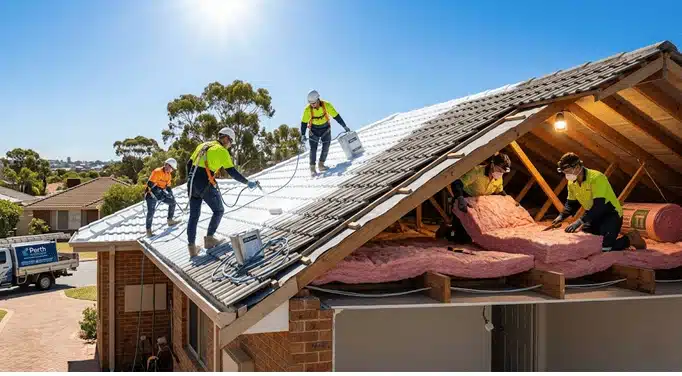
Perth homeowners face a dual challenge: protecting their roof structure while managing extreme temperature swings. A tile roof restored in 2024 might look pristine, but without proper insulation beneath it, indoor temperatures can still reach uncomfortable levels during 40-degree summer days. Addressing both elements simultaneously delivers compounding benefits that separate approaches simply cannot match.
The timing makes practical sense. When Permacoat’s restoration team accesses the roof space for repairs and coating application, the opportunity exists to assess and upgrade insulation without additional disruption. This coordinated trade scheduling eliminates duplicate scaffolding costs, reduces project timelines, and provides comprehensive thermal envelope protection for the property.
Why Perth’s Climate Demands Both Solutions
Perth’s Mediterranean climate creates unique demands on roofing systems. Summer temperatures regularly exceed 38 degrees, with roof surface temperatures reaching 70 degrees or higher on metal roofing and tile surfaces. This extreme heat radiates directly into roof cavities, overwhelming inadequate or degraded insulation.
Winter presents the opposite challenge. Coastal properties face salt-laden winds and driving rain that test roof integrity, while inland suburbs experience cold nights where heat loss through poorly insulated ceilings costs homeowners hundreds annually in heating expenses.
The combination of UV exposure, thermal cycling, and moisture creates a deteriorating effect on both roof surfaces and existing insulation materials. Foil insulation installed in the 1980s may have separated from its backing. Bulk insulation can compress over time, losing R-value effectiveness. Meanwhile, the roof coating protecting tiles or metal surfaces fades and breaks down, allowing moisture penetration that compromises both structural elements and insulation performance.
Addressing these interconnected systems together creates thermal envelope protection that works from the outside in. Roof restoration Perth services restore the protective exterior layer, while upgraded insulation manages heat transfer at the ceiling level.
The Thermal Performance Gap in Restored Roofs
A restored roof with fresh Dulux Acratex coating reflects more solar radiation than a faded, weathered surface. Light-coloured coatings can reduce roof surface temperatures by 10-15 degrees compared to dark, degraded surfaces. This improvement alone cuts heat transfer into the roof cavity.
However, the thermal performance story does not end at the roof surface. Heat that does penetrate the coating still radiates into the roof space. Without adequate R4.0 ceiling insulation at the ceiling level, this heat transfers directly into living areas. Homeowners often express surprise that their beautifully restored roof has not solved their temperature control issues. The restoration addressed structural protection and aesthetics, but not the thermal bridge between roof space and interior.
Modern insulation standards call for R4.0 ceiling insulation or higher in Perth ceiling applications. Many homes built before 2005 contain R1.5 to R2.5 insulation, or in some cases, no insulation at all. The performance difference is measurable: upgrading from R2.5 to R4.0 ceiling insulation can reduce ceiling heat transfer by approximately 37%, translating to noticeable comfort improvements and lower air conditioning costs.
Access Advantages During Restoration Projects
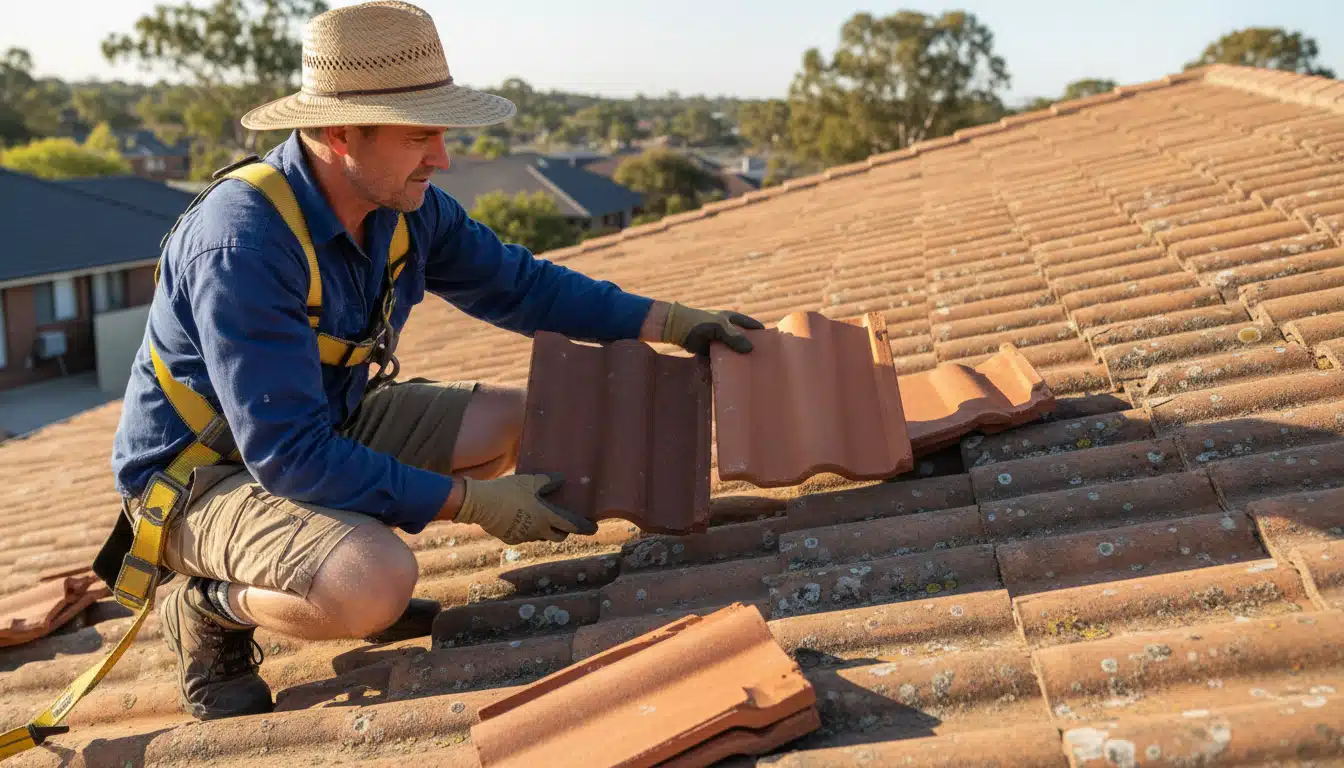
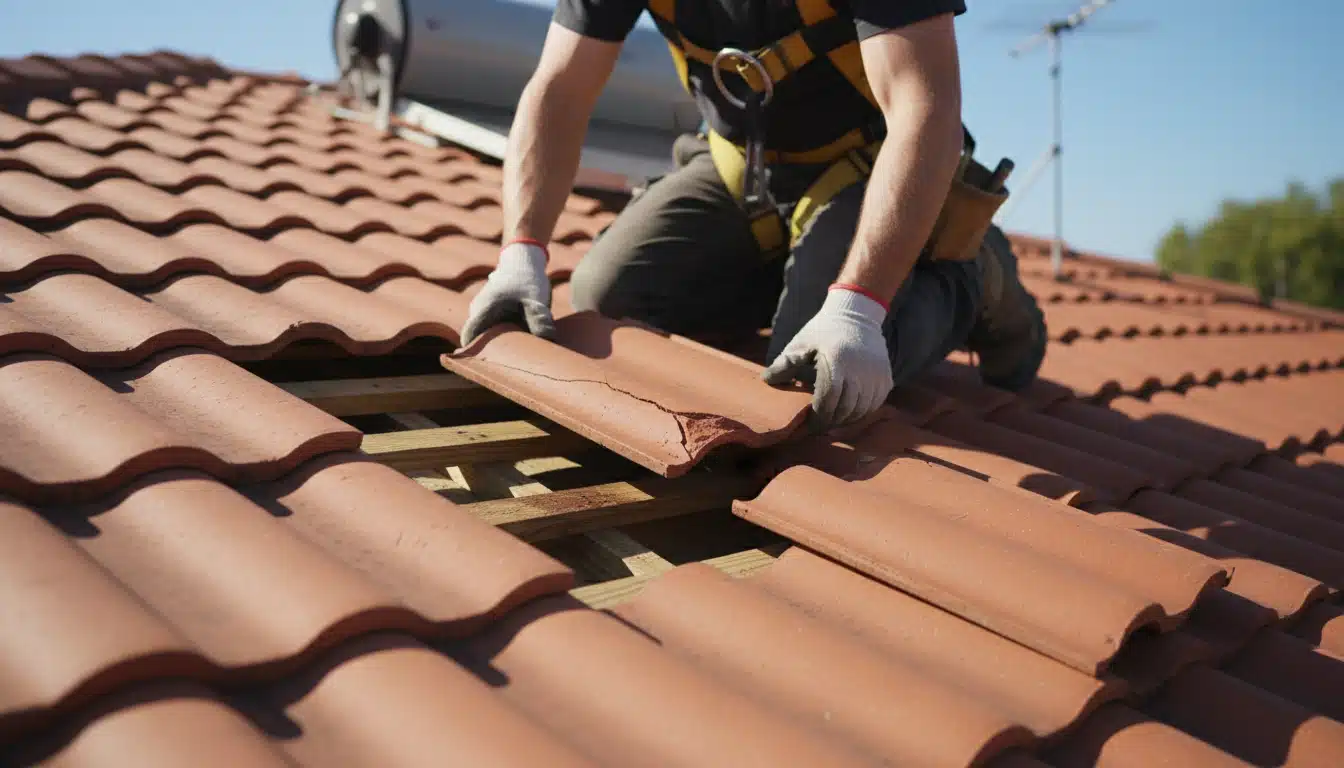
Roof repairs Perth projects require scaffolding, safety equipment, and roof access that creates natural opportunities for insulation assessment. When restoration teams identify cracked tiles, damaged flashing, or valley issues, they are simultaneously positioned to evaluate ceiling insulation conditions from above.
This access reveals problems invisible from ground level. Compressed insulation around downlights, gaps at ceiling perimeters, moisture damage from previous leaks, and inadequate coverage in hard-to-reach areas all become apparent during roof work. Addressing these issues during the restoration phase eliminates the need for separate ceiling access, saving the cost and disruption of a second project.
The coordination extends to practical logistics through proper coordinated trade scheduling. Scaffolding erected for roof work provides safe access for insulation material delivery. The restoration timeline can accommodate insulation installation without extending the overall project duration significantly. Most importantly, any minor ceiling disturbance required for insulation upgrades happens while the property is already in project mode, rather than disrupting a settled household months later.
Insulation Options That Complement Roof Restoration
Bulk Insulation (Batts)
Polyester or glasswool batts remain the most common ceiling insulation choice in Perth. R4.0 ceiling insulation batts provide substantial thermal resistance, do not compress over time, and handle Perth’s temperature extremes without degradation. Installation requires ceiling access from below or roof space access from above, making concurrent roof restoration insulation upgrade projects an ideal timing opportunity.
Modern batts include features absent from older products: moisture resistance, fire ratings, and improved handling characteristics. For homes with existing inadequate insulation, adding higher R-value batts over the existing layer (if structurally appropriate) can boost performance without complete removal.
Reflective Foil Sarking
Reflective foil sarking reflects radiant heat rather than absorbing it. In Perth’s climate, where radiant heat accounts for the majority of summer heat gain, foil products deliver impressive performance when installed with proper air gaps. The material works particularly well in metal roof applications where radiant heat transfer dominates.
Combining reflective foil sarking with bulk insulation creates a hybrid system that addresses both radiant and conductive heat transfer. The foil layer beneath the roof reflects heat back toward the exterior, while bulk insulation at the ceiling level provides additional resistance. This combination suits Perth’s extreme summer conditions exceptionally well, providing comprehensive thermal envelope protection.
Spray Foam Solutions
Closed-cell spray foam delivers the highest R-value per inch of any insulation type and creates an air seal that prevents convective heat loss. The material adheres to roof framing and ceiling surfaces, filling gaps that traditional batts cannot address. However, spray foam requires professional installation and represents a higher upfront investment than batt alternatives.
For roof spaces with complex framing, numerous penetrations, or difficult access, spray foam solves problems that make batt installation challenging. The material’s moisture resistance also provides additional protection in areas prone to condensation or minor leak events.
Coordinated Trade Scheduling
Successful combined projects require clear coordinated trade scheduling. The restoration process follows a defined sequence: repairs first, then high-pressure roof cleaning, followed by the three-coat Dulux Acratex system application. Insulation work must slot into this timeline without compromising either element.
The optimal sequence typically places insulation assessment during the repair phase. Restoration teams complete roof repairs, replace damaged tiles, address flashing issues, and assess insulation conditions from roof space access. This phase identifies the specific insulation work required and confirms material quantities.
High-pressure cleaning occurs after repairs, removing moss, lichen, dirt, and organic growth, preparing surfaces for coating adhesion. This stage occurs before insulation installation to prevent overspray or moisture from affecting new insulation materials.
Insulation installation proceeds after cleaning, with contractors installing new materials working from roof space access or ceiling access points as appropriate. This work completes before coating application begins, ensuring no insulation activity disturbs fresh coating surfaces.
The three-coat Dulux Acratex system application proceeds last: primer-sealer coat, followed by two finish coats. This phase represents the visible transformation, with the insulation work completed beneath providing the invisible performance upgrade.
For properties requiring tile roof repairs or valley replacements, the extended roof access period provides additional flexibility for insulation work. Strata properties benefit particularly from this coordination, as body corporate approvals and resident notifications can cover both scopes simultaneously.
Cost Considerations and Value Analysis
Combining projects delivers measurable cost advantages over separate undertakings. Scaffolding represents a significant fixed cost in any roof project. Using that access for both restoration and roof restoration insulation upgrade eliminates duplicate scaffold hire. Project management, site establishment, and safety compliance costs similarly apply once rather than twice.
The specific savings depend on property configuration. A single-storey home with straightforward roof access sees smaller combination benefits than a two-storey property requiring extensive scaffolding. However, most Perth properties realise 15-25% cost savings by addressing both elements together compared to sequential projects.
Beyond immediate cost savings, the energy performance improvements deliver ongoing returns. The Australian Government’s Your Home technical manual suggests appropriate insulation can reduce heating and cooling energy consumption by 45-55% in Perth’s climate. For a typical household spending $1,800 annually on climate control, upgraded insulation could save $800-990 per year, delivering payback within 5-7 years on the insulation investment.
Property value considerations add another dimension. A restored roof with modern insulation presents a complete thermal upgrade story that appeals to buyers and valuers. The combination addresses two common building inspection concerns simultaneously, potentially eliminating negotiation points during property sales.
Perth Suburb Considerations
Coastal Properties (Cottesloe, Scarborough, Hillarys)
Coastal suburbs face salt exposure that accelerates roof coating degradation while experiencing moderate temperature ranges compared to inland areas. For these properties, roof restoration primarily addresses corrosion and weathering protection, while insulation upgrades focus on winter heat retention and summer comfort during easterly wind conditions.
Coastal properties benefit particularly from moisture-resistant insulation products. Salt-laden air can penetrate roof spaces, and any insulation material must withstand Perth’s coastal humidity without degrading or supporting mould growth. R4.0 ceiling insulation with moisture-resistant properties represents the optimal choice for coastal applications.
Inland Suburbs (Midland, Ellenbrook, Mundaring)
Inland properties experience Perth’s temperature extremes most acutely. Summer days regularly exceed 40 degrees, while winter nights drop to single digits. These properties gain maximum benefit from combined roof restoration insulation upgrade projects, as both elements address the severe thermal stress these locations experience.
The insulation component becomes particularly critical in inland suburbs. The temperature differential between roof space and living areas can reach 30 degrees on summer afternoons without adequate insulation. Upgraded R4.0 ceiling insulation combined with reflective foil sarking and reflective roof coatings creates thermal envelope protection that dramatically improves comfort and reduces air conditioning loads.
Established Suburbs (Mount Lawley, Subiaco, Nedlands)
Character homes in established suburbs often feature original roofing and minimal insulation. These properties present ideal candidates for combined upgrades, as both systems typically require attention simultaneously. The heritage considerations in some suburbs may influence roof colour options while allowing complete freedom with insulation upgrades invisible from street level.
Implementation Timeline and Process
A combined roof restoration insulation upgrade project typically extends the standard restoration timeline by 2-4 days, depending on property size and insulation scope. The process follows this general sequence:
Days 1-2: Inspection, Repairs, and Assessment The restoration team completes roof repairs, replaces damaged tiles, addresses flashing issues, and assesses insulation conditions from roof space access. This phase identifies the specific insulation work required and confirms material quantities.
Day 3: High-Pressure Cleaning Professional roof cleaning removes moss, lichen, dirt, and organic growth, preparing surfaces for coating adhesion. This stage occurs before insulation installation to prevent overspray or moisture from affecting new insulation materials.
Days 4-5: Insulation Installation Insulation contractors install new materials, working from roof space access or ceiling access points as appropriate. This work completes before coating application begins, ensuring no insulation activity disturbs fresh coating surfaces.
Days 6-8: Coating Application The three-coat Dulux Acratex system application proceeds: primer-sealer coat, followed by two finish coats. This phase represents the visible transformation, with the insulation work completed beneath providing the invisible performance upgrade.
Day 9: Final Inspection and Handover Project completion includes verification of both restoration quality and insulation installation, with documentation provided for warranty purposes.
Warranty Coverage for Combined Projects
Permacoat’s restoration warranty covers the coating system (15-20 years depending on product selection), leak protection (12 months), and workmanship (3 years). These warranties apply regardless of whether insulation upgrades occur concurrently.
Insulation installation carries separate warranty coverage, typically provided by the insulation contractor or product manufacturer. Quality insulation products include 50-year performance warranties, though installation workmanship warranties typically run 5-10 years.
The key advantage of coordinated trade scheduling lies in clear responsibility. When a single company coordinates both elements, warranty claims and service issues have a clear resolution path. Split projects where different contractors handle roof and insulation work can create finger-pointing situations if problems arise at the intersection of both scopes.
Making the Decision: When Combined Projects Make Sense
Not every roof restoration requires simultaneous insulation upgrades, and not every insulation project needs concurrent roof work. The decision depends on several factors:
Age of Existing Systems Homes with roofs approaching 15-20 years since last restoration and insulation from the same era present clear candidates for combined work. Both systems likely require attention, and addressing them together maximises value through comprehensive thermal envelope protection.
Comfort and Energy Issues Properties experiencing both roof condition concerns (leaks, faded coating, damaged tiles) and temperature control problems benefit substantially from combined roof restoration insulation upgrade approaches. If occupants run air conditioning constantly yet struggle with comfort, the dual approach addresses both symptom and cause.
Property Transaction Timeline Homeowners preparing properties for sale gain presentation and performance improvements from combined projects. The investment often returns through higher sale prices and faster transaction times, as buyers value homes with recently upgraded roofing and insulation systems.
Budget Availability While combined projects cost more upfront than restoration alone, they deliver better value than sequential projects. Homeowners with budget capacity to address both elements should seriously consider the combined approach for its cost efficiency and comprehensive results.
Professional Assessment and Project Planning
The complexity of combined projects demands professional assessment beyond standard restoration quotes. Permacoat provides comprehensive roof inspections that evaluate both structural conditions and thermal performance opportunities, identifying specific insulation deficiencies and recommending appropriate solutions.
This assessment considers roof type, existing insulation conditions, property age, occupant comfort concerns, and budget parameters. The resulting project plan outlines restoration scope, insulation recommendations, timeline expectations, and detailed cost breakdowns for both elements.
Properties with complex roof configurations, heritage considerations, or strata requirements benefit particularly from thorough planning. Body corporate properties may require detailed documentation for committee approval, including specifications for both restoration and insulation components.
Conclusion
Perth’s climate demands comprehensive thermal envelope protection that addresses both roof surface conditions and ceiling insulation performance. Combining roof restoration insulation upgrade delivers practical advantages that separate projects cannot match: coordinated access, reduced costs, compressed timelines, and holistic thermal improvements through proper coordinated trade scheduling.
The approach makes particular sense for properties where both systems approach replacement age, where occupants struggle with temperature control despite functioning air conditioning, or where property sales create motivation for comprehensive upgrades. The cost premium over restoration alone typically returns through energy savings within 5-7 years, while delivering immediate comfort improvements and property value enhancement.
Permacoat’s 50+ years serving Perth homeowners includes extensive experience coordinating restoration projects with complementary upgrades. The company’s understanding of local climate demands, roof types, and thermal performance requirements ensures combined projects deliver maximum value through proper planning and execution. For homeowners considering roof restoration, evaluating insulation conditions simultaneously provides an opportunity to address both elements efficiently, creating comprehensive protection for Perth’s demanding conditions. Contact our team on (08) 9249 5955 for a comprehensive assessment that evaluates both roof restoration needs and insulation upgrade opportunities specific to your property.