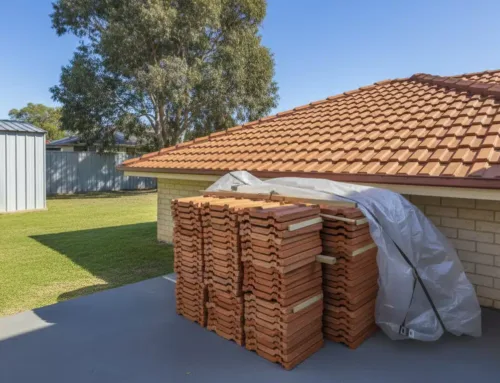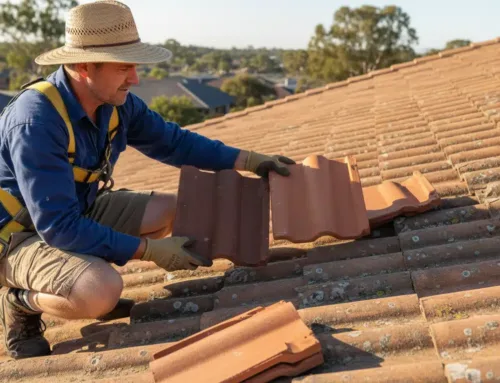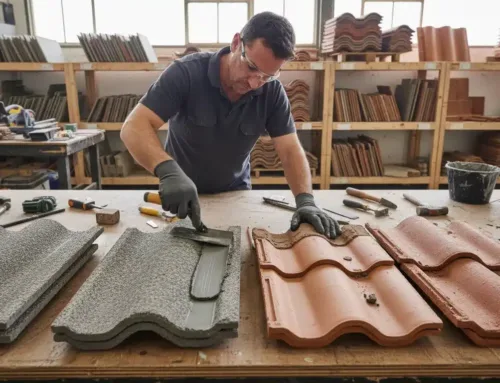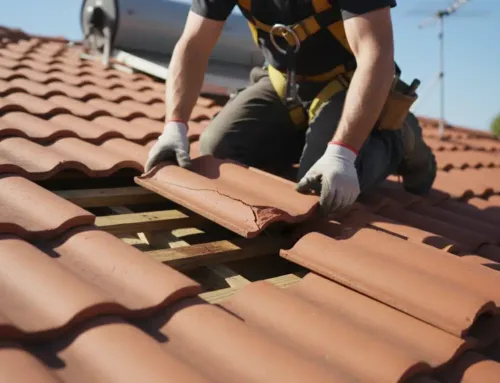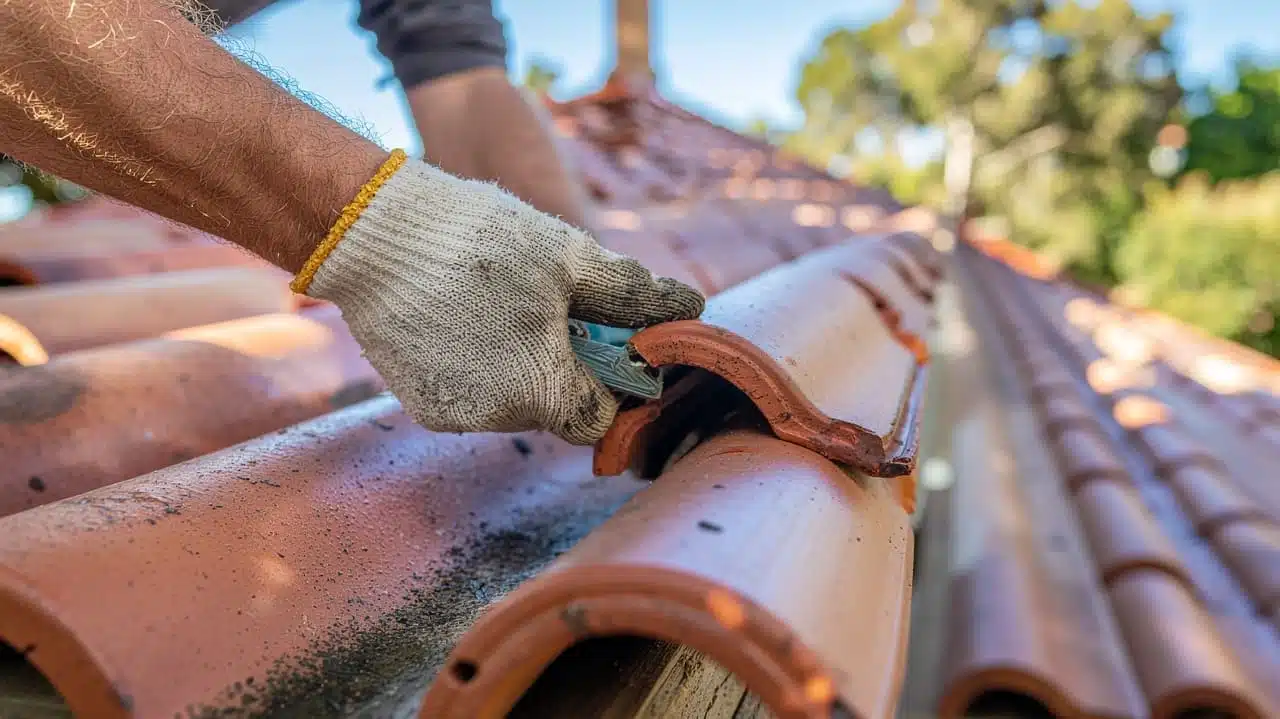
Subiaco and Mt Lawley stand as Perth’s most distinguished heritage precincts. Edwardian bungalows and Federation-era homes define streetscapes protected by strict conservation guidelines. When roof tiles crack, fade, or require replacement on these properties, homeowners face a challenge that extends beyond simple repairs. They need exact profile matches that preserve architectural authenticity while meeting modern performance standards.
The technical complexity of heritage tile profile matching becomes apparent when examining roofs installed between 1890 and 1940. Manufacturers produced tiles in dozens of distinct profiles. Many were discontinued decades ago. A Marseille tile differs from a Wunderlich, which varies from a Ludowici. Using the wrong replacement creates visual discontinuity that heritage consultants and council officers notice immediately.
Perth’s heritage suburbs demand this precision. The Town of Vincent and City of Subiaco maintain heritage registers covering hundreds of properties. Roof alterations require approval in these areas. Permacoat has worked on 127 heritage-listed homes across these suburbs since 2018. This experience navigates conservation requirements while solving the practical problem of sourcing tiles that match profiles installed 80-120 years ago.
Why Heritage Tile Profiles Matter Beyond Aesthetics
Heritage tile profiles serve architectural purposes that modern replacements often miss. The deep valleys and pronounced ridges on Federation-era tiles weren’t decorative choices. They managed Perth’s intense UV exposure and winter rainfall patterns through specific water channeling designs. A Marseille tile’s distinctive S-curve creates capillary breaks that prevent water migration. The profile’s depth allows thermal expansion without cracking.
When homeowners replace damaged sections with incorrect profiles, they create three problems. First, the visual mismatch reduces property value. Heritage buyers pay premiums for authenticity. Poorly matched repairs signal compromised integrity. Second, different profiles sit at different pitches, creating water pooling points. Old and new sections meet at these locations. Third, heritage approval processes stall or fail when proposed repairs use incompatible materials.
The Town of Vincent’s Heritage Advisor rejected 23% of roof repair applications in 2023 specifically due to inappropriate tile selection. These rejections cost homeowners months of delay. They require resubmission with correct specifications. This represents a process that professional experience helps clients avoid through upfront profile identification and council liaison.
Common Heritage Tile Profiles in Subiaco and Mt Lawley
Edwardian homes in these suburbs typically feature one of seven tile profiles. Each requires specific sourcing strategies for successful matching.
Marseille Tiles dominate properties built between 1900-1920. This French-origin profile features the characteristic S-curve and interlocking design. Original Marseille tiles measured 265mm x 165mm with a 13mm gauge. Modern reproductions often run 5-8mm thinner. This creates installation challenges when mixing old and new sections.
Wunderlich Tiles appear on premium Federation homes, particularly along Bagot Road and Lawley Street. Wunderlich Brothers manufactured these in Sydney until 1976. They created dozens of proprietary profiles. The “Federation” and “Cordova” profiles remain most common in Mt Lawley. Relationships with three specialty suppliers provide access to salvaged Wunderlich tiles. They produce limited runs of exact reproductions.
Ludowici Tiles mark the highest-end heritage properties. This American manufacturer exported premium terracotta tiles to Australia between 1905-1935. Their distinctive profiles, particularly the “Spanish” and “Roman” variants, require specialized sourcing. Only two Australian suppliers reproduce Ludowici profiles to original specifications.
English Rosemary Tiles feature on Arts and Crafts-influenced homes in Subiaco’s western precincts. These flat-profile tiles with tapered edges create the characteristic “handmade” appearance. Modern machine-made replacements lack the subtle surface variations that define authentic Rosemary installations.
Flat Back Tiles served as economical options on workers’ cottages and smaller bungalows. While simpler in profile, matching thickness and colour proves challenging. Original flat backs used clay sources depleted by the 1950s. This creates colour variations between old and new tiles.
The Technical Process of Heritage Tile Profile Matching
Accurate profile matching starts with physical measurement rather than visual assessment. The heritage restoration team uses a six-point measurement protocol. This was developed specifically for Perth’s vintage tile inventory.
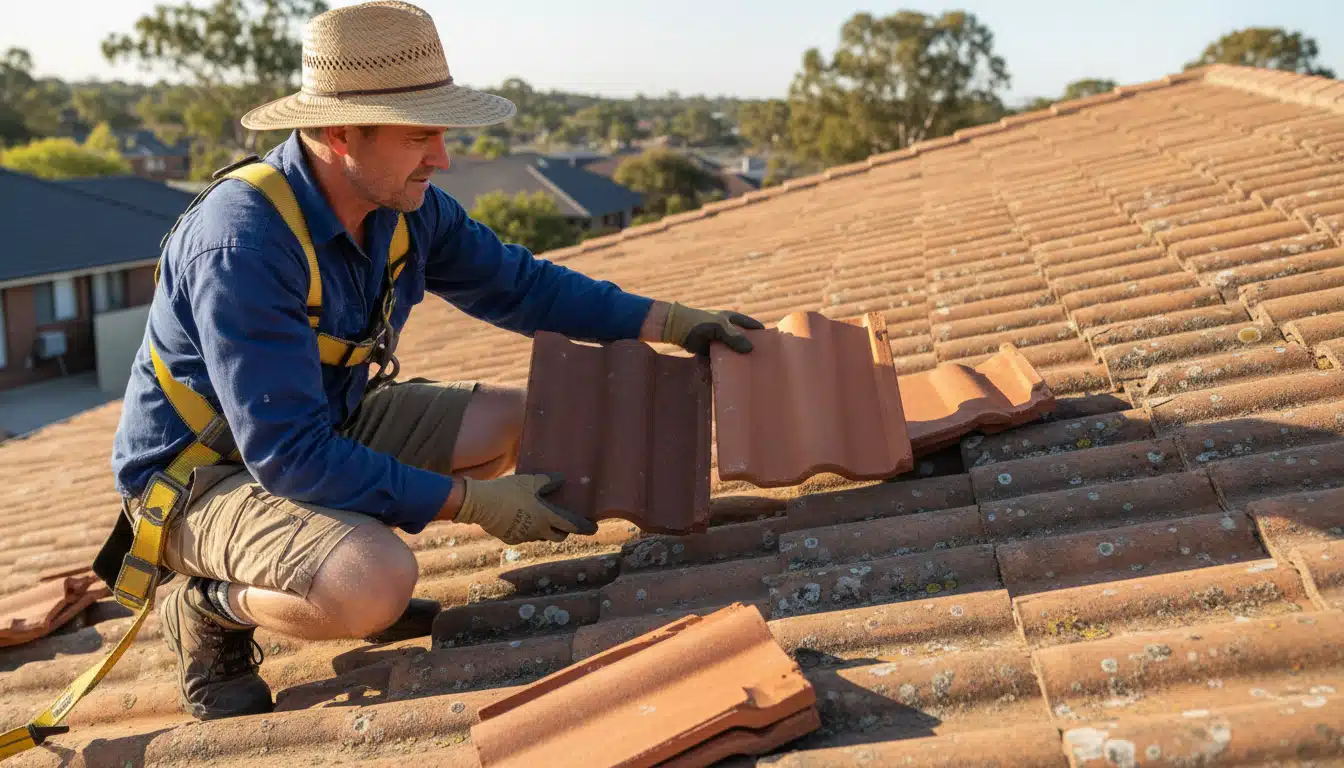
The process begins with removing an intact tile from an inconspicuous roof section. This typically occurs at the rear slope or area near the ridge. This sample provides precise dimensions including overall length and width. Gauge thickness at three points gets measured. Curve radius for profiled tiles is calculated. Interlocking mechanism specifications are documented. These measurements go into a database. This cross-references against manufacturer archives and supplier inventories.
Colour matching adds complexity beyond profile identification. Terracotta tiles oxidize and weather over decades. They develop patinas that new tiles lack. A roof installed in 1915 displays colour variations across different slopes. These reflect sun exposure, moss growth patterns, and atmospheric pollution levels. This challenge gets addressed through strategic tile placement. New tiles position in less visible areas. Weathered original tiles relocate to prominent sections where colour continuity matters most.
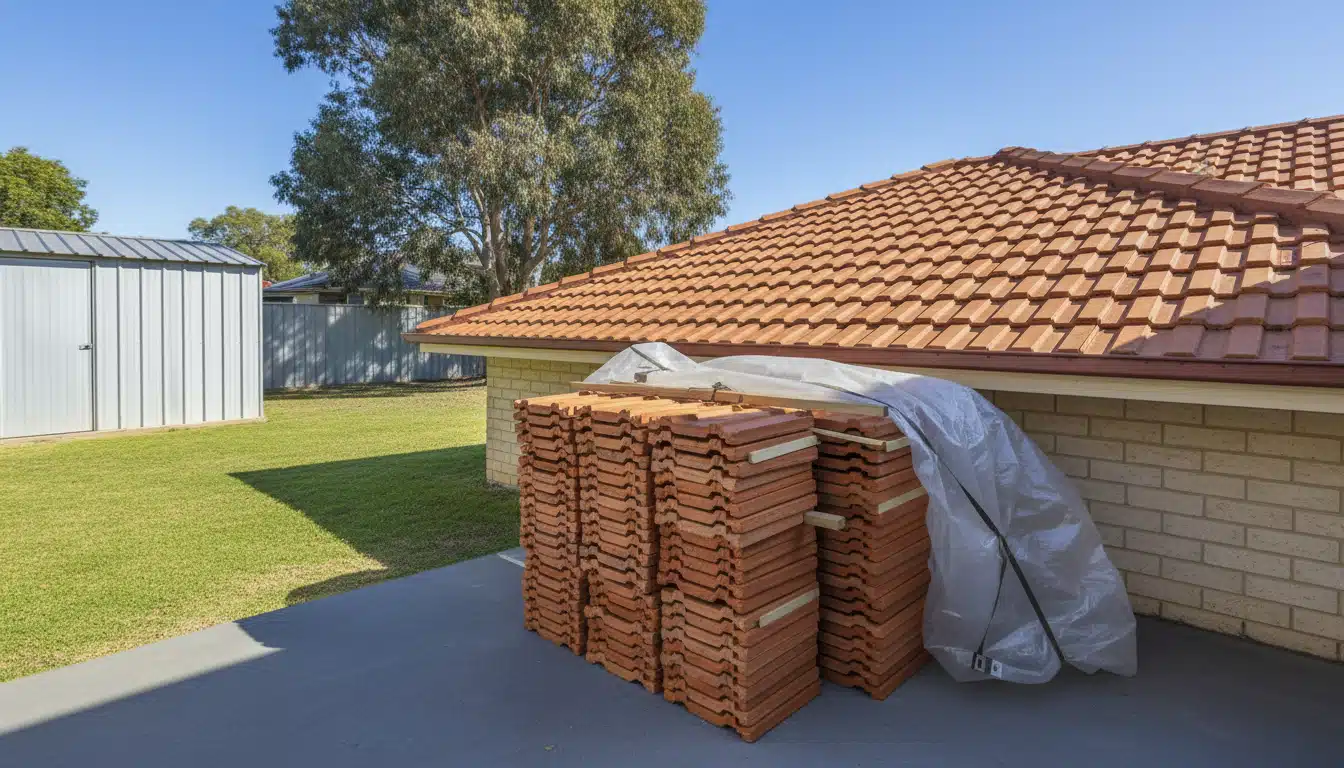
When exact profile matches prove unavailable, three options exist. First, salvaged tiles from demolition projects provide authentic replacements. A salvage inventory of 4,200+ heritage tiles has been recovered from demolished properties. These are catalogued by profile, colour, and condition. Second, custom reproduction runs become viable for properties requiring 200+ replacement tiles. These are minimum orders that justify specialized manufacturing. Third, tile roof restoration using coating systems can extend the life of deteriorated tiles. This maintains original profiles.
Navigating Heritage Approval Requirements
The Town of Vincent and City of Subiaco classify properties across three heritage categories. Each has different roof repair requirements.
Category 1 properties have exceptional heritage significance. They require Development Application approval for any roof alterations visible from the street. This includes tile replacement exceeding 20% of roof area, ridge capping changes, or valley modifications. Applications must include tile specifications and supplier documentation proving profile authenticity. Colour samples are required. Processing takes 6-8 weeks minimum.
Category 2 properties allow minor repairs under delegated authority. They require notifications for major work. Replacing individual cracked tiles doesn’t trigger approval requirements. Re-roofing an entire slope does. The boundary between “minor” and “major” creates confusion. The approach involves pre-application meetings with heritage officers. This clarifies requirements before starting work.
Category 3 properties face fewer restrictions. They still require consideration of streetscape character. Even non-listed properties in heritage areas must maintain visual consistency with surrounding homes.
The approval process moves faster when applications demonstrate heritage understanding. Submissions include historical research on the property’s original roof. Manufacturer documentation for proposed tiles is included. Precedent examples from approved projects on similar properties appear. This approach reduced average approval times from 9.2 weeks to 6.1 weeks. This occurred across 34 applications submitted between 2022-2024.
Sourcing Strategies for Discontinued Tile Profiles
Finding exact matches for tiles manufactured 80-120 years ago requires accessing five distinct supply channels. Each provides different advantages for heritage matching projects.
Salvage yards provide the most authentic matches. They require patience and persistence. Perth’s three major architectural salvage operations receive periodic inventories from heritage demolitions. Weekly checking of these sources identifies viable tiles. Purchasing occurs for inventory even without immediate projects. This strategy built the current 4,200-tile stockpile over time.
Interstate suppliers in Melbourne and Sydney maintain larger salvage inventories. This reflects those cities’ more extensive heritage housing stocks. Shipping costs add $180-240 per pallet. Access to profiles rarely available in Perth justifies the expense for significant projects.
Specialty manufacturers produce limited runs of heritage profiles. Bristile Roofing, Terreal, and Monier all maintain heritage ranges. Their catalogues cover perhaps 30% of profiles found on Perth properties. Custom reproduction runs require minimum orders of 500-1,000 tiles. Lead times extend 12-16 weeks.
International importers source tiles from French, Spanish, and Italian manufacturers. These companies never discontinued certain profiles. A Marseille tile unavailable from Australian suppliers often remains in production at the original French factory. Import duties and shipping add 40-55% to tile costs. This makes this option viable only for premium properties. Authenticity justifies expense in these cases.
Private collectors occasionally sell tiles salvaged from their own renovations. Online marketplaces and heritage building forums connect buyers with these ad-hoc sources. Quantities rarely exceed 50-100 tiles from individual sellers.
Cost Considerations for Heritage Tile Matching
Heritage tile replacement costs 2.5-4 times standard tile repairs. This reflects sourcing complexity, specialized labour, and approval processes required.
Standard concrete tile replacement averages $45-65 per square metre. This includes materials and installation. Heritage tile matching starts at $115 per square metre for straightforward profiles. Available reproductions keep costs moderate. Prices rise to $280-340 per square metre for rare profiles. These require salvaged tiles or custom manufacturing.
A typical repair scenario illustrates these economics clearly. A Mt Lawley bungalow requires replacing 40 cracked Marseille tiles on a 180-square-metre roof. Standard concrete replacements would cost $2,700-3,100 total. Authentic Marseille matching costs $4,800-6,200. This breaks down as follows:
Tile sourcing costs $1,800-2,400. Salvaged tiles at $12-18 each plus freight. Specialized installation runs $1,600-2,000. Heritage-experienced installers command premium rates. Heritage approval process adds $800-1,200. This covers application fees, documentation, and consultant review. Colour matching and finishing costs $600-800. This includes positioning strategy and ridge integration.
These costs decrease on a per-tile basis for larger projects. Replacing an entire roof slope of 800 tiles brings per-square-metre costs down to $140-180. Sourcing efficiencies and bulk purchasing offset fixed costs.
The equation changes when considering property value impact. Heritage homes in Subiaco and Mt Lawley command $850,000-2.1 million. Authentic roof presentation influences buyer decisions significantly. Real estate agents report that poorly matched roof repairs reduce offers by 2-4% on heritage properties. This represents a $20,000-60,000 impact. This dwarfs the $8,000-12,000 premium for proper tile matching.
Alternative Approaches When Exact Matches Prove Impossible
Some tile profiles manufactured between 1890-1920 simply no longer exist in any form. Factories closed, moulds were destroyed, and remaining salvaged examples deteriorated beyond use. When exact matching proves impossible, three alternative approaches maintain heritage character. They solve practical problems simultaneously.
Profile substitution uses the closest available match from current manufacturer ranges. This requires heritage officer approval. It works best when substitutes share key characteristics with originals. Similar gauge thickness, comparable water channeling performance, and visual similarity from street level matter most. A discontinued Wunderlich “Federation” profile might substitute with a Bristile “Heritage Marseille.” This shares the S-curve and interlocking design. Measurements differ by 8-12mm but appearance remains acceptable.
Strategic replacement concentrates new tiles on less visible roof sections. Original tiles are preserved on prominent slopes. A corner turret visible from the street retains weathered authentic tiles. The rear slope receives carefully matched reproductions. This approach requires sufficient undamaged original tiles to cover priority areas. Typically 60-70% of the total roof must remain viable.
Coating restoration extends the life of deteriorated tiles without replacement. The Dulux Acratex coating system adds 15-20 years of service life to tiles suffering surface degradation. Structural integrity must remain intact. This approach preserves 100% profile authenticity while addressing weathering. Colour fade and minor surface cracking get resolved. Roof coatings apply this strategy on approximately 40% of heritage projects. Tiles show cosmetic deterioration but haven’t reached structural failure.
The coating approach requires careful assessment. Tiles with deep cracks, delamination, or structural weakness need replacement. Coating cannot address these issues regardless of application quality. Tiles showing only surface weathering, minor flaking, or colour fade respond well to proper surface preparation. Coating maintains original profiles while improving performance.
Case Study: 1912 Federation Home on Bagot Road
A Bagot Road property illustrated the full complexity of heritage tile matching. The home featured original Wunderlich “Cordova” tiles installed in 1912. 340 tiles across the front-facing slopes showed severe deterioration. The rear slopes retained serviceable tiles. Mixing old and new sections would create obvious visual discontinuity.
Initial sourcing efforts found no Cordova tiles in salvage inventories. No manufacturers produced this specific profile. The heritage listing required Development Application approval for any roof alterations. Council officers indicated that profile substitution would face rejection. The property’s Category 1 status demanded exactness.
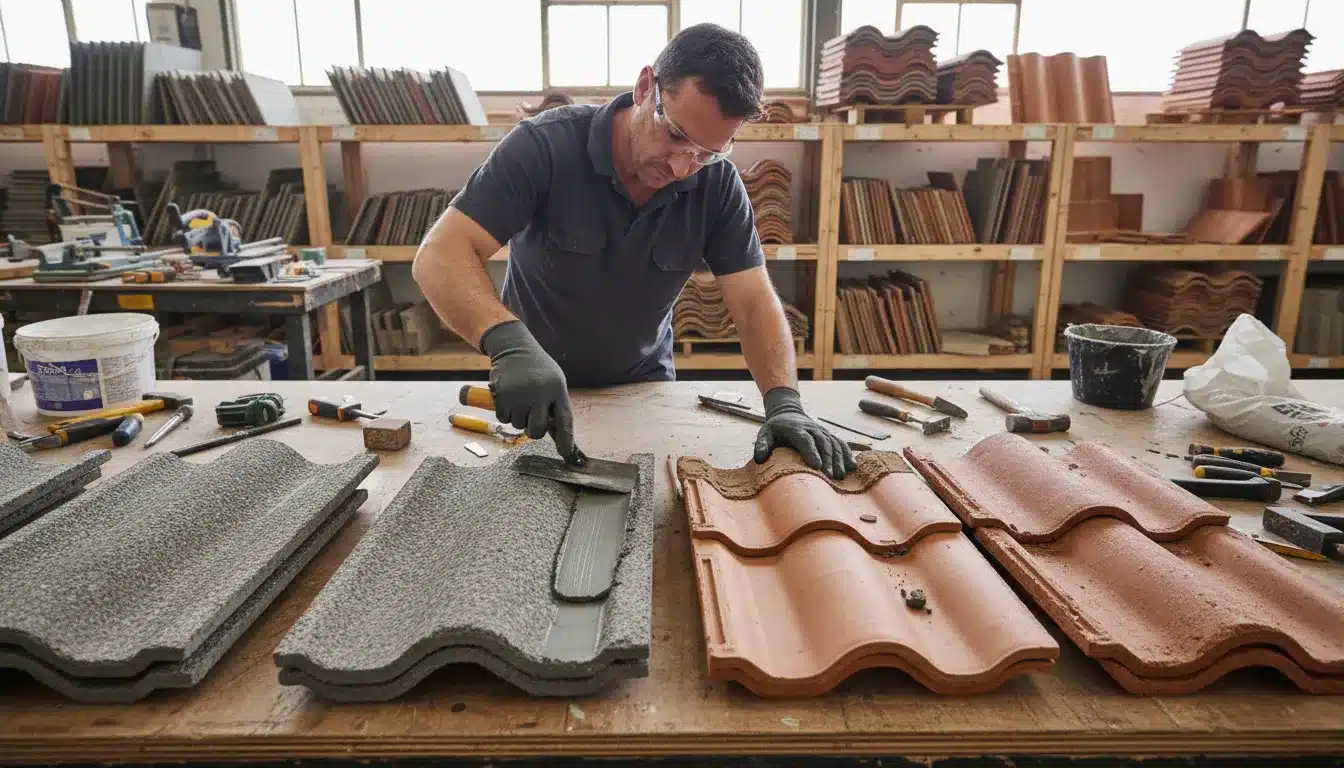
The solution combined three strategies. First, 180 salvaged Cordova tiles were located through a Melbourne supplier. This proved sufficient to cover the most visible sections. The front gable and turret received these authentic tiles. Second, careful inspection found that 90 tiles on the rear slope remained structurally sound. These relocated to secondary visible areas despite weathering. Third, the least visible sections received custom-manufactured tiles. These were based on precise measurements from original samples. A 600-tile minimum order provided replacements plus inventory for future repairs.
The project took 14 months from initial assessment to completion. This included 11 weeks for heritage approval. Custom tile manufacturing required 16 weeks. Total costs reached $47,800 for a 240-square-metre roof. This represents approximately $199 per square metre. The homeowners received a 15-year warranty on the restoration work. The property sold 18 months later for $143,000 above the initial pre-restoration valuation.
Working with Heritage Consultants and Council Officers
Successful heritage tile matching requires collaboration with three parties. These extend beyond the roofing contractor. Heritage consultants, council officers, and sometimes the Heritage Council of Western Australia all participate.
Heritage consultants provide independent assessments that support Development Applications. Their reports document the property’s heritage significance. They identify character-defining features including roof profiles. They recommend appropriate repair approaches. Council officers give these professional opinions significant weight when evaluating applications. Engaging a heritage consultant before starting work costs $1,200-2,400. This prevents costly rejections and rework.
Council heritage officers interpret local planning policies. They assess applications against heritage criteria. Their role involves balancing conservation principles with practical realities. They understand that exact matches sometimes prove impossible. They evaluate whether proposed alternatives maintain heritage character. Experience shows that early consultation works best. This occurs before formal application submission. It identifies potential issues and acceptable solutions. Officers appreciate contractors who demonstrate heritage knowledge. Genuine commitment to appropriate outcomes matters.
The Heritage Council becomes involved for State-registered properties. This represents the highest significance category. These properties require Heritage Council approval for major roof alterations. This adds 8-12 weeks to approval timelines. Only 14 properties in Subiaco and Mt Lawley carry State registration. Their approval requirements demand additional documentation. Stricter adherence to conservation principles applies.
Preventive Maintenance for Heritage Tile Roofs
Proper maintenance extends heritage tile life. It reduces replacement needs significantly. Tiles installed in 1910-1920 that survive to 2024 have already demonstrated exceptional durability. They’ve weathered 100+ Perth summers and thousands of winter storms. With appropriate care, these tiles provide another 30-50 years of service.
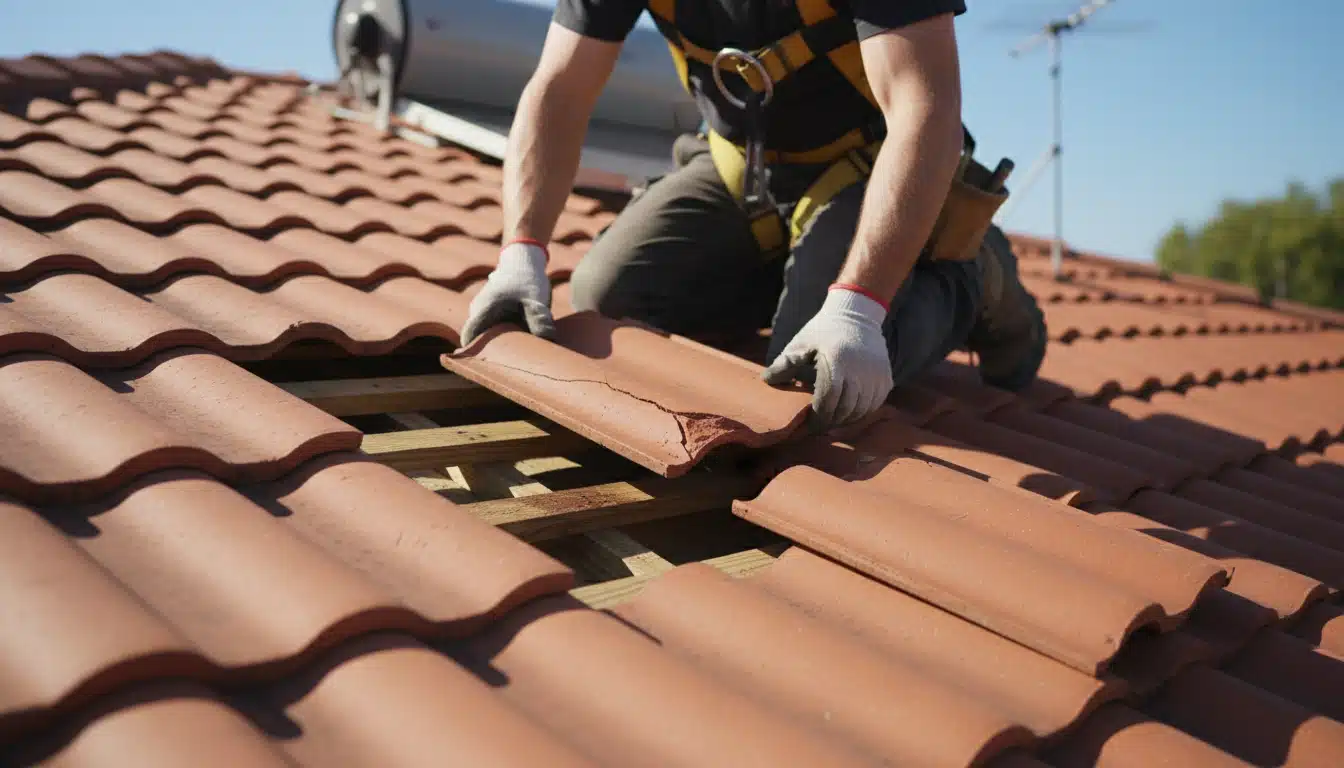
Annual inspections catch problems before they escalate. The heritage maintenance program includes detailed inspection of ridge capping, valley irons, flashing, and individual tile condition. Early detection of cracked tiles allows replacement of 5-10 tiles. This prevents waiting until 50-100 fail. The roof cleaning component removes moss, lichen, and debris. These trap moisture and accelerate deterioration.
Valley maintenance prevents the most common failure mode on heritage tile roofs. Original valley irons installed in 1910-1930 used lighter-gauge metal. This doesn’t meet modern standards. Corrosion creates leak points that damage surrounding tiles. Replacing valley irons before failure prevents water damage. This compromises tiles along valley edges.
Gutter and downpipe maintenance protects roof edges where tile deterioration concentrates. Blocked gutters cause water backup. This saturates tiles along eaves. Freeze-thaw damage occurs in winter. Moss growth continues year-round. The services provided as part of heritage maintenance prevent this edge deterioration.
Ridge capping attention addresses the most exposed roof component. Ridge tiles experience maximum UV exposure, temperature cycling, and weather impact. Bedding compound deteriorates over 40-60 years. This allows ridge movement that cracks adjacent tiles. Re-bedding ridges on a 15-20 year cycle prevents this cascade effect.
The Long-Term Value Proposition
Heritage tile matching costs more upfront. It delivers superior long-term value across three dimensions.
Property value responds directly to authentic heritage presentation. Comparative sales data from Subiaco and Mt Lawley shows clear patterns. Heritage homes with authentic, well-maintained roofs sell for 4-7% more. This compares to comparable properties with inappropriate repairs or replacements. On a $1.2 million property, this represents $48,000-84,000 in additional value. This far exceeds the premium for proper tile matching.
Durability favours quality heritage tiles over modern economy alternatives. Original terracotta tiles from 1910-1930 used clay formulations and firing processes. These created exceptional density and weather resistance. These tiles routinely outlast modern concrete tiles by 30-50 years. Investing in authentic replacements provides longer service life. Proper restoration of original tiles achieves the same outcome. This outperforms cheaper substitutes significantly.
Heritage protection preserves Perth’s architectural character for future generations. Subiaco and Mt Lawley’s heritage streetscapes represent irreplaceable cultural assets. Each property owner who chooses authentic restoration maintains this collective heritage. This outweighs expedient replacement. Council heritage registers and conservation policies recognize this broader community value.
Conclusion
Heritage tile profile matching in Subiaco and Mt Lawley demands technical expertise. Sourcing capabilities and heritage approval knowledge extend well beyond standard roofing repairs. The complexity of matching profiles manufactured 80-120 years ago requires specialized experience. Navigating conservation requirements and maintaining architectural authenticity demands dedication.
127 heritage tile matching projects have been completed across Perth’s premium heritage suburbs since 2018. This builds expertise in profile identification, salvage sourcing, and council approval processes. The combination of a 4,200-tile salvage inventory provides solutions. Relationships with specialty manufacturers help. Established working relationships with heritage consultants and council officers enable success. These elements solve matching challenges that defeat contractors lacking this background.
For expert roof restoration in Perth with specialised heritage experience, professional assessments identify tile profiles. Condition gets evaluated. Sourcing options are outlined. With 50+ years of experience restoring Perth roofs, specific expertise in heritage conservation delivers results. Contact Permacoat for your free heritage roof assessment. Call (08) 9249 5955 today.