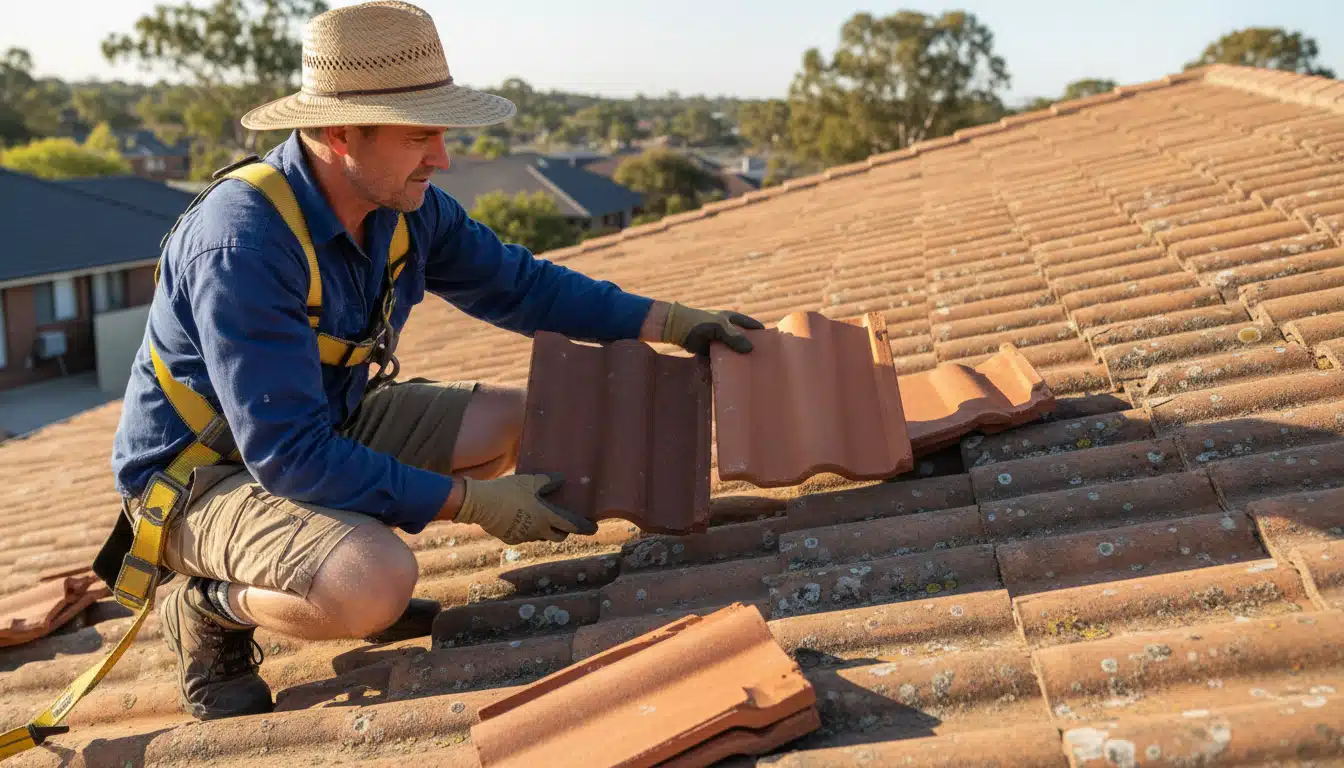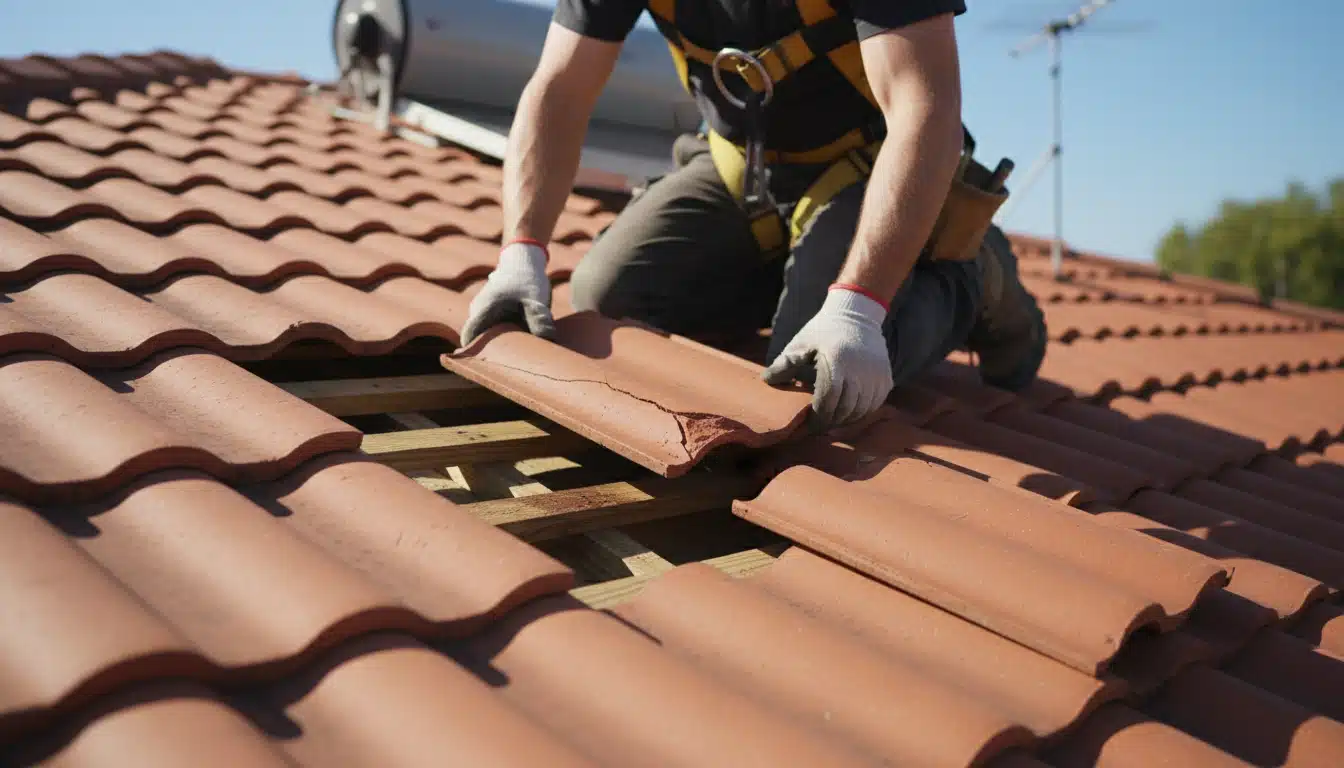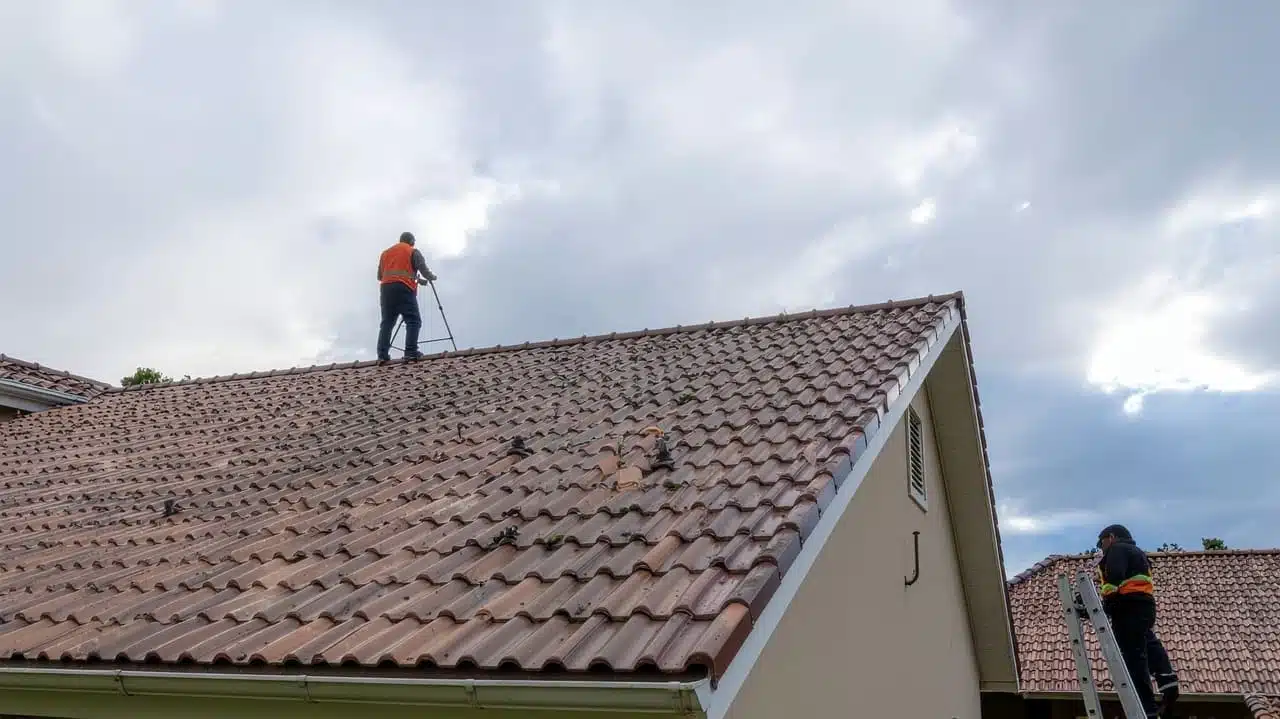
Insurance claim processes for roof damage in Western Australia often overwhelm property owners unfamiliar with documentation requirements and evidentiary standards insurers expect. The difference between successful claims resulting in full repairs and denied claims leaving homeowners bearing expensive costs frequently depends on documentation quality rather than damage legitimacy. Understanding what evidence insurers require, how to collect it properly, and when to engage professional support significantly improves claim outcomes.
Perth property owners facing roof damage from storms, severe weather, or other insured events must act quickly to document damage while preventing further deterioration. Insurance policies typically require notification within specific timeframes, often 48-72 hours for storm damage. Missing these deadlines can jeopardise entire claims regardless of damage severity. Simultaneously, emergency repairs preventing additional water damage must proceed promptly, yet these actions require careful documentation to ensure insurers accept and reimburse emergency expenditure.
The complexity increases because insurance policies contain numerous exclusions, conditions, and definitions that affect coverage determinations. Storm damage might be covered while gradual deterioration from lack of maintenance gets excluded. Understanding these distinctions and collecting evidence demonstrating damage falls within covered categories rather than exclusions determines claim success. Professional guidance navigating these requirements often proves valuable for significant damage claims.
Understanding WA Roof Insurance Coverage
Building insurance carried by property owners typically covers roof damage from insured perils including storms, fire, impact damage, and other sudden events specified in policies. This coverage protects the roof structure, tiles, coatings, flashings, and associated components as part of the building. However, coverage usually excludes gradual deterioration, wear and tear, and damage resulting from poor maintenance or pre-existing conditions. Understanding these boundaries helps homeowners recognise which damage situations warrant claims.
Storm damage coverage provisions in most Perth property insurance policies protect against wind, hail, and rainfall damage occurring during severe weather events. Policies typically define storm intensity thresholds through wind speeds or rainfall amounts qualifying as insured storms. Damage from normal Perth weather conditions, even heavy winter rain, may not qualify as storm damage unless weather reaches defined severity levels. This distinction affects whether damage falls within coverage or gets excluded as normal weather exposure.
Wear and tear exclusions represent the most common reason insurers deny roof damage insurance claim WA submissions. Insurance covers sudden, unexpected damage rather than gradual deterioration from aging or inadequate maintenance. Insurers argue that faded coatings, cracked tiles from years of sun exposure, or corroded valley irons from age represent maintenance issues rather than insured events. Distinguishing sudden storm damage from pre-existing deterioration becomes critical in documentation and claim presentation.
Maintenance requirement impacts on coverage often surprise homeowners who assumed their insurance covered all roof problems. Most policies include clauses requiring property owners to maintain their homes in reasonable condition. Failure to perform regular maintenance that allows minor problems to escalate into major damage may void coverage even for otherwise insured events. Evidence of regular roof inspections, cleaning, and minor repairs supports claims by demonstrating proper property maintenance before damage occurred.
Policy excess and claim thresholds affect whether pursuing claims makes financial sense for moderate damage. Standard property insurance excesses range from $500-$2,500 depending on policy terms. Small repair jobs costing less than the excess amount plus modest premium increases from claims may cost less to handle privately. Understanding excess amounts and considering long-term premium impacts helps homeowners make informed decisions about whether to claim or pay repairs directly.
Immediate Damage Documentation Steps
Safety considerations before documentation must take priority over insurance claim processes. Roofs damaged by storms may have structural instability, electrical hazards from damaged wiring, or slip risks from water and debris. Homeowners should never access damaged roofs directly but instead document visible damage from ground level using long-range cameras or engaging professionals for safe roof access. Personal injury claims complicate property damage claims substantially.
Initial photographic evidence collection should begin immediately upon discovering roof damage, ideally before any emergency repairs occur. Photographs should capture overall roof views showing damage context, close-up shots of specific damage points, interior damage like ceiling stains or water entry points, and surrounding property for weather context. Modern smartphone cameras with date and time stamps embedded in image metadata provide credible evidence of when damage was discovered.
Damage description requirements for roof insurance documentation include detailed written accounts accompanying photographs. Descriptions should note damage location using roof quadrants or specific rooms below damaged areas, observable damage types such as missing tiles or collapsed sections, estimated damage extent, and weather conditions when damage was discovered. These written descriptions provide context that photographs alone may not convey clearly.
Date and time stamping importance cannot be overstated in insurance claim documentation. Insurers need evidence linking damage to specific weather events occurring on particular dates. Photographs taken days or weeks after storms lose credibility as insurers cannot verify whether damage occurred during the claimed event or resulted from subsequent weather. Immediate documentation with verifiable timestamps strengthens claims significantly.
Multiple angle coverage strategies improve documentation comprehensiveness and support damage extent verification. Photographing damage from different positions shows the full scope of problems rather than isolated views that might appear minimal. Include photographs showing the damaged area in relation to landmarks, property boundaries, and identifiable features helping insurers locate damage during their assessment visits. Comprehensive photographic coverage prevents disputes about damage extent.
Professional Assessment Reports
Independent professional assessors become necessary when damage extent appears substantial, when insurers dispute damage causes, or when homeowners lack expertise to properly document technical issues. Professional roof inspectors provide objective third-party assessments that carry more weight with insurers than homeowner descriptions. These assessments prove particularly valuable when insurers suggest damage results from poor maintenance rather than insured events.
Qualified roof inspector credentials should include relevant trade licensing, experience with insurance assessment work, and familiarity with Perth roofing systems and typical storm damage patterns. Inspectors affiliated with industry bodies or holding specific insurance assessment qualifications provide reports with enhanced credibility. Some insurers maintain preferred assessor lists, though homeowners retain rights to engage independent assessors if preferred assessor reports seem inadequate.
Comprehensive inspection scope requirements for insurance purposes exceed normal maintenance inspections. Insurance assessment reports should document all damage observed, identify probable causes distinguishing insured events from pre-existing issues, estimate repair costs with detailed breakdowns, assess whether emergency temporary repairs are necessary, and provide professional opinions about damage timing and causation. This thoroughness supports claim approval and prevents disputes.
Written report components for insurance claims must include inspector credentials and qualifications, inspection date and property address, comprehensive damage inventory with locations and descriptions, photographic evidence supporting observations, analysis of damage causes, distinction between storm damage and pre-existing deterioration, repair scope recommendations, and cost estimates. Professional reports following this structure address most insurer documentation requirements comprehensively.
Expert opinions supporting claims prove particularly valuable when insurers challenge whether damage qualifies as an insured event. An experienced inspector’s professional opinion that tile damage resulted from hail impact during a specific storm rather than gradual UV deterioration can determine claim outcomes. These expert opinions should reference observable evidence, explain technical reasoning, and demonstrate knowledge of how different damage types appear and progress.
Contractor Quotation Documentation
Multiple quotation requirements vary by insurer and damage extent, though most insurers accept single detailed quotations for straightforward repairs. For significant damage involving comprehensive restoration or re-roofing in Perth, obtaining 2-3 competitive quotations demonstrates reasonable cost estimates and prevents disputes about inflated repair prices. These quotations should come from licensed, qualified contractors familiar with insurance work.
Detailed scope of work specifications in contractor quotations prevent disputes about what repairs insurers will cover. Quotations should itemise all damaged components requiring repair or replacement, specify repair methods and materials, break down costs for different work elements, and distinguish between damage-related repairs and general maintenance items insurers won’t cover. This specificity allows insurers to approve covered items while excluding unrelated work.
Material and labour cost breakdowns provide transparency insurers require for assessing quotation reasonableness. Rather than lump-sum quotations, insurance submissions should show tile quantities and unit costs, labour hours and rates, equipment hire charges, and material specifications. This breakdown allows insurers to verify pricing against industry standards and identify any unusual cost elements requiring explanation or negotiation.
Timeline estimates for repairs help insurers understand claim urgency and schedule their assessments appropriately. Quotations noting that emergency temporary repairs are needed immediately versus permanent restoration can be scheduled within 2-3 weeks assist claim processing. Timelines also affect whether homeowners need temporary accommodation during repairs, which may generate additional insurance claims for alternative housing costs.
Warranty information inclusion in contractor quotations demonstrates repair quality and longevity. Insurers prefer repairs backed by comprehensive warranties as these reduce risk of future claims from the same damage. Quotations specifying warranty periods for materials and workmanship, such as those offered by established contractors like Permacoat with 50+ years serving Perth, provide insurers with confidence in repair durability and contractor reliability.
Emergency Repair Documentation
Necessity of preventing further damage creates tension between immediate action requirements and documentation needs. Insurance policies typically require homeowners to take reasonable steps preventing additional damage after initial events. However, emergency repairs before insurers assess damage can generate disputes about whether repairs were necessary and costs reasonable. Balancing these competing concerns requires careful documentation and communication.
Photographing before emergency repairs provides critical evidence of original damage extent. Before tarping damaged roof areas, replacing missing tiles, or performing temporary waterproofing, homeowners should thoroughly photograph the damage from multiple angles. These before-repair photographs prove the necessity of emergency work and document damage insurers might not see during later assessments after temporary repairs are complete.
Keeping emergency repair receipts and detailed records of all expenditure on temporary damage mitigation proves essential for reimbursement claims. Insurers typically cover reasonable emergency repair costs as part of overall claims, but without receipts and explanations of why work was necessary, they may dispute or reduce emergency cost reimbursement. Records should include what was done, why it was necessary, when it occurred, and costs involved.
Temporary versus permanent repair distinction matters significantly in insurance claim processing. Temporary repairs like tarping or emergency patching prevent further damage while awaiting insurer assessment and permanent repair approval. Permanent repairs completed before insurer assessment may jeopardise claims as insurers cannot verify original damage extent. Homeowners should generally limit immediate work to temporary protective measures unless genuine emergencies demand permanent repairs before assessors can attend.
Communication with insurers about emergency work should occur as quickly as practical, ideally before performing anything beyond basic temporary measures. Calling the insurer’s emergency claims line, explaining the situation, and documenting who was spoken with and what was approved creates records protecting against later disputes. Some insurers provide pre-approval for emergency work up to specified dollar limits, giving homeowners clear authority to proceed with necessary protective measures.
Policy Coverage Verification
Understanding specific policy terms requires careful reading of the actual insurance document rather than relying on general assumptions about coverage. Policies vary significantly between insurers and policy levels. The policy wording defines exactly what damage types are covered, what exclusions apply, notification requirements, excess amounts, and claims procedures. Homeowners should review their specific policy when damage occurs rather than assuming standard coverage.
Identifying applicable coverage sections within policies helps frame claims appropriately. Most property insurance policies contain separate sections for buildings, contents, liability, and additional benefits. Roof damage falls under building coverage, but associated damage to contents from water entry might require separate claims under contents sections. Understanding policy structure ensures all applicable coverage gets claimed appropriately.
Recognising exclusion clauses prevents wasted effort claiming damage policies don’t cover. Common exclusions for roof damage include wear and tear, gradual deterioration, poor maintenance, damage from building alterations, pest damage, and damage existing before policy inception. If damage clearly falls within exclusion categories, pursuing claims proves futile and potentially damages relationships with insurers affecting future legitimate claims.
Excess payment requirements mean homeowners bear the first portion of claim costs up to policy excess amounts. Standard excesses range from $500-$2,500 with some policies offering reduced excesses for specific damage types or increased excesses in exchange for lower premiums. Understanding applicable excess amounts helps homeowners decide whether claiming makes financial sense for moderate damage amounts barely exceeding excess levels.
Coverage limits and claim caps affect total amounts insurers will pay for particular damage types or events. While building coverage typically extends to full replacement costs, some policies impose sub-limits for specific items or damage types. Understanding these limits prevents surprise when insurers approve claims but at amounts below actual repair costs. Sub-limits commonly apply to temporary accommodation, removal of debris, or professional fees.
Claim Submission Process
Initial notification timeframes typically require contacting insurers within 48-72 hours of discovering damage for storm-related claims. Some policies allow longer notification periods, but delayed reporting can jeopardise claims as insurers may question when damage actually occurred or whether further deterioration resulted from delayed action. Even when comprehensive documentation cannot be compiled immediately, initial notification should occur promptly with documentation following within reasonable timeframes.
Required documentation compilation for roof damage insurance claim WA submissions typically includes the completed claim form, comprehensive photographs of damage, professional assessment reports if obtained, contractor quotations for repairs, receipts for emergency repairs already completed, policy documents, and any relevant correspondence with the insurer. Organising these documents systematically facilitates efficient claim processing and prevents delays from missing information.
Claim form completion requirements demand accuracy and thoroughness as these forms become legal documents supporting claims. Forms typically request policy details, damage date and time, damage description, estimated loss amounts, details of emergency actions taken, and declarations about policy compliance. Completing forms carefully and honestly prevents issues arising from inconsistencies between forms and other documentation or accusations of misrepresentation.
Supporting evidence organisation improves claim processing efficiency and demonstrates professionalism that may influence insurer perceptions. Creating a claim folder with documents organised chronologically, photographs labelled by location and subject, quotations clearly marked, and a cover summary explaining the claim helps adjusters process claims efficiently. Professional presentation can positively influence borderline coverage decisions.
Follow-up communication protocols after claim submission should include obtaining claim reference numbers, confirming receipt of submitted documentation, understanding expected assessment timeframes, and maintaining records of all communications with insurers. If assessment delays extend beyond reasonable periods or claim processing stalls, polite but firm follow-up demonstrates claimant seriousness and may accelerate processing. Documentation of all communications protects homeowners if disputes later arise.
Common Claim Denial Reasons
Lack of regular maintenance evidence represents the single most common reason insurers deny roof damage claims. Policies require homeowners to maintain properties reasonably. When roofs show obvious signs of neglect like heavy moss growth, severely faded coatings, or numerous cracked tiles alongside claimed storm damage, insurers argue damage resulted from poor maintenance rather than covered events. Maintaining records of regular professional roof cleaning, inspections, and minor repairs supports claims by demonstrating proper maintenance before damage occurred.
Pre-existing damage arguments allow insurers to deny claims or reduce payouts by deducting portions they attribute to conditions existing before insured events. If storm damage occurs to roofs already showing deterioration from age, insurers may cover only incremental damage directly attributable to storms while excluding repair costs for pre-existing problems. This reduces claim amounts substantially and creates disputes about what damage resulted from storms versus prior deterioration.
Inadequate documentation frequently causes legitimate claims to be denied or reduced simply because homeowners cannot prove damage extent or timing. Without dated photographs, professional assessments, or detailed written descriptions, claims become the homeowner’s word against insurer scepticism. Comprehensive documentation from the moment damage is discovered protects against these denials by providing objective evidence supporting claims.
Missed notification deadlines void coverage under most policies regardless of damage legitimacy. Policies typically require notification within specific periods after damage discovery. Failing to notify insurers within these timeframes allows insurers to deny claims entirely, arguing they were prejudiced by delayed notification preventing timely assessment. Understanding policy notification requirements and meeting them strictly prevents this straightforward denial reason.
Excluded perils or circumstances cover damage types specifically excluded from policies. Common exclusions include damage from flooding, earthquakes, war, nuclear events, and deliberate acts. Less obvious exclusions might include damage from building alterations, faulty workmanship during renovations, or pest activity. If damage falls within policy exclusions, claims fail regardless of documentation quality or damage extent.
Maximising Claim Success
Understanding insurance claim documentation requirements for roof damage in WA empowers homeowners to protect their interests and maximise claim success rates. The combination of immediate action, comprehensive documentation, professional support when needed, and persistent yet reasonable communication with insurers creates the foundation for successful claims. Perth property owners facing roof damage should prioritise both preventing further damage and collecting evidence supporting insurance claims.
For professional roof restoration in Perth backed by comprehensive documentation suitable for insurance purposes, call (08) 9249 5955 to engage experienced contractors familiar with insurance requirements and claim processes.