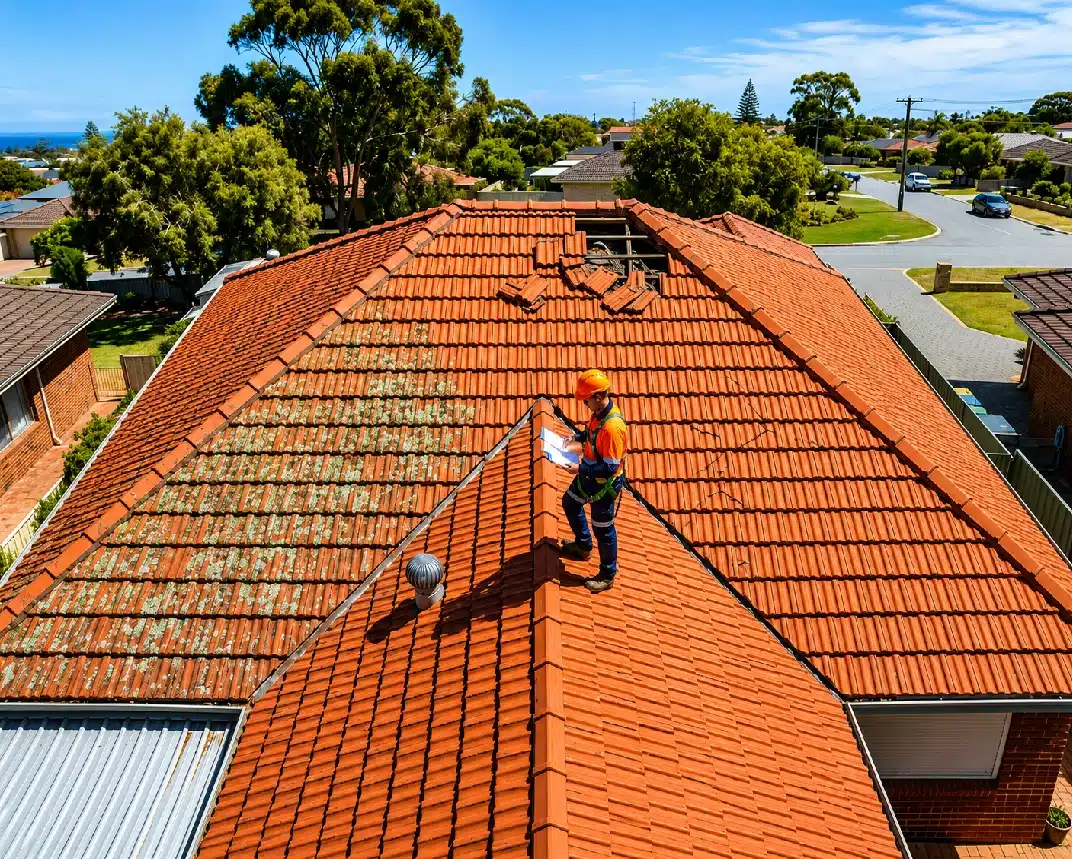
Standing in the driveway and looking up at a roof that’s seen better days raises an expensive question: restore or replace? Perth homeowners face this decision on roofs averaging 20-30 years old, where the wrong choice costs thousands in wasted money or recurring problems.
The difference between restoration and replacement isn’t always obvious. A faded terracotta roof might need nothing more than cleaning and coating, while a seemingly minor leak could signal structural failure requiring complete re-roofing. Understanding which category roofs fall into saves money and prevents the frustration of paying for restoration work on roofs that needed replacement from the start.
The Financial Reality of Roof Decisions
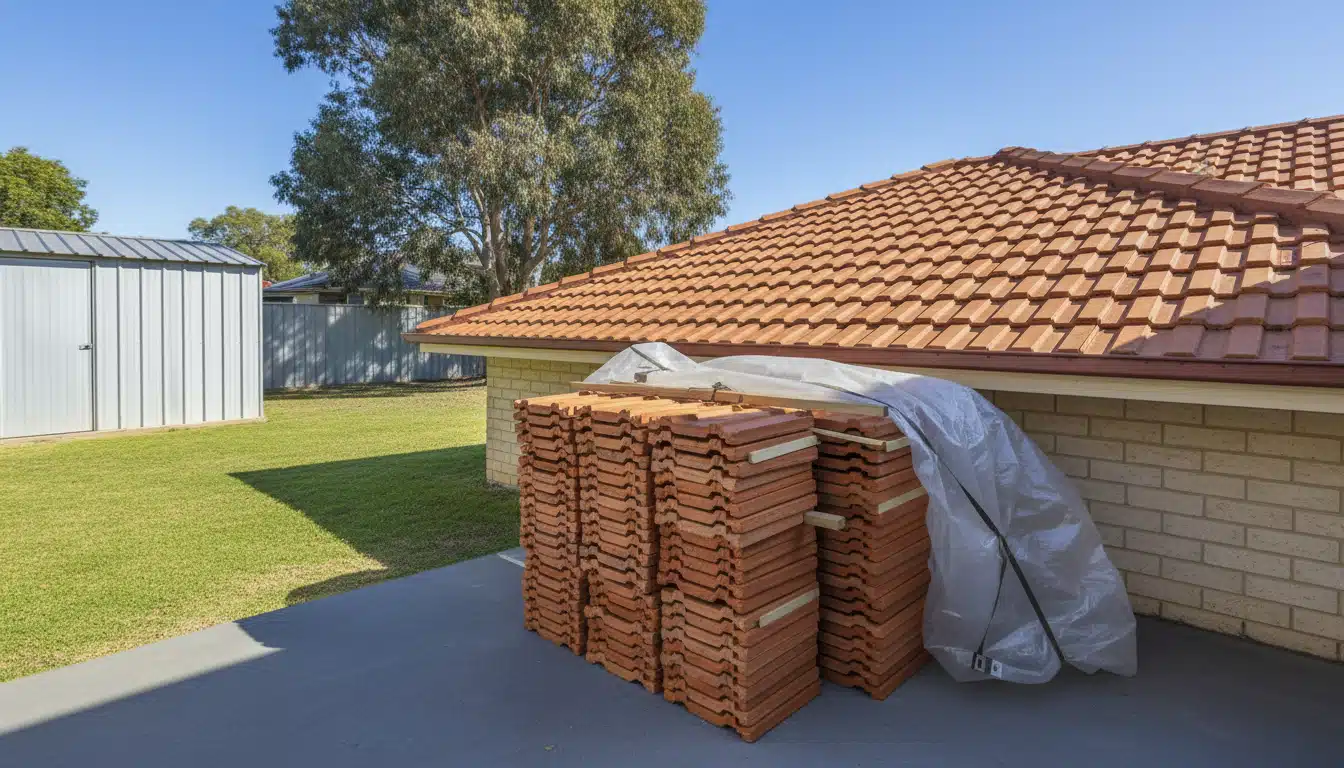
Roof restoration needed typically costs 60-70% less than complete replacement. For an average Perth home, restoration ranges from $4,000-$8,000, while re-roofing in Perth projects start around $15,000 and climb past $30,000 for larger or complex roofs.
Cost Difference Creates Decision Pressure
This price gap creates temptation to choose restoration when a roof replacement decision genuinely points toward replacement. The result? Money spent on coating and repairs that fail within months, followed by the full re-roofing in Perth cost anyway. Honest professional assessment identifies which option genuinely suits each roof’s condition, preventing this expensive mistake.
Avoiding Unnecessary Replacement
The reverse scenario wastes even more money – replacing a structurally sound roof that needed only surface treatment. A 25-year-old Colorbond roof with surface rust and faded coating doesn’t require replacement. Professional restoration addresses these cosmetic and early-stage issues while preserving the underlying roof structure for another 15-20 years.
Signs Your Roof Needs Restoration (Not Replacement)
Surface-level deterioration presents clear indicators that restoration provides the appropriate solution. Fading, discolouration, and chalky residue on tiles or metal indicate coating breakdown rather than structural failure. Perth’s intense UV exposure degrades roof coatings long before the underlying materials fail. These roofs respond perfectly to the restoration process – high-pressure roof cleaning removes deteriorated coating, primer seals the surface, and two coats of Dulux Acratex coating restore protection and appearance.
Biological Growth Signals Surface Issues
Moss, lichen, and algae growth signal moisture retention but rarely indicate structural problems. These organisms grow on coating surfaces, particularly on south-facing roof sections that receive less direct sunlight. Cleaning services remove biological growth and prepare surfaces for coating, addressing the root cause rather than just the symptoms.
Minor to Moderate Tile Damage
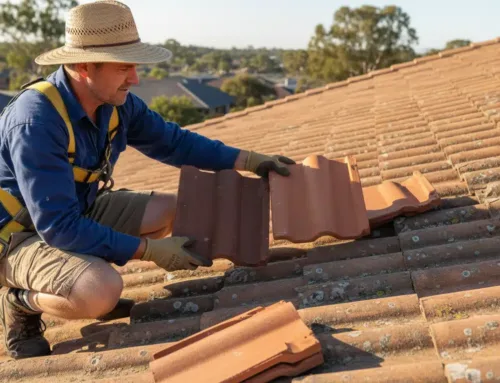
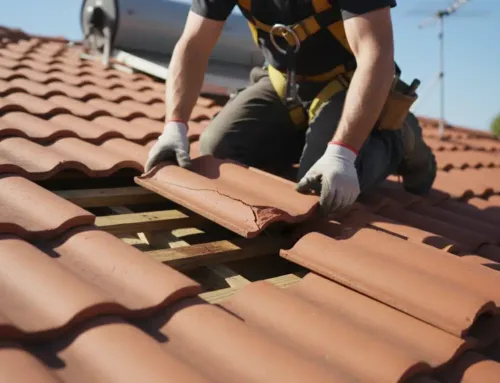
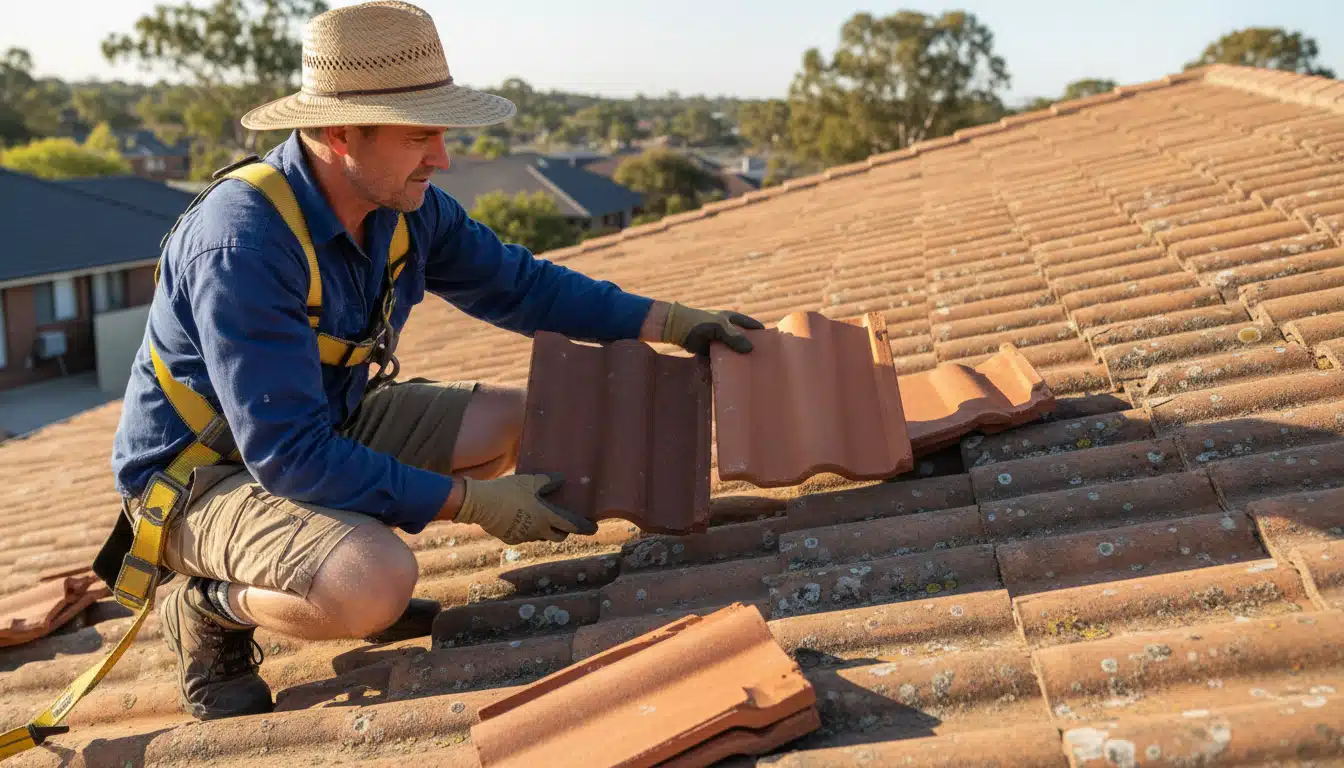
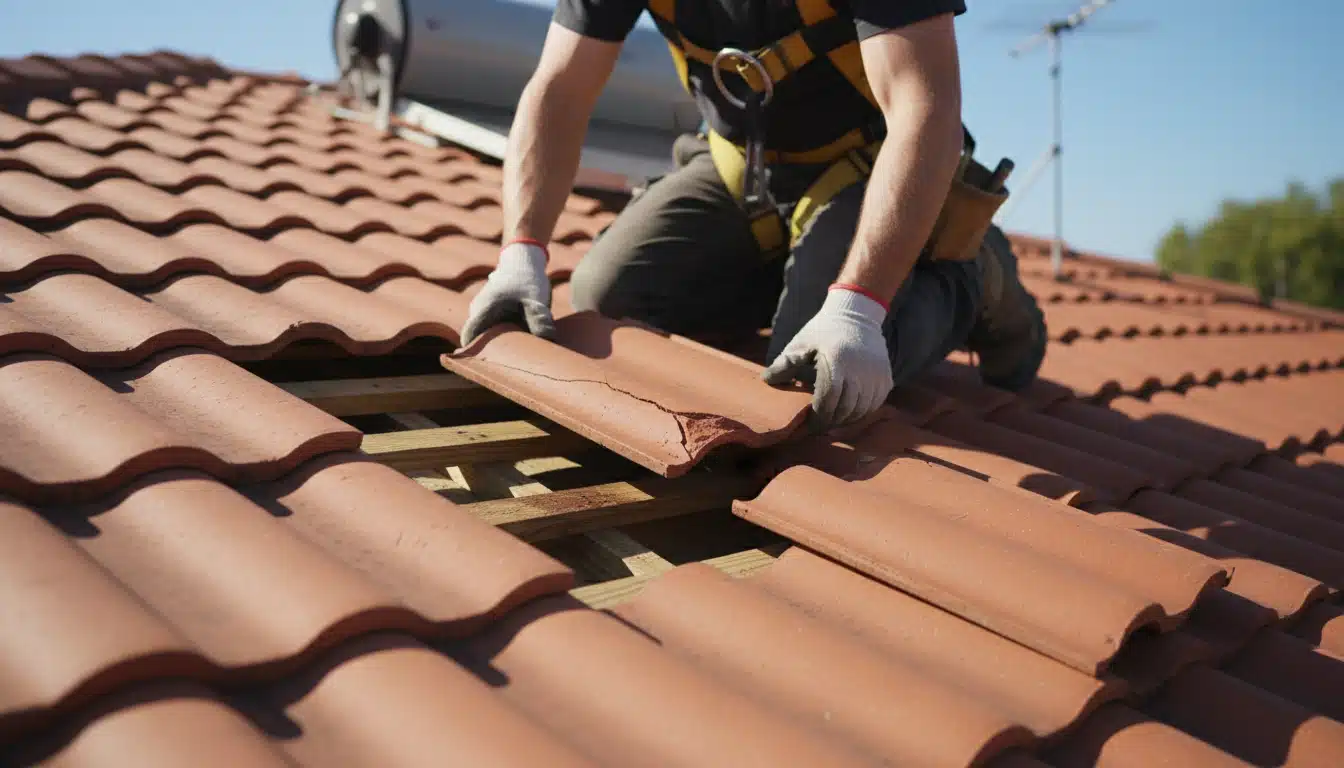
Cracked or broken tiles scattered across the roof – typically 5-15% of total tiles – point toward restoration with selective replacement. Tiles crack from thermal stress, falling branches, or foot traffic during previous repairs. When the majority of tiles remain intact and properly secured, replacing damaged tiles during the restoration process proves far more economical than complete re-roofing in Perth.
Lifted or Slipped Tiles
Lifted or slipped tiles that haven’t caused water penetration indicate bedding and pointing deterioration rather than tile failure. Re-bedding and re-pointing these tiles, combined with valley repairs and flashing updates, resolves the movement issues. This work integrates seamlessly into the restoration process.
Early-Stage Metal Roof Issues
Surface rust on Colorbond or metal roofing, particularly along cut edges, fastener points, or where coating has worn through, responds well to restoration. The rust hasn’t penetrated through the metal thickness – it’s confined to surface layers where protective coating has failed. Treating rust-affected areas, priming the entire surface, and applying protective coating prevents further deterioration for 15-20 years.
Faded Metal Surfaces
Faded or chalking metal roof surfaces indicate coating breakdown but confirm the metal substrate remains sound. Metal roofs regularly outlast their factory-applied coatings by decades. Permacoat‘s professional roof painting services restore these roofs to better-than-new condition, often with improved coating technology compared to original factory finishes.
Isolated Leak Problems
Single-point leaks around penetrations (ridge vents, whirlybirds, satellite dishes) or in valleys suggest localised failure rather than systemic problems. These leaks result from flashing deterioration, failed sealants, or specific tile damage rather than overall roof failure. Targeted roof repairs addressed during restoration prevent water damage without requiring complete replacement.
Warning Signs That Demand Replacement
Structural compromise presents non-negotiable indicators for replacement. Sagging roof sections, visible dips between rafters, or bouncy, springy feeling when walking on the roof indicate structural timber failure. Water penetration over extended periods rots roof battens, rafters, or sarking, compromising the framework that supports roofing materials. No amount of surface restoration fixes structural problems – these roofs require complete removal, structural repairs or replacement, and new roofing installation.
Daylight Visibility Through Structure
Daylight visible through the roof structure from inside the roof cavity confirms structural failure or material breakdown. This shouldn’t be confused with designed ventilation points – unintended gaps where roof materials have separated, deteriorated, or failed completely signal the need for a roof replacement decision favouring replacement.
Widespread Material Failure
When more than 30-40% of tiles show cracks, breaks, or delamination, replacement becomes more economical than restoration. Attempting to restore roofs with this level of damage means replacing nearly half the tiles anyway, which approaches replacement costs while working with a compromised base.
Metal Roofing Deterioration
Metal roofing with holes, significant rust-through (not just surface rust), or metal fatigue cracking requires replacement. Once metal develops holes or rust penetrates completely through the material thickness, coating cannot restore structural integrity. These roofs have reached end-of-life and need complete replacement.
Asbestos Roofing Considerations
Asbestos cement roofing materials, common in Perth homes built before 1980, present unique challenges. While these roofs can sometimes undergo restoration if in good condition, deteriorating asbestos roofs require licensed removal and disposal. The decision hinges on asbestos condition – intact, stable asbestos can be coated and sealed, but friable (crumbling) asbestos demands immediate professional removal and replacement.
Multiple Repair Cycles
Roofs requiring repairs every 1-2 years despite previous restoration attempts indicate underlying problems that surface treatments cannot resolve. This pattern suggests either structural issues, inadequate previous work, or materials that have genuinely reached end-of-life. Continuing to pour money into repeated repairs on these roofs costs more over time than replacement.
The Perth Climate Factor
Perth’s Mediterranean climate creates specific roof deterioration patterns that influence whether roof restoration needed or a roof replacement decision provides the better solution. Coastal properties within 5km of the ocean face accelerated deterioration from salt-laden air, which attacks metal roofing and mortar in tile roofs. However, this accelerated surface deterioration doesn’t necessarily mean replacement – it often indicates that more frequent restoration cycles (every 12-15 years rather than 20) better suit coastal properties.
UV Exposure Impact
The intense UV exposure in Perth’s long, hot summers degrades roof coatings faster than in southern Australian cities. Roofs that might last 25 years between restorations in Melbourne need attention every 15-20 years in Perth. This doesn’t reflect roof failure – it’s coating breakdown responding to environmental conditions. Understanding this difference prevents unnecessary replacement of structurally sound roofs.
Storm Damage Considerations
Winter storm damage from Perth’s occasional severe weather events can tip borderline roofs from restoration candidates to requiring complete re-roofing in Perth. A roof with minor pre-existing issues might survive years longer, but storm damage revealing or exacerbating structural problems often means replacement becomes the only viable option.
The Professional Inspection Difference
Homeowner assessment from ground level misses critical indicators that determine restoration viability. Professional inspection involves roof access, close examination of materials, checking roof cavity conditions, and testing structural integrity. Permacoat’s inspection process, refined over 50+ years and 30,000+ roofs, identifies problems invisible from ground level.
Comprehensive Assessment Components
Professional inspections test for bounce, sag, or movement indicating timber problems. Material condition assessment determines the percentage of damaged tiles, metal thickness, and rust penetration depth. Water penetration history checking examines roof cavities for staining, rot, or mould indicating chronic leaks. Flashing and valley condition evaluation determines whether repairs integrate into restoration or require extensive replacement. Fastener condition checking verifies whether existing fixings remain secure or need replacement. Coating adhesion testing determines whether existing coatings can be overcoated or require complete removal.
Accurate Recommendations Based on Reality
This comprehensive assessment produces accurate recommendations based on actual roof condition assessment rather than guesswork. The free inspection offered provides this detailed evaluation without obligation, giving homeowners the information needed for confident decisions.
Cost-Benefit Analysis Over Time
A restored roof with a 15-20 year coating warranty, 12-month leak warranty, and 3-year labour warranty provides predictable service life at known cost. For a roof in restoration-suitable condition, this approach delivers 15-20 years of trouble-free service at roughly one-third the cost of replacement.
When Replacement Makes Financial Sense
Replacement makes financial sense when restoration costs approach 50-60% of replacement costs due to extensive repairs needed. At this threshold, paying slightly more for complete replacement provides a brand-new roof with 30-50 year material life expectancy rather than a heavily-repaired older roof.
Property Value Consideration
The property value consideration also matters. Both quality restoration and replacement increase property value, but replacement appeals more to buyers when roofs exceed 40-50 years old, even if recently restored. For homes approaching sale within 5-10 years, this buyer perception might favour replacement despite restoration’s technical viability.
Making the Decision
The restoration versus replacement decision ultimately rests on three factors: structural condition, extent of material damage, and cost-benefit ratio. Roofs with sound structure and limited material damage (under 30-40%) benefit from restoration. Roofs with structural problems, extensive material failure, or repair costs exceeding 50% of replacement costs warrant replacement.
Professional Assessment Removes Guesswork
Perth’s experienced specialists provide the assessment expertise that ensures appropriate recommendations. Permacoat’s track record of 30,000+ restored roofs across Perth’s diverse suburbs and roof types provides the pattern recognition that distinguishes genuinely restorable roofs from those requiring replacement.
The free inspection process removes guesswork from this expensive decision. Rather than estimating from ground level or relying on limited information, professional assessment identifies exactly which category roofs occupy. This prevents both wasteful spending on restoration attempts for roofs needing replacement and unnecessary replacement of roofs that restoration would serve perfectly.
Conclusion
The difference between a roof needing restoration and one requiring replacement comes down to structural integrity and extent of material damage. Surface deterioration, moderate tile damage, early metal rust, and isolated leaks indicate restoration suitability. Structural problems, widespread material failure, and extensive damage patterns demand replacement.
Perth’s climate accelerates surface deterioration without necessarily causing structural failure, making professional roof condition assessment crucial for appropriate recommendations. The cost difference between restoration and replacement – typically $10,000-$20,000 – makes accurate diagnosis financially critical.
For expert guidance on roof restoration in Perth backed by 50+ years of experience and 30,000+ completed projects, call (08) 9249 5955 to book a free roof inspection with detailed evaluation and accurate recommendations.