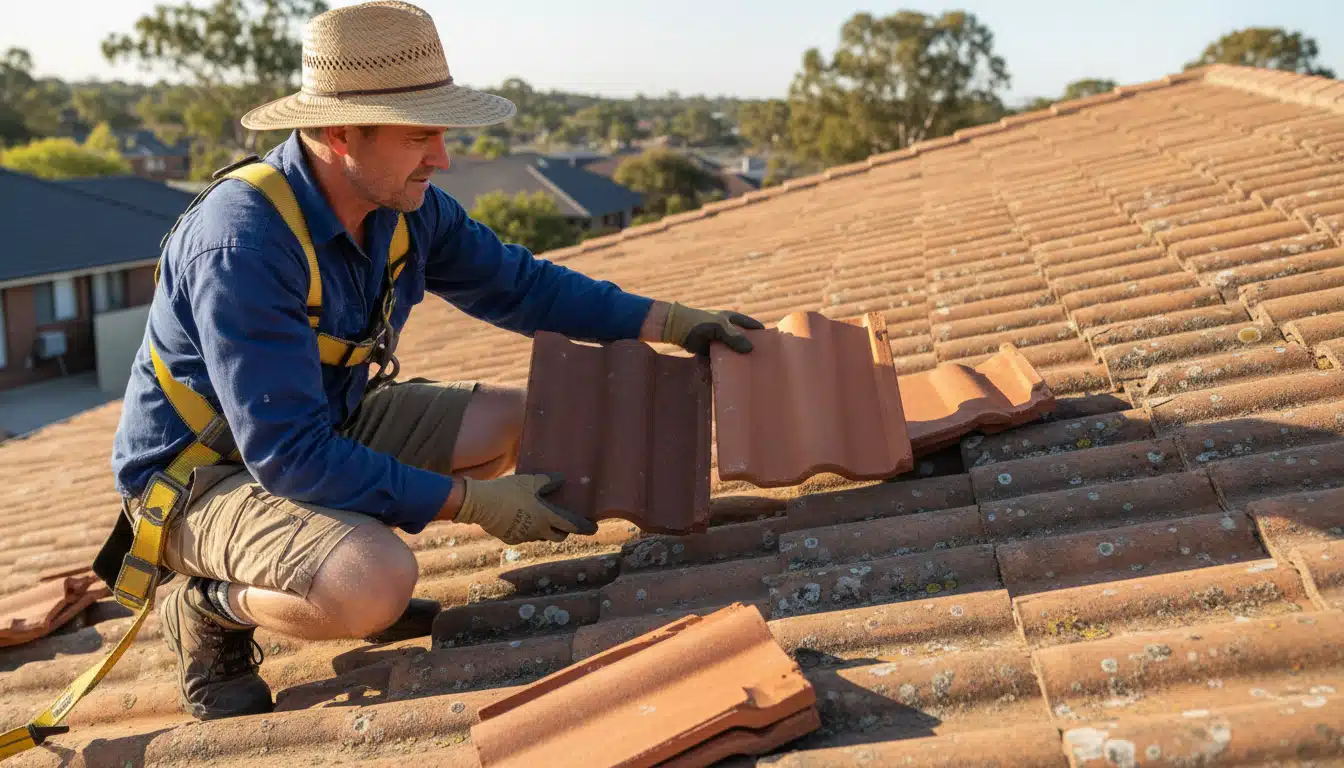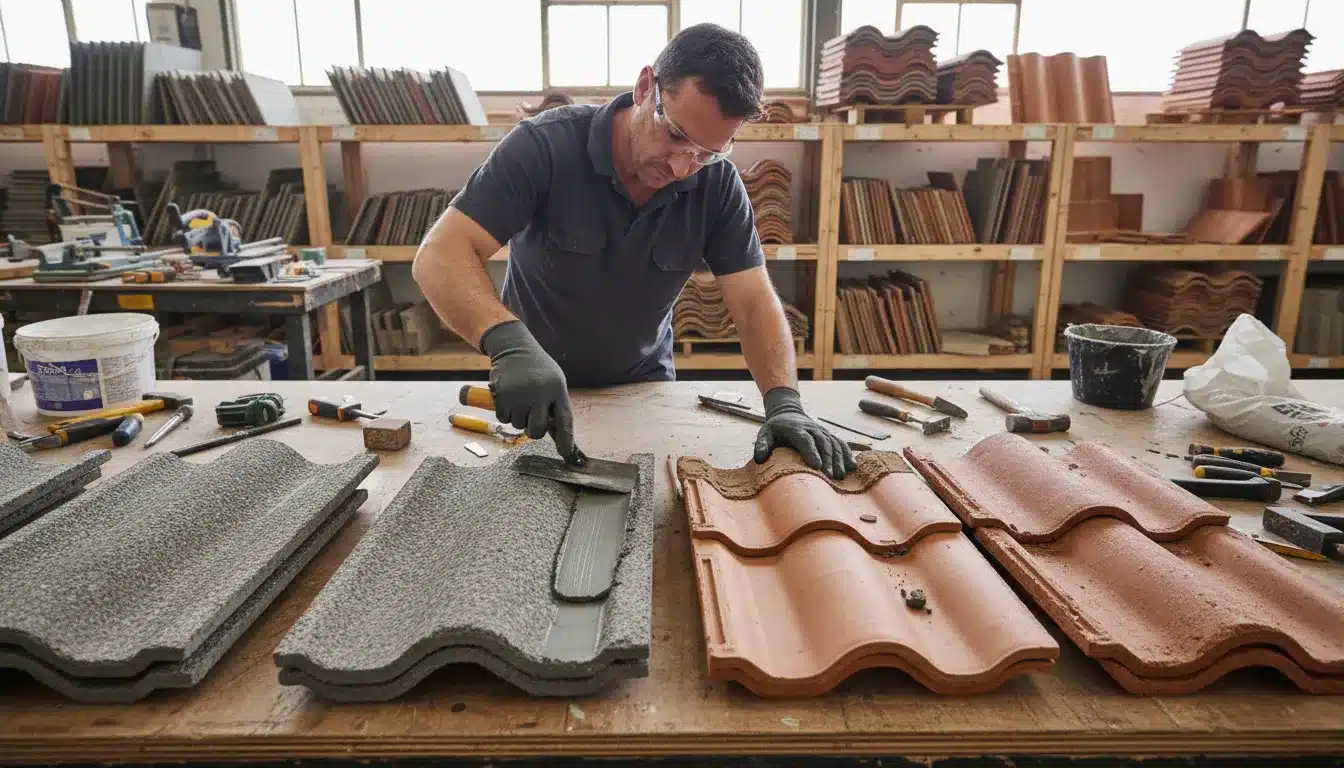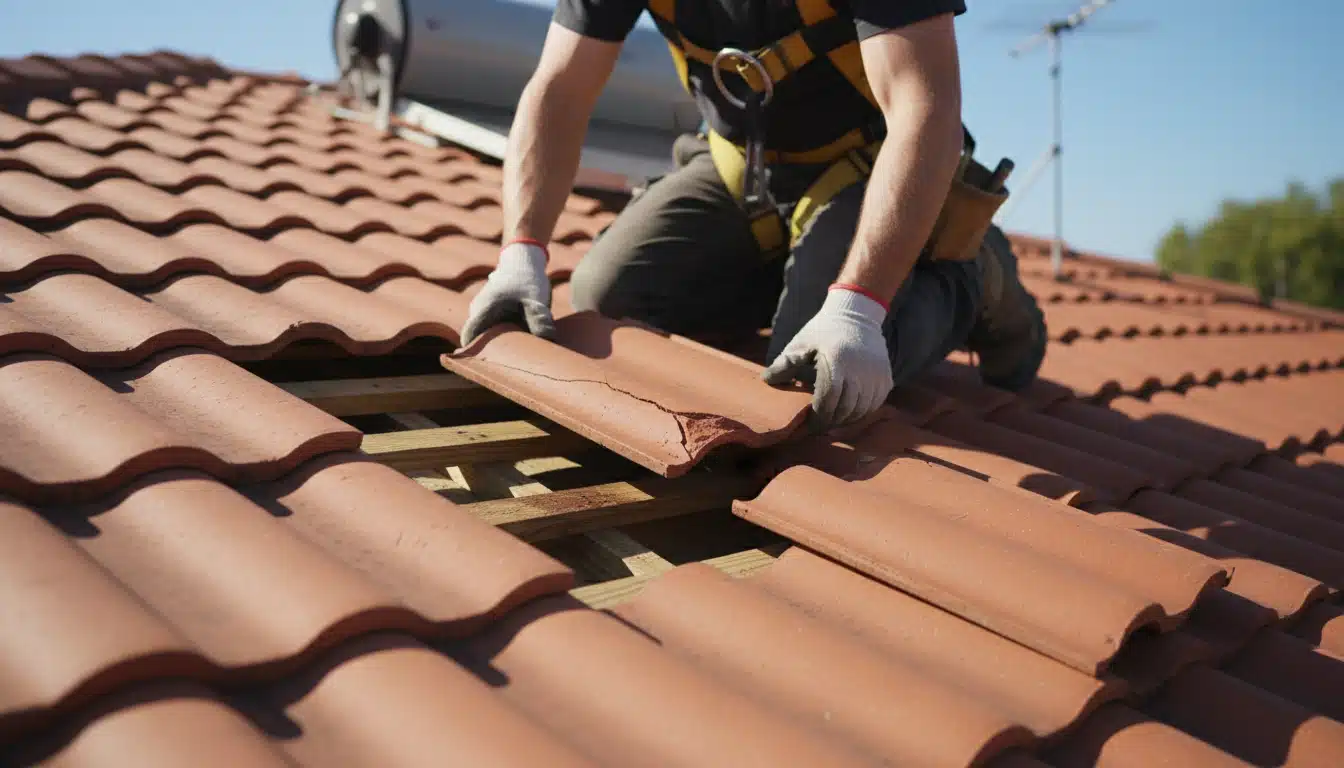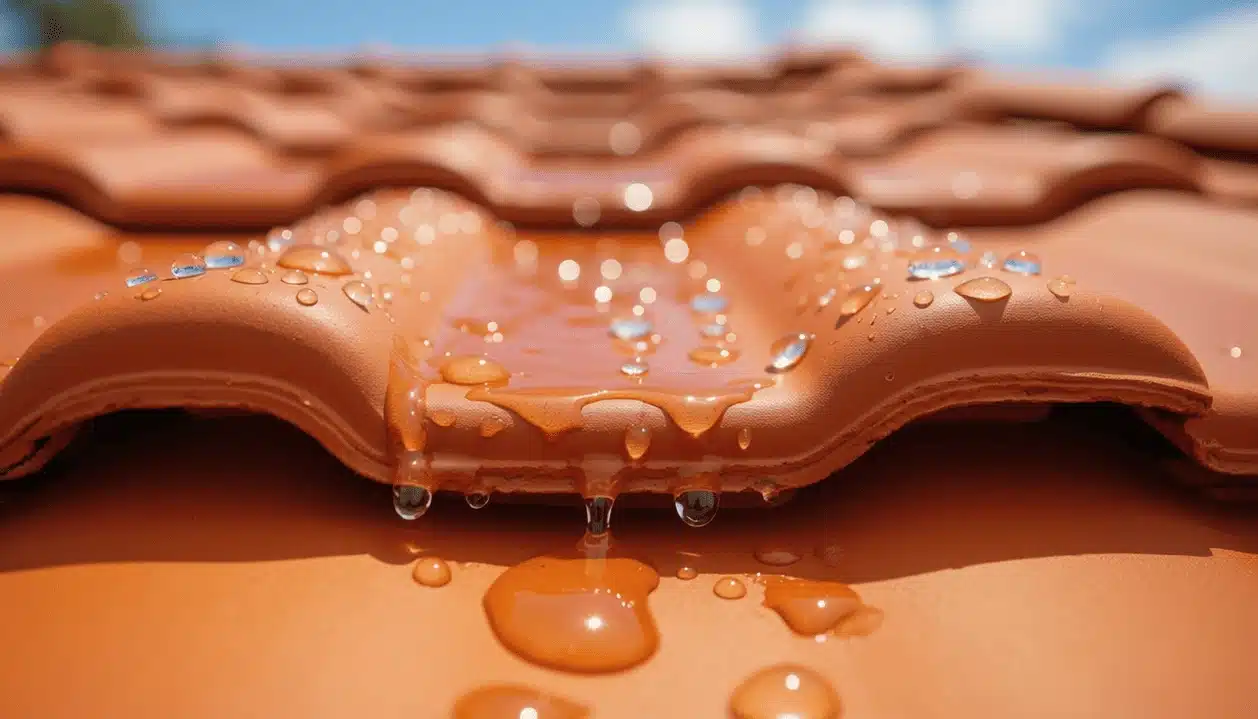
Perth roofs face relentless assault from nature. Scorching UV radiation, coastal salt spray, winter downpours, and daily temperature extremes that expand and contract materials cause even the sturdiest roofing to deteriorate over time. Without proper protection, that deterioration allows water to penetrate and cause damage that far exceeds the cost of preventing it.
The difference between a roof that lasts decades and one that fails prematurely often traces back to a single critical component: the sealer that creates a genuine waterproof barrier against the elements.
Why Roofing Materials Aren’t Naturally Waterproof
Roofing materials aren’t naturally waterproof – they’re water-resistant at best. Terracotta tiles, cement tiles, and even Colorbond metal develop microscopic pores, cracks, and surface degradation over time. These imperfections create pathways for moisture infiltration that gradually compromise the entire roofing system.
Four Mechanisms That Create a Waterproof Barrier
A properly applied sealer transforms porous roofing surfaces into waterproof barriers through specific physical and chemical processes:
- Penetrating surface pores – quality primer sealers absorb into the substrate rather than sitting on top, filling microscopic gaps where water would otherwise enter
- Creating chemical bonds – advanced acrylic formulations chemically bond with roofing materials, forming an integrated protective layer rather than a coating that can separate from the surface
- Bridging hairline cracks – flexible sealers span minor surface cracks that would otherwise widen through thermal expansion and allow water penetration
- Preventing capillary action – by sealing porous surfaces, quality sealers stop water from wicking through materials via capillary moisture movement
Each mechanism addresses a different failure pathway. A sealer that handles penetration but lacks flexibility will still fail at hairline cracks during Perth’s thermal cycling. Substrate-appropriate chemistry that addresses all four pathways is what distinguishes professional-grade systems from budget alternatives.
How Perth’s Climate Makes Waterproofing Critical
Coastal Properties: Continuous Salt-Moisture Exposure
Coastal properties within 5km of the ocean face salt-laden moisture that accelerates corrosion and surface breakdown. This exposure is continuous – not just during storms but year-round through atmospheric deposition on surfaces that experience Perth’s prevailing westerly winds. Once moisture finds pathways through inadequately sealed surfaces, coastal salt compounds the damage rapidly, attacking substrate materials that would otherwise remain structurally sound for decades.
Inland Temperature Extremes
Inland suburbs face less salt exposure but more severe thermal cycling stress. Roof surfaces can reach 70°C in Perth summers before dropping to single digits overnight – expansion and contraction at this scale opens microscopic pathways for water entry that don’t close when temperatures moderate. These pathways accumulate and widen over seasons until waterproofing performance is fundamentally compromised.
Understanding roof repair costs in the context of Perth’s climate helps homeowners appreciate why preventive waterproofing is significantly more cost-effective than reactive repair after moisture damage has progressed.
How Primer Sealers Function in the Three-Coat Restoration System
Professional roof restoration relies on a systematic approach where each coating layer serves a specific purpose. The primer sealer forms the critical first defence in a multi-layer protection system – and its waterproofing function cannot be replicated by subsequent layers.
The Correct Layer Sequence
The Dulux Acratex system used in professional restoration follows a proven three-coat approach:
Coat One – Primer Sealer: This initial layer penetrates the substrate, seals porous surfaces, and creates the waterproof foundation. Applied at manufacturer-specified coverage rates, it ensures complete saturation of the roofing material before any subsequent layers are applied.
Coat Two – Membrane Coating: The second layer adds thickness and durability, building on the sealed foundation to create a robust protective membrane with UV resistance and weather barrier properties.
Coat Three – Topcoat Finish: The final layer provides UV protection, colour stability, and weather resistance while maintaining the waterproof integrity established by the underlying sealer.
Why Single or Two-Coat Systems Fall Short
Skipping the dedicated sealer coat – a common shortcut among budget operators – leaves the entire system vulnerable to moisture penetration from below. Single-coat systems apply a topcoat directly to porous substrates, creating an attractive surface with no waterproof foundation. Within 12-24 months, moisture penetrates through the porous substrate, causing coating failure from beneath. The surface may look sound while water infiltration is already progressing through the tile body.
The Science Behind Effective Waterproofing
Acrylic Polymer Technology and Flexibility
Quality primer sealers use advanced acrylic polymers that remain flexible after curing. This flexibility allows the waterproof roof seal to move with the roof as materials expand and contract daily. Rigid sealers crack during Perth’s thermal cycling, creating the same type of pathways they were intended to prevent. The difference between professional-grade and budget sealers is often measurable in the flexibility retained after curing rather than initial appearance.
Vapour Permeability: The Critical Balance
Effective sealers are waterproof but not vapour-proof – and this distinction is critical to long-term performance. They allow moisture trapped within roofing materials to escape as vapour while simultaneously preventing liquid water from entering from outside.
Vapour-impermeable sealers trap moisture within the substrate, where it eventually creates pressure that pushes the coating off from below – the opposite of the intended outcome. The breathable waterproofing technology in quality formulations uses selective permeability: molecular-sized water vapour passes through, while larger liquid water molecules cannot penetrate. This one-way moisture management extends coating life dramatically, particularly on roofs prone to condensation or installed over unventilated spaces.
UV Stabilisers and Service Life
Perth’s intense sunlight degrades inferior sealers within months – a timeline far shorter than most homeowners anticipate. Quality formulations include UV stabilisers that maintain waterproofing integrity for 15-20 years despite constant solar exposure. UV degradation is gradual and invisible until sudden system failure, making the UV stabiliser load in the sealer formulation one of the most important long-term performance variables.
Why Waterproofing Fails: The Most Common Causes
Understanding failure causes reveals why professional application is so critical to achieving genuine waterproof performance.
Inadequate Surface Preparation
Applying sealer over contaminated surfaces creates a false barrier. Dirt, moss, lichen, algae, and oxidised paint prevent proper adhesion, allowing water to penetrate beneath the sealer through inadequately bonded areas. Professional roof cleaning using high-pressure equipment removes these contaminants before sealer application – a step that cannot be shortened without directly compromising waterproofing outcomes.
Insufficient Coverage Rates
Budget operators stretch sealer beyond manufacturer specifications to reduce material costs. Under-applied sealer leaves coverage gaps where water penetrates – the mathematical relationship between coverage rate and film thickness is non-negotiable. This shortcut is invisible at application but entirely predictable in its consequences.
Wrong Product for Substrate
Metal roofs require different primer formulations than porous tiles. Using incorrect products compromises waterproofing regardless of application quality. Professional substrate assessment before sealer selection is foundational – not optional.
Neglecting Critical Areas
Roof valleys, ridge capping, flashing intersections, and penetrations require special attention during sealer application. These vulnerable areas account for approximately 80% of leak sources when inadequately sealed. Standard application techniques that cover broad roof surfaces often leave these critical junctions with insufficient sealer thickness.
Permacoat, WA’s longest-serving roof restoration company with 50+ years of experience and 30,000+ Perth roofs successfully restored, applies dedicated attention to these failure-prone junctions as part of every restoration project.
Substrate-Specific Sealing Requirements
Different roofing materials require tailored approaches to achieve effective waterproof barriers. One-size-fits-all sealer selection consistently produces suboptimal results on at least one substrate type.
Terracotta Tiles
Highly porous terracotta tiles absorb water readily, making primer sealer depth of penetration critical. The sealer must fill pores throughout the tile body rather than surface-sealing alone. Terracotta requires higher sealer coverage rates than other materials due to its extreme porosity – standard coverage rates designed for cement tiles are typically insufficient.
Cement and Concrete Tiles
Less porous than terracotta but still highly absorbent, cement tiles develop surface crazing over time that creates water entry points. Primer sealers must bridge these hairline cracks while penetrating the substrate to create genuine protection rather than a surface coating that sits above the problem.
Colorbond and Metal Roofing
Non-porous metal surfaces require specialised primers that bond to metal substrates and prevent corrosion. These formulations include rust inhibitors and adhesion promoters specific to metal – standard tile primers cannot substitute. Incorrect product selection causes premature adhesion failure regardless of application quality.
Previously Painted Surfaces
Roofs with existing coatings require professional assessment before sealer application. Failing paint must be removed; sound existing coatings need compatible primer sealers that bond to both the old coating and exposed substrate. Professional tile roof restoration services match primer sealer formulations to specific substrate requirements rather than applying universal products that compromise waterproofing on at least some surfaces.
The Relationship Between Sealing and Structural Repairs
Effective waterproofing requires addressing structural issues before sealer application. No sealer can compensate for broken tiles, corroded metal, or damaged flashing – sealing over these problems temporarily masks them while hidden deterioration continues beneath the new surface.
What Pre-Sealing Inspection Identifies
A thorough inspection before restoration sealing identifies:
- Cracked or broken tiles that allow direct water entry no sealer can prevent
- Corroded or loose flashing at valleys, ridges, and penetrations requiring repair or replacement
- Deteriorated pointing at ridge and hip mortar creating water entry pathways
- Structural damage to battens, sarking, or roof framing requiring repair before surface waterproofing
This repair-first sequence ensures the waterproof roof seal protects a structurally sound substrate. For properties where structural deterioration is extensive, re roofing in Perth may provide better long-term value than sealing over a compromised substrate – a determination that professional inspection makes clearly.
Maintenance Requirements for Long-Term Waterproofing
Even the highest-quality waterproof barriers require maintenance to sustain protection across decades.
Key Maintenance Practices
Annual professional inspections identify minor issues before they compromise waterproofing integrity. Early detection of coating wear, flashing deterioration, or tile damage allows cost-effective repairs rather than expensive full restoration. Blocked gutters cause water backup that tests waterproofing systems beyond design limits – regular gutter and downpipe services prevent the overflow conditions that saturate roofing materials and accelerate sealer degradation.
Debris accumulation retains moisture against roofing surfaces, accelerating waterproofing degradation even on properly sealed roofs. Moss, lichen, and algae growth compromise waterproof barriers by retaining moisture and producing organic acids that break down sealer chemistry. The 15-20 year coating warranties provided with professional restoration assume reasonable maintenance – neglected roofs experience accelerated waterproofing failure regardless of initial quality.
The Cost Implications of Quality Waterproofing
Restoration vs Replacement
Proper waterproofing extends roof life 15-20 years at a fraction of re-roofing costs. A $6,000-$8,000 restoration prevents a $15,000-$25,000 replacement – a financial case that is straightforward even before factoring in the consequential damage that failed waterproofing causes.
Water penetration causes ceiling damage, insulation saturation, electrical hazards, and structural timber decay. These secondary costs often exceed the restoration investment itself. A home with a failing roof also loses market value and deters buyers – professional restoration with proven waterproofing protects property values throughout the coating’s service life.
Energy Efficiency Benefits
Waterproof roof coatings include reflective properties that reduce heat absorption, lowering cooling costs by 10-15% in Perth’s climate. This ongoing energy saving partially offsets the restoration investment over the coating’s service life – a benefit that standard repair approaches cannot provide.
Conclusion
The sealer layer is the foundation of every roof restoration. Without it, premium topcoats have no waterproof base to build on. With it, the entire coating system performs as engineered – protecting the substrate, managing moisture, and maintaining the thermal flexibility that Perth’s climate demands.
Quality waterproofing requires proper surface preparation, substrate-specific sealer selection, correct coverage rates, and systematic application that addresses critical junctions as thoroughly as flat surfaces. These requirements cannot be shortcut without directly compromising the protection that restoration investment is supposed to deliver.
For expert roof restoration in Perth built on proper waterproof sealer application and backed by 50+ years of experience, call (08) 9249 5955 to book your free roof inspection and waterproofing assessment.