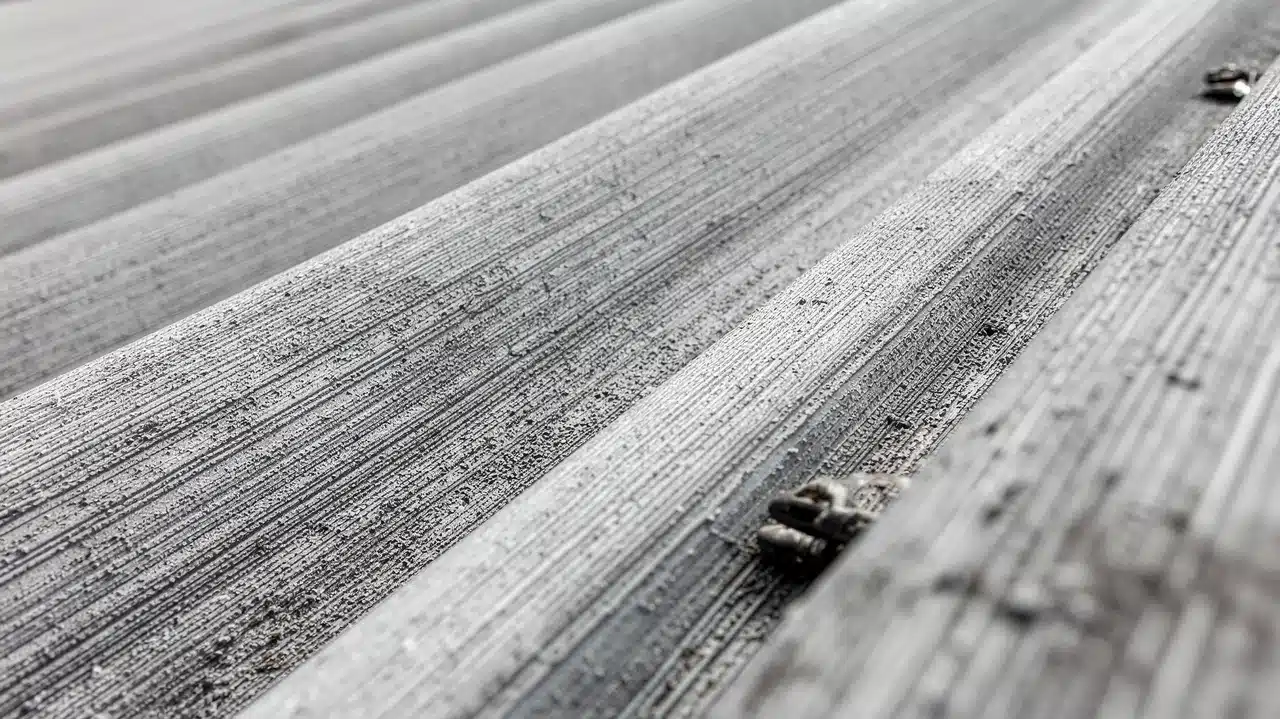
Thousands of Perth homes built before the 1980s contain asbestos roofing materials. Most homeowners do not recognise these fibrous cement sheets immediately. Once praised for durability and fire resistance, they now represent a major health concern requiring careful identification.
Properties in established suburbs like Subiaco, Victoria Park, Nedlands, and Mount Lawley frequently contain these materials. They often hide beneath multiple layers of paint. Homeowners frequently mistake them for safe, modern cement sheeting.
Identifying these materials accurately is crucial before starting any property maintenance. The presence of asbestos complicates renovations heavily. Property owners must understand their legal and safety obligations thoroughly. Perth’s intense UV exposure and coastal salt air accelerate material deterioration significantly. Knowing the visual markers gives homeowners the foundation for informed decisions. Ignoring an aging roof can lead to severe structural consequences.
Understanding Asbestos Roofing Materials
Asbestos cement sheeting appeared on Perth roofs from the 1940s through the late 1980s. Manufacturers marketed these products under brand names including Fibro, Super Six, and Hardiflex. These materials fundamentally shaped Western Australia’s residential landscape. Understanding their history helps property owners anticipate potential issues before undertaking renovations.
The Post-War Housing Boom
Manufacturers combined asbestos fibres with cement to create lightweight, affordable roofing sheets. These materials resisted fire, water damage, and termites exceptionally well. This made them exceptionally popular for roofing in Perth during the post-war building boom.
Builders needed reliable materials that could be produced and installed quickly. Suburbs that expanded rapidly during the 1950s and 1960s feature high concentrations of these roofs. Areas like Innaloo, Doubleview, and Morley contain thousands of such properties.
Installation Timelines and Bans
Properties constructed between 1945 and 1987 carry the highest likelihood of containing asbestos. Builders installed these sheets across thousands of homes throughout the expanding metropolitan area.
The use of these hazardous materials gradually declined throughout the late 1980s and 1990s. However, the complete Australian ban did not take effect until December 2003.
The Challenge of Accurate Assessment
Many homeowners are surprised by asbestos-related roof maintenance cost factors during renovations. Paint layers and biological growth often obscure accurate asbestos roof identification.
Years of accumulated dirt and moss make the characteristic grey cement appearance impossible to see. Homeowners often proceed with dangerous DIY cleaning without realising the risks.
Mixed-Material Roof Systems
Properties that have undergone partial renovation may contain mixed-material roof systems. Asbestos sheeting often sits alongside modern alternatives on the exact same roof.
An extension built in the 1990s might feature safe modern fibre-cement. Meanwhile, the original 1960s dwelling retains its hazardous original sheeting.
Visual Identification Techniques
Accurate asbestos roof identification requires examining specific physical characteristics carefully. Permacoat, WA’s longest-serving roof restoration company, applies 50+ years of expertise to assess Perth properties.
The property’s age provides the first reliable indicator for homeowners. Homes built before 1990 warrant closer professional examination before any work begins. This rule is particularly relevant for older suburb roofing assessments. Decades of structural settling and weathering make identification increasingly difficult over time.
Super Six Profile Analysis
Asbestos cement sheets display highly consistent corrugation patterns across the roof. The most common is the Super Six profile featuring six rounded ridges. These profiles differ subtly from modern alternatives through slightly different ridge spacing.
Modern steel or safe fibre-cement sheets rarely match the exact dimensions perfectly. Assessors look for the specific depth and width of the corrugations. This provides a strong visual clue without needing to disturb the material.
Surface Texture and Weathering
Weathered asbestos sheeting develops a characteristic appearance after decades of Perth’s climate. The surface may show fine hairline cracks across the dense cement matrix.
Paint adhesion often deteriorates unevenly, creating a distinctive mottled appearance. As the protective paint flakes away, the raw grey material becomes exposed. Sometimes, a subtle dimpling effect becomes visible on severely weathered sheets. This texture change strongly suggests the presence of degrading asbestos fibres.
Edge Details and Manufacturing Clues
Sheet edges reveal important identification markers when examined carefully by professionals. Asbestos cement products show a dense, uniform grey material from broken edges. They completely lack the synthetic cellulose fibres clearly visible in modern fibre-cement products.
The older material breaks with a sharper, more brittle fracture pattern. Before engaging professional roof repairs in Perth, property owners should verify material composition. Never break or cut suspected asbestos materials yourself to investigate the edges.
Examining Original Fixings
Original galvanised screws through ridge caps also provide era-specific identification clues. Builders typically used specific diamond-shaped washers during mid-century asbestos installations.
If these original, heavily corroded fixings remain, the roof is likely original. Modern replacement roofs would feature newer, differently styled roofing screws and seals.
Common Locations in Perth Roof Systems
Asbestos materials appear across multiple roof components beyond the primary sheeting. Professional roofing in Perth requires a thorough assessment of all potential locations.
Partial replacements over decades often create highly complex mixed-material systems. This scenario frequently complicates older suburb roofing inspections.
Primary Sheeting and Roof Planes
The main roof covering represents the largest volume of potential asbestos material. Entire roof planes may consist of these hazardous cement sheets.
This is particularly common on post-war homes with simple gable or hip designs. The sheets provided a fast, weather-tight envelope for these straightforward architectural styles.
Vulnerable Ridge Capping
Asbestos cement ridge caps secured the junction where roof planes meet. These crucial components experience severe weathering from dual-sided environmental exposure.
Many Perth properties have updated ridge caps while retaining original asbestos sheeting below. This creates mixed-material scenarios that complicate professional assessment and eventual removal.
Eaves, Soffits, and Infill Panels
Flat asbestos cement sheets frequently line eaves and soffits around the home. These create smooth, easily painted finished surfaces under wide roof overhangs.
Builders also used flat asbestos sheets to close gable ends securely. These vertical panels often remain in excellent condition due to weather protection. Homeowners frequently mistake these smooth panels for modern plasterboard or safe fibre-cement. They require the exact same careful management as the corrugated roof sheeting.
Associated Outbuildings and Sheds
Quality roofing services in Perth frequently identify associated structures as overlooked asbestos locations. Garages, sheds, and carports constructed during the mid-century period often feature original asbestos materials.
These outbuildings rarely received the same maintenance or painting as the main house. Consequently, their asbestos roofs often sit in a highly deteriorated, dangerous state.
Deterioration Patterns Indicating Risk
Intact asbestos cement sheeting poses minimal health risk when fibres remain bound securely. However, Perth’s extreme climate accelerates deterioration through specific environmental mechanisms. Understanding these patterns helps homeowners identify when a roof transitions from safe to hazardous.
UV-Induced Binder Breakdown
Decades of intense Perth sunlight degrades the cement binder holding fibres in place. The surface becomes chalky as the protective cement layer gradually erodes. This process accelerates rapidly on north-facing roof slopes receiving maximum solar exposure.
As the cement binder fails, microscopic asbestos fibres become exposed to the air. Once exposed, these loose fibres can easily become airborne during high winds.
Moisture Damage and Wet-Dry Cycling
Perth’s pattern of dry summers and wet winters creates damaging expansion-contraction cycles. Water penetration through damaged sections allows deep moisture into the material.
This wet-dry cycling progressively weakens the cement binder from the inside out. It creates microscopic pathways that facilitate dangerous, continuous fibre release.
Wind Stress and Mechanical Damage
Strong coastal winds place continuous mechanical stress on aging, brittle roof sheets. The strong sea breeze flexes the materials daily during summer.
Cracked, broken, or drilled asbestos sheets release significantly more fibres than intact materials. Storm damage or fallen branches create fracture points where fibres escape immediately.
Biological Colonisation Acceleration
Moss, lichen, and algae growth retains moisture against the asbestos cement surface. Their microscopic root structures physically penetrate the degrading cement material.
This creates expanding pathways for water ingress that shatters the material during temperature drops. Coastal Perth properties experience faster biological colonisation due to salt-laden moisture.
The Impact on Perth Property Values
The presence of asbestos roofing directly affects real estate transactions in Western Australia. Buyers and sellers must navigate these materials carefully during property transfers. Ignoring the issue during a sale often leads to collapsed contracts.
Pre-Purchase Building Inspections
Standard building inspections almost always flag suspected asbestos roofing materials immediately. This discovery frequently triggers intense price negotiations between buyers and sellers.
Buyers often request comprehensive quotes for complete roof replacement before finalising their property purchase. They use these quotes to demand significant reductions in the asking price.
Long-Term Liability Considerations
Retaining an aging asbestos roof transfers future replacement liability to the new owner. Smart buyers factor this future roof maintenance cost into their financial planning.
This reality makes proactive identification and management essential for property sellers. Addressing the roof before listing often yields a much higher final sale price.
Professional Testing and Confirmation
Visual indicators are helpful, but definitive asbestos roof identification requires laboratory analysis. Visual inspections alone cannot stand up to legal or regulatory scrutiny. Only scientific material sampling delivers absolute certainty for legal compliance.
NATA-Accredited Laboratory Analysis
Licensed asbestos assessors collect samples using strict wet methods that suppress fibre release. They seal the small samples in heavy-duty, airtight plastic containers.
These samples travel to NATA-accredited laboratories for advanced polarised light microscopy analysis. Results typically return within 3-5 business days with a formal, legally binding certificate.
Safe Sampling Protocols
This investment provides essential information for planning professional roof restoration in Perth safely. It dictates exactly which safety protocols contractors must legally implement.
Never attempt DIY sampling of suspected asbestos materials under any circumstances. DIY sampling risks severe, concentrated fibre exposure without proper respiratory protection equipment.
Understanding Testing Costs
Professional testing typically costs between $150 and $300 per individual sample. Most residential properties require two to four samples to map the roof accurately.
This small upfront cost prevents catastrophic regulatory fines and health risks later. It provides the definitive baseline needed for any future renovation planning.
Regulatory Requirements and Management
Specific obligations apply to Perth property owners under Western Australian regulations once asbestos is confirmed. Ignorance of these laws does not protect homeowners from severe penalties. Professional roof repair services must follow WorkSafe WA protocols when handling these materials.
WorkSafe WA Compliance
Key regulatory requirements include:
- Asbestos registers: Commercial and strata buildings must maintain documented hazard locations.
- WorkSafe notification: Removing more than 10 square metres requires formal notification.
- Licensed removalists: Class B licensing is mandatory for non-friable asbestos exceeding 10 square metres.
- Approved disposal: Facilities at Tamala Park and Rockingham require strict wrapping protocols.
Strata Management Responsibilities
Strata managers carry heavy legal burdens regarding asbestos on multi-unit properties. They must ensure annual inspections document any degradation in the material’s condition.
Failing to warn tenants or contractors about asbestos locations breaches serious duty of care laws. Comprehensive strata roofing services and management plans are essential for older Perth strata complexes.
When Asbestos Roofing Can Remain
Not every asbestos roof requires immediate, emergency removal. Intact sheeting in good condition can remain safely in place with ongoing professional management. Proper assessment determines if applying protective roof coatings is a viable alternative to full replacement.
The Dulux Acratex three-coat system provides an effective management strategy for sound sheeting. It includes a penetrating primer sealer and two highly durable topcoats. This creates a durable barrier that seals the surface and prevents fibre release entirely.
Safe Practices and Risk Management
When executing roof painting in Perth or repairs, identifying hidden asbestos protects everyone. Specific practices minimise exposure risk during any routine property maintenance.
Critical Safety Protocols
Essential safety practices include:
- Never drill, cut, sand, or break asbestos cement under any circumstances whatsoever.
- Professional high-pressure roof cleaning is strictly illegal on asbestos roofs in Western Australia.
- Never walk on asbestos roofing without appropriate professional weight distribution equipment.
- Maintain clear gutters to prevent overflow that saturates asbestos sheeting edges.
- Trim overhanging tree branches to prevent abrasion damage and moisture retention.
- Inform all tradespeople about confirmed asbestos before they commence any work.
Ongoing Property Maintenance
Clear communication prevents accidental disturbance of hazardous materials by visiting contractors. Informing tradespeople like electricians and plumbers ensures they bring appropriate safety gear. Routine visual checks from the ground help track obvious signs of new damage.
Planning for Eventual Replacement
Properties with deteriorating asbestos roofing eventually require professional removal and complete roof replacement in Perth. Strategic planning optimises timing while ensuring strict regulatory compliance.
Optimal Seasonal Scheduling
Scheduling during Perth’s dry season provides optimal weather conditions and significantly reduces delays. Heavy winter rains severely complicate the safe removal and wrapping processes.
Professional roofing services in Perth account for these coastal weathering patterns regularly. They structure removal timelines to minimise the property’s exposure to the elements.
Budgeting and Financial Planning
Budget planning should account for $15,000 to $35,000 for complete residential removal and replacement. This includes licensed removal, specialised transport, high dumping fees, and the new roof installation.
Replacing older suburb roofing means homeowners now have excellent modern alternatives. This investment dramatically improves street appeal and heavily updates the home’s aesthetic profile.
Modern Material Alternatives
Colorbond steel offers a lightweight, highly durable replacement that mimics the original profile beautifully. Modern concrete tiles provide excellent thermal mass and superior acoustic insulation.
Modernising the property through roof replacement in Perth eliminates the asbestos liability completely. Reliable roofing in Perth demands modern materials engineered for extreme climatic conditions.
Conclusion: Managing Older Perth Roofs Safely
Identifying and managing asbestos requires careful attention to detail and strict safety protocols. Taking proactive steps ensures your property remains safe, legally compliant, and highly valuable over time. Ignoring deteriorating materials only increases future financial liabilities and potential health risks for occupants.
Permacoat provides expert guidance on identifying and managing complex roofing systems. For professional roof restoration in Perth backed by 50+ years of experience, call (08) 9249 5955 to book your free inspection today.