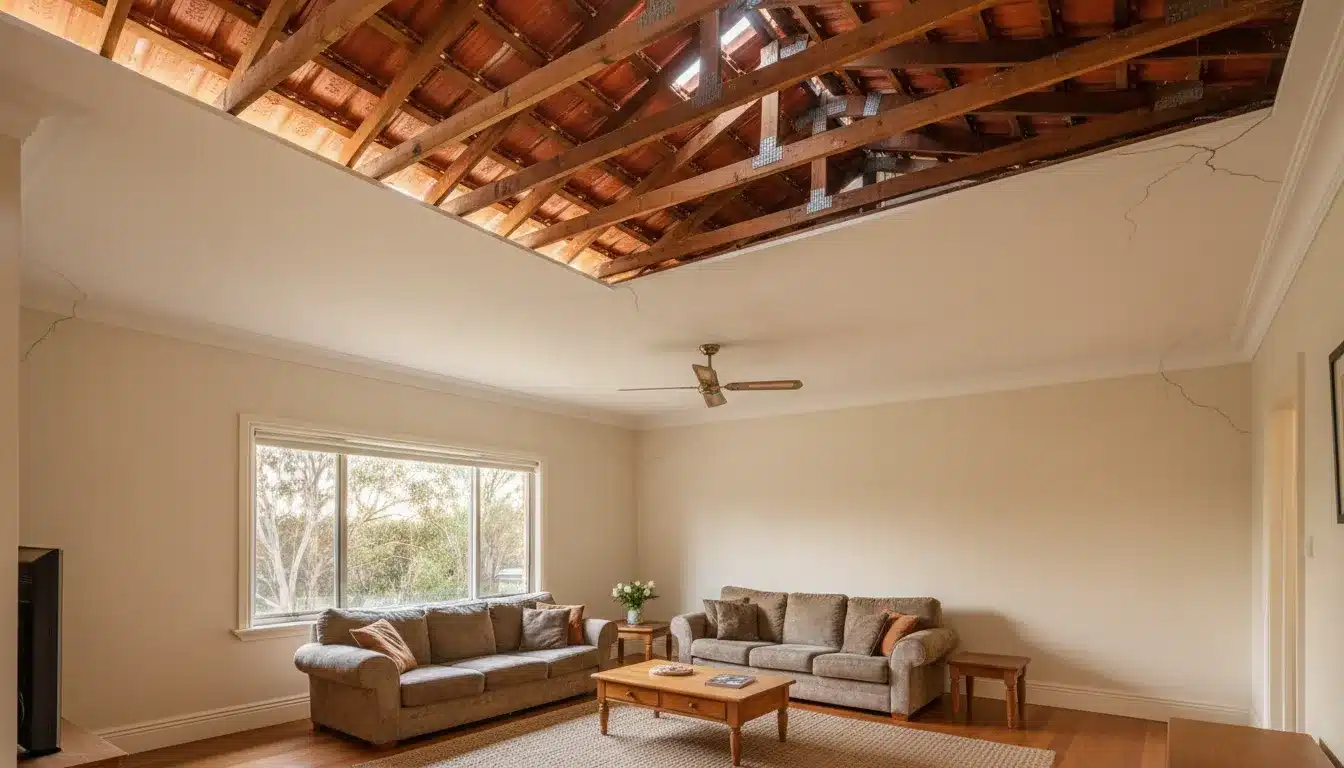
Ceiling cracks inside a home can start far above the plaster. Roof structure, ridge lines, tiles, and flashings can all influence what appears indoors.
Some cracks are minor plaster movement. Others can point to shifting roof loads, moisture entry, or long-running stress in the roof system.
Why Ceiling Cracks Deserve Roof Attention
A ceiling crack should be assessed in context. Its location, shape, width, and timing can all provide clues.
Ceiling cracks associated with roof movement may appear near cornices, internal walls, or ceiling joints. They can also sit below hips, valleys, and ridge lines, although location alone does not establish the cause.
Cracks Can Reflect Movement Above
Roofs expand, contract, and settle over time. Timber framing, battens, tiles, and ridge caps respond to heat and moisture.
Small movement is normal in many homes. Larger or repeated movement can create visible cracking below.
Patterns that warrant closer assessment include:
- diagonal cracks near ceiling corners
- cracks that reopen after patching
- stains beside a crack line
- sagging around the affected area
- cracks below valleys or roof penetrations
Moisture Can Make Cracks Worse
Water entry can weaken plasterboard and ceiling compounds. Even small leaks may create staining before a drip appears.
Roof leak signs can include musty smells, damp insulation, or brown edges around cracks. These signs need prompt attention.
Interior water damage can spread beyond the first visible mark. Moisture can travel along framing, insulation, and ceiling joins.
How Roof Movement Reaches Interior Ceilings
A tiled roof has many connected parts, but they serve different functions. Movement in supporting framing can affect ceiling connections; movement in a tile or ridge cap does not by itself demonstrate a structural problem.
Ridge caps and bedding help weatherproof the ridge, while rafters, battens, and ceiling framing provide support. A roof repair assessment should distinguish covering defects from suspected framing movement, which may need a building specialist’s assessment.
Ridge Defects Need Separate Assessment
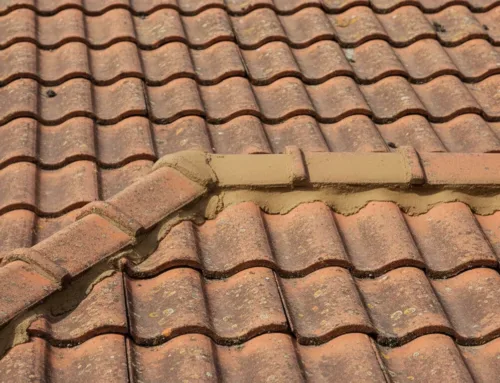
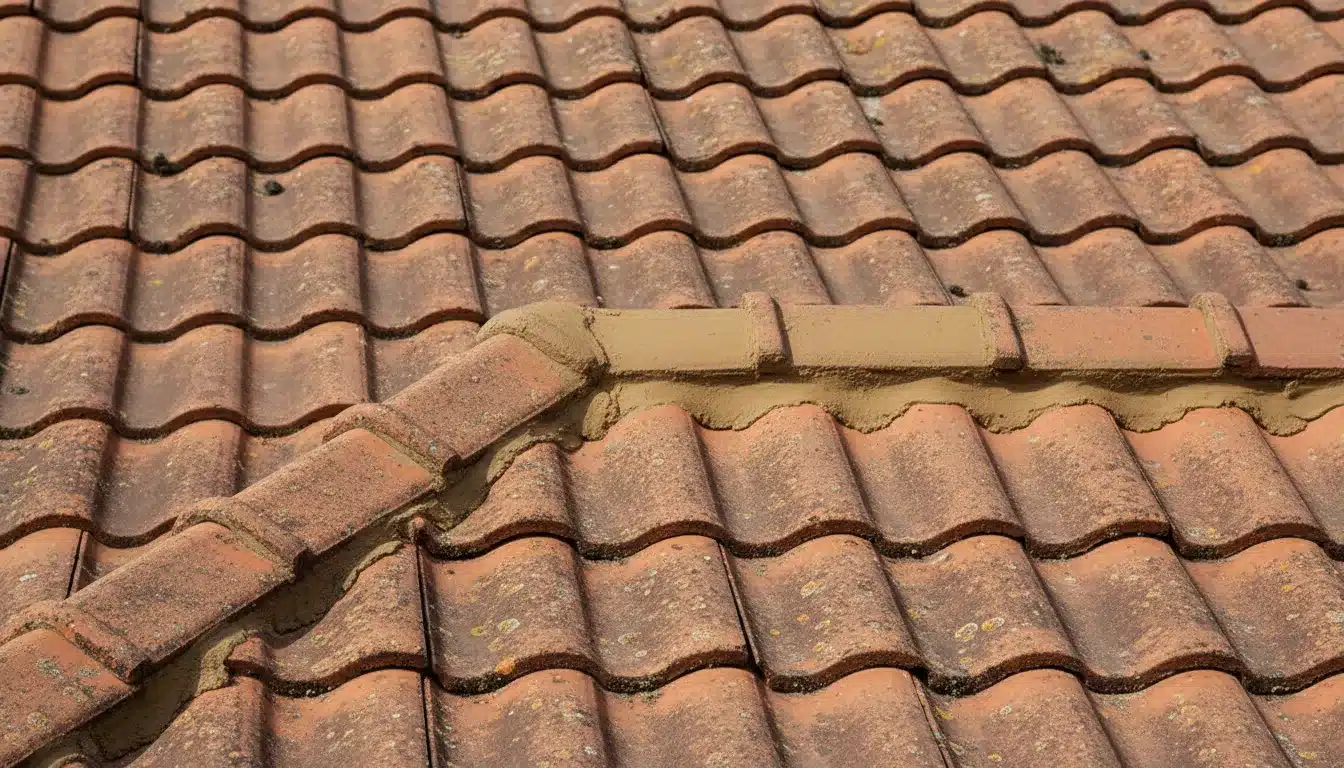
Ridge cap movement may show as cracked pointing outside. Indoor cracking below the same area may be coincidental, so both defects need assessment rather than an assumed causal link.
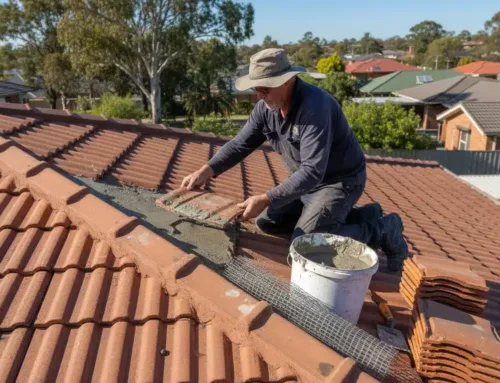
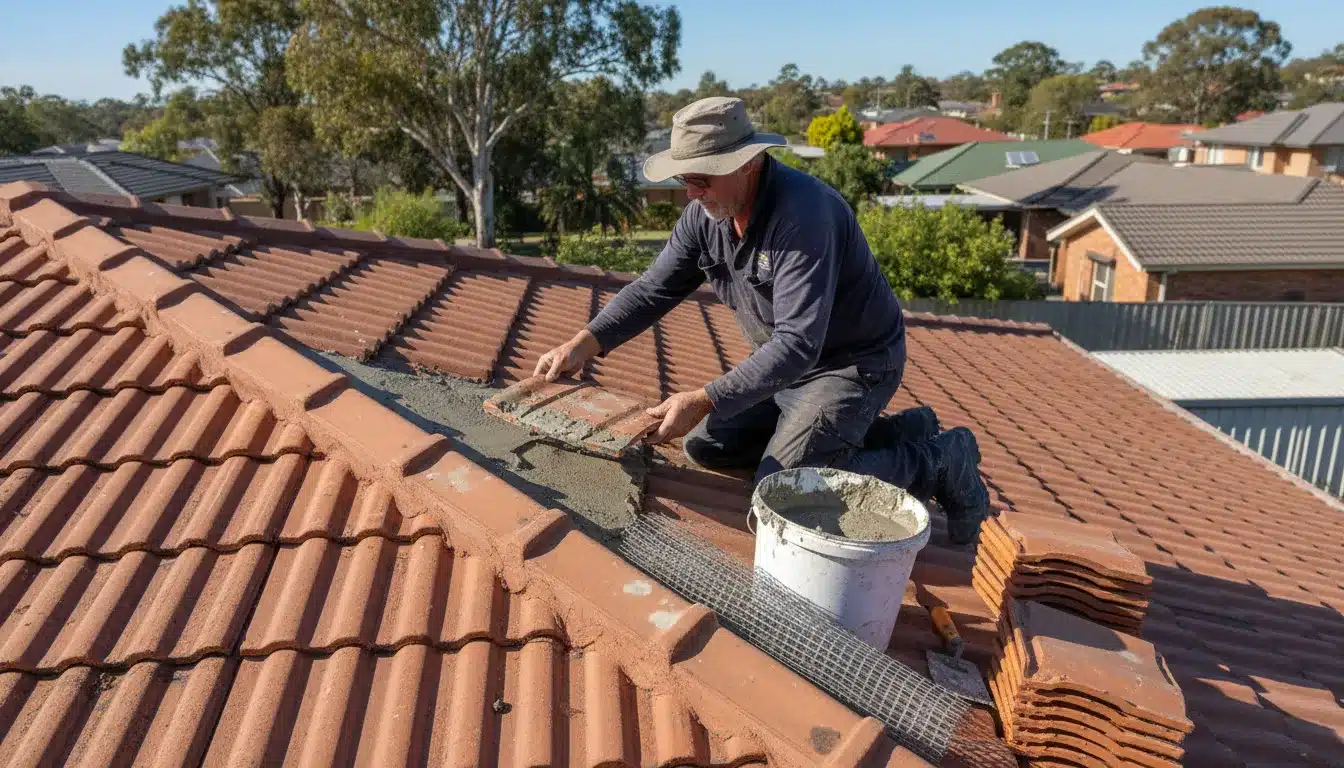
Loose bedding can allow caps to shift and leave gaps where water may enter. Seasonal movement can worsen ridge pointing defects, but ceiling cracking requires separate evidence of framing movement, moisture damage, or another cause.
Ridge-area observations to compare include:
- cracked flexible pointing
- gaps below ridge caps
- lifted or uneven cap lines
- displaced mortar pieces
- ceiling cracks below the ridge
Tiles and Battens Can React to Loading
Tiles sit on battens, which transfer their weight to the supporting roof structure. Broken or slipped tiles can alter water paths, but they do not by themselves establish a change in structural loading that explains a ceiling crack.
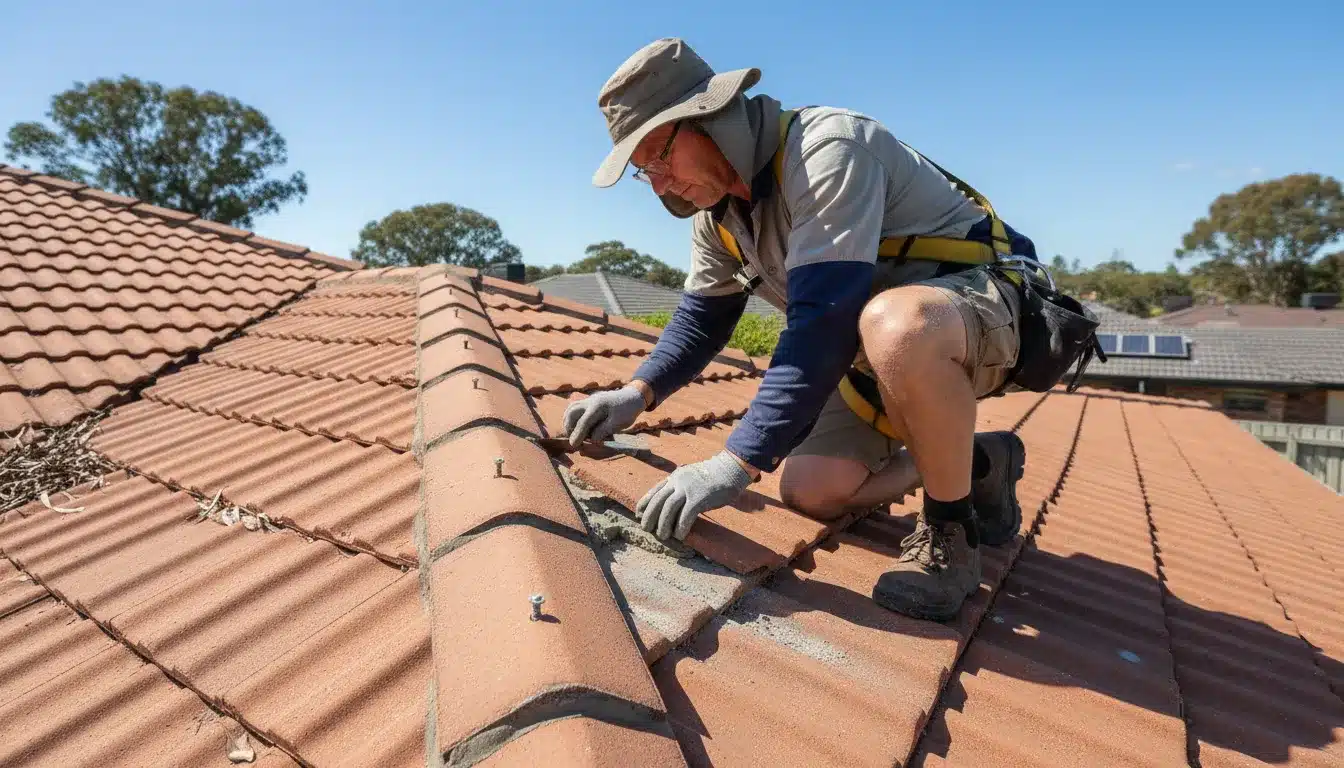
A tile roof inspection can identify defects that are not visible from ground level. It can also reveal displacement or uneven sections that warrant further assessment.
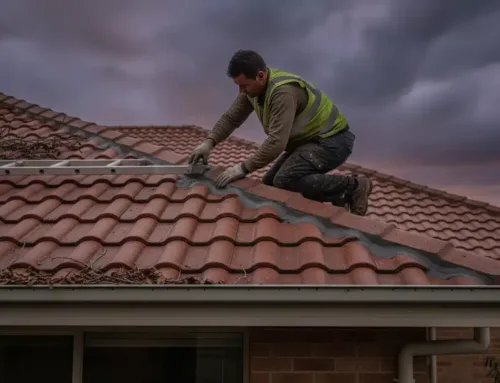
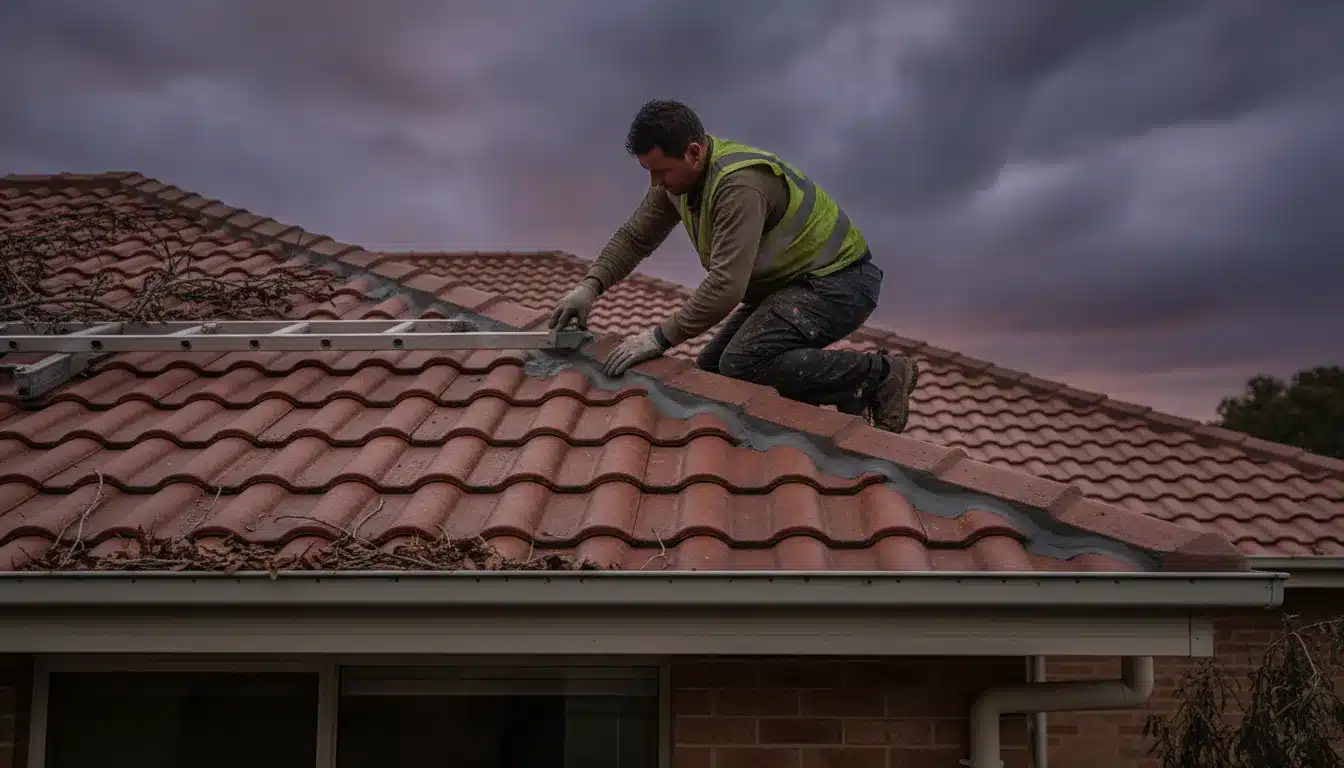
Storms, foot traffic, and older repairs can damage roof coverings or disturb existing repairs. Any connection with indoor cracking needs evidence of water entry or movement in the supporting structure.
The position of the crack matters. A mark below a valley can suggest a different cause than one below a ridge.
Ceiling layout also needs review. Bulkheads, old joins, and air-conditioning openings can influence how cracks form.
Good notes make the inspection clearer. Photos, dates, and weather details can help connect the inside and outside evidence.
Ceiling Crack Patterns Linked With Roof Issues
Not every ceiling crack means a roof problem. Still, some patterns deserve both internal and external review.
The goal is to match the visible ceiling symptom with possible roof causes. That process avoids guesswork and repeat patching.
Straight Cracks Near Ceiling Joins
Straight cracks often follow plasterboard joints. They may relate to framing movement, moisture, or poor original fixing.
If the crack sits below a roof valley or ridge, external checks become important. Inspect for nearby water-entry defects, while assessing possible framing movement separately.
Record the crack’s position and history:
- crack length and direction
- nearby stains or bubbling paint
- room location below roof features
- recent weather events
- any previous ceiling patching
Diagonal Cracks Near Corners
Diagonal cracks may appear near cornices, doorways, or hallway junctions. These areas can react to structural movement.
Ceiling cracks linked to roof movement may change with temperature, while storm-related changes may involve water entry or other building movement. Repeated widening needs assessment rather than attribution to the roof alone.
Interior water damage should also be considered when paint softens or discolours. Moisture can make a movement crack appear worse.
Roof Leak Signs That Appear Indoors
Many roof leaks do not drip straight down. Water can travel before reaching a visible ceiling surface.
This makes internal symptoms difficult to trace. A wet mark may sit metres away from the entry point.
Stains and Bubbles Need Tracing
Brown stains often indicate repeated moisture. Paint bubbles can show trapped water beneath the surface.
These symptoms may appear near cracks, cornices, light fittings, or vents. Keep clear of wet electrical fittings and sagging ceilings, and seek qualified help rather than touching or probing affected areas.
Moisture symptoms to document safely include:
- stain colour and size
- soft or swollen plaster
- bubbling paint near a crack
- musty smell after rain
- damp insulation above the ceiling
Timing Helps Identify Causes
Changes after rain can suggest moisture involvement, while widening in heat may reflect thermal movement. Neither pattern alone identifies the source or proves that the roof is responsible.
Leak patterns should be compared with weather history. Wind direction can also matter during storms.
A careful repair review uses both timing and location. This helps separate one-off damage from active roof failure.
What an External Roof Check Should Include
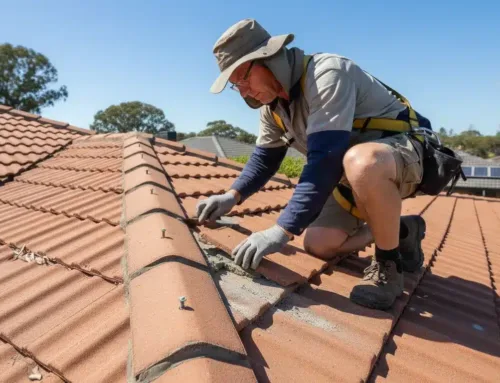
A safe external check should be systematic. It should review roof covering, ridge lines, valleys, flashings, and gutters.
Ground-level viewing is useful, but it has limits. Many defects require close inspection by trained personnel.
Tiles Need Individual Attention
Cracked or slipped tiles can allow moisture into the roof space. Small defects can be hidden behind laps or ridge caps.
An inspection for roof tile repairs should note broken tiles, old repairs, and uneven sections. Photos can help compare internal and external positions without assuming that a nearby tile defect caused the ceiling crack.
Check the following external defects:
- cracked roof tiles
- displaced tile edges
- damaged valley cuts
- loose ridge pointing
- worn flashing seals
Ridge Caps Need Movement Checks
Hairline cracks, gaps, or missing bedding can indicate deteriorating ridge components, but do not establish active structural movement. Loose caps may become more vulnerable during storms.
Caps should sit evenly along the ridge. Uneven lines can suggest movement, old repair failure, or bedding breakdown.
Our experience at Permacoat includes more than 50 years as a Western Australian family business and more than 30,000 roofs restored across Perth, north and south of the river. We offer roof repairs and restoration, but a ceiling crack still needs assessment on its own evidence rather than a roofing diagnosis based on location alone.
Close inspection should also consider nearby hips and junctions. Similar bedding or pointing deterioration may affect adjoining sections, so the check should not stop at the first visible gap.
Old mortar pieces in gutters may also provide clues. They can point to gradual breakdown before a leak becomes obvious.
Interior Checks Before Repairs Begin
Internal checks help test whether the pattern is roof-related or needs another explanation. They also protect against unnecessary ceiling patching.
Ceiling repairs should not start until active moisture is ruled out. Otherwise, stains and cracks may return.
Roof Space Evidence Matters
The roof space can reveal stains on timber, damp insulation, or daylight gaps. It may also show rust marks around fixings.
Leave roof space access to someone competent to manage the hazards. Ceiling linings cannot safely support a person’s weight, and electrical hazards may be present.
During a safe roof space inspection, look for:
- wet or compressed insulation
- dark staining on rafters
- water tracks near valleys
- daylight around penetrations
- mould growth near ceiling joins
Moisture Readings Can Guide Decisions
Moisture readings can help assess whether stained materials are still damp and support repair timing. A dry reading alone does not rule out an intermittent leak.
Interior water damage can remain after the roof issue is fixed. Drying and plaster repair may still be needed.
Stain age can be difficult to judge by sight alone. A dry stain may still need watching during the next heavy rain.
If insulation remains damp, ceiling repairs should wait. Wet insulation can keep plasterboard moist after the roof is fixed.
Repair Sequencing Helps Avoid Repeat Cracking
The repair order matters. External roof defects should be addressed before interior cosmetic repairs.
Ceiling patching first can hide useful evidence. It can also fail when roof movement continues.
Fix the Active Roof Issue First
Broken tiles, failed flashing, and cracked pointing need proper repair. The roof should then be monitored after rain.
A roof repair assessment should prioritise active water entry and unstable ridge areas. Cosmetic ceiling work can follow once the area is dry and any continuing movement has been assessed.
A practical repair sequence is:
- document indoor symptoms
- inspect the roof exterior
- check roof space evidence
- complete roof repairs
- monitor after rain
- repair ceiling finishes
Allow Drying Before Ceiling Work
Damp plaster should dry before filling or painting. Painting too soon can trap moisture and cause bubbling.
Ventilation, insulation condition, and weather can affect drying time. Professional advice may be needed for large damp areas.
If stains return, further inspection is needed before more interior repair. The cause may be continuing water entry, residual moisture, or staining bleeding through an inadequately prepared finish.
Some cracks also need a building movement check. That step is useful when roof defects do not explain the pattern.
Separating roof causes from other movement protects the repair budget. It also helps set the right trade sequence.
When Cracks Point to Broader Roof Restoration
Some homes have several linked issues. Ageing tiles, loose ridge caps, worn flashings, and stained ceilings can appear together.
A narrow repair may solve one leak. Tile roof restoration may be worth considering where inspection identifies several repairable defects across an otherwise serviceable roof, rather than a ceiling crack alone.
Multiple Symptoms Need a Wider View
Repeated ceiling marks across different rooms warrant a wider investigation, but may arise from one travelling leak or from non-roof causes. Several leak indicators after storms should be traced before deciding the roof needs broader work.
The pattern matters more than one isolated crack. Matching interior symptoms with roof defects gives a clearer repair scope.
Findings to weigh when considering broader work include:
- many cracked or deteriorated tiles
- repeated ridge pointing failure
- several ceiling stains
- worn valley sections
- ageing flashings and seals
Local Repair May Still Be Enough
A single cracked tile can create a clear leak path. One failed flashing detail can also cause a local stain.
The right response depends on inspection evidence. When comparing local repair with restoration costs, check which confirmed defects each option addresses; over-repair and under-repair can both waste money.
A tile roof inspection should support the decision. It should establish whether covering defects are isolated or widespread, and identify any signs that require separate structural assessment.
Photos can make that decision easier. A clear image of each defect helps compare the proposed repair with the indoor symptom.
The repair method should also match the roof age. Older tiled roofs may need gentler handling and careful access.
Where several issues overlap, priorities should be staged. Active leaks and loose ridge areas usually need attention first.
Questions to Ask Before Approving Work
Good questions help clarify scope. They also reduce confusion between ceiling repair and roof repair.
The best answers should connect symptoms, evidence, and repair steps. Vague explanations can lead to repeated patching.
Ask About Cause, Not Only Repair Type
A roof repair quote should explain the likely cause, what will be repaired, and why. It should distinguish the priced roof work from any separate structural assessment or interior ceiling repairs.
Before approving the scope, ask:
- What evidence links any roof defect to the ceiling crack?
- Are there active leaks or old stains?
- Are loose ridge components being distinguished from framing movement?
- Should the ceiling dry before patching?
- What evidence confirms the repair scope?
Ask How the Result Will Be Checked
Post-repair checks matter after rain. A ceiling should stay dry before final painting starts.
A repair report should include advice on monitoring. This can help catch any remaining issue early.
Monitor Changes After Repairs
After repairs, monitor the ceiling through the next few weather changes. Stable marks can often be repaired once the area is dry and the cause has been addressed. Growing cracks or renewed dampness need reassessment before cosmetic work; unexplained movement may require a building specialist rather than another roof repair.
Conclusion
Ceiling cracks need an explanation, not just a fresh patch. Loose ridge caps may need repair without being the cause of indoor cracking, while leaks and framing movement require different responses. To discuss an inspection of suspected roof defects, contact us before arranging cosmetic ceiling work.