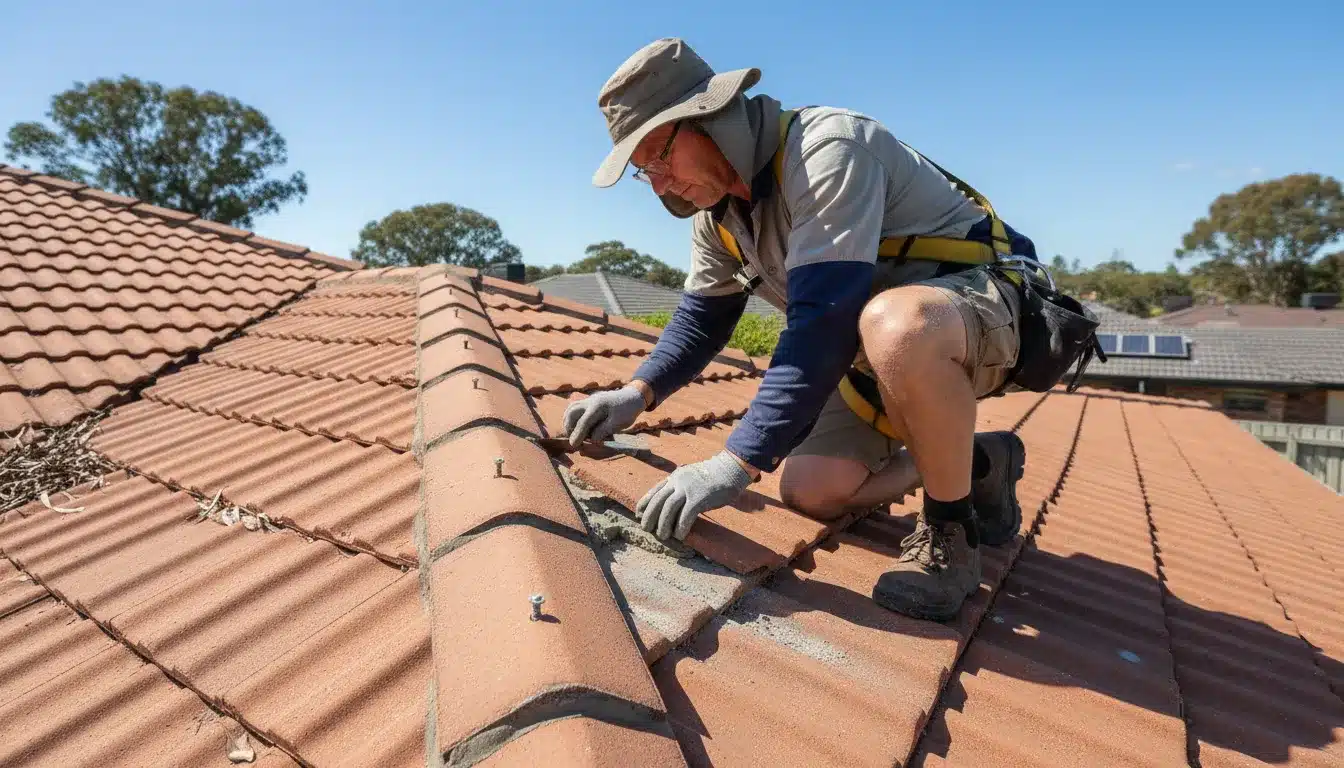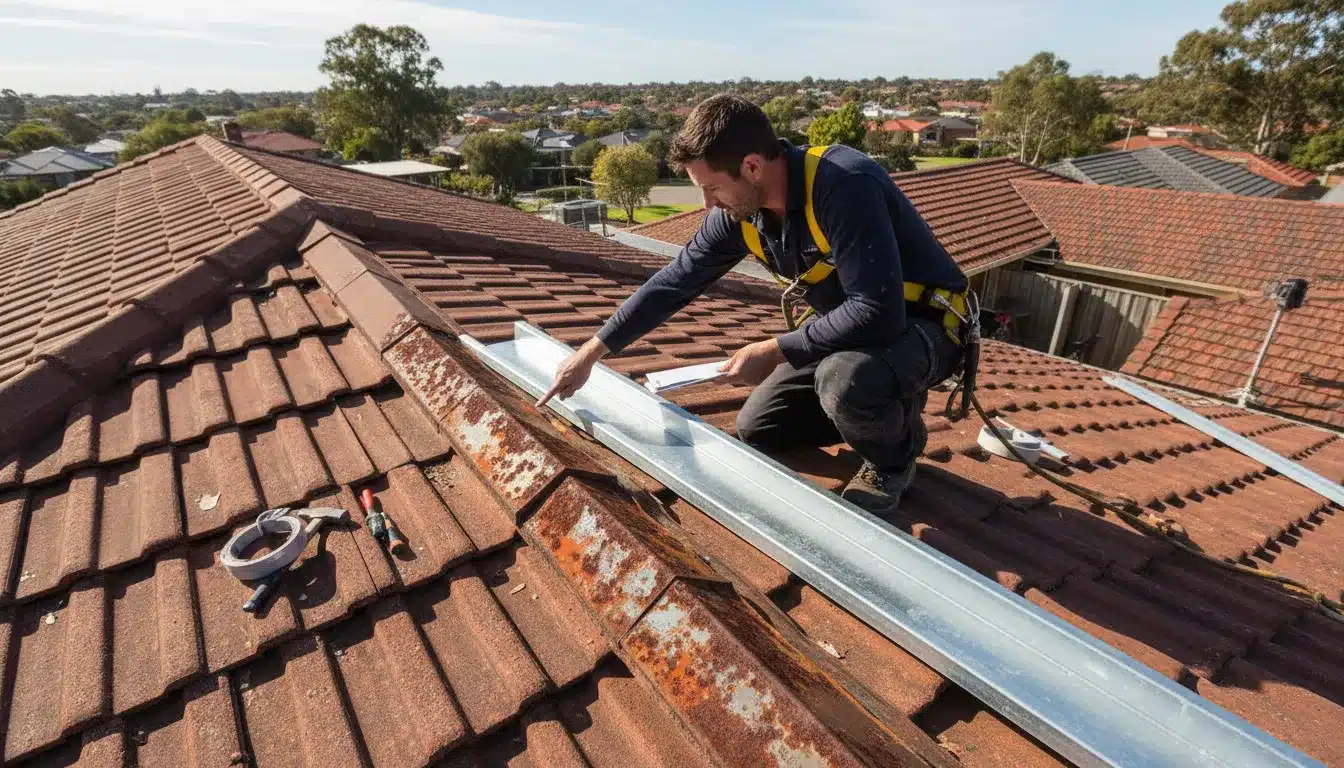
A rusted valley can turn a controlled water path into a hidden leak source. The damage often starts before stains appear indoors.
Patch repairs may slow water for a short period. They cannot restore metal that has lost strength, fall, or clean drainage.
Rusted valley sections need careful assessment. The right choice depends on corrosion depth, tile condition, and water movement.
Why Roof Valleys Rust and Fail
Valleys carry concentrated rainwater from two roof planes. That flow brings grit, leaves, and roof debris into one metal channel.
When debris sits in the channel, metal can stay damp for long periods. Protective coatings then wear faster.
Trapped Debris Holds Moisture Against Metal
Leaves, seed pods, and dirt can form a damp mat. That mat keeps oxygen and moisture against the tray.
The problem often grows under the edge of cut tiles. Rust can spread where it is hard to see from ground level.
Common rust triggers include:
- Leaf build up under tile edges
- Scratched or worn protective coating
- Poor fall that allows ponding
- Blocked lower gutters
- Contact with old mortar fragments
Early cleaning can reduce corrosion risk. It cannot reverse metal loss once holes or soft spots appear.
Old Coatings Can Hide Metal Loss
A painted valley can look serviceable from a distance. Close inspection may show bubbling, flaking, or pinhole rust.
Roof coatings cannot restore metal lost to corrosion. Covering active rust without suitable preparation can conceal continuing deterioration beneath the surface.
Signs of hidden deterioration include:
- Raised blisters in old coating
- Rust staining below tile edges
- Thin metal around nail holes
- Soft patches near overlaps
- Fine cracks beside old sealant
A rusted roof valley replacement may be safer when these signs are widespread. Local patching works only for limited defects.
Tile Movement Can Expose the Tray
Cut tiles beside a valley need secure support appropriate to the roof design. Movement can scrape metal and expose fresh surfaces.
Loose tile edges can also let water run beneath neighbouring tiles, reaching laps, battens and the roof space.
Tiled roof restoration needs to address both the valley tray and surrounding tile edges. Repairing one while leaving the other defective can allow leaks to continue.
Patch Repair Limits in Valley Areas
Patch repair has a place when damage is small and isolated. It is not a cure for broad rust or poor drainage.
A roof valley repair should match the defect. A surface patch cannot correct a tray that is thin, twisted, or badly sloped.
Sealant Cannot Replace Missing Metal
Sealant bridges small gaps when surfaces are clean and stable. It performs poorly on dirty, wet, or flaking metal.
It also needs to sit clear of the main water path. Thick sealant placed across flow can create a dam.
Patch work becomes risky when:
- Rust covers a long section
- Holes appear near tile cuts
- Water ponds after rain
- Previous patches have failed
- Internal stains return after storms
In these cases, roof valley repair may need tray removal and replacement. The repair must restore drainage, not just cover holes.
Patch Layers Can Narrow the Channel
Repeated patch layers take up space. They can reduce the open channel that carries stormwater.
A narrower channel handles less water during intense rain. Overflow can then enter under cut tiles.
Surface repairs should not change the valley profile. If they do, replacement may be the better option.
Failed Patches Can Delay Proper Repairs
Short-term patches may seem cheaper at first. Compare roof repair costs over repeated visits, as further callouts and internal repairs can increase the overall expense.
A leaking valley can wet insulation and plaster before water drips visibly. The delay can increase damage inside the home.
Roof water damage can also affect timber near the valley line. Early replacement can stop that spread.
When Replacement Becomes the Better Option
Replacement becomes more likely when rust is structural, repeated, or hidden under tile edges. The roof needs a dependable channel.
A new tray gives the valley a clean water path. It also allows surrounding tiles and bedding to be corrected.
Corrosion Depth Matters More Than Surface Colour
Light staining does not always mean failure. Deep pitting, holes, and flakes are more serious.
A trained inspection checks whether the metal still has strength. It also checks whether the valley can drain after repair.
Replacement indicators include:
- Pitting across several sections
- Rust holes along the flow line
- Metal that flexes or breaks
- Failed overlaps or joints
- Leaks after more than one patch
A rusted roof valley replacement should be considered when defects affect the main flow path. Our experience at Permacoat includes more than 30,000 roofs restored across Perth, north and south of the river. We offer a free, no-obligation roof inspection to assess the roof’s condition before recommending work.
The Replacement Tray Must Suit the Roof
The tray profile needs to suit the roof pitch, tile type, and catchment size. It must also connect cleanly to gutters.
The installer must also consider how the tray will sit under the tile edges. Too little clearance can restrict water during storms, while insufficient tile coverage can leave the edges vulnerable to water entry. The channel needs enough clearance for water and debris without compromising the surrounding roof covering.
A Colorbond valley tray can suit many tiled roofs when selected and installed correctly. The product choice still depends on site conditions.
Good replacement planning checks:
- Valley length and slope
- Tile profile and cut line
- Gutter outlet capacity
- Nearby flashing junctions
- Safe access and roof age
The new tray should sit straight and drain freely. It should not rely on sealant to manage normal water flow.
Surrounding Tiles Need Careful Reinstatement
Replacement work often means lifting nearby tiles. Brittle tiles may crack during access if handled poorly.
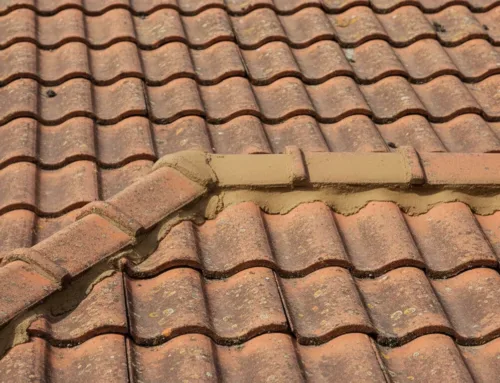
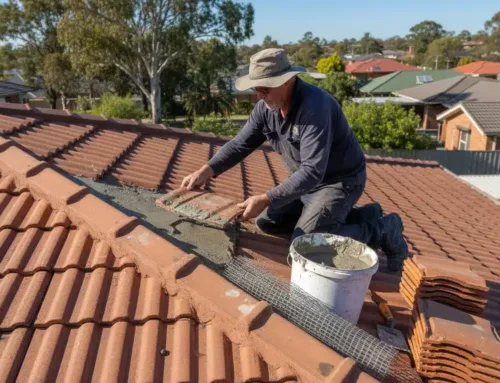
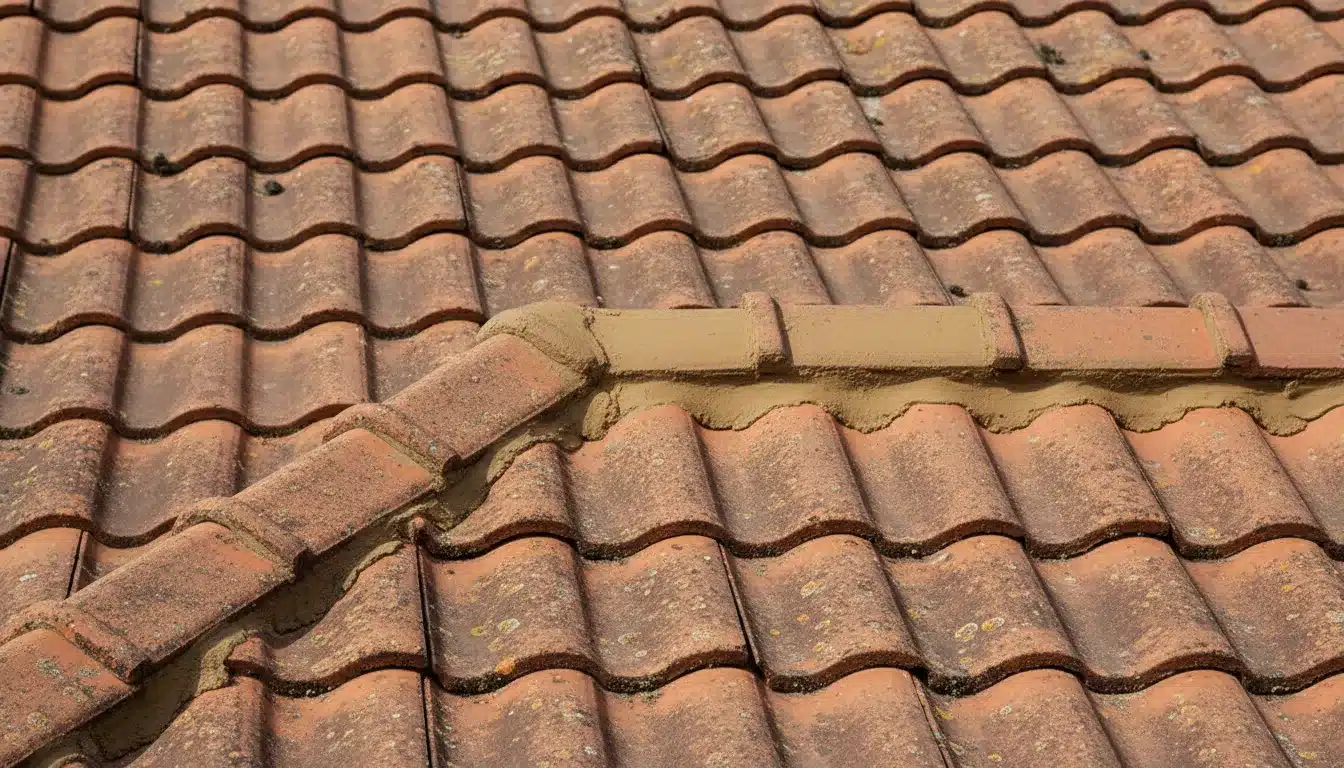
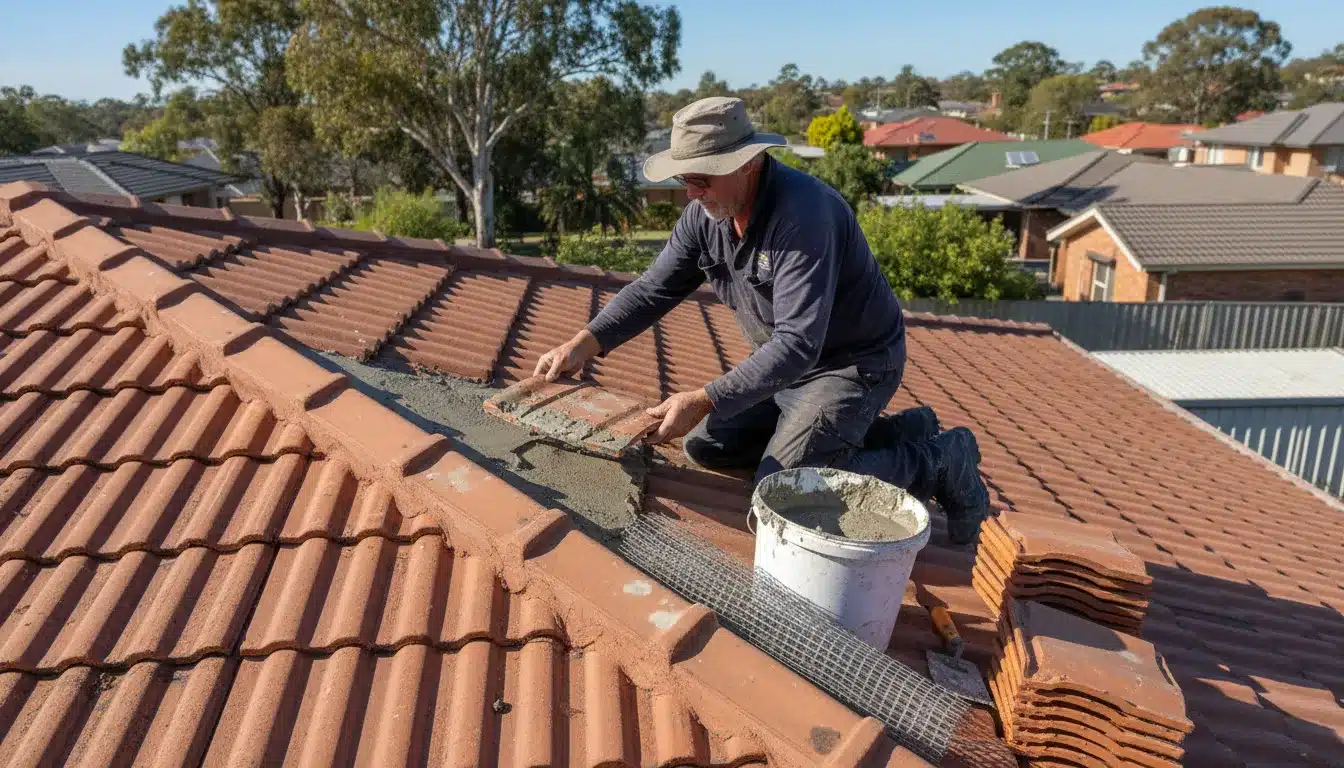
Roof tile repairs around the new tray should leave cut tiles secure and correctly aligned. Where bedding and pointing are required, they must not block the water channel.
Tiled roof drainage depends on those small details. A new tray can still fail if tiles direct water sideways.
Water Damage Risks From Delayed Replacement
A leaking valley can affect more than the roof surface. Water may track along battens, rafters, and ceiling linings.
Roof water damage often appears after several wet periods. By then, the entry point may be harder to trace.
Internal Stains Can Sit Away From the Valley
Water follows gravity, timber, and ceiling materials. It may appear far from the opening.
A stain below a hallway or room corner can still start at a valley. Roof cavities can hide the path.
Internal warning signs include:
- Brown ceiling stains after rain
- Damp smells near cupboards
- Bubbling paint around cornices
- Mould spots along ceiling lines
- Drips near light fittings
Electrical areas need prompt attention. Water near wiring should be treated as a serious risk.
Storms Expose Weak Drainage Quickly
Heavy rain tests every joint and outlet. A weakened tray may leak only during intense flows.
Wind can also push water under tile edges. That makes old valleys more vulnerable during coastal weather.
Storm roof repairs may be urgent when active leaks appear. The permanent fix should still address the failed valley section.
Delays Can Increase Repair Scope
Water entering the roof space can damage insulation and plaster. Timber may also stay damp after storms.
Delayed work can turn a valley job into ceiling repairs. It can also make future leak tracing harder.
Early replacement protects more than the visible channel. It protects the roof structure and rooms below.
Planned work allows materials, safe access and suitable weather windows to be arranged before water is entering the home. This can reduce disruption during wet months.
Choosing the Right Repair Pathway
The repair pathway should follow evidence from the roof, gutter, and ceiling. Guessing can lead to repeated failures.
A clear pathway also helps set priorities. Active leaks may need temporary protection before permanent work. Compare repair and restoration costs against the work included and the roof’s condition, rather than choosing the cheapest quick patch. A roof that has leaked repeatedly deserves a deeper review.
Inspection Should Start With Water Movement
The first question is simple. Can water still move freely from the valley top to the gutter?
If not, the cause must be identified. Rust, debris, poor fall, and tile movement need different responses.
A useful inspection covers:
- The upper valley entry point
- Tile cuts along both sides
- Tray surface and overlaps
- Lower gutter and downpipe flow
- Internal stains under the roof line
This process helps separate minor maintenance from replacement work. It also reduces wasted patching.
Material Choice Affects Service Life
Replacement material must handle local exposure, roof shape, and expected water volume. Cheap or mismatched metal may fail early.
A Colorbond valley tray should be installed with correct support and clearance. Contact with trapped debris should be reduced.
Tile reinstatement matters just as much as metal choice. Poor cuts or loose bedding can defeat a new tray.
Repair Timing Should Suit Weather Risk
Valley replacement is easier before heavy seasonal rain. Dry conditions help with safe access and clean installation.
Urgent temporary protection may be needed during active leaks. It should lead to a proper repair once conditions allow.
Tiled roof drainage should be restored before the next major front. That reduces the chance of repeat ceiling damage.
What a Sound Replacement Outcome Looks Like
A good replacement is not judged only by new metal. It is judged by how well the roof manages water after rain.
The valley should be open, supported, and clear of unnecessary obstructions. Tile edges should guide water into the channel.
Water Should Exit Without Ponding
After rain, water should leave the valley and enter the gutter. Standing water suggests poor fall or blockage.
The lower gutter must also cope with the valley discharge. A clean valley can still overflow into a blocked outlet. Where gutters or downpipes are old or damaged, we can quote for gutter replacement and downpipe replacement alongside the roof work.
Post-repair checks should confirm:
- Clear flow into the gutter
- No raised sealant dams
- Secure cut tiles on both sides
- No fresh rust staining
- No ceiling moisture after rain
A roof valley repair is successful when the whole drainage path works. The valley, tiles, and gutter must act together.
The Roof Should Be Easier to Maintain
A replacement should not create awkward traps for debris. It should allow future cleaning and inspection.
Good access points and clear sight lines help maintenance. Early checks can catch leaves before they become damp blockages.
Maintenance after replacement should include seasonal debris removal and checks after severe rain. Professional roof cleaning should use methods suited to the roof material and its condition.
Documentation Supports Future Decisions
Photos before and after replacement help track roof condition. They also record hidden defects found during tile lifting.
Clear notes can show which section was replaced. They help avoid confusion if another roof area leaks later.
A roof history can be useful for insurance discussions, sale preparation, and future maintenance planning. It gives context to each repair.
A new ceiling mark may have a different source from an earlier leak. Comparing repair records with current photos can help identify changes in tile cuts, gutters or tray edges.
Longer-term planning should also include nearby roof features. Chimney flashings, ridge caps, hips and gutter corners can affect the same ceiling area. A valley replacement may solve one fault while another remains nearby, so the surrounding roof should also be checked.
Monitor the completed work only from safe locations, such as ground level where the valley is visible. Leave close inspection and roof access to a suitably equipped professional.
Conclusion
When corrosion or failed patches leave a valley unable to carry water safely, another patch may only postpone the necessary work. To arrange our free, no-obligation roof inspection, contact us before deciding whether repair or replacement is appropriate.