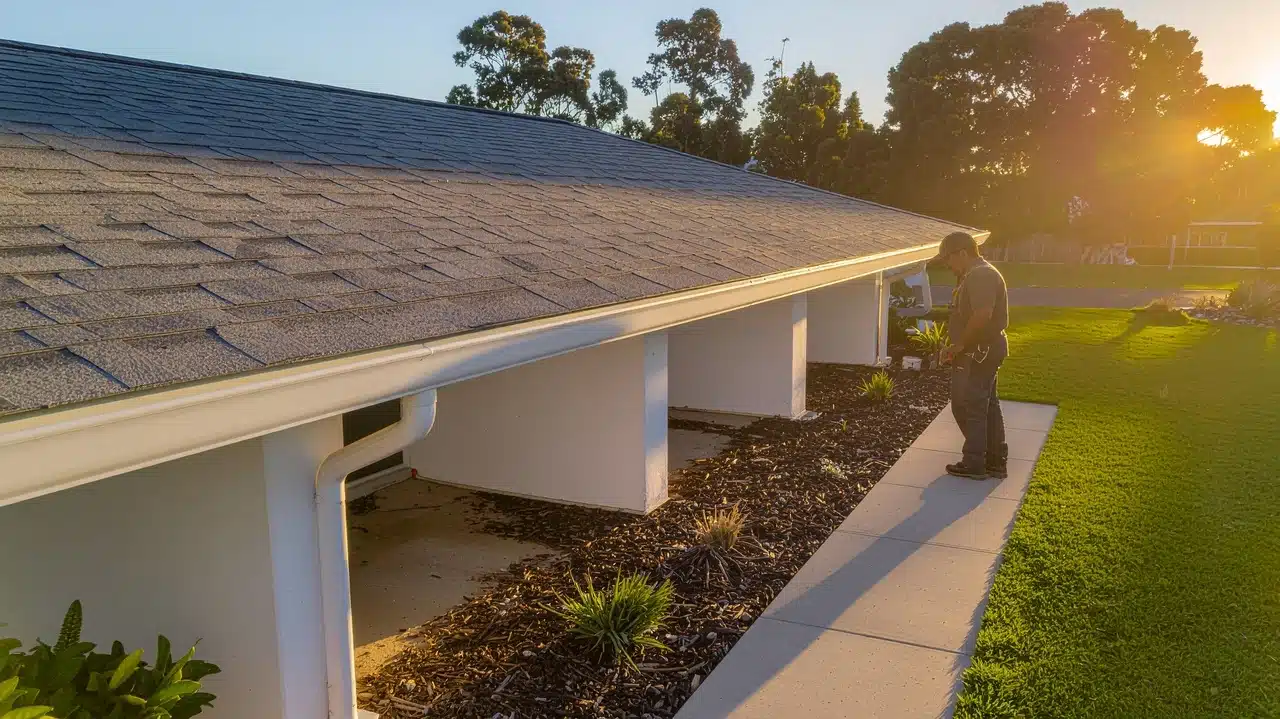
Replacing a roof ranks among the most significant investments Perth homeowners make in their properties. While most attention centres on the new roofing material, what happens after the last tile or sheet is secured is equally important. The post installation phase determines whether that investment delivers reliable protection or becomes a source of ongoing frustration.
A professional roof replacement does not end when the new roofing material is installed. Gutter integration, site cleanup, workmanship checks and final documentation all contribute to a properly completed project. These final steps help ensure the new roof and surrounding drainage system work together as intended.
Understanding what should happen after your Perth roof replacement helps you verify that the work is genuinely complete. It also gives you an opportunity to identify problems before they become expensive repairs.
The Critical Gutter Replacement Window
Roof replacement provides an ideal opportunity to inspect existing gutters and downpipes. Once old roofing materials are removed, contractors can often identify deterioration around gutter brackets, fascia connections and drainage components that was previously difficult to see.
If the existing drainage system is damaged or approaching the end of its service life, coordinating gutter replacement in Perth with the roofing project can be practical. Existing scaffolding and site access may already be available, reducing the need for separate arrangements later.
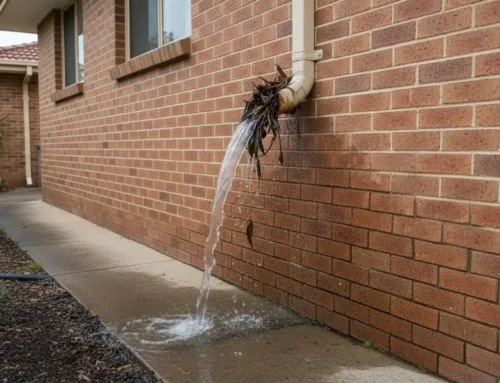
Perth’s climate can contribute to gutter deterioration through prolonged UV exposure, heavy rainfall and salt laden coastal air. Older metal gutters may develop corrosion, loose joints or inadequate falls, while blocked or damaged downpipes can affect how efficiently water leaves the roof.
During roof removal, contractors may discover rusted gutter sections beneath tile overhangs, deteriorated brackets or leaking joints. Addressing these issues before final handover helps ensure the new roof is supported by an effective drainage system.
Matching Gutter Capacity to New Roofing
Roof pitch, roof area and roofing material all influence how rainfall reaches the drainage system. A properly functioning gutter system needs to accommodate the water discharged from the roof without unnecessary overflow.
If a property changes from tiles to metal roofing, the existing guttering should be assessed rather than automatically reused. The contractor should consider the roof’s configuration, drainage points and local rainfall conditions when determining whether the existing system remains appropriate.
Professional gutter replacement in Perth should therefore consider gutters and downpipes as part of the property’s complete water management system.
This is particularly important after a major roof replacement because a new roof does not solve drainage problems that existed within the previous system.
The Comprehensive Site Cleanup Process
Roof replacement can generate substantial quantities of debris. The quality of the cleanup provides homeowners with an important indication of how thoroughly the project has been managed.
Daily Cleanup Requirements
Professional roofing teams should maintain reasonable site cleanliness throughout the project rather than leaving all debris until the final day.
Loose roofing materials should be contained progressively, while access paths and designated work areas should remain reasonably clear. Sharp items such as screws, nails and metal offcuts should be collected rather than left around the property.
Magnetic sweeping can be particularly useful following work involving metal roofing components. Driveways, paths and accessible garden areas should be checked carefully for stray fasteners.
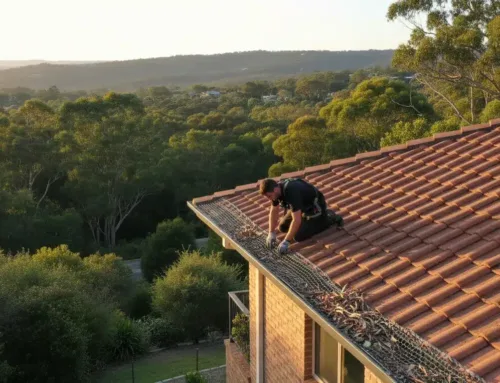
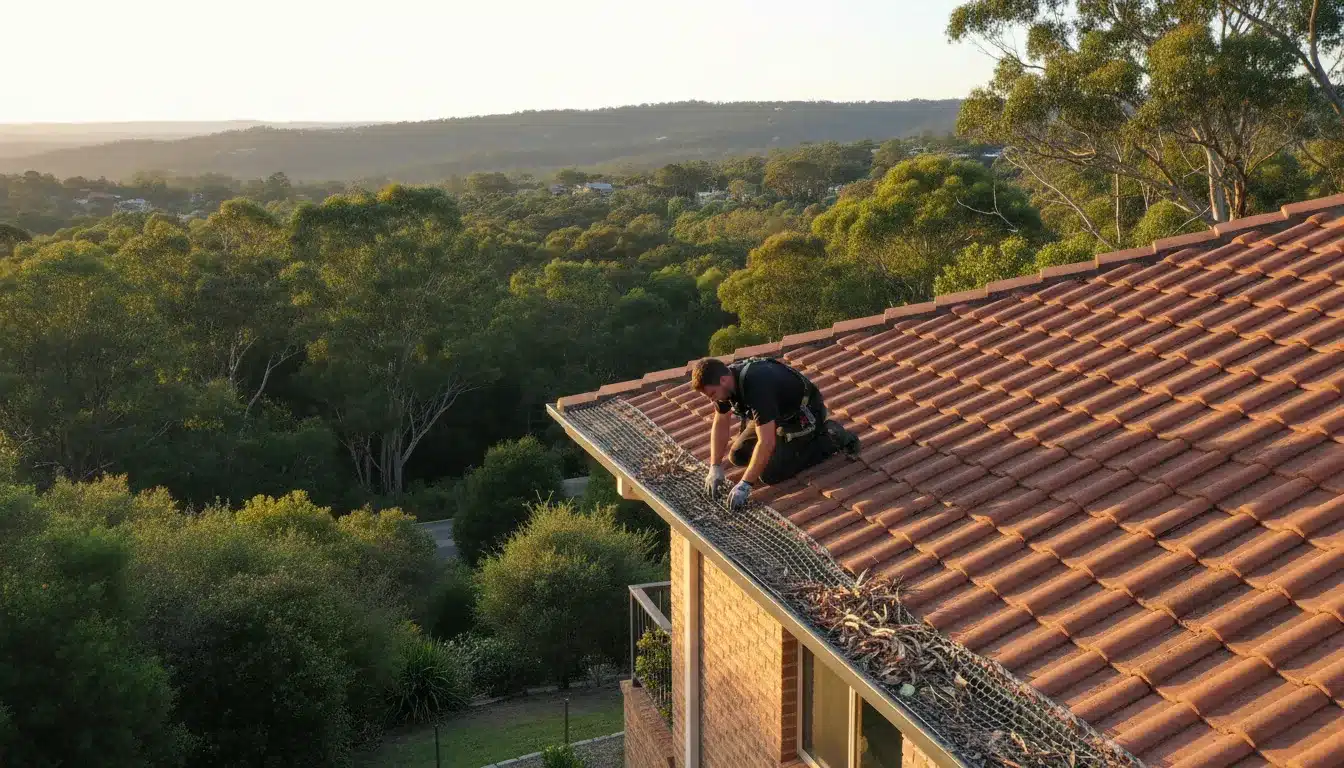
Gutters should also be protected from construction debris throughout the project. Any roofing fragments or other materials that enter drainage channels should be removed before the property is handed back to the homeowner.
The Final Comprehensive Cleanup
Once installation is complete, the final cleanup should cover all areas affected by the project.
This can include removing:
- Remaining roofing materials and packaging
- Broken tiles and roofing offcuts
- Loose screws, nails and metal fragments
- Construction waste and protective materials
- Debris from accessible gutters and valleys
- Temporary equipment and site barriers
The final cleanup should also include a review of areas around scaffolding, material storage and waste collection points.
Permacoat understands the importance of completing roofing work with appropriate site management and attention to finishing details.
The Hidden Cleanup Challenge: Roof Cavity Debris
Tile roof replacement can create debris that falls into the roof cavity during removal. Broken tile fragments, old fasteners and accumulated material may remain in accessible sections of the ceiling space if they are not addressed.
This is more than a cosmetic concern. Sharp fragments can create hazards during future roof space access, while accumulated organic debris can potentially contribute to pest or moisture concerns.
The appropriate cleanup approach depends on the roof design and accessibility of the cavity. Where practical, contractors should inspect accessible areas following removal and address significant debris before completing the replacement.
A properly managed work area also reduces the likelihood of debris reaching occupied areas during installation.
The Multi Stage Final Inspection Process
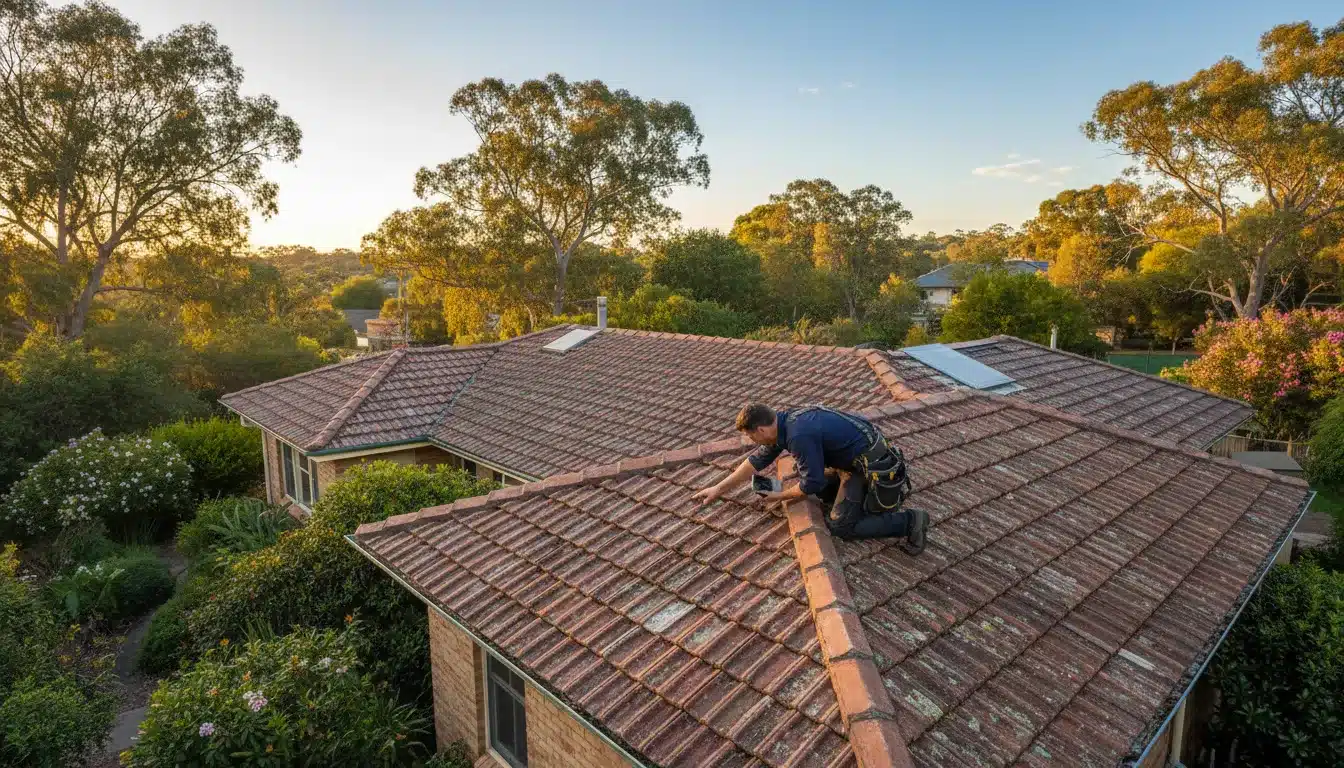
The final inspection represents the last major quality control checkpoint before formal project handover. A thorough inspection should assess the roofing installation, drainage system and finishing details.
Installer Self Inspection
Before the project is declared complete, the installation team should conduct a systematic review.
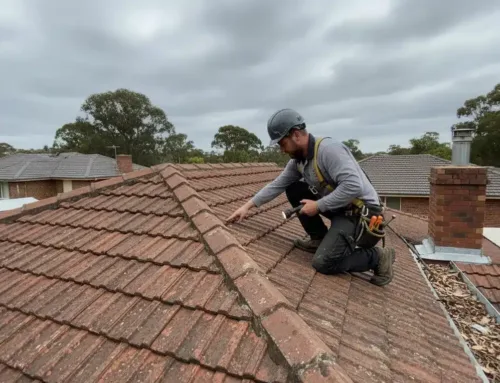
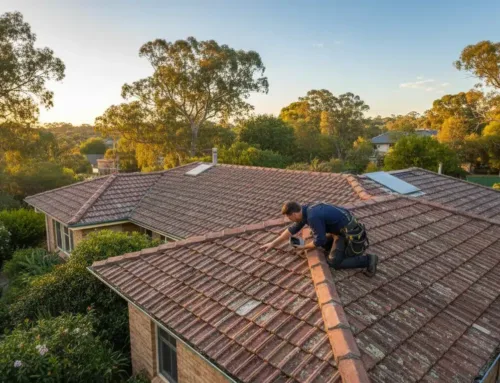
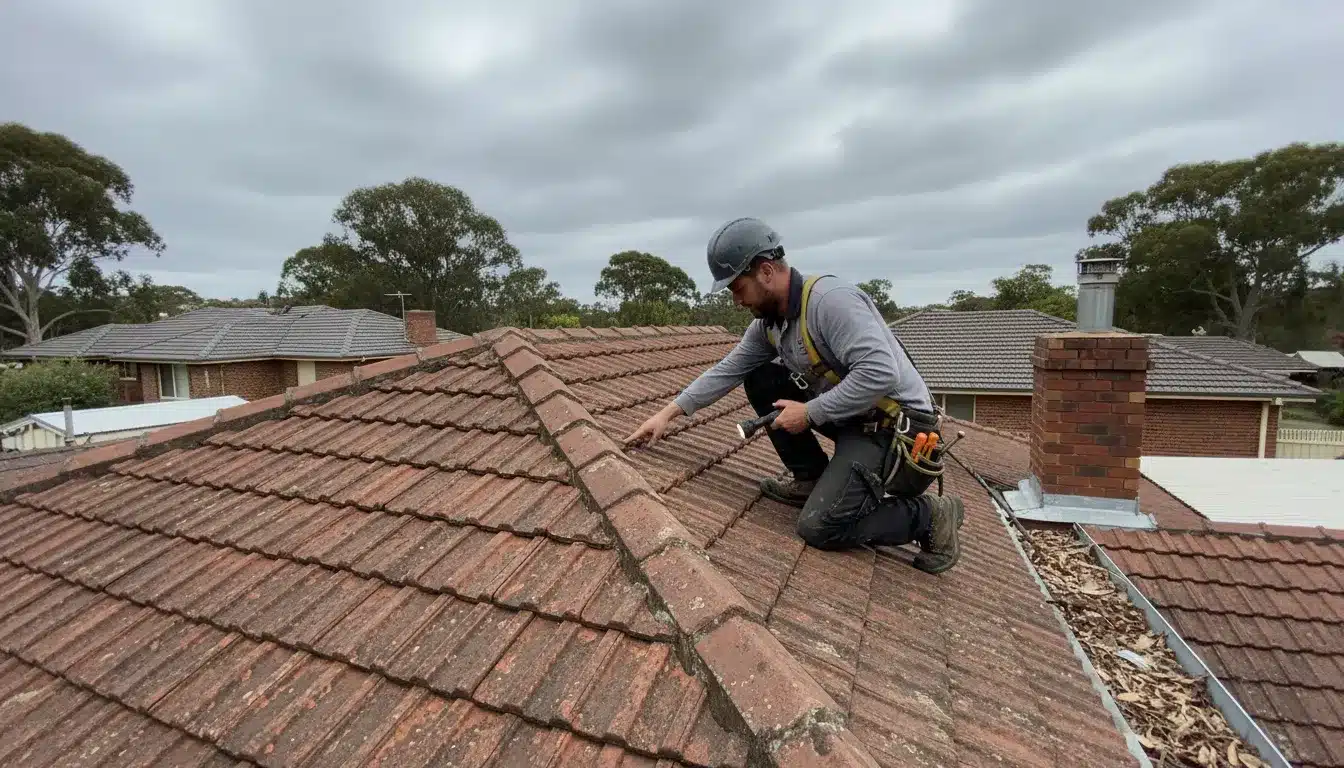
For metal roofing, this may include checking sheet alignment, fasteners, laps, flashings and penetrations. For tiled roofs, installers should check tile alignment, fixing arrangements, ridge capping and valley details.
Flashings should be examined around roof penetrations, wall junctions, valleys and other areas where water could enter. Sealants should also be checked where they form part of the installation system.
Any obvious issues should be corrected before the project progresses to final handover.
Supervisor Quality Review
A separate supervisor or experienced project manager should review the completed work where the company’s quality assurance process provides for this.
This second review can identify incomplete scope items, workmanship concerns or finishing issues that may have been overlooked during installation.
The inspection should consider both the roof and the surrounding property. Temporary barriers, access equipment and other construction controls should be removed safely once they are no longer required.
Addressing problems at this stage can help reduce the need for premature roof repairs in Perth caused by overlooked installation issues.
The Client Walkthrough
The homeowner should be included in the final walkthrough.
The project supervisor can explain what has been completed, discuss any agreed variations and outline relevant maintenance requirements. They should also explain warranty documentation and identify practical considerations such as future gutter maintenance.
This walkthrough gives homeowners the opportunity to raise concerns before the project is formally closed.
Documentation and Certification at Completion
A professional roof replacement should conclude with appropriate project documentation.
Depending on the project, this may include:
- Warranty information
- Product documentation
- Photographic records
- Compliance documentation where applicable
- Invoices and project records
- Maintenance recommendations
Material information can be particularly useful if future repairs or replacement components are required.
Warranty documentation should clearly explain the relevant coverage, conditions and exclusions. Homeowners should retain these records alongside other important property documents.
Where building approval or certification applies to the project, relevant documentation should also be retained.
Keeping these records can be useful when assessing future roof repair costs in Perth or preparing the property for sale.
Common Post Installation Issues and How to Avoid Them
Even quality installations can develop problems when finishing work receives inadequate attention.
Inadequate Gutter Integration
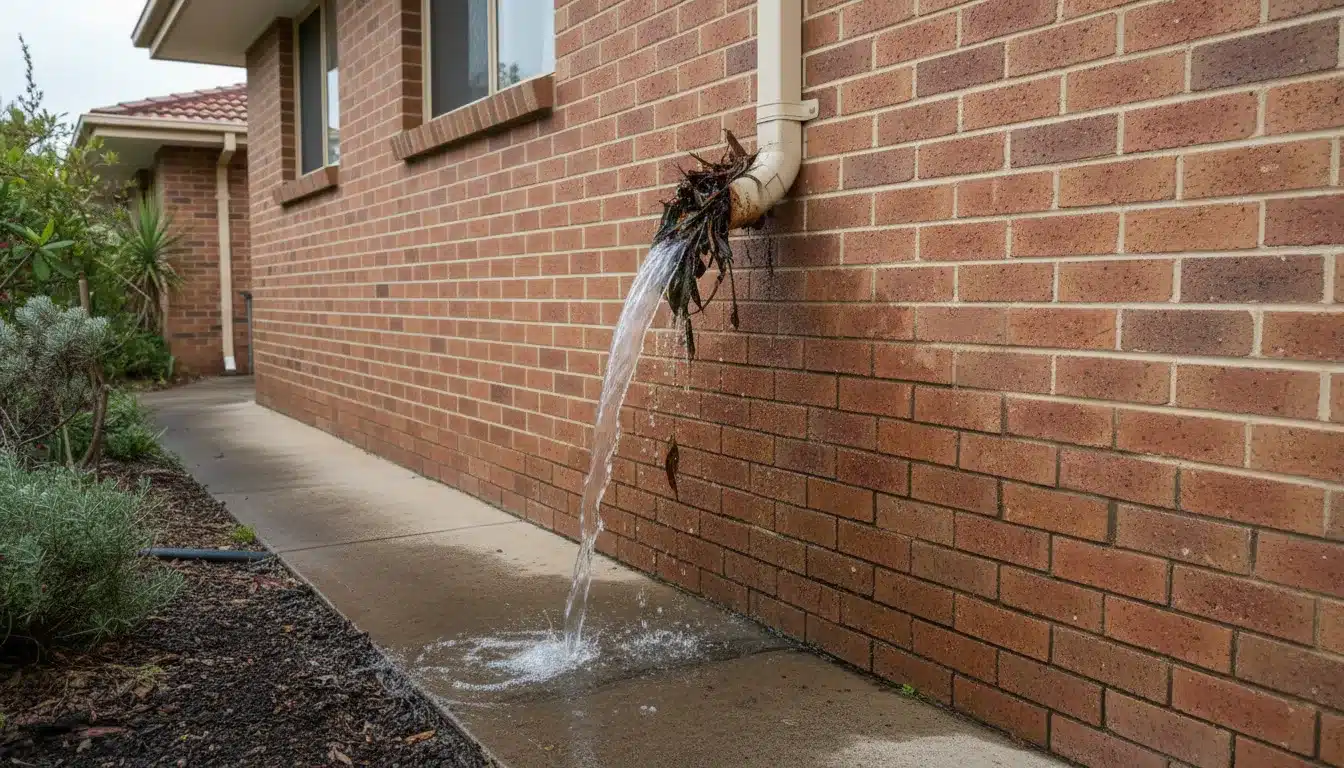
The junction between new roofing and existing gutters requires careful attention. Poorly positioned flashing, inadequate gutter falls or damaged components can allow water to bypass the intended drainage path.
This is why gutter replacement in Perth should be considered as part of the property’s overall water management system rather than treated as an unrelated cosmetic upgrade.
Incomplete Debris Removal
A final magnetic sweep is particularly useful around areas where metal roofing components have been cut or fastened.
Driveways, lawns, garden beds and pathways should all be checked for stray screws and metal fragments before the site is handed back.
Overlooked Penetration Sealing
Roof penetrations around vents, skylights, plumbing fixtures and other services require appropriate flashing and weatherproofing.
These areas should form part of the final inspection checklist. Any visible gaps, damaged flashing or incomplete finishing should be addressed before project handover.
The First Rain Test
The first significant rainfall after a roof replacement provides a useful opportunity to observe the completed drainage system.
Homeowners should look for signs of water entry inside the property, particularly around areas that previously experienced leaks.
Externally, they can observe whether gutters are handling rainfall effectively and whether water is flowing into downpipes as expected.
Valleys should also direct water effectively without obvious ponding or uncontrolled overflow.
Any suspected leak or drainage problem should be reported to the roofing contractor promptly so it can be investigated while the installation details remain recent.
What Homeowners Should Check Before Final Handover
Before accepting final completion, homeowners can work through a straightforward checklist:
- Confirm all agreed roofing work has been completed.
- Check that gutters and downpipes are clear.
- Confirm roofing debris has been removed.
- Check driveways, paths and gardens for stray fasteners.
- Review warranty and product documentation.
- Confirm applicable compliance documentation has been provided.
- Walk around the property with the project supervisor.
- Ask about routine roof and gutter maintenance.
- Report visible defects before final project closure.
These checks help ensure the roof replacement concludes with a properly documented and functional roofing system.
Conclusion
The work does not truly finish when the final tile is secured or the last roofing sheet is installed. Gutter integration, comprehensive cleanup and a detailed final inspection all contribute to the long term performance of a new roof.
A properly completed roof replacement should leave the property clean, the drainage system functioning effectively and the homeowner with clear documentation about the installed system. Taking the time to verify these details can prevent minor finishing issues from developing into costly problems.
If your Perth property needs professional roofing advice, contact the Permacoat team to discuss your requirements and arrange an assessment. Call (08) 9249 5955 to get started.