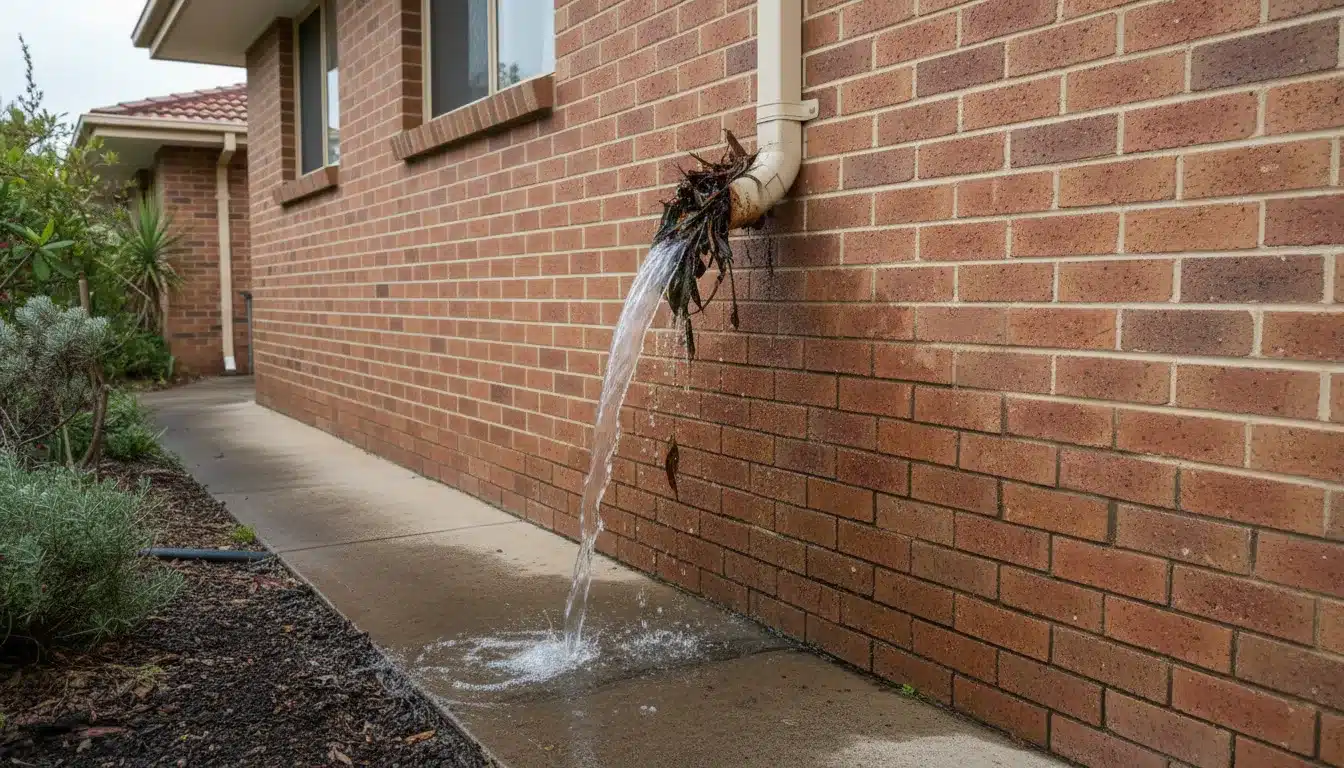
Blocked downpipes can cause foundation dampness by forcing concentrated roof runoff to spill, leak or discharge beside the building. Instead of moving safely into the stormwater system, water repeatedly soaks the same soil, paving edge or section of masonry. That local moisture load can persist well after rain stops.
The connection is easy to miss because the visible symptoms often appear below the roofline. Damp brickwork, bubbling paint, swollen skirting, salt marks or a musty room can seem like an isolated wall problem even when the water source starts at a gutter outlet several metres above.
Foundation dampness prevention therefore begins with the complete drainage path. Gutters must collect water, outlets must pass it into downpipes, and downpipes must carry it to a suitable discharge point without leaking or backing up.
Foundation dampness prevention starts by stopping repeated wetting before repairing affected finishes. Clearing one obstruction may solve the immediate overflow, but persistent dampness calls for checks from the roof edge to the ground connection.
How Blocked Downpipes Move Roof Water Towards Foundations
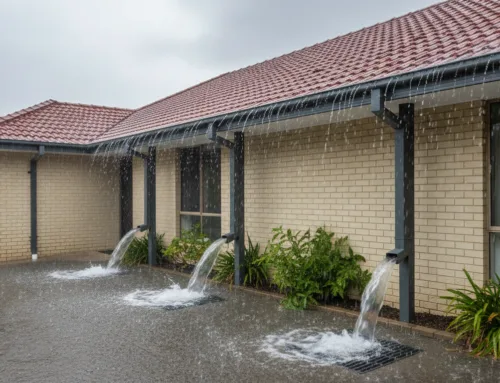
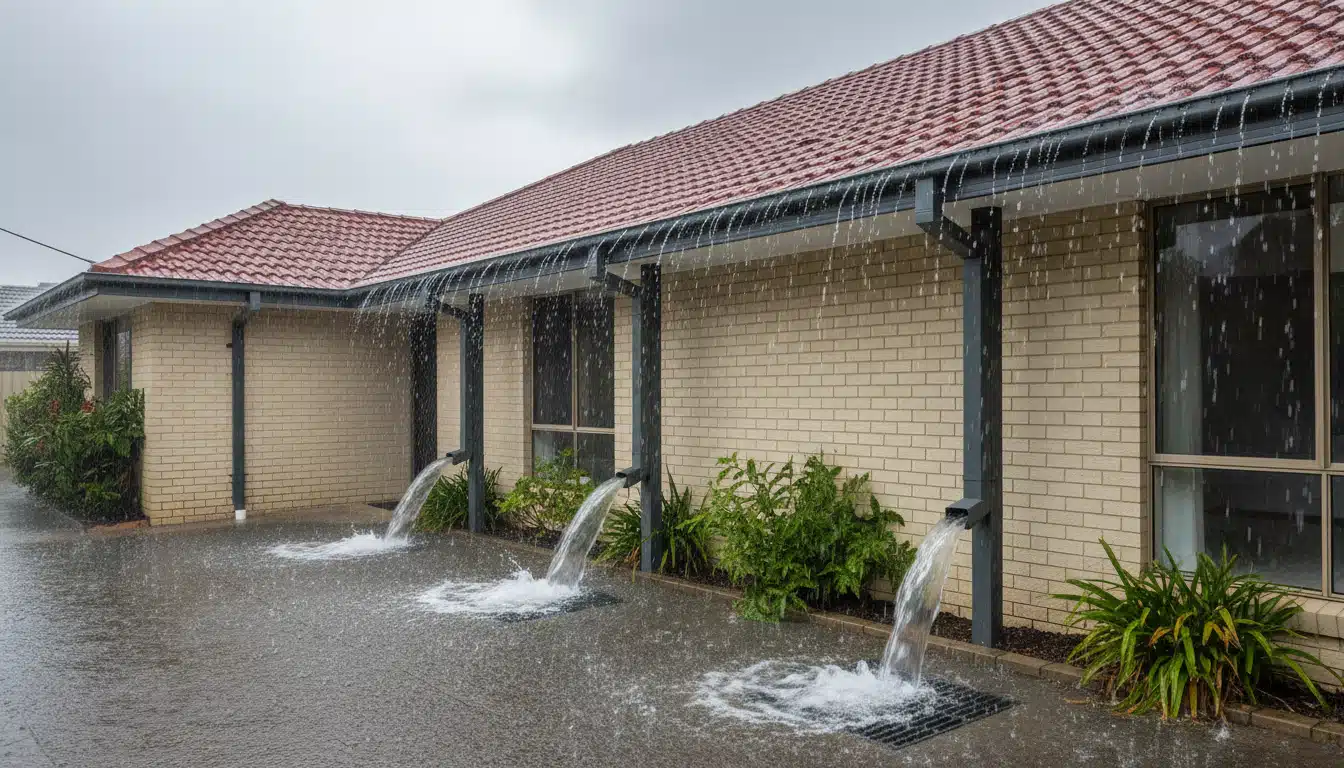
A roof collects rain across a broad area and channels it towards a small number of outlets. Even a brief storm can place a substantial volume of water into one gutter section. When the outlet or downpipe is restricted, that concentrated flow looks for another route.
Water may rise over the gutter lip, escape at a joint, leak through a split, surge from a pipe collar or spill from a blocked shoe. If the same failure happens whenever rain becomes heavy, one patch beside the building receives much more water than the surrounding ground.
That is why our gutters and downpipes assessment considers more than the visible pipe. The gutter fall, outlet, bends, joints, lower shoe and discharge connection all influence whether roof water reaches its intended destination.
The location of the blockage changes the signs. Debris at the gutter outlet often causes overflow near the fascia. Material trapped in a bend can make joints leak under pressure. A restriction lower in the system may cause gurgling, slow discharge or water escaping around the base.
A buried pipe can back water up even when the visible downpipe looks clear. Bubbling grates, wet collars and overflow at the base point to that ground pipe. Buried stormwater repair is outside gutter and downpipe replacement.
Why the Dampness May Be Mistaken for Rising Damp
Rising damp solutions are often considered when moisture appears low on a wall. Dark masonry, powdery salts, damaged paint and persistent odours can all sit close to floor level, so the symptom may be labelled before the external water source is checked.
Roof runoff can create or worsen a similar pattern. When water repeatedly lands beside footings, it keeps the adjacent soil and masonry wetter than they would otherwise be. Repainting, sealing or replacing skirting does not correct that ongoing load.
A useful diagnosis separates the visible damage from the route water took to reach it. Our roof repairs inspection can identify roof-edge and drainage faults, while buried stormwater, plumbing or building moisture issues may require the relevant specialist.
The timing provides an important distinction. If staining darkens, odours increase or flooring feels damp soon after rain, an external source deserves close attention. Dampness that clusters beneath one downpipe or beside one corner also points towards concentrated runoff rather than a uniform problem across the building.
Take photographs from the same safe ground-level position after several storms. The record can show whether overflow always starts at one outlet, whether a wall patch follows rain and how long nearby paving or soil stays wet compared with other areas.
Blockage Points That Deserve Attention
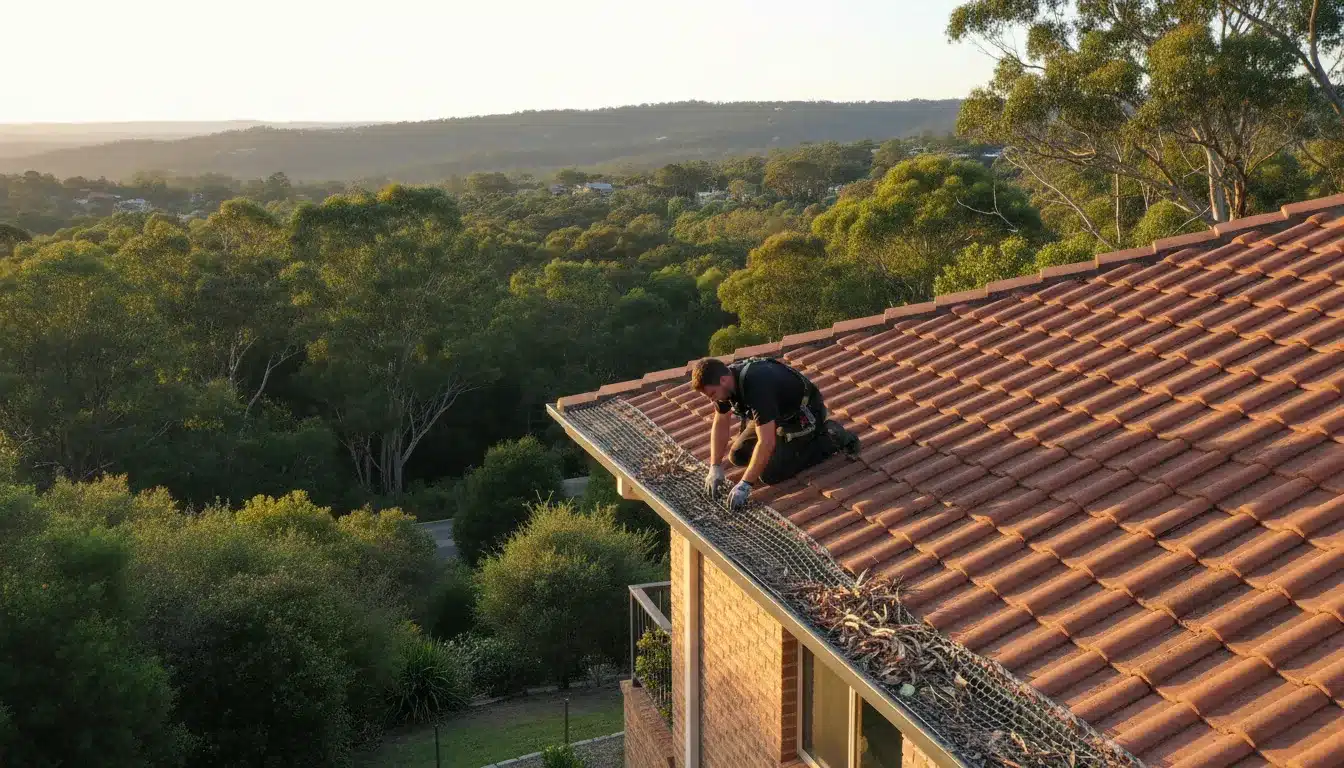
The gutter outlet is a common restriction point because it narrows the path from the gutter channel into the downpipe. Leaves, bark, seed pods, silt and roofing debris can bridge the opening. Light rain may still trickle through, hiding the problem until a heavier downpour arrives.
Bends and shoes also slow the flow and give heavier debris somewhere to settle. Compacted material near the bottom can hold water inside the pipe, stress joints and direct overflow towards the wall. Eroded soil or a sunken paving edge beside the shoe can reveal repeated discharge.
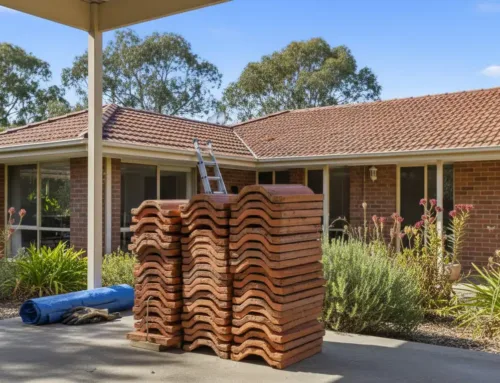
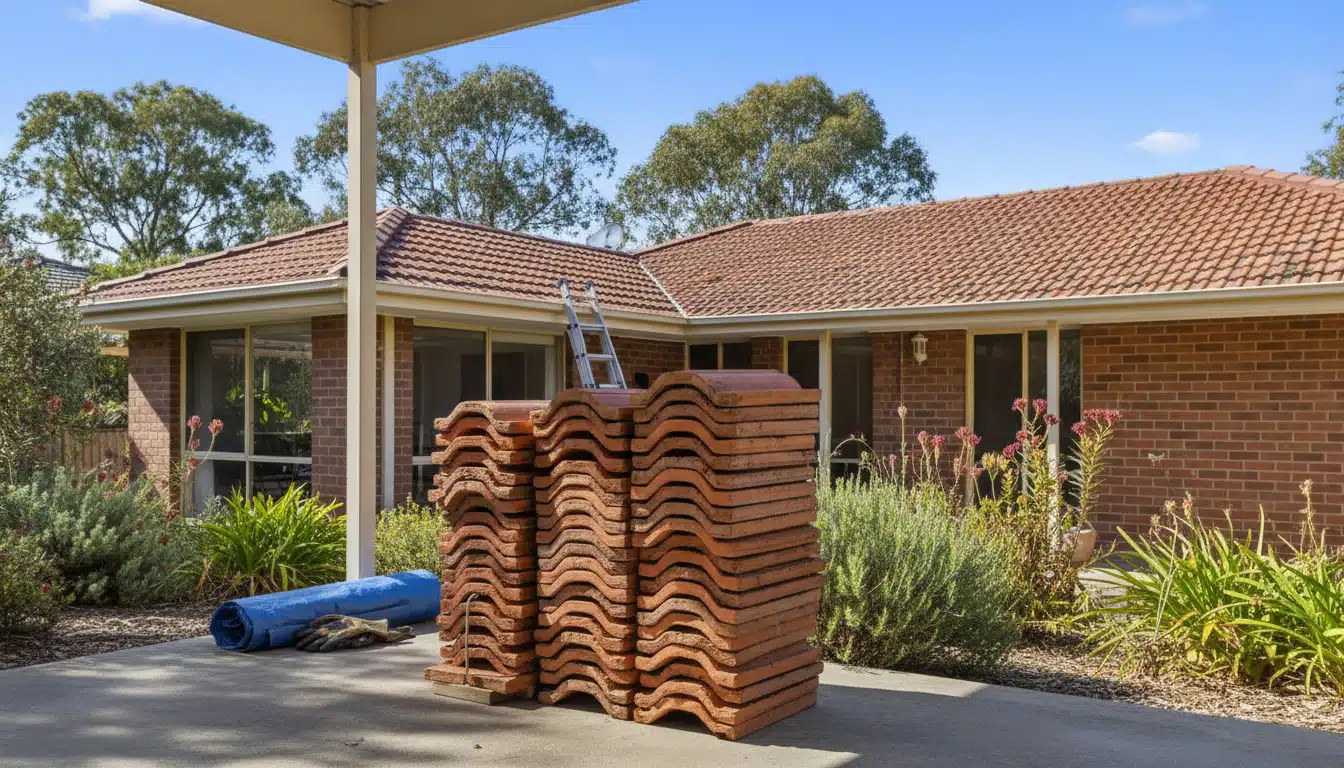
Broken or displaced tiles can add debris and send water into parts of the roof drainage system that were not meant to carry it. We assess roof tile repairs as a separate issue because replacing damaged tiles does not remove a downstream blockage, and clearing a pipe does not repair the roof surface.
Gutter condition matters as well. Rusted corners, failed joints, poor fall and inadequate outlet capacity can all produce overflow that resembles a blocked downpipe. A clear pipe cannot compensate for water ponding elsewhere in the gutter or escaping before it reaches the outlet.
The discharge point completes the system. A downpipe that simply empties beside the wall remains a moisture risk even when it flows freely. Water needs a suitable path away from the building, whether through a sound stormwater connection or correctly designed surface drainage for that site.
Warning Signs During and After Rain
The clearest evidence often appears while rain is falling. From a safe ground-level position, watch whether water exits each downpipe strongly, whether any gutter section spills, and whether joints leak. Do not climb onto a wet roof to investigate an active overflow.
Compare downpipes on the same property. One that carries little water while nearby pipes discharge strongly may be restricted. A pipe that pulses, gurgles or leaks under load may be backing up, particularly if the ground connection is already surrounded by water.
Permacoat has restored more than 30,000 roofs. That experience supports a whole-roof view: the damp patch may be at ground level, but the useful inspection starts with where rain lands and follows each part of its route down.
After the storm, look for one wall section that remains darker than the rest, algae or moss around a pipe, salt deposits on masonry, washed-out soil and gaps opening beside paving. Water marks on fascia boards can help connect ground dampness with overflow at the roof edge.
Indoor warning signs may include a musty smell after rain, bubbling paint, swollen skirting or damp carpet near an external wall. These symptoms do not identify one cause on their own. They indicate that the outside drainage route should be checked before damaged finishes are replaced.
Repair the Water Route in the Right Order
Start by removing accessible debris safely and confirming that the outlet and downpipe pass water. A successful test should show free movement through the full visible route, not merely a small trickle at the base. Weak flow may mean a partial obstruction remains deeper in the line.
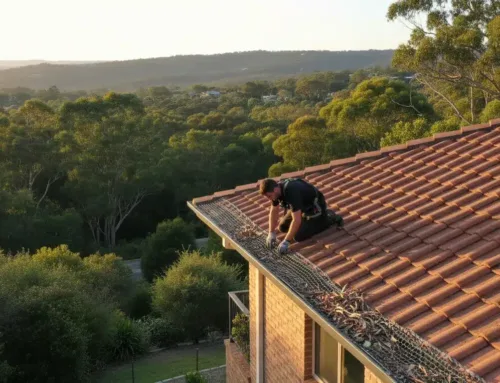
Where accumulated roof debris makes inspection difficult, roof cleaning may support access to the drainage area. It should be treated as preparation and maintenance, not as a substitute for repairing failed gutters, damaged pipes or broken stormwater connections.
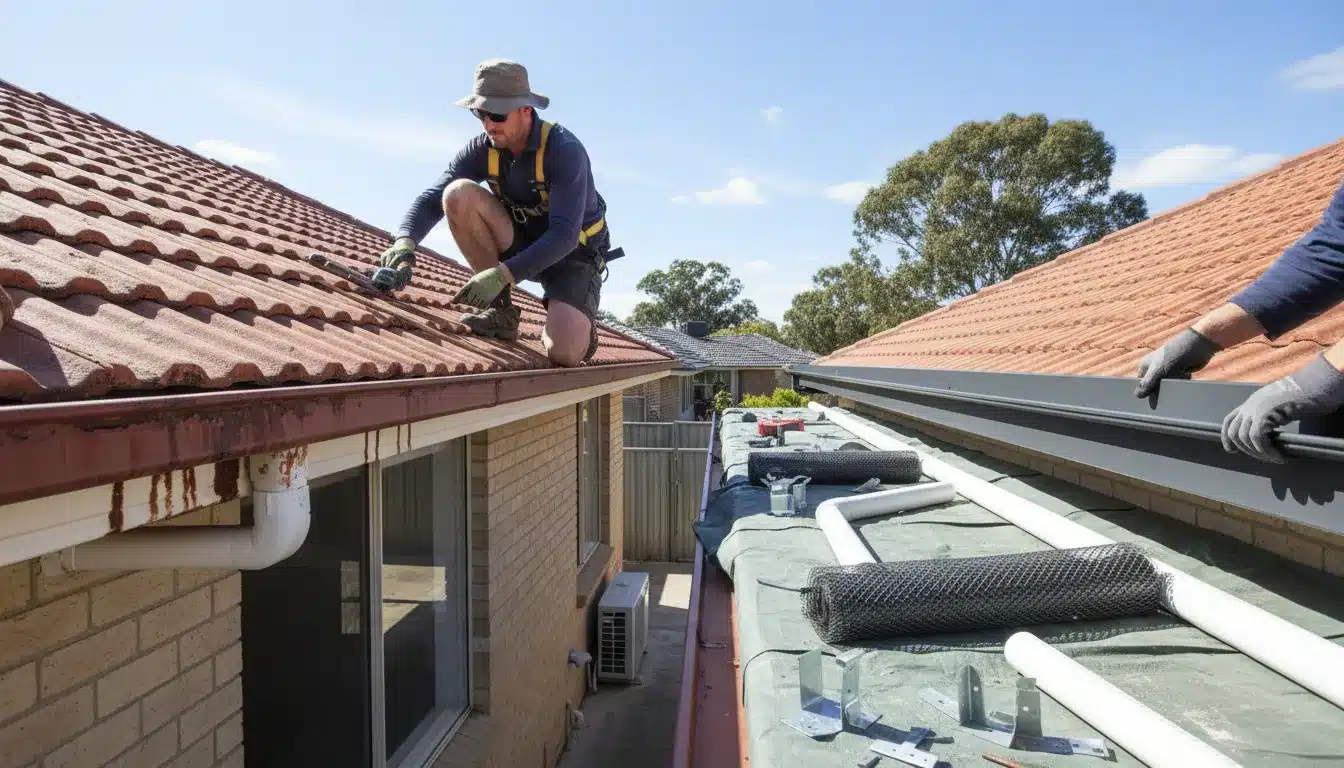
Next, correct leaks and poor connections. Loose joints, split sections, crushed bends and damaged shoes can all release water beside the building. The repaired pipe should remain secure under rainfall load and feed a discharge route suited to the property.
Then assess gutter fall, capacity and condition. Water that ponds away from the outlet may indicate poor fall, while repeated overflow at a high-volume roof junction may point to an unsuitable layout. Any change to outlet or downpipe capacity should match the roof catchment and local requirements.
Allow the affected area time to dry before judging cosmetic repairs. Persistent moisture after drainage work may indicate another source, such as a buried stormwater defect, leaking plumbing, high garden levels, poor paving fall or a separate building moisture issue.
Protect the Roof Without Hiding Drainage Faults
Surface work should follow diagnosis. A roof coating can form part of suitable roof maintenance, but it cannot clear an obstructed outlet or redirect a downpipe that empties beside the footing. Drainage defects need their own repair scope.
The same limit applies to roof painting. A renewed finish may improve a suitable roof surface, yet stains around fascia, gutters or lower walls will return if stormwater continues to escape from the intended route.
Widespread deterioration may call for a broader decision. Re-roofing is distinct from clearing a blockage and should be considered only where the condition of roof materials or the structure makes local work or restoration unsuitable.
This distinction helps prevent over-treatment. A blocked downpipe may need focused drainage work. A failed gutter section may require replacement. A damaged roof may need repairs. Foundation dampness prevention improves when each defect is scoped according to its actual cause rather than bundled under one general damp problem.
Reduce the Chance of Another Blockage
Check visible gutters and downpipe openings before winter rain becomes regular and after heavy wind or leaf drop. Perth’s long dry periods can allow leaves, bark, blossoms and seed pods to collect unnoticed before the first strong front tests the system.
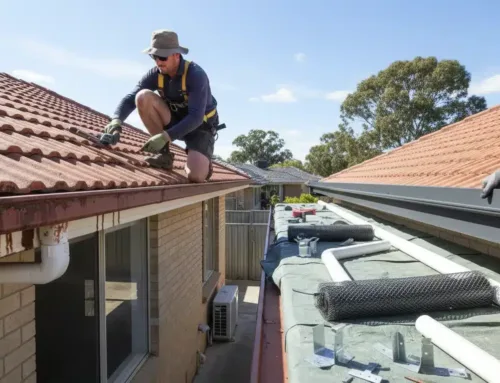
Properties beneath shedding trees may need more frequent observation. A ground-level check after rain can reveal new overflow marks, poor discharge or standing water early. Where safe access or specialist tools are needed, arrange an inspection instead of working from an unstable ladder.
Keep garden soil, mulch and dense planting from building up against walls or covering vents. Paving and surface drainage should fall away from the building rather than directing water towards the same corner as a downpipe. Two small drainage faults can combine into one persistent damp zone.
For shared buildings, planned strata roof maintenance can help track recurring outlets, access constraints and previous repairs across the property. A consistent record is useful when dampness affects one lot but the contributing roof drainage serves a wider area.
When to Arrange a Closer Inspection
Foundation dampness prevention is why you should seek help when the same area becomes wet after each storm, water overflows near eaves or fascia, a downpipe discharges weakly, or the ground connection cannot be traced. Repeated failure after clearing visible debris suggests the cause sits elsewhere in the route.
An inspection is also worthwhile when internal repairs keep failing. If paint, plaster or skirting deteriorates again after rain, pause further finishing work until roof drainage, ground levels and other possible water sources have been assessed.
We approach the decision from the water source outward. First establish whether the roof and drainage system are contributing. Then repair the confirmed fault, observe the area through later rain and only proceed with damp or decorative work once conditions are stable.
Frequently Asked Questions
Can Blocked Downpipes Wet the Footings?
Yes. Water that cannot leave the pipe dumps at the wall line. Repeated wetting beside the building is a common path into foundation dampness prevention work, before anyone treats the wall.
Are Rising Damp Solutions Always a Wall Treatment?
Rising damp solutions are a wall question, not a gutter job. If the downpipe is still wetting the ground, treating the wall will not hold.
What Should We Inspect First?
Outlets, pipes, shoes, and where the water goes at ground level. Then the roof edge, because a leak above can mimic a blocked pipe. We follow the water rather than treating the stain as the fault.
Blocked downpipes and foundation dampness are linked by concentrated, repeated wetting. If runoff is spilling beside your walls, the pipe backs up in rain or damp finishes keep returning, contact us to arrange a roof and gutter inspection before the next repair is covered over.