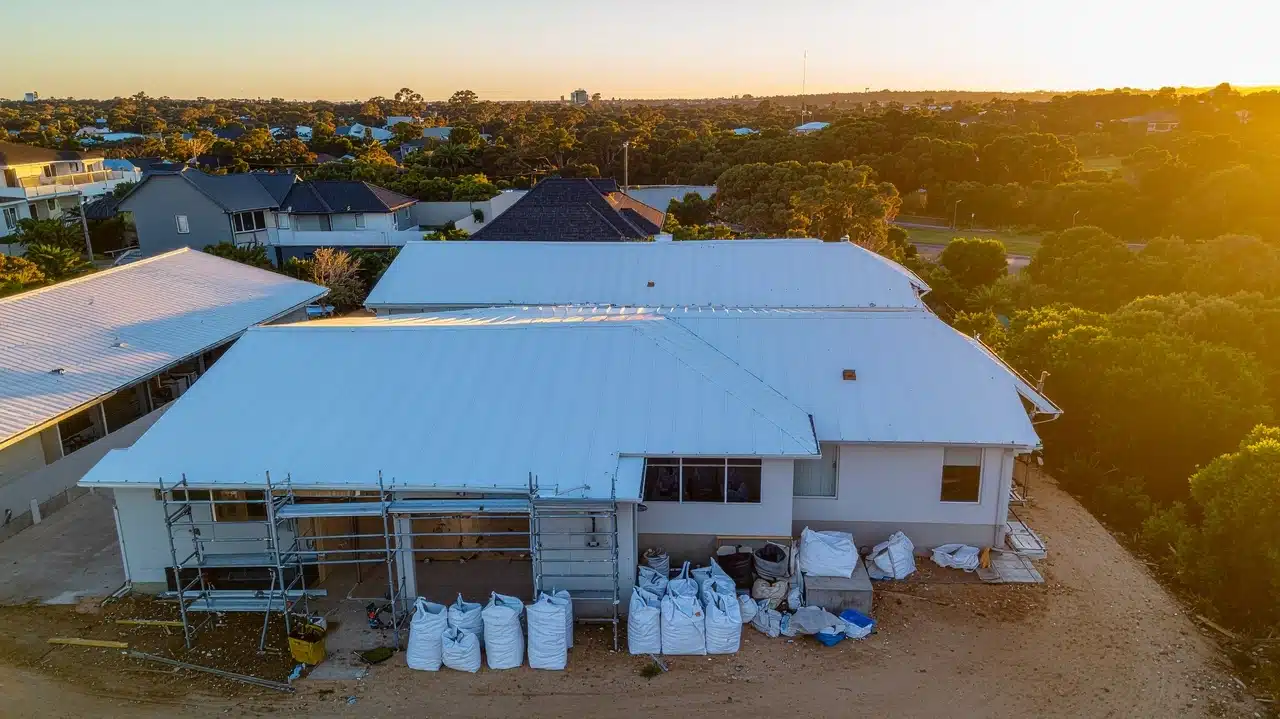
Most Perth homeowners shopping for a structural upgrade focus heavily on tiles, roofing materials and warranties. Far fewer ask how the property will be protected while the work is underway or what site cleanup is included once installation is complete.
Yet these practical details can have a major impact on the overall roofing experience. A professionally managed roof replacement should protect workers, residents and the property throughout the project. Appropriate access controls, fall prevention, material handling and debris management are all important parts of responsible roofing work.
For Perth homeowners making a significant investment in roof replacement in Perth, understanding professional site management is useful before signing a contract. Knowing what to ask about safety, property protection and cleanup can help prevent avoidable problems throughout the project.
What Actually Happens During a Roof Replacement Site
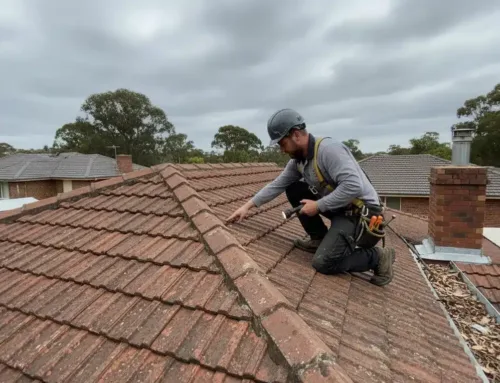
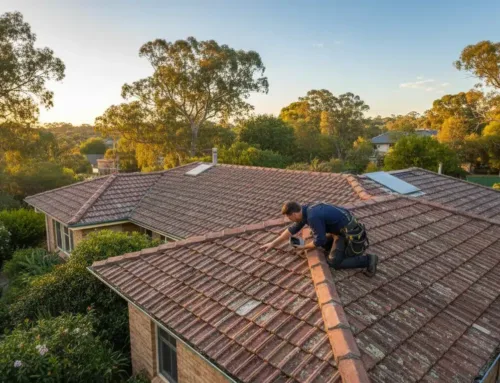
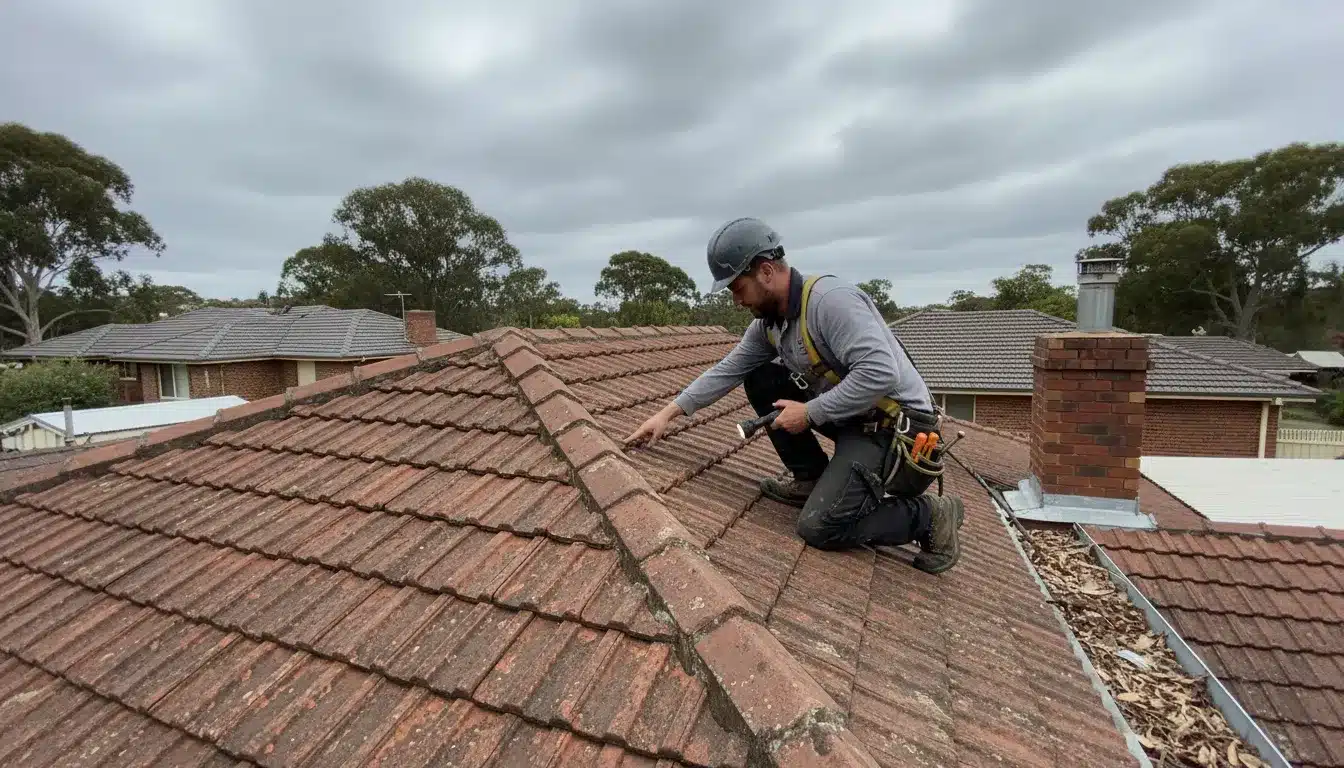
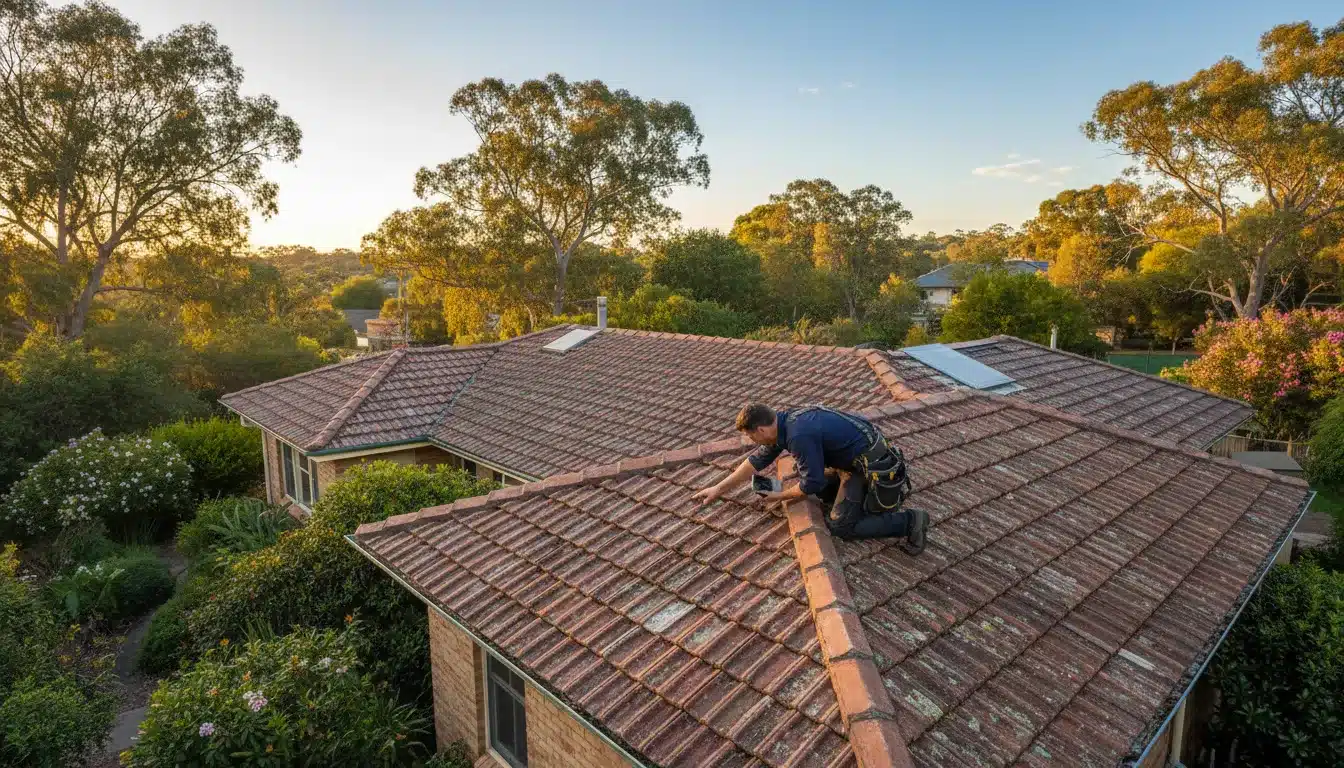
A complete roof replacement in Perth transforms a residential property into an active construction site. The project can involve removing existing roofing materials, inspecting structural components, installing sarking and fitting new roofing materials.
Workers may operate power tools and lifting equipment while managing roofing materials and construction debris. Each stage creates different safety and property protection requirements.
The amount of waste generated depends on the existing roof material, roof size and extent of replacement work. Tile removal can produce substantial quantities of broken tiles, old fixings and other materials that need to be contained and disposed of appropriately.
Permacoat understands the importance of managing roofing work with appropriate site controls. Older properties can also reveal additional issues during removal, including deteriorated timber, previous repairs or potentially hazardous materials. These findings need to be assessed and managed appropriately rather than handled informally.
The Real Risks of Poor Site Safety
Perth roofing work involves genuine hazards that require appropriate roof site safety controls. Work at height, falling materials, power tools and material handling all require suitable risk management.
Professional contractors should establish appropriate access controls and fall prevention measures for the specific property. The exact systems used depend on roof design, height, access conditions and the nature of the work.
Falling Object Hazards
Removing old tiles or roofing materials creates a potential falling object hazard. Materials dropped from roof level can damage property or seriously injure people.
Effective roof site safety therefore requires suitable exclusion zones around active work areas. Access by homeowners, children, visitors and pets should be restricted while overhead work is occurring.
Protective coverings may also be appropriate for vulnerable areas such as windows, landscaping, vehicles and outdoor furniture. Materials should be lowered and handled using methods appropriate to their size, weight and location rather than being thrown from the roof.
Structural Load Management
New roofing materials and equipment can create additional temporary loads during installation. Material placement should therefore be planned around the structural characteristics and accessibility of the property.
This becomes particularly important when working on older structures or where existing structural deterioration has been identified.
Proper planning reduces the risk of avoidable damage to the existing structure while allowing the installation team to work efficiently.
Property Protection During Roofing Work
Even when the new roof is installed correctly, poor site management can leave homeowners dealing with preventable property damage.
Landscaping, driveways, windows, external walls and outdoor furniture can all be exposed to construction activity. A suitable site protection plan should therefore form part of the project rather than being treated as an afterthought.
Garden and Landscape Protection
Perth gardens can represent years of investment in established plants, landscaping and outdoor areas.
Before work begins, homeowners and contractors should discuss which plants, furniture and other outdoor items need to be moved or protected. Temporary barriers and suitable ground protection can help reduce damage around access points and material handling areas.
Mature trees located close to the building require particular care. If branches need to be trimmed to provide safe access, this should be discussed and agreed before work begins.
A roof restoration in Perth project may involve less extensive removal than a complete replacement, but it can still require appropriate protection around the work area.
Building Exterior and Interior Protection
Roofing work can generate dust, debris and vibration. Depending on the project, these may affect external walls, windows, solar equipment and parts of the home’s interior.
Contractors should identify vulnerable areas before work starts and use appropriate protective measures where necessary.
Homeowners can also prepare internally by securing fragile items and removing valuables from areas where construction vibration may be noticeable. Keeping doors closed to unused rooms can help reduce the movement of dust through the property.
Clear communication between the homeowner and contractor is important. The contractor should explain any specific preparation requirements before work begins.
The Cleanup Standard That Separates Professionals
A re roofing in Perth project can generate considerable quantities of waste. How that material is contained, removed and disposed of provides an important indication of how well the project is being managed.
Daily Site Management Requirements
Professional site management should include ongoing cleanup rather than leaving all waste until the final day.
At the end of each working period, loose materials should be contained and access paths kept reasonably clear. Sharp objects such as screws, nails and metal offcuts should be collected rather than left around the property.
Magnetic sweeping can be particularly useful after work involving metal roofing components. Driveways, paths and accessible garden areas should be checked carefully before the site is left unattended.
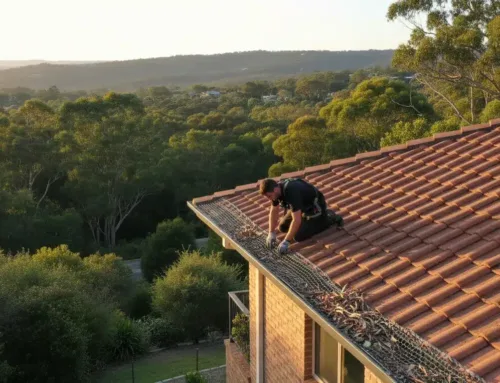
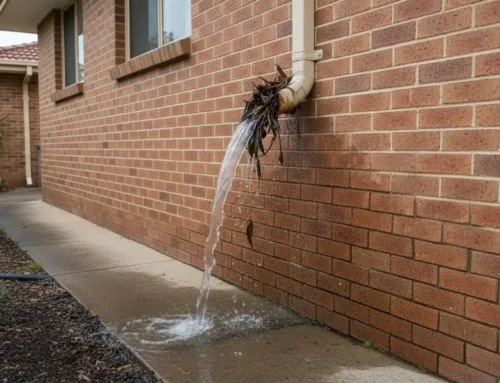
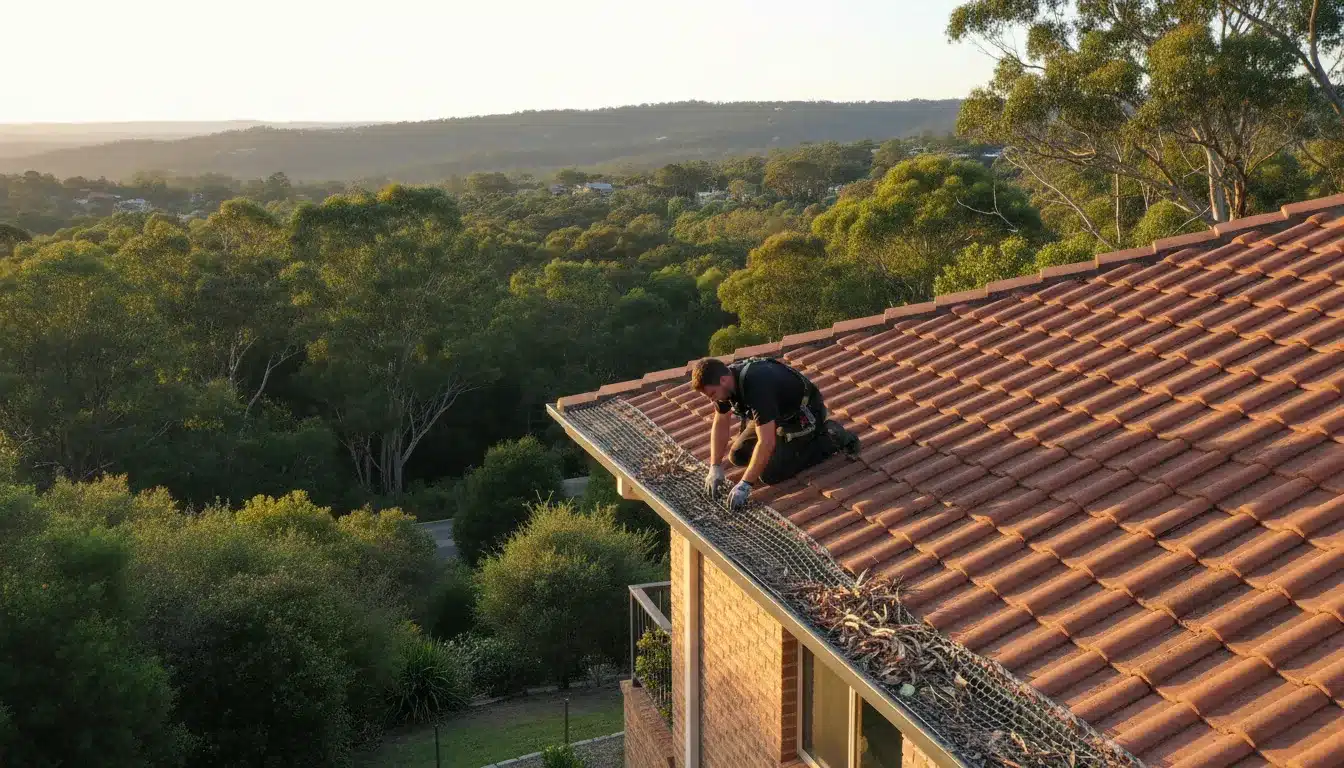
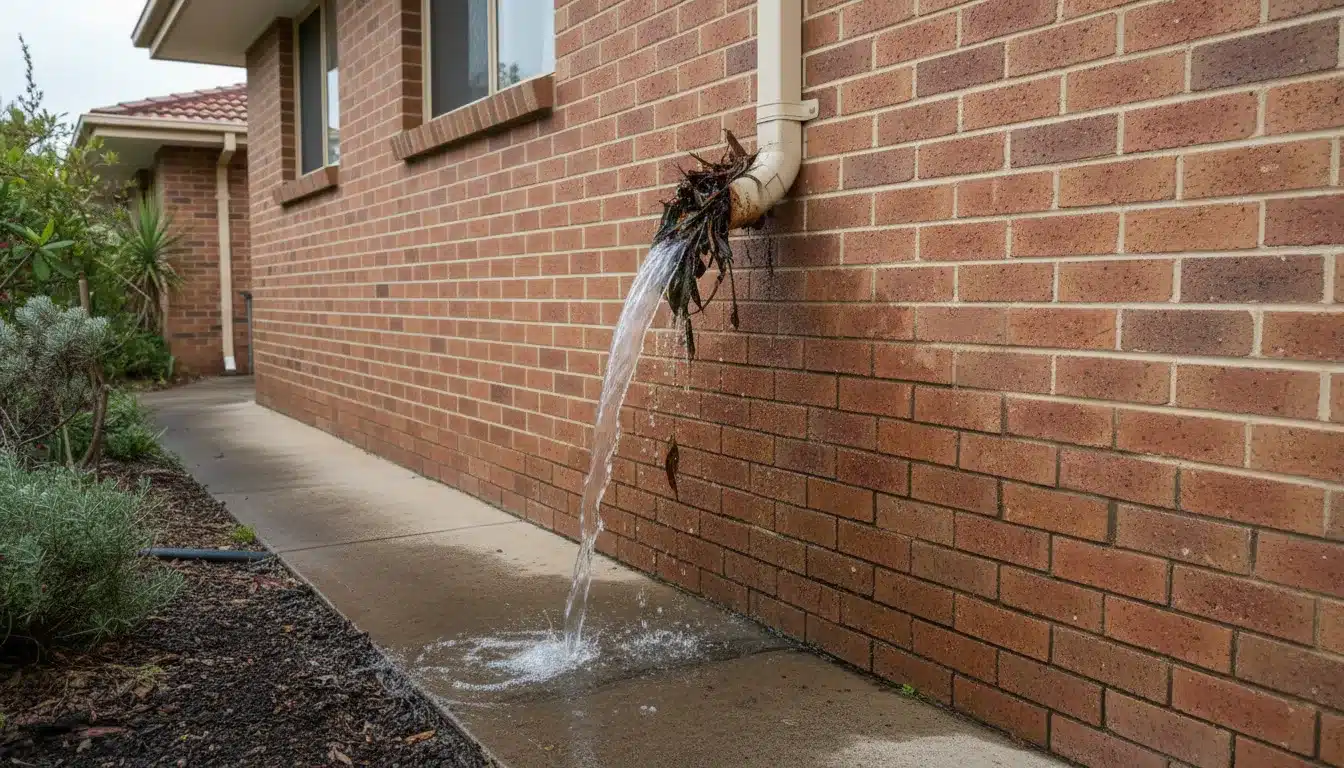
Gutters and drainage areas should also be protected from construction debris. Coordinating appropriate gutter and downpipe services during a roof upgrade can help ensure the property’s drainage system is ready for the completed roof.
Final Site Restoration Standards
The final cleanup should address all areas affected by the project.
This can include:
- Removing remaining roofing materials and packaging.
- Clearing construction debris from paths and outdoor areas.
- Checking driveways and garden beds for stray fixings.
- Removing temporary protective materials.
- Clearing accessible gutters of installation debris.
- Removing waste bins and surplus materials.
- Checking the property for obvious construction related damage.
The goal is not necessarily to make every part of the property look brand new, but to return affected areas to an orderly condition consistent with the agreed project scope.
What to Ask Before Signing a Roofing Contract
Perth homeowners can reduce uncertainty by asking specific questions before work begins.
Insurance and Liability Questions
Ask the contractor:
- What public liability insurance does the company maintain?
- Does the policy cover property damage associated with the roofing work?
- Are workers appropriately covered by workers’ compensation insurance?
- Can current insurance documentation be provided where appropriate?
- Who is responsible for damage caused by construction activity?
Insurance requirements and policy conditions can vary, so homeowners should request documentation rather than relying solely on verbal assurances.
Site Safety Questions
It is also reasonable to ask:
- How will access to the active work area be controlled?
- What fall prevention measures will be used?
- How will roofing materials be lifted and lowered?
- How will children, pets and visitors be kept away from the work area?
- What happens if severe weather makes roof work unsafe?
- How will debris be contained during removal?
These questions help homeowners understand whether the contractor has considered the practical risks associated with their particular property.
Cleanup Questions
Cleanup should also be clearly discussed before signing.
Ask whether the quoted work includes daily debris management, final site cleanup, magnetic sweeping and removal of construction waste. If garden restoration or damage repairs are excluded, homeowners should know this before work begins.
Putting these expectations in writing can prevent disagreements at project completion.
Perth Specific Site Safety Considerations
Perth’s climate creates several conditions that roofing contractors need to consider during project planning.
Summer Heat Management
Roof surfaces can become extremely hot during Perth’s summer conditions. Contractors should plan work around appropriate weather and workplace safety requirements, particularly during periods of extreme heat.
Scheduling physically demanding work during more suitable parts of the day can help manage heat exposure. Workers should also have appropriate access to water, rest and shade in accordance with applicable workplace safety requirements.
Heat can also affect certain roofing materials and coatings. Products should be installed according to manufacturer requirements rather than simply according to a preferred schedule.
Coastal Wind Conditions
Properties near the coast can experience strong winds and salt laden air. Wind conditions can affect the safe handling of large sheets, loose materials and other roofing components.
Contractors should monitor conditions and suspend exposed work when weather makes the activity unsafe. Loose materials should also be secured appropriately whenever the site is unattended.
Applying protective roof coatings likewise requires suitable environmental conditions specified by the product manufacturer.
Bushfire Considerations
Properties in bushfire prone areas may have additional construction requirements depending on their location and the scope of work.
Where relevant, homeowners should confirm whether bushfire construction requirements apply to their property and whether the proposed roofing system needs to satisfy particular standards.
These considerations can affect material selection, installation details and site management requirements.
When Poor Site Safety Becomes a Legal Issue
Poor site safety can expose contractors and property owners to significant risks. The exact legal responsibilities depend on the circumstances, the work being undertaken and applicable Western Australian legislation.
Contractors should manage their worksite appropriately and maintain suitable safety controls. Homeowners should also avoid entering restricted areas while construction is underway.
Neighbouring properties require consideration as well. Roofing debris, equipment or poorly secured materials should not be allowed to create unnecessary risks outside the worksite.
If a homeowner observes an immediate and serious safety concern, it should be raised with the contractor promptly rather than ignored.
The True Cost of the Cheapest Roofing Quote
The cheapest roofing quote is not automatically the worst option, but an unusually low price deserves careful examination.
A lower quote may reflect differences in materials, scope, access requirements, waste disposal, preparation or finishing work. Homeowners should compare what is actually included rather than comparing the headline price alone.
Potential additional costs can arise when site protection, waste disposal or property repairs are excluded from the original scope.
A professional quote should clearly identify the major components of the project, including roofing materials, labour, preparation, waste management and any agreed property protection measures.
This makes it easier to compare contractors on value rather than simply choosing the lowest initial figure.
What a Professionally Managed Roofing Site Should Look Like
By the middle of a roof replacement, homeowners should be able to see clear evidence that the site is being actively managed.
A well managed site generally has:
- Clearly defined work areas.
- Appropriate fall prevention and access controls.
- Roofing materials stored in an organised manner.
- Waste contained rather than scattered around the property.
- Protected access paths and vulnerable surfaces where required.
- Regular removal of dangerous debris.
- Clear communication between the contractor and homeowner.
- Appropriate responses to changing weather conditions.
These practices do not guarantee perfect workmanship, but they demonstrate that safety, organisation and property protection are being treated as integral parts of the project.
Homeowners who are comparing broader roofing options can also review roof repairs in Perth when assessing whether complete replacement is genuinely necessary.
Conclusion
Site safety and cleanup are not secondary considerations during a Perth roof replacement. They form part of responsible project management and help protect the people, property and investment involved.
Before signing a roofing contract, homeowners should ask how workers will be protected, how their property will be secured, how waste will be handled and exactly what cleanup is included. Clear expectations from the beginning make the project easier to manage and reduce the likelihood of disputes later.
If you are planning a roof replacement and want to discuss the work required for your property, call (08) 9249 5955 to arrange an assessment with the Permacoat team.