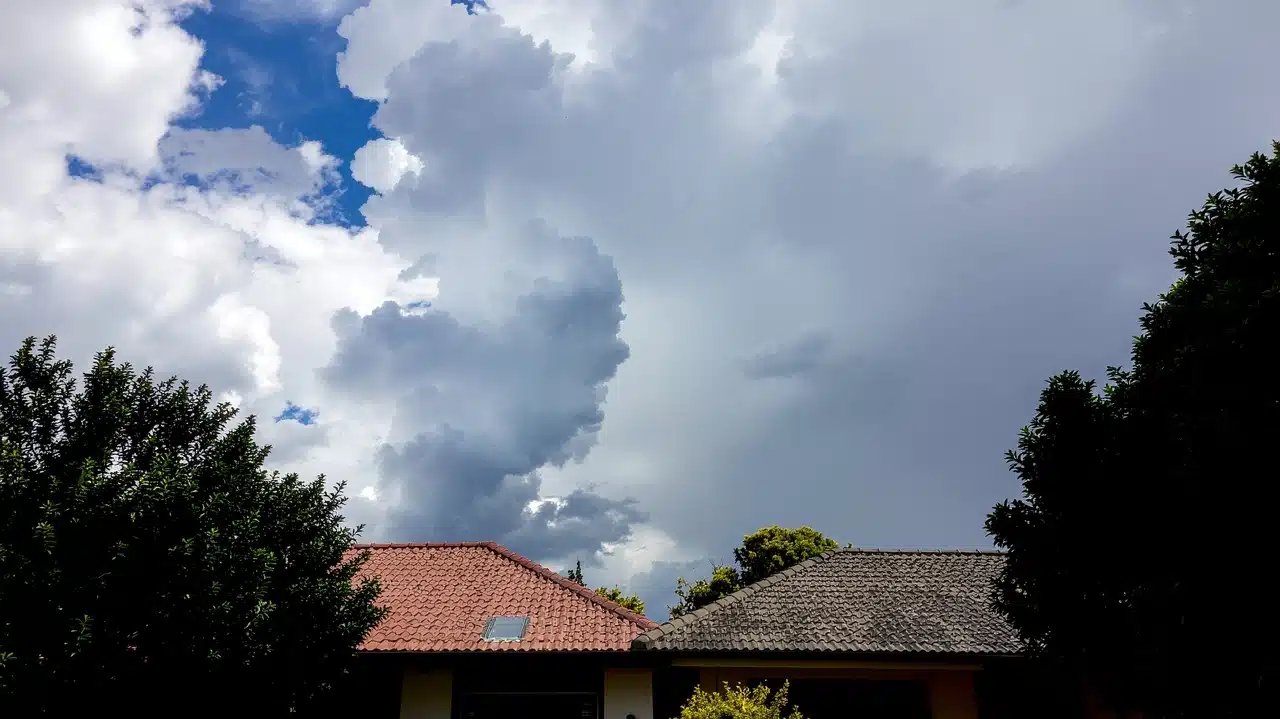
Perth homeowners face a critical decision when planning roof restoration – should the work happen before winter rains arrive, or wait until the dry season returns? This roof restoration timing question affects everything from coating adhesion to project completion rates, with the wrong choice potentially costing thousands in failed applications or weather delays.
The answer depends on roof condition, the restoration scope, and Perth’s distinctive climate patterns. Properties with active leaks can’t afford to wait six months for ideal weather, while cosmetic upgrades benefit from dry-season scheduling. Understanding these variables helps homeowners make informed decisions that protect their investment and avoid costly mistakes.
Understanding Perth’s Seasonal Weather Patterns
Perth experiences a Mediterranean climate with distinct wet and dry periods that directly impact rainy season roofing decisions. The city receives approximately 730mm of annual rainfall, with 80% falling between May and September. Winter months bring consistent rain events, strong winds, and occasional storms that can disrupt roofing work for days at a time.
Dry Season Advantages
The dry season from October through April offers stable conditions with minimal rainfall and consistent temperatures. Summer months reach 30-35°C regularly, creating optimal curing conditions for coating systems but potentially uncomfortable working conditions during peak afternoon heat. This extended dry period provides a reliable window for restoration projects that require multiple dry days for proper application.
Coastal suburbs face additional considerations with salt-laden winds affecting both existing roof conditions and restoration timing. Properties within 5km of the ocean experience accelerated coating degradation and require more frequent maintenance cycles. Inland areas benefit from lower humidity levels during summer months, which can accelerate coating cure times and reduce project duration.
The Case for Pre-Winter Restoration
Scheduling roof restoration before winter rains arrive offers significant protective advantages for vulnerable roofs. Properties showing signs of deterioration – cracked tiles, worn coatings, or minor leaks – benefit from restoration work completed in March through early May. This timing ensures protective roof coatings cure properly before exposure to sustained rainfall.
Three-Coat System Requirements
Permacoat‘s three-coat system requires specific weather conditions for optimal adhesion and longevity. The primer sealer and two topcoats each need dry conditions during application and initial curing periods. Completing this work in autumn provides adequate curing time before winter weather tests the new coating system. Properties restored in April typically experience full coating cure by the time heavy rains arrive in June.
Pre-winter scheduling also addresses capacity planning considerations. The March-May period represents moderate demand for restoration services, offering better scheduling flexibility than peak summer months. Homeowners can often secure preferred timeframes and avoid the rush that occurs during October-December when everyone wants work completed before summer entertaining season.
Weather Monitoring Importance
However, autumn scheduling requires careful weather monitoring. Unexpected early rain events can delay projects or compromise coating applications if moisture arrives before adequate curing occurs. Professional restoration companies track weather forecasts closely and adjust schedules to ensure each coating layer receives sufficient dry time before the next application.
Benefits of Post-Winter Restoration Scheduling
Waiting until after winter provides the most reliable weather conditions for roof restoration timing. The September-December window offers consistent dry weather, minimal rain risk, and stable temperatures ideal for coating application. This timing eliminates weather-related delays and ensures each restoration phase proceeds without interruption.
Performance Assessment Period
Post-winter scheduling allows homeowners to assess actual roof performance through the wet season. Properties that survive winter without leaks may only require cosmetic restoration rather than urgent repairs. This observation period helps prioritize restoration scope and budget allocation based on demonstrated need rather than preventative concerns.
The extended dry season from September through April provides flexibility for project scheduling and completion. Permacoat’s restoration process typically requires 3-5 consecutive dry days for proper coating application and initial cure. Summer months offer numerous suitable weather windows, reducing scheduling pressure and allowing work to proceed at optimal pace without weather-related rushing.
Spring Temperature Benefits
Spring restoration also benefits from moderate temperatures during September-October. The 18-25°C range provides comfortable working conditions and ideal coating application temperatures. Extreme summer heat in January-February can affect coating viscosity and application characteristics, making spring months technically superior for rainy season roofing despite summer’s reliability.
Critical Factors That Override Seasonal Considerations
Active roof leaks demand immediate attention regardless of seasonal timing. Water penetration causes progressive damage to roof structure, ceiling materials, and interior finishes. Every rain event with an active leak multiplies repair costs and extends damage beyond the initial problem area. Properties experiencing leaks require urgent roof repairs in Perth services regardless of whether winter approaches or summer beckons.
Structural Damage Urgency
Structural damage from broken tiles, failed flashing, or compromised valleys cannot wait for ideal weather conditions. These issues allow water penetration that threatens building integrity and creates health hazards through mould growth. Emergency repair services address critical problems immediately, with full restoration scheduled for the next suitable weather window.
Properties preparing for sale face timing pressures that override seasonal considerations. Real estate markets don’t wait for perfect weather, and roof condition significantly impacts property values and buyer confidence. A restored roof increases kerb appeal and eliminates buyer concerns about deferred maintenance. In these situations, scheduling restoration during available weather windows – even less-ideal periods – takes priority over waiting months for perfect conditions.
Strata Coordination Requirements
Strata properties managing multiple buildings require coordination with body corporate approval processes and resident notification requirements. These administrative timelines often dictate restoration scheduling regardless of weather preferences. Strata managed properties benefit from planning restoration work during periods that minimize resident disruption, which may not align with optimal weather windows.
Weather Windows and Coating Requirements
Modern roof coating systems require specific environmental conditions during application and curing phases. Dulux Acratex coatings perform best when applied at temperatures between 10-30°C with relative humidity below 85%. These parameters ensure proper film formation, adhesion, and long-term durability that supports the 15-20 year warranty coverage.
Minimum Dry Time Requirements
Each coating layer requires minimum dry time before rain exposure. The primer sealer needs 24-48 hours of dry conditions after application, while topcoats require 48-72 hours depending on temperature and humidity levels. Projects scheduled during Perth’s dry season easily meet these requirements, while autumn scheduling demands careful weather monitoring to avoid premature rain exposure.
Permacoat’s separate restoration and coating teams ensure quality control throughout the process. The restoration team completes all tile roof repairs, valley work, and surface preparation before the specialist coating team applies the three-coat system. This division of labour maintains expertise at each stage and ensures coating application occurs under optimal conditions with proper surface preparation.
Surface Preparation Drying
High-pressure roof cleaning requires 24-48 hours drying time before coating application begins. This preparatory phase removes moss, lichen, dirt, and failed coating remnants that would compromise new coating adhesion. Scheduling restoration during extended dry periods ensures adequate drying time between cleaning and coating phases without weather-related delays.
Cost Implications of Seasonal Timing
Restoration costs remain relatively consistent year-round, but seasonal timing affects overall project value through different mechanisms. Off-peak scheduling during autumn months may offer slight pricing advantages due to lower demand, while peak summer scheduling ensures fastest project completion with minimal weather delays. The cost difference typically amounts to less than 10% between seasons, making weather reliability the primary consideration rather than price.
Weather Delay Economics
Weather delays during marginal scheduling periods can extend project timelines and increase labour costs. If coating application gets interrupted by unexpected rain, the restoration team may need to return multiple times to complete work that would normally finish in one continuous period. These delays add mobilization costs and extend the period homeowners live with restoration work in progress.
Failed coating applications due to inadequate curing before rain exposure represent the most expensive timing mistake. If rain occurs before proper cure completion, the coating may fail prematurely, requiring complete reapplication at significant cost. This risk makes conservative scheduling during reliable weather periods the most cost-effective approach despite potentially longer wait times.
Property Damage Prevention
Property damage from delayed restoration often exceeds the cost of restoration itself. A roof requiring urgent attention that waits six months for ideal weather may experience water damage costing $5,000-$15,000 in ceiling repairs, mould remediation, and interior restoration. These consequential damages far outweigh any scheduling convenience or minor cost savings from waiting for perfect weather conditions.
Planning Your Restoration Timeline
Successful roof restoration timing begins with professional assessment 3-6 months before intended work completion. This planning window allows time for quotes, colour selection, scheduling coordination, and budget preparation. Permacoat’s free roof inspection service identifies restoration scope and helps homeowners determine optimal timing based on roof condition and weather considerations.
Urgent Work Scheduling
Properties requiring urgent attention should schedule restoration during the next available weather window regardless of season. Modern coating systems and experienced application teams can work successfully during Perth’s mild winter periods when multi-day dry spells occur. Weather forecasting technology allows restoration teams to identify suitable weather windows even during traditionally wet months.
Homeowners planning cosmetic restoration without urgent repairs benefit from scheduling work during the September-December window. This timing provides maximum weather reliability, optimal coating conditions, and project completion before holiday periods. Booking these preferred timeframes requires advance scheduling, typically 2-3 months ahead during peak demand periods.
Coastal Property Considerations
Coastal properties should consider scheduling restoration during late spring or early summer months. This timing allows new coatings to achieve full cure and maximum hardness before exposure to summer’s intense UV radiation and salt-laden winds. Properties within 5km of the ocean benefit from this additional curing time before facing Perth’s harshest environmental conditions.
Making the Decision for Your Property
Roof restoration timing depends on balancing urgency, weather reliability, and personal scheduling preferences. Properties with active leaks, structural damage, or significant deterioration cannot afford to wait for perfect weather conditions. These situations require immediate attention with restoration scheduled during the next suitable weather window, whether that occurs in winter or summer.
Cosmetic Versus Urgent Work
Homes requiring only cosmetic improvement – faded coatings, discoloured tiles, or aesthetic updates – benefit from patient scheduling during optimal weather periods. The September-December window offers ideal conditions for roof painting and coating application, ensuring maximum coating performance and longevity. These projects can wait for perfect conditions without risking property damage.
The most common approach involves scheduling restoration during autumn’s shoulder season (March-May) or spring’s reliable weather (September-November). These periods offer good weather conditions, moderate temperatures, and reasonable scheduling flexibility. Both windows support successful restoration outcomes while avoiding the scheduling pressure of peak summer demand or the weather uncertainty of deep winter months.
Professional Guidance Value
Professional guidance from experienced restoration specialists helps homeowners navigate these timing decisions. Permacoat’s 50+ years of Perth roof restoration experience provides insight into weather patterns, coating requirements, and optimal scheduling for specific roof types and conditions. This expertise ensures restoration timing supports both immediate needs and long-term coating performance.
Conclusion
Perth roof restoration timing requires balancing weather reliability with property needs and practical scheduling considerations. Properties with urgent repairs cannot wait for perfect conditions, while cosmetic restoration benefits from scheduling during the reliable September-December dry season. The March-May autumn window offers a compromise with generally favourable weather and pre-winter completion.
Modern coating systems and professional application techniques extend the viable restoration season beyond traditional summer-only scheduling. Experienced teams successfully complete restoration projects year-round by carefully monitoring weather conditions and scheduling work during suitable weather windows. This flexibility ensures homeowners address roof concerns promptly rather than waiting months for theoretically perfect conditions.
For expert roof restoration in Perth with proper timing guidance, call (08) 9249 5955 to schedule a free roof inspection.