A ceiling stain can look like a clear pointer. The mark appears in one room, so the leak seems to sit directly above it.
That simple reading often causes the wrong roof area to be repaired. Water can travel along hidden surfaces long before it reaches plasterboard.
Trace roof leaks carefully because the visible stain shows the final escape point, not always the entry point. The real water ingress path may start several metres away.
Why Ceiling Stains Can Point To The Wrong Place
A roof is built from overlapping parts, not one flat waterproof lid. Tiles, battens, rafters, sarking, insulation, flashings, valleys, gutters, and ceiling joists all affect movement.
Once rain gets through an opening, it does not always fall straight down. It can cling to timber, follow a lap, run along a nail line, or pool on insulation.
That hidden movement explains many repeat leaks. A patch above the stain may look logical, but the original entry point can remain open.
The Stain Is The Final Drip Point
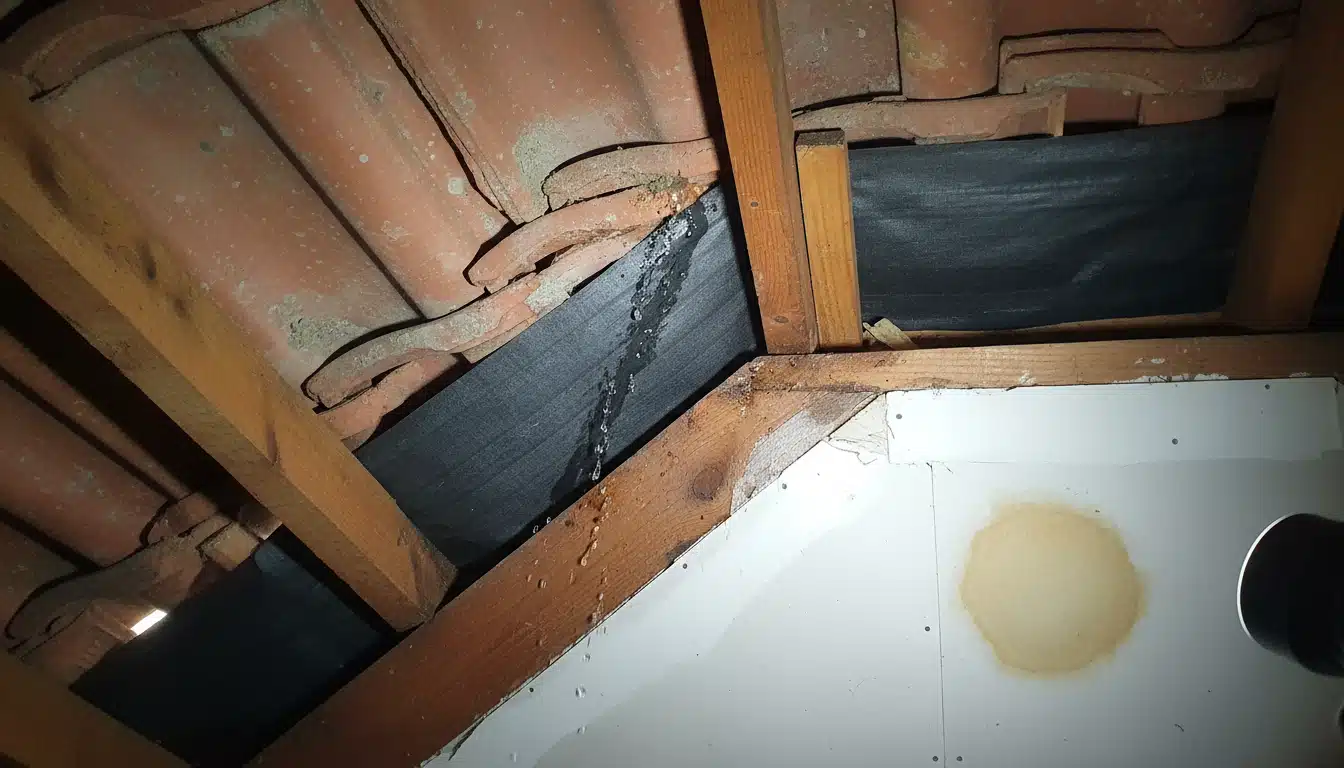
The brown mark on plaster usually forms where moisture finally drops onto the ceiling sheet. It is the last visible sign in a longer chain.
The first opening may be near a ridge, valley, cracked tile, wall flashing, or roof penetration. Water then follows the easiest path through the roof cavity.
If that path reaches a ceiling joist, light fitting, or plasterboard join, the stain appears at that lower point. The roof fault can sit well away from the room symptom.
Gravity Is Only Part Of The Story
Gravity matters, but roof pitch and hidden materials redirect the flow. Water often moves diagonally across a roof space before it drops.
Wind can also push rain beneath laps and flashing edges. During a strong storm, water may enter from a direction that calm rain would never reach.
This is why water ingress path diagnosis should consider slope, wind direction, and nearby roof junctions. Location alone is rarely enough.
Delayed Stains Make Tracing Harder
Some stains appear during a single heavy downpour. Others show after repeated light rain because insulation or timber has held moisture.
A roof cavity can stay damp after the visible room dries. Moisture may only reach the ceiling after enough water builds above the plaster.
Delayed staining can make the entry point seem random. The timing of each mark is an important clue during roof leak tracing.
How Water Moves Through Roof Cavities
A roof cavity contains many surfaces that can collect and move water. Those surfaces can hide the leak path until the damage reaches the ceiling.
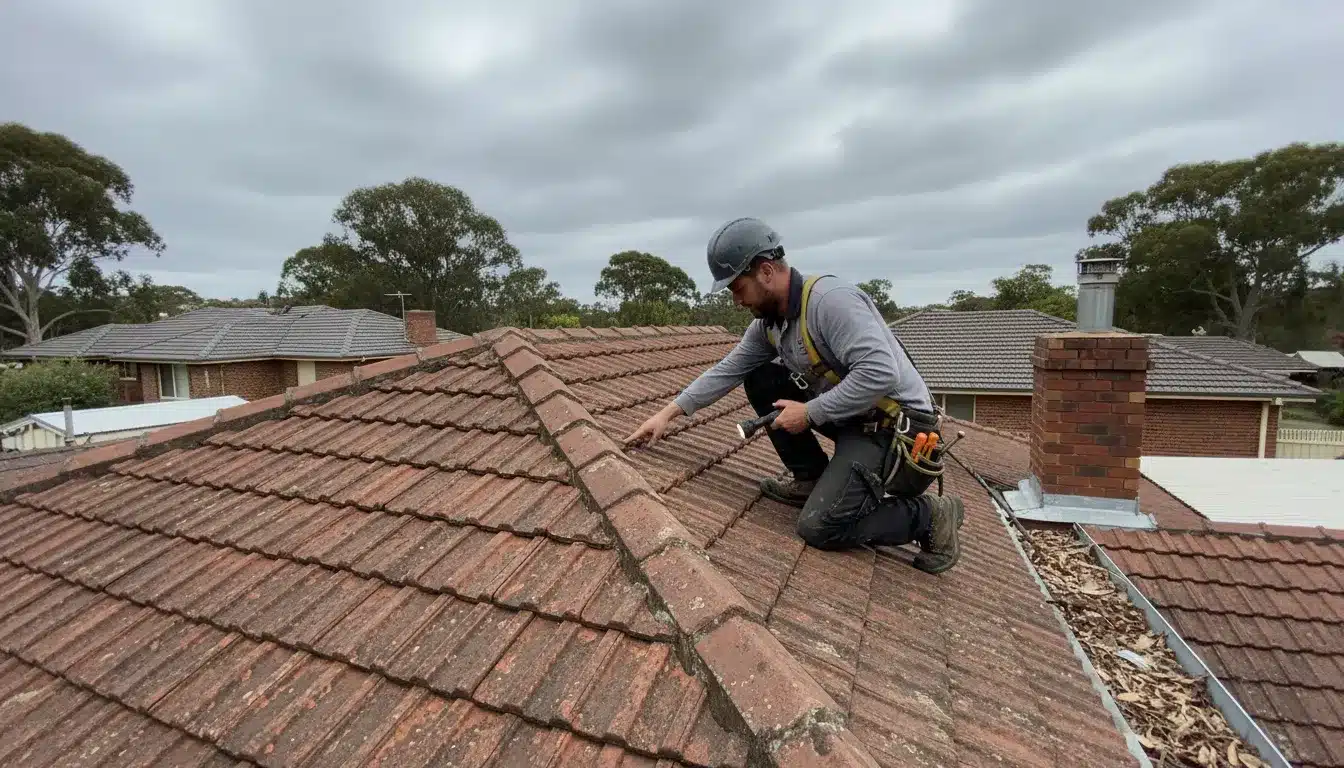
A careful inspection works backward from the stain, then checks the cavity and roof surface upslope. The goal is to prove the route, not guess the closest tile.
Rafters And Battens Can Carry Moisture
Timber framing can act like a track. Once water contacts a rafter or batten, it may follow the grain or underside.
This can move a leak away from its entry point. A crack high on the roof can feed water down to a different room edge.
Darkened timber, swollen edges, nail rust, and dust trails often reveal this movement. These signs can be more reliable than the plaster mark.
Sarking Can Shift The Drip Point
Sarking is designed to help manage water under the roof covering. When it is intact, it can protect the cavity from minor wind driven moisture.
When sarking has a tear, open lap, or puncture, it can move water sideways first. The drip then appears beneath the sarking failure rather than beneath the tile defect.
That creates a false location. The water ingress path may start at one roof plane and become visible under another point.
Insulation Can Store Water
Ceiling insulation can absorb and hold moisture before the room shows a stain. It can also sag and change where water drops.
A wet section of insulation above dry plaster still matters. It may show an active leak that has not yet reached the ceiling face.
If soaked insulation remains in place, stains can keep spreading after the roof is repaired. Drying and monitoring are part of a sound repair sequence.
Common Roof Faults That Create Misleading Stains
Some roof faults are known for producing stains in unexpected places. They often involve junctions where water volume, movement, or wind pressure increases.
The most common suspects include valleys, ridge caps, flashing, tile laps, gutters, and penetrations. Each one can feed water into a hidden route.
Valleys Can Send Water Sideways
Valleys carry runoff from two roof planes. During Perth storms, a valley can manage a large water load in a short time.
If the valley is rusted, blocked, narrow, or poorly seated, water can escape beneath nearby tiles. It may then track along battens before dropping. That is often a roof cleaning and valley issue, not the tile over the stain.
The stain may appear beside the valley line instead of directly below it. This is a common reason a simple tile replacement fails.
Flashing Can Leak Behind The Visible Surface
Flashing protects wall junctions, chimneys, skylights, vents, and changes in roof height. Even a small lifted edge can admit wind driven rain.
Once water gets behind flashing, it can move beneath tiles or along masonry. The stain may appear in a hallway, bedroom, or cornice line away from the junction.
A flashing leak is easy to miss from ground level. Close inspection should check laps, fixings, corrosion, sealant condition, and nearby tile seating.
Ridge Caps Can Feed Several Routes
Ridge caps sit high on the roof, so their leaks can travel down many possible paths. Cracked pointing or loose bedding does not always drip below the cap.
Water can enter beneath the ridge, touch a batten, and move to a lower roof section. The ceiling stain may form near an internal wall.
Heat movement, age, and storm pressure can make ridge leaks intermittent. Light rain may show nothing, while angled storms expose the opening.
Tile Laps Can Hide Small Entry Points
Tiles are designed to overlap and shed water. If a tile is cracked, displaced, porous, or sitting poorly, moisture can enter under the visible surface.
The opening may be small. The hidden route can still carry enough moisture to stain plaster after repeated rainfall.
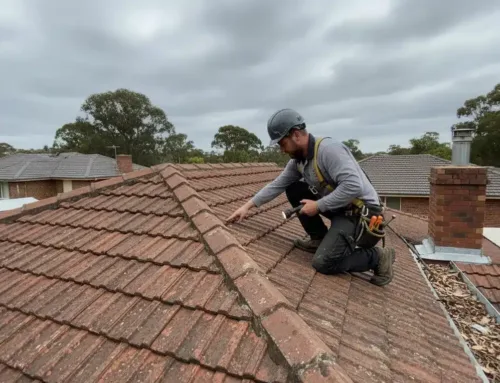
This is why trace roof leaks should include the roof area above and upslope from the room. Tile roof repairs often sit well away from the stain. The obvious tile over the mark may not be the culprit.
Why Perth Conditions Complicate Leak Diagnosis
Perth roofs face long dry periods, strong ultraviolet exposure, coastal salt, and sudden storms. These conditions affect how leaks appear.
Materials expand and contract through heat. Sealants harden, bedding cracks, metal corrodes, and tile surfaces weather at different rates.
Wind Driven Rain Changes The Entry Point
Vertical rain follows predictable drainage paths. Wind driven rain can push water beneath laps, into flashing gaps, and under exposed edges.
A roof may stay dry in gentle rain and leak only during storms from a certain direction. That does not mean the fault is new.
Weather notes help. The direction, intensity, and duration of rain can narrow the likely entry zone.
Heat Movement Opens Tiny Gaps
Roof materials move in hot weather. Tiles, metal flashing, ridge bedding, screws, and coatings do not expand at the same rate.
Tiny gaps can open during summer heat and then admit water during the next strong front. The stain may appear later, after moisture travels through the cavity.
A proper inspection should consider movement history as well as visible breakage. Some faults only become obvious after material stress.
Coastal Salt Can Weaken Metal Junctions
Homes near coastal suburbs can have extra corrosion around flashing, valleys, screws, gutters, and exposed metal edges. Salt can start damage before a hole is obvious.
A small corroded point can let water reach hidden roof layers. The ceiling stain may not reveal the metal weakness above.
This makes roof leak tracing more than a surface check. Metal condition, local exposure, and drainage all need attention.
How A Proper Leak Investigation Should Work
Good diagnosis moves from visible evidence to hidden evidence. It starts inside, checks the roof cavity, then confirms the roof surface fault.
That sequence reduces guesswork. It also helps separate a roof defect from plumbing, condensation, or old staining. Permacoat still works from the roof down.
Start With Interior Clues
The stain shape, colour, edge pattern, and location can show how moisture behaved. Brown rings often suggest repeated wetting and drying.
Bubbling paint may show active moisture below the surface. A mark near a light fitting needs urgent safety care before roof work continues.
Room notes should include when the stain appeared and whether it changes after rain. Photos over time can show whether the leak is active.
Check The Cavity Above And Upslope
The roof cavity should be checked above the stain and upslope toward likely roof entry points. Roof pitch gives the inspection a direction.
Signs can include damp insulation, mould smell, stained timber, rusted nails, water marks on sarking, and sediment trails. These details can map the water ingress path.
A cavity check also prevents tunnel vision. The nearest roof tile may be dry while a higher junction remains wet.
Match Cavity Evidence To The Roof Surface
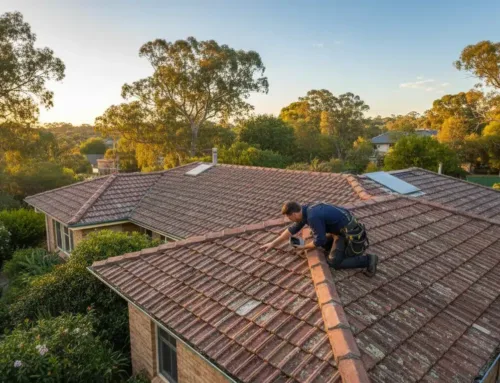
The next step is matching internal signs to roof components. Valleys, ridge caps, flashings, gutters, penetrations, and tile fields should be assessed together.
The stain is a clue, not the whole job, and we still work from the roof down rather than painting over the mark.
A factual match matters because permanent repairs should treat the entry point. Cosmetic ceiling work should wait until the leak has been tested by rain. Tile roof restoration is a separate decision if the covering is sound but weathered.
Mistakes That Lead To Repeat Ceiling Stains
Repeat stains often happen when the visible symptom gets fixed instead of the cause. The ceiling is painted, or the closest tile is sealed, but the route remains active.
A short term patch may be needed during bad weather. It should not replace a full trace once safe access is possible. If the covering itself is spent, re-roofing is a different job from tracing one leak.
Patching The Nearest Tile
The tile above the stain is tempting because it feels obvious. If the real opening sits upslope, that repair will not stop the leak.
Sealant can also mask the inspection area. It may divert water temporarily, then fail during the next storm.
The better approach is to trace roof leaks from interior evidence to cavity signs and then roof surface defects. Ask about roof repair cost before anyone treats the nearest tile as the whole job.
Ignoring Drainage Load
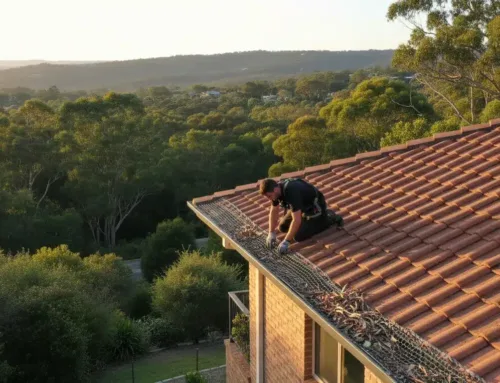
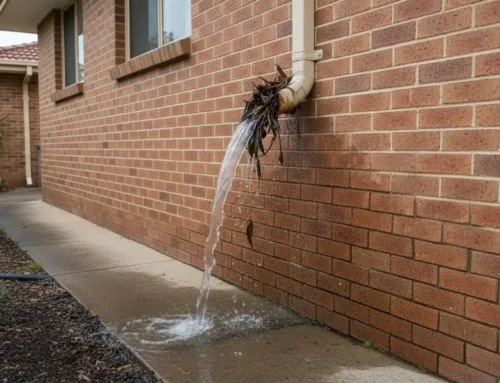
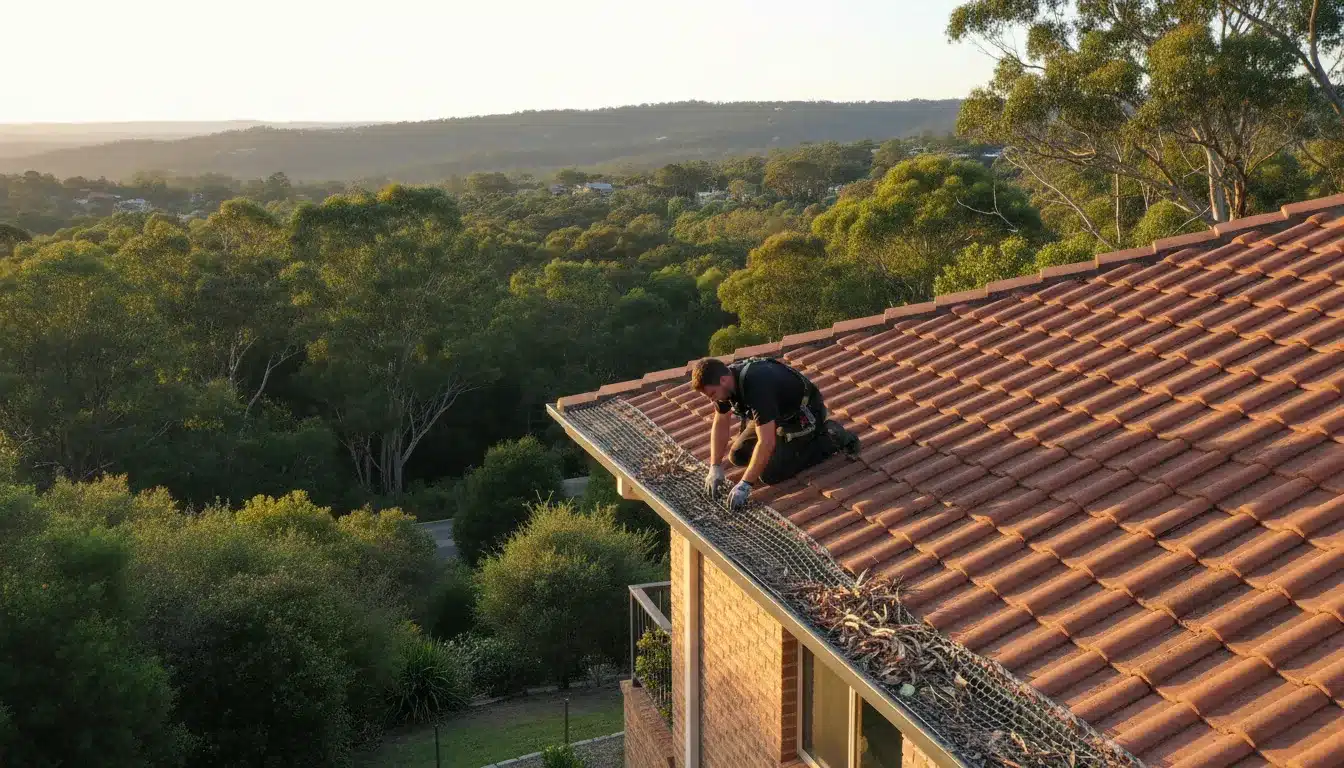
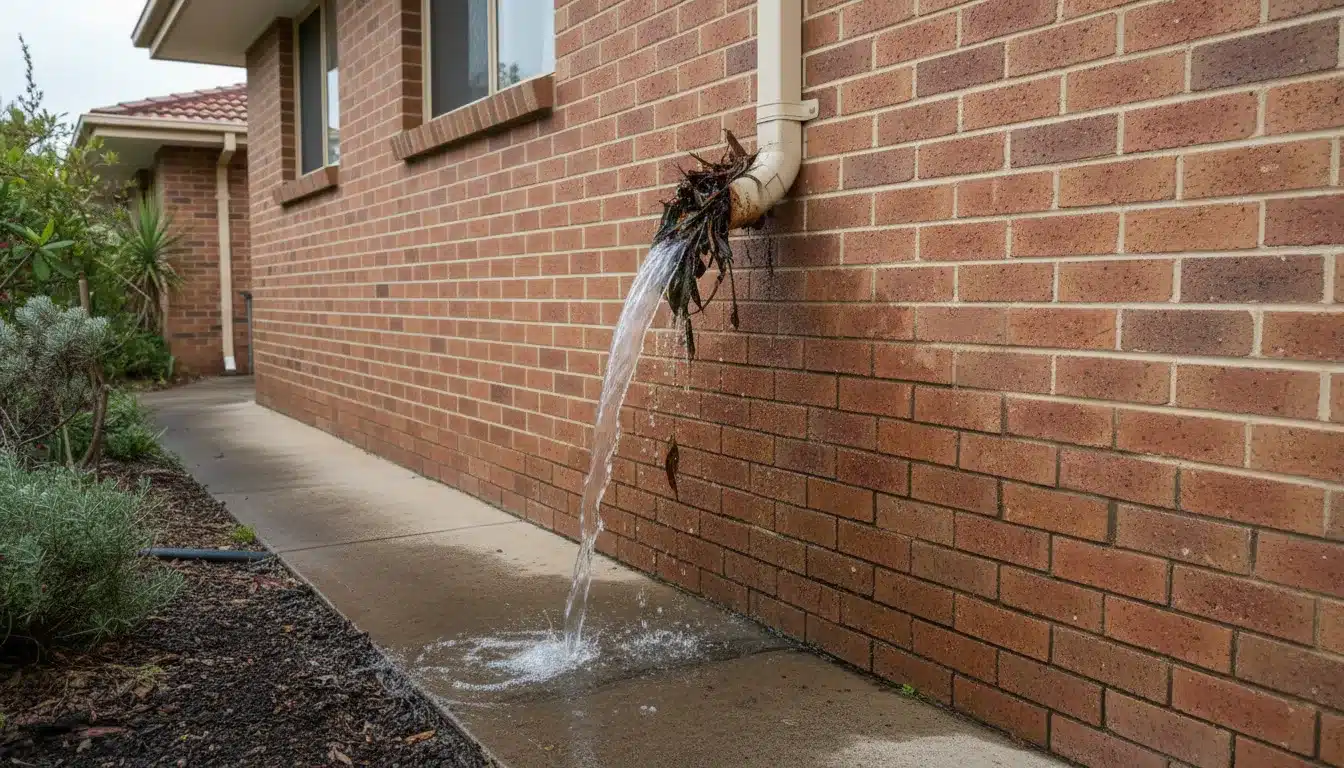
Gutters, downpipes, and valleys influence leaks because they control water volume. Blocked drainage can push water beneath edges and into eaves.
A stain near an outside wall may relate to overflow rather than broken tiles. Fascia staining, wet eaves, and leaf build up after roof cleaning is skipped can support that finding.
Drainage checks are essential after summer leaf fall and before winter fronts. Water that cannot leave the roof cleanly will seek another path.
Repainting Before Monitoring
A stained ceiling should not be painted before the roof fault is confir Roof painting waits until the leak path is closed.med dry. Fresh paint can hide evidence and lead to repeated cosmetic repairs.
The correct sequence is diagnosis, repair, rain testing, drying, and then repainting. Moisture readings can help where damage is significant.
Monitoring protects the homeowner from paying twice. It also confirms the water ingress path has been closed. Current roof costs still depend on what the inspection actually finds.
What Homeowners Should Record Before A Roof Inspection
Good notes help a roofer identify patterns. They do not replace roof access, but they provide a stronger starting point.
Photos should be taken when the stain first appears and after later rain. A simple record can show whether the mark is spreading.
Details Worth Capturing
- The room and exact ceiling location
- Whether the stain sits near a cornice, light fitting, or internal wall
- The date and weather when the mark first appeared
- Wind direction during the storm, if known
- Any dripping, bubbling paint, musty smell, or sagging plaster
- Any previous roof repairs near the same area
- Whether gutters overflowed during the same event
These details help connect the indoor symptom to the roof behaviour. They also help avoid blind repairs during busy storm periods.
When The Problem Is Urgent
Water near electrical fittings should be treated as a safety issue. Power should be managed by a qualified person where risk is present.
Sagging plaster, active dripping, or a fast spreading stain also needs prompt attention. Structural materials can deteriorate if moisture remains trapped.
A small st Ask about roof repair cost once the path is proven, not before.ain still deserves diagnosis. Early roof repairs can prevent ceiling replacement, insulation damage, and repeated internal work.
FAQ
Why Is The Leak Not Directly Above The Ceiling Stain?
Water often travels along timber, sarking, insulation, or tile laps before it drops. The stain marks the final drip point, not always the entry point.
How Do Roofers Trace Roof Leaks?
A proper trace starts with interior evidence, then checks the roof cavity and roof surface above and upslope from the stain.
Can A Ceiling Stain Dry Without A Repair?
The plaster can dry, but the roof fault may remain active. Dry plaster does not prove the water ingress path has stopped.
Why Does The Leak Only Appear During Heavy Rain?
Heavy rain increases drainage load and wind pressure. Some openings only admit water when rain is angled or roof valleys are running hard.
Should The Ceiling Be Painted Straight Away?
No. The roof should be repaired and monitored first. Painting too soon can hide evidence and trap moisture.
Conclusion
A ceiling stain is a valuable clue, but it rarely proves the roof entry point by itself. Sound diagnosis follows the hidden water route before any permanent repair is chosen.
If the tiles themselves are cracked, roof repairs can replace them without guessing from the stain alone.
Walk the roof after rain and ask where the water actually entered. Get in touch to arrange a visit.