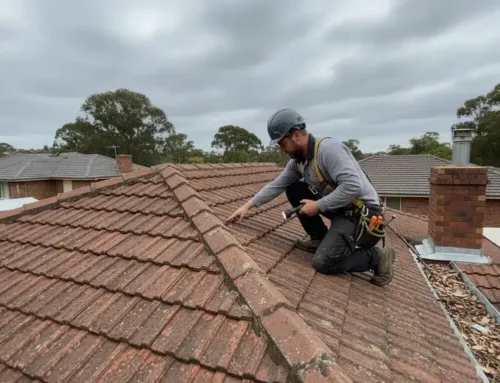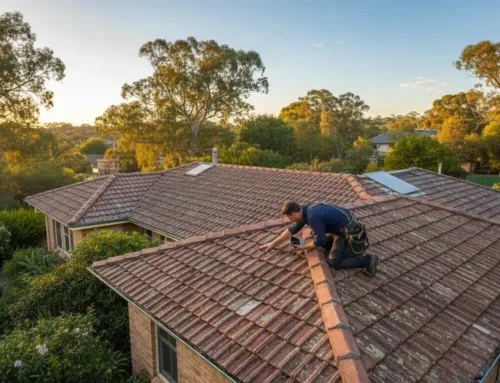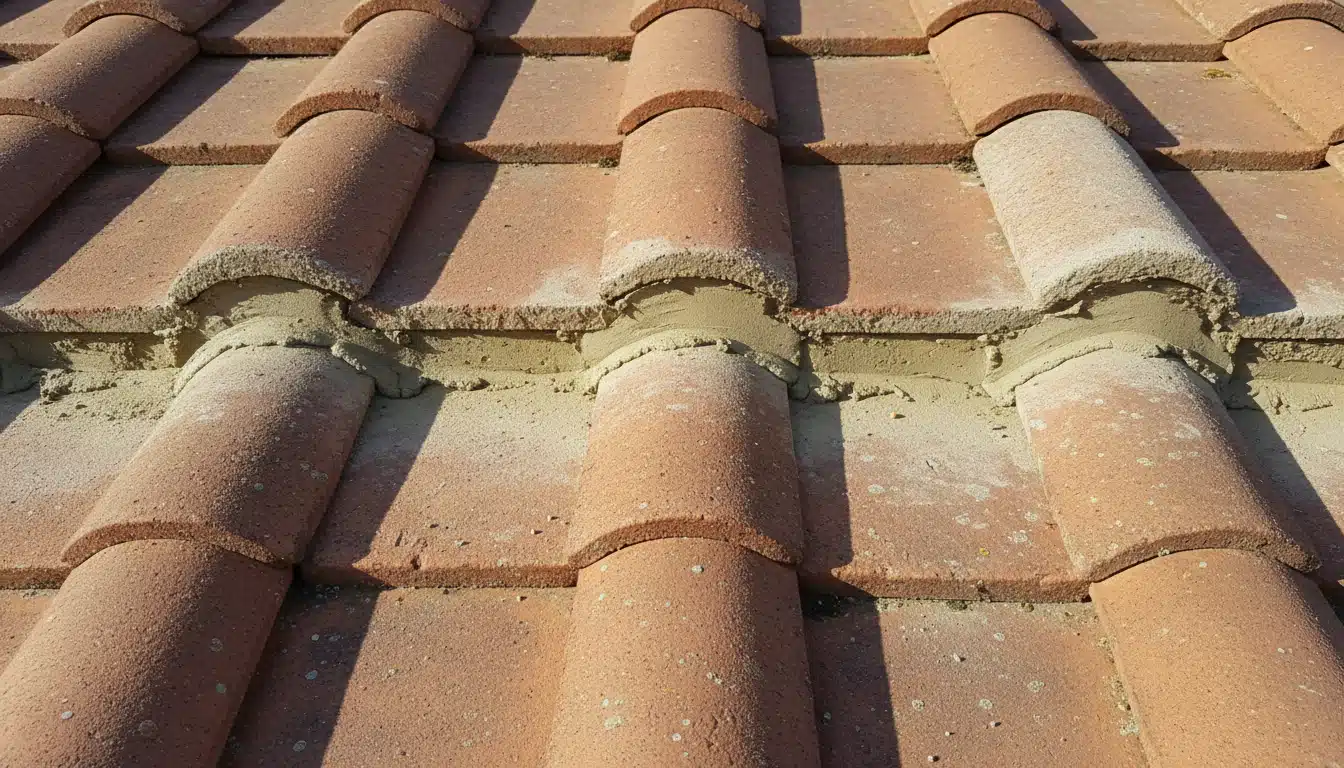
A structurally sound ridge repair can still look wrong from the street if its colour jars with the rest of the roof. We use matching mortar colours to help repaired bedding and pointing sit naturally beside weathered tiles, rather than leaving a pale or dark stripe across the roofline. The repair still has to secure the ridge caps and shed water correctly. Colour matching shapes the finish, not the structural method.
This matters because ridge caps and hips trace some of the most visible lines on a tiled roof. Their appearance depends on the tile colour, existing mortar, pointing, texture, shade and years of exposure.
A seamless roof repair does not mean making one section look unnaturally new. It means resolving the defect and choosing a compatible finish that does not draw unnecessary attention to the repaired area.
That balance starts with diagnosis. Loose bedding, cracked pointing and broken tiles require different decisions, so the condition beneath the visible surface comes before any colour choice.
Why Mortar Colour Matters On A Finished Roof
Mortar sits beside materials that have already weathered. Tiles may have faded in the sun or become marked by dust, moss, lichen and runoff. Older bedding and pointing can also carry mineral staining and variations that were not present when the roof was installed.
Fresh material placed without regard for those changes can produce a hard contrast. If the work involves wider damage, our roof repairs consider the repair area in the context of the surrounding tiled roof rather than treating colour as an isolated choice.
Fresh Material Can Stand Out
New mortar generally looks darker while wet and may lighten as it cures. The final shade can also be affected by its ingredients, water content, finishing texture and curing conditions. Judging only from a wet sample can therefore be misleading.
A bright line is particularly obvious on a long street-facing ridge. Dark material can be just as distracting if it creates a heavy band above softer, weathered tiles. The aim is visual balance, not a perfect laboratory match under every light condition.
Weathered Tiles Change The Reference Point
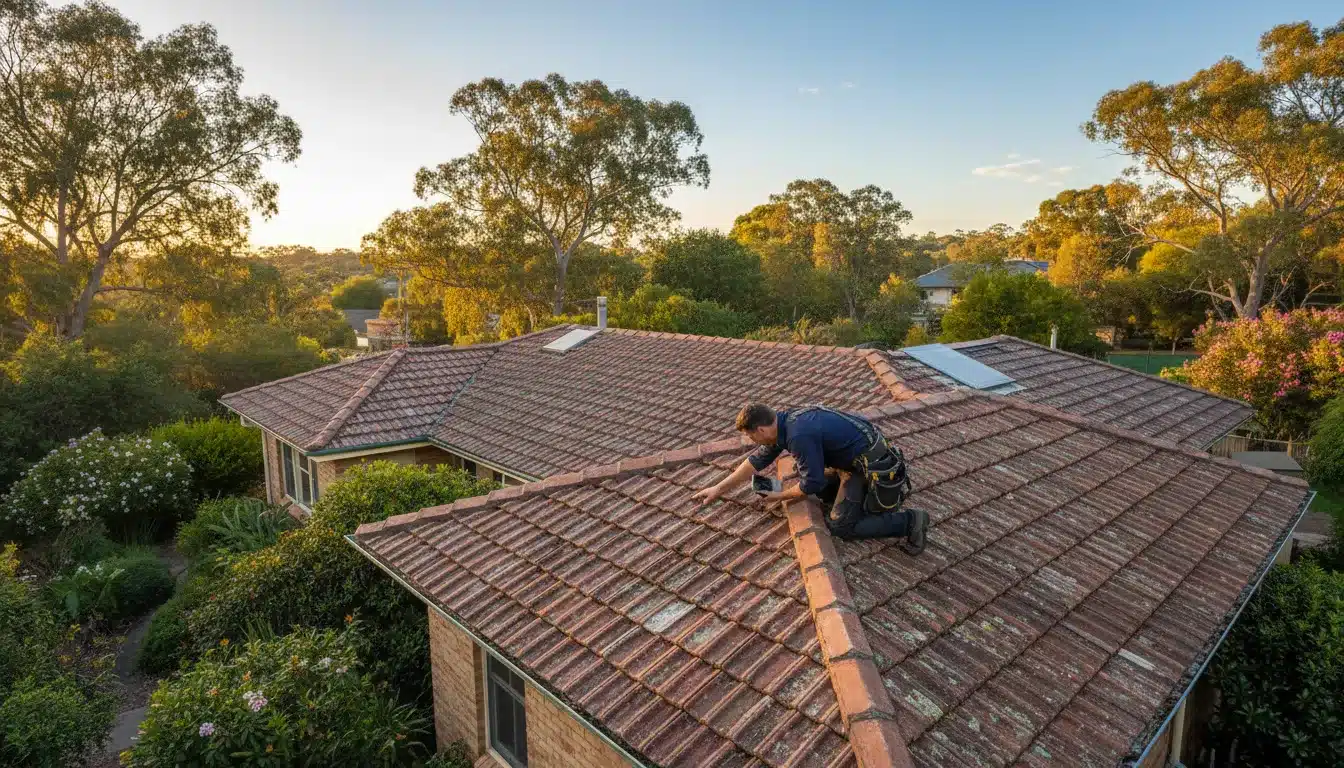
The original tile colour is not always the most useful reference. Decades of Perth sun, winter rain and local exposure can soften red, brown and grey tones. Shaded slopes may also age differently from north or west-facing sections.
For damaged or displaced tiles, our tile repair work starts with the condition and profile of the roof. The colour decision then needs to account for nearby sound tiles, old mortar lines and any previous repairs that remain visible.
A past patch is not automatically the right colour to copy. If it already looks too light, too dark or too smooth, repeating it can extend the patchwork effect. A better reference is the broader roofline around a sound section.
Texture Changes How Colour Is Read
Colour is only part of the match. Coarse material creates tiny shadows, while a smoother finish reflects light more evenly. Two samples with similar colour can look quite different when their texture and profile do not agree.
The edge shape matters too. Bulky or uneven work interrupts the line of the ridge even when the shade is close. A neat profile helps the repair sit quietly within the existing roof.
Bedding, Pointing And Colour Have Different Jobs
Bedding and pointing are related but they are not interchangeable. Bedding supports ridge and hip caps from below. Pointing forms the finished edge, helps hold the caps in place and contributes to weather resistance.
If bedding is cracked, hollow or loose, applying fresh material only to the surface does not restore support. Broader tile roof restoration may be appropriate when failed capping sits alongside widespread tile and surface deterioration, but the scope should follow the roof’s actual condition.
Stable Bedding Comes First
Ridge caps need an even, secure base. Movement can crack the finished edge and open paths for wind-driven rain. Where the base has failed, the repair may require loose material to be removed and the caps to be reset before pointing is finished.
Colour cannot compensate for poor seating. A close visual match over unstable work may look acceptable briefly, but it does not solve the underlying movement. The lasting sequence is support first, weather resistance second and visual blending as part of the completed finish.
Pointing Completes The Visible Edge
Pointing is the part most people notice from the ground. Its colour and profile influence whether the ridge looks continuous or recently patched. It also needs to remain compatible with the repair system and be applied to a properly prepared surface.
Loose fragments, dust, moss and other contaminants interfere with a clean repair. Where organic growth is widespread, professional roof cleaning can form part of a larger restoration plan, but cleaning alone will not stabilise loose caps or failed bedding.
Water Still Has To Drain Freely
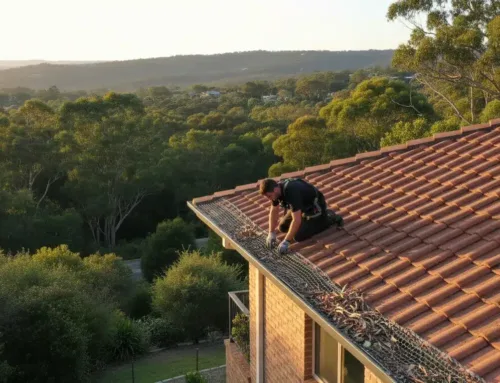
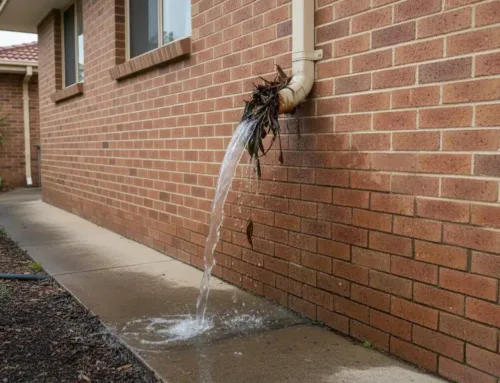
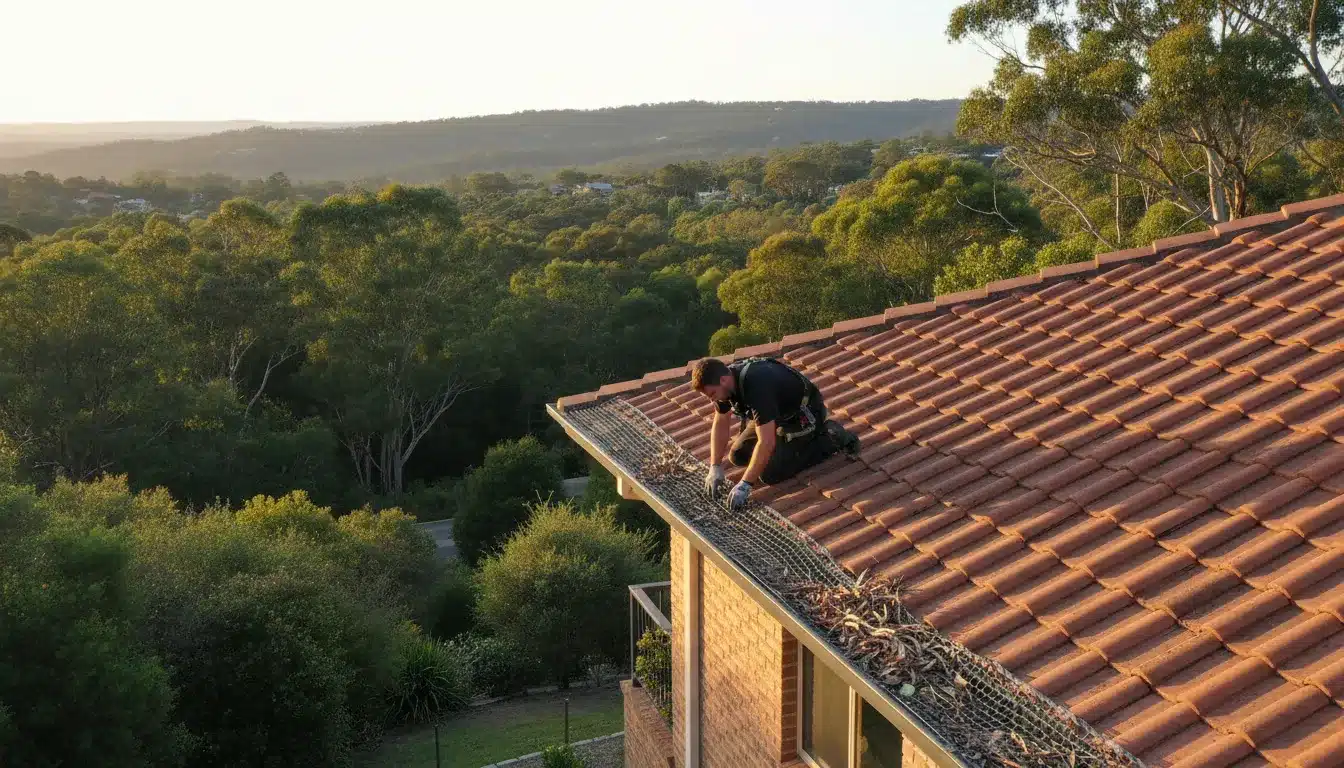
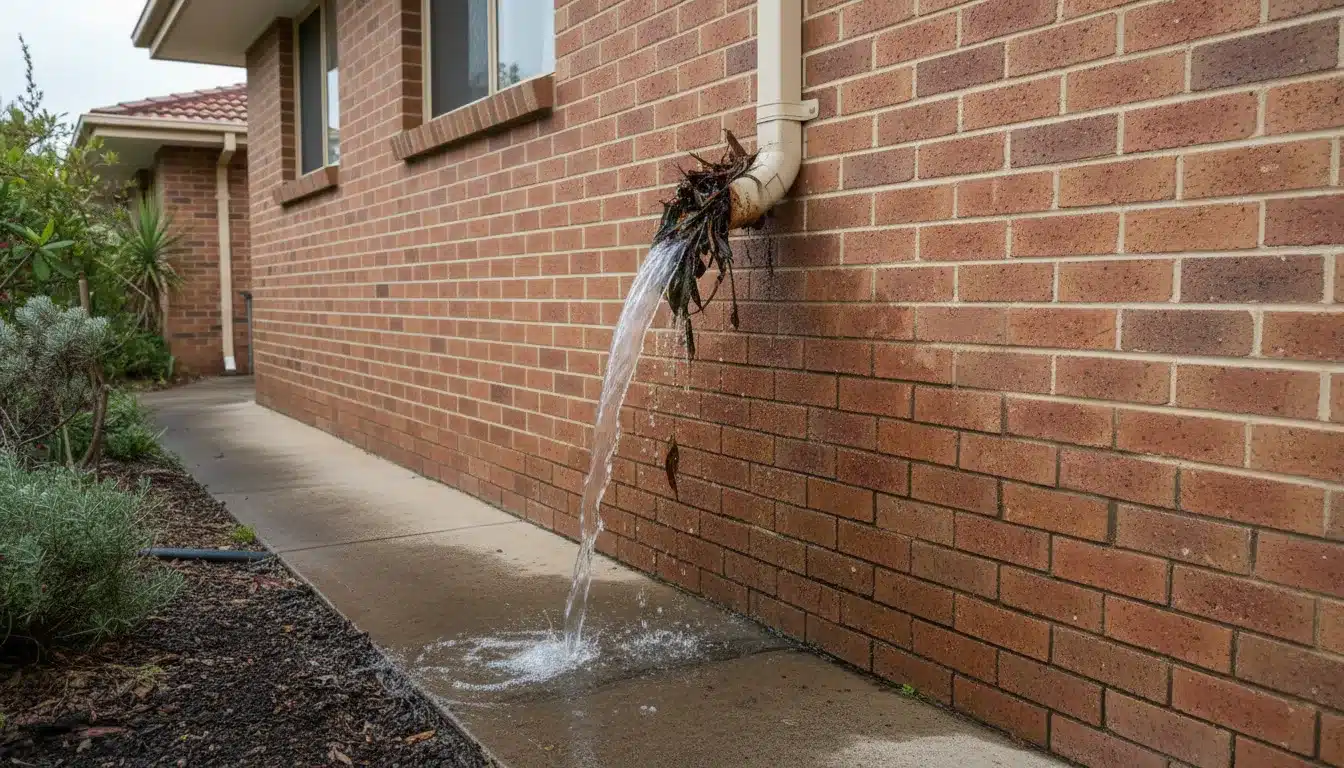
A tidy finish must not obstruct drainage. Mortar and pointing should not create pockets that hold water near caps, valleys or roof junctions. Gutters and downpipes also need to carry runoff away without backing water into eaves and adjacent roof areas.
Capping and drainage are connected parts of weather protection. Secure ridge and hip caps help protect the upper roofline, while clear water paths move rain towards the gutters. Each element still needs to be assessed and repaired according to its own condition.
What Affects A Mortar Colour Match
Several variables affect cured colour, and they do not all behave predictably from a quick glance at a wet mix. The surrounding roof and the conditions during application both matter.
Sand, Cement And Pigment Set The Base Tone
As general trade principles, sand and cement establish the underlying tone, while compatible pigments can alter it. Sand colour and grain size also influence texture. Strong colour adjustment can look artificial, so control and consistency matter across the repair area.
This does not mean bedding should copy the face of one tile. Mortar sits between tiles and existing capping, and the right visual reference is usually the complete roofline. Our wider Permacoat work considers how repairs, preparation and the finished surface relate across the roof rather than chasing one isolated colour sample.
Water And Curing Shift The Shade
Water content changes the appearance of a fresh mix. Heat, shade and wind then affect the rate at which moisture leaves it. A sample viewed wet or in deep shade may not represent how it will look after curing in full sun.
Consistency matters when work covers a longer ridge or several hips. Uncontrolled changes between batches can leave bands of slightly different colour. Planning the work area and allowing for curing reduces that risk without pretending every weathered surface can be matched exactly.
Light And Roof Pitch Change Perception
A colour viewed at ground level may look different once it is on a sloping roof. Morning and afternoon light can emphasise separate planes, while shadows beneath caps deepen the apparent tone.
For owners considering a wider appearance change, our roof colours help frame the available palette. A local ridge repair, however, should normally respond to the roof as it looks now unless painting or coating is already part of the agreed scope.
How We Plan A Seamless Roof Repair
A seamless result comes from a sequence of practical decisions. We inspect first, confirm whether the issue is isolated or widespread, and then align the repair method and finish with the existing roof.
Inspect The Whole Roofline
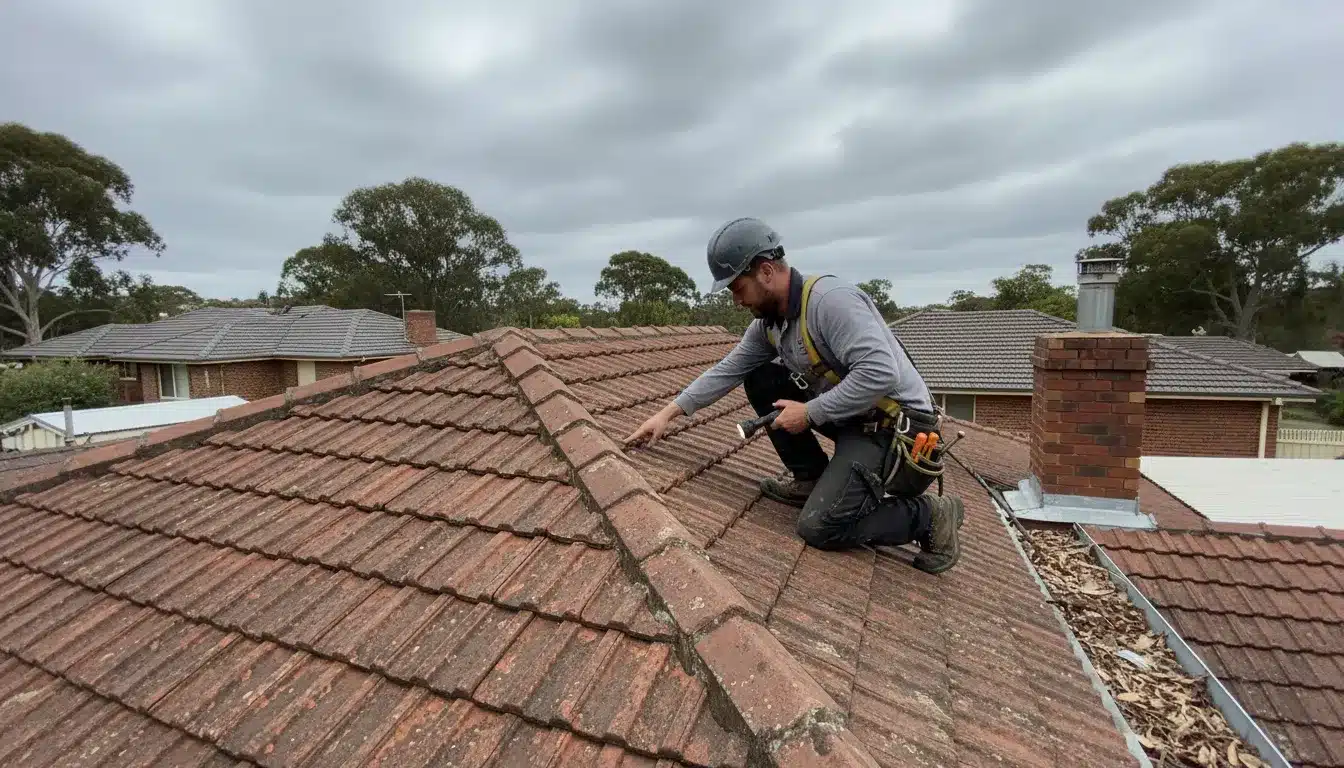
The visible crack is a starting point, not always the full boundary of the problem. Nearby ridge sections, hips, tiles, flashings and valleys can reveal movement, runoff marks or older patches. Inside the roof cavity, water staining may also help trace a leak away from the place where it first appeared indoors.
Roof access carries serious fall risks. Homeowners can photograph visible changes from a safe position, but should not climb onto a roof to compare mortar or test loose caps. Safe Work Australia advises that working at heights requires fall risks to be eliminated or minimised with suitable controls.
Choose The Right Scope
A short, isolated defect may suit a local repair if the surrounding bedding remains stable. Repeated cracking, movement across a longer line or deterioration across several roof areas may justify a wider scope. The decision should come from condition, not from a desire to make the job larger.
Preparation also affects whether later roof painting will perform evenly. If painting is planned, broken tiles, loose capping and leaks should be dealt with before a coating is applied rather than hidden beneath a new colour.
Compare Sound Nearby Sections
The most useful visual reference is often sound mortar close to the repair. It has experienced similar sun, rain and runoff. Several points should be checked because a shaded hip and an exposed ridge can differ on the same home.
Old patch repairs need judgement. If they are visually inconsistent or failing, they should not dictate the new work. Matching the broader roof helps avoid adding another obvious stripe.
Plan For The Finished Surface
A local repair and a full coating project have different visual goals. Local work seeks to blend with existing weathering. A broader roof coating changes the overall surface, so repairs need to provide a sound and compatible base for the chosen system.
That distinction prevents colour work from getting ahead of repair work. Coating cannot stabilise failed bedding, and matched pointing does not remove the need to replace broken tiles or correct a proven water path.
Where Mismatches Show Most Clearly
Some parts of a roof expose colour differences more strongly than others. Visibility, light and the length of the repaired line all affect the result.
Street-Facing Ridges
Front ridges frame the roof and are easy to see from a driveway or footpath. Strong afternoon light can turn a small shade difference into a prominent stripe. A consistent texture and clean transition are as important as the basic colour.
Hips On Multi-Slope Roofs
Hips are viewed from several angles, so a repair can look balanced from one position and conspicuous from another. Checking the surrounding planes helps prevent a colour that works only in one patch of shade.
Gutters, Valleys And Runoff Paths
Runoff can darken mortar or leave deposits near valleys and lower junctions. Drainage faults can also create staining that makes a colour match harder to judge. If those components are deteriorated, our gutters and downpipes can be assessed separately or alongside broader roof work.
The visible stain should not simply be copied into fresh material. First identify whether it reflects normal ageing, dirt or an active drainage issue. Otherwise, a repair may be matched to a condition that should have been corrected.
Common Mistakes That Make Repairs Look Obvious
Most poor visual outcomes come from choosing a colour too quickly, ignoring texture or treating surface work as a substitute for structural repair.
Matching One Tile Instead Of The Roofline
A mortar colour does not need to duplicate one tile face. The tile may be unusually faded, stained or shaded, and mortar occupies a different visual plane. Compare several sound sections and consider the line as a whole.
Ignoring Curing And Batch Consistency
A wet sample is not the finished shade. Making large adjustments before it begins to cure can overshoot the target. On larger work areas, inconsistent batches may be more noticeable than a modest difference from old weathered mortar.
Patching Over Wider Failure
A bright local patch can draw attention, but appearance is the smaller problem if nearby bedding is also loose. Recurring cracks and several displaced caps indicate that the repair boundary needs another look.
Where deterioration is extensive or the roof system has reached the end of a practical repair cycle, re-roofing may be considered after a proper assessment. It should not be presented as the automatic answer to a simple mortar mismatch.
Treating Colour As A Substitute For Workmanship
Matching mortar colours contribute to a settled finish, but strength, preparation, cap seating, water shedding and safe application remain essential. The visual result is one part of competent roof work, not a cover for defects beneath it.
Questions To Ask Before Work Starts
Ask which sections are loose, which remain sound and whether the proposed work is re-bedding, repointing or a smaller repair. Those answers establish what is being fixed before the conversation turns to colour.
It is also reasonable to ask how the finish will respond to existing weathering, previous patches and any planned painting. For strata properties, agreeing on scope and appearance before work starts can reduce inconsistent repairs across connected roofs, and our strata roofing can address those shared maintenance needs.
Photographs taken safely from the same ground-level position can help compare the roof before and after work. Use similar light where possible, since a ridge can look markedly different across the day.
Choose A Repair That Looks Settled
Matching mortar colours work best when colour, texture and repair scope are considered after the roof defect is understood. A neat shade cannot rescue unstable bedding, while structurally correct work deserves a finish that does not leave the roof looking unnecessarily patched.
Look for cracking, movement, broken tiles and interior water marks, then arrange an inspection rather than testing ridge caps yourself. We can assess whether the issue needs local repair or a broader plan and get in touch with us for a practical next step that suits the roof’s condition.