Concrete and terracotta roof tiles can look similar from the street. Both shed rain through overlapping courses, both can crack, and both can last for decades when maintained correctly.
The repair approach is not the same. Terracotta repair techniques need different handling because fired clay behaves differently from cement based concrete tile.
Clay tile maintenance also needs a different eye for surface wear, glaze loss, brittleness, and tile movement. Treating every tiled roof the same can lead to poor repairs and repeat leaks.
Why Tile Material Changes the Repair Method
A roof tile is not only a shape. Its material affects weight, porosity, strength, surface finish, and how it responds to heat.
Concrete tiles are usually thicker and more porous. Terracotta tiles are fired clay, often harder on the surface but more brittle under point pressure.
Concrete Tiles Absorb and Weather Differently
Concrete tiles are made from sand, cement, and pigments. Their surface can weather as coating wears and pores open over time.
A concrete tile may show colour fade, surface pitting, moss growth, and moisture absorption. Repairs often consider coating conditions as well as cracks.
When concrete tiles become porous, the repair may need roof cleaning, sealing, coating, or tile replacement. The right choice depends on age and roof condition.
Terracotta Tiles Are Fired Clay
Terracotta tiles are fired at high temperatures. Many have a glazed or vitrified surface that handles water differently from concrete.
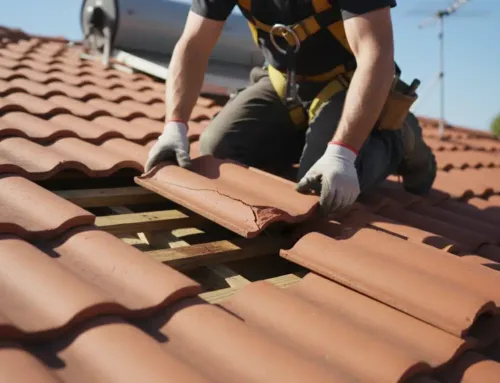
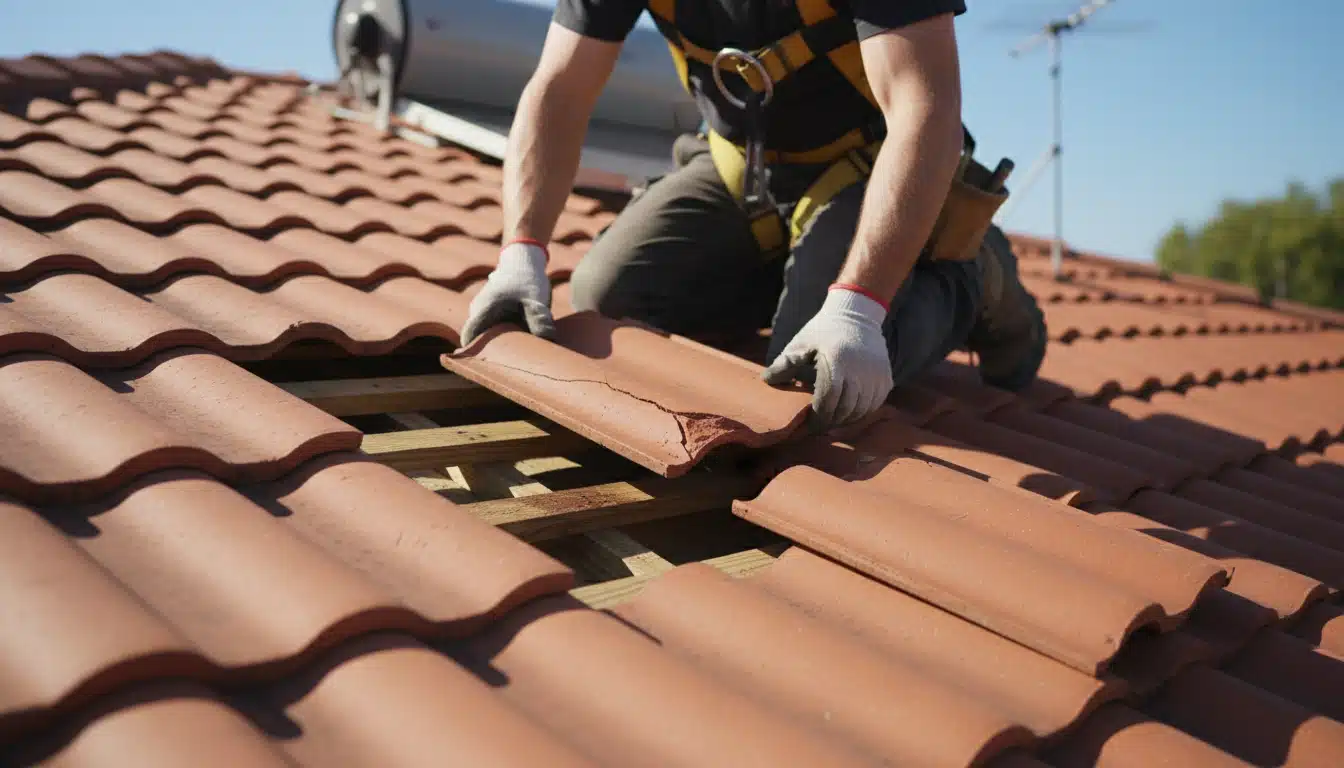
That surface can be durable, but the tile can be brittle. Pressure from foot traffic, ridge work, or careless handling can break corners or noses.
Terracotta repair techniques often focus on careful access, exact profile matching, and avoiding coatings that do not suit the tile surface. That sits with Roof cleaning.
How Inspection Differs Between the Two Roof Types
A repair should start by identifying the tile material and profile. That step affects every decision that follows.
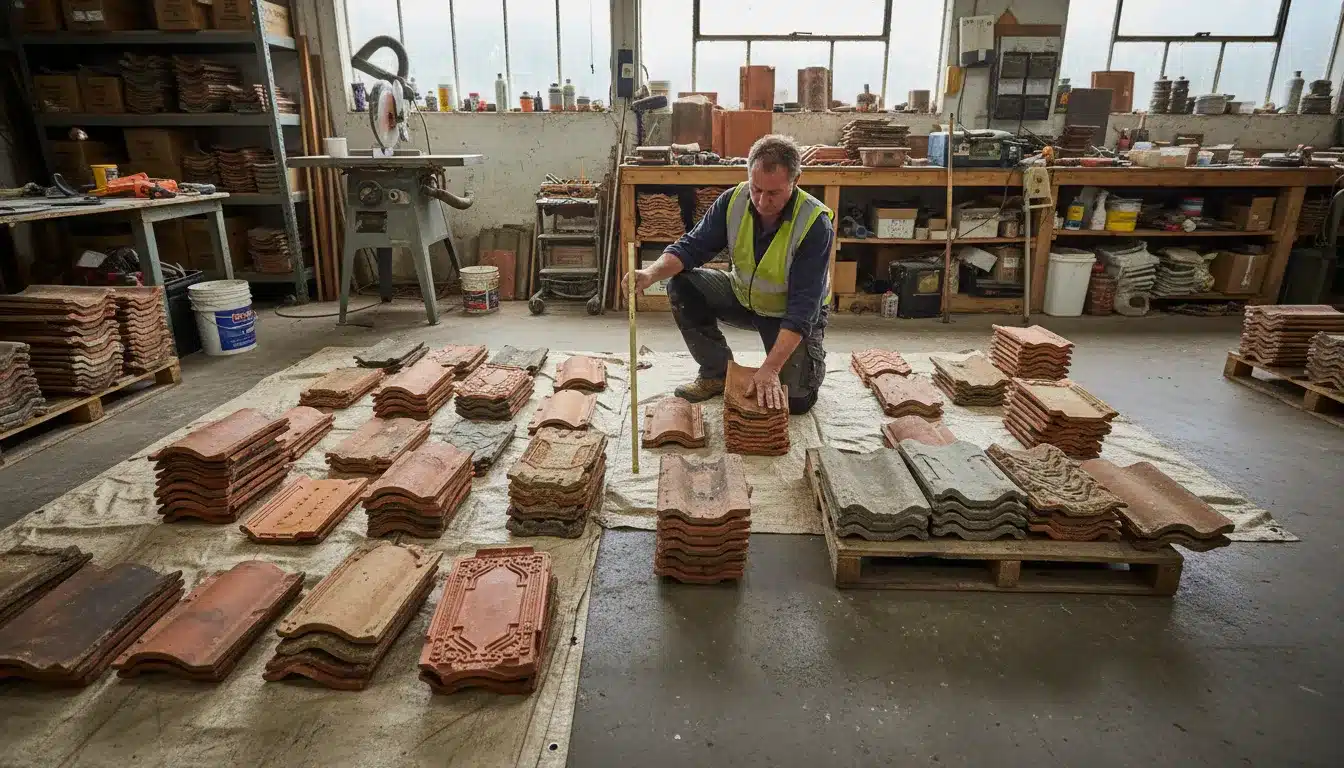
The inspector should look at tile thickness, underside markings, surface finish, edge shape, and how the tile seats on the battens. Material confusion can lead to mismatched repairs.
Surface Wear Tells Different Stories
On concrete tiles, surface wear can suggest coating failure or porosity. A dull, sandy, or powdery finish may point to ageing concrete.
On terracotta tiles, surface changes may show glaze loss, crazing, chips, or impact marks. These signs need a different interpretation.
A faded concrete tile may still be structurally sound. A glossy terracotta tile with a hidden crack may be more urgent than it first appears.
Sound and Movement Matter
Tiles can sometimes be checked by gentle movement and visual inspection. Loose seating, rocking, or displaced laps can reveal trouble.
Terracotta tiles may crack sharply and stay in position. Concrete tiles may chip, fracture, or crumble around edges depending on age.
Any inspection must avoid creating extra damage. Poor foot placement can break brittle clay tiles or aged concrete tiles.
Profile Matching Is Critical
Replacement tiles must match the roof profile. Concrete and terracotta profiles can share similar names but seat differently.
A poor match can lift adjacent tiles or leave a water path beneath the overlap. The roof may then leak even though the broken tile was replaced.
Older Perth roofs may use discontinued profiles. Accurate identification is part of good clay tile maintenance and concrete tile repair.
Repair Techniques for Concrete Tiles
Concrete tile work often balances individual tile repairs with broader surface condition. A single crack may be simple, but widespread porosity needs a wider plan.
The roof age, coating condition, and storm exposure all influence the correct repair sequence. Jumping straight to coating can hide faults that need replacement first.
Replacing Cracked Concrete Tiles
A cracked concrete tile should be removed carefully, then replaced with a matching tile that sits flat and follows the existing lap. Our roof tile repairs also account for the condition of adjacent tiles.
Concrete tiles can chip around edges during removal. The repair area needs debris cleared so the replacement does not sit high.
If nearby tiles are weak or porous, replacing one tile may not solve the whole issue. The surrounding roof surface may also need attention.
Sealing and Coating Considerations
Concrete tiles are often suitable for cleaning, sealing, and roof coatings when the roof structure and tile condition support it. This can reduce moisture absorption and refresh the surface.
Coating should not be used as a shortcut over broken tiles, poor bedding, or failed flashing. Those defects need repair before any surface system is applied.
The coating system also needs proper preparation. Dirt, moss, chalking, and loose material can stop adhesion.
Bedding and Pointing Around Concrete Tiles
Ridge caps on concrete tile roofs rely on sound bedding and flexible pointing. Cracked mortar can let water enter under caps. Permacoat treats that as part of the same roof, not a separate product.
Our roof repairs can involve removing loose bedding, resetting caps, and applying suitable flexible pointing. We also check the tile condition around the ridge at the same time.
A ridge repair can fail if the surrounding field tiles are already cracked or displaced. The roof works as a connected system.
Repair Techniques for Terracotta Tiles
Terracotta repairs demand careful handling. The tile may be strong under normal weather but vulnerable to point pressure.
The main priorities are matching the tile, protecting the surface, and avoiding treatments that trap moisture or change the character of the clay.
Handling Brittle Clay Tiles
Terracotta tiles should be lifted and moved with care. Corners, noses, and side laps can break if forced.
Walking paths need planning. Weight should be distributed carefully, and access should avoid unsupported tile areas where possible.
A repair that breaks extra tiles during access is not a successful repair. Permacoat treats careful movement as part of the technique, not as an optional extra.
Avoiding the Wrong Surface Treatment
Terracotta roofs are not always candidates for the same coating approach used on concrete roofs. Some glazed clay tiles do not accept coatings in the same way.
Applying an unsuitable coating can affect appearance, adhesion, and moisture behaviour. It may also create maintenance issues later.
Terracotta repair techniques should respect the original tile surface. Cleaning, replacement, and targeted tile roof restoration are often more appropriate than broad coating.
Matching Colour and Profile
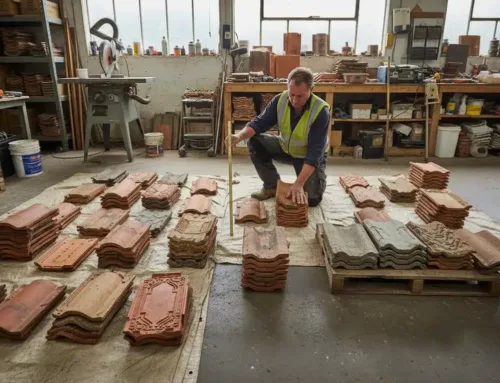
Terracotta tiles can vary by clay source, firing, age, and glaze. A replacement tile must match both profile and visible character.
Colour variation can be obvious on older roofs. Even a correct profile may stand out if the surface tone is too new.
This is why we consider profile, age, and roof appearance during tile repair planning. A technically correct tile should also sit naturally within the existing roof.
Choosing the Right Repair Path
The correct repair path depends on the tile material, the fault type, and the condition of the whole roof. A crack, a leak, and a faded surface are not the same problem.
A practical roof assessment should separate urgent water entry from longer term restoration needs. That prevents small repairs from becoming unnecessary full roof work.
When Replacement Is Enough
Replacement may be enough when the issue is limited to one or several cracked tiles and the roof surface is otherwise sound. The cavity should still be checked for moisture.
This is common after storm debris, trades access, or isolated impact. Once matching tiles are fitted, the roof can return to proper water shedding.
The replacement should be tested visually through the lap lines. A tile that sits high can create a new problem.
When Restoration Should Be Considered
Concrete roofs with widespread surface wear may need more than individual repairs. Cleaning, bedding work, sealing, and roof painting can become part of a wider restoration plan.
Terracotta roofs may need broken tile replacement, ridge repairs, valley checks, and careful cleaning. The approach should suit clay tile maintenance rather than generic coating work.
Restoration should follow diagnosis. A roof with active leaks needs repair before surface improvement.
When Re-Roofing Becomes More Sensible
Where damage is widespread, the roof repair cost depends on how many tiles need attention, whether matching replacements are available, and whether supporting components also need work. We assess the whole roof before recommending piecemeal repair or a broader scope.
That decision should be based on tile supply, leak history, roof age, and the cost of repeated maintenance. It should not be based on appearance alone.
A clear inspection report helps compare repair, restoration, and replacement options without guessing.
How Age And Moisture Change The Decision
Age also changes the decision. An older concrete roof with many porous tiles may need a restoration conversation, even if the current leak comes from one break. An older terracotta roof may need a supply conversation because matching clay profiles can be harder than expected.
Moisture testing can support the decision, but visual evidence still matters. A concrete tile that absorbs water quickly may point to surface deterioration. A terracotta tile with a clean surface but cracked side lap may need targeted replacement rather than coating.
The repair sequence should protect the roof before improving appearance. Broken tiles, failed pointing, and leaking flashings should be corrected first. Cleaning or coating before those tasks can hide defects and make later diagnosis harder.
Access Planning For Each Tile Type
Access planning is especially important with clay tiles. A technician may need to approach from a valley, ridge line, or ladder position that spreads weight safely. Rushing across brittle terracotta can create extra breakages and turn a focused repair into a larger task.
Concrete roofs need their own care during access. Aged concrete tiles can crumble at noses or edges, especially after years of heat and moisture. The surface may look strong from above while the underside has become weak.
Quotes Materials And Colour
Homeowners comparing quotes should look for material specific wording. A useful repair scope should name the tile type, state whether matching tiles are available, and explain whether the roof needs replacement, restoration, or isolated repair. Vague wording can lead to unsuitable methods.
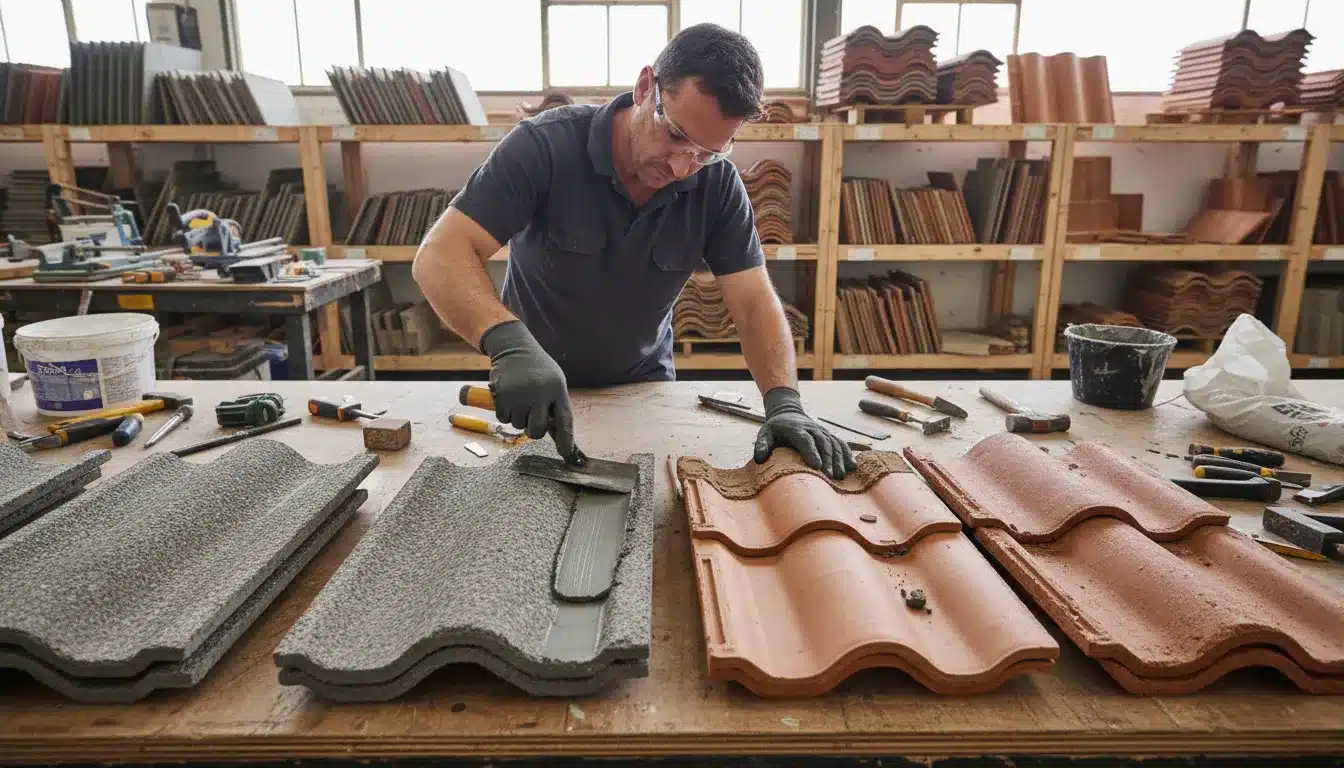
Repair materials should also match the roof material. Mortar, pointing, sealants, primers, and coatings all interact with concrete and terracotta surfaces differently. A product that bonds well to a prepared concrete tile may not suit a glazed clay surface.
Water behaviour after repair is another useful check. Concrete tiles with worn surfaces may darken quickly during rain, while terracotta tiles may shed water more sharply until a crack or lap fault appears. Observing that behaviour can help confirm whether the repair has addressed the actual risk.
Colour expectations should be discussed before work begins. Concrete restoration can often create a more uniform finish across a roof plane. Terracotta repair may preserve natural variation instead. The preferred result should suit the tile type, not a generic idea of a new looking roof.
Final Inspection And Records
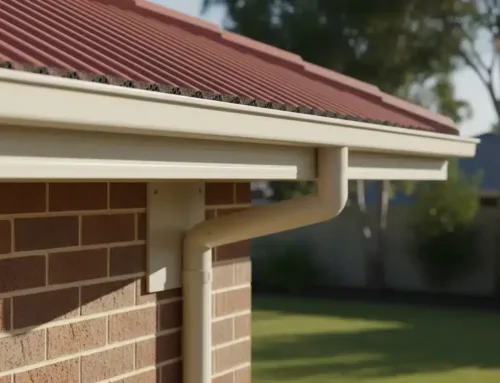
A final inspection should look beyond the repaired tile. Ridge caps, valleys, flashings, and gutters and downpipes can all influence tile leaks. The material specific repair is strongest when the surrounding roof details are sound.
Good repair notes should remain with the property records. They help later inspectors understand which material was repaired, which profile was used, and whether any broader roof condition was identified.
Frequently Asked Questions
Are Concrete and Terracotta Tile Repairs the Same?
No. Concrete tiles are cement based and often more porous. Terracotta tiles are fired clay and usually need more careful handling.
Can Terracotta Roof Tiles Be Coated Like Concrete Tiles?
Not always. Some terracotta surfaces are unsuitable for standard coating systems. The tile surface must be assessed first.
What Are Common Terracotta Repair Techniques?
Common methods include careful tile replacement, profile matching, ridge repair, valley checks, and cleaning suited to fired clay surfaces.
Why Does Clay Tile Maintenance Need Specialist Care?
Clay tiles can be brittle and may have glazed surfaces. Poor access or unsuitable treatment can create more damage.
How Can a Homeowner Tell Which Tile Type Is on the Roof?
Surface finish, thickness, underside markings, and profile can help. A roof inspection is the safest way to confirm material and repair needs.
Choosing a Material-Specific Repair
Concrete and terracotta roofs need different repair decisions. Concrete work may combine tile replacement with preparation, sealing, and coating when the surface remains suitable. Terracotta work depends more heavily on controlled access, matching the fired clay profile, and preserving a glazed or vitrified surface. We choose the method only after identifying the tile and the defect, so the repair addresses water entry without creating avoidable damage.
If you need a clear repair path for terracotta repair techniques or clay tile maintenance, contact us to arrange an assessment of the tile material, profile, surface, and surrounding roof details.