A single cracked roof tile can look harmless from the ground. The rest of the roof may appear sound, and the mark might be hard to see unless the sun catches it.
That small break can still give rain a direct path beneath the tile course. Once water reaches battens, sarking, or insulation, ceiling damage prevention becomes harder and more expensive.
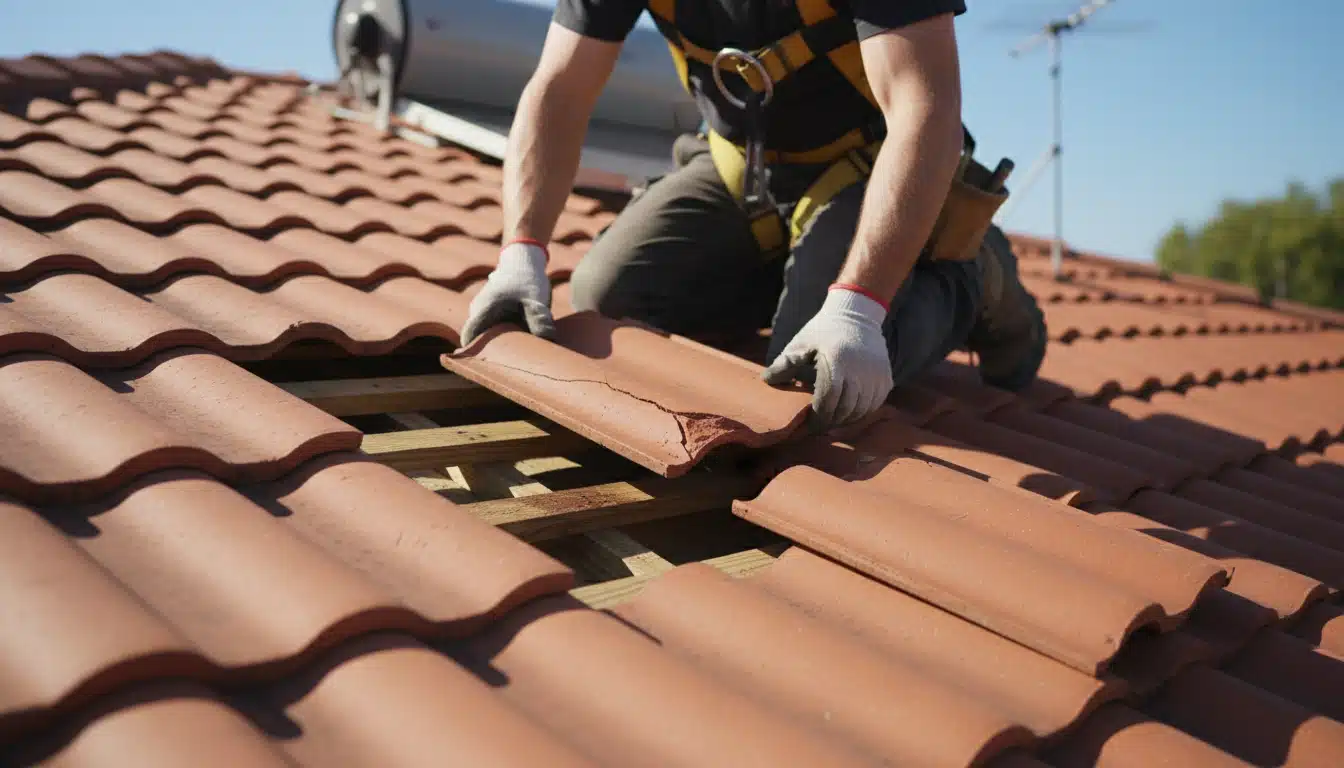
Cracked tile repair is often treated as a minor maintenance job. In practice, one timely tile swap can protect plasterboard, paint, cornices, insulation, electrical fittings, and the roof frame below.
The practical response is to replace the damaged tile, inspect the surrounding overlaps and check below it for moisture evidence. Acting before the next strong front keeps a local roof defect from becoming a larger interior repair.
Why One Cracked Tile Can Become a Ceiling Problem
Tiles are designed to overlap, shed water, and keep the under-roof area dry. A crack interrupts that simple drainage pattern.
The danger is not only the opening itself. The crack can redirect water sideways beneath the tile above it, then into a gap that was never meant to carry water.
The Crack Creates a New Water Entry Point
A tile crack may follow the curve of the tile, run across a water channel, or split the nose of the tile. Each pattern changes how rain moves.
When water crosses the broken line, capillary action can pull moisture into the joint. Wind can then push rain under the lap during stronger weather.
This is why cracked tile repair matters even when no ceiling stain exists yet. Our tile repairs address the damaged tile before the ceiling becomes the first obvious warning.
The Ceiling Is the Last Warning Sign
Plasterboard does not usually stain the first time a small amount of water enters a roof. Insulation, timber, and dust can absorb moisture before it appears below.
A brown ring, bubbling paint, or cracked cornice may arrive after several rain events. By then, ceiling damage prevention has become repair planning. That sits with tile repairs.
The absence of a stain should not be treated as proof that a cracked tile is safe. It may only mean the water has not reached the final drip point.
How Cracked Tiles Usually Fail in Perth Conditions
Perth roofs deal with long heat exposure, sudden winter fronts, salt air in coastal suburbs, and occasional impact from branches or trades. Those conditions make small cracks move.
Concrete and terracotta tiles also age differently. Some cracks stay tight in dry weather, then open slightly during temperature change or wind movement.
Heat Movement Widens the Opening
Roof tiles expand and contract as temperature changes through the day. A fine crack can open and close through that cycle.
Movement may be too small to see from the ground. It can still be enough for wind driven rain to enter under the overlap.
Repeated expansion can also loosen the tile around the crack. The tile may then sit proud, rock under foot traffic, or expose a larger gap during storms.
Foot Traffic Can Turn a Hairline Crack Into a Break
Many cracked tiles start after antenna work, solar work, gutter cleaning, or unplanned roof access. A tile may crack under weight but remain in place.
The roof then looks intact until the next heavy rain. The fracture line becomes a water path, especially if the tile sits near a valley, ridge, or roof penetration.
Any roof access should include a check for broken corners, cracked noses, and displaced tiles. Damage found early is usually simpler to correct.
Old Repairs Can Hide a Weak Tile
A previous sealant patch can make a tile look repaired. Sealant on a tile is often a temporary measure, not a permanent tile replacement.
UV exposure hardens many patching products. The seal can shrink, split, or lift away from the tile surface.
A patched crack should be monitored closely. Where aging, damaged tiles are part of a broader problem, our tile roof restoration work begins by identifying and correcting those defects rather than relying on an old surface patch.
Where a Broken Tile Causes the Most Damage
Not every cracked tile carries the same risk. Location matters because some areas handle more water, more wind pressure, or more hidden travel paths.
A tile near the edge of a roof may feed water into eaves. A tile higher on the roof can send water down rafters before the ceiling shows damage.
Tiles Above Living Areas
A cracked tile above a bedroom, hallway, or lounge room can lead to ceiling staining quickly. These areas often have insulation directly below the roof line.
Wet insulation can hold water against plasterboard. It may also spread moisture beyond the original leak path.
This makes the ceiling stain appear wider than the roof fault. The visible damage can then seem confusing during inspection.
Tiles Near Valleys and Flashings
Valleys carry concentrated water flow from two roof planes. A cracked tile near a valley may receive more water than a tile on an open field.
Flashing areas behave in a similar way. Water near skylights, chimneys, walls, and vents can be redirected beneath nearby tiles.
A small fracture near those junctions needs prompt attention. The surrounding roof detail can increase the leak risk. Permacoat treats that as part of the same roof, not a separate product.
Tiles Close to Gutters and Eaves
Cracked tiles close to the gutter line can feed water into fascia, eaves, and wall cavities. This path can avoid the ceiling at first.
The first signs may be swollen eaves, peeling paint, or damp marks near external walls. These symptoms can be mistaken for gutter overflow.
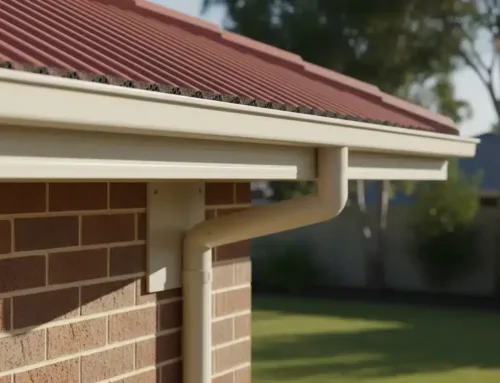
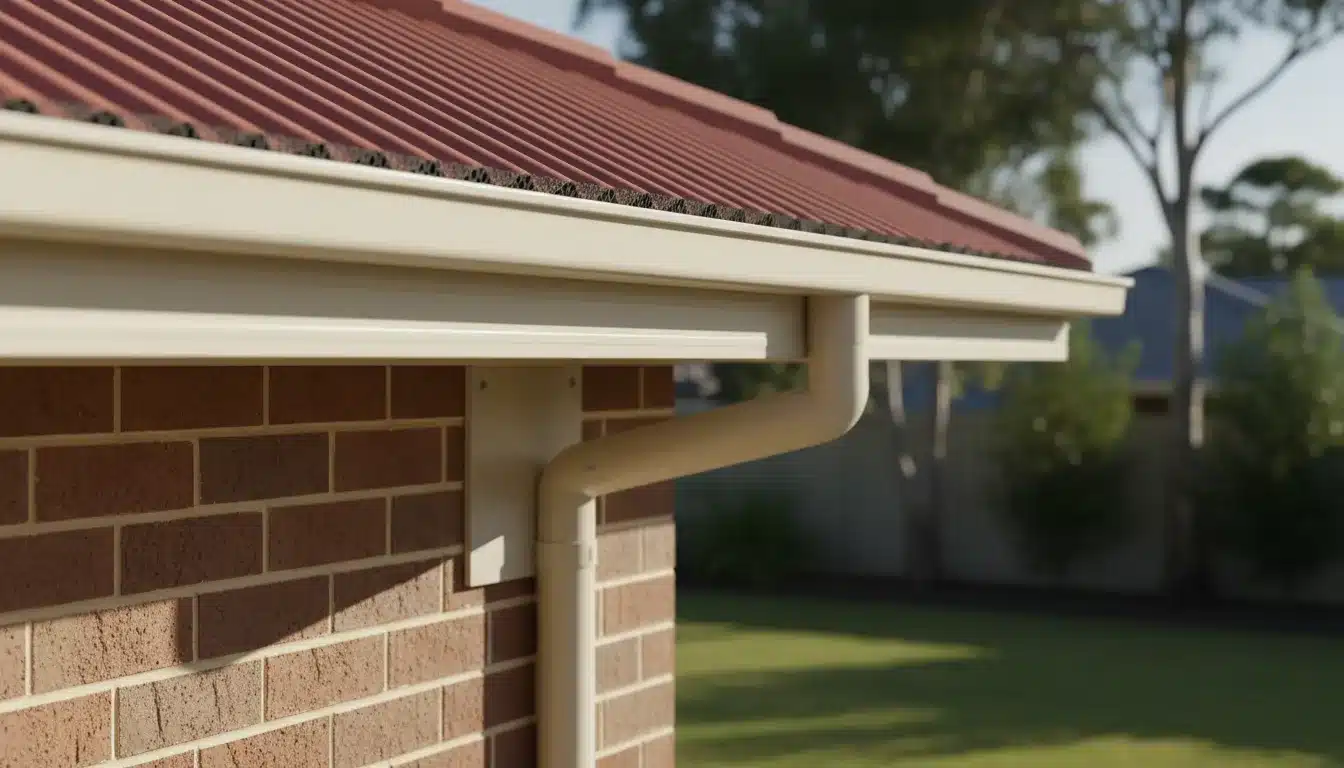
Checking the tile line above the eaves helps separate cracked tile repair from drainage work. Our gutter and downpipe work is relevant when damaged or ineffective drainage components are contributing to the moisture problem.
The Practical Inspection Sequence
A proper inspection does not begin and end with the cracked tile. The tile is the visible clue, but the surrounding roof has to confirm the full issue.
The aim is to replace the damaged tile, check whether water has travelled beneath it, and make sure nearby roof parts still shed water correctly.
Start with the Tile and Its Overlaps
The broken tile should be checked for crack direction, missing corners, chips, and movement. The tiles above and beside it need the same attention.
A crack that crosses a water channel is more serious than a surface chip. A tile that rocks or sits unevenly can also admit water.
The overlap should be clear of debris. Leaves, grit, and moss can hold moisture against the tile lap and increase capillary draw. Where build-up obscures the roof condition, roof cleaning can prepare the surface for a clearer assessment, but it does not replace the tile repair.
Check the Cavity for Moisture Evidence
If safe access is possible, the roof cavity should be checked below and downslope of the cracked tile. We follow the likely water path because moisture rarely falls in a perfectly vertical line.
Useful clues include damp insulation, stained timber, rusted fixings, musty smell, and marks on sarking. These signs show whether the fault has already leaked.
A dry cavity is good news, but it does not remove the need for tile replacement. It means the repair may have prevented later damage.
Confirm the Replacement Tile Fits Correctly
A replacement tile must match the profile, size, and seating pattern of the existing roof. A near match can create another leak point.
Older roofs may use discontinued profiles. In that case, spare tiles, salvage stock, or careful sourcing may be needed before work begins.
We assess Perth roof conditions where tile age, profile fit, and water movement all affect the result. Matching the tile properly matters as much as finding the crack.
What Happens If the Tile Is Left Alone
A cracked tile rarely improves by itself. The roof may stay dry through light rain, then fail during one angled storm.
Delay can also turn a small roof repair into ceiling work, insulation replacement, repainting, or cornice repair. Our roof repairs focus on correcting the active roof fault before interior damage spreads.
Hidden Moisture Can Build Slowly
Small leaks may dry between weather events. The roof cavity can still record each leak through staining, dust marks, and timber darkening.
Repeated dampness may affect insulation performance. It can also create musty odours and encourage mould growth in poorly ventilated roof spaces.
The ceiling may only show damage once the insulation becomes saturated. At that point, the visible symptom can appear suddenly.
A Ceiling Repair Can Cost More Than the Tile
Replacing one tile is usually a targeted roof task. Repairing a ceiling can involve plaster, paint, drying time, and possibly electrical safety checks. The factors behind repair costs include access, fault extent and related tile or flashing work, so the scope needs inspection rather than guesswork.
The ceiling finish also needs the roof to be dry first. Painting over a stain before the leak is fixed often leads to repeat work.
Cracked tile repair is therefore a prevention job. It protects the part of the home that is harder to inspect and more disruptive to restore.
Storms Can Expose the Weak Point Fast
Wind driven rain changes the pressure on tile laps. It can push water through a crack that stayed dry during calm rain.
A cracked tile near the western face of a Perth roof may only leak during specific storm directions. That intermittent pattern can mislead homeowners.
Why Damaged Tiles Should Be Replaced Promptly
The safest assumption is simple. A cracked water shedding tile should be replaced before the next strong weather front.
If inspection finds that cracking, poor seating and water entry affect many sections rather than one isolated tile, re-roofing may be a more sensible comparison than repeated local repairs. One cracked tile does not justify that scope by itself.
Leaks Near Electrical Fittings Need Extra Caution
The timing also affects safety inside the home. A small tile opening above a hallway light or exhaust fan can send moisture toward wiring before a stain becomes obvious. Any leak near electrical fittings needs caution because water can travel along framing and appear at the fitting, not at the entry point.
A single crack can also invite pests and debris into the tile lap. Fine leaves, grit, and dust collect around the broken edge. That trapped material holds moisture in place for longer after rain, which increases the chance of damp timber and staining below.
Documenting and Monitoring Roof Repairs
A sound prevention step is simple documentation. A photo of the cracked tile, its roof plane, and the nearest ridge or valley helps future inspections. If the tile has already been replaced, the repair date should be kept with other roof records.
Homeowners should also avoid stepping onto the roof to test the tile. A cracked tile can break completely under point pressure. Safe access equipment and correct foot placement reduce the chance of turning one damaged tile into several broken tiles.
Tile colour should not be ignored during replacement. A sound spare from the same roof may blend better than a new tile. If the cracked tile sits on a front roof plane, matching can matter almost as much as speed once the leak risk is controlled.
Finally, the ceiling should be watched after the repair. One or two rain events can confirm whether the visible crack was the only path. If the stain grows after replacement, the inspection should expand to nearby flashing, valleys, ridge caps, and drainage points.
Insurance and maintenance records can also benefit from early action. A dated roof repair note shows that the damaged tile was addressed before water entered the home. That can be useful when later ceiling marks need diagnosis.
The small repair also helps protect insulation value. Dry insulation performs better than damp insulation and is less likely to sag against the ceiling lining.
Repair the Damage Before Applying a Roof Coating
Surface finishing comes later. Roof coatings may suit a sound, properly prepared tiled roof after cracked tiles and active leak paths have been repaired, but a coating should not be used to cover a broken tile.
Frequently Asked Questions
Can One Cracked Tile Really Cause a Ceiling Stain?
Yes. One cracked tile can let water reach battens, insulation, or plasterboard. The stain may appear away from the crack.
Is Sealant Enough for Cracked Tile Repair?
Sealant may help as a temporary measure. A correctly matched replacement tile is usually a more reliable long term repair.
How Quickly Should a Broken Tile Be Replaced?
Replacement should happen before heavy rain if possible. Fast action supports ceiling damage prevention and limits hidden moisture.
What If the Tile Profile Is Discontinued?
A matching spare tile, salvage tile, or specialist sourced tile may be required. Near matches can create poor seating and leaks.
Should the Ceiling Be Repainted Straight Away?
No. The roof should be repaired and monitored through rain first. Repainting too early can hide an active leak.
Act Before the Water Reaches the Ceiling
A cracked tile is small, but its water path can reach insulation, timber, and plaster before any stain appears. Prompt replacement is one of the simplest ways to keep ceiling damage prevention ahead of repair costs.
We check the cracked tile, nearby overlaps and the likely water path so the repair matches the actual fault. For practical cracked tile repair before the next storm turns a small break into ceiling damage, contact us to arrange an inspection.