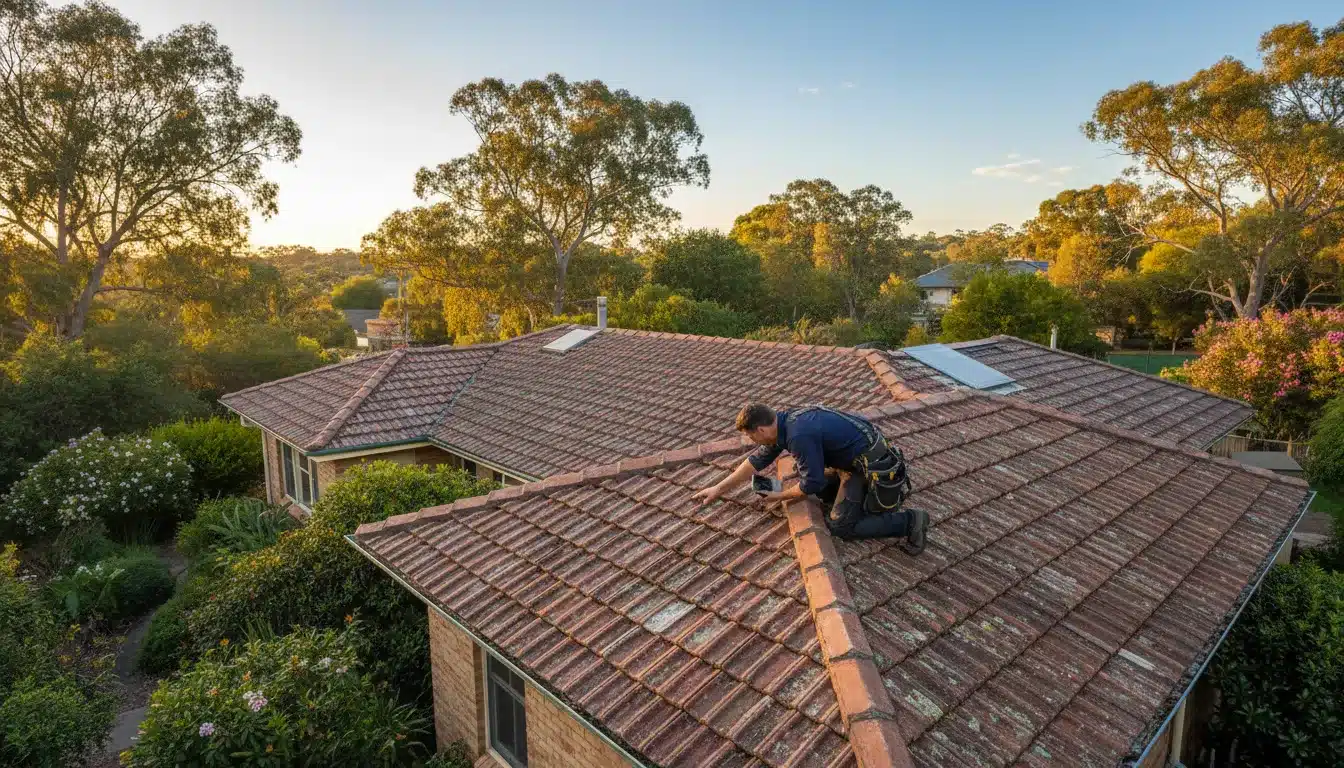
A roof can look tired long before it needs replacement. Faded coating, loose pointing, surface lichen and minor leaks can create concern. Yet many ageing roofs still have a sound base beneath the visible wear.
The decision should start with condition, not appearance. A roof that remains straight, stable and repairable may suit restoration. A roof with widespread structural failure may need replacement.
Perth weather adds extra pressure to that decision. Long UV exposure, coastal air and winter rain all test roof surfaces. Careful assessment helps avoid replacing materials that still have practical service life.
Why Restoration Can Beat Replacement
Restoration is strongest when the existing roof frame and covering remain fit for purpose. The goal is not to hide damage. The goal is to repair faults, prepare the surface and protect the roof with a suitable coating system.
Replacement becomes more likely when the roof covering has reached the end of its useful life. That can include severe tile fretting, widespread metal corrosion or repeated leaks from many separate areas. It can also apply when earlier repairs have failed too often.
Structural Condition Comes First
A stable roof line is the first positive sign. Sagging, spread or visible movement can point to deeper issues. Those signs need investigation before any coating or repair plan makes sense.
Useful condition checks include:
- Straight ridge lines and roof planes
- Dry roof cavity timbers after rain
- Flashings fixed firmly into place
- Battens that remain sound and secure
- No repeated leaks from the same junctions
A sound structure gives restoration a fair chance. A weak structure changes the discussion. The roof may need more than surface repair if the frame or covering cannot perform safely.
Surface Condition Sets the Next Test
Surface condition shows how much preparation is needed. Dirt, chalking, lichen and old coating failure can all be treated in many cases. Broken tiles, displaced ridge caps and failed sealant need repair before coating starts.
A roof with isolated defects often remains a restoration candidate. A roof with defects across every plane may not. The pattern matters more than a single cracked tile or a small patch of fading.
Inspection Signals Before Choosing
An inspection should separate repairable wear from end-of-life failure. Guesswork can lead to unnecessary replacement. It can also lead to coating a roof that should have been replaced.
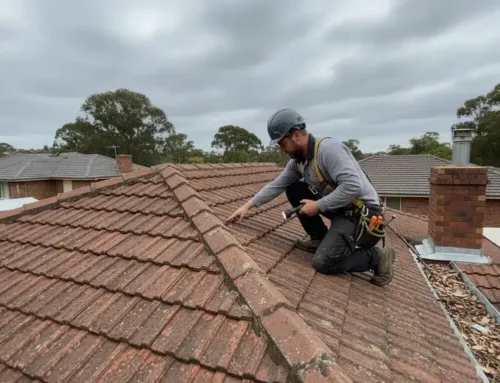
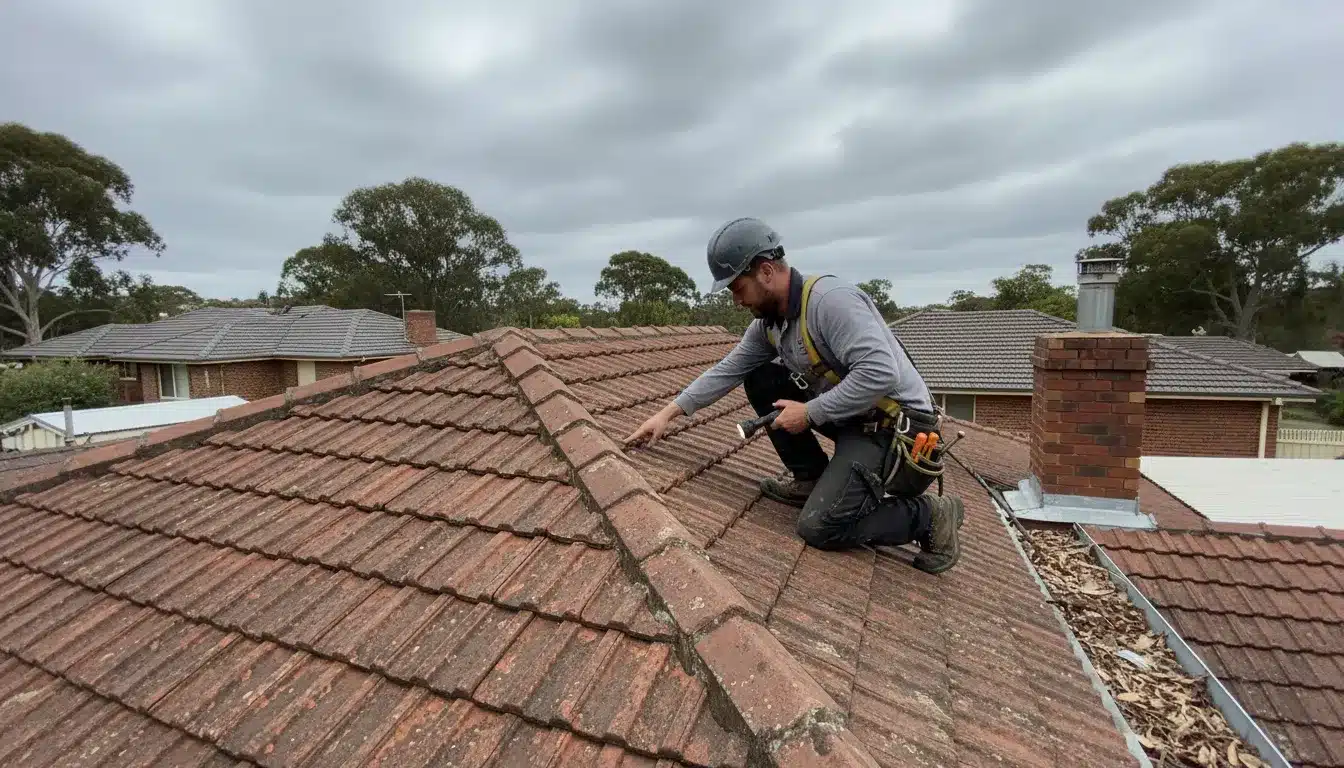
A thorough Perth roof inspection should include surface, drainage, flashing and roof cavity checks. It should also look at how water moves during heavy rain. Many leaks begin at junctions rather than broad roof planes.
What Inspectors Should Confirm
A strong inspection checks more than the most obvious leak. It reviews how the whole roof performs. That is especially important before winter, when small defects can become urgent.
Key points include:
- Cracked, slipped or porous tiles
- Open laps or damaged metal sheets
- Loose ridge capping and bedding
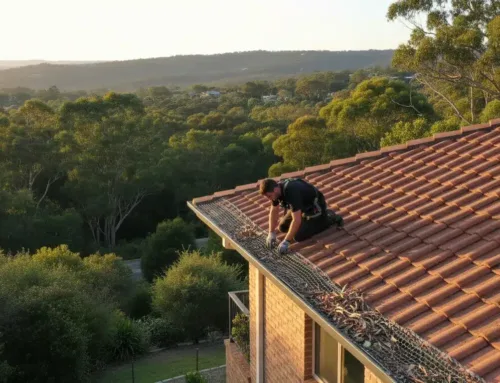
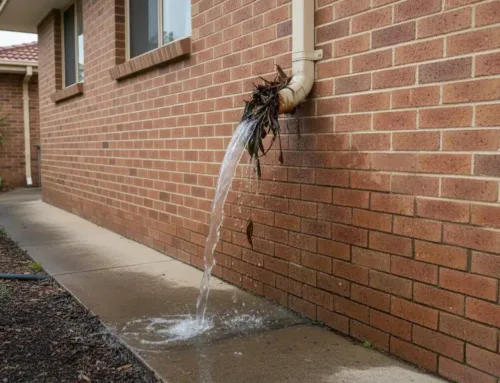
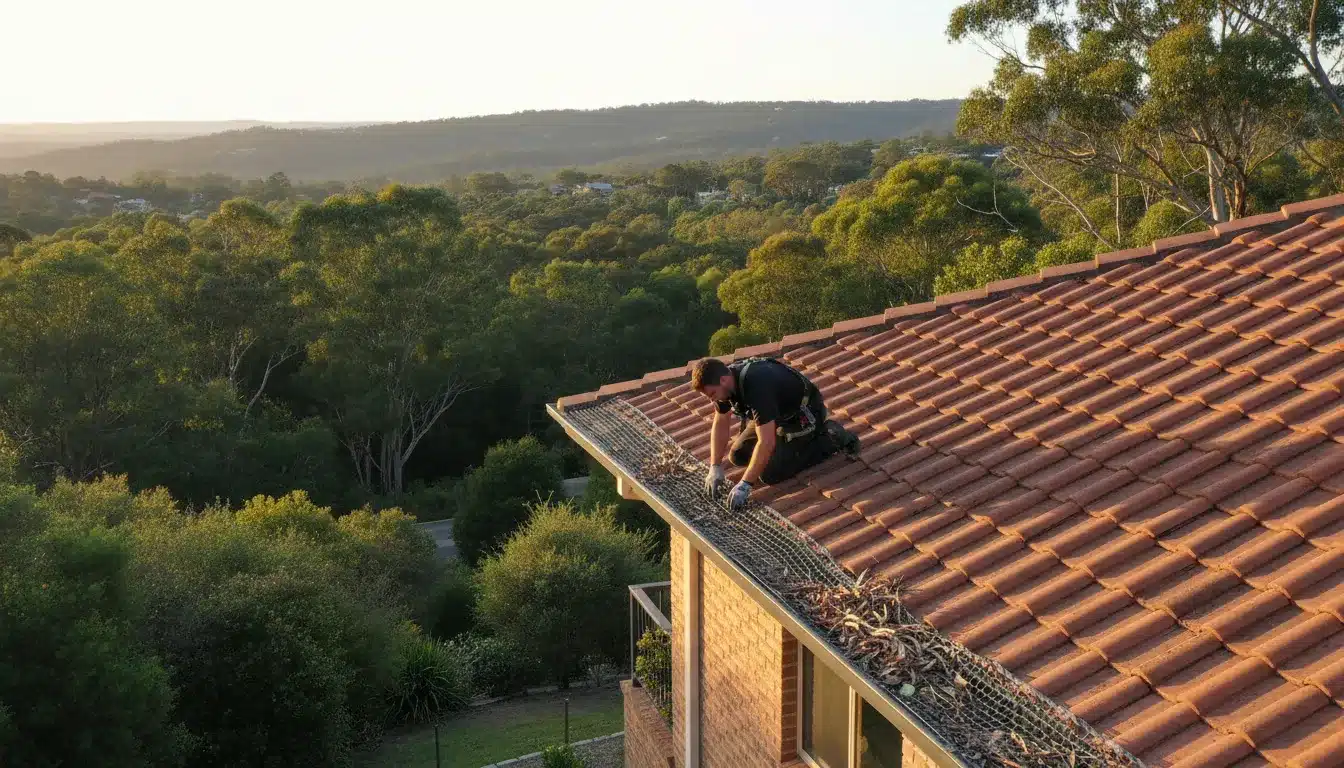
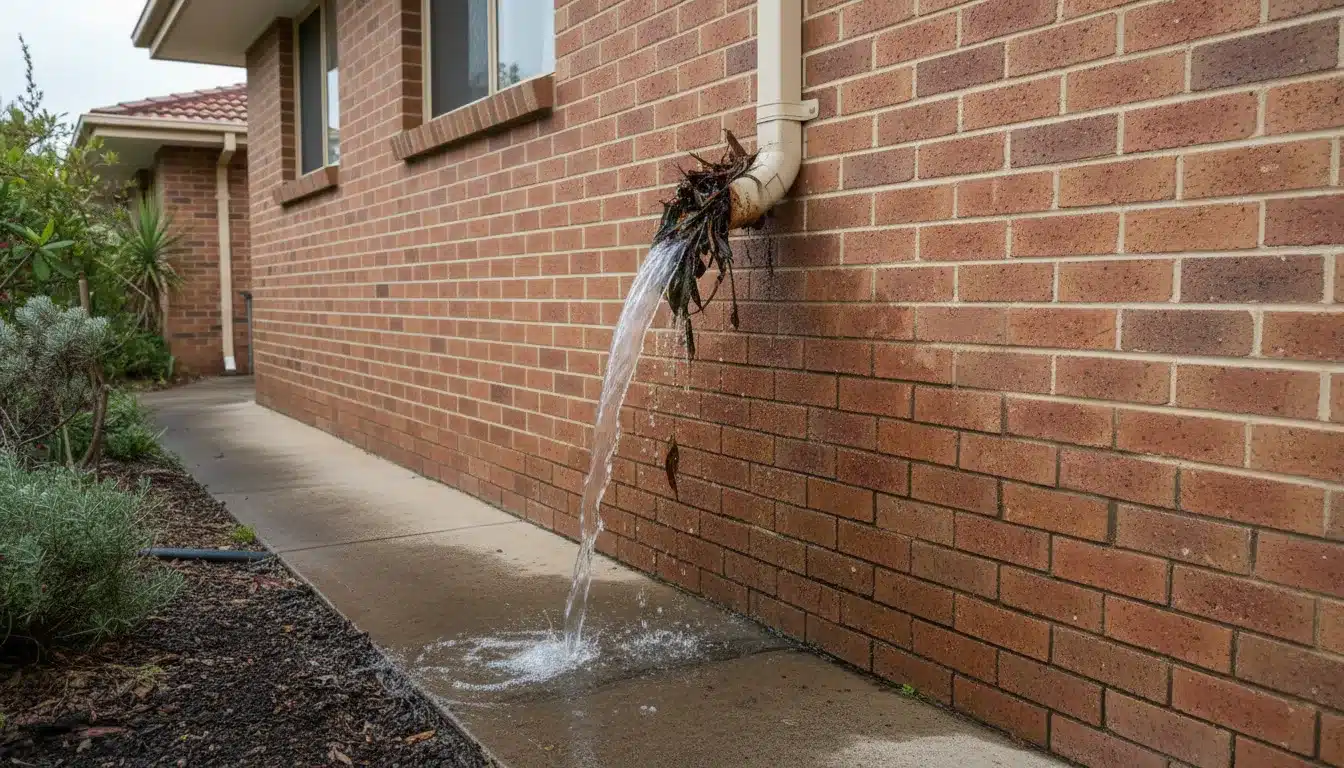
- Blocked valleys or gutter overflow
- Rusted fixings or flashings and damaged seals around penetrations
- Damp insulation or water staining inside the roof cavity
The outcome should be a practical scope. That scope may recommend restoration, targeted repairs or full replacement. The best decision depends on defect type, defect spread and remaining roof life.
When Replacement Gains Weight
Full replacement has a place. It may be the right option when the roof covering is too brittle, corroded or unstable to restore. In those cases, re roofing in Perth can solve problems that coating cannot address.
The case for replacement grows when defects keep returning after repair. It also grows when many tiles crumble during access. Old metal roofs with extensive rust under laps may also fall into this category.
Replacement can also support major design changes. Tile to metal conversion may reduce weight and create a cleaner modern profile. Yet the decision should still rest on condition, performance and value.
How Coatings Extend Value
Coatings work best as part of a system. Roof cleaning, repairs, priming and finishing coats all affect durability. Skipping preparation can shorten the coating’s service life, even when the product is suitable.
Roof painting on a well-prepared surface can improve protection against UV exposure and weathering. It can also provide a cleaner colour finish. The benefit depends on choosing the right system for the material.
What Affects Coating Life
The lifespan of roof coatings depends on preparation, product quality, roof pitch and local exposure. Coastal suburbs may face salt and wind. Inland suburbs may face stronger heat and dust.
Important influences include:
- Surface cleaning before coating
- Repair of cracks, pointing and flashings
- Primer compatibility with the roof material
- Correct film thickness across all planes
- Drainage that prevents standing water
- Regular checks after major storms
A realistic estimate of roof coating lifespan should consider all those factors. Product guarantees help, but the installed system matters. Workmanship and preparation are central to long-term performance.
Why System Selection Matters
A Dulux Acratex roof system is designed as a complete roof coating approach. It can include preparation, primer and multiple coating layers. The purpose is to improve weather resistance and colour durability.
A Dulux Acratex roof system should still be matched to the roof type. Tile and Colorbond surfaces have different preparation needs. The wrong preparation can reduce adhesion and shorten service life.
We have more than 50 years of roofing experience behind the Permacoat name and have restored more than 30,000 roofs across Perth, north and south of the river. That background helps us assess whether repair, restoration or replacement suits the roof’s condition.
Tile Roof Factors That Change the Decision
Tile roof restoration often makes sense when the tiles remain sound. Surface fading, lichen, old pointing and isolated cracked tiles do not always mean the roof is finished. The question is whether the roof can still shed water once repaired.
A practical tile roof assessment should review tiles, ridges, valleys, flashings and internal moisture signs. It should also check whether access causes further breakage. Excessive breakage during inspection can point to brittle tiles.
Reading Tile Condition
Tiles age in different ways. Concrete tiles can lose surface colour over time. Terracotta tiles can fret or crack depending on age and exposure, particularly near the coast. A glazed finish is a tile characteristic, not an ageing defect.
A tile roof assessment should record both visible and hidden risks. Internal staining may reveal leak paths not obvious from outside. Valley corrosion can also create leaks that seem unrelated to nearby tiles.
Repairable issues often include:
- A limited number of cracked tiles
- Loose ridge caps with sound bedding areas
- Moss and lichen on the surface
- Chipped edges away from water channels
- Minor flashing gaps around penetrations
Roof tile repairs should address these defects before coating. Coating over unresolved defects only hides the problem. Water will still find weak points when winter rain arrives.
Repointing and Bedding Clues
Ridge capping deserves close attention. Cracked pointing allows movement and water entry. Failed bedding can leave ridge caps loose during storms.
Fresh flexible pointing may be enough when bedding remains stable. Rebedding may be needed when the base has broken down. The inspection should distinguish between those two needs.
Valleys and flashings also shape the decision. A roof can have sound tiles but poor junctions. In that case, targeted repair may restore performance without full replacement.
Cost, Timing and Disruption
Restoration usually creates less disruption than full replacement. The roof remains in place while defects are repaired and coating work proceeds. That can reduce site time, noise and waste.
Full replacement can still be better value when the roof is too far gone. Spending on restoration makes little sense if the covering will fail soon after. The cost comparison should include expected life, not only the first quote.
Where Restoration Delivers Strong Value
Roof restoration in Perth is often attractive when the roof is structurally sound and defects are localised. It can address appearance, weather resistance and minor repair needs together. It can also delay more expensive replacement when materials remain serviceable.
The approach suits owners planning to stay in the home. It can also suit pre-sale preparation where the roof needs a cleaner, safer condition. The work should never be chosen only because it is cheaper.
Timing can also affect value. Dry months usually allow cleaning, repairs and coating to proceed with fewer delays. Winter work may still be possible, but rain can interrupt preparation and curing. Planning ahead reduces the chance of temporary patching before proper work begins.
Replacement involves removing the old covering, so ask how exposed areas will be protected if the weather changes. That practical detail matters when comparing disruption as well as cost.
Good value signs include:
- Repairable cracks and pointing
- Coating that can bond after cleaning
- No widespread tile collapse or metal corrosion
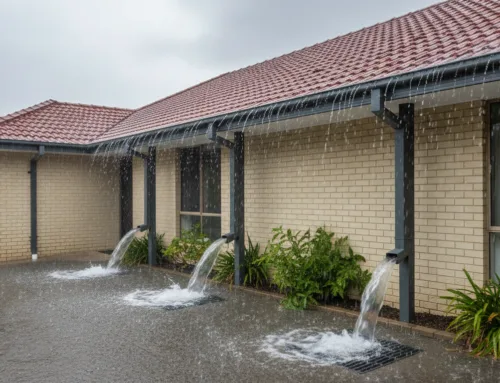
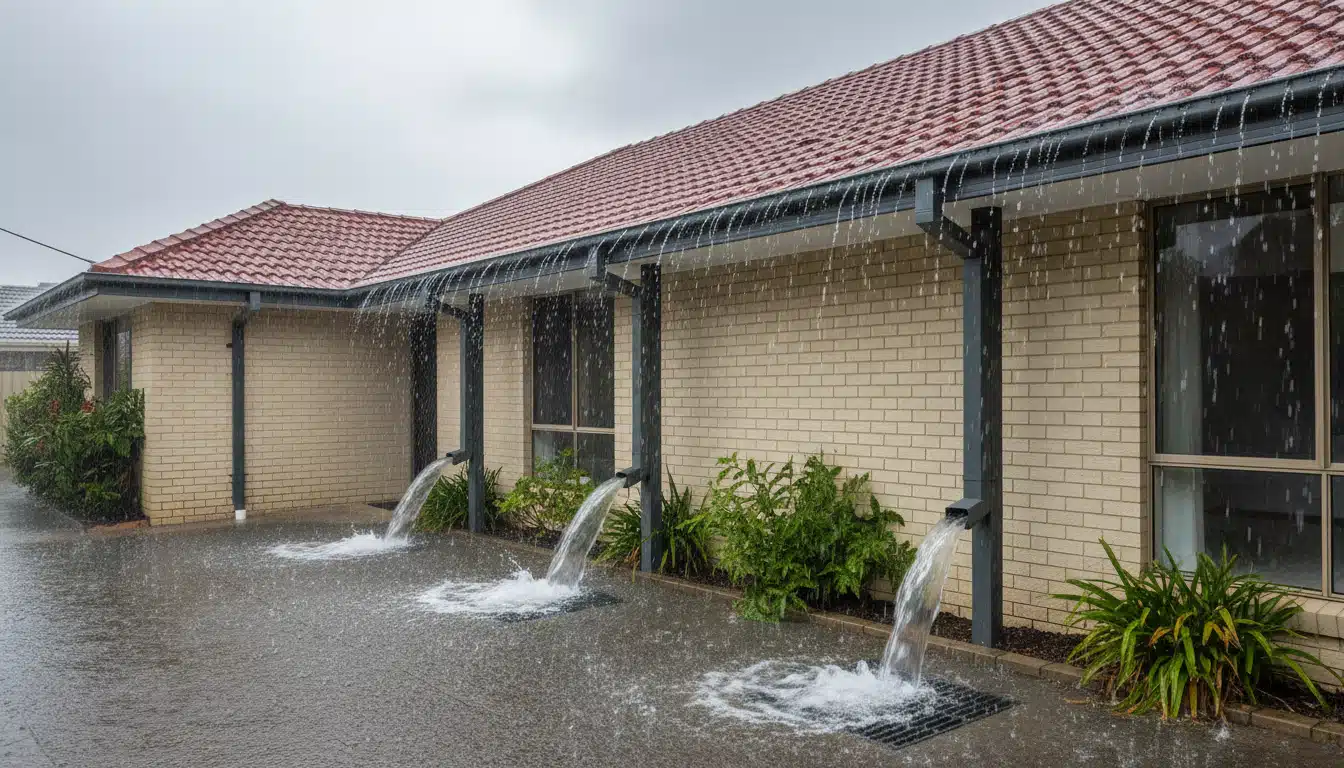
- Gutters and downpipes that can manage runoff
- Clear access for safe preparation work
If these signs are present, roof restoration in Perth can be a sensible path. It protects the existing roof rather than discarding it early. It also allows colour changes without replacing every roof component.
When Re Roofing Becomes Sensible
Re roofing in Perth can be sensible when the roof is no longer a reliable base. It may also be needed when a home has major water ingress. Repeated patching can become more expensive than decisive replacement.
A replacement decision should consider future maintenance too. A new roof may reduce callouts where old materials have become unpredictable. It can also suit renovations that change the building envelope.
The best outcome is an honest recommendation. Restoration should not be forced onto a failing roof. Replacements should not be sold when restoration would perform well.
Practical Decision Checklist
The decision can be made calmly when evidence is clear. A roof should be inspected, cleaned where needed and scoped against its real condition. Photos and plain explanations help owners understand the recommendation.
A final Perth roof inspection before work begins can confirm the chosen scope. It can also catch changes after storms or long heat periods. Roof condition is not static, especially on older homes.
Questions to Ask Before Approval
Ask practical questions before accepting any scope. The answers should explain why each item is needed. They should also make clear what is excluded.
Useful questions include:
- Which defects must be repaired before coating?
- Are tiles or sheets strong enough for safe access?
- Which coating system suits the roof material?
- What guarantee applies to materials and leaks?
- Is replacement more sensible for any section?
- How will gutters and valleys be managed?
Clear answers reduce risk. They also make quotes easier to compare. A cheaper scope may omit work needed for lasting performance.
Written notes and photos are helpful. They show which defects were found and how those defects shaped the recommendation. They also create a record for later maintenance. If another storm arrives before work starts, the original scope can be checked against any new damage.
Owners should also ask how drainage affects the decision. Overflow may cause staining even when tiles or sheets remain sound. We can replace old or damaged gutters and downpipes separately or alongside roof restoration. Valley defects and blockages should be assessed separately so the cause of overflow is not mistaken for failure of the roof covering.
Access and safety also deserve attention. Steep pitches, brittle materials and nearby power lines can affect how work is planned. A safe method protects workers, occupants and the roof itself. Planning also protects budgets, because rushed decisions often miss related defects.
A Balanced Decision
Restoration and replacement are not rival ideas. Each solves a different level of roof deterioration. The right choice protects the home without wasting useful materials.
A roof with repairable defects, sound structure and suitable surface condition can often be restored. A roof with serious structural or material failure may need replacement. The dividing line should come from inspection evidence.
Conclusion
If you are weighing roof restoration in Perth against replacement, contact us to arrange a free, no-obligation roof inspection. We can assess the condition before you commit to a scope of work.