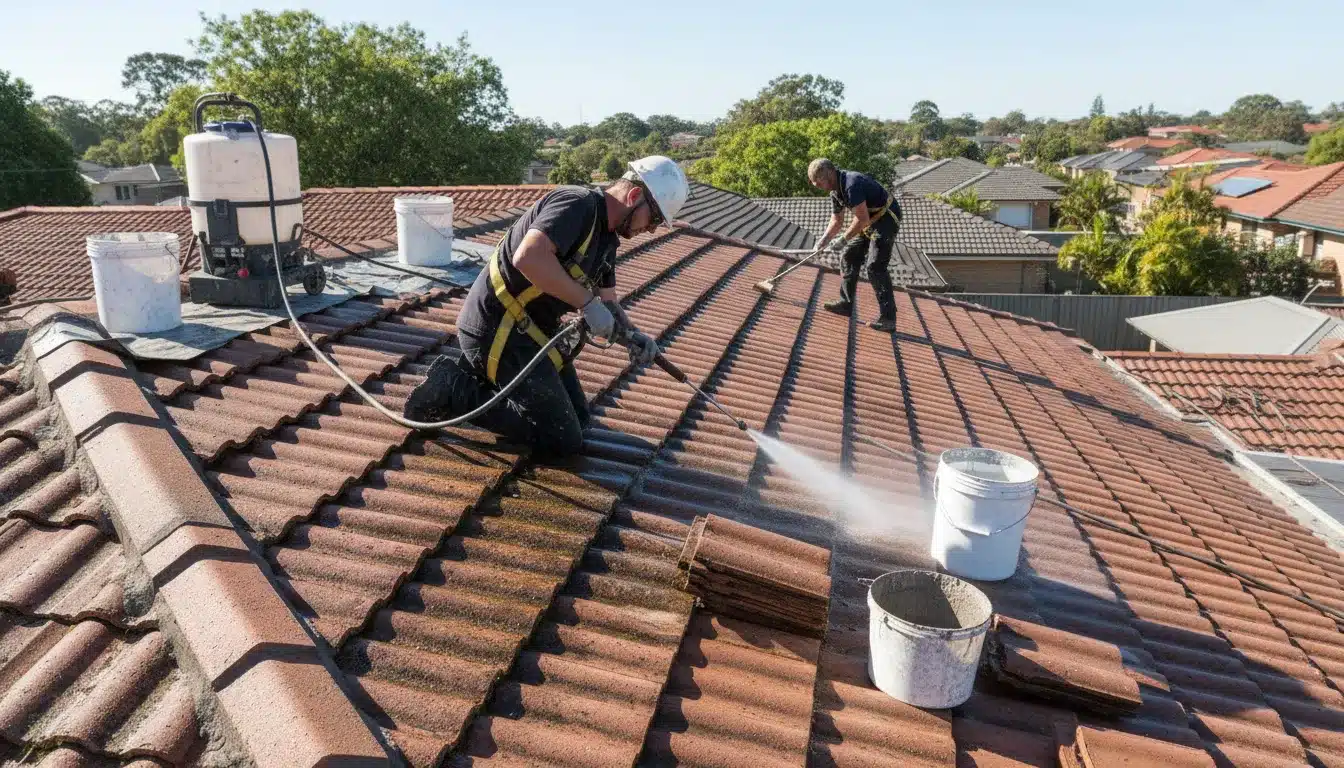
A roof coating can change how a roof handles heat, rain, salt air and surface wear. The right choice depends on roof age, material condition, drainage and earlier repair work.
A sound roof coating system is more than a coloured finish. It relies on cleaning, repair, primer selection, coating thickness and steady curing conditions.
Poor decisions can shorten coating life and hide deeper roof problems. Careful checks before work starts help protect the roof and the budget.
How A Coating System Protects Roof Materials
A coating creates a protective layer over roof tiles or metal sheets. That layer slows weathering and helps water shed from the roof surface.
The coating must suit the roof material and local exposure. Coastal air, hot summers and winter rain all place different strain on coatings.
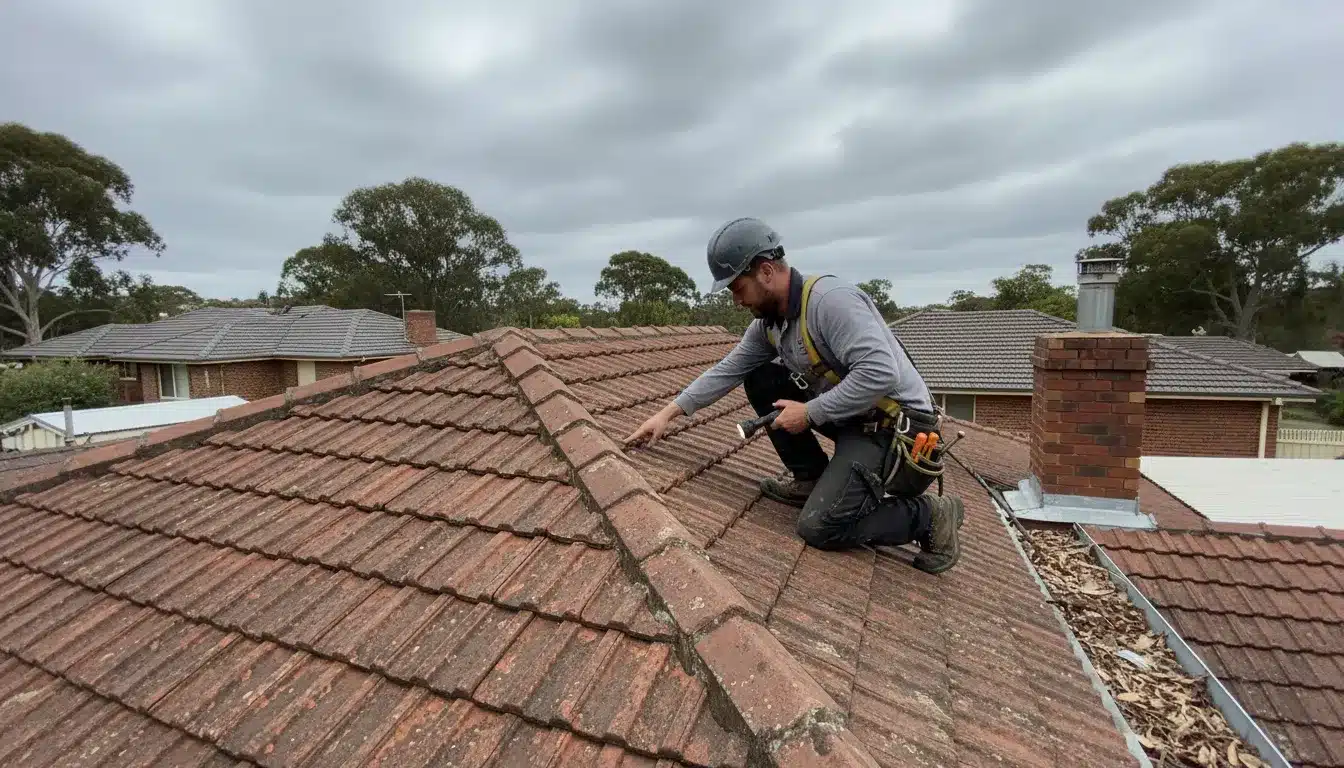
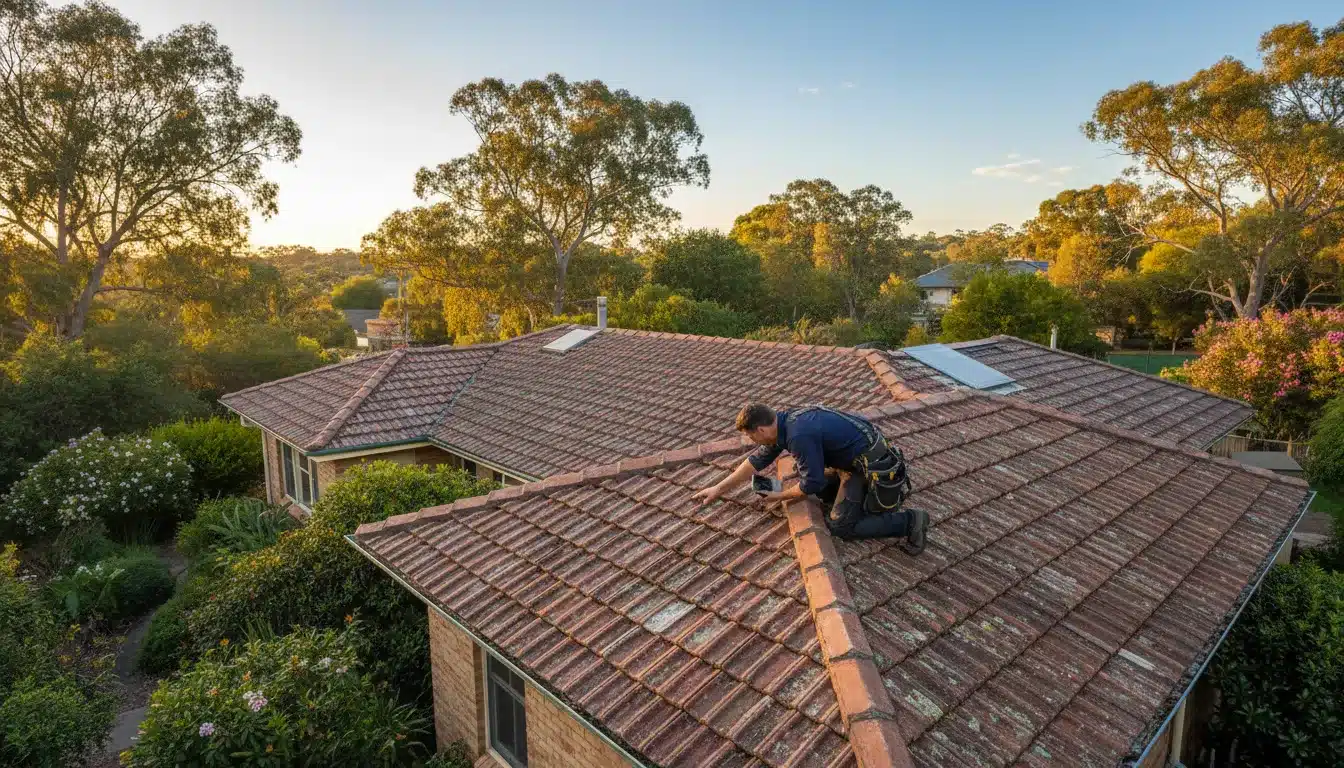
Older roofs also need a closer look before colour choices are discussed. A tired roof may still be suitable for coating, but only after defects are corrected.
The existing surface tells an important story. Powdery residue, uneven colour and loose material can show that earlier coatings have broken down.
Heat, Rain And Ultraviolet Exposure
Perth roofs face strong sun through long dry periods. UV roof protection matters because ultraviolet light can fade colour and weaken exposed surfaces.
Rain also tests coating quality. Water should move quickly into gutters, not sit around laps, valleys or low sections.
Key exposure checks include:
- Roof pitch and drainage speed
- Afternoon sun intensity
- Shade from nearby trees
- Salt air exposure near the coast
- Previous coating age and condition
Tile And Metal Differences
Concrete tiles, terracotta tiles and Colorbond roofs need different preparation steps. Surface porosity and existing finishes affect primer selection and coating adhesion.
Tile roofs often need repointing before coating. Metal roofs may need rust treatment, screw checks and attention to sheet laps.
A roof coating system should match these differences. A coating that works on one roof may fail early on another.
Why Preparation Comes Before Coating
Preparation controls how well the coating bonds to the roof. Skipping this stage can leave dirt, chalking, moss or loose coating beneath the new finish.
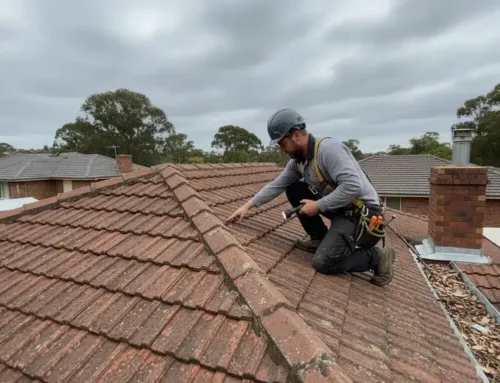
Good roof surface preparation also exposes damage. Broken tiles, cracked bedding and poor flashing are easier to find on a clean roof.
Preparation should never be treated as a minor allowance. It is the stage that decides whether the new layers grip properly or sit over loose material.
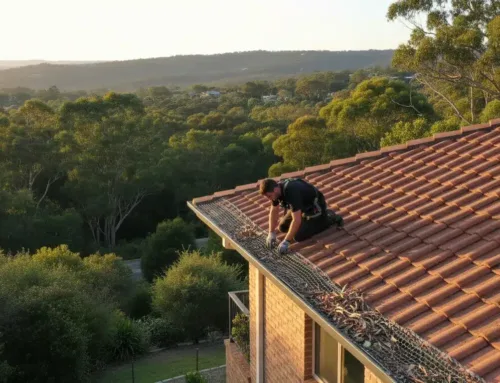
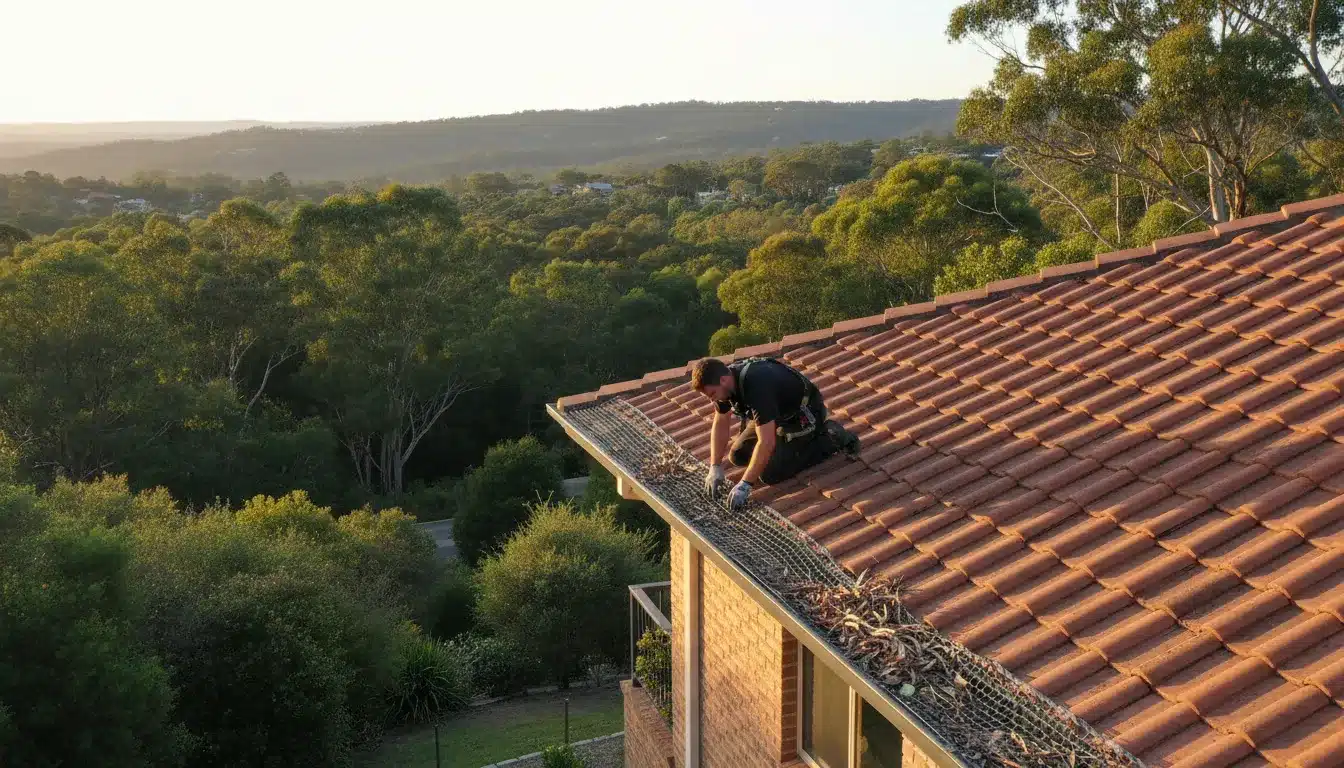
The condition of gutters and valleys should be checked during this stage. Water problems around the roof edge can shorten the life of a new finish.
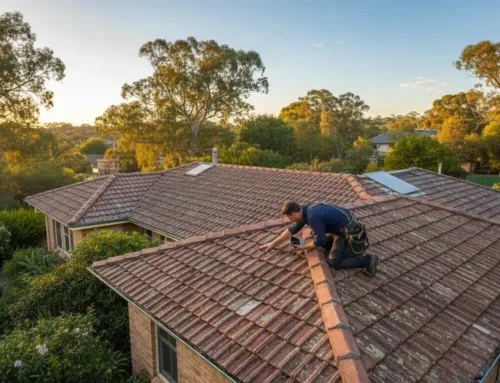
Solar panels, skylights and antennas may also affect access. A careful plan reduces the risk of damage during cleaning and coating work.
Cleaning And Repairs
Roof cleaning removes dirt, moss and loose material before any primer or finish coat is applied. Necessary repairs must also be completed to provide a sound base for the coating layers.
Important repair checks include:
- Broken or slipped tiles
- Cracked ridge pointing
- Loose valley bedding
- Rust marks on metal roof areas
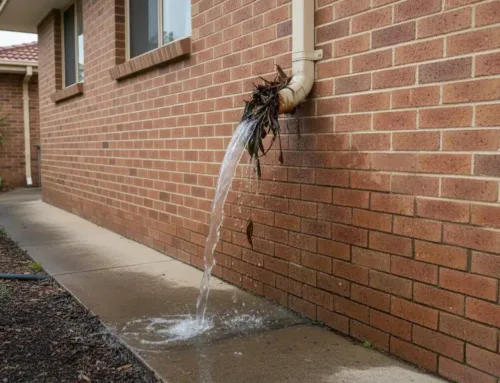
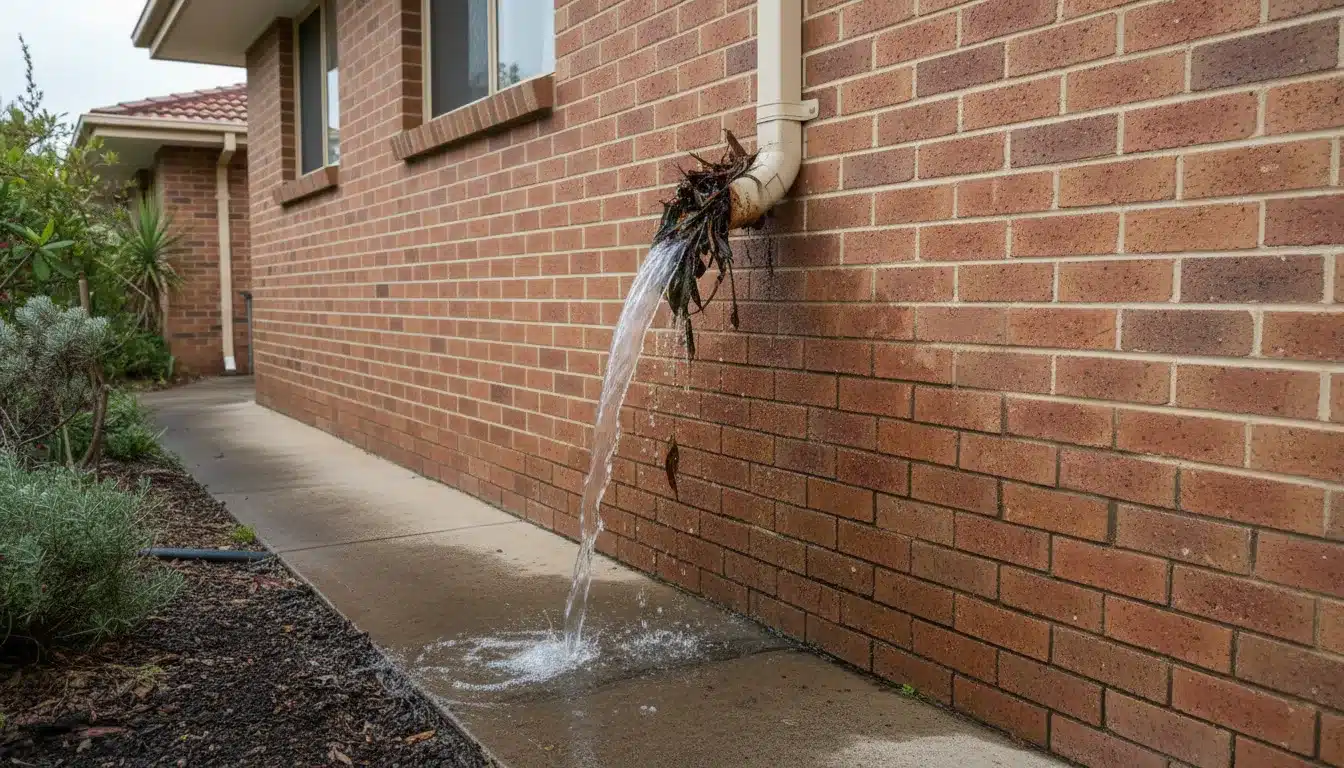
- Blocked gutters or downpipes
- Poor flashing around penetrations
Drying And Masking
The roof must be dry before coating starts. Moisture trapped beneath coating can cause blistering, peeling or patchy curing.
Masking also protects walls, windows, solar panels and nearby surfaces. Overspray control is an important part of roof painting in Perth, particularly where neighbouring properties are close.
Good roof surface preparation should be visible in the scope. A quote should explain cleaning, repair, masking and drying requirements.
What To Check In Coating Products
The product choice affects finish, flexibility and service life. A premium coating should be matched with the correct primer and application process.
Product labels can be hard to compare without a clear scope. The important detail is how the full system works together on the actual roof.
Primer, sealer and finish coats should not be selected in isolation. Each layer needs to suit the surface and the layer beneath it.
Application rates also matter. A product can only perform as intended when enough material is applied across the roof.
Technical data sheets can help clarify coating limits. They may explain surface temperature, drying times, coverage rates and recoat windows.
Those details are practical, not just technical. They decide when work should pause and when the next coat can safely proceed.
Colour samples should be viewed in daylight where possible. Roof colours can look different beside gutters, brickwork and rendered walls.
We use a Dulux Acratex roof coating system designed for Australian roof conditions. Correct preparation and compatible primers remain essential to the finished result.
Film Build And Flexibility
Film build means the final dry coating thickness. Thin application may look acceptable at first, yet it can wear faster.
Flexibility also matters as roof materials expand and contract. Heat movement can stress a coating through summer and cooler nights.
Product questions worth asking include:
- Which primer will be applied
- How many coats are included
- What dry film thickness is expected
- How coverage will be checked
- Which weather limits apply during application
Colour And Finish Choices
Colour affects appearance and heat behaviour. Lighter colours can reduce surface heat compared with darker colours in exposed locations.
The finish should suit the home style and roof material. It should also align with surrounding gutters, fascias and exterior paintwork.
UV roof protection is a key reason to consider a tested coating. Colour stability and surface durability help the roof hold its finish longer.
Warranty And Installer Standards
A warranty is only useful when the work meets product and site requirements. Homeowners should read the conditions before accepting a coating proposal.
We are Permacoat, a Western Australian family business with over 50 years in roof restoration. We have restored more than 30,000 roofs across Perth, north and south of the river. Our coating process includes a primer sealer and two top coats, with preparation checked before coating begins.
Material Conditions
A roof coating warranty may depend on correct cleaning, repair, primer selection and film build. It may also exclude damage from storms or later trade work.
The warranty terms should be clear before work starts. A vague promise can create problems if coating defects appear later.
Owners should keep copies of quotes, product details and completion records. These documents can support later maintenance or property sale discussions.
It is also important to know who provides each part of the coverage. Material coverage and workmanship coverage may be separate.
No warranty removes the need for basic roof care. Debris, blocked gutters and later damage can still affect coating performance.
Warranty details to check include:
- Material guarantee length
- Workmanship coverage
- Exclusions and maintenance duties
- Transfer rules after a property sale
- Records supplied after completion
Workmanship And Maintenance
Good workmanship should be supported by site photos and a clear scope. Records can show that each stage was completed properly.
Maintenance also protects the coating. Gutters and valleys should be checked for tree debris so water can drain freely. If gutters or downpipes are old or damaged, we offer gutter replacement and downpipe replacement separately or alongside roof restoration.
Budget And Timing Decisions
The cheapest coating quote is not always the lowest risk. A missing preparation stage can create higher costs when defects appear.
A detailed quote should separate cleaning, repairs, coating products and access requirements. That structure makes comparisons easier.
The quote should also explain what is excluded. Exclusions are important when older roofs have hidden damage or limited access.
Timing should be realistic, not rushed. A roof may need extra drying time after cleaning or after unexpected rain.
Short project windows can create pressure to coat too soon. That risk should be avoided when surface moisture remains possible.
Access can also change the final cost. Steep blocks, patios, pools and narrow side paths can affect equipment and setup time.
Neighbouring properties may need consideration during spraying. Wind direction, parking, pets and outdoor furniture can all affect daily planning.
Noise and water runoff should be managed carefully. A tidy site reduces stress for occupants and nearby homes.
Quoting Scope
Quotes for roof painting in Perth can vary because roof condition varies. A high, steep or badly weathered roof needs more time.
The quotation should not rely on surface area alone. It should also account for ridge work, access, masking and repairs.
Useful quote details include:
- Roof material and approximate area
- Cleaning method
- Repair allowances
- Coating brand and system
- Number of coats
- Expected project duration
Weather And Curing
Weather affects cleaning, drying and coating. Rain, strong wind or extreme heat can delay the work.
Curing time is also important after application. Foot traffic, storms and dust can affect the finish before the coating hardens.
A Dulux Acratex roof coating should be applied within the product’s specified weather limits. Check the application requirements and written warranty conditions rather than assuming suitable weather alone establishes coverage.
Warning Signs A Coating May Not Be Enough
Some roofs need more than coating. Severe structural damage, widespread leaks or failing battens may point toward larger repair work.
A coating should not be used to hide defects. Water entry, sagging sections or damaged flashing need assessment and appropriate repairs before any coating is applied.
The roof space can provide useful clues. Staining, damp insulation or light around penetrations can point to problems above.
Repeated patch repairs are another warning sign. They may show that the roof needs broader restoration or replacement planning.
Coating remains valuable when the roof is sound. It should form the protective finish after defects have been addressed.
Signs that need closer assessment include:
- Repeated leaks after earlier repairs
- Wide areas of broken tiles
- Rust holes in metal sheets
- Sagging roof planes
- Rotten timbers below roof leaks
- Poor drainage that keeps returning
A roof coating warranty may not cover defects caused by hidden damage. A careful inspection should decide whether the coating remains suitable.
Comparing Coating With Other Roof Options
A coating can extend roof life when the roof is structurally sound. It can also refresh colour and improve weather resistance.
Restoration may suit roofs with localised damage and worn surfaces. Re-roofing may suit roofs with widespread failure or poor structural condition.
The right choice depends on how much useful life remains in the roof. Tile roof restoration can be suitable when damaged tiles and ridge defects can be repaired and the underlying structure remains sound.
Homes planned for long-term ownership may benefit from a stronger system. A short sale timeline may place more weight on presentation and records.
Insurance history can also affect the decision. Storm damage claims or repeated leak records should be discussed before coating proceeds.
Decision factors include:
- Current leak history
- Age of roof materials
- Condition of valleys and flashings
- Budget and long-term plans
- Desired colour change
- Expected property hold period
Roof painting in Perth should be treated as part of a wider roof decision. The finish is important, yet the roof beneath matters more.
Practical Questions Before Approval
Clear questions help prevent confusion before the first day on site. They also make it easier to compare proposals fairly.
Ask about the coating stages, product system, preparation process and warranty terms. Ask for written details when possible.
The answers should be specific enough to compare. General promises about quality do not replace product names, stages and warranty terms.
Site conduct is also part of the decision. Safe access, overspray control and a tidy clean-up help reduce disruption during the project.
The final decision should combine written scope, roof condition and contractor process. Price alone gives an incomplete picture of risk.
A roof is a major weather barrier for the home. Any coating decision should respect that role before appearance is considered.
Clear communication before work starts can prevent rushed assumptions. It also gives owners better records for future maintenance.
Questions to ask include:
- What repairs are included before coating?
- Which primer and finish coats will be used?
- How will overspray be controlled?
- What happens if rain is forecast?
- What records will be supplied after completion?
- How maintenance affects warranty coverage?
A considered choice balances appearance, durability and risk. A strong finish starts with sound inspection and methodical work.
Conclusion
Choose a roof coating system only after the roof’s condition, preparation needs and written warranty terms are clear. To discuss whether coating suits your roof, contact us for a free, no-obligation inspection.