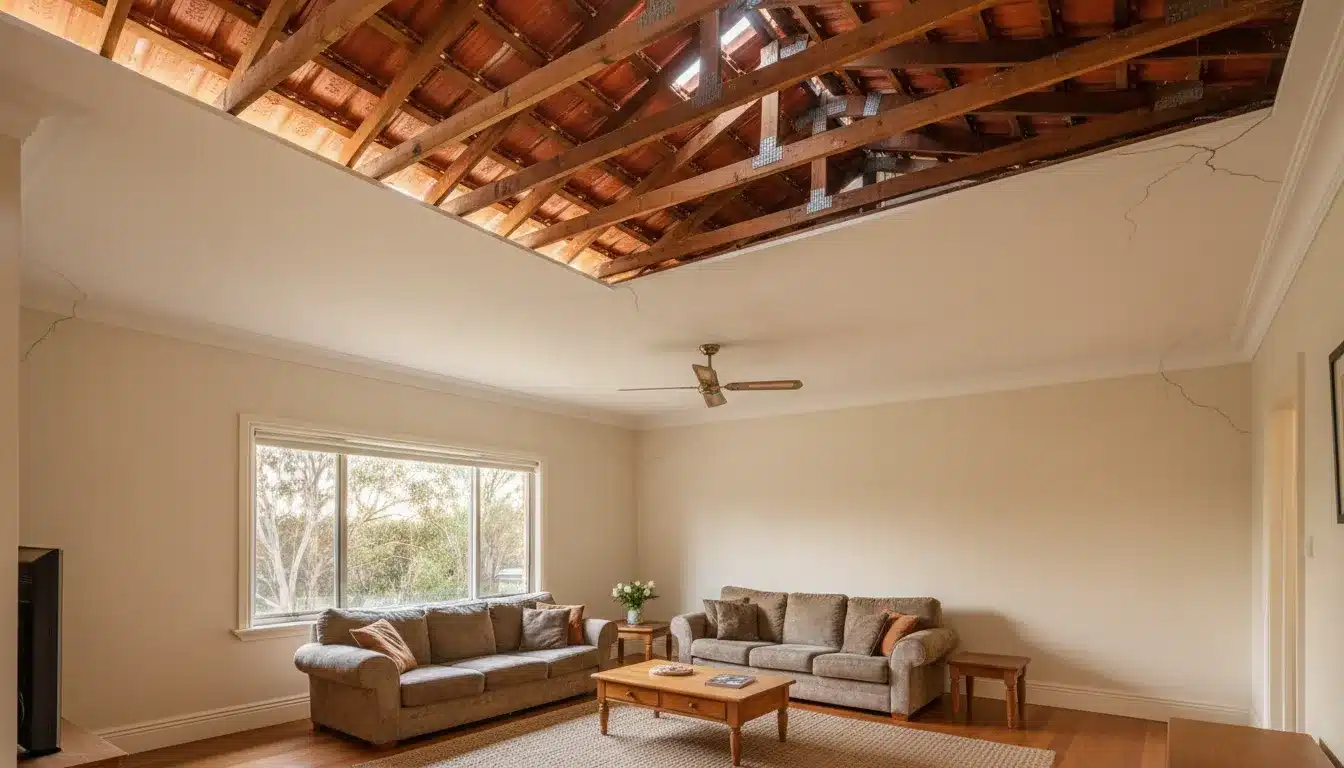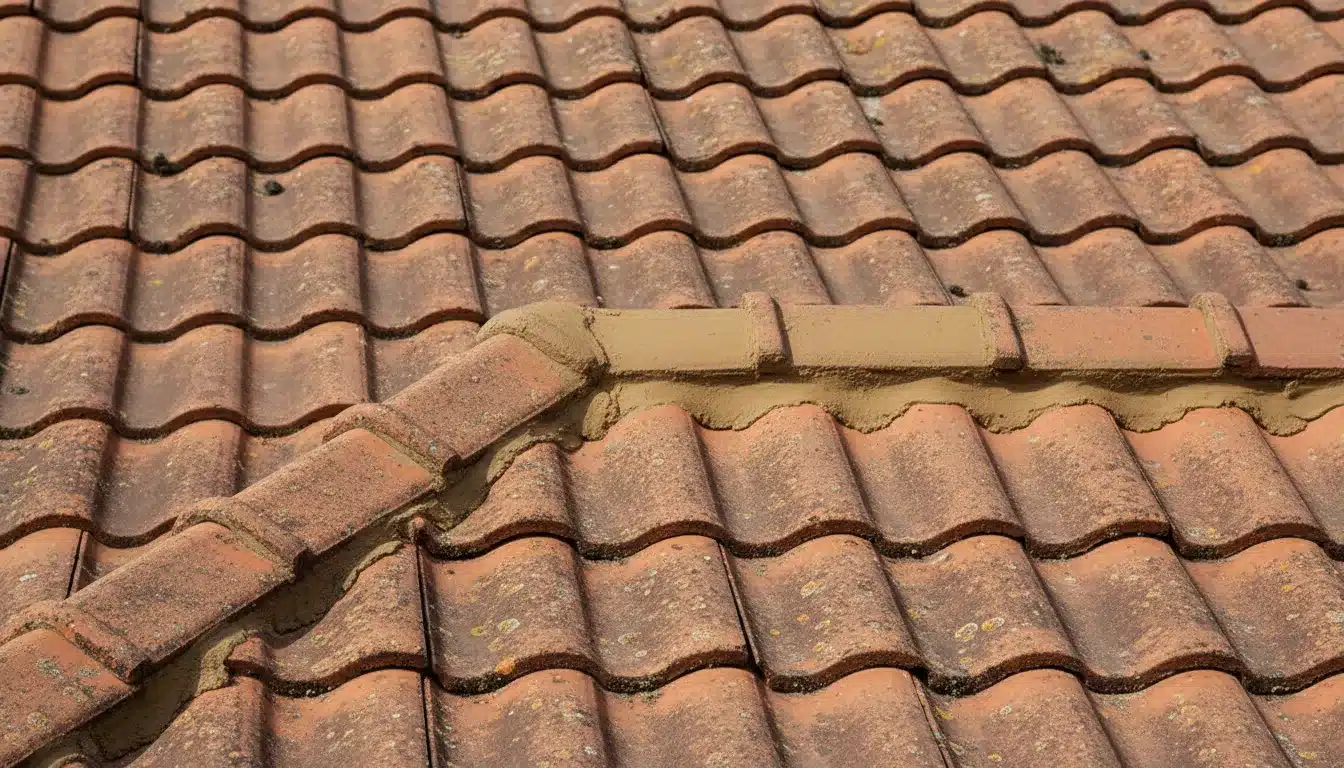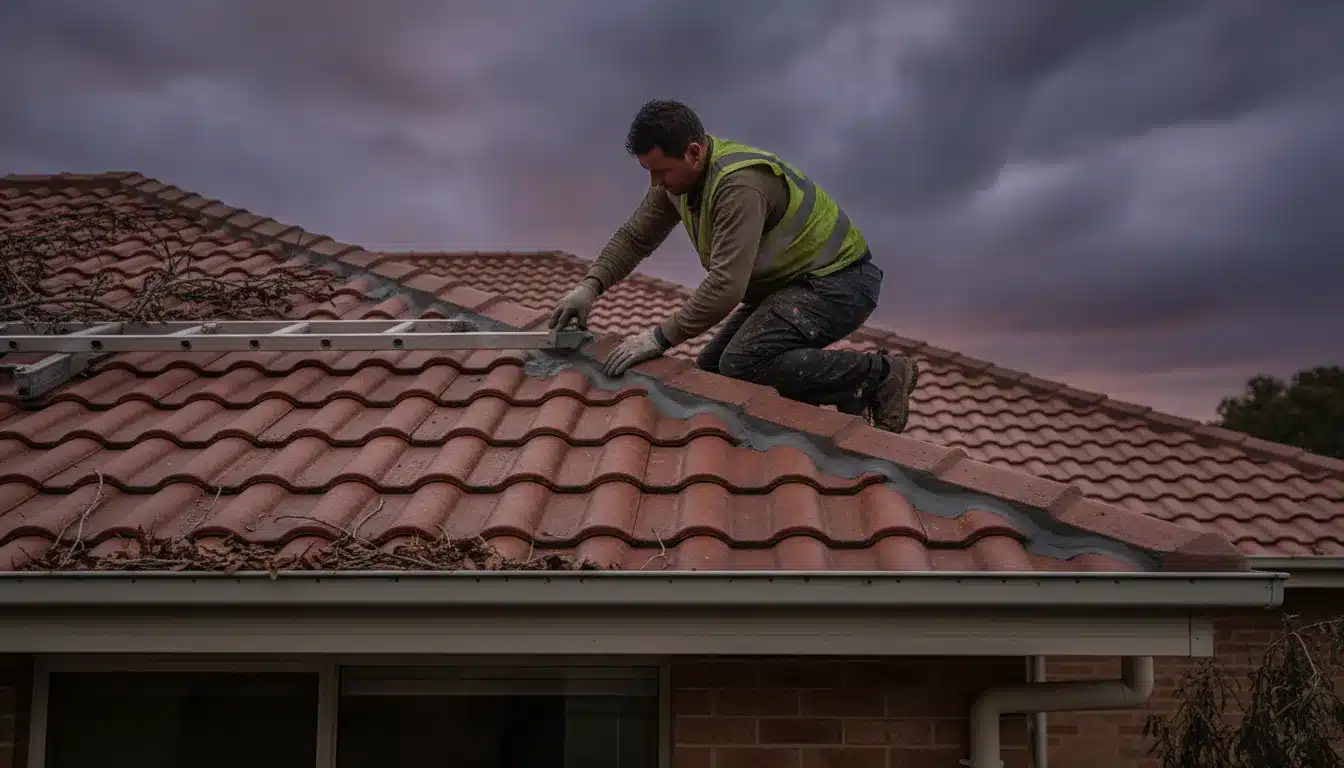
Ridge capping sits along the high lines where roof slopes meet. It helps shed water and protects vulnerable joints.
During storm season, those exposed lines take wind, rain and movement. Small cracks can become leak paths when repairs are delayed.
Ridge Capping Is a Storm Defence Line
Ridge caps are more than decorative roof pieces. They help close the roof at ridges, hips and high junctions.
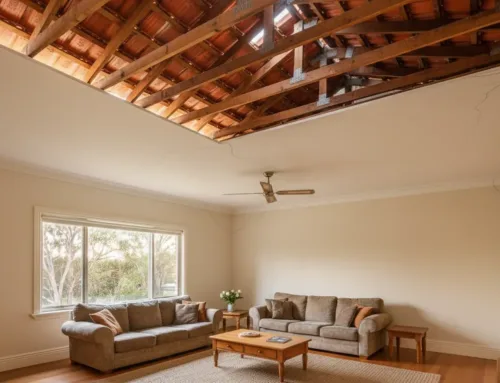
When bedding or pointing fails, wind-driven rain can enter beneath caps. That can wet battens, ceilings and insulation.
Ridge lines are exposed because they sit above the main roof field. Wind, heat and rain all reach them first.
That exposure makes small defects important. A narrow crack can receive repeated water pressure during a single storm.
Early repair planning can protect ceilings and timber supports. It can also reduce emergency callouts during heavy rain.
- Cracked pointing can open water paths.
- Loose caps can move under wind pressure.
- Failed bedding can reduce cap support.
- Moss growth can hold moisture at joints.
Why Ridge Caps Move Over Time
Roof structures expand and contract as temperatures change. Tiles and mortar also move during long heat cycles.
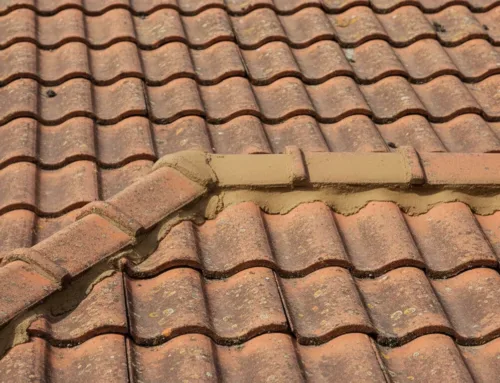
Older mortar can become brittle. Once it cracks, water can enter and weaken surrounding bedding.
Ridge capping repointing helps seal those exposed joints. It also supports better weather resistance before heavy rain arrives.
Movement is normal on every tiled roof. The problem begins when old materials can no longer absorb that movement.
Caps may still look aligned from the ground. Closer inspection can show open edges, loose mortar and hairline cracks.
These early signs should not be ignored. They often appear before leaks become visible inside the home.
Why Storm Rain Finds Small Openings
Storm rain rarely falls straight down. Wind can push water under laps, caps and cracked pointing.
Storm roof damage often starts with a small weakness. A tiny opening can spread under repeated wind and rain.
Water can travel beneath tiles before it drops into the roof space. The ceiling mark may appear away from the ridge.
This can make leak tracing difficult. Ridge caps, valleys, flashings and cracked tiles may all need checking.
Bedding, Pointing and Roof Tile Condition
Bedding and pointing work together. Bedding supports the ridge cap, while pointing seals and finishes the edge.
A tiled roof repair plan may include cleaning, tile replacement, bedding repairs and repointing. The right scope depends on roof condition. Replacement tiles must match the existing profile so they interlock correctly; sealing the ridge cannot compensate for a broken or poorly fitting tile beside it.
The two materials should be assessed separately. Solid pointing cannot compensate for a loose or crumbling base.
A sound repair plan starts by identifying the actual failure. That prevents cosmetic work from masking underlying problems.
Bedding Supports the Ridge Cap
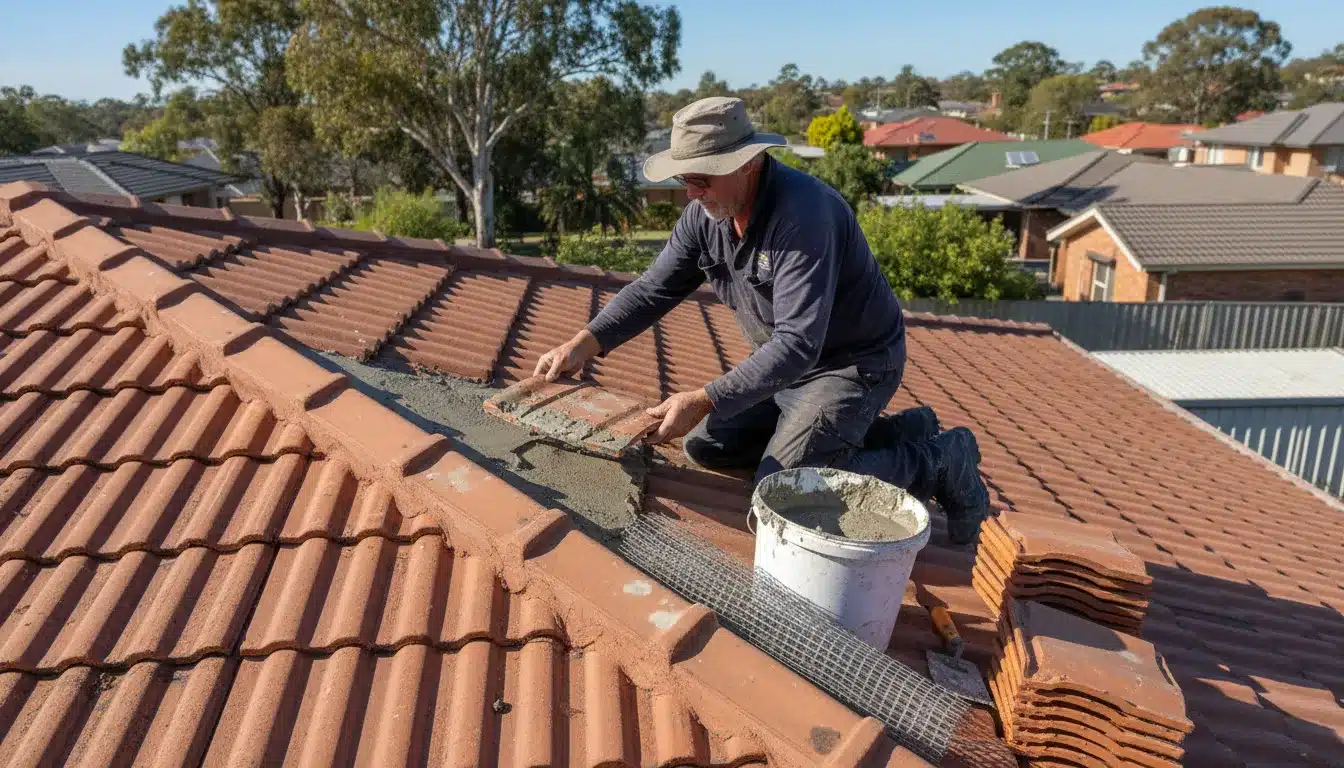
Tile bedding repair deals with the mortar base under ridge caps. This base must hold the cap in position.
When bedding breaks down, caps can rock or settle. Repointing alone may not solve that problem.
Failed bedding may also create uneven ridge lines. That can affect water flow and leave gaps at cap edges.
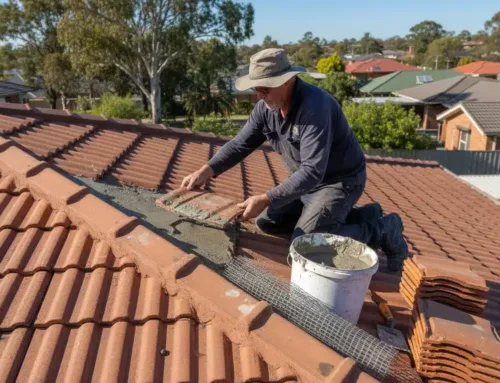
Rebedding is more involved than surface sealing. The old base may need removal before new bedding is formed.
Pointing Seals the Visible Edge
Pointing is the flexible outer seal visible along the cap edge. It protects the bedding from direct weather exposure.
A flexible pointing compound can move with normal roof expansion. That movement helps reduce cracking when temperatures shift.
The pointing finish should be continuous and tidy. Gaps, pinholes or weak edges can allow water to reach the bedding.
Colour matching may also matter on visible roof sections. A neat finish supports both protection and appearance.
- Sound bedding supports cap alignment.
- Flexible pointing helps seal exposed edges.
- Broken tiles must be replaced first.
- Cleaning may reveal hidden cracks.
Perth Storm Seasons Expose Weak Ridge Lines
Perth roofs face long dry periods before sudden winter rain. That cycle can stress old bedding and pointing.
Roof repairs in Perth should consider heat, wind and seasonal rain. Ridge lines often show early signs of weather stress, but the assessment should also cover displaced tiles, damaged flashings and obstructed valleys. Repairing the pointing alone will not address water entering through those other faults.
Storm preparation should not wait for a leak. A dry inspection can reveal faults that rain will later exploit.
Homes with older tiled roofs may need closer checks. Past patch repairs can also show where movement has returned.
Heat Can Dry and Shrink Old Mortar
Dry heat can make older mortar harder and more brittle. Small cracks can form before the first storm arrives.
Once rain enters those cracks, trapped moisture can worsen the damage. Repeated wet and dry cycles increase the risk.
Heat can also loosen older coatings and sealants. These materials may look intact until they are pressed or cleaned.
Dry mortar fragments near gutters can be a warning. They may have broken away from the ridge line above.
Wind Can Lift Loose Ridge Caps
Strong wind can work under loose caps and tile edges. Movement may become worse when bedding has already failed.
Storm roof damage can then spread beyond the ridge. Water marks inside the home may appear well below the entry point.
Wind can also push rain beneath lifted tile edges. The roof may then leak only during storms from one direction.
That pattern can confuse repair decisions. A roof may appear sound during light rain, then fail under wind pressure.
- Check ridge lines before winter rain.
- Look for cracked or missing pointing.
- Watch for loose caps after strong winds.
- Investigate ceiling stains early.
Repointing Is Not Only Cosmetic
Fresh pointing can improve the appearance of a tiled roof. Its main value is weather protection while accommodating normal movement.
Ridge capping repointing should be assessed with the full roof system. Isolated repairs may fail if adjacent areas are weak.
Appearance is still useful as a clue. Uneven lines, open joints and rough edges can signal deeper issues.
However, a neat surface can also hide movement. A roofing professional may need to check cap stability and inspect the joints closely before repairs.
The repair method should match the defect. Surface cracks, loose caps and failed bedding need different responses.
Flexible Pointing Manages Movement
A flexible pointing compound is designed to tolerate normal movement. It can bridge small shifts better than rigid old mortar.
Application quality still matters. Poor preparation, damp surfaces or loose bedding can reduce adhesion and service life.
The surface must be clean enough for the new material to bond. Dust, moss and loose fragments reduce performance.
Weather conditions also affect the result. Work should avoid active rain, unsafe winds and unsuitable surface moisture.
Repointing Must Follow Preparation
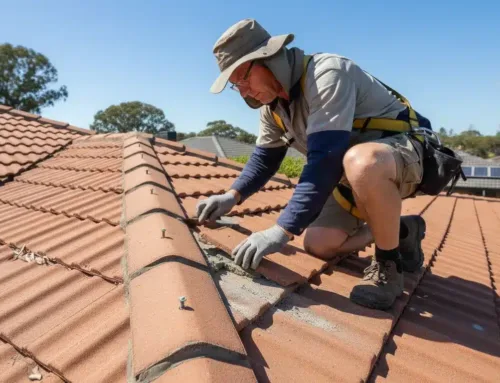
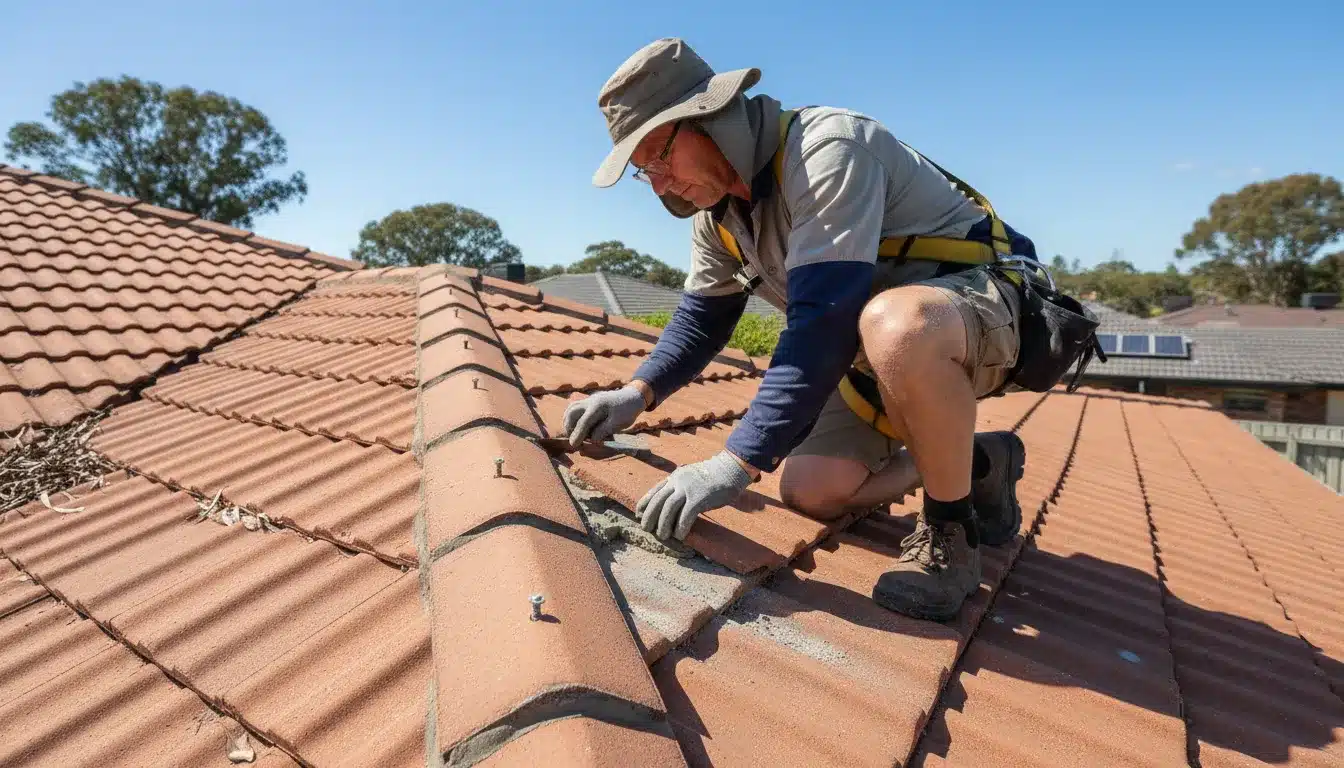
Preparation may include cleaning, removing loose material and checking cap stability. Any unstable caps need correction first.
Our free, no-obligation roof inspection helps establish which repairs are needed before repointing or restoration. We operate as Permacoat, a Western Australian family business with over 50 years in roof restoration. We have restored more than 30,000 roofs across Perth, north and south of the river.
Scope matters because roof faults can overlap. A ridge leak may involve cracked tiles, flashing issues or blocked drainage.
An inspection can separate urgent leak paths from maintenance items. That helps repairs follow a logical order.
- Remove loose pointing before new work.
- Repair unstable bedding before sealing.
- Replace cracked tiles near ridge lines.
- Avoid coating over hidden roof faults.
When Tile Bedding Repair Is Needed
Some ridge lines need more than new pointing. The cap may need lifting and rebedding where the base has failed.
Tile bedding repair is important when caps rock, gaps appear or mortar breaks away. New pointing cannot support loose caps.
A stable base is essential before sealing. Otherwise, the outer finish may crack again as the cap moves.
Rebedding can restore alignment where the old base has failed. It can also improve the strength of the ridge line.
Signs Bedding May Have Failed
Visible gaps beneath caps are a warning sign. Broken mortar pieces in gutters can also indicate bedding failure.
A ridge cap that moves under light pressure needs attention. It may allow water entry during heavy wind and rain.
Visual checks from the ground are limited. A ridge can look straight while the bedding beneath has started to crumble.
Why Partial Repairs Need Care
Small repairs can help when damage is isolated. Wider failure may need a longer ridge section repaired together.
A patchwork approach can leave weak joins. Adjacent cracked sections should be checked before work starts.
Transitions between old and new material need attention. A weak join can become the next water entry point.
- Gaps under ridge caps.
- Loose mortar near gutters.
- Caps that look uneven.
- Repeated leaks after patch repairs.
Repointing Within Roof Tile Restoration
Repointing often sits within broader roof maintenance. A tiled roof may also need cracked tile replacement and surface preparation.
Roof tile restoration brings repairs, cleaning and any suitable coating into one plan. Weather protection depends on correcting damaged tiles, failed bedding and open joints, not simply changing the roof’s colour. A structurally sound tiled roof may be suitable for restoration without needing complete replacement.
Sequence protects the investment in any final finish. Repairs should create a stable surface before coatings or sealers are applied. A primer binder sealer helps bind a powdery tile surface for topcoat adhesion; it does not replace failed bedding or make a loose ridge cap secure.
Cleaning can change the repair scope. Moss removal may expose cracked tiles, open laps and damaged pointing.
The inspection should follow cleaning where practical. That gives a clearer view of the roof surface.
Repairs Should Come Before Coating
Roof painting should not hide failed bedding, cracked tiles or loose caps. Repairs must come first because a fresh finish cannot secure an unstable ridge cap or replace a broken tile. Check the condition of those components before deciding whether the roof is ready for painting.
Roof cleaning can reveal problems that dirt and moss conceal, but the method must suit the tiles. Excessive pressure can damage clay tile edges, so cleaning is not simply a matter of using more force. Our pre-cleaning inspection identifies broken tiles and other defects that need attention before work begins.
Maintenance Reduces Future Leak Risk
Regular checks help catch cracked pointing before storms. Early action is usually simpler than leak repairs after ceiling damage.
Roof tile restoration works best when ridge, valley and flashing details are inspected together. One weak junction can affect the roof.
Maintenance also helps track repeated problem areas. A roof that leaks in the same place may need broader repair.
Seasonal checks can reduce surprise damage. They are especially useful after high winds or falling branches.
- Clean before detailed inspection.
- Replace cracked tiles before repointing.
- Rebed loose ridge caps when required.
- Repoint after surface preparation.
- Coat only after repairs are sound.
Planning Repairs Before Winter Rain
Ridge repairs are best planned before storms. Waiting until heavy rain can turn minor defects into urgent leaks.
A practical roof plan should rank safety, leak risk and future maintenance. Not every visible defect has the same urgency.
Active leaks usually need the fastest response. Loose caps, cracked tiles and open pointing should follow in priority.
Cosmetic concerns can often wait until weatherproofing is secure. This order keeps the focus on roof protection.
Planning also helps align access needs. If gutters or downpipes are old or damaged, we can quote for gutter replacement alongside roof repairs and restoration. Repointing addresses ridge joints, whereas replacing deteriorated gutters addresses a separate component; neither should be treated as a substitute for the other.
Inspection Timing Matters
Late summer or early autumn can be a useful inspection period. Roof surfaces are usually drier and defects are visible.
Early checks also leave time for repairs before winter weather. That can reduce stress when heavy rain arrives.
Safety and Access Should Guide Scope
Ridge work needs safe access and suitable weather. Steep, wet or fragile roofs create extra risk.
A professional assessment can identify safe repair options. It can also distinguish minor maintenance from extensive structural deterioration that may require roof replacement rather than repointing. Sagging timbers or widespread support deterioration need assessment beyond the visible ridge joints; a new pointing finish cannot remedy those underlying failures.
Access planning is part of quality control. A rushed job on a fragile roof can create more broken tiles.
Weather should also guide scheduling. Dry conditions help inspection, preparation and curing of repair materials.
The roof can then enter winter with fewer weak points. That is especially important for older tiled homes.
A short maintenance record can also help future inspections. It shows when ridge areas last received attention.
- Book inspections before storm season.
- Prioritise active leaks and loose caps.
- Check valleys, flashings and gutters too.
- Keep repair records for future maintenance.
Conclusion
Sound ridge lines help tiled roofs resist wind, rain and seasonal movement. If cracked pointing or loose caps are a concern before Perth’s winter rain, contact us to arrange a free, no-obligation roof inspection and discuss the repairs your roof needs.