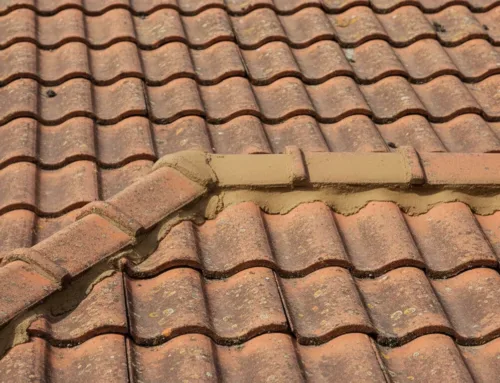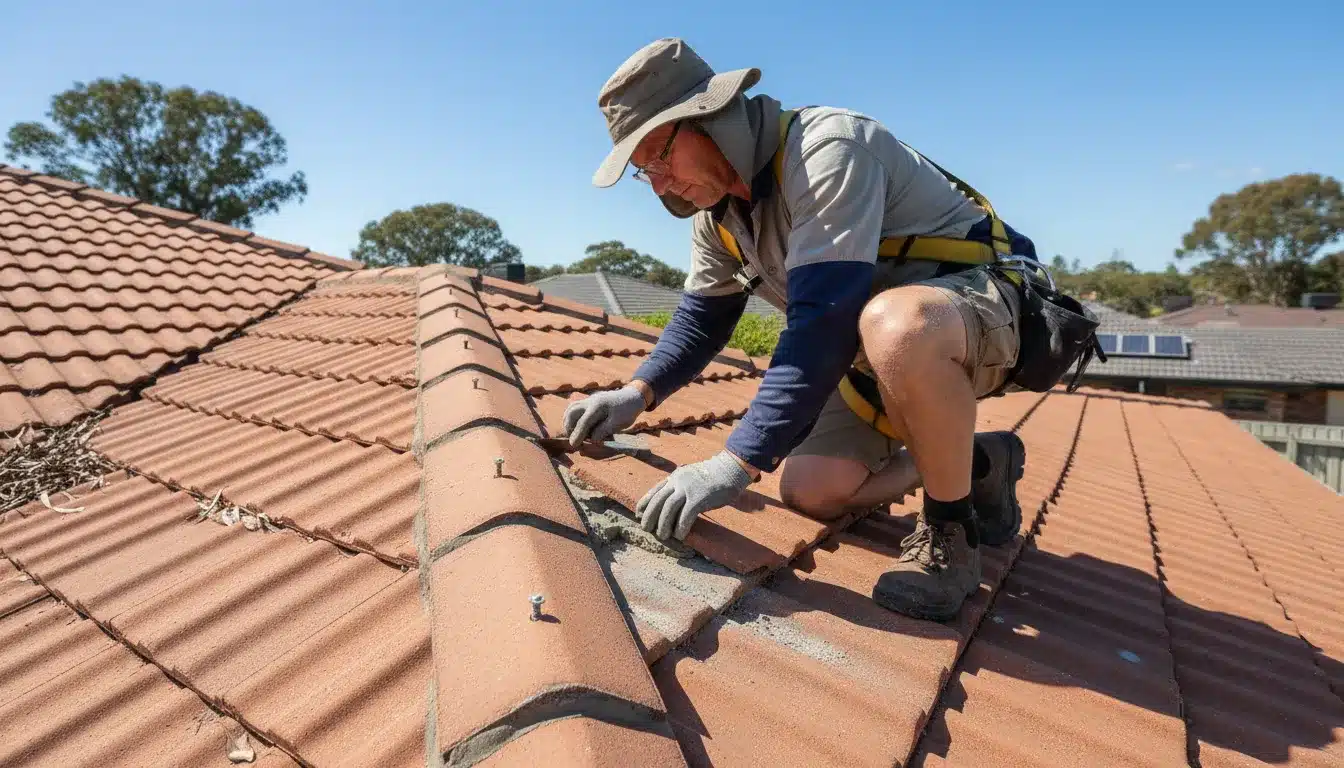
Ridge caps sit along roof peaks, hips and high joins where tiled roof planes meet. They cover exposed tile edges and help direct rain away from vulnerable junctions.
When ridge caps loosen, fine gaps can open around mortar, pointing and tile laps. Water may then reach the roof space before a leak becomes obvious indoors.
Why Ridge Caps Deserve Early Attention
Ridge caps are exposed to some of the harshest conditions on a tiled roof. They sit high, catch wind pressure and face constant heat movement.
A small defect in this area can matter more than its size suggests. Water does not need a wide opening to enter a roof cavity.
What Ridge Caps Protect
A ridge cap covers the line where two roof slopes meet. It also protects the bedding that holds the cap in place.
Key protection points include:
- Roof peaks exposed to wind and rain
- Hip lines that direct water down slopes
- Tile edges below the ridge line
- Mortar joints around bedding and pointing
- Roof cavity areas near rafters and battens
If this protection weakens, water can track beyond the visible crack. The entry point and indoor stain may not align.
Why Loosened Caps Create Leak Risk
Loose caps can look harmless from the ground. A thin crack or slight lift may not appear urgent.
The hidden risk sits below the surface. Movement can separate old mortar from the tile line. That gap can admit wind-driven rain.
A loose ridge cap repair addresses the vulnerable joint to help prevent moisture reaching insulation, plasterboard or timber. Early action can limit the extent of damage.
Age also matters. Older tiled roofs may have several caps with similar wear. One loose cap can signal wider ridge movement.
Aged mortar can harden, shrink and lose contact with surrounding tiles. The ridge line may still look neat from below. Close inspection can reveal gaps below cap edges. Those gaps can admit water during sustained rain.
Ridge areas also receive more wind pressure than many lower roof sections. A lifted cap can vibrate during storms. That movement can loosen nearby pointing and widen tiny openings.
Early repair planning protects more than the roof surface. It can also protect insulation, ceiling linings, timber framing and interior paint. Those materials often cost more to restore after repeated wetting.
Early Signs of Trouble
Small ridge cap faults often show inside before they look serious outside. Indoor clues deserve attention after heavy rain, long showers or strong wind.
Leaks from ridge areas can be intermittent. A roof may stay dry in gentle rain, then leak when rain blows across the roof.
Interior Clues After Rain
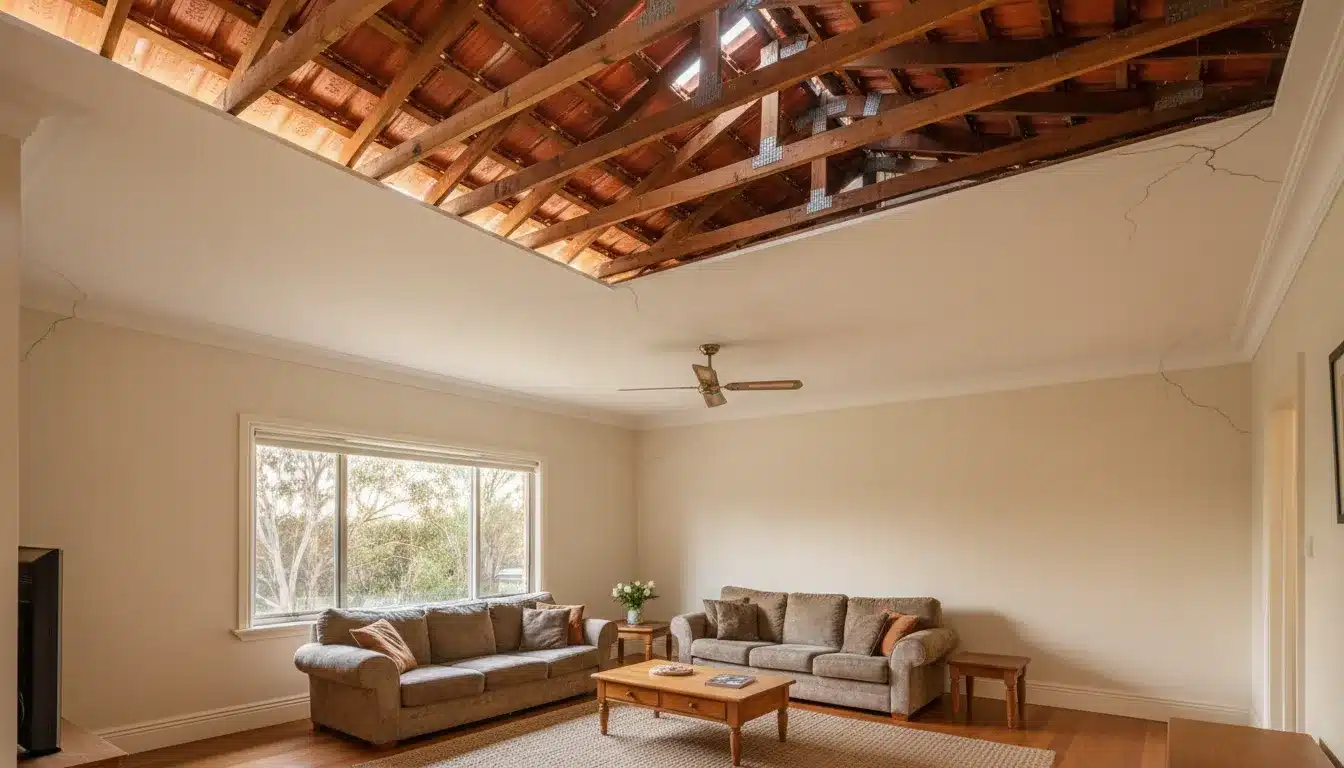
A ceiling water stain may appear far from the actual opening. Water can follow rafters, battens and insulation before leaving a mark.
Common indoor warning signs include:
- Brown or yellow marks on plasterboard
- Damp smells after storms
- Bubbling paint near cornices
- Mould growth in upper rooms
- Drips near lights during heavy rain
- Sagging patches around ceiling joins
A ceiling water stain should be treated as a symptom. The visible mark is rarely the full moisture path.
Electrical areas need care. Keep clear of wet lights, fans or wiring and arrange urgent advice from a licensed electrician. Do not touch affected fittings.
The timing of stains can also give clues. A mark that appears after wind-driven rain may indicate an opening exposed to that wind direction. A mark that grows during steady rain suggests continuing moisture entry, but neither pattern identifies the source on its own.
Indoor signs should be photographed before repainting. Photos help compare changes after the next storm. They also help a repairer trace the likely roof area.
Outdoor Warning Signs
Outdoor signs can be subtle. A ridge line may appear straight while the bedding below has started to fail.
Roof-level warning signs include:
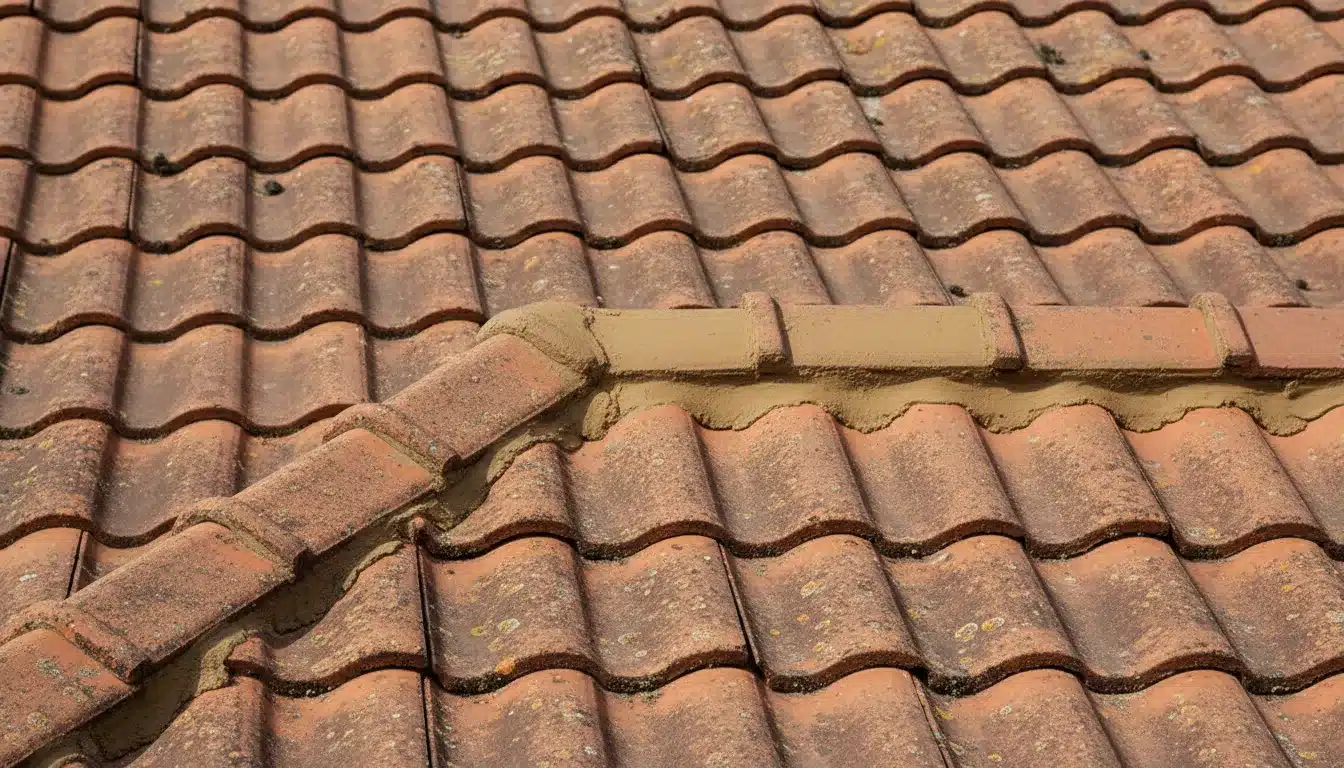
- Cracked or missing ridge pointing
- Loose mortar fragments in gutters
- Caps sitting higher than nearby caps
- Broken tiles below a ridge line
- Gaps under cap edges
- Moss growth inside open joints
These signs can develop slowly. Regular roof checks help catch defects before a storm exposes them.
Stormwater roof entry often starts at the smallest opening. Wind, cap lift and worn pointing can combine during severe weather.
How Water Travels From a Ridge Fault
Rain can enter through an opening under gravity alone. Wind pressure can drive it through exposed joints, while prolonged rain gives moisture more time to travel.
Loose ridge caps can leave joints exposed to these conditions. That is why roof leak prevention must address the actual entry point, not only indoor damage.
Bedding, Pointing and Cap Movement
Ridge tile bedding is the mortar base under a cap. It supports the cap and keeps the ridge line stable.
Pointing sits above the bedding edge. It seals the joint and adds flexibility around the cap.
When ridge tile bedding crumbles, the cap loses support. New pointing over weak bedding may crack again because the base still moves.
Cap movement can also disturb nearby tiles. A small tile roof repair may be needed where cracked or slipped tiles create extra leak paths.
Wind-Driven Rain Paths
Strong wind changes how rain behaves. Water can move sideways or upwards under cap edges instead of draining down the roof.
This is a common reason leaks appear only during winter fronts. The roof can seem sound during light rain and fail during sideways rain.
Stormwater roof entry near ridge caps may leave confusing indoor evidence. Water can travel across sarking, rafters or insulation first. We offer free, no-obligation roof inspections through Permacoat to assess roof condition before repairs are planned.
Possible hidden pathways include:
- Along rafters below the ridge
- Across insulation batts
- Down wall frames near ceilings
- Around roof penetrations
- Into valleys near hip caps
Finding the pathway helps prevent repeat leaks. Guessing from the stain location can lead to the wrong repair.
Moisture may also dry before inspection. That can make stains seem less urgent. Even so, repeated wetting can weaken plasterboard and encourage mold.
A roof cavity check can reveal damp insulation, dark timber marks or dust trails. These signs help confirm that water entered from above. They can also show whether the leak has spread sideways.
The repair should stop water at the roof surface. Internal patching should wait until the roof has been made watertight and materials have dried.
Repair Choices for Loose Ridge Caps
Repair should match the defect. A quick patch may stop water for a short period, but it may not solve movement beneath the cap.
The right method depends on cap stability, bedding strength, tile condition and safe access. These factors also affect repair and restoration costs, so inspection should come before material choice or price comparison.
Local Repointing or Rebedding
If the bedding is firm, repointing can restore surface weather protection. Loose pointing must be removed first.
The work area should be cleaned before new material is applied. Dust, moss and loose fragments can weaken the bond.
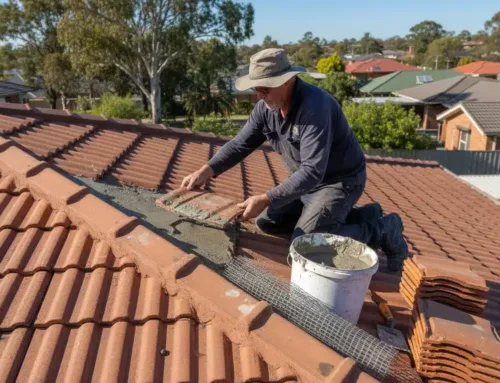
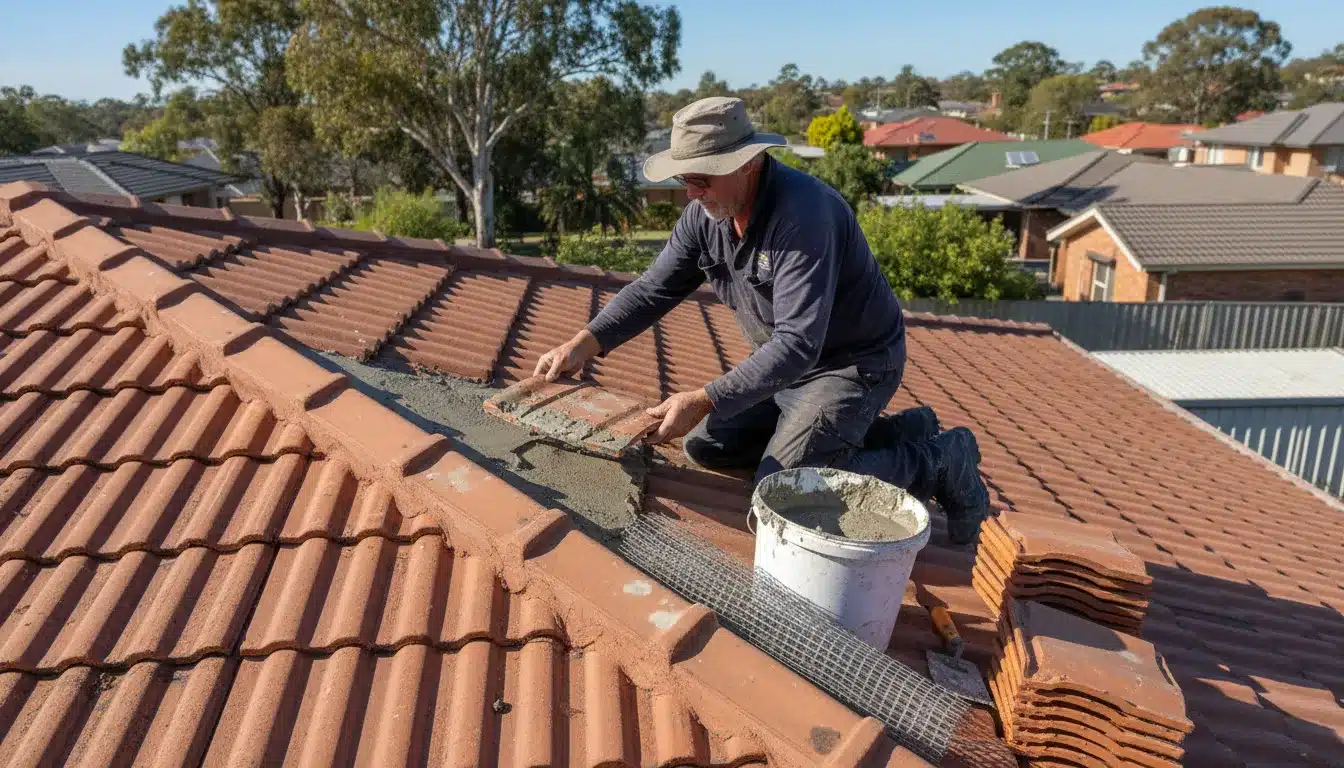
If the bedding has failed, rebedding is usually required. The cap is reset onto fresh mortar before flexible pointing is added.
A typical rebedding process includes:
- Remove failed pointing and loose mortar
- Lift affected ridge caps carefully
- Clean tile edges and cap surfaces
- Place fresh mortar bedding
- Reset caps in correct alignment
- Finish with suitable flexible pointing
Rebuilding the failed support base is an important part of loose ridge cap repair; new pointing alone cannot stabilise crumbling bedding.
Tile Checks Around the Ridge
Ridge work should not ignore the surrounding tiles. Cracked tiles, slipped laps and valley issues can create separate leak sources.
A complete tile roof repair should check the area below the ridge, not just the cap itself. It should also confirm drainage routes.
Tiles should match the roof profile. Poor matches can sit proud, catch wind or direct water into the wrong lap.
We bring more than 50 years of experience to Perth roof repairs and have restored more than 30,000 roofs across Perth, north and south of the river.
That background matters when ridge faults overlap with age, previous patching and mixed tile profiles. Careful diagnosis reduces repeat callouts.
Repair scopes should describe the affected ridge sections. They should also note any cracked tiles, valley concerns or flashing issues. Comparing roof repair costs against these written scopes helps explain differences between quotes and avoids confusion once work begins.
Material choice matters too. Bedding must suit the roof condition and cap profile. Pointing should be compatible with the prepared surface and expected movement.
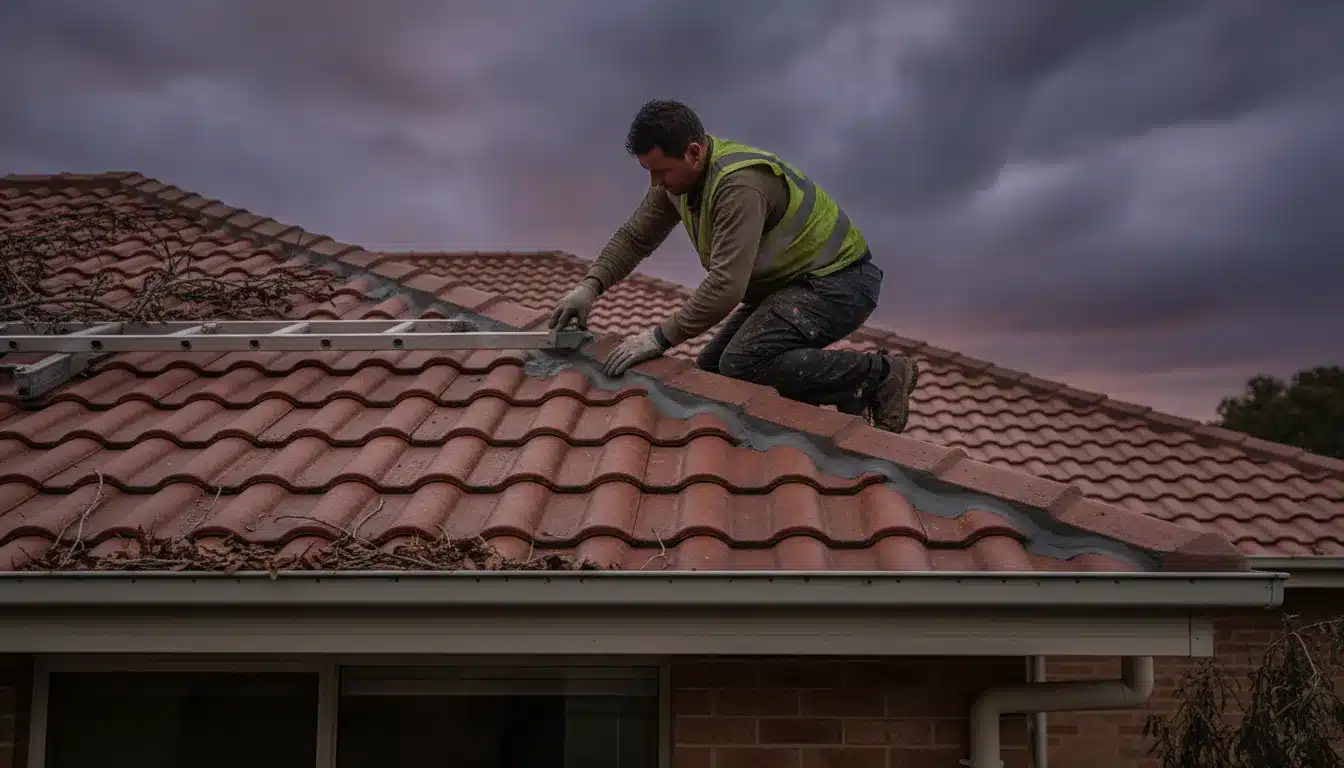
Safety should be included in planning. Tiled roofs can be brittle and slippery. Proper access reduces breakage and protects workers during inspection and repair.
Older roof surfaces can hide several small faults at once. A ridge problem may sit beside a cracked valley tile or tired flashing. Checking these areas together gives a clearer repair plan.
Weatherproofing should be checked after the repair. The roof surface should shed water cleanly, the cap line should sit evenly, and surrounding tiles should remain undamaged. Any loose fragments should be removed from gutters before the next rain.
Good repair notes also help future owners or property managers. They show which areas were repaired and which sections may need monitoring later.
Planning Timing and Preventing Repeats
Repair timing affects both safety and quality. Bedding and pointing need suitable application conditions and protection during curing, following the material manufacturer’s instructions.
Perth roofs face long summer heat, sudden storms and strong winter fronts. Planning ahead can reduce emergency work during bad weather.
Seasonal Planning for Perth Roofs
Roof leak prevention is easier before winter. Once repeated rain arrives, access windows can be shorter and leaks can spread faster.
Autumn checks are useful on older tiled roofs. They allow time to repair ridges, valleys and cracked tiles before severe weather.
Seek prompt assessment when any of these apply:
- New stains appear after each storm
- Ridge cracks are spreading
- Mortar is falling into gutters
- Caps rock or sit unevenly
- Damp insulation is found in the roof cavity
- Previous patching has failed
A recurring ceiling water stain should not be painted over without roof investigation. Painting hides evidence but does not remove moisture.
Maintenance After Repair
After repair, basic maintenance helps reduce future stress. It also helps identify fresh movement before water enters the home again.
Helpful maintenance steps include:
- Clear gutters before winter rain
- Keep valleys free of leaves
- Trim branches rubbing roof tiles
- Check ceilings after major storms
- Avoid unnecessary roof traffic
- Schedule inspections for ageing tiled roofs
Ridge tile bedding can last well when supported by good drainage and clean roof surfaces. Blocked valleys and heavy debris increase moisture exposure.
Stormwater roof entry risk also rises when gutters overflow. Water can back up near edges and expose weak points in older roof areas.
If a property has trees nearby, check the roof more often. Leaf litter can hold moisture against tile edges and valleys. Branch contact can also disturb caps during windy weather.
After severe weather, look from ground level for fresh debris in gutters. Pieces of mortar or pointing can show that roof material has moved. Early follow-up can help prevent another leak cycle.
Do not wait for a stain to confirm trouble. A visible gap on the ridge is enough reason to arrange inspection. Preventive work is less disruptive than drying ceilings and replacing damaged linings.
Checking Repairs and Temporary Work
Ask how the repaired area will be checked. Water testing is not always suitable, so the checking method should reflect the roof’s condition and the repair undertaken.
If urgent temporary work is needed during wet weather, a permanent repair plan should still follow. Temporary weatherproofing should not be mistaken for completed rebedding or repointing.
Conclusion
Loose ridge caps can let water spread through roof spaces before indoor damage becomes obvious. If you have noticed ridge gaps or recurring leaks, contact us to arrange a roof inspection and discuss the repairs your roof needs.