Tile roofs depend on repetition. Each course, overlap and profile helps move water down the roof without creating weak points.
When a tile breaks, the replacement must fit the pattern as well as the colour. A close match protects drainage, load sharing and appearance.
Why Roof Pattern Matters During Tile Replacement
Interlock and Overlap Protect the Roof
Tiles are not separate decorative pieces. They form a layered surface that sheds water through consistent overlap and alignment.
A replacement that sits too high can lift nearby tiles. A tile that sits too low can catch water and debris.
Replacement roof tiles need the right profile, width, length and lock shape. Small differences can create gaps along the course.
The pattern also controls how load moves across the roof. Uneven seating can stress older battens and nearby bedding.
Important pattern checks include:
- Side lock shape and depth
- Head lap and tail length
- Nose position on the batten
- Water channel width
- Overall tile thickness
A tile roof repair should protect the roof system, not just fill a visible hole. Fit matters before colour.
Water Flow Follows Profile Shape
Every tile profile creates a path for water. The crowns, pans and side locks guide runoff toward the gutter.
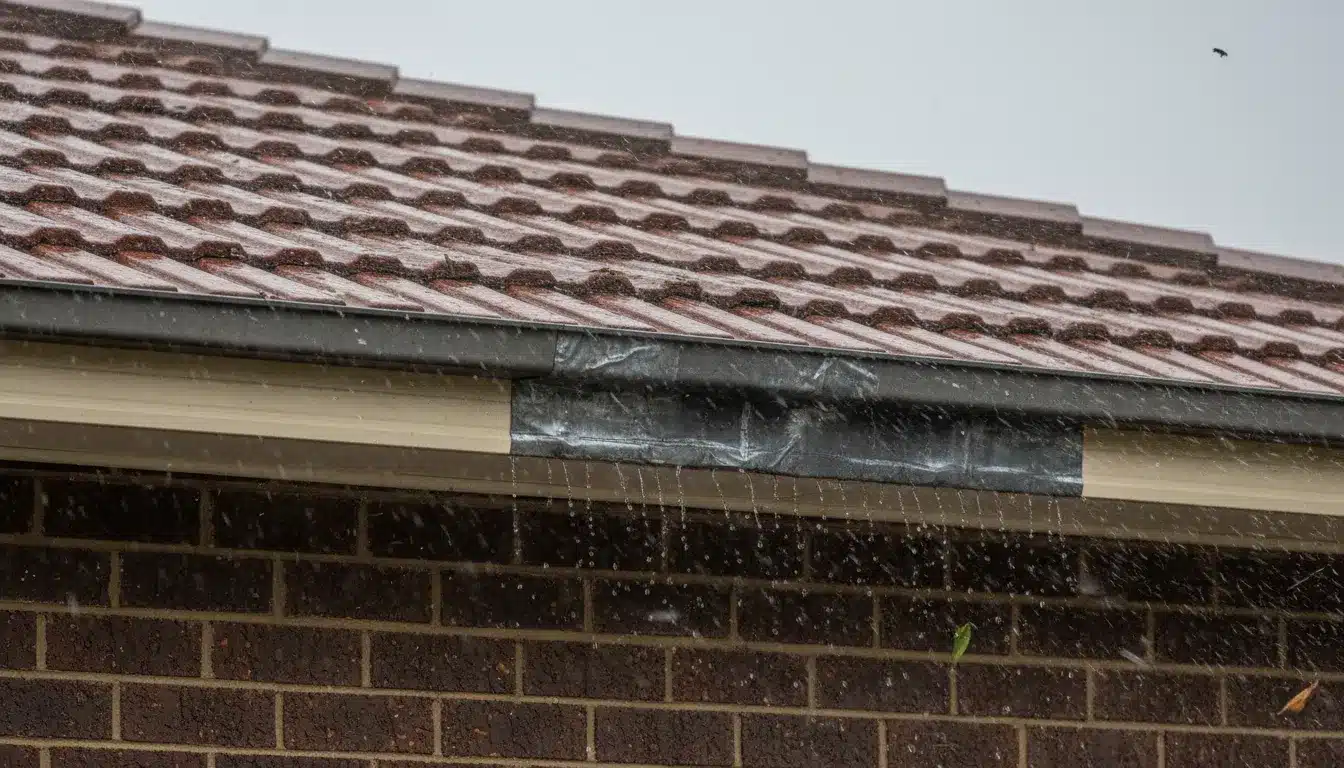
A mismatched profile can interrupt that path. Water may slow, spread sideways or collect near the wrong edge.
Matching roof tiles helps keep flow predictable across the repair area. It also reduces the need for sealant or packing.
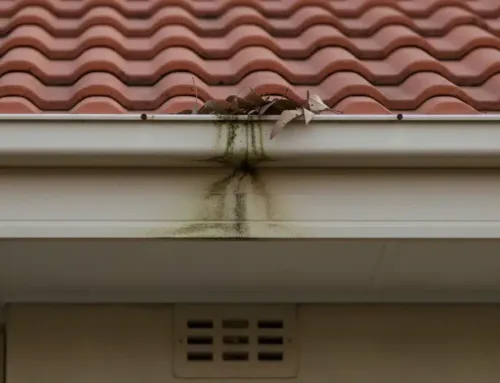
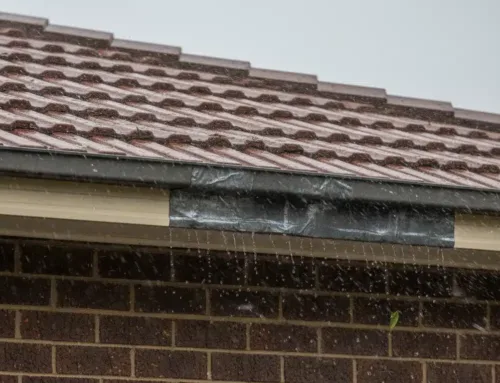
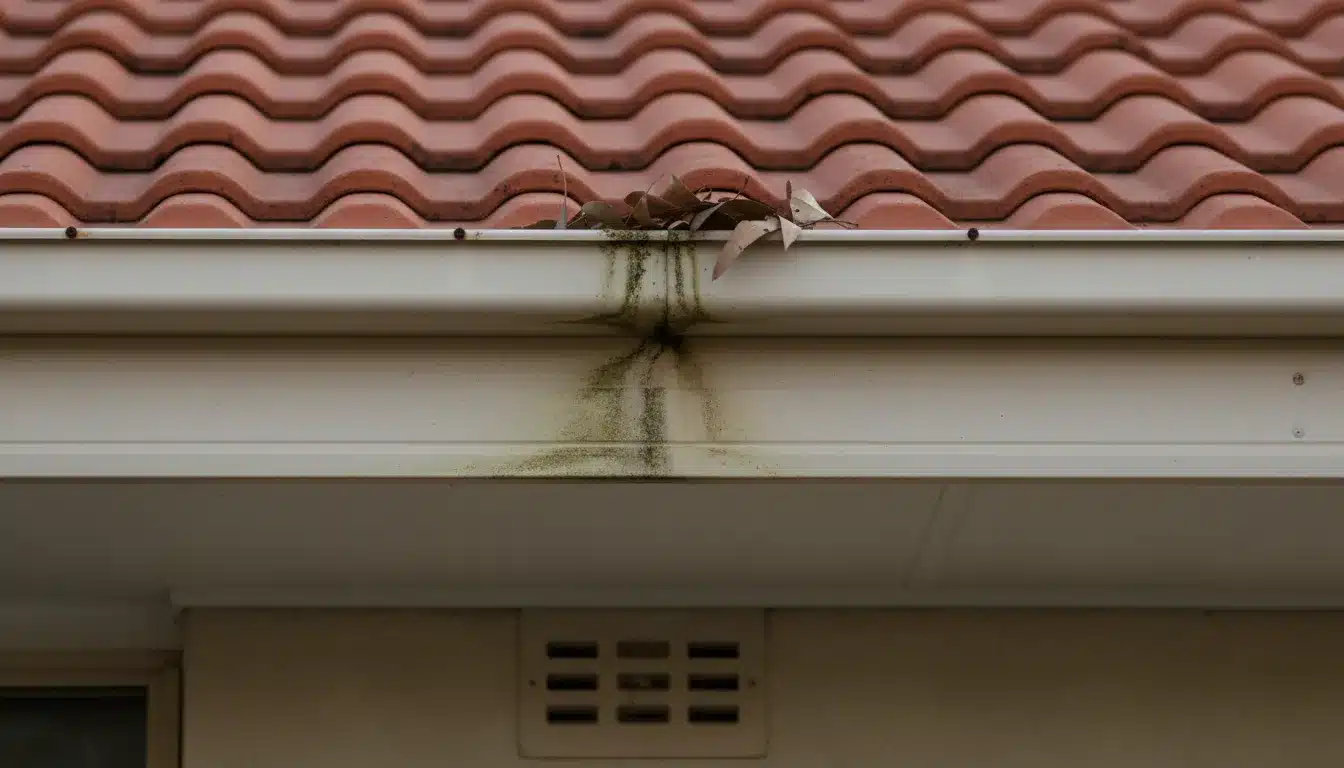
Poorly matched tiles often show after heavy rain. Dirt lines, moss growth or damp marks can reveal slow drainage.
The repair should be checked from several angles. A tile may look suitable from the ground but fail at the side lock.
Visual Pattern Affects Long-Term Value
Roof repairs are visible on many Perth homes, especially on broad street-facing slopes. A patchy roof can reduce kerb appeal.
Colour can be harder to match than shape. Sun, age, coating loss and lichen can change the surface over time.
A sound repair may still stand out at first. Cleaning, coating or broader restoration may be needed when many tiles have faded.
The aim is not always a perfect single tile colour match. The aim is a stable pattern that can be finished cleanly.
That distinction is important on aged roofs. A tile can look close from the driveway but still disturb the water path once fitted.
The best result balances fit, drainage and appearance. Colour can often be managed later through cleaning or coating work.
Identifying the Tile Before Sourcing
Measure the Profile, Not Just the Face
Tile identity starts with careful measurement. Length and width matter, but side locks and underside features are just as important.
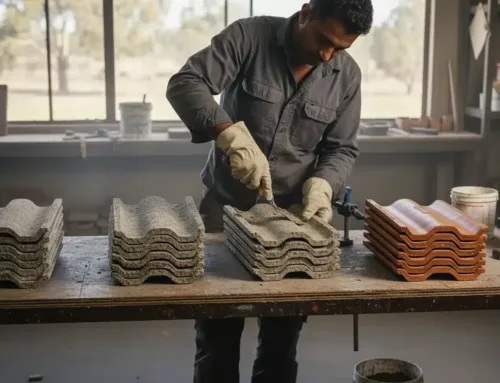
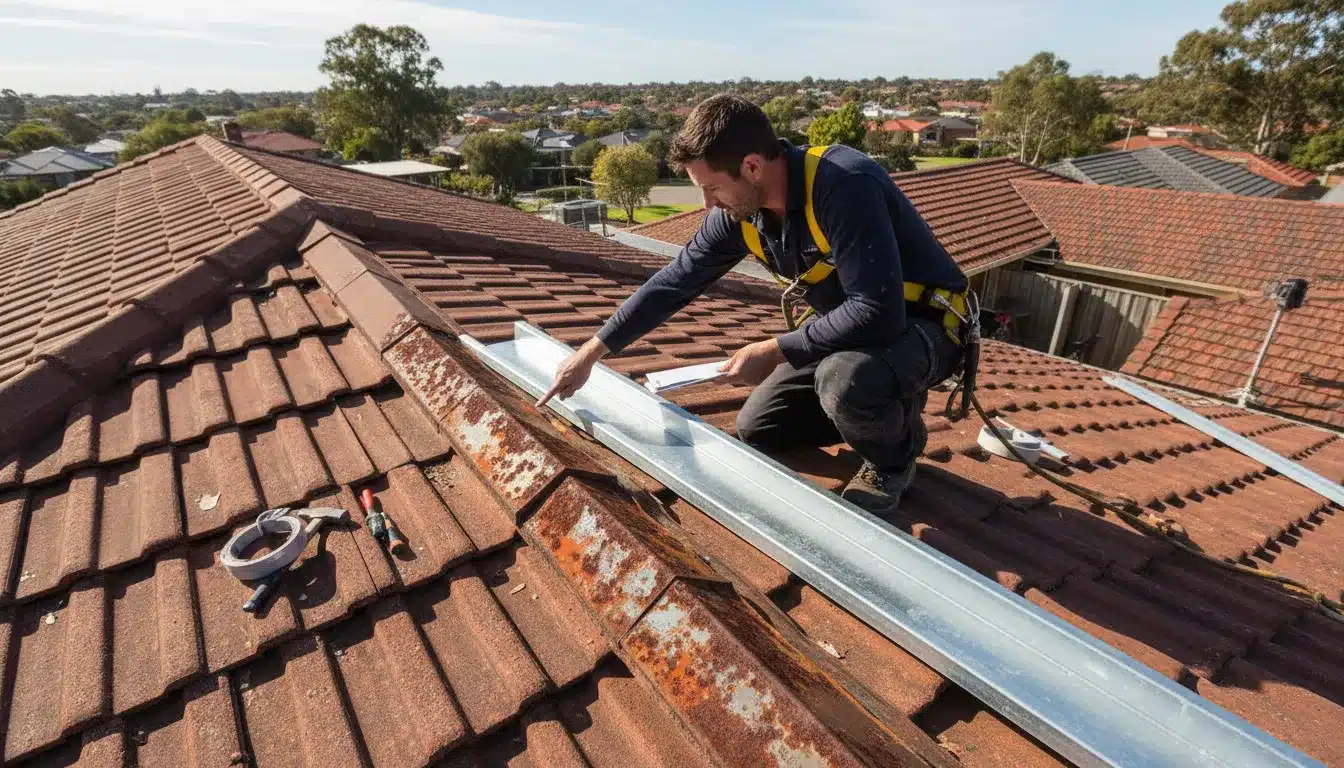
A qualified roofer should lift a sample tile safely from a sound area. Broken pieces can mislead because edges may be missing.
Key details to record include:
- Overall length and width
- Side lock shape
- Pan depth and crown height
- Batten lug position
- Manufacturer marks under the tile
- Material type and surface finish
Discontinued tile profiles are common on older homes. Accurate records help narrow the search before stock is ordered.
Photographs should include the top, underside and side edge. A scale or tape measure makes comparisons easier.
Labels also help when several samples are removed. Each sample should be tied to its roof slope and course position.
Cement and Terracotta Behave Differently
Cement tiles and terracotta tiles age in different ways. Their weight, surface finish and water absorption can also differ.
Cement tile replacement must consider surface wear and coating history. Older cement tiles may have lost much of their original finish.
Terracotta tile replacement needs close attention to profile and brittleness. Older terracotta can crack if forced into a poor fit.
The material also affects cutting and handling. Terracotta can chip at edges, while cement can shed worn surface layers.
A matching process should confirm material before colour. A painted cement tile should not be confused with natural terracotta.
Check Whether the Roof Has Mixed Tiles
Some roofs already contain several tile types. Past repairs may have introduced near matches across different slopes.
Mixed tiles can make sourcing harder. The best sample should come from the immediate repair zone, not from a different elevation.
Signs of mixed tiles include:
- Slight changes in course height
- Different underside marks
- Uneven side lock contact
- Colour patches that follow older repairs
- Tiles that rattle or rock under light pressure
Matching roof tiles from the wrong section can repeat a past mistake. The repair should improve the weak area, not copy it.
A roof map can help. Marking tile types by slope supports better decisions during larger repair work.
Mapping also protects spare stock. Rare pieces can be kept for the most exposed roof areas rather than hidden slopes.
Finding Suitable Replacement Stock
Salvage Stock Can Be Useful When Checked Properly
Older roofs often need salvaged tiles because the original product is no longer made. Salvage can work well when tiles are sound.
Each tile should be checked for cracks, worn locks and surface weakness. A dirty tile can hide defects along the side channel.
Good salvage checks include:
- Tap sound and visible cracking
- Straight edges and intact noses
- Clean side locks
- Similar weight and thickness
- No deep surface pitting
- No heavy salt or moss damage
Replacement roof tiles from salvage yards should be sorted before installation. Unsuitable tiles should not be kept for roof areas.
Bulk lots can include several profiles. Every tile in the repair group should be checked, not just the top piece.
Storage history matters as well. Tiles stacked outside for years may have hidden cracks, salt marks or weakened edges.
New Alternatives Need Technical Comparison
A current tile may look close to an older profile but still sit differently. Modern moulds, lugs and channels can vary.
Technical comparison should happen before tiles are carried onto the roof. A side-by-side test saves time and reduces breakage risk.
A new tile can sometimes suit a small hidden area. It may not suit a broad visible repair on the front elevation.
When discontinued tile profiles cannot be sourced, the repair scope may need adjustment. Restoration still requires compatible replacement tiles; re-roofing may be more practical if the roof cannot be repaired reliably.
We have restored more than 30,000 roofs across Perth, north and south of the river. Our work under the Permacoat name includes tile repairs and restoration, with broken tiles replaced before coating begins. Matching the tile profile remains essential because a new finish cannot correct a poor fit.
Technical comparison should include a dry fit where safe. The tile should sit without rocking, forcing or large gaps.
Colour Matching Should Follow Structural Fit
Colour is important, but it should not override fit. A perfect colour match with the wrong lock can create leaks.
Our roof painting assessments consider surface condition and colour preferences. A clean stored tile may look different after rain, heat and dust exposure, so surface age also matters when comparing replacements.
Colour assessment should check:
- Dry and wet appearance
- Sun faded slopes beside shaded slopes
- Coating age and condition
- Lichen staining around the repair area
- Visibility from street and outdoor areas
After a tile roof repair, some colour variation may need to be accepted unless broader coating work is appropriate. Structural performance should remain the first test.
Colour decisions should account for the whole roof face. A small variation near a valley may be less visible than one near a ridge.
Installing Tiles Without Weakening the Pattern
Preparation Protects Nearby Tiles
Before installation, the repair area should be inspected and debris removed. Where broader roof cleaning is needed, the method should suit the tile material and condition. Broken nibs, loose bedding and damaged sarking can affect the result.
Nearby tiles should be lifted carefully. Forcing a replacement into place can crack the tile below or chip side locks.
Safe preparation includes:
- Removing loose fragments from the course
- Checking battens for rot or movement
- Inspecting sarking or insulation where visible
- Clearing grit from side locks
- Confirming valley and gutter flow below
Preparation is especially important after storm damage. Debris can sit under sound tiles and stop the new piece from seating.
A roof should not rely on adhesive to hold a poorly fitting tile. The original pattern must do most of the work.
Any cracked nearby pieces should be addressed during the same visit. Leaving them behind can make the repair area fail again.
Bedding and Pointing Affect Edge Stability
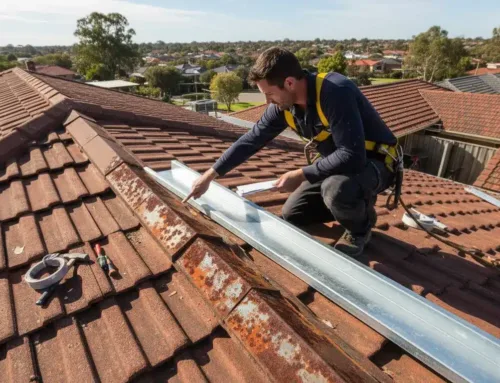
Tile replacement often sits near ridges, hips, valleys or gables. These edges may need bedding and pointing checks at the same time.
Loose bedding can let edge tiles move. That movement can disturb surrounding courses and open small gaps.
Cement tile replacement near a ridge should include checks for cracked mortar and failed flexible pointing. The tile itself may not be the only issue.
Terracotta tile replacement near old mortar needs gentle handling. Brittle edges can crack if bedding is packed too tightly.
Pointing should support weather resistance without locking the roof against normal movement. Overly rigid repairs can crack again.
The surrounding mortar should be checked for hollow sections. A solid-looking edge can still move if bedding has separated underneath.
Keep Courses Straight After the Repair
After the replacement is fitted, the surrounding course should be rechecked. A slight shift can create a chain of small misalignments.
Sight lines across the roof help reveal pattern disturbance. Raised corners and uneven gaps should be corrected before leaving the area.
Final course checks include:
- Even side gaps along neighbouring tiles
- No rocking under light hand pressure
- Correct head lap at the course above
- Clean water channels through the profile
- Stable edge tiles near hips or valleys
A well-completed repair should blend into the roof pattern. It should also drain without special treatment.
Final checks should include light cleaning around the repair. Grit left in channels can slow flow and stain the new work.
When a Wider Roof Solution Is Smarter
Many Broken Tiles May Point to Deeper Issues
Repeated breakage can show age, foot traffic damage, weak battens or coating failure. Replacing single tiles may not solve the cause.
If many tiles are brittle, each repair visit can create new damage. The roof may need restoration or replacement planning.
A broader inspection should consider leaks, coatings, bedding, gutters and roof structure. Where gutters or downpipes are old or damaged, we can include gutter replacement in the roof restoration quote. The goal is to avoid repeated short-term work.
Where tile supply is limited, spare tiles should be reserved carefully. Priority should go to exposed leak risks first.
A roof with widespread failure may need staged works. Urgent roof repairs should address the source of water entry before cosmetic work is considered. Replacing broken tiles or securing displaced flashings may be necessary first; the wider plan should then reflect the condition of the remaining roof.
Restoration Can Improve Colour and Surface Consistency
When the pattern is sound but the surface is tired, restoration can make repairs less visible. Cleaning and coating can unify the roof finish.
Surface preparation matters because roof coatings need a clean, stable base. Broken tiles and failed pointing should be repaired before application; a coating cannot compensate for an incompatible replacement tile.
A restoration plan may include:
- Replacing cracked tiles
- Repointing ridges and hips
- High pressure cleaning
- Surface preparation for coating
- Applying suitable roof coating systems
This approach can turn a patchy repair into a more consistent finish. It can also extend roof life when the structure is sound.
Re-Roofing May Be Needed When Profiles Are Unavailable
Some old profiles become too scarce for reliable repair. A few salvaged pieces may not support long-term maintenance.
If water control is compromised, a larger replacement can be more practical. This decision depends on age, tile condition and future supply.
Re-roofing can also address hidden weaknesses. Battens, flashings, valleys and gutters can be reviewed as part of the scope.
The decision should compare repair cost against expected service life. A cheap patch can become expensive if it fails during storms.
Long-term planning gives the roof a stable path forward. It also avoids adding mismatched pieces year after year.
The plan should also consider future spare stock. Keeping a small number of compatible tiles can reduce delays after storms.
Supplier notes should be kept with photographs. Names, batch details and yard locations make future searches much faster.
Spare tiles should be stored flat and dry. Marking the roof area on each stack prevents confusion later.
During installation, handling matters. Walking routes should avoid unsupported edges and recently disturbed courses.
A final rain check is useful after the next storm. New stains or lifted corners should be recorded quickly.
Broader projects should include a tile schedule. It can list urgent repairs, optional visual improvements and future replacement decisions.
Owners should avoid mixing stock from several unknown sources. Similar-looking tiles can differ enough to create uneven courses.
If supply is uncertain, the most visible slope may not be the first priority. Leak risk and safety should guide the order of work.
Keep the tile schedule, supplier notes and photographs together so they can support faster decisions during urgent storm repairs.
Conclusion
Careful sourcing protects roof pattern, water flow and the service life of older tiled roofs. If you are unsure whether a mismatched tile needs a local repair or a wider restoration, contact us for a free, no-obligation roof inspection so we can assess the next step.