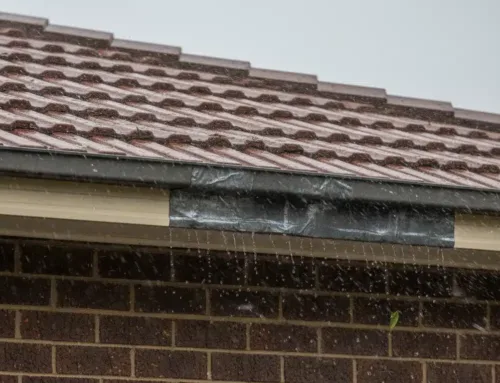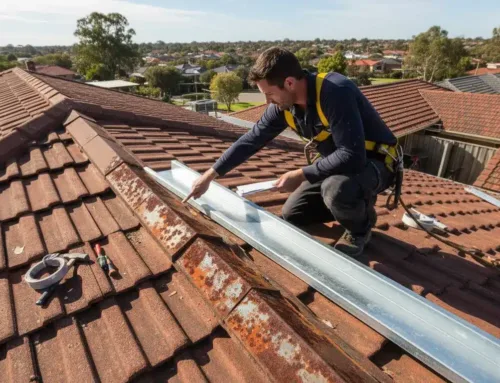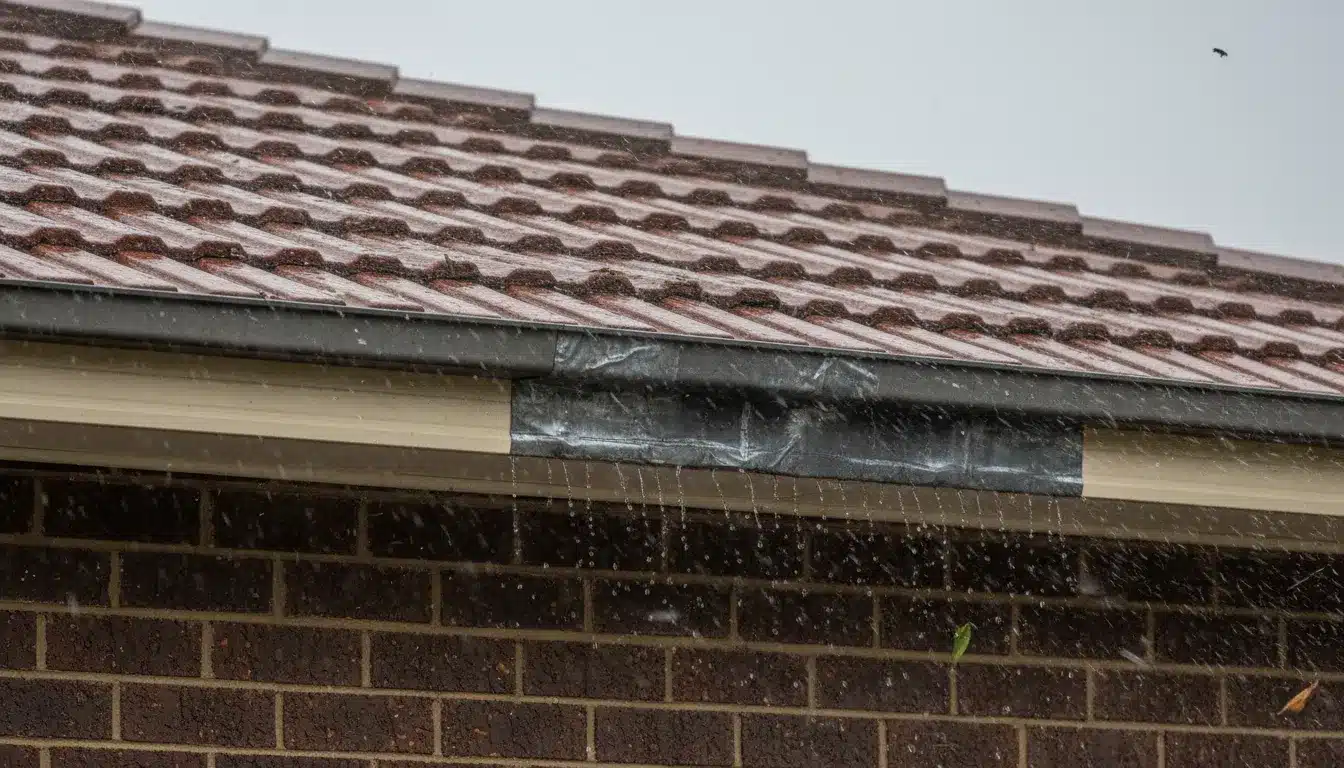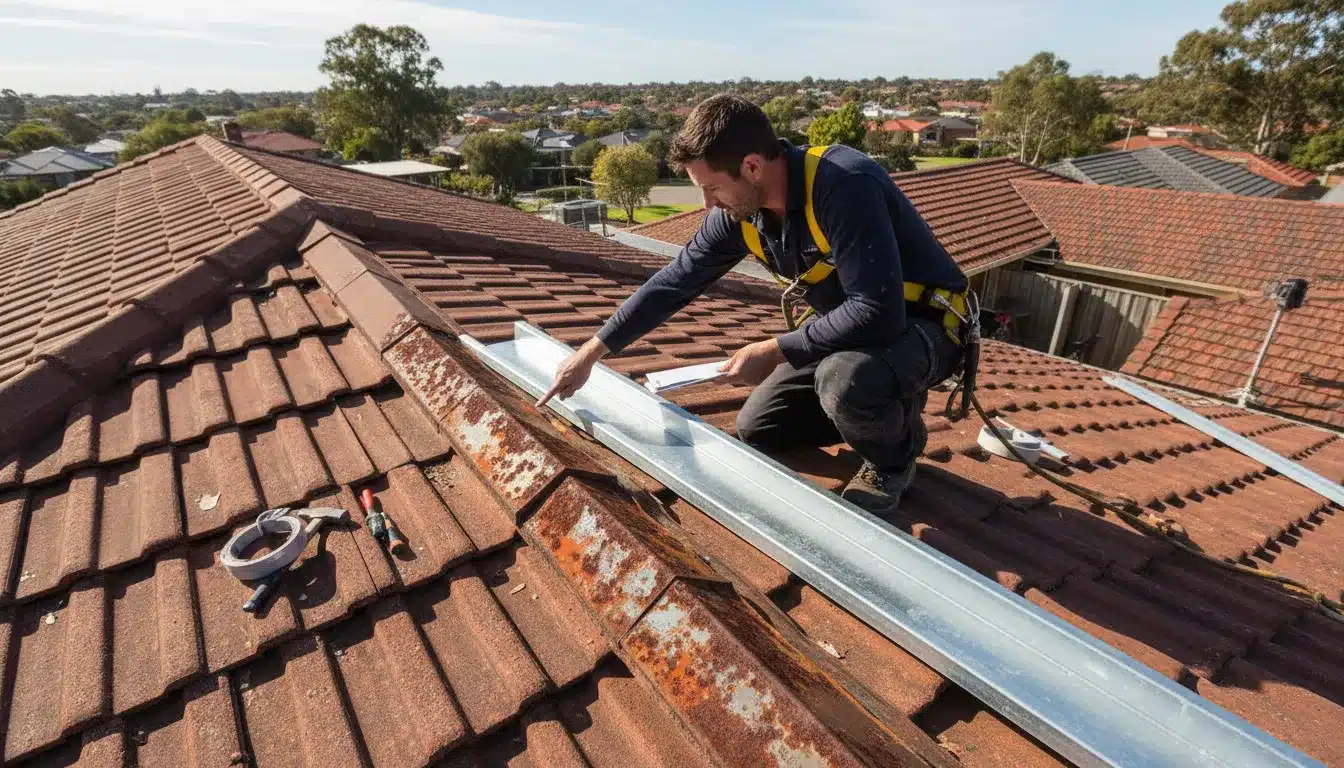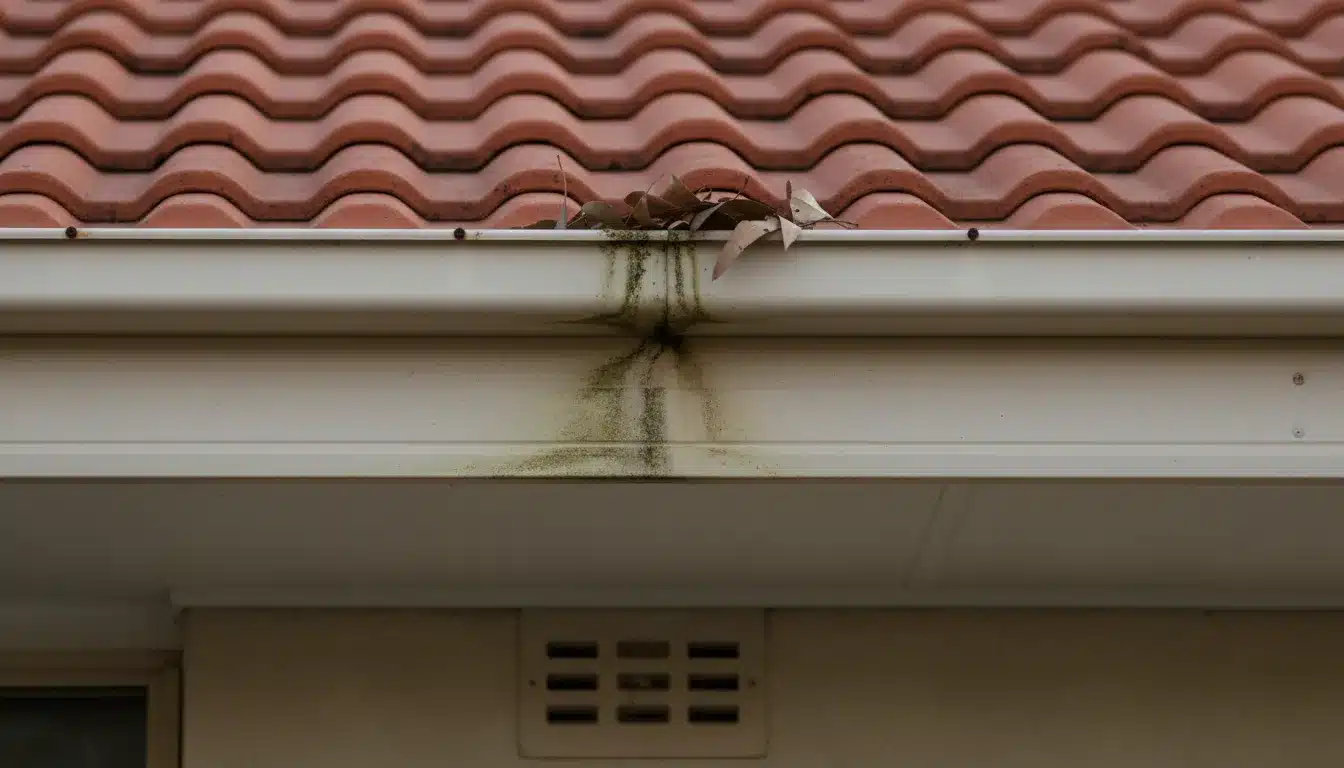
Eaves often show roof drainage stress before water enters living areas. They sit below the roof edge, where overflow and wind-driven rain first leave marks.
Small stains, peeling paint or damp fascia boards can point to a wider drainage fault. Early checks help limit timber decay, ceiling stains and indoor mould.
Perth storms can change from light rain to heavy bursts quickly. A roof edge that copes in drizzle may struggle when gutters and downpipes fill fast.
Why Eaves Reveal Drainage Stress Early
Staining Under the Roof Edge
Stains under eaves can appear as brown lines, grey patches or dark spotting. They often follow the path of repeated moisture.
These marks can develop when eaves gutter drainage is slow or uneven. Water may spill over the front edge, then track back underneath.
Paint can bubble where moisture sits behind the surface. Timber can also swell, soften or split when damp cycles keep returning.
Common stain clues include:
- Brown lines below gutter joints
- Dark patches near downpipe outlets
- Flaking paint on fascia boards
- Damp spots after short rain
- Mildew on sheltered eave sheets
A single stain does not always mean severe damage. Repeated staining after rain needs closer inspection and prompt action.
Sagging Lines and Loose Fixings
A gutter line should sit straight enough to carry water to outlets. Sagging sections can hold water after rain has stopped.
Loose brackets may suggest long-term loading from trapped water, wet leaves or silt. Heavy sections can pull away from fascia boards.
A downpipe blockage can add weight near the outlet. The water then backs up along the gutter instead of draining away.
Warning signs around fixings include:
- Rust marks below screws
- Gaps between gutter and fascia
- Brackets pulling forward
- Overflow at one low point
- Standing water after dry weather
These signs are easiest to check from the ground after rain. Binoculars can help, but roof access should stay with trained workers.
How Overflow Turns Into Roof Edge Damage
From Full Gutters to Fascia Moisture
Gutters are designed to move water, not store it. When flow slows, the roof edge carries more moisture than intended.
A gutter overflow roof leak can start outside the ceiling space. Water may first soak fascia, eave sheets and barge areas.
The leak path can then move behind cladding or under roof edges. Ceiling stains may appear later, after hidden materials are wet.
This delay makes early eave marks important. External changes can warn of trouble before indoor repairs become more expensive.
Moisture can affect several materials at once:
- Fascia timber and painted trims
- Eave lining sheets
- Roof battens near the edge
- Wall tops below the gutter
- Insulation beside the eaves
The visible drip point may not show the source. Water can travel along an edge before dropping at the weakest point.
Why Blocked Outlets Matter
Outlets and bends collect leaves, seed pods, roof grit and loose coating debris. Even a partial blockage can raise the water level in the gutter.
During heavy rain, blocked outlets can push water over the back edge. That pathway is a common cause of roof edge water damage.
A downpipe blockage may also change the sound of draining water. Gurgling, pulsing and splash marks can suggest restricted flow, but do not identify the blockage on their own.
Outlet checks should look beyond the top opening. Debris can sit lower in bends, shoes or underground stormwater drainage connections.
Helpful outlet checks include:
- Water flow during moderate rain
- Debris sitting around the dropper
- Splash marks below the outlet
- Overflow near bends or shoes
- Pooling around stormwater pits
Outlet problems can return if the lower drainage path stays restricted. The whole route needs to move water away from the home.
Common Causes Around Perth Roof Edges
Leaves, Grit and Roof Debris
Many Perth homes sit near gums, palms or neighbouring trees. Leaves and seed pods can build up quickly along roof edges.
Roof surfaces also shed grit as coatings age. That grit settles in gutters and slows stormwater drainage during heavy weather.
A shallow layer of silt can hold moisture against metal. Over time, that moisture can support corrosion and staining.
Debris levels may change across the roof. One shaded valley or tree-facing edge can create more risk than other sides.
Problem materials often include:
- Leaf litter from nearby trees
- Sand and dust after dry spells
- Broken tile chips or mortar pieces
- Rust flakes from aged gutters
- Bird nesting material near outlets
Regular clearing reduces load and improves flow. Where debris also collects on the roof, roof cleaning can address that build-up; clearing the gutters exposes joints, seams and brackets for inspection.
Incorrect Gutter Fall
Gutter fall controls how quickly water reaches each outlet. Too little fall can leave water sitting after rain.
Fall towards the wrong end can leave water pooling away from an outlet. An undersized or restricted outlet can also cause overflow, even where the gutter falls correctly.
Incorrect fall may follow old repairs, bracket movement or fascia movement. Changes to roof runoff can expose an existing fall or capacity problem without changing the gutter’s slope.
The effect is often visible at the eaves. A low section may drip long after other areas have dried.
Fall checks need careful measurement. Guessing from ground level can miss small changes that matter during strong storms.
Storm Conditions That Expose Weak Drainage
Sudden Downpours and Wind-Driven Rain
Perth roof drainage is tested during short, intense storms. Gutters that look clean may still struggle with high flow. Our free, no-obligation Permacoat roof inspections help assess whether wet eaves reflect gutter overflow or a fault higher on the roof. That assessment draws on more than 50 years in roof restoration and repairs, including more than 30,000 roofs restored across Perth, north and south of the river.
Wind can push rain under edges and against eaves. If the gutter is already overflowing, the roof edge becomes more vulnerable.
A gutter overflow roof leak is more likely when wind, heavy rainfall and blockage occur together. Water can then enter through gaps that remain dry in lighter weather.
After a storm, inspection should happen once conditions are safe. Fresh water marks show the latest flow path more clearly.
Post-storm checks can include:
- Fresh drips below the fascia
- New stains under eaves
- Soil scouring below downpipes
- Water marks on walls
- Overflow lines on gutter fronts
Photos help track changes between storms. Repeated marks in the same area deserve priority.
Coastal Exposure and Seasonal Debris
Coastal air can affect metal gutters, fixings and brackets. Salt, moisture and dust can leave surfaces more exposed to wear.
Seasonal debris can also peak before winter. Dry leaves, bark and seed pods may sit unnoticed until the first strong rain.
This mix can increase roof edge water damage risk. Moisture can stay trapped where debris rests against seams or corners.
Mid-year checks are useful for homes near trees. Late autumn clearing can reduce the load before heavy winter rain.
A maintenance calendar should suit the site. Homes under heavy canopy may need more frequent inspections than open blocks.
Local exposure should also shape material choices. Coastal gutters need materials and fixings suitable for salt exposure, with joints checked for corrosion and deterioration.
Shaded sides need separate attention because they dry slowly. Moisture can sit longer under debris and make small faults harder to see.
Inspection Steps Before Damage Spreads
Safe Visual Checks From Ground Level
Ground-level checks can reveal many eave drainage clues. They are safer than climbing ladders during or after wet weather.
Look for patterns as well as single marks. Repeated staining helps identify a recurring water path, but an isolated drip can still need assessment if nearby materials remain damp.
A simple inspection routine can cover:
- Eave stains on each side
- Gutter joints and corners
- Downpipe outlet flow
- Splash marks at ground level
- Damp soil beside walls
- Paint peeling near fascia boards
Eaves gutter drainage should be checked after both light and heavy rain. Different faults appear under different water volumes.
Notes should record the date, rainfall strength and affected side. This record helps repairers understand repeat behaviour.
Signs That Need Prompt Assessment
Some symptoms point to active moisture movement near the roof edge. These signs should not wait for the next seasonal clean.
Prompt assessment is sensible when staining grows, paint flakes quickly or gutters pull away. Damp smells near ceiling edges also matter.
A roof edge fault can affect pest risk. Damp timber and hidden gaps can attract insects or allow small entry points.
Internal stains near external walls need careful tracing. The roof source may sit above the visible ceiling mark.
Fast action can limit the extent and cost of roof repairs. It may also protect insulation, plasterboard and upper wall framing from further moisture.
Repair Choices for Gutter and Downpipe Faults
Cleaning, Sealing and Realignment
Some drainage faults need cleaning and minor adjustment. Others need sealing, bracket repairs or replacement sections.
Cleaning helps only when the gutter remains sound and correctly aligned. Damaged seams or poor fall can still cause overflow.
Realignment can restore flow to outlets. It also reduces standing water that increases weight and corrosion risk.
Good repair planning considers:
- The roof area feeding each gutter
- Outlet size and location
- Downpipe capacity and condition
- Gutter fall and bracket spacing
- Ground-level discharge points
The aim is reliable drainage during heavy rain. A tidy gutter still needs enough capacity and correct fall.
When Replacement Becomes the Better Option
Older gutters may have corrosion, split seams or repeated low spots. In those cases, small patches may offer only short-term relief.
Gutter repairs in Perth should consider local storm patterns, tree cover and roof size. The solution needs to handle peak flow.
We offer gutter and downpipe replacement when existing components are old or damaged. Distorted or thinning sections may need replacement, with outlet placement and downpipe layout considered alongside their condition.
A planned roof drainage upgrade can reduce repeat maintenance. It can also protect eaves, fascia boards and nearby wall finishes.
Replacement decisions should balance cost, risk and age. A localised fix may suit one corner, while full renewal suits widespread wear.
Preventive Maintenance for Storm Readiness
Linking Gutters to the Wider Drainage Path
Gutters are only one part of the water route. Downpipes, shoes, pits and site fall all influence the final result.
Stormwater drainage problems can make roof gutters seem worse. Water may back up when lower pits or pipes are restricted.
A downpipe blockage should be checked before blaming the gutter profile. The outlet may work poorly because the lower path is full.
Testing the full route can reveal hidden restrictions. Water should leave the roof edge and move away from foundations. Restricted underground pipes or pits need assessment by an appropriately qualified drainage specialist.
A full drainage review may include:
- Gutter condition and fall
- Downpipe size and bends
- Stormwater pit condition
- Ground discharge direction
- Signs of pooling near walls
This wider view helps prevent repeated repairs. It also supports better decisions before winter storms arrive.
Planning Checks Before Winter
Pre-winter checks give time for repairs before heavy rain. They may also reduce the need for emergency callouts during storm periods.
Gutter repairs in Perth are often easier to schedule before the first major fronts. Dry conditions also support safer work.
Eaves gutter drainage should be part of that seasonal review. The eaves reveal where roof water has escaped before.
After repairs, check whether overflow and fresh wetting beneath the affected section recur during rain. A moderate shower may not expose a fault that appears only in a heavy downpour.
Clear access helps the repair process. Trimmed branches, safe side paths and visible outlets make assessment faster and safer.
If staining returns, roof repairs may be needed higher up rather than further gutter work. Valley outlets, cracked bedding or loose flashings can feed moisture towards the eaves.
That wider check can prevent repeat work. The visible eave mark is often only the final point in a longer water path.
Conclusion
Eave stains, sagging gutters and outlet overflow can reveal drainage faults before indoor leaks develop. If your gutters or downpipes are old or damaged, contact us to discuss replacement before the next storm exposes further roof-edge problems.