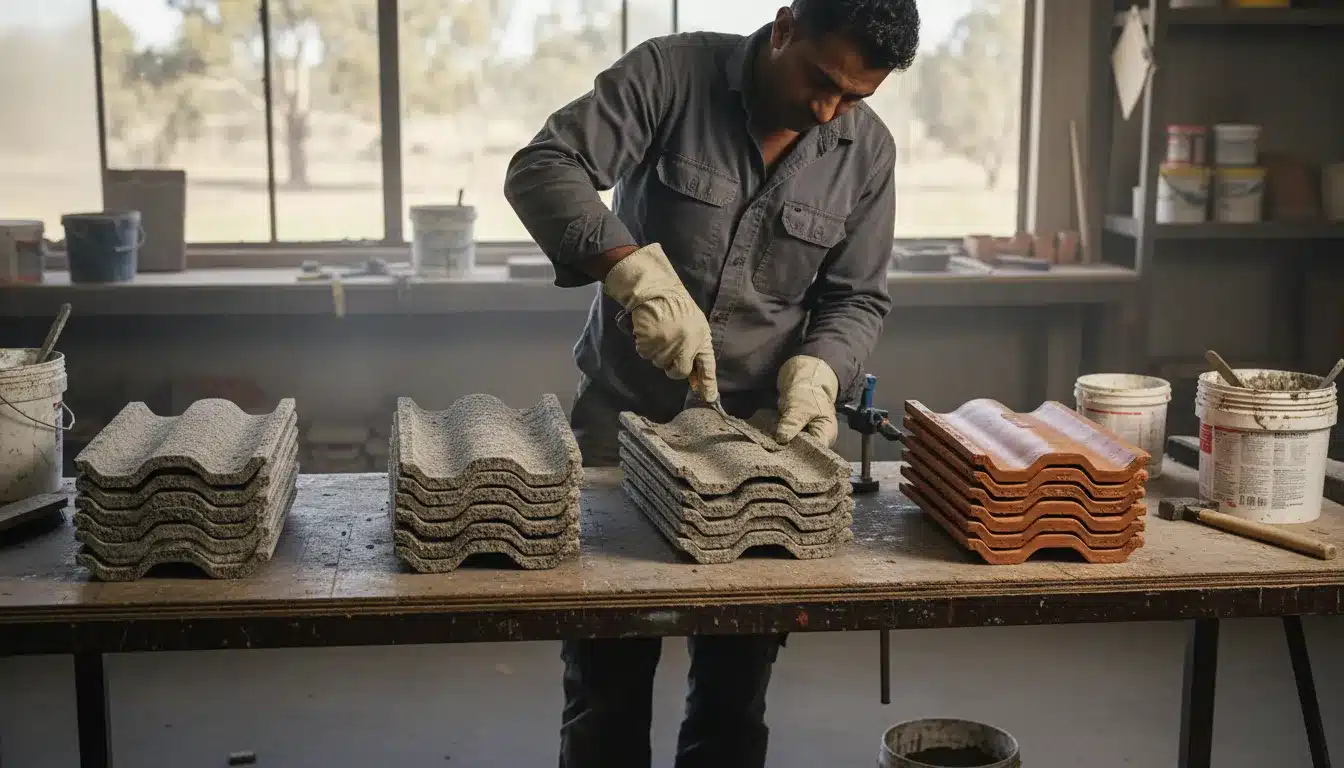
Concrete and terracotta roof tiles can look similar from the street. Their repair needs can be very different once the roof is inspected.
Each material responds differently to age, moisture, heat, and foot traffic. A repair that suits one tile can damage the other.
The safest approach is to treat the tile material as the starting point. That helps prevent extra breakage during inspection.
Why Tile Material Changes the Repair Plan
Roof tiles are not interchangeable just because they share a profile. Their structure affects cutting, cleaning, sealing, and replacement.
Concrete tiles are usually heavier and more porous with age. Terracotta tiles are fired clay and can be brittle under pressure.
A sound roof repair method starts with tile identification. That step should happen before lifting, cleaning, or replacing sections.
Tile age also matters. Two roofs with the same material may need different handling because exposure and previous repairs differ.
How Concrete Tiles Age
Concrete tiles weather as their surface coating breaks down. The tile body can become more absorbent over time.
Common concrete tile issues include:
- Surface erosion and exposed aggregate
- Fading or chalky coating
- Moss and lichen growth
- Cracks near fixing points
- Worn laps and water channels
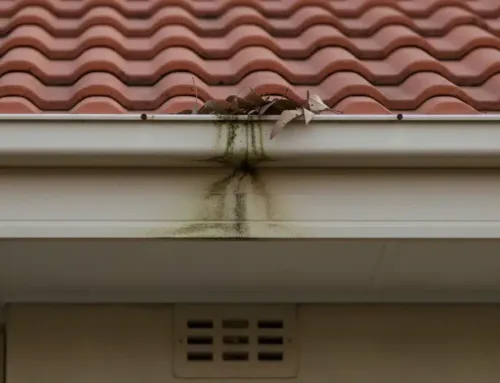
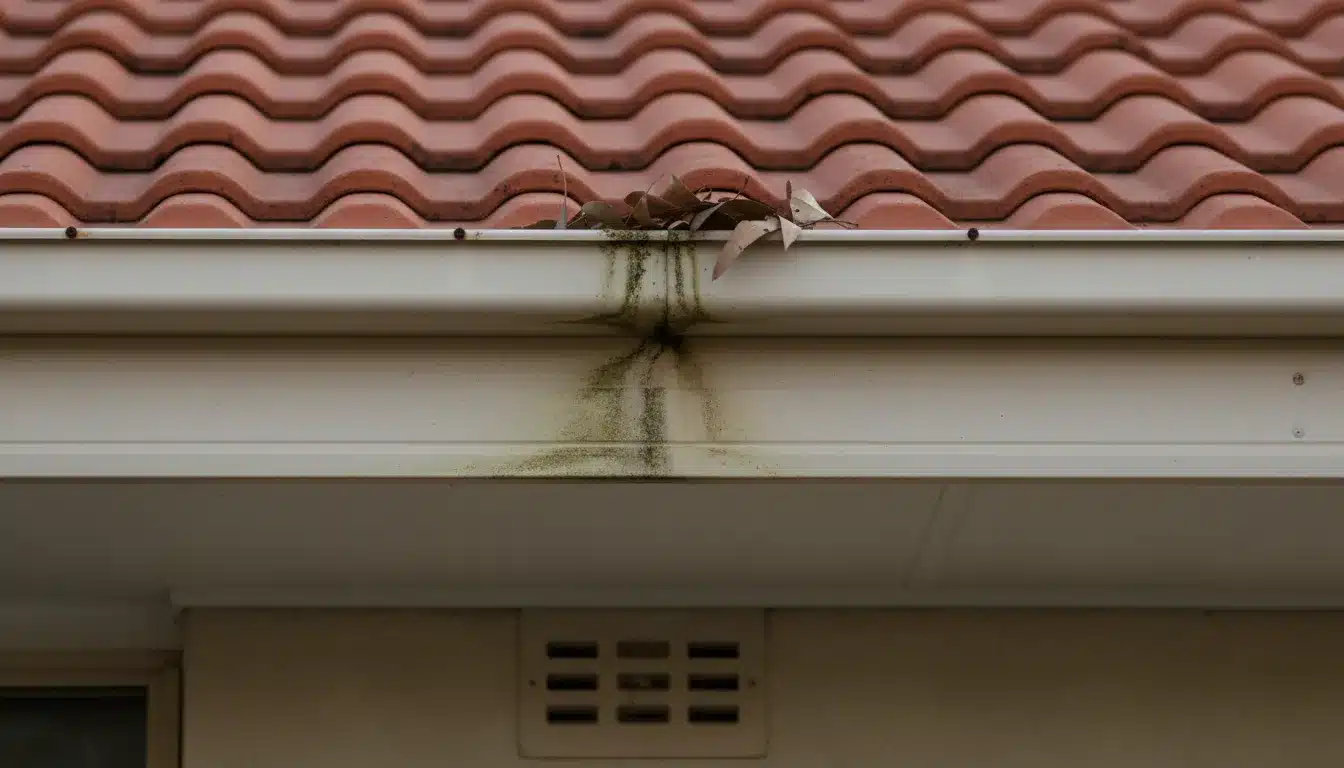
- Heavy build-up in valleys and gutters
Concrete tile repair often needs surface preparation as well as replacement. The surrounding tiles may be worn, not only dirty.
Aged concrete can also shed granules. That loose material can affect gutters, valleys, and roof drainage.
Older concrete can look sound after light rain. Once dry, the same surface may show pitting, powdering, or open pores.
How Terracotta Tiles Age
Terracotta is fired at high temperature. It can last well, yet it responds poorly to rough handling.
Common terracotta concerns include:
- Hairline cracking from impact
- Fretting on older tile surfaces
- Brittle edges around laps
- Loose ridge bedding nearby
- Glaze wear on some profiles
- Moss and lichen that become slippery when wet
Terracotta tile repair requires careful access. Sudden pressure can break neighbouring tiles as well as the damaged one.
The repair plan should respect the material. Strength, brittleness, and surface finish all matter.
Older clay profiles can also be difficult to match. A patient sourcing step can be as important as the replacement work.
Surface Condition Comes Before Replacement
The visible broken tile is only part of the task. The surrounding roof needs a condition check.
A damaged roof tile surface can signal broader wear. It can also hide cracks under moss, dirt, or faded coating.
Surface preparation helps reveal the true repair area. It also helps decide whether local work or broader restoration is needed.
Why Cleaning Changes the Diagnosis
Cleaning can expose cracks that were hidden by debris. It can also reveal worn channels that no longer shed water well.
A surface check may include:
- Clearing valleys and water channels
- Removing moss from tile laps
- Checking coating adhesion
- Looking for porous or fretted areas
- Inspecting ridge caps and pointing
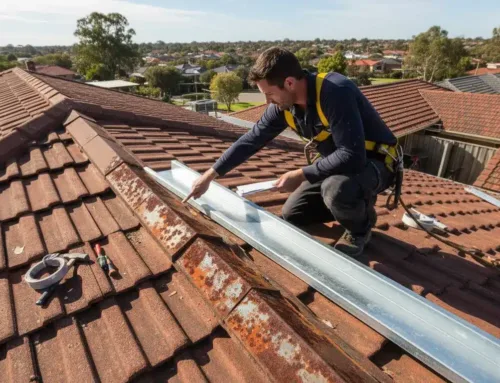
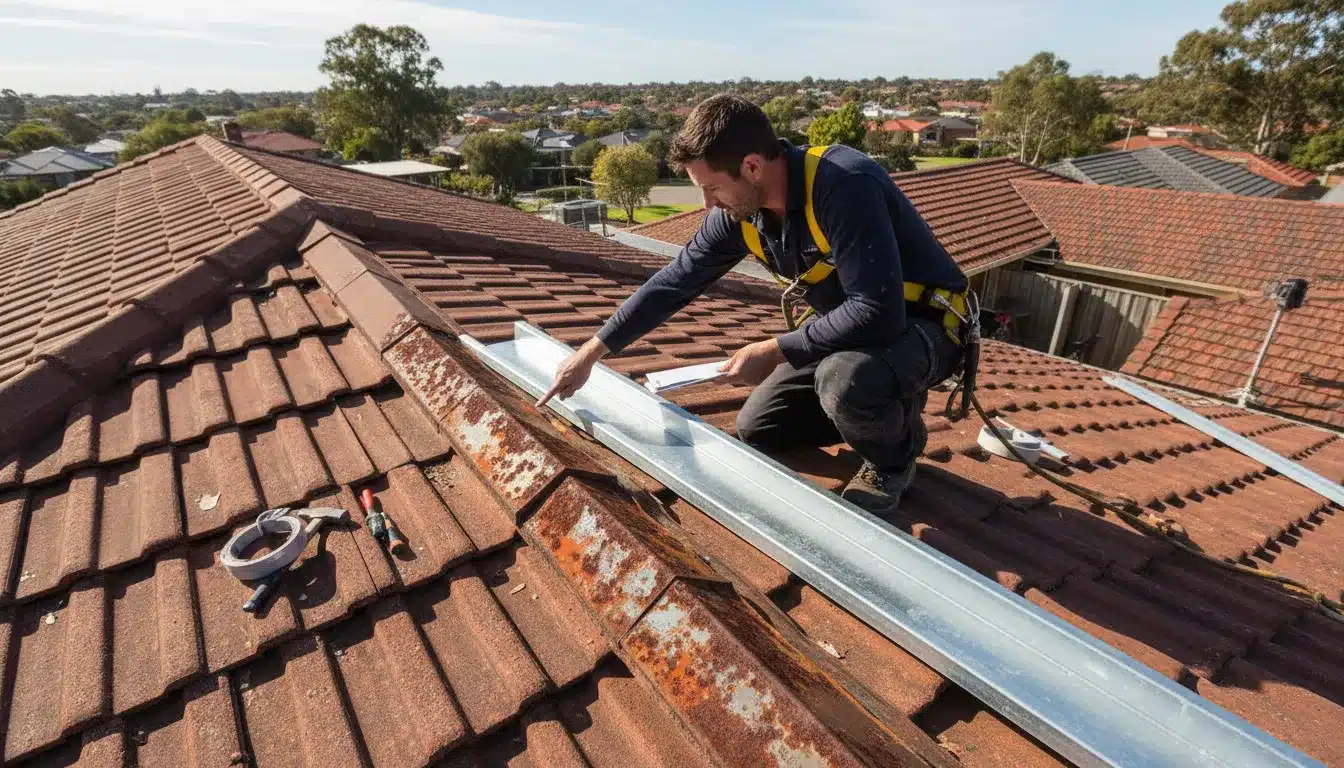
- Checking flashings near tiled sections
The roof tile surface should be assessed before coating or sealing. Trapping moisture under a coating can create later problems.
Tile cleaning must match the material. Excess force can damage old tiles and increase repair needs.
Why a Matching Profile Matters
Tile profile controls water flow. A similar-looking tile may not interlock correctly with the existing roof.
Mismatched tiles can sit proud, leave gaps, or direct water sideways. That can create leaks after the repair.
Both concrete tile repair and terracotta roof work need compatible replacement stock. Thickness and lap design are important.
Colour is secondary to weather performance. A good match should first protect the roof cavity.
Concrete Roof Tile Work Needs Surface Awareness
Concrete tiles often fail gradually. Their coating wears, pores open, and cracks may form around stressed areas.
Local replacement may fix a broken tile. It may not address widespread surface decline on nearby tiles.
A suitable repair approach checks the tile body and the coating. Both affect how long the work will last.
It should also consider roof pitch and drainage. Slow-drying areas often show earlier surface decline.
Porosity and Coating Wear
Older concrete tiles can absorb more moisture than expected. This can make them heavier after rain.
Signs of porosity include:
- Dark patches that dry slowly
- Rough or sandy surface texture
- Loose coating residue in gutters
- Moss returning quickly after cleaning
- Water staining below tile laps
Concrete tile repair may include replacement, cleaning, repointing, or preparation for coating. The chosen scope depends on roof condition.
When many tiles show wear, tile roof restoration may be more suitable. Restoration can address surface performance across a wider area.
Preparation should remove loose material before any finishing work. A stable surface helps later treatments bond correctly.
Foot Traffic and Pressure Points
Concrete tiles can crack under concentrated weight. Edges, laps, and lower corners are common pressure points.
Access should follow safe load paths. Walking randomly across tiles can add damage before repairs even begin.
Technicians should also check previous access damage. Solar work, antenna work, and gutter cleaning can leave cracked tiles.
Good tiled roof maintenance includes limiting roof traffic. It also means checking the roof after trades have been on it.
Terracotta Roof Tile Work Needs Gentle Handling
Terracotta tiles can be durable but brittle. They may crack suddenly if lifted or stepped on incorrectly.
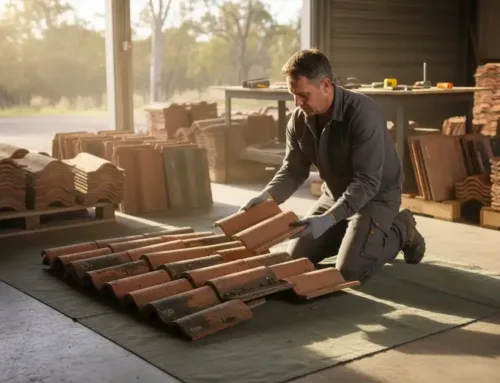
Older terracotta roofs can also include profiles that are hard to source. Matching becomes part of the repair challenge.
Terracotta tile repair should be planned around access, tile stock, and the condition of surrounding laps. Choosing Permacoat means working with a Western Australian family business with more than 50 years in roof restoration and repairs. We offer a free roof inspection to assess what work is needed.
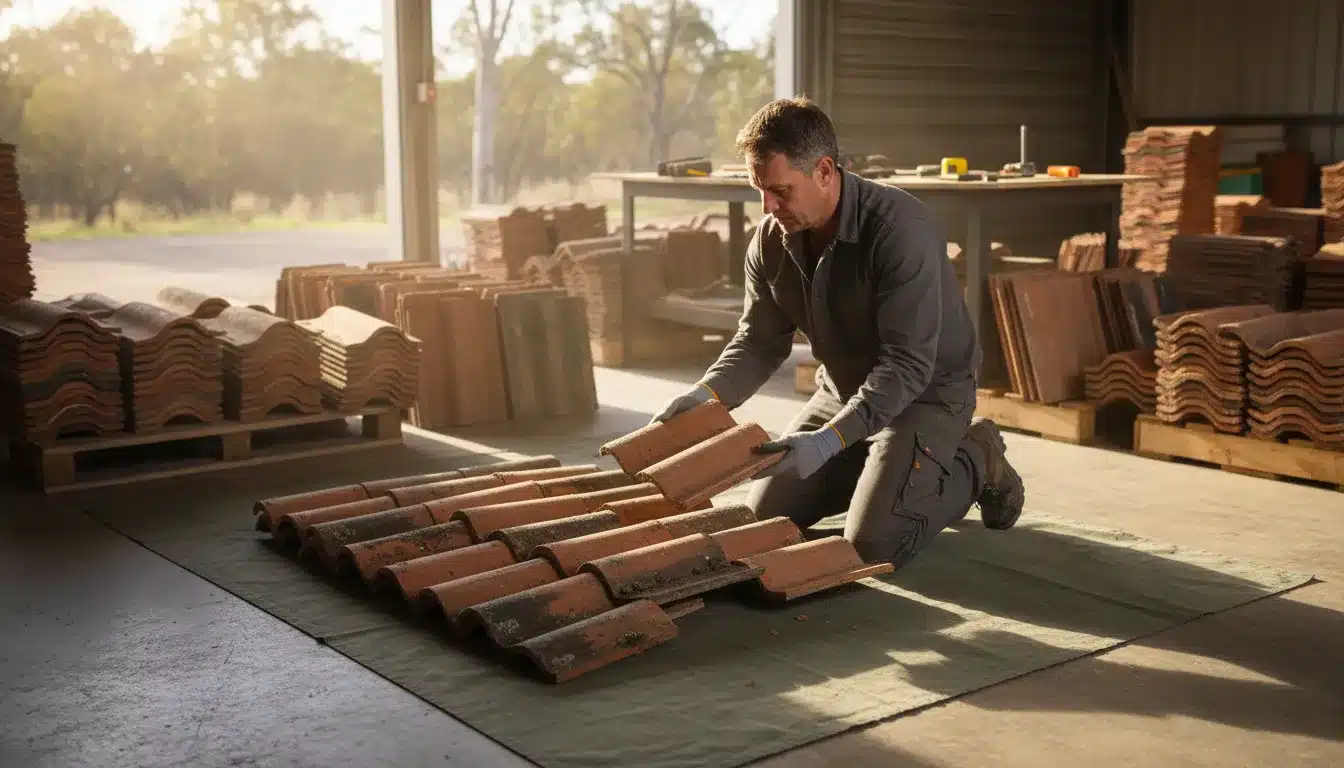
Even careful lifting can expose older weaknesses. Spare compatible tiles should be available before risky areas are disturbed.
Brittleness and Hidden Cracks
Hairline cracks may be hard to see on terracotta. They can follow the tile curve or sit under overlaps.
Useful inspection steps include:
- Checking laps for fine cracks
- Looking at tile noses and corners
- Inspecting ridge and hip lines
- Checking valleys for broken pieces
- Looking for movement near flashings
- Reviewing interior damp marks
A cracked terracotta tile can still appear stable. Rain and wind may reveal the fault later.
The roof tile surface should be checked in changing light where possible. Shadows can hide fine breaks.
Roof cavity checks can also help. Damp marks may show where the tile line has failed during wind-driven rain.
Glazed and Unglazed Finishes
Some terracotta tiles have glazed finishes. Others have natural clay surfaces with different weathering patterns.
Abrasive cleaning can dull or damage some finishes. It can also expose weaker areas on older tiles.
The repair approach should protect the finish. It should also avoid treatments that seal in moisture or change drainage.
For this reason, a single roof repair method should not be applied across every tiled roof. Material differences matter.
Restoration Versus Local Repair
Not every tile problem needs full restoration. Not every broken tile should be treated as isolated either.
The decision depends on roof age, tile condition, leak history, and the amount of surface wear.
A roof with many worn tiles may benefit from tile roof restoration. A roof with one impact break may need local replacement only.
When Local Repair Is Enough
Local repair may be suitable when the surrounding roof is sound. The fault should be limited and easy to isolate.
Local work may suit:
- One impact-damaged tile
- A small number of compatible replacements
- Sound bedding and pointing nearby
- No widespread porosity
- No repeated ceiling stains
- No major drainage blockage
This kind of repair still needs proper seating. The tile must lock into the roof system correctly.
Concrete tile work may be simple when the tile stock is available. Terracotta replacement can be harder when profiles are older.
Availability should be checked before tiles are removed. A careful plan avoids opening roof areas without suitable replacement pieces.
When Restoration Should Be Considered
Restoration becomes more relevant when defects are widespread. It can address surfaces, ridges, and water flow together.
Signs that broader work may be needed include:
- Multiple cracked or slipped tiles
- Faded or powdery concrete coating
- Fretting terracotta surfaces
- Loose ridge pointing
- Repeated leaks after small repairs
- Large moss or lichen coverage
We have restored more than 30,000 roofs across Perth, north and south of the river. Our free inspection helps establish whether local repairs or broader restoration suit the roof’s condition.
Perth Conditions Affect Each Tile Type
Perth roofs face high UV, hot summers, winter rain, and coastal exposure in many suburbs. These conditions test tile surfaces.
Heat movement can open fine cracks. Wind-driven rain can then push water under laps or through damaged areas.
Tiled roof maintenance should account for these conditions. A simple visual check from the ground is often not enough.
UV Exposure and Heat Movement
Concrete coatings can fade and chalk under strong sun. Terracotta may keep colour well, yet edges can become fragile.
Heat can also move roof materials around penetrations, ridges, and valleys. Small gaps can grow over time.
A dry tile face can still be worn. Surface texture often gives better clues than colour alone.
Regular checks after summer and winter can help. Seasonal inspection supports earlier repair decisions.
Heat can make small gaps more active. Storm rain then finds those openings when pressure builds under the laps.
Storm Rain and Drainage Paths
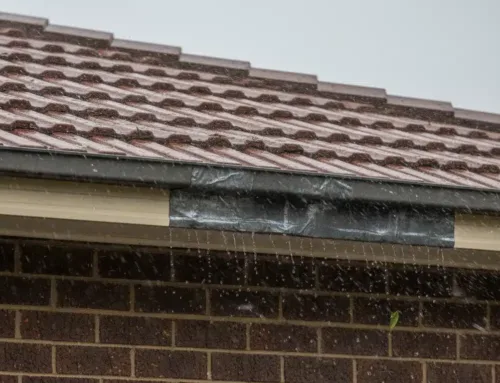
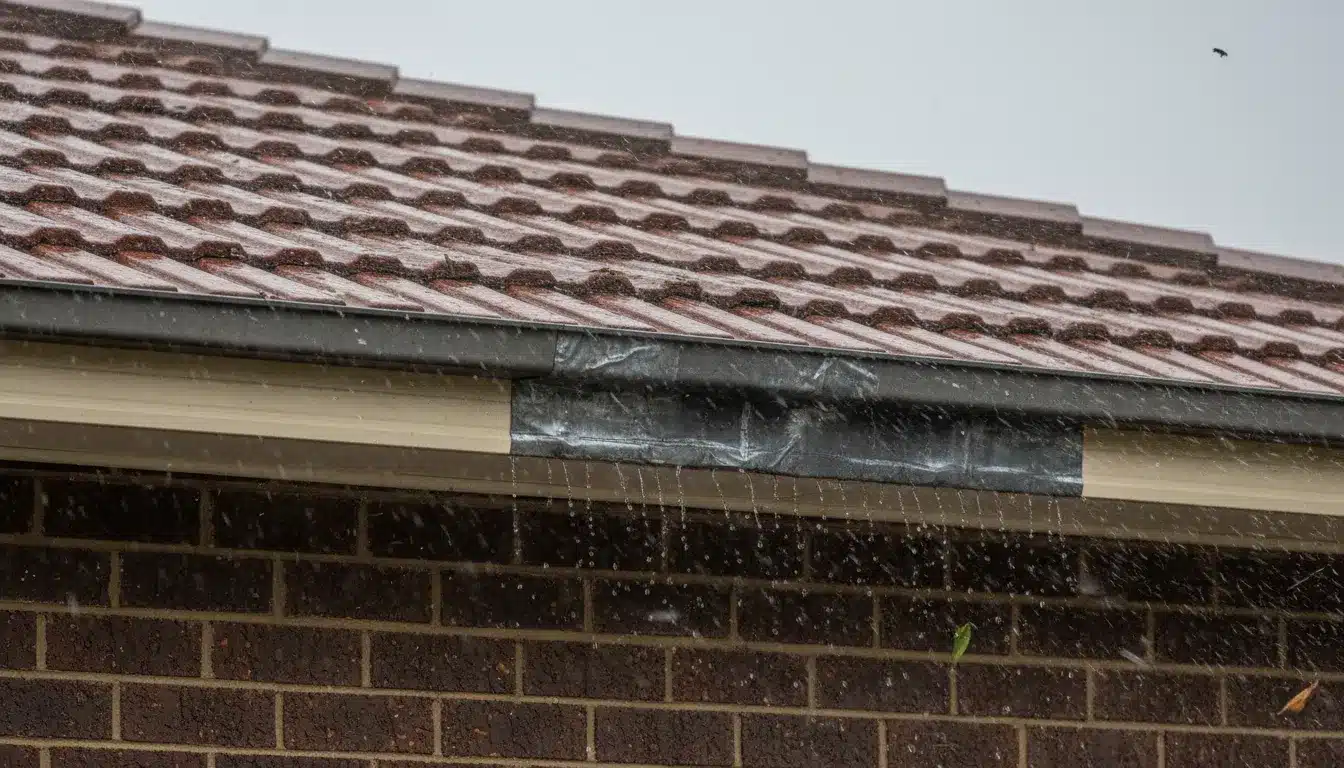
Storm rain tests valleys, gutters, laps, and flashings. A blocked drainage path can make good tiles leak.
Drainage checks should include:
- Valleys under trees
- Gutter outlets and downpipes
- Side laps near roof edges
- Flashings around chimneys and vents
- Ridge lines after strong wind
- Lower roof sections under upper storeys
Tile roof restoration may include cleaning and repointing before coating. Preparation is important for long-term performance.
Good drainage also supports tiled roof maintenance. Water should leave the roof quickly and safely.
Choosing the Right Repair Standard
The right repair standard is based on material, profile, condition, and risk. It is not based on appearance alone.
A repair should restore water flow first. Cosmetic blending matters, but weather control matters more.
For older roofs, the best plan may combine local repairs with surface preparation. This helps avoid repeated faults.
Repair standards should also consider future roof painting or restoration. Poorly seated tiles can affect later preparation and finish quality.
A documented repair area helps later inspections. It also shows whether any new issue is spreading from the same location.
Questions That Shape the Scope
Several questions help define the scope before work begins. They also reduce the risk of unnecessary repairs.
Key questions include:
- Is the tile concrete or terracotta?
- Is the crack isolated or repeated nearby?
- Does the replacement profile match correctly?
- Are ridges and valleys still sound?
- Has water reached the ceiling space?
- Is coating, repointing, or cleaning also needed?
These answers guide the roof repair method. They also help decide whether immediate repair or broader restoration is more sensible.
The inspection should include both the damaged tile and the surrounding roof zone. Roofs work as systems, not single pieces.
Maintenance After the Repair
After repair, maintenance helps protect the result. The roof should be kept clear and checked after storms.
Helpful habits include:
- Keeping gutters clear
- Removing branches that scrape tiles
- Checking for new ceiling stains
- Avoiding pressure on tile laps
- Recording the repaired area
- Scheduling periodic professional checks
Maintenance for tiled roofs is especially important on older roofs. Small defects can spread when left unchecked.
A durable outcome depends on matching the repair to the material. Concrete and terracotta need different handling from start to finish.
The same principle applies after storms. Prompt checks can identify cracked pieces, blocked valleys, and loose ridge material.
Small findings should be recorded early. Clear notes help compare roof condition after the next strong weather event.
Conclusion
Concrete and terracotta roofs need repairs that respect their material, profile, and condition. If cracked tiles or recurring leaks need attention, contact us to arrange a free roof inspection so we can assess the repair scope before work begins.