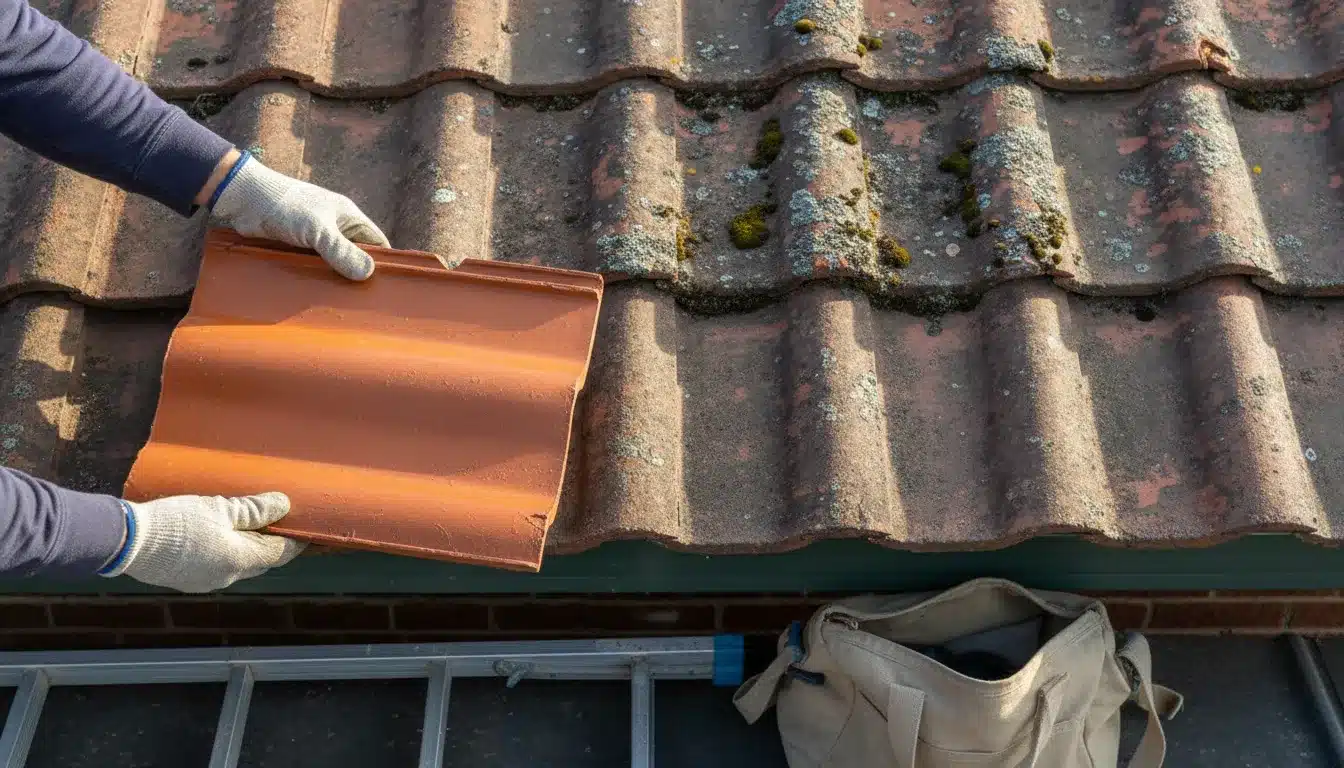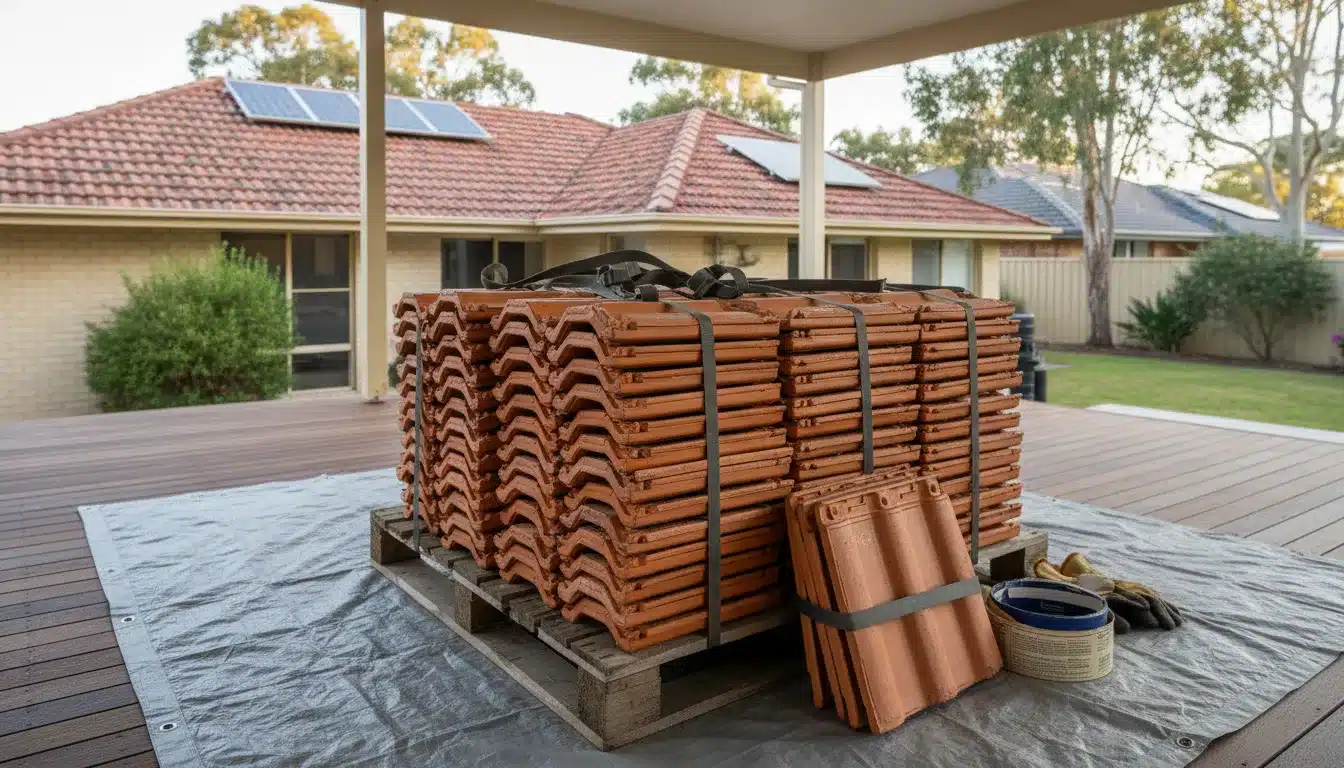
A tiled roof is easier to protect when suitable spare tiles are kept after work is finished. That stock can save time later.
Tiles break through storms, foot traffic, impact, and age. A matching spare can turn a stressful repair into a controlled task.
The value is not only convenience. Spare stock can protect roof pattern, colour consistency, and repair quality over time.
Spare Tiles Protect Future Repairs
Roof tiles are shaped parts of a larger drainage system. A poor substitute can disturb that system and create new weak points.
Keeping spare roof tiles after a repair helps future work start with the right material. It reduces guesswork during urgent work.
Matching Stock Gets Harder over Time
Tile ranges change, factories close, and profiles are discontinued. A tile that is easy to buy today may be rare later.
Older homes often depend on salvaged stock. That stock can vary in quality, colour, and profile accuracy.
Records kept with spare stock should include:
- Tile profile or manufacturer marks
- Material type, such as concrete or terracotta
- Roof slope where the tiles match best
- Colour and coating history
- Date of repair or restoration
- Storage location on the property
Those records support roof tile replacement later. They also help contractors avoid fitting a near match under pressure.
Colour and Texture Remain More Consistent
Spare tiles taken from the same roof batch can blend better. They may share the same weathering, coating, or original profile.
Tiles stored after restoration can also match the new finish. That matters when a later repair sits on a visible slope.
The best result comes from labelled stock. A front slope spare may not suit a shaded rear valley.
Repairs Are Faster When Stock Is Ready
Many roof repairs become harder because the right tile is missing. Time is then spent searching yards or comparing samples.
Ready stock can shorten the process. It can also reduce the need for temporary covers or repeated visits.
Emergency Work Needs Quick Matching
After severe wind or impact, water entry can happen fast. A correct spare tile allows urgent replacement without a long search.
Emergency tile repair still needs care. A fast repair should not force the wrong profile into the roof pattern.
Useful emergency preparation includes:
- Keeping spare tiles dry and accessible
- Labelling tiles by roof area
- Storing a few ridge or hip pieces if available
- Photographing the underside marks
- Recording any coating colour used
- Keeping repair notes with property records
This preparation helps protect the roof during bad weather. It also limits the risk of rushed mismatching.
Access Time Can Be Reduced
A contractor can assess the roof faster when spare stock is ready. The repair can move from identification to fitting sooner.
This is important when a leak is active. Every delay can increase ceiling, insulation, and timber damage.
Stock on site does not remove the need for inspection. The surrounding area still needs checks for cracked tiles and shifted flashings.
For homes exposed to storms, emergency tile repair planning is practical. It supports fast action without sacrificing fit.
Spare Tiles Support Better Restoration Planning
A restoration changes how future repairs should be handled. Roof cleaning prepares the surface, coating refreshes its appearance, and repointing addresses deteriorated joints around ridge and hip capping.
After that work, any later repair should respect the restored finish. Spare stock helps preserve that consistency.
Restoration Can Make Old Stock Less Suitable
A tile that matched before roof painting may not match afterwards. Once the roof has a new finish, old spares may stand out.
Spare tiles coated with the same system can improve the match. However, tiles kept in storage may weather differently from those on the roof.
After a tiled roof restoration, useful spare items may include:
- Coated field tiles for visible slopes
- Uncoated matching tiles for hidden areas
- Notes on coating colour and product system
- Photos of each roof elevation after work
- Ridge or hip pieces where practical
- Details of repaired valley sections
This planning keeps later repairs consistent. It also makes future roof tile replacement less disruptive.
Coating Notes Matter Years Later
Roof coatings can change how a tile looks beside aged sections. Product and colour notes help future repairs use a compatible finish.
If the coating system is unknown, matching becomes harder. A later patch may look too glossy, dull, pale, or dark.
For restoration planning, keep the coating specification alongside the tile profile details. Future repairs need to account for both fit and finish.
Storage Affects Tile Quality
Spare tiles only help if they remain usable. Poor storage can crack, stain, or weaken the tiles before they are needed.
The storage area should protect stock from impact and confusion. It should also keep the tiles easy to find.
Dry and Stable Storage Is Best
Tiles can be strong on a roof yet vulnerable in a pile. Edges and side locks can chip when stock is moved roughly.
A stable storage method reduces that risk. Tiles should not sit where vehicles, tools, or heavy items may strike them.
Good storage habits include:
- Stacking tiles on a flat surface
- Keeping side locks protected from impact
- Storing tiles away from vehicle paths
- Avoiding heavy loads on top
- Separating different profiles
- Keeping labels with each stack
A small protected stack can be more useful than a large damaged pile. Quality matters more than quantity.
Weather Exposure Can Change the Stock
Tiles left in the open can stain or grow moss. They can also absorb moisture if the surface is worn.
Stored tiles may age differently from the roof, affecting colour, texture and coating condition. Our roof restoration and repair work at Permacoat includes replacing broken tiles, so checking the condition and fit of stored spares remains important.
Covered storage is usually better. Airflow still matters because trapped moisture can encourage staining.
Stored tiles should be checked before use. A cracked spare can create the same problem as the tile being replaced.
Storm Damage Shows the Value of Spares
Storms can break tiles through falling branches, lifted debris, or pressure on weak roof areas. Damage often affects several points.
When compatible stock is already available, repairs can be planned with less uncertainty. That can reduce exposure after bad weather.
A Storm Repair May Reveal Hidden Damage
One broken tile may not be the only issue. Nearby laps, flashings, bedding and gutters can also be affected. Damaged gutters may need gutter replacement rather than attention to the tiles alone.
Roof repairs after storm damage should include more than replacing the most visible piece. The roof should be checked along the water path.
A storm inspection may include:
- Broken or displaced tiles
- Cracked corners under overlapping tiles
- Blocked valleys and gutters
- Loose ridge or hip pointing
- Damaged flashings near penetrations
- Ceiling stains below the impact area
Spare stock helps the repair move faster after inspection. It does not replace a proper damage check.
Repeated Weather Events Need a Plan
Perth storms can expose older roofs quickly. A roof with ageing tiles may break again during future wind or rain.
Roof maintenance planning should consider recurring risks. Overhanging branches, clogged gutters, and brittle tiles can all increase repair needs.
A set of matching spares supports that plan. It gives future repair work a better starting point.
This matters for storm damage roof repair on older tiled roofs. Suitable stock can be difficult to find after widespread weather events.
How Many Spare Tiles Should Be Kept
There is no single number that suits every roof. The right amount depends on roof size, tile rarity, and exposure.
A small number may be enough for a newer roof. Older or discontinued tiles may justify keeping more.
Rarity Should Guide Quantity
Rare profiles deserve careful protection. If matching stock is unavailable, broader replacement may need consideration, but complete roof replacement should depend on the roof’s overall condition rather than tile rarity alone.
A roofing professional can advise whether the tile is common. Underside marks and profile shape help identify likely supply options.
Quantity planning should consider:
- Age of the tile profile
- Whether the profile is discontinued
- Size and visibility of roof slopes
- Exposure to trees and storms
- Planned restoration or coating work
- Space available for safe storage
This is a practical part of roof maintenance planning. It helps avoid panic when a later repair is needed.
Different Roof Areas May Need Different Spares
Not every slope ages the same way. A shaded rear roof may not match a sunny front elevation.
Keeping spares from several areas can help. Labels should show where each tile best suits the roof.
This is useful after tiled roof restoration. Coated spares can be reserved for visible areas, while older stock may suit less visible repairs if its profile, condition and finish are compatible.
The aim is sensible choice later. A repair should not waste rare tiles where a less visible match would work.
Handling Spare Tiles During Future Work
A stored tile should still match the roof mechanically. Side lock damage or cracks can make it unsuitable.
Good handling also protects the remaining stock. Each tile removed from storage should be lifted and carried with care.
A tidy storage area makes that easier. It reduces the chance of stepping on tiles or mixing different profiles.
The repair area should be prepared before tiles are carried onto the roof. That limits time spent moving fragile stock.
Tiles should not be dragged across other tiles. Edges can chip, and grit can scratch coated surfaces.
Roof access should be left to professionals using suitable safety measures, especially on older roofs. Walking without care can crack neighbouring tiles and create new leaks.
Check Each Tile before Fitting
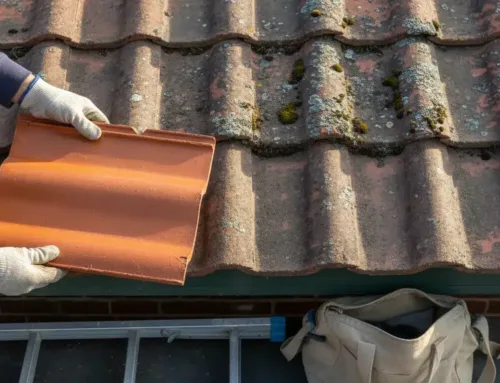
Before installation, check spare tiles for age-related deterioration, storage damage and surface condition. A spare tile can look sound from above, while the underside reveals chips, cracks or broken lugs.
Testing should be gentle and thorough. Damaged stock should be set aside rather than forced into the roof.
Before fitting, check for:
- Hairline cracks through the face
- Chipped side locks
- Broken batten lugs
- Heavy staining or surface fretting
- Warping or uneven seating
- Old mortar or sealant residue
Future Repairs Should Update the Records
After each repair or major roof work, check the remaining reserve, set damaged pieces aside and record how many usable tiles remain in each stack. Replace faded labels and update photographs showing colour, profile and quantity, noting where tiles were fitted and which roof areas the remaining spares suit. If matching stock is low or the final tile has been used, begin sourcing before another break so there is time to compare profiles. Keep these records with coating details and repair documents, and pass them to any new owner.
Conclusion
A labelled tile reserve can prevent rushed choices after storm damage or later breakage. We can assess your roof and discuss suitable repair options. If your matching stock is running low, contact us before the next damaged tile makes replacement urgent.