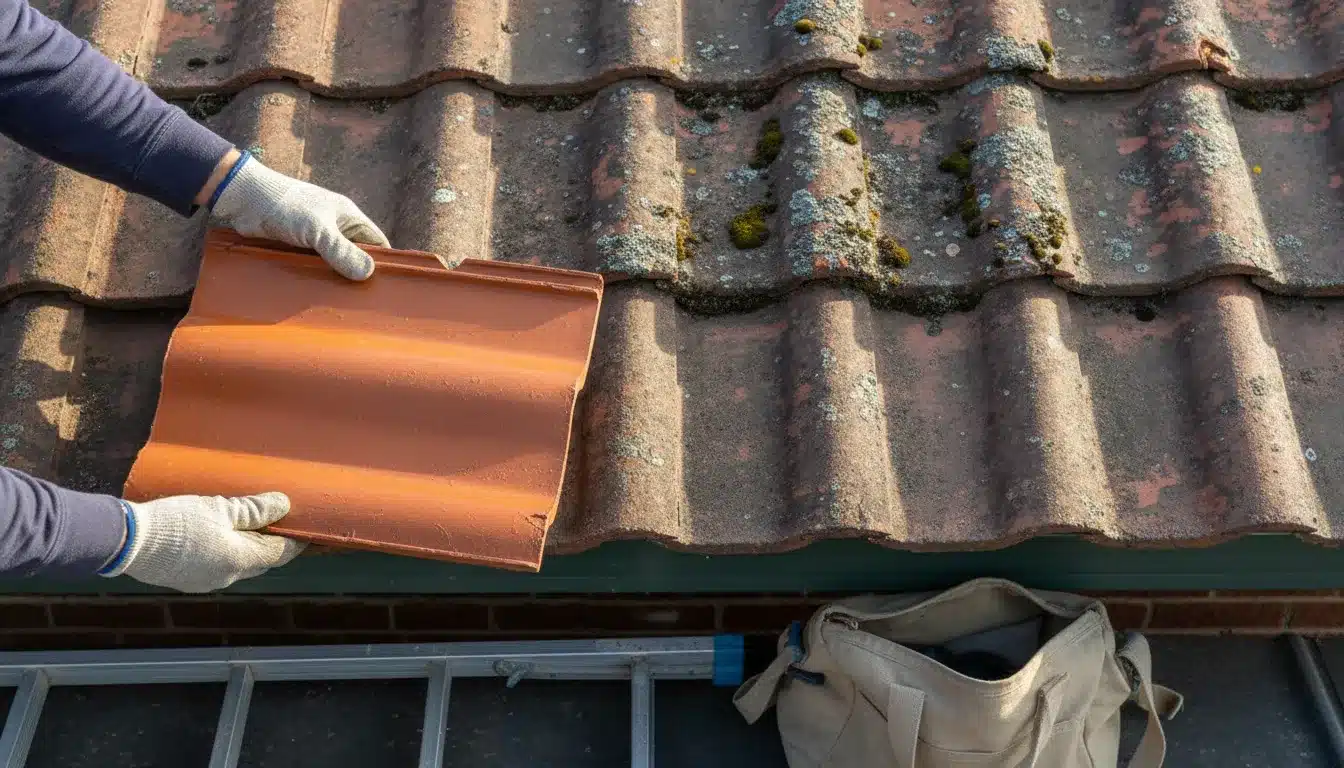
A tiled roof changes every year it faces heat, rain, wind, salt, and airborne dirt. Those changes affect more than colour.
A replacement tile must suit the aged roof surface around it. The closest new colour may still look wrong once fitted.
Good matching starts with shape, condition, texture, and finish. Colour follows after the roof has been read properly.
Weathering Changes More Than Colour
Roof tiles age in layers. The face, edge, underside, coating, and water channels can all change at different speeds.
That is why weathered roof tile matching needs more than a quick colour check. A tile can look close yet fit poorly.
Sun Exposure Changes Surface Tone
Western Australian sun can fade coating and soften strong colour. It can also make one roof slope age faster than another.
North- and west-facing areas often fade first. Shaded valleys may keep darker tones for longer.
Common colour changes include:
- Faded coating on exposed slopes
- Darker tiles near shaded valleys
- Chalky residue on older concrete tiles
- Uneven colour near previous repairs
- Lighter ridges and hip lines
- Stained tiles below overhanging trees
The right replacement roof tile colour should be judged against the exact repair zone. A sample from another slope may mislead.
Rain and Growth Change the Texture
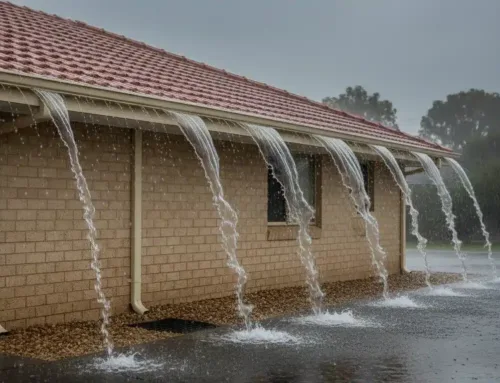
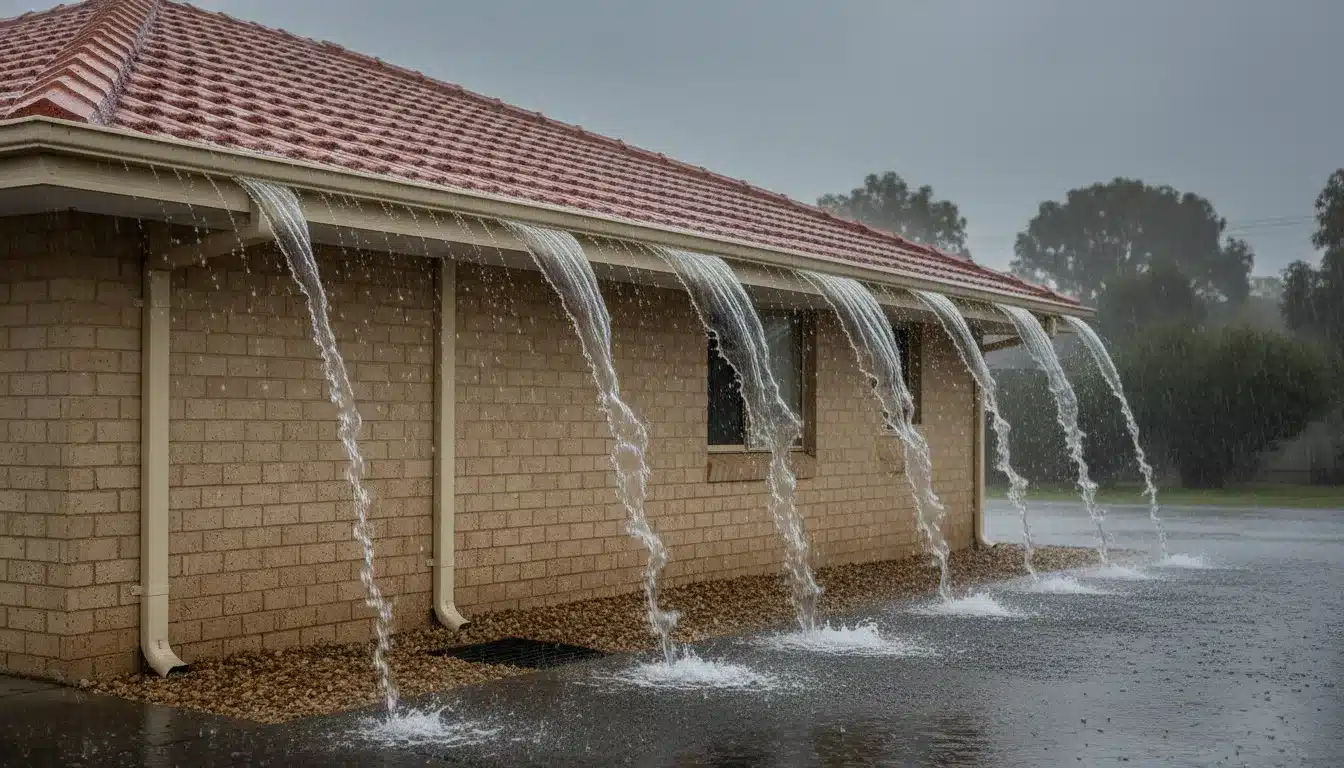
Rain does not age every tile evenly. Water can linger around obstructed laps, valleys and flashings, especially on low-pitched areas.
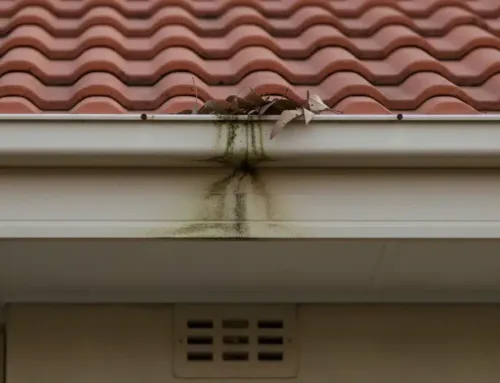
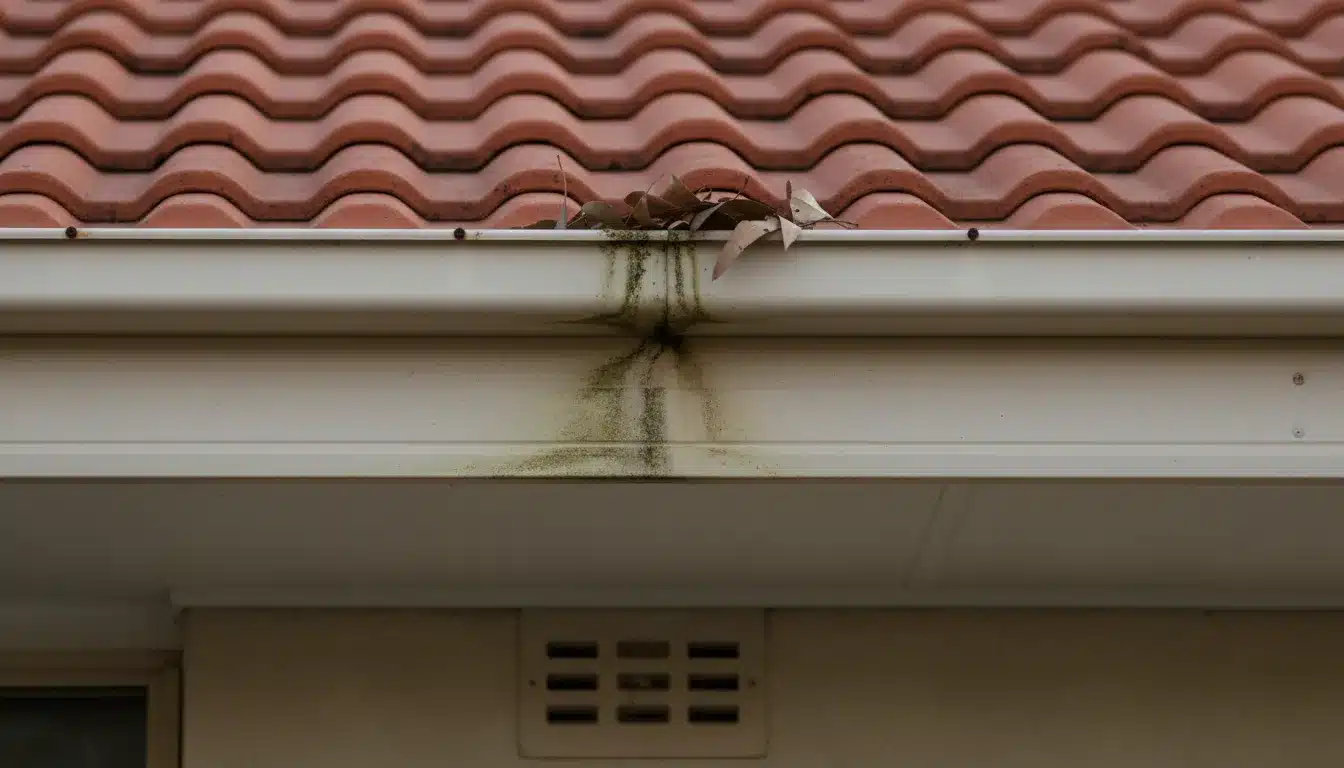
Moss and lichen also change texture. They can leave dark staining after removal, even when the tile remains sound.
Texture checks should include:
- Rough or sandy surface areas
- Smooth areas with old coating loss
- Raised growth around side locks
- Dirt lines through water channels
- Staining beneath ridge caps
- Dark patches that dry slowly
A clean tile may still show old weathering. That is important when judging tile roof appearance after repair.
Matching Starts With Fit and Profile
Colour receives the most attention from the ground. Fit matters more for weather protection and long-term roof performance.
A replacement tile should sit within the original roof pattern. It should not lift nearby tiles or interrupt water flow.
Profile Comes Before Shade
Tile profile controls overlap, side lock contact, and drainage. A near match can still cause gaps along the course.
Profile checks should happen before any colour decision. The repair area must keep a stable pattern after the tile is fitted.
Important profile details include:
- Overall tile length and width
- Side lock shape and depth
- Pan and crown height
- Batten lug position
- Tail length and head lap
- Thickness near the nose
This step protects roof tile repair quality. It also limits later water entry around a patch.
Thickness and Wear Affect Seating
Older tiles can wear at contact points. Edges may thin, corners may round, and undersides may chip.
A new tile can sit proud among older pieces. A salvaged tile can sit low if its locks are worn.
Both problems affect water movement. They can also make the repair stand out under side light.
Weathered roof tile matching should compare the replacement against nearby aged tiles. The best fit is rarely chosen by colour alone.
Why New Tiles Often Stand Out
A new tile has a factory surface. An old tile has years of fading, grime, wash lines, and coating wear.
That contrast can affect the whole slope. Even a small repair may draw attention if the colour is too sharp.
Factory Colour Rarely Equals Aged Colour
Fresh tiles can have a stronger, more uniform colour. Older tiles often have a softer tone and more surface variation.
The mismatch may look worse after cleaning. Dirt removal can reveal faded coating and old stains around the repair.
Common causes of colour mismatch include:
- Different production batches
- Old coating lost through weathering
- Changed surface porosity
- Previous coating or sealing work
- Staining from gutters or trees
- Light reflecting from a raised tile
The best replacement roof tile colour may be a controlled compromise. It should support the final finish, not only the patch.
Light Changes the Repair From Each Angle
A tile can look correct from the driveway. It may look different from the side, street corner, or upper-storey window.
Low afternoon light reveals height differences. Rain can reveal texture differences and drainage lines.
Photos help compare samples. They should be taken dry, wet, close up, and from the normal viewing point.
This is especially useful with Perth roof tiles. Strong sun can make minor shade changes highly visible.
The Surrounding Roof Decides the Scope
A broken tile is often the visible symptom. The surrounding roof may show broader wear that affects the repair result.
The restoration scope should reflect the condition of the surrounding tiles. A single tile change may not deliver a consistent roof restoration finish.
Nearby Tiles Need Inspection First
The repair zone should be checked before lifting tiles. Older tiles can crack when disturbed if they are already brittle.
Nearby tiles also show whether the issue is isolated. Several damaged pieces may point to foot traffic or impact damage.
Inspection should cover:
- Cracks beside the visible break
- Loose ridge pointing nearby
- Worn laps and water channels
- Debris trapped under side locks
- Chipped corners on adjacent tiles
- Old patches or mismatched stock
This process improves roof tile repair planning. It can also prevent a small job from creating extra breakage.
The Finish May Need Wider Work
A patch can protect the roof yet look uneven. That may be acceptable on a rear slope.
Street-facing areas often need closer finish planning. Roof painting may help unify colour after surface preparation and any necessary repairs.
Our experience at Permacoat spans more than 50 years, with more than 30,000 roofs restored across Perth, north and south of the river. For broader tiled roof work, we assess the roof before recommending repairs or restoration.
A consistent tile roof restoration finish depends on the whole surface. Replacement tiles should sit within that broader finish plan.
Surface Preparation Helps the Match
Surface preparation changes the way a match is judged. Dirt and growth can hide true colour, texture, and coating condition.
Cleaning also shows whether surrounding tiles can support later coating. Poor preparation can leave a patch looking isolated.
Cleaning Reveals the Real Surface
After an initial safety and condition check, roof cleaning can reveal the surface beneath loose dirt and growth. Otherwise the colour decision may be based on dirt, not tile condition.
Cleaning does not mean harsh treatment. Older tiles need controlled pressure and careful access.
Useful preparation steps include:
- Clearing leaves from water channels
- Removing moss from laps
- Checking valleys for built-up debris
- Testing coating adhesion
- Inspecting ridge bedding and pointing
- Letting the surface dry before matching
Once the area is clean, weathered roof tile matching becomes more reliable. It also reduces guesswork during finishing.
Coating Changes Colour Expectations
If roof coating is planned, the replacement must still match the profile and suit the coating system. Its colour may not need to match the old surface perfectly.
A roof restoration finish can unify colour across a wider area. It can also improve surface protection on aged concrete tiles.
Coating should not hide poor fit. Profile, seating, and water flow still need to be right before finishing starts.
This balance matters for Perth roof tiles. Local heat and UV exposure can test weak coating preparation quickly.
Planning for a Natural Result
A natural result comes from patient checking. It also comes from honest limits when old tiles are rare.
Some discontinued tiles cannot be matched perfectly. The practical goal is sound fit and a balanced final look.
Samples and Records Reduce Mistakes
Samples should be labelled by slope and repair area. A tile from one elevation may not represent the whole roof.
Good records help future work. They also protect rare spare tiles from being used in low-priority areas.
Helpful records include:
- Tile profile name, if known
- Photos of the tile face and underside
- Measurements of locks and laps
- Notes on colour variation by slope
- Details of any previous coating
- Location of spare tiles on site
These notes make future roof tile repair decisions easier. They also support a more consistent roof restoration finish.
Spare and Salvaged Tiles Need Checking
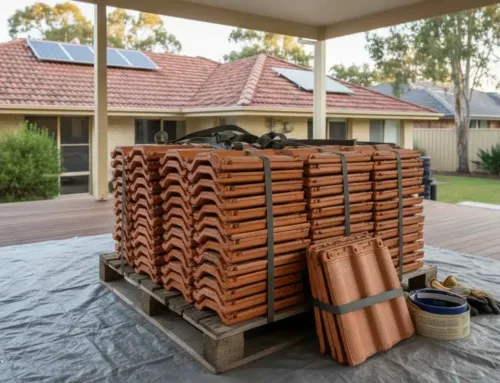
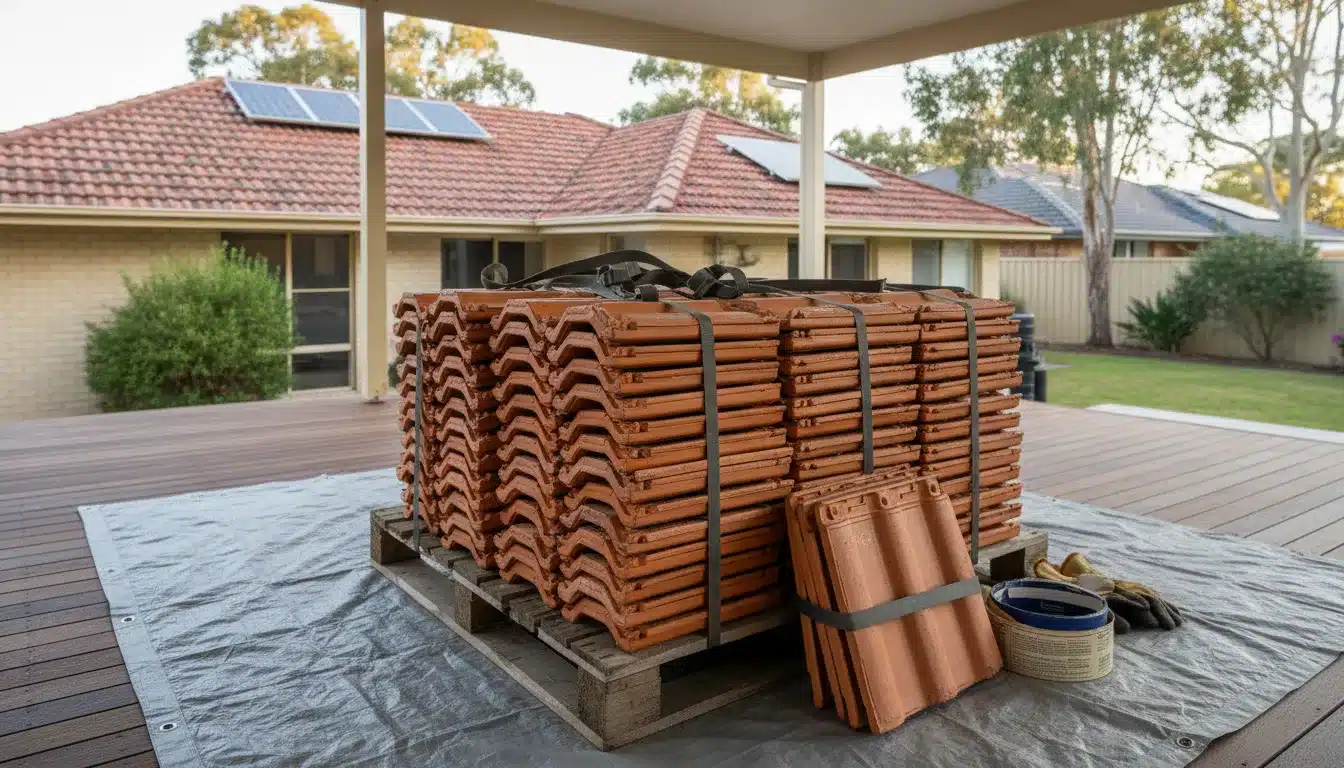
Spare tiles can be valuable, but age and storage matter. Tiles left outside may be cracked, fretted, or water-stained.
Salvaged tiles should be checked before use. A good colour match is not enough if the side locks are damaged.
The same rule applies to replacement orders. Stock should be compared on the roof, not only in a yard.
Common Mistakes During Tile Matching
Many matching problems start with rushing. A repair can fail visually or physically when one detail receives too much weight.
Several practical checks can prevent a visible patch. The repair area should be assessed from close range and ground level.
A roof can look different in morning and afternoon light. That can change how a small colour shift appears.
The roof should also be reviewed after rain if timing allows. Wet surfaces often reveal slow drying areas and hidden staining.
Old tiles may have small chips along their edges. Those chips can catch light and make nearby new pieces appear brighter.
A good repair plan considers how the eye reads the whole slope. Lines, height, and texture matter as much as shade.
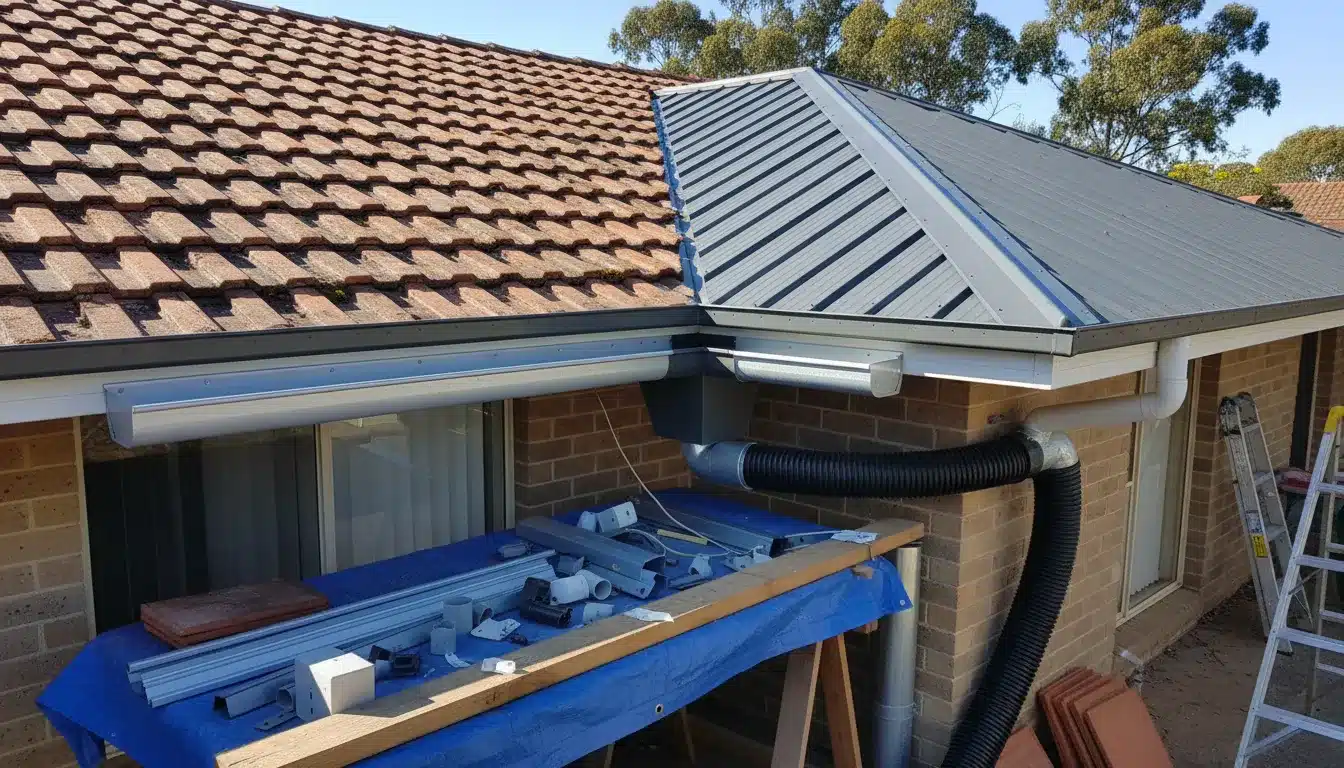
Ridge lines deserve attention when planning roof repairs. Loose pointing near a tile replacement can allow water entry even when the replacement fits correctly.
Valleys also need careful checking. Debris can hide cracks and can make sound tiles look darker than they are.
A replacement should not rely on sealant to cover poor seating. Sealant can fail when movement or water pressure continues.
Small test placements help before final fixing. They show whether the selected tile sits flat beside older pieces.
If several options are available, each should be compared in the exact repair location. Yard lighting can give false confidence.
The final choice should suit function first. A neat visual result should come from correct fitting and careful preparation.
Choosing Colour Before Condition
Colour matching is important, but it should not override roof condition. A close colour can still leak if the profile is wrong.
If coating is planned, profile and coating compatibility matter more than the replacement’s starting colour. Without coating, compare samples directly with the surrounding tiles rather than assuming a darker tile suits shade.
Avoid these matching errors:
- Matching from a single broken piece
- Ignoring underside marks and profile details
- Comparing wet tiles with dry tiles
- Judging colour from ground level only
- Fitting a proud tile to force a match
- Forgetting future coating plans
Older roofs need calm assessment. The best repair should protect the roof before improving the visible finish.
Ignoring Local Roof Exposure
A coastal home may age differently from an inland home. Tree cover, roof pitch, and street orientation also matter.
Perth roof tiles can show sharp contrast between sunny and shaded slopes. That can make one universal colour choice risky.
A repair near a valley may need a different approach from a repair on an open slope. Water and debris leave different marks.
Good matching respects those details. It creates a result that looks settled, not freshly patched.
Final checks should happen before access gear is packed away. The selected tile should be viewed from the main approach.
It should also be checked along the course. A straight line shows whether the piece sits correctly.
Water flow deserves a final look as well. Channels should remain open, with no raised edge blocking runoff.
Notes can be kept for later work. They should record the tile source, slope, and any surface treatment.
An orderly appearance alone does not confirm sound preparation. Check the tile fit, pointing and water channels as well as the visible finish.
A final ground check is useful after tools are cleared. Fresh scuffs or loose debris can distract from a tidy, finished repair result.
Match the Weathered Roof, Not Just the Colour
The right replacement respects both the weathered surface and the tile profile beneath it. To discuss matching damaged tiles and whether wider restoration is needed, contact us for a free, no-obligation roof inspection.