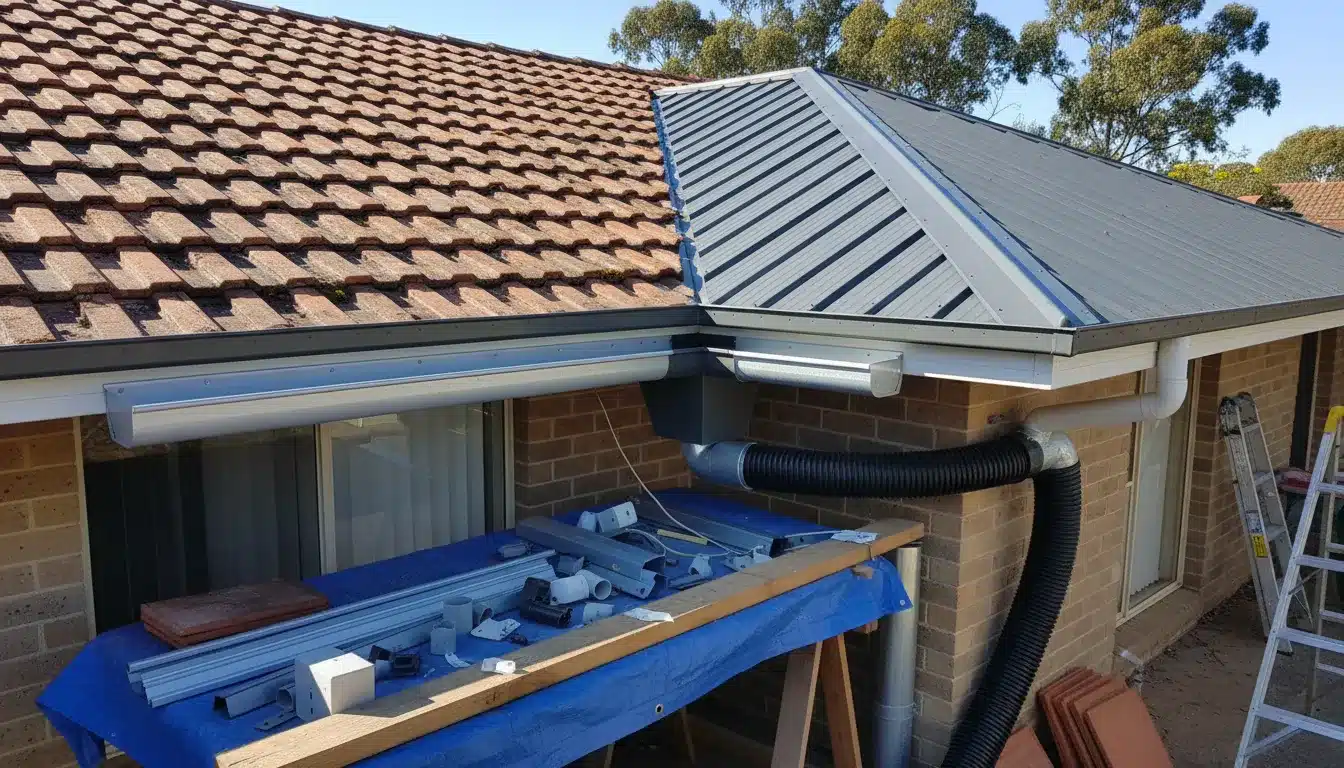
Guttering material affects how a roof handles Perth rain, heat, wind and debris. The right choice depends on exposure, roof size and maintenance needs.
Metal and PVC options can both move roof water effectively when installed correctly. Problems start when material choice ignores temperature movement, outlet capacity or roof layout.
A good decision looks beyond the visible gutter face. Downpipes, fascia condition, stormwater discharge and long-term access all influence drainage performance.
What Guttering Material Needs to Do
Carry Peak Roof Runoff Safely
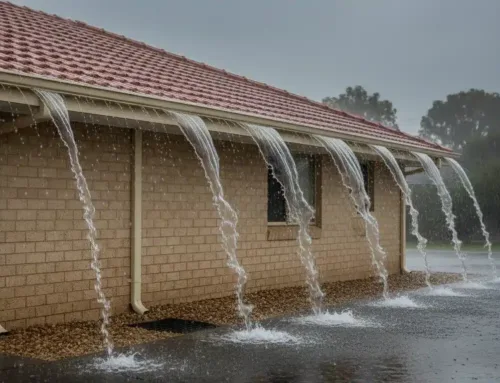
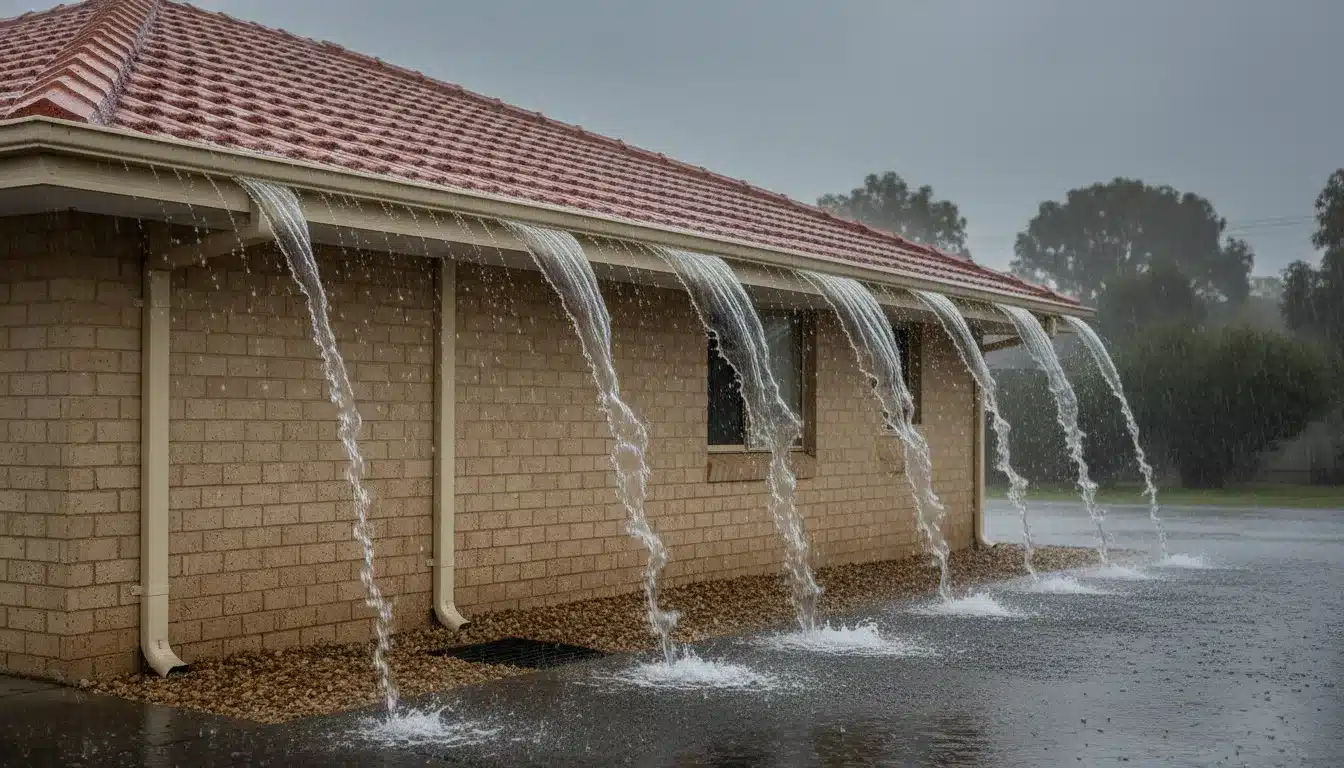
A gutter must collect water from roof sheets or tiles, then move it to downpipes without frequent overflow. Capacity matters during short storms.
Roof shape affects water volume. Long valleys, large rear extensions and steep pitches can send high flow into small gutter sections.
Material choice cannot fix poor sizing. A strong profile still needs enough outlets, suitable fall and clear discharge points.
Key performance needs include:
- Adequate profile capacity
- Correct fall to outlets
- Sound brackets and fixings
- Clean joints and corners
- Clear downpipes below each outlet
A roof drainage upgrade may be needed when old gutters cannot handle current roof areas. Additions can change flow patterns significantly.
Protect Fascia and Eaves
Gutters sit close to fascia boards and eaves. When drainage fails, those building parts often show the first visible damage.
Overflow can wet timber, stain lining sheets and create damp marks on walls. These signs may appear before indoor leaks are noticed.
Material decisions should consider how the gutter connects to fascia. Strong fixings and suitable brackets help keep the line stable.
A heavy gutter full of water can pull forward. A light gutter with poor support can twist or sag in heat.
Both problems can direct water behind the gutter. That pathway increases the risk of hidden roof edge damage.
Metal Guttering in Perth Conditions
Strength and Profile Stability
When choosing metal guttering, Perth homeowners often consider strength, profile range and matching roof finishes. It suits many exposed roof edges.
Metal profiles can hold their shape well when supported correctly. They also pair neatly with many fascia, roof and downpipe systems.
A Colorbond gutter system can provide a consistent finish across roof edges and rainwater goods. Colour matching may support street appeal.
Metal can be a practical choice where ladders, branches or wind exposure may create knocks. The profile should still suit the roof area.
Selection should consider:
- Roof size and pitch
- Coastal exposure and salt air
- Desired colour finish
- Bracket spacing requirements
- Compatibility with downpipes
The best outcome depends on installation quality. Poor fall or undersized outlets can undermine any material.
Corrosion and Coating Care
Metal gutters need surface protection. Scratches, trapped debris and salt exposure can shorten service life when care is neglected.
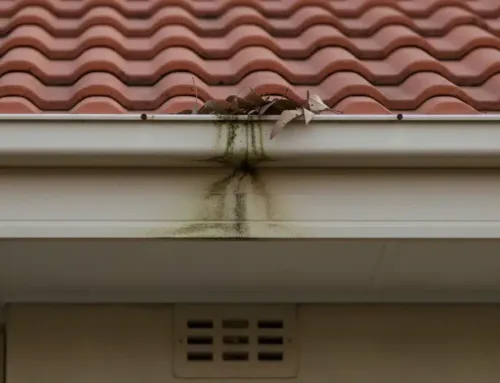
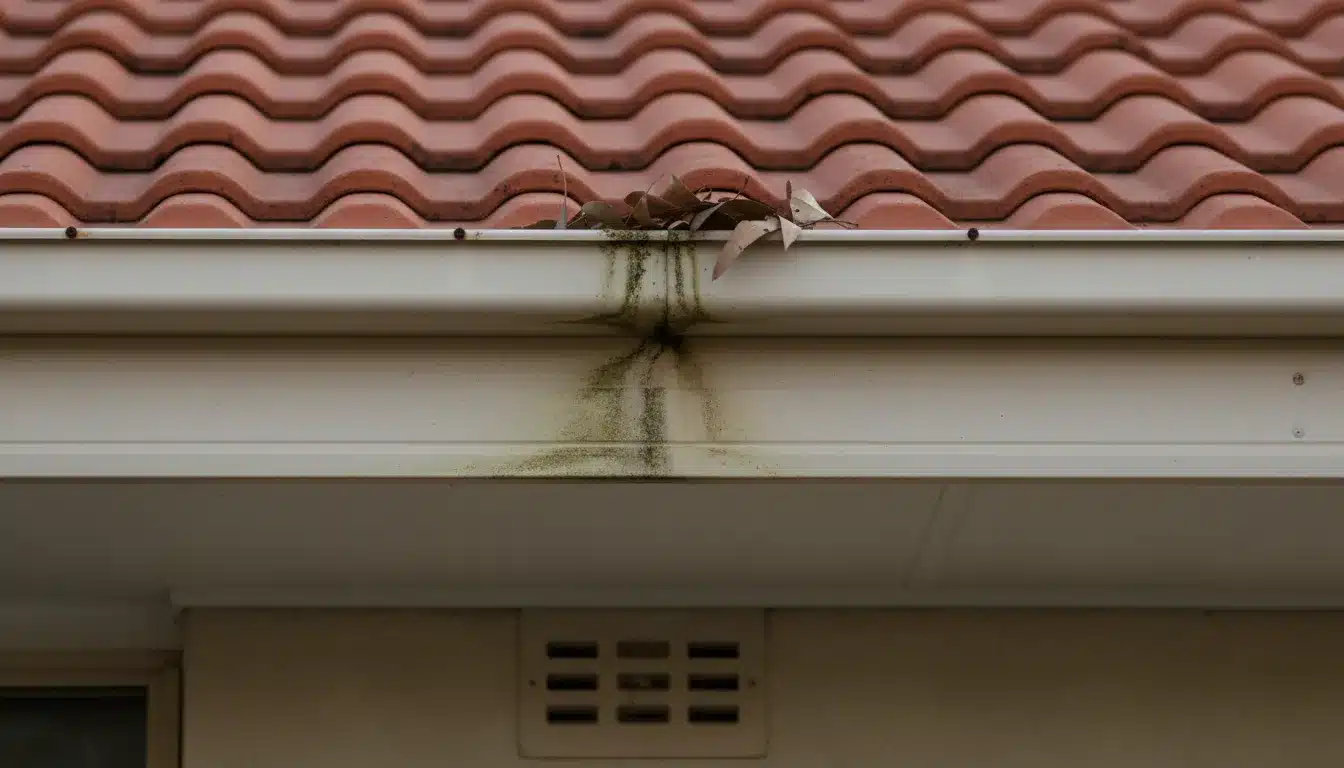
Gutter corrosion often starts where moisture sits under leaves or silt. Corners, laps and shaded sections can be higher risk areas.
Regular clearing reduces the time damp debris remains against the protective coating. It also allows small surface faults to be found earlier.
Coastal and tree-covered homes may need closer checks. The same material can age differently across separate sides of one property.
Maintenance clues include:
- Rust stains below seams
- Blistered coating near joints
- Brown water marks after rain
- Thin metal around outlets
- Persistent damp debris in corners
Metal can perform well for many years. It needs clear water paths and prompt attention to damaged protective finishes.
PVC Guttering Strengths and Limits
Lightweight Installation Benefits
PVC guttering is light, easy to handle and resistant to rust. It can suit selected roof drainage jobs when conditions are appropriate.
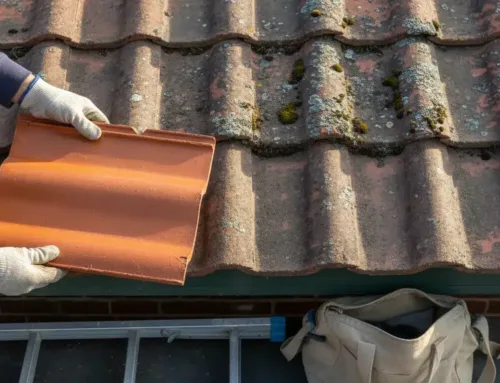
PVC gutter replacement may appeal where corrosion has affected older metal sections. It can also suit smaller structures with simple roof lines.
The material is not immune to movement. Heat, UV exposure and bracket spacing can affect shape and joint performance over time.
PVC components need compatible fittings. Mixing systems without care can create leaks at joints, corners and outlet connections.
Useful PVC considerations include:
- UV rating and product quality
- Bracket spacing under heat load
- Expansion space at joints
- Outlet size and position
- Compatibility with existing downpipes
A low purchase price should not be the only measure. The system still needs to protect eaves, walls and foundations.
Heat Movement and Joint Performance
Perth heat can make gutter materials expand and contract. PVC movement needs space, secure clips and suitable joint design.
If movement is restricted, joints may open or profiles may distort. Water can then escape at corners or behind the gutter.
PVC gutter replacement should be assessed against exposure. North- and west-facing edges may experience greater heat and UV exposure.
Long straight runs need particular care. Expansion allowances become more important as the gutter length increases.
Signs of poor movement control include:
- Open joints after hot weather
- Warped profiles between brackets
- Drips at corners
- Loose clips or brackets
- Overflow from twisted sections
A correct installation can reduce these risks. Material limits should be respected from the design stage.
Comparing Whole-System Performance
Downpipes and Outlets Set the Limit
The gutter material is only one part of the drainage system. Outlets and downpipes often set the practical flow limit.
Downpipe maintenance helps keep roof runoff moving away from eaves and walls. Blocked bends can make new gutters overflow.
Our work at Permacoat includes replacing old or damaged gutters and downpipes, either separately or alongside roof restoration. Whichever material is selected, clear discharge below the roof edge remains essential; lower restrictions can defeat upper improvements. The material comparisons here are general guidance, not a statement of our available product range.
Outlet numbers should match roof area and storm intensity. One small outlet may not suit a large catchment during heavy rain.
Whole-system checks should include:
- Outlet quantity and size
- Bend locations and restrictions
- Downpipe condition and fixing
- Ground-level discharge route
- Stormwater pit condition
- Overflow history at eaves
A roof drainage upgrade should address bottlenecks, not just visible gutter sections. Water needs a complete route away from the home.
Fascia Condition and Fixing Strength
New gutters need a sound structure behind them. Weak fascia boards can cause movement even when the gutter profile is suitable.
Rotten, split or poorly fixed fascia should be repaired before new sections are installed. Otherwise brackets may loosen under load.
Metal systems can add weight when full of water. PVC systems may need close bracket spacing to keep the profile straight.
Fixing choice should match the substrate and exposure. Wind, roof pitch and roof area all affect the load at the edge.
A neat front line is not enough. The gutter must stay aligned during rain, heat and seasonal debris build-up.
Choosing for Different Perth Homes
Coastal, Tree-Covered and Older Homes
Coastal homes face salt, wind and frequent surface moisture. These conditions make coating quality and cleaning access important.
Tree-covered homes face leaf loads and seed pods. Debris can accelerate gutter corrosion by holding moisture against metal surfaces.
Older homes may have smaller outlets or tired fascia boards. Material choice should follow a careful roof edge inspection.
Different sites may favour different priorities:
- Strong coating performance near the coast
- Easy cleaning access under trees
- Extra outlets on large roof areas
- Fascia repairs on older homes
- Consistent colour on visible elevations
For metal guttering projects in Perth, exposure and maintenance access both matter. A sheltered rear edge may need a different approach from the front.
Rental Properties and Long-Term Homes
Rental properties often benefit from durable systems with simple maintenance routines. Clear inspection points help property managers track issues.
Owners planning to stay long term may place more weight on appearance, colour consistency and future roof work. A staged plan can reduce repeat disruption.
PVC may suit some lower risk areas, but it should be checked against heat and movement. Metal may suit exposed edges better.
Budget should include related works. Downpipe repairs, fascia repairs and stormwater changes can be just as important as the gutter itself.
The lowest quote may leave old bottlenecks in place. A practical scope should explain what happens below each outlet.
Long ownership plans can justify better materials and cleaner detailing. Coordinating gutter replacement with future roof painting or restoration can help keep the roof edge finish consistent.
Short-term budgets still need basic performance. A cheap change that leaves overflow unchanged will not protect eaves or walls.
Installation and Maintenance Factors
Cleaning Access and Service Intervals
Any gutter material needs maintenance. Leaves, grit, bird activity and storm debris can affect both metal and PVC systems.
Downpipe maintenance should be part of the same schedule. A clear gutter cannot drain properly through a blocked lower section.
Service intervals depend on the site. Homes under trees may need more frequent checks than open properties with simple roof lines.
Safe access also matters. Some roof edges need professional equipment because slopes, heights or ground conditions increase risk.
A maintenance plan can cover:
- Pre-winter clearing
- Post-storm visual checks
- Outlet and bend inspection
- Joint and bracket review
- Ground drainage checks
Small issues can then be found before overflow damages eaves. The plan should suit the roof, not a generic calendar.
Repairability and Future Changes
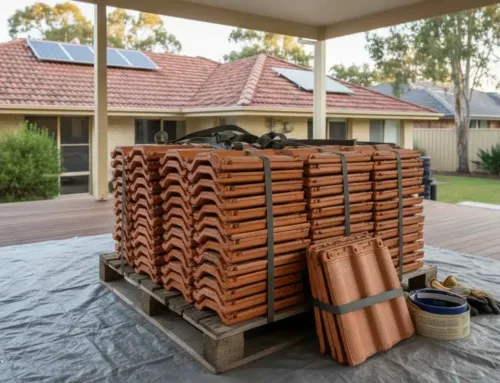
Future roof work can affect gutter decisions. Re-roofing may alter roof edge details, while extensions and patio additions can increase the area draining into each gutter run.
A flexible system allows sections, outlets or downpipes to be adjusted when the roof changes. Matching parts should remain available.
PVC parts may differ between manufacturers. Metal profiles also need compatible colours, gauges and shapes for neat repairs.
Documentation helps owners match replacement components later. Record the manufacturer, product code, profile, colour and outlet locations after installation, especially where PVC fittings are specific to one system.
Future access should be considered before the work starts. Some corners need safe ladder placement, clear paths and room for cleaning.
The final choice should consider service life, not only installation day. A system that can be maintained usually performs better.
Some owners also need to plan around repainting, roof coating or patio work. Gutter replacement can be timed with those projects.
Coordinated timing may reduce labour duplication and access costs. It can also avoid damage to new finishes during later works.
Where several roof edges are ageing together, staged replacement should be planned carefully. The worst sections should be addressed first.
Each stage should still connect to a reliable outlet. Partial work can fail if old discharge points remain overloaded.
That point matters on additions, rear patios and complex valleys. Extra water must be carried away without stressing older roof edges.
After installation, observe water flow during rain from a safe ground-level position. Leave any checks requiring roof or ladder access to a suitably equipped professional in safe conditions.
Practical Decision Checklist
Questions to Ask Before Choosing
A material choice should follow inspection, not assumptions. Each roof edge can have different exposure, capacity and fixing needs.
Ask how the existing system failed. Overflow, leaks, sagging and staining each point to different causes.
Useful questions include:
- Where has overflow appeared?
- Are downpipes clear and large enough?
- Is fascia timber sound?
- How much debris reaches the roof?
- Does coastal air affect the site?
- Will future roof work change flow?
These answers help compare materials fairly. They also reduce the risk of paying for a cosmetic fix only.
When Professional Assessment Is Worth It
Professional assessment is useful when leaks, sagging, corrosion or repeated overflow are already present. Hidden causes can be missed from ground level.
Gutter corrosion may require replacement rather than sealing. A thin section can fail again soon after a small patch.
Complex roofs need special care because several slopes can feed one short run. The selected profile and outlets must handle peak flow.
A clear scope should explain the material, outlet plan, downpipe route and any fascia repairs. That detail supports better comparison.
Good decisions protect more than gutters. They protect eaves, walls, ceilings and stormwater drainage during heavy rain.
Conclusion
Choose guttering by matching corrosion resistance, heat movement and support requirements to your roof, rather than price alone. If your gutters or downpipes are old or damaged, contact us to discuss replacement on its own or alongside roof restoration.