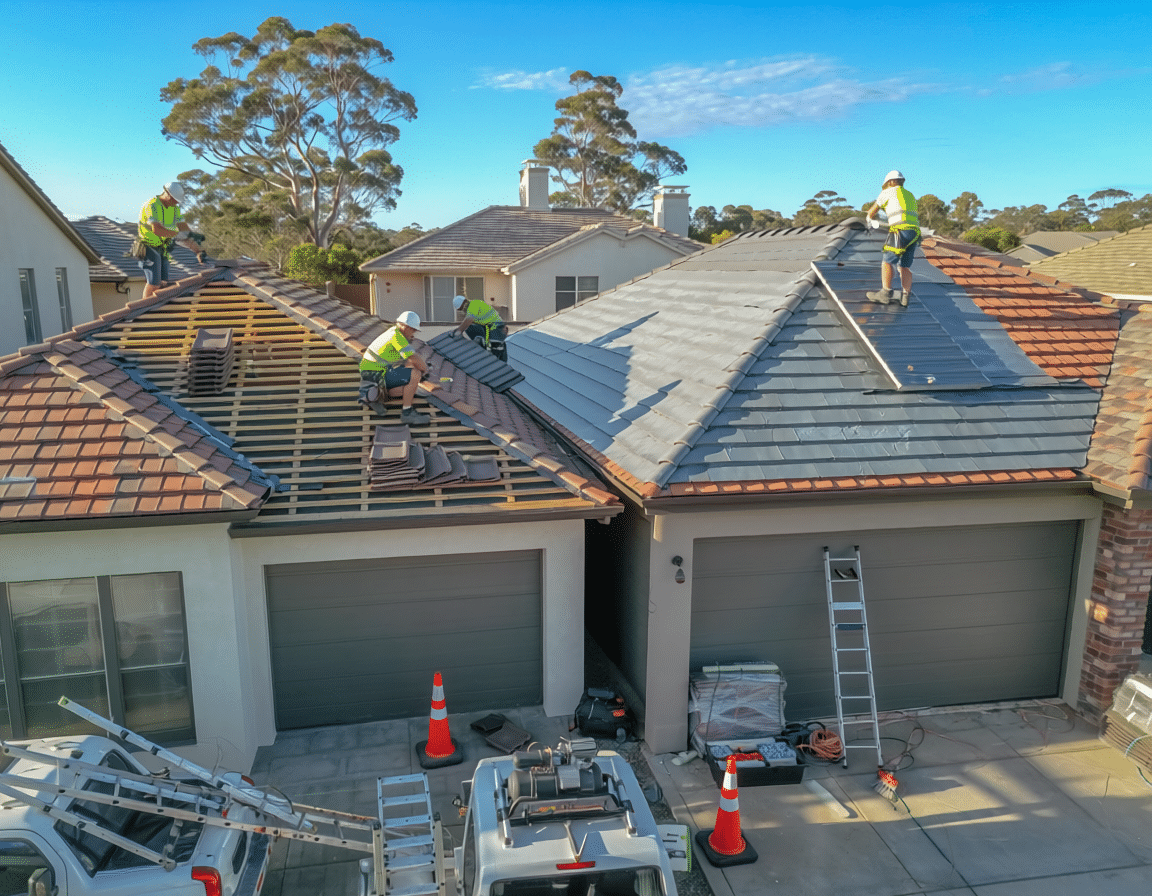
Perth homeowners facing roof replacement often discover two distinct re-roofing methods: complete tear-off and replacement, or overlay installation over existing roofing. Understanding the differences between these re-roofing methods helps make informed decisions about cost, performance, and long-term value. The choice impacts not just immediate expenses but also future maintenance, property values, and how long the new roof actually lasts.
The roof overlay Perth approach particularly confuses homeowners because it sounds like a modern innovation when it’s actually an older technique with specific applications and limitations. While overlay installation offers genuine advantages in certain circumstances, complete re-roofing provides superior long-term results for most Perth properties. Knowing which method suits specific situations prevents costly mistakes.
Understanding Re-Roofing Methods
The fundamental difference between complete re-roofing and overlay installation lies in what happens to existing roofing materials. Complete re-roofing removes everything down to the structural timber – old tiles or metal sheeting, sarking, and often battens – replacing the entire system with fresh materials. This comprehensive approach provides opportunities to inspect and repair structural issues while installing modern materials with full manufacturer warranties.
Complete Removal and Replacement
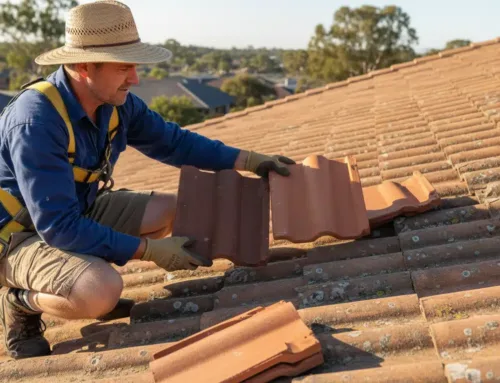
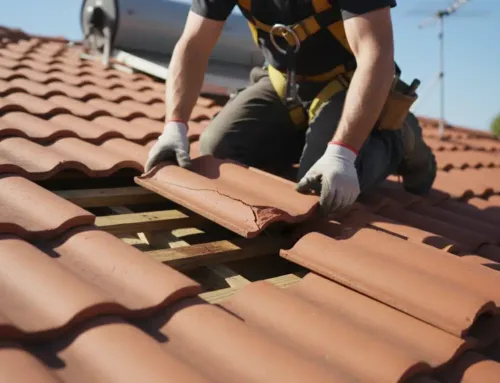
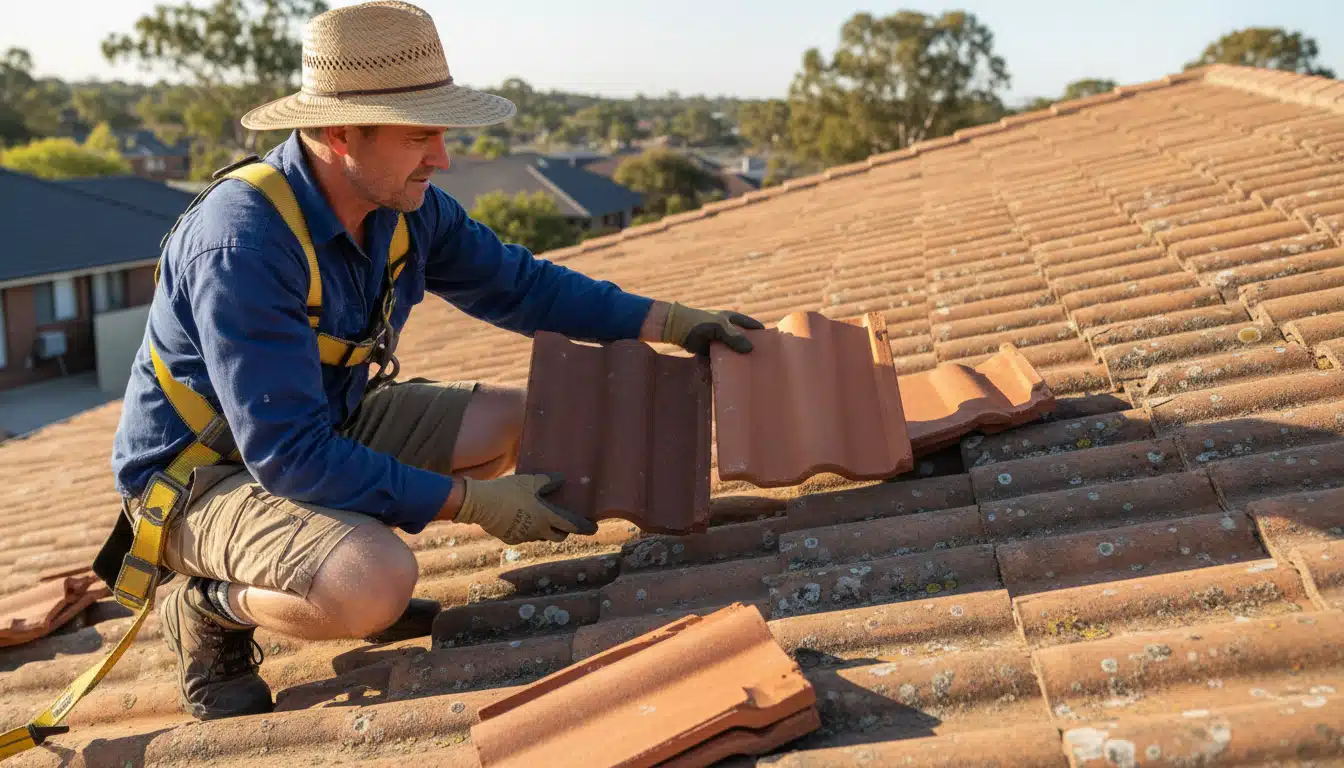
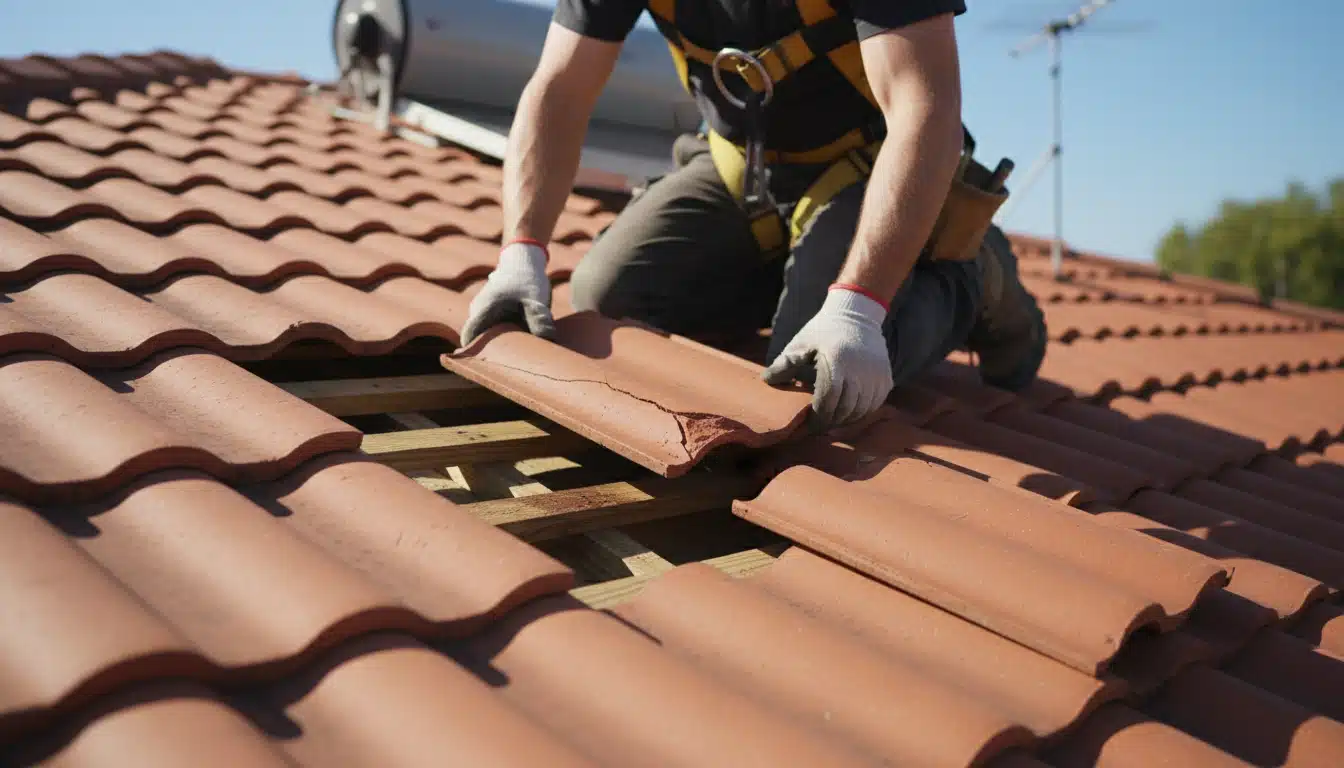
The complete tear-off process begins by stripping all existing roofing materials, exposing the roof structure for inspection. Workers examine timber battens for rot or insect damage, assess rafter condition, verify structural integrity, and identify any issues hidden beneath old roofing. This inspection opportunity represents a significant advantage – problems that remained hidden for years become visible and repairable before new roofing installation proceeds.
Permacoat‘s complete re-roofing approach includes replacing sarking (moisture barrier), installing or replacing battens to current standards, addressing any structural deficiencies, and installing new roofing materials according to manufacturer specifications. This comprehensive method ensures the new roof has proper support and protection, maximizing its service life.
Overlay Installation Approach
Roof overlay Perth installation leaves existing roofing in place, installing new materials directly over the old. For metal-over-tile applications, this involves installing new battens over existing tiles, then attaching Colorbond sheeting to these elevated battens. For metal-over-metal, the new sheeting installs directly over cleaned existing metal, secured through to structural battens.
The overlay approach saves on labour and disposal costs by eliminating tear-off and waste removal. However, it assumes existing roofing remains structurally sound and provides adequate support for additional weight. This assumption creates risks – hidden problems remain hidden, potentially compromising the new installation’s performance and longevity.
Complete Re-Roofing Process
Complete re-roofing represents the gold standard for roof replacement, providing maximum confidence in results and the longest expected service life. The process follows systematic steps ensuring quality at each phase.
Full Tear-Off and Disposal
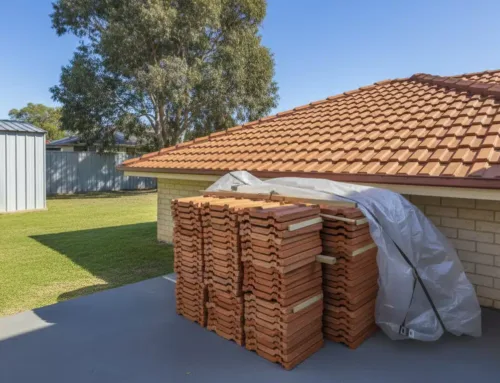
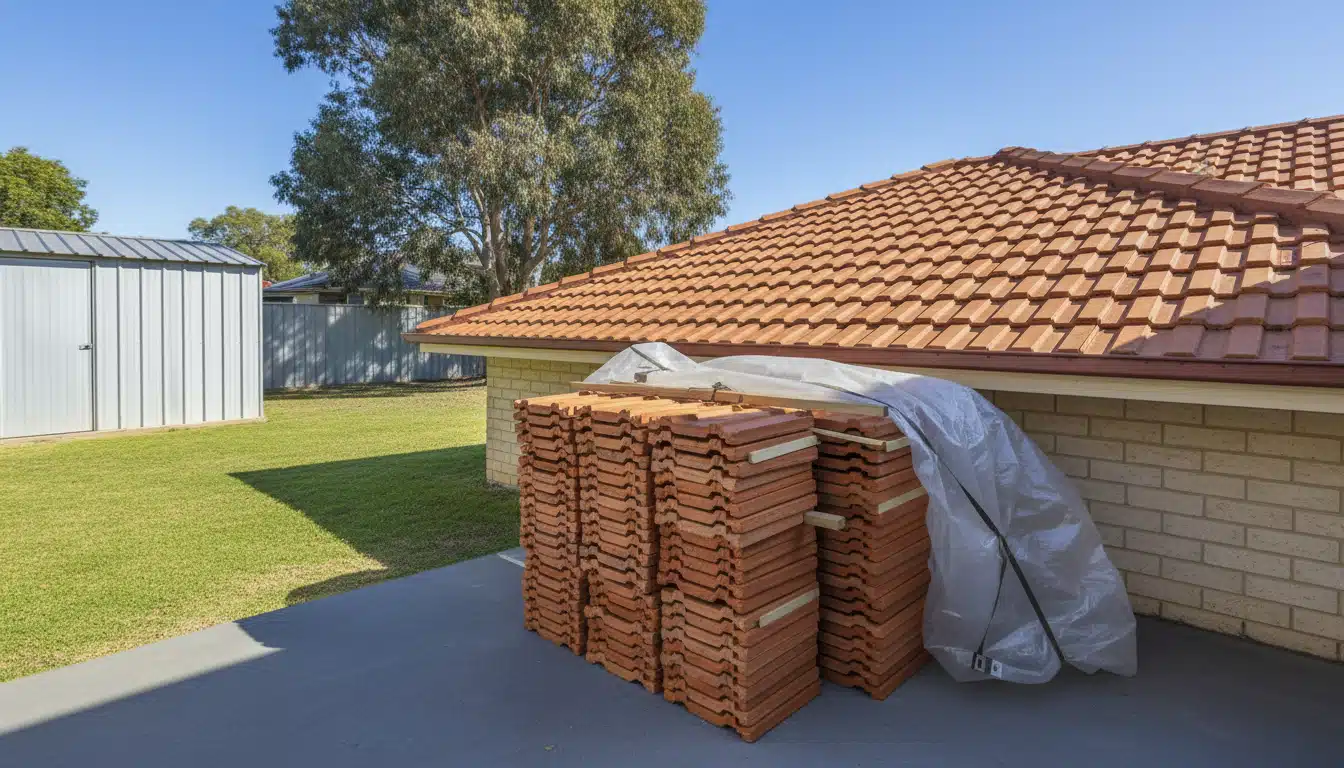
The removal phase generates 5-8 tonnes of waste material for average Perth homes. Workers systematically remove old roofing, containing debris to prevent property damage and neighbourhood complaints. This stage requires 1-2 days and leaves the property temporarily exposed, requiring careful weather monitoring and temporary protection if unexpected rain threatens.
Disposal costs add $800-$1,500 to project expenses but are unavoidable with complete tear-off approaches. The waste includes tiles or metal sheeting, deteriorated sarking, damaged battens, and accumulated roof debris from decades of service. While significant, this waste represents materials that genuinely needed replacement rather than functional roofing prematurely discarded.
Structural Inspection and Repairs
With old roofing removed, structural condition becomes fully visible. Experienced re-roofing teams identify rot from long-term leaks, assess batten condition throughout the roof, check rafter spacing and condition, and verify compliance with current building codes. This inspection often reveals problems that overlay installation would miss entirely, continuing to compromise performance beneath new materials.
Structural repairs completed during this phase ensure the new roof has proper support. Replacing damaged battens, reinforcing compromised rafters, upgrading undersized framing members, and installing modern sarking systems all contribute to extended roof life and proper performance. These improvements justify the additional cost of complete re-roofing compared to overlay alternatives.
Fresh Installation Advantages
Installing roofing materials on properly prepared structure allows optimal performance and maximum longevity. The new installation follows current best practices including proper batten spacing for tile or metal specifications, modern sarking installation preventing moisture problems, appropriate ventilation for roof cavity temperature control, and manufacturer-specified fastening patterns ensuring wind resistance.
Complete re-roofing typically provides 30-50+ year service life depending on material selection. Concrete tiles last 50-80 years with proper maintenance, terracotta tiles provide 80-100 year service, and Colorbond metal roofing delivers 30-50+ years. These extended lifespans justify the initial investment through decades of trouble-free performance.
Roof Overlay Installation Explained
Understanding overlay installation mechanics reveals both its appeal and limitations. The approach works well in specific circumstances but fails when applied inappropriately, creating problems worse than the original deterioration.
Weight Considerations and Structural Impact
Overlay installation adds significant weight to roof structures. Metal-over-tile overlays add 5-8 kg per square metre for Colorbond plus elevated batten systems. Metal-over-metal adds 3-5 kg per square metre. While these additions sound minor, they accumulate to 750-1,200 kg for average Perth roofs – requiring structural capacity verification before proceeding.
Perth’s building codes limit overlays to single applications. Properties that previously received overlay installation cannot add another layer – complete tear-off becomes mandatory. This limitation protects structural integrity while preventing the multi-layer roofs that create problems in unregulated markets. Homeowners considering overlay must understand they’re foreclosing future overlay options, potentially forcing expensive tear-off when the overlay eventually deteriorates.
Cost Savings Mechanisms
The roof overlay Perth method typically costs 20-35% less than complete re-roofing due to eliminated tear-off labour, avoided disposal fees, reduced project duration, and simplified preparation requirements. For a $20,000 complete re-roofing project, overlay might cost $13,000-$16,000 – savings of $4,000-$7,000 that appeal to budget-conscious homeowners.
However, these savings must be weighed against performance compromises and reduced service life. Overlay installation over deteriorated substrate materials creates inherent disadvantages that shorten the new roofing’s effective life, potentially requiring replacement sooner than complete re-roofing would have. The upfront savings may prove false economy when total cost-per-year of service is calculated.
Appropriate Overlay Applications
Certain situations suit overlay installation better than others. The method works best when existing roofing is structurally sound with minimal damage, the building has only single-layer current installation, budget constraints make complete re-roofing unaffordable, and homeowners have short to medium-term property ownership plans (5-10 years).
Tile-to-Colorbond conversions represent ideal overlay candidates. The existing tile roof provides stable substrate, the new metal installation reduces total roof weight despite overlay approach, and the conversion delivers significant performance benefits through improved weather resistance and reduced maintenance. Many Perth homeowners successfully execute these conversions through overlay methods.
Cost Comparison Between Methods
Understanding true costs between re-roofing methods requires examining both upfront expenses and long-term value. The apparent overlay savings diminish when considering total ownership costs over the roofing system’s life.
Complete Re-Roofing Investment
Standard 150-square-metre Perth homes face complete re-roofing costs of $15,000-$25,000 depending on material selection. Concrete tile installation costs $15,000-$20,000, terracotta tiles run $18,000-$25,000, and Colorbond metal ranges $12,000-$18,000. These prices include complete tear-off, disposal, structural repairs, modern sarking, and new roofing installation with manufacturer warranties.
The investment delivers maximum service life – 30-80 years depending on material type – and comprehensive warranties covering both materials and installation. This longevity creates favourable cost-per-year calculations despite higher upfront investment. A $20,000 re-roof lasting 40 years costs $500 annually, while a $15,000 overlay lasting 20 years costs $750 annually.
Overlay Installation Economics
Roof overlay Perth projects for the same properties typically cost $10,000-$18,000 – savings of $4,000-$7,000 versus complete replacement. Metal-over-tile overlays run $12,000-$18,000, while metal-over-metal installations cost $10,000-$14,000. These prices reflect eliminated tear-off and disposal expenses while including elevated batten systems and new roofing installation.
The overlay approach provides 15-25 year service life depending on substrate condition and installation quality. Hidden problems beneath the overlay can shorten this lifespan if deterioration continues unseen. When overlay installations face premature failure from concealed issues, homeowners bear costs exceeding complete re-roofing that would have identified problems initially.
Long-Term Value Analysis
Calculating total 40-year costs reveals complete re-roofing advantages:
Complete Re-Roofing: $20,000 initial + potential replacement at year 40+ = $20,000-$25,000 total Overlay Installation: $15,000 initial + complete tear-off and re-roof at year 20 = $35,000-$45,000 total
The complete approach costs 30-50% less over four decades while providing superior performance throughout. The apparently cheaper overlay becomes expensive when lifespan limitations force subsequent complete replacement years earlier than quality re-roofing would require attention.
Performance and Longevity Differences
Service life expectations differ significantly between re-roofing methods due to substrate condition impacts and installation limitations inherent in overlay approaches.
Complete Re-Roofing Lifespan
Properly executed complete re-roofing delivers manufacturer-specified service life because installation occurs on verified sound structure with modern materials. Colorbond carries 20-30 year material warranties but commonly provides 40-50+ years service. Concrete tiles last 50-80 years, while terracotta tiles reach 80-100 years with proper maintenance.
These lifespans assume proper installation on structurally sound roof framing with adequate ventilation and appropriate maintenance. Complete re-roofing ensures these conditions exist, maximizing realistic lifespan expectations. Homeowners can confidently plan around these timeframes, knowing the roof won’t require attention for decades.
Overlay Installation Longevity
Overlay installations provide 15-25 year service life depending heavily on concealed substrate condition. If existing roofing contained hidden deterioration – moisture-damaged battens, compromised sarking, or structural issues – these problems continue affecting the new overlay installation. The overlay looks excellent initially but fails prematurely as underlying issues progress.
Even without hidden problems, overlay installations face disadvantages affecting longevity. Trapped moisture between layers can accelerate corrosion on metal installations. Temperature differentials between old and new materials create thermal stress. Inadequate ventilation from layered installation increases heat buildup. These factors reduce service life compared to complete installations on fresh structure.
Warranty Coverage Variations
Complete re-roofing includes comprehensive manufacturer warranties because installation follows specified procedures on verified sound structure. Colorbond manufacturers warranty their products for 20-30 years when properly installed. Tile manufacturers provide similar coverage. These warranties provide genuine protection because installation conditions support long-term performance.
Overlay installations often receive reduced warranty coverage or manufacturer warranty exclusions. Some roofing manufacturers void warranties for overlay applications due to inherent risks from unknown substrate conditions. Even when warranties apply, coverage may be limited compared to complete installations. This warranty gap reflects manufacturers’ understanding that overlay approaches create elevated failure risks.
Perth Building Code Requirements
Local building regulations govern when overlay installation is permitted versus situations requiring complete tear-off. Understanding these requirements prevents code violations that create liability and potential forced remediation.
Overlay Installation Restrictions
Perth building codes limit overlay to single applications – properties cannot receive multiple overlay layers regardless of apparent structural adequacy. This restriction prevents excessive roof weight and ensures future flexibility for proper renovation. Properties with existing overlay already applied must use complete tear-off for any future re-roofing work.
The codes also require engineering certification for overlay installations in certain circumstances including properties with previous structural modifications, roofs exceeding specific pitch angles, and installations combining different material types. This certification verifies structural capacity supports added weight without compromising building integrity.
Weight Load Calculations
Structural engineers calculate whether roof framing can support overlay weight additions. These calculations consider original design specifications, current structural condition, proposed overlay materials and installation method, and required safety factors per building codes. Properties failing capacity verification must use complete tear-off rather than overlay approaches.
Perth’s older homes built before modern building codes sometimes lack documentation of original structural design. These properties require conservative assumptions about capacity, often necessitating complete re-roofing to ensure compliance and safety. The engineering assessment costs $500-$1,000 but prevents expensive problems from installing overlay on inadequate structure.
Permit Requirements
Both complete re-roofing and overlay installation require building permits in Perth, though requirements differ slightly. Complete re-roofing permits include provisions for structural modifications if necessary, updated ventilation requirements, and modern sarking installations. Overlay permits specifically document engineering verification of structural capacity and note the overlay for future building records.
Permit costs range $300-$600 depending on project scope and council jurisdiction. Some homeowners attempt avoiding permits through unlicensed contractors, creating legal liability and potential insurance coverage issues. Professional re-roofing Perth providers always obtain proper permits, protecting homeowners from regulatory problems.
Tile to Colorbond Conversion Options
Converting from tile to Colorbond metal roofing represents Perth’s most common re-roofing project, offering opportunities for both complete and overlay approaches depending on circumstances.
Complete Replacement Approach
The complete tile-to-metal conversion removes all existing tiles, sarking, and often battens, installing fresh structure supporting Colorbond sheets according to manufacturer specifications. This approach provides maximum confidence in results because installation occurs on verified sound structure with proper batten spacing and modern sarking preventing moisture problems.
Complete conversions typically cost $12,000-$18,000 for standard Perth homes, delivering 30-50+ year service life with comprehensive warranties. The investment eliminates all tile maintenance requirements – no more broken tile replacements or ridge capping re-bedding – while reducing roof weight by 30-40% compared to concrete tiles.
Overlay Installation Possibility
Tile-to-Colorbond overlays install elevated battens over existing tiles, supporting Colorbond sheets above the old roof surface. This creates an air gap that improves thermal performance while saving demolition costs. The approach works well when existing tiles are structurally sound and the additional weight doesn’t exceed structural capacity.
Overlay tile-to-metal conversions cost $12,000-$16,000 – savings of $2,000-$4,000 versus complete replacement. The savings diminish the complexity advantage complete removal provides, making the choice less obvious than other overlay scenarios. Homeowners must weigh the moderate cost savings against the concealed condition risks overlay approaches inherently carry.
Performance Benefits of Colorbond
Regardless of installation method, converting to Colorbond delivers substantial performance benefits including superior weather resistance, reduced maintenance requirements, lighter weight reducing structural load, modern appearance enhancing property value, and improved thermal performance with reflective colours. These advantages make tile-to-metal conversions Perth’s most popular re-roofing approach.
The performance benefits apply equally to complete and overlay installations, making the installation method choice primarily about cost versus confidence rather than end-result performance differences. Both approaches deliver excellent outcomes when executed properly on suitable properties.
Conclusion
Understanding the differences between complete re-roofing and roof overlay Perth methods helps homeowners make informed decisions aligned with their specific circumstances. Complete tear-off and replacement provides maximum confidence through structural inspection opportunities, optimal installation conditions, comprehensive warranties, and longest service life. Overlay installation offers cost savings of 20-35% but carries concealed condition risks and reduced longevity compared to complete replacement.
The choice depends on budget constraints, property ownership timeline, existing roof condition, and willingness to accept overlay limitations. For Perth homeowners uncertain which re-roofing methods suit their property, professional assessment identifies appropriate approaches based on structural condition, building code compliance, and long-term value considerations.
For expert guidance on complete re-roofing versus overlay options, call (08) 9249 5955 to schedule a free roof inspection and comprehensive recommendation.