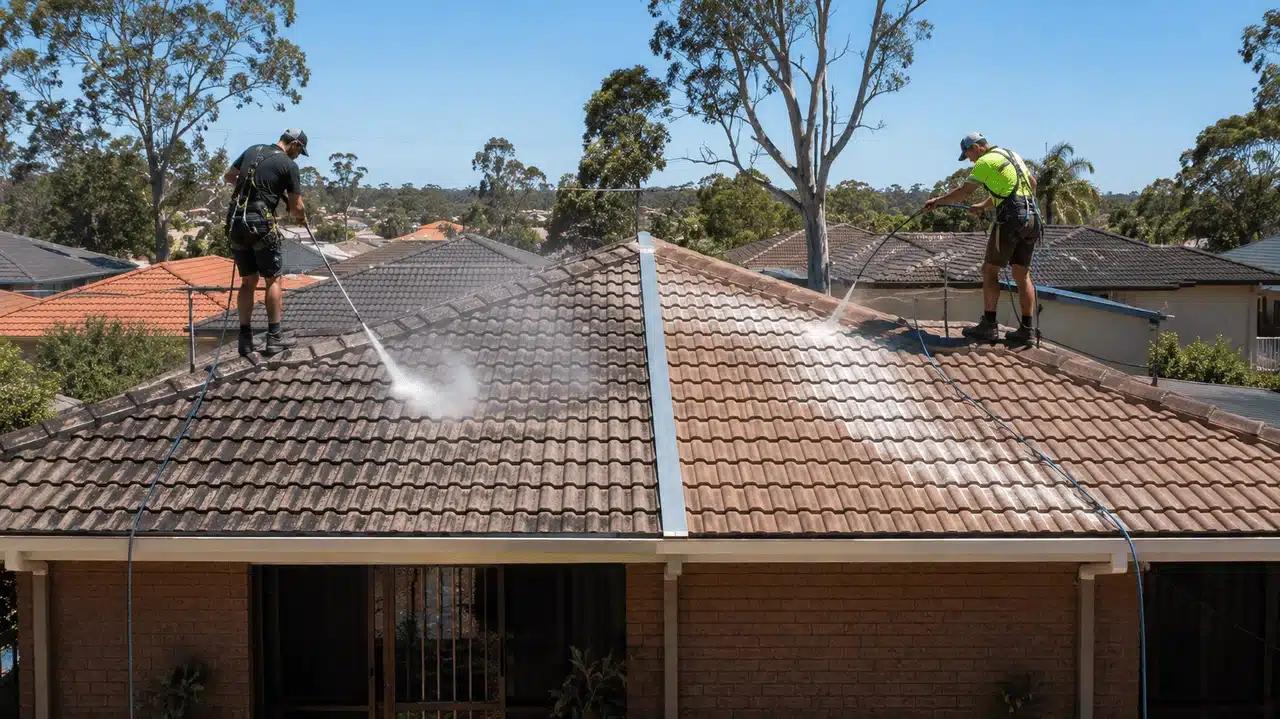
High-Pressure vs Soft Wash Roof Cleaning: Which is Better for Perth Roofs?
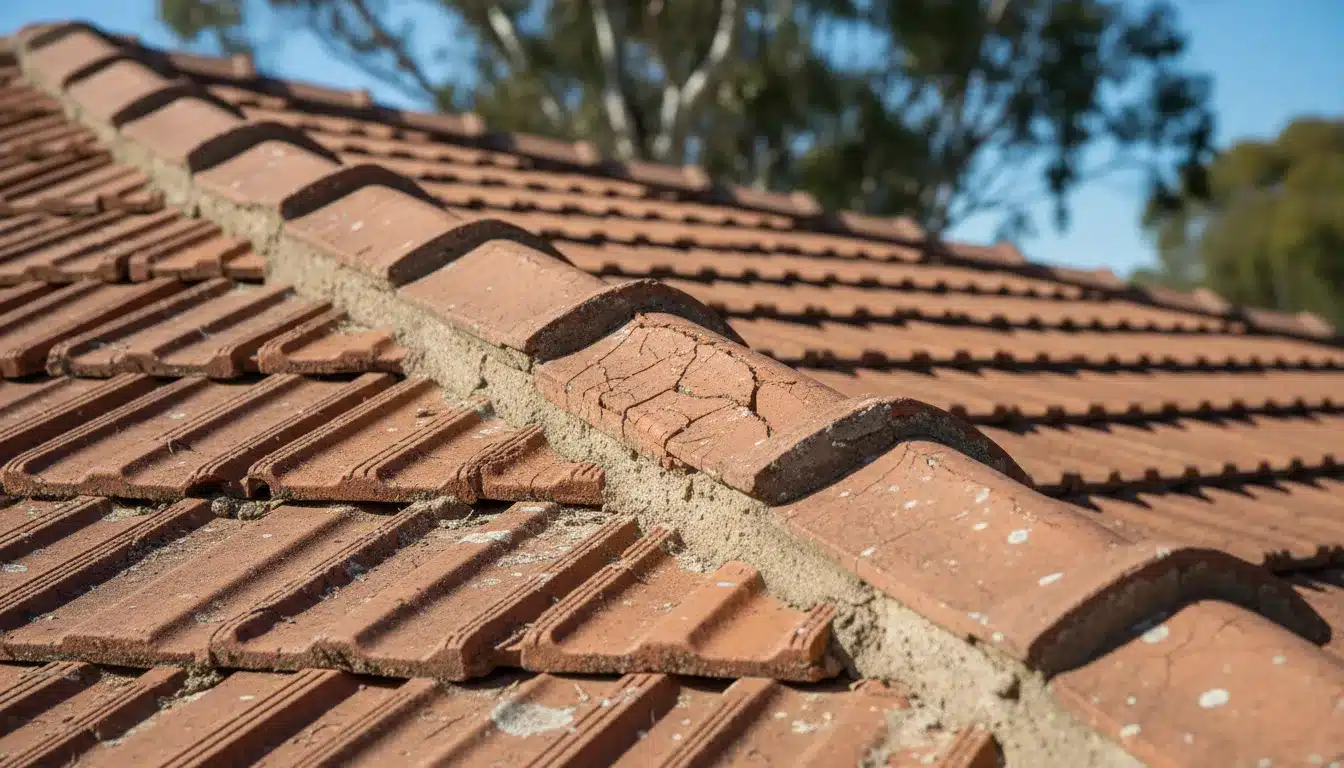
Dust from summer winds, mould and lichen from winter rains, and in some spots, years of baked-on grime that’s practically fused to the surface. That’s what climate leaves behind in Perth. Left untreated, this build-up isn’t just ugly; it slowly eats away at tiles and coatings, cutting down the lifespan of your roof.
That’s why roof cleaning matters. But the question is: which method works best, pressure washing roofs Perth or soft wash roof cleaning Perth? Both approaches clear dirt and growth, but the way they do it, and the effect they have on your roof are very different. Let’s dig into the pros, cons, and when each method makes sense for WA homes.
Understanding Perth’s roof cleaning challenges
The local climate gives roofs a hard time.
- Summers: Extreme heat bakes organic growth like lichen into surfaces, making it tougher to shift.
- Winters: Damp conditions give moss, mould, and algae everything they need to thrive.
- Year-round: UV exposure weakens tiles and coatings, making roofs more fragile over time.
It’s this constant back-and-forth between scorching sun and moisture that makes regular cleaning essential. It’s not about vanity, it’s about preventing structural damage.
Key takeaways
- Perth’s climate breeds moss, lichen, and algae.
- Cleaning protects both appearance and durability.
- Choosing the right method avoids roof damage.
What is high-pressure roof cleaning?
High-pressure cleaning is exactly what it sounds like: a machine blasting water at extreme force to knock dirt and growth loose.
Done right, it strips years of grime in a single session, leaving tiles looking fresh and new. Concrete tile roofs, for instance, respond well, provided they’re structurally sound.
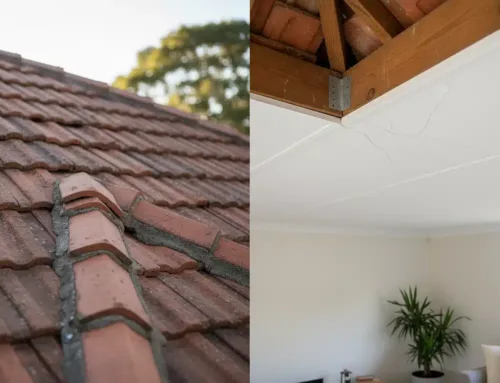
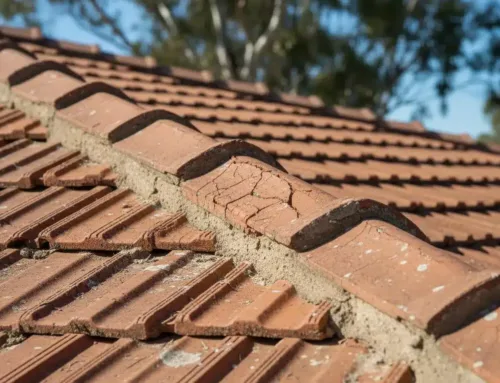
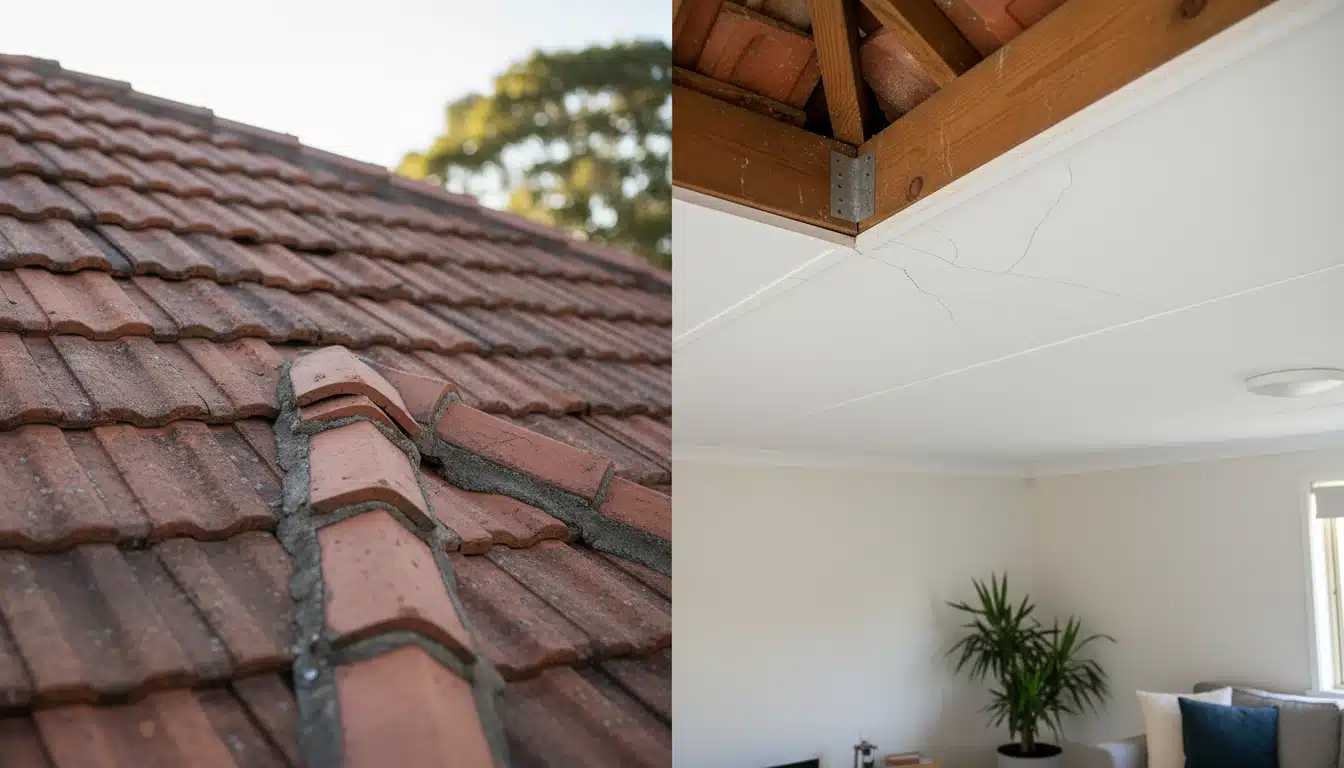
But brute force has its risks. On delicate materials like terracotta tiles or asbestos cement, high-pressure water can crack tiles, strip away protective coatings, or even dislodge sections altogether. That turns a cleaning job into a repair bill.
Key takeaways
- Works best on strong, resilient materials like concrete tiles.
- Risks damaging fragile or weathered roofs.
- Cleans fast, but sometimes too aggressively.
What is soft wash roof cleaning?
Soft washing takes a different approach. Instead of relying on raw water pressure, it uses low-pressure application combined with specialist cleaning solutions. These solutions kill mould, algae, and lichen at their source, not just on the surface.
Because the pressure is low, there’s little risk of structural damage. The cleaning chemicals do the heavy lifting, breaking down stains and growth without stressing fragile materials.
Key takeaways
- Relies on cleaning agents rather than high water pressure.
- Safer for delicate or ageing roofs.
- Treats growth at the source, slowing regrowth.
High-pressure cleaning: when it works (and when it doesn’t)
There are times when pressure washing roofs Perth is the right call:
- Concrete tile roofs: Strong enough to handle the blast.
- Heavy grime build-up: Years of baked-on dirt can be shifted quickly.
- Short-term results: If the goal is purely cosmetic, it delivers instant impact.
But there are also times when it’s the wrong choice:
- Terracotta tiles: Prone to cracking under pressure.
- Asbestos cement: Dangerous if fibres are disturbed.
- Old, brittle roofs: High-pressure water only accelerates failure.
One homeowner I knew tried blasting a terracotta roof with a DIY washer. Looked great for a week, then the cracks started showing. What saved on cleaning ended up being spent, and then some, on repairs.
Soft wash cleaning: a gentler approach
Soft washing is far more versatile. It’s effective on both sturdy and delicate roofing materials. Because it kills mould and algae at the root level, roofs stay cleaner for longer compared to high-pressure washing.
It’s particularly useful for:
- Terracotta roofs: Gentle enough to avoid damage.
- Older roofs: Won’t strip weakened surfaces.
- Preventative cleaning: Slows down regrowth by targeting spores.
Instead of brute force, it’s like using the right tool for the job, precision, not pressure.
Key takeaways
- Suitable for nearly all roof types.
- Prevents regrowth better than pressure washing.
- Ideal for fragile or ageing surfaces.
The impact of Perth’s climate
Perth’s climate influences which method is best.
- High-pressure cleaning: Works well for stubborn, baked-on grime. But prolonged sun exposure makes older roofs brittle, so blasting them risks further damage.
- Soft washing: Handles Perth’s moss and lichen effectively, without putting weakened surfaces under strain.
Given our mix of scorching summers and damp winters, soft washing often edges ahead in terms of long-term safety and sustainability.
DIY vs professional roof cleaning
Plenty of people consider roof cleaning a DIY job. But here’s the reality:
- Safety risks: Slippery, wet surfaces at height are dangerous.
- Technical knowledge: Using the wrong chemicals or water pressure can cause lasting damage.
- Equipment: Professional-grade washers, safety gear, and cleaning solutions aren’t in most garden sheds.
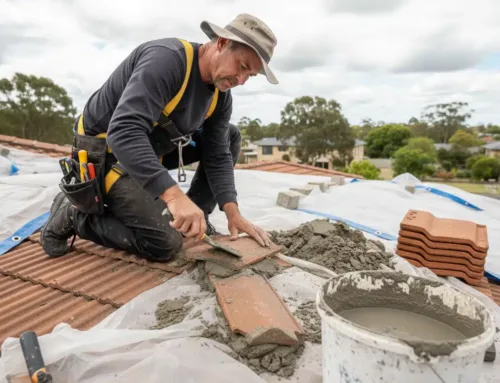
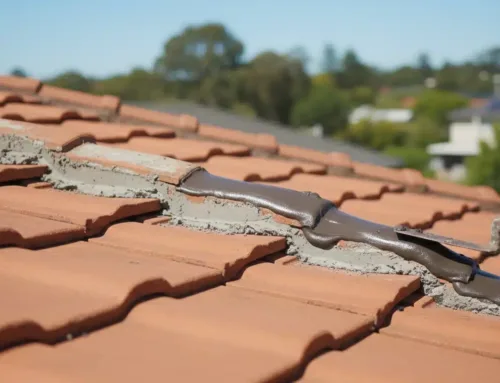
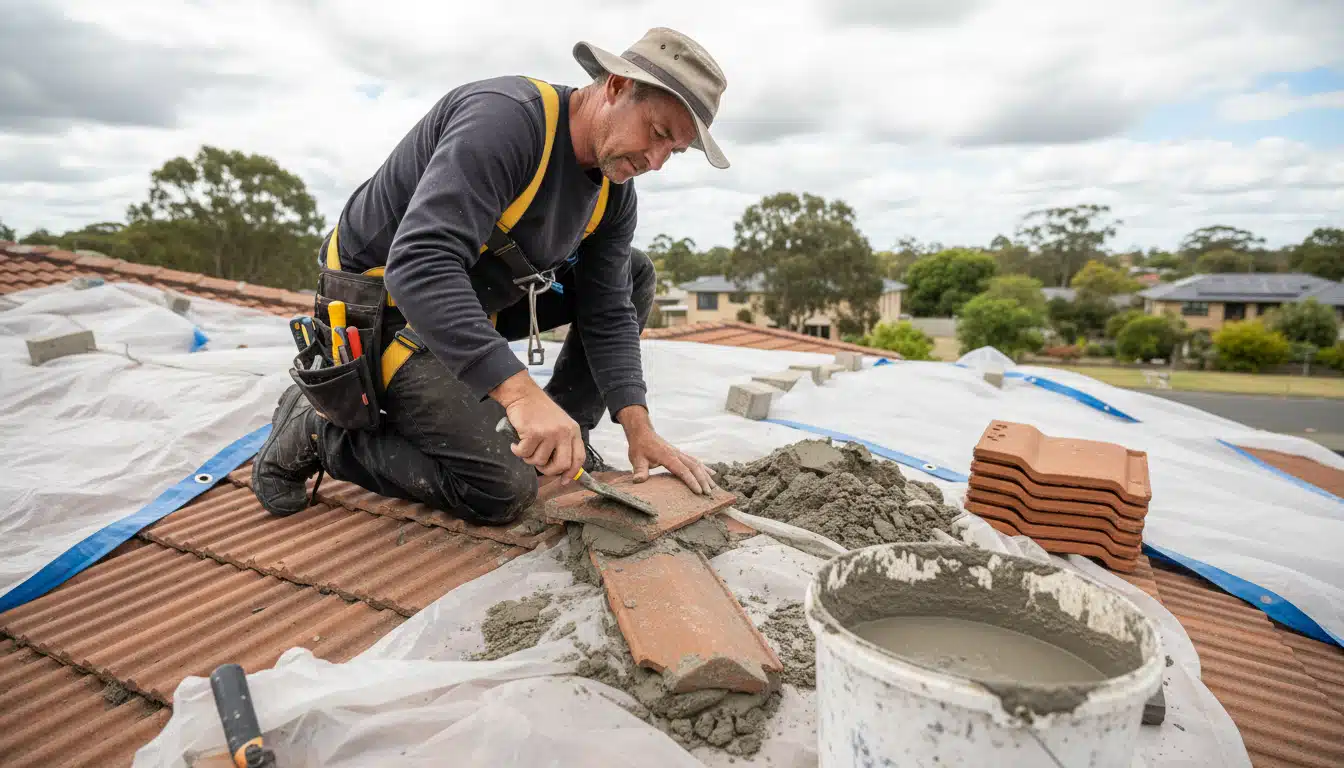
That’s where professional services like Permacoat’s roof cleaning come in. They know which method suits which roof, how to apply it safely, and how to spot issues like cracked tiles or damaged flashing before they become serious.
Key takeaways
- DIY cleaning carries safety and damage risks.
- Professionals bring experience, equipment, and insurance.
- Assessments reveal problems DIYers often miss.
Cost comparison: high-pressure vs soft wash
At first glance, pressure washing roofs Perth looks cheaper. One session, a quick blast, job done. But if the process cracks tiles or strips coatings, repair costs far outweigh the savings.
Soft washing may be more expensive upfront, given the need for specialised solutions. But it’s safer, longer-lasting, and reduces the frequency of future cleans. Because it prevents regrowth, you end up saving on maintenance cycles.
Don’t forget the hidden cost of your time, gear hire, or the risk of injury if you attempt DIY. A professional clean pays for itself in convenience and peace of mind.
Key takeaways
- Pressure washing often has higher long-term costs due to damage risks.
- Soft washing is a safer, lower-maintenance investment.
- Professional services deliver the best cost-to-value ratio.
Making the right choice for your roof
So which method is better? It depends:
- Choose high-pressure for sturdy concrete tiles with heavy grime.
- Choose soft wash for delicate, older, or terracotta roofs.
- Always get a professional assessment before deciding.
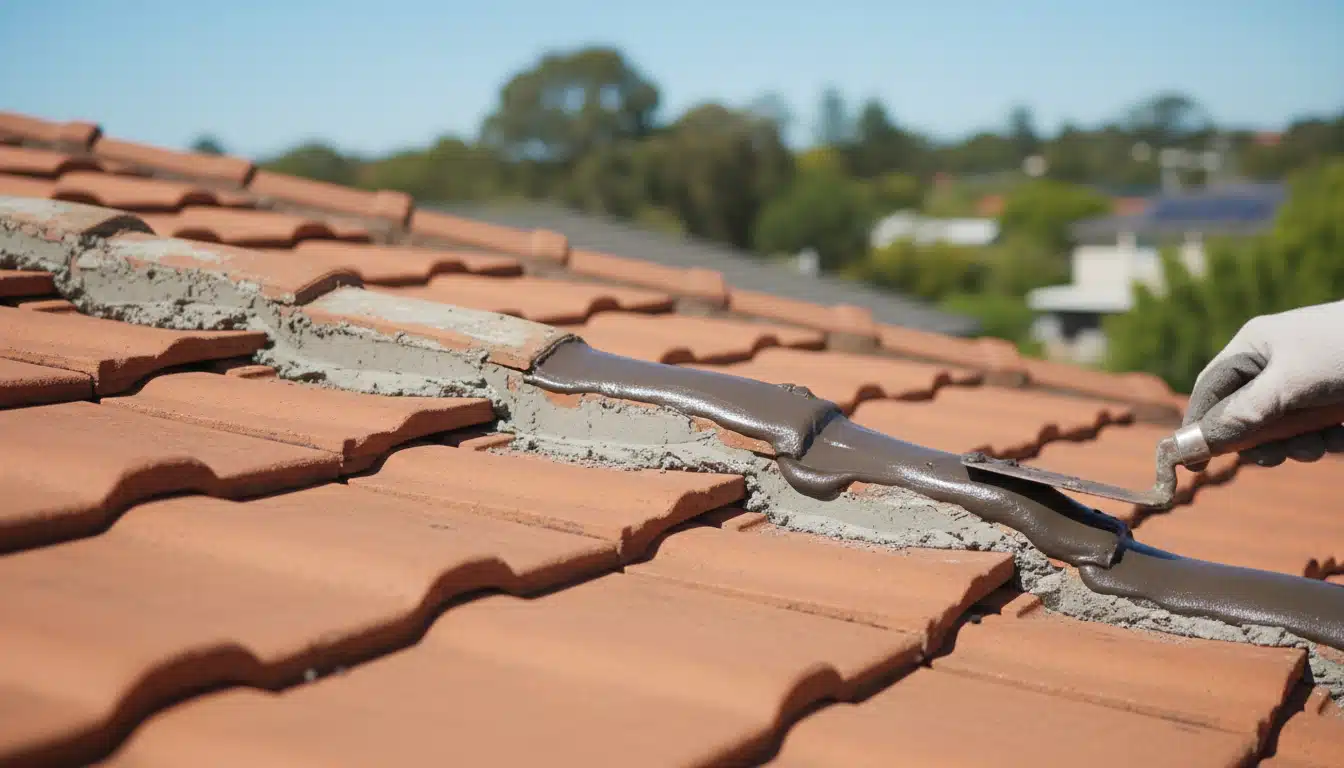
A roofing expert can inspect your home, recommend the right cleaning method, and carry out any repairs needed. If cracked tiles, leaks, or flashing problems are discovered, roof repairs Perth services can address them straight away.
Key takeaways
- No single method is “best” in all cases.
- Roof material, age, and condition dictate the right approach.
- Professional inspections protect both your roof and your wallet.
Actionable next steps
If you’re serious about maintaining your roof:
- Inspect your roof: Look for moss, lichen, grime, or damage.
- Identify your roof type: Material matters when choosing between high-pressure and soft wash.
- Get a professional opinion: Contact Permacoat for an inspection and tailored advice.
- Plan ongoing maintenance: Annual cleaning, inspections, and touch-ups will keep your roof in top condition.
Looking after your roof is one of the smartest investments you can make. With the right cleaning method, you’ll extend its lifespan, maintain its appearance, and avoid costly repairs down the track.