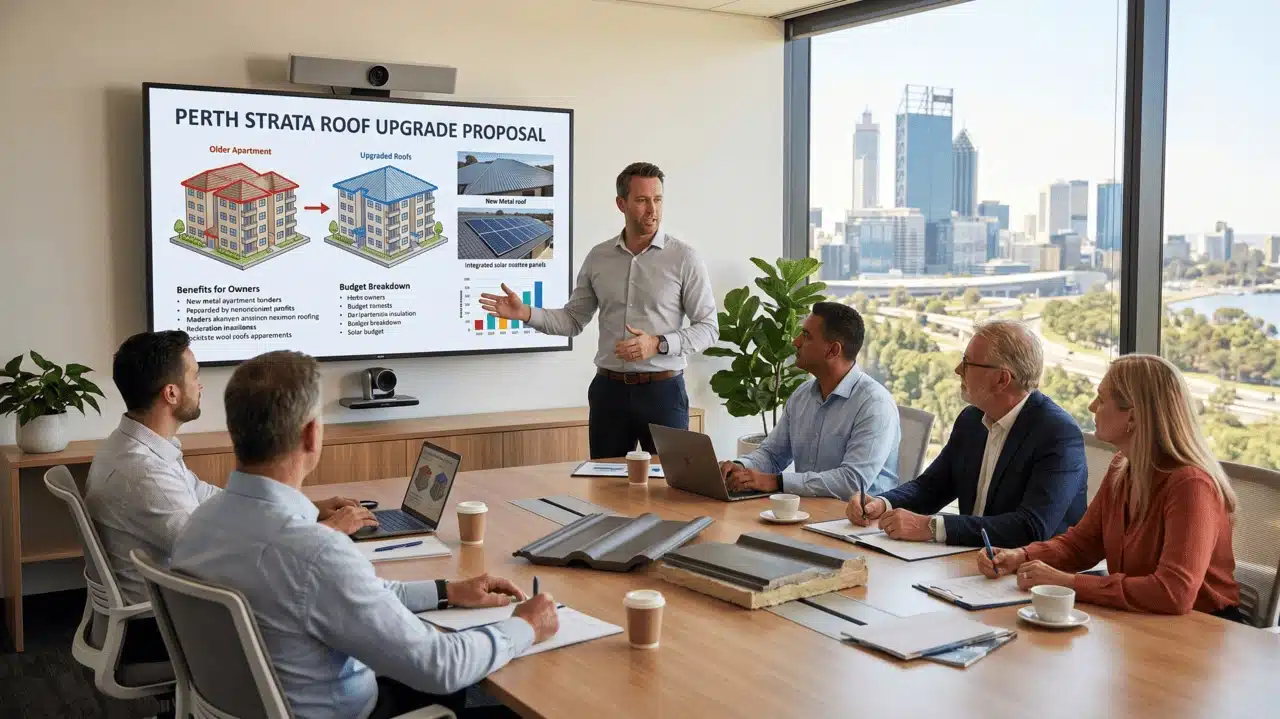
Securing approval for a major roofing project in a strata property isn’t as simple as handing over a quote. With multiple owners, diverse opinions, and strict budgets, strata committees and body corporates in Perth need convincing with facts, value, and clear long-term benefits. When you present a roof upgrade proposal Perth decision-makers can trust, you’re not just fixing a roof – you’re protecting an asset, keeping residents happy, and maintaining property value for years to come.
This comprehensive guide explains how to win over committees by presenting proposals in the right way: plain-English communication, detailed scope, long-term benefits, clear ROI, and an understanding of the unique pressures faced by strata body corporates. Whether you’re a contractor preparing your first strata pitch or a committee member evaluating proposals, understanding the art of persuasive, evidence-based presentations makes all the difference.
Understanding the Strata Mindset
To build a proposal that resonates, you first need to understand how strata decision-making works. A body corporate represents all owners within a shared building. That means roofing issues affect far more than just the structure itself – they ripple through every aspect of communal living and property management.
Every resident’s comfort: Leaks or damage disrupt multiple households simultaneously. One failing section of the roof can cause water ingress into several units, triggering complaints, emergency repairs, and resident dissatisfaction that strains the entire community.
Shared finances: Repairs are funded through levies and sinking funds that every owner contributes to. When unexpected roof damage occurs, emergency levies can create financial stress for owners who weren’t budgeting for significant expenses. Committees are acutely aware that poor planning today means higher costs tomorrow.
Property value: A poorly maintained roof reduces resale value across all units. Potential buyers and property valuers assess strata buildings holistically. Visible roof deterioration, evidence of water damage, or outdated roofing materials can lower valuations for every unit in the complex, not just those directly affected by leaks.
Liability: Neglect can lead to disputes or even legal claims if damage spreads from common property into individual lots. Body corporates have a legal duty to maintain common property, including roofs. Failure to address known defects can expose the body corporate to liability claims from affected owners.
For committees, roofing decisions are less about aesthetics and more about collective investment. You’re not pitching to an individual homeowner who can make snap decisions based on personal preference – you’re convincing a group of stakeholders who need assurance that their funds are being spent wisely, that the solution will last, and that the investment protects everyone’s interests.
Key Takeaways:
- Body corporates make decisions collectively, not individually
- Cost-effectiveness and property value are top priorities
- Position proposals as long-term investments in asset protection
- Legal and financial liability drives conservative decision-making
For more on how Permacoat supports strata-managed properties, you can see examples of tailored roofing solutions across Perth that address the unique challenges of multi-unit complexes.
Crafting a Winning Roof Upgrade Proposal
A roof upgrade proposal Perth body corporates can confidently approve needs to be structured, transparent, and practical. Avoid jargon-filled reports that confuse non-technical readers. Instead, break it down into clear sections that address both the practical needs and the financial concerns of committee members.
Use Plain-English Explanations
Technical roofing terms can alienate stakeholders who don’t have construction backgrounds. Committee members range from retirees to young professionals, from tradespeople to office workers. Not everyone understands roofing terminology, and using complex language creates barriers to approval.
Replace technical terms with accessible language:
- Instead of “elastomeric membrane system,” say “a flexible coating that prevents cracking in Perth’s heat”
- Instead of “flashing degradation,” say “metal edges around chimneys and valleys wearing out, leading to leaks”
- Instead of “substrate preparation,” say “cleaning and repairing the roof surface before applying protective coatings”
The goal is to keep everyone on the same page, regardless of their technical background. When committee members understand exactly what work is being proposed and why it matters, they’re far more likely to support the investment.
Provide a Transparent Scope of Work
Outline exactly what will be done, when it will be done, and how it will affect residents. Transparency builds trust, and trust is essential for securing approval from a group of owners who may be sceptical about contractors or worried about disruption.
Include comprehensive details about:
Tasks: Be specific about every stage of work. For example: “Stage 1: High-pressure roof cleaning to remove dirt, moss, and biological growth. Stage 2: Repairs to damaged tiles, ridge capping, and valley irons. Stage 3: Application of two coats of Dulux Acratex protective coating with 15-year warranty.”
Timeline: Provide realistic start and completion dates with buffer time for weather delays. Perth’s climate means summer heat can affect coating application, while winter rains can delay access. Be honest about potential disruptions and how long scaffolding or equipment will remain on-site.
Access arrangements: Detail how scaffolding, equipment, or workers will affect residents. Will parking be restricted? Will certain areas be off-limits? How will you minimise noise during work hours? Addressing these concerns upfront prevents complaints and demonstrates professionalism.
Safety considerations: Assurance of compliance with work safety standards is non-negotiable. Body corporates can be held liable for accidents on common property, so they need to know contractors carry proper insurance, follow safety protocols, and have clear risk management procedures.
Visual Aids and Evidence
Body corporates want proof that your proposal isn’t just sales talk – they want evidence that the recommended approach works. Visual documentation transforms abstract concepts into concrete understanding.
Include:
- Before-and-after images from similar roof restoration Perth projects on strata buildings
- Simple diagrams showing how water flow improves with new gutters and downpipes, or how protective coatings prevent UV damage
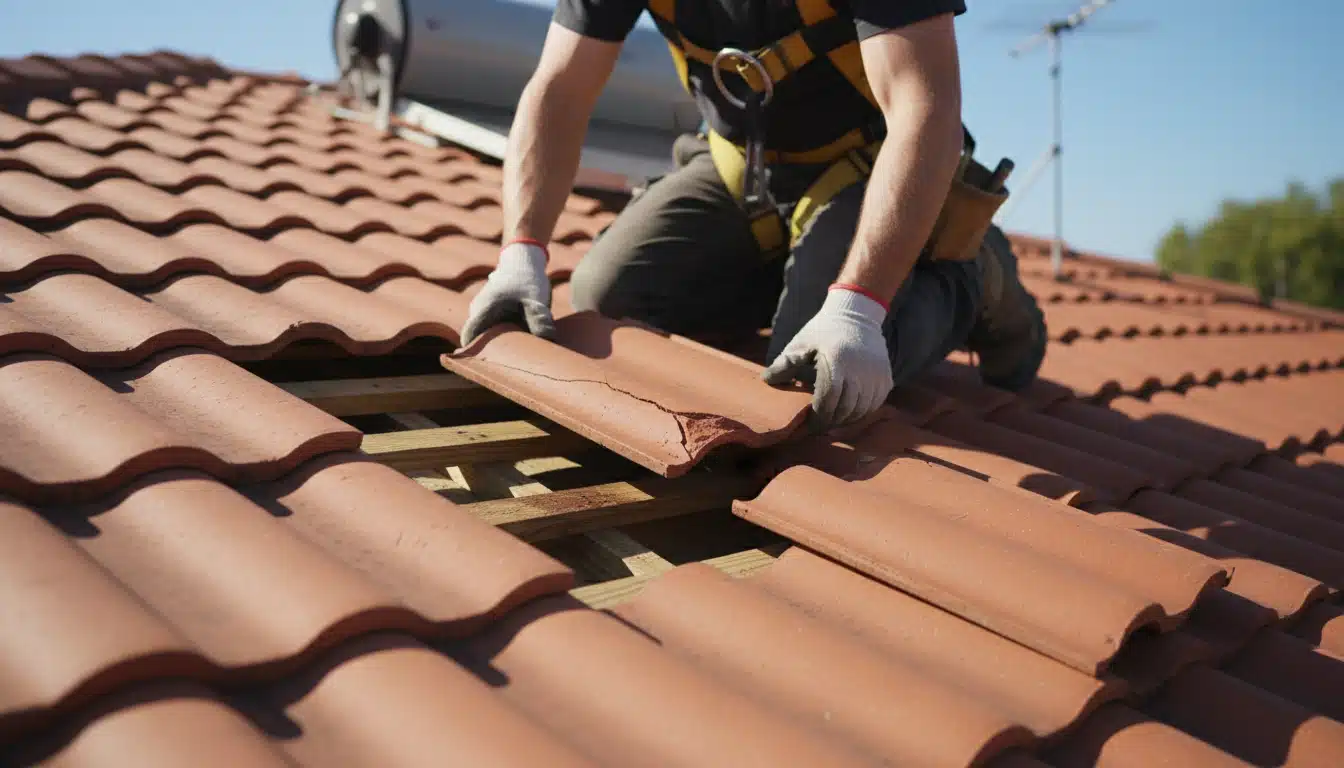
- Photos of deteriorated materials common in Perth, such as cracked terracotta tiles, rusted metal valleys, or worn ridge capping
- Thermal imaging (if available) showing heat loss or water ingress that isn’t visible to the naked eye
Visual evidence helps committee members who may never climb onto the roof understand the severity of issues and the value of proposed solutions.
Key Takeaways:
- Speak in plain English that all owners can understand
- Provide clear timelines, costs, and scope to build trust
- Back up claims with visuals and past project results
- Address resident disruption honestly and proactively
Highlighting Long-Term Value to Body Corporates
Strata committees often worry about cost. The key to a successful roof upgrade proposal in Perth is showing the value beyond the price tag. While the upfront investment may seem substantial, the long-term financial benefits and risk reduction make quality roofing work one of the smartest investments a body corporate can make.
Emphasise Warranties and Guarantees
Owners want peace of mind that their levy contributions are protected. Unlike homeowners who make individual decisions, body corporate members are collectively responsible for ensuring common property is maintained to a high standard. Warranties provide insurance against poor workmanship and material failures.
Highlight:
- Long-term warranties on roof coatings – typically 10-15 years for premium systems like Dulux Acratex
- Guarantees that cover both workmanship and materials – be specific about what’s covered and what’s excluded.
- Confidence backed by proven systems explicitly designed for WA’s harsh climate, including intense UV exposure, salt air in coastal areas, and temperature extremes
Warranties aren’t just paperwork – they’re a commitment that the roofing company will stand behind their work for years to come. This matters enormously to committees that worry about contractors disappearing or refusing to address defects.
Demonstrate Return on Investment (ROI)
Break down tangible savings that committees can present to owners:
Energy efficiency: Heat-reflective roof coatings and modern roofing materials reduce cooling costs by up to 15%. For a 20-unit complex, this can translate to hundreds of dollars in reduced air conditioning costs each summer. Over 15 years, energy savings alone can offset a significant portion of roof restoration costs.
Reduced emergency repairs: Fixing leaks early and applying protective coatings prevents costly damage inside units. Water ingress can damage ceilings, walls, electrical systems, and personal belongings. Emergency roof repairs Perth contractors charge premium rates for urgent work, especially on weekends or after hours. Preventive maintenance avoids these emergency callouts entirely.
Longevity: A comprehensive roof restoration extends lifespan by 15-20 years, delaying expensive re-roofing costs. Consider that a complete re-roof using modern materials might cost $100,000-$200,000 for a medium-sized strata complex. If roof restoration for $40,000-$60,000 delays that expense by 15 years, the financial benefit is clear.
Insurance premiums: Well-maintained roofs can reduce building insurance premiums. Insurers assess risk, and properties with documented maintenance programs and recent roof work present lower claims risk than neglected buildings.
Preventative Maintenance Plans
Offer body corporates structured long-term care that protects their investment:
Annual inspections: Professional assessments identify minor issues before they become significant problems. A loose tile spotted during a yearly inspection costs $50 to fix. That same tile left unrepaired for three years might allow water ingress that causes $5,000 in ceiling damage across multiple units.
Scheduled gutter maintenance: Regular cleaning of gutters and downpipes prevents overflow, water damage, and mosquito breeding. For strata properties, clogged gutters affect multiple units simultaneously and can cause disputes between owners when overflow damages balconies or patios.
Proactive cleaning: Periodic roof cleaning stops moss, lichen, and biological growth that trap moisture and accelerate tile deterioration. Perth’s winter rains encourage organic growth, while summer heat bakes it onto surfaces. Regular cleaning maintains appearance and extends material lifespan.
Key Takeaways:
- Warranties build trust and show confidence in work quality
- ROI demonstrates how spending now saves substantially later
- Preventative maintenance reduces emergency levies and extends roof life
- Energy savings provide ongoing financial benefits year after year
Handling Objections from Body Corporates
Every committee has members who object to costs, timing, colour choices, or contractor selection. Being prepared with evidence-based responses strengthens your case and demonstrates professionalism.
Objection: “It’s Too Expensive”
This is the most common objection. Counter with detailed financial analysis:
Detailed breakdowns: Provide itemised quotes showing material costs, labour, equipment, insurance, and warranties separately. Transparency about where money goes builds trust. Show how much of the investment is materials (which have predictable lifespans) versus labour (which reflects skill and experience).
Comparisons: Present side-by-side comparisons of short-term patch jobs versus comprehensive restorations. A $5,000 patch job might last 2-3 years before more repairs are needed. A $45,000 restoration lasts 15-20 years. Over two decades, the patch-job approach costs more and creates ongoing disruption.
Alternative options: Offer staged work plans that spread costs over multiple budget years, or present different material options with varying price points and lifespans. For example, premium Dulux Acratex coatings cost more initially but last longer than budget alternatives.
Financing: Some roofing companies work with financing providers that allow body corporates to spread costs through structured payment plans, reducing the immediate levy impact on owners.
Objection: “We Can Delay Another Year”
Procrastination is tempting when budgets are tight, but delays compound problems and costs. Explain the risks clearly:
Existing leaks spreading: Water finds the path of least resistance. A small leak today becomes three leaks next year as water tracks along roof timbers and spreads to adjacent areas. Each additional unit affected multiplies repair costs and owner complaints.
Mould and structural damage: Perth’s winter rains provide perfect conditions for mould growth inside roof cavities. Once mould establishes, it spreads through insulation and ceiling spaces, creating health concerns and expensive remediation requirements.
Rising repair bills: The cost of roofing materials, labour, and equipment increases annually. Delaying work means paying more for the same job. Additionally, deterioration accelerates over time – minor repairs needed today become major required structural work next year.
Lower resale values: Potential buyers and property valuers notice the roof condition. Delayed maintenance creates a stigma around the complex, making units more challenging to sell and reducing valuations. Current owners lose equity while waiting to approve the necessary work.
Objection: “We Can’t Agree on Colours”
Colour disputes are common when multiple owners have different aesthetic preferences. Resolve this with professional guidance and comprehensive options:
Extensive colour range: Modern roof coating systems offer dozens of colours. Provide samples and digital renderings showing how different colours look on the building.
Neutral recommendations: Guide committees toward colours that suit the building’s architectural style, complement the neighbourhood, and maintain broad appeal for future buyers. Classic colours like Surfmist, Woodland Grey, or Monument typically gain consensus more easily than bold choices.
Colour psychology: Explain how lighter colours reflect heat (reducing cooling costs), while darker colours can make buildings look smaller or heavier. Professional advice helps committees move past subjective preferences toward practical decisions.
Key Takeaways:
- Offer cost flexibility with alternatives and staged work options
- Show how delays increase both risks and ultimate costs
- Use extensive colour ranges and professional guidance to resolve aesthetic disputes
- Provide evidence-based responses rather than sales pressure
Following Up: Sealing the Approval
Once your roof upgrade proposal is submitted, don’t sit back and wait. Strategic follow-up can turn a “maybe” into a “yes” by addressing concerns, building relationships, and demonstrating commitment to the project’s success.
Offer Presentations
Face-to-face presentations at committee meetings allow for dynamic interaction that written proposals can’t achieve. Presentations enable committees to:
Ask questions directly: Real-time clarification prevents misunderstandings and shows you’re approachable and knowledgeable. Questions often reveal concerns that weren’t obvious in initial discussions.
See demonstrations: Bring material samples, show coating applications, or present visual comparisons that make technical information tangible and understandable.
Build rapport: Personal interaction builds trust. Committee members are more likely to approve work from someone they’ve met, questioned, and developed confidence in than a name on a written quote.
Involve experts: Bringing a technical specialist to answer specific questions about re-roofing Perth processes or coating chemistry demonstrates depth of expertise and commitment to transparency.
Provide References
References from past strata projects are powerful proof of capability and reliability. Provide:
Contact details: Offer committee secretaries or building managers from similar projects who can speak to your work quality, professionalism, and how well you managed resident disruption.
Project summaries: Document specific challenges you solved, how you communicated with residents, and the outcomes achieved. Numbers matter – percentage improvements in leak reduction, years of warranty provided, and resident satisfaction scores.
Site visits: Arrange for committee members to visit completed projects to see quality firsthand and speak with other body corporates about their experience working with you.
Simplify Contracts
Legal documents can be intimidating, especially for volunteer committee members without construction or legal backgrounds. Make paperwork accessible:
Plain English contracts: Highlight warranties, key dates, payment schedules, and costs prominently. Use section headings, bullet points, and clear formatting to make documents scannable.
Summary sheets: Provide one-page summaries of complex contracts showing critical information: total cost, payment milestones, start date, completion date, warranty terms, and contact details for questions.
Explanation offers: Offer to walk committee members through contracts before meetings, explaining sections and answering questions privately. This prevents meeting time from being consumed by contract discussions and helps members arrive prepared to vote.
Case Studies: Successful Body Corporate Roofing Perth Projects
Real examples demonstrate capability better than any marketing claims. These case studies show how thoughtful proposals, quality work, and clear communication lead to successful outcomes.
Scarborough Strata Complex
Problem: Repeated leaks and endless patch jobs are frustrating residents across eight units. Previous contractors provided temporary fixes that failed within months, creating resident anger and committee stress. Water damage was spreading to ceiling cavities, and insurance claims were accumulating.
Solution: Comprehensive roof restoration including high-pressure cleaning, repairs to cracked tiles and damaged valleys, replacement of deteriorated ridge capping, and application of Dulux Acratex membrane coating system with 15-year warranty.
Outcome: Happy residents who haven’t experienced leaks in three years, significantly improved building appearance that enhanced street appeal, and higher property valuations reported by three owners who sold units within two years of the work completion.
East Perth Apartments
Problem: Ageing terracotta tiled roof with extensive water damage, failing sarking, and damaged roof timbers requiring replacement. The existing roof had reached the end of its life after 40 years, and piecemeal repairs were no longer viable.
Solution: Complete re-roofing using modern Colorbond steel, which is lighter than tiles (reducing structural load), more durable in Perth’s climate, and available in a wide range of contemporary colours. Work included replacing damaged timber, installing new sarking and insulation, and providing a 20-year manufacturer’s warranty.
Outcome: A completely new roof with decades-long warranty, drastically reduced ongoing maintenance costs, improved energy efficiency (owners reported 10-15% reductions in summer cooling costs), and a modern appearance that increased the building’s market appeal.
Why Choosing the Right Partner Matters
Strata committees want to know their investment is safe and that the contractor will be around to honour warranties years into the future. The right roofing partner makes the difference between a smooth project and a problematic one.
The ideal partner should:
Specialise in body corporate projects: Strata work requires different skills from residential roofing. Contractors need experience managing resident communication, working within strata timelines, understanding body corporate decision-making processes, and providing the documentation that committees require.
Provide comprehensive services: One-stop solutions for inspections, repairs, coatings, restoration, and ongoing maintenance reduce complexity. Committees don’t want to coordinate multiple contractors for interconnected work.
Offer clear warranties and maintenance plans: Long-term warranties backed by reputable manufacturers and structured maintenance programs provide the security that risk-averse committees need.
Demonstrate Perth experience: Local experience matters. Perth’s unique climate – hot dry summers, winter rains, salt air near the coast, and strong easterly winds – requires specific knowledge about which materials and techniques work best.
Next Steps for Body Corporates and Contractors
Whether you’re a body corporate preparing to commission roof work or a contractor building your following proposal, these steps lead to successful outcomes:
Review current roof condition with professional inspection: Invest in comprehensive assessments that identify all issues, not just obvious leaks. Thermal imaging, moisture meters, and detailed photographic documentation provide evidence for proposals.
Build detailed proposals highlighting ROI, warranties, and maintenance: Show committees the whole picture – not just upfront costs, but long-term value, risk reduction, and financial benefits over the warranty period.
Address objections with prepared alternatives and evidence: Anticipate concerns and have data-driven responses ready. Cost comparisons, case studies, and expert testimonials overcome scepticism.
Offer presentations and references for trust-building: Personal interaction and proof of past success transform abstract proposals into confident decisions.
Work with a strata roofing specialist: Partner with contractors who understand body corporate roofing Perth requirements, have proven experience with multi-unit properties, and can navigate the unique challenges of strata decision-making.
When body corporates receive proposals that respect their intelligence, address their concerns, and demonstrate clear long-term value, approval becomes straightforward. Quality roofing work protects property values, maintains resident satisfaction, and provides financial benefits that compound over the years. The investment in a well-prepared proposal pays dividends in faster approvals, smoother projects, and better outcomes for everyone involved.
For strata committees ready to move forward with professional roofing solutions, contact us on (08) 9249 5955 to discuss your property’s specific needs and receive a comprehensive proposal tailored to your body corporate’s requirements.