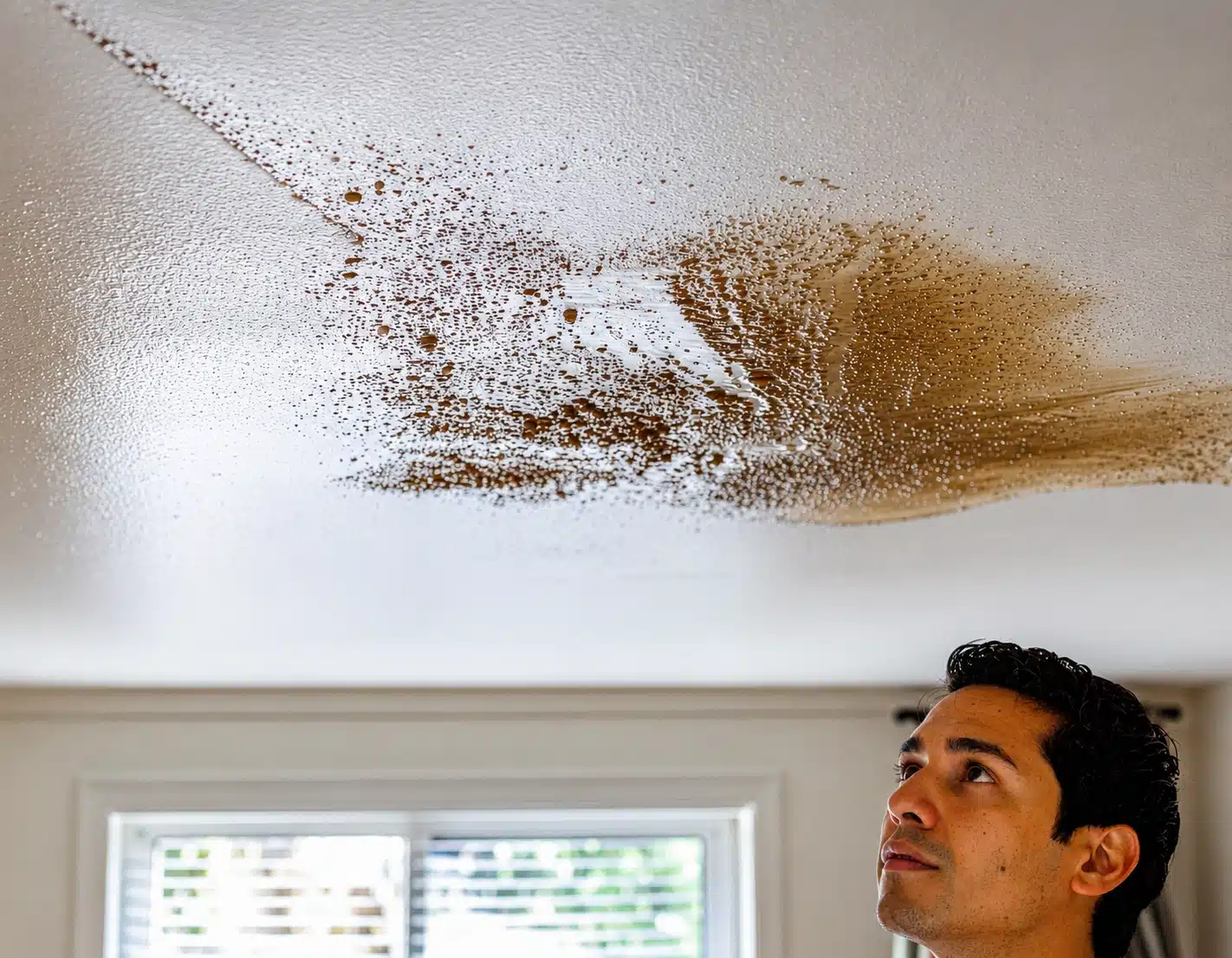
That brown stain spreading across the ceiling after last week’s storm isn’t just an eyesore – roofs communicate problems through these visible markers. Perth homeowners see these water marks appear after winter rainfall and often wonder whether they’re looking at a simple repair job or something more serious.
The answer matters because ceiling water stains signal active roof damage that worsens with every storm. What starts as a small leak can progress to structural timber damage, mould growth, and ceiling collapse if left unchecked. Understanding what these stains reveal about roof condition helps property owners make the right call between spot repairs and full restoration.
What Ceiling Water Stains Actually Tell You
Water stains don’t appear randomly – they mark the exact spots where water has penetrated roof systems, travelled through roof cavities, and saturated ceiling material. The stain visible from inside represents just a fraction of the water damage occurring above the ceiling line.
Stain Characteristics Reveal Damage Timeline
Most ceiling water stains appear brown or yellow because water carries rust particles from metal roof components, tannins from timber framing, and accumulated dust from roof cavities. Fresh stains appear darker and feel damp to touch, while older damage creates lighter, dried rings that expand outward with each new rainfall.
Location Provides Critical Diagnostic Information
The location of ceiling stains provides critical information about the source. Stains near walls typically indicate flashing failures where roofs meet vertical surfaces. Stains in the centre of rooms often point to cracked tiles, failed ridge capping, or deteriorated valleys. Multiple stains scattered across different rooms suggest widespread coating failure or systemic roof deterioration.
Common Roof Problems That Cause Ceiling Stains
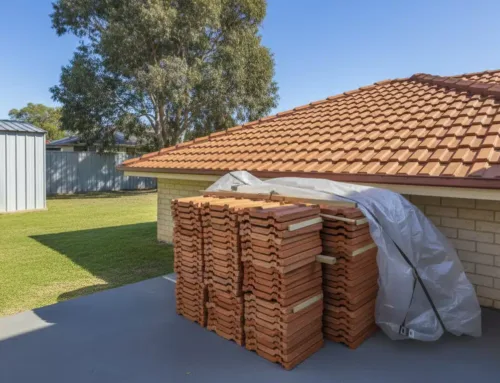
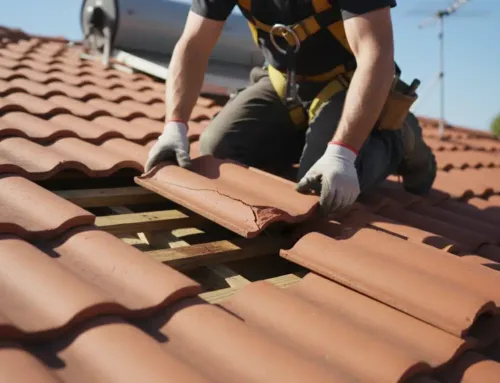
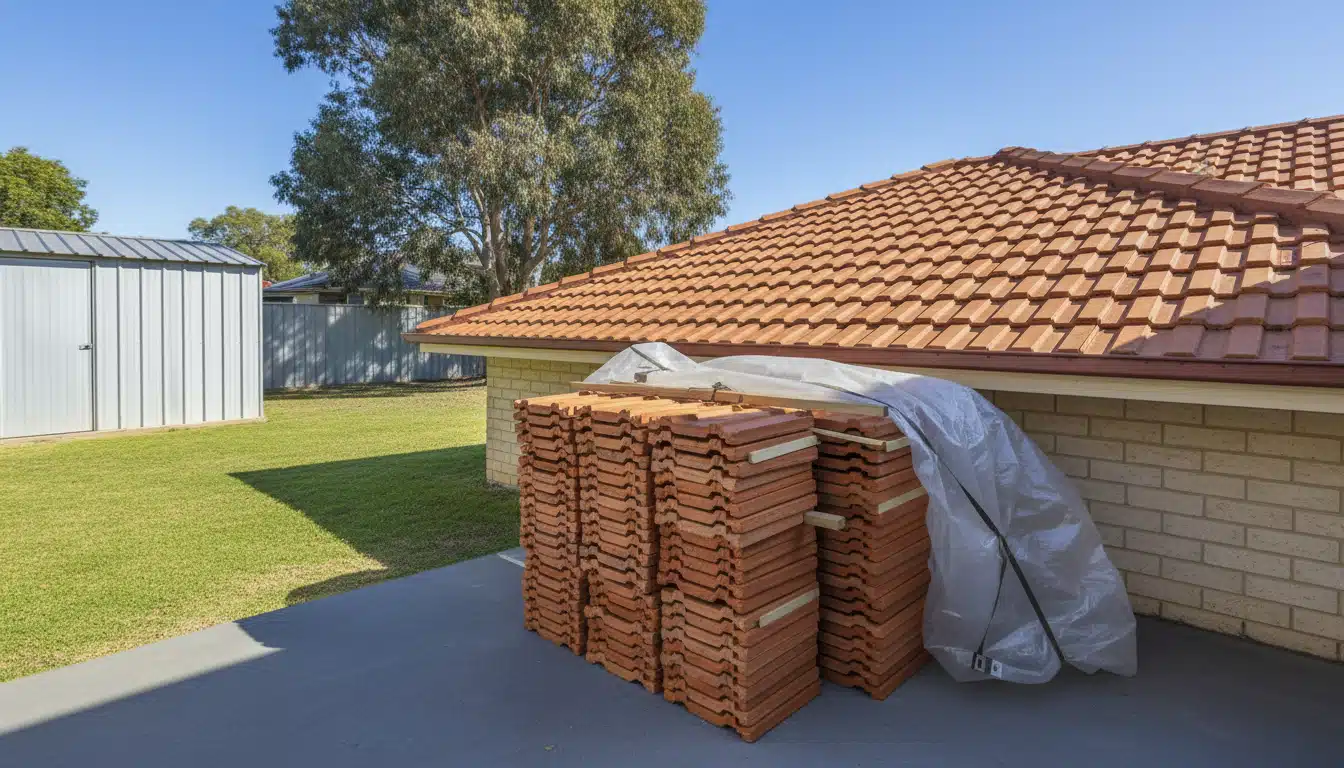
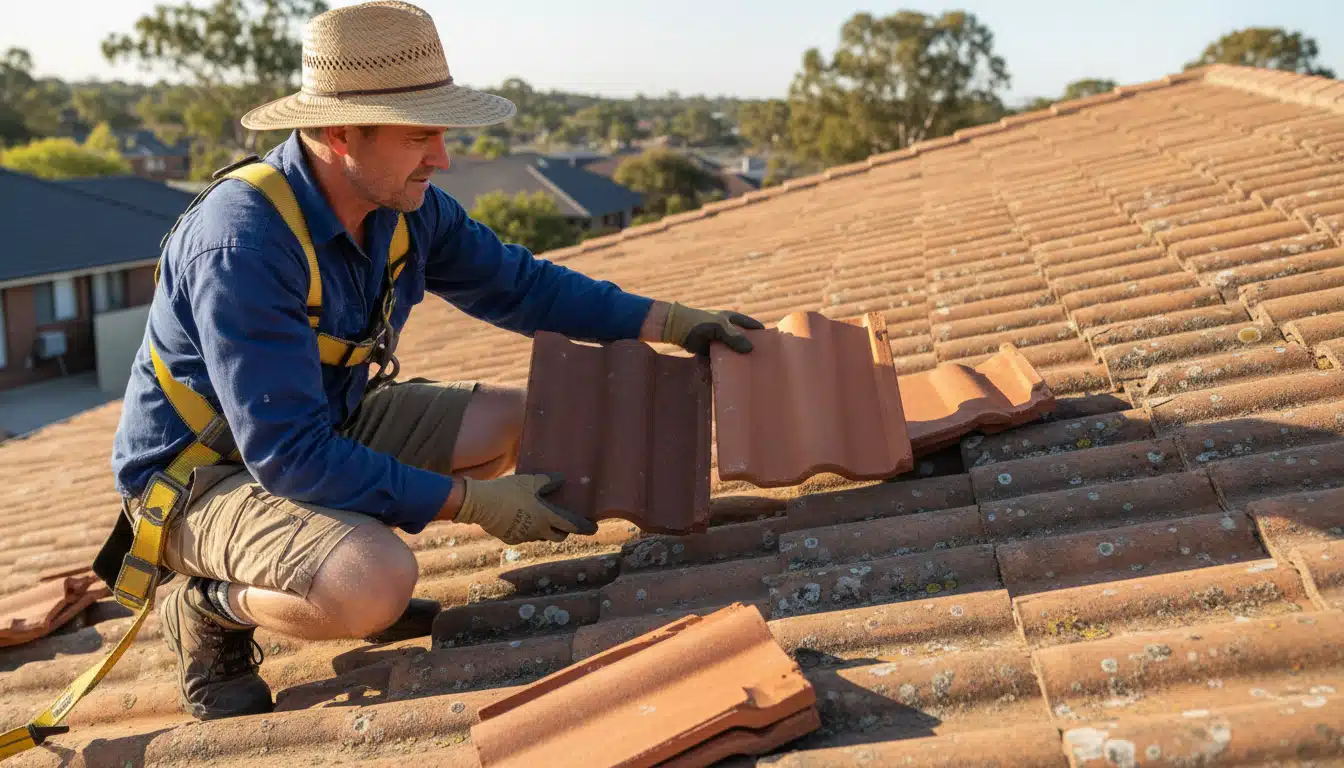
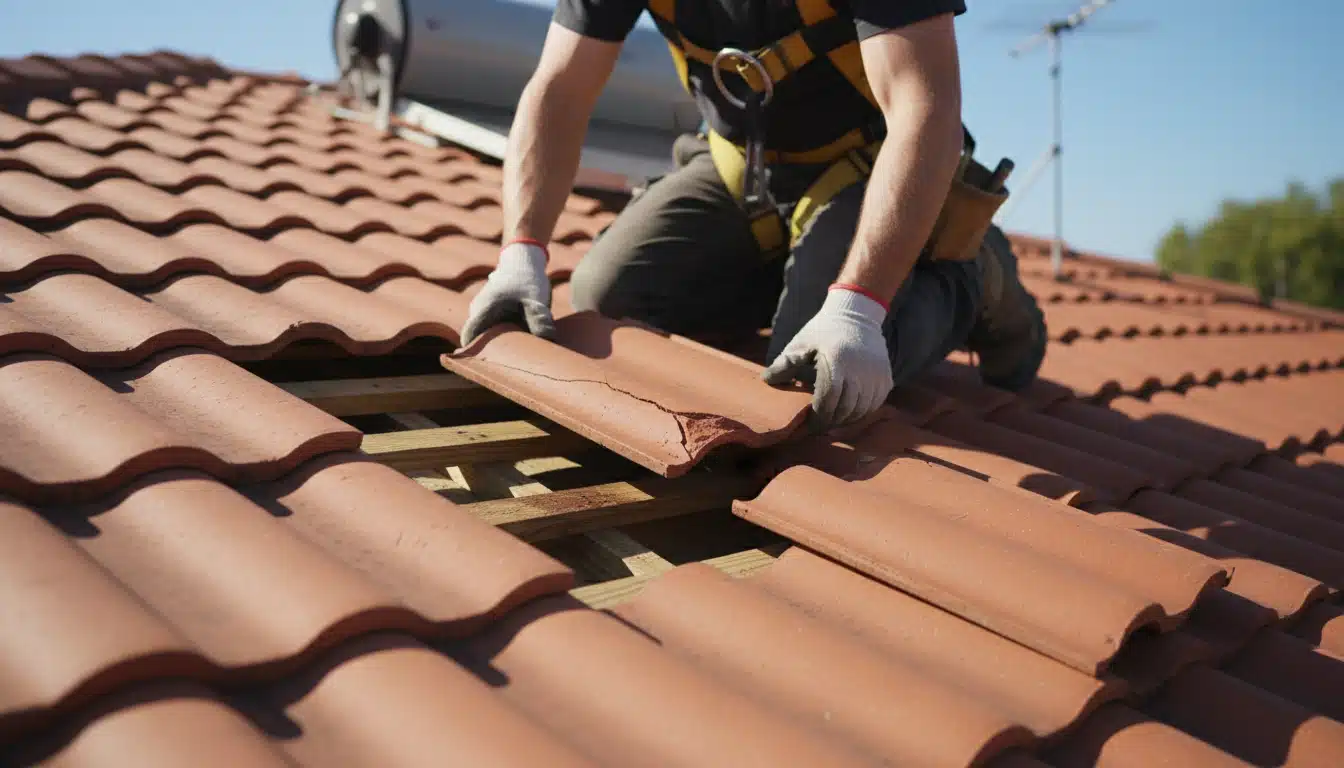
Cracked or broken tiles rank among the most common roof leak signs in Perth properties. Temperature extremes cause concrete and terracotta tiles to expand and contract, creating stress fractures over time. A single cracked tile allows water to penetrate during rainfall, travelling along sarking or timber battens until it finds a gap to drip through ceilings. Professional tile roof restoration addresses these failures before water damage escalates.
Valley Iron Failures Create Concentrated Problems
Failed valley irons present serious challenges for water management. Valleys channel water from two roof planes into gutters, making them high-stress areas. Corroded valley irons, improper overlap joints, or debris blockages create water pooling that seeps under tiles and into roof cavities. Valley failures typically cause roof leak signs along the ceiling line where two roof sections meet.
Flashing Deterioration Around Penetrations
Deteriorated flashing compromises protection at critical junctions. Metal flashing seals the junction between roofs and chimneys, walls, or skylights. Perth’s coastal salt air accelerates flashing corrosion, while thermal movement breaks sealant bonds. Failed flashing allows water to run down walls and saturate ceiling edges, creating stains that appear near room corners or around penetrations.
Ridge Capping and Coating Issues
Ridge capping issues develop at the roof’s highest point. Ridge tiles sit exposed to maximum UV radiation and wind stress. Mortar bedding deteriorates over 15-20 years, allowing tiles to shift and creating gaps where water enters. Ridge failures cause stains in upper-floor ceilings or along the centre line of single-storey homes.
Coating breakdown prevents water absorption into porous tile surfaces. When protective coatings fail after 15-20 years, tiles become saturated during rainfall. This water migrates through microscopic cracks and gaps, appearing as widespread ceiling water stains across multiple rooms.
Why Perth’s Climate Accelerates Roof Deterioration
Perth experiences unique conditions that stress roofing systems more severely than most Australian capitals. Summer temperatures regularly exceed 35°C, causing roof surfaces to reach 70°C or higher. This extreme heat makes tiles brittle and accelerates coating degradation.
Coastal Exposure Intensifies Damage
Coastal suburbs from Fremantle to Quinns Rocks face constant salt-laden wind exposure. Salt crystallises in tile pores and corrodes metal components, reducing roof lifespan by 30-40% compared to inland properties. Homes within 5km of the ocean require more frequent inspection and maintenance to prevent premature failure.
Seasonal Stress Cycles Create Vulnerabilities
Perth’s winter storms arrive after months of dry weather, hitting roofs that have become brittle and cracked from summer heat stress. The sudden temperature drop during rainfall creates thermal shock, expanding existing cracks and creating new failure points. This cycle of extreme heat followed by winter storms explains why many Perth roofs develop leaks between 15-20 years old.
The Real Cost of Ignoring Ceiling Water Stains
Water damage compounds rapidly once leaks establish. What begins as a small stain representing minor water ingress quickly progresses to serious structural problems that multiply repair costs significantly.
Timber Frame Damage Escalates Expenses
Roof framing timber that stays wet develops rot, losing structural integrity. Permacoat‘s restoration team regularly encounters damaged rafters, purlins, and trusses requiring replacement at costs of $3,000-$8,000 depending on extent – far more than addressing the original leak would have cost.
Ceiling Replacement Becomes Necessary
Persistent leaks saturate ceiling plasterboard, causing it to sag, crumble, and eventually collapse. Replacing damaged ceilings costs $40-$60 per square metre including materials, labour, and repainting. A typical bedroom ceiling replacement runs $1,200-$2,000, representing entirely preventable expense.
Mould Growth Creates Health Concerns
Damp roof cavities create ideal conditions for mould colonisation. Mould spreads through roof insulation, ceiling spaces, and wall cavities, creating health risks and requiring professional remediation costing $2,000-$5,000 for moderate infestations. This expense comes on top of the structural repairs needed to eliminate the moisture source.
Electrical Hazards Demand Immediate Attention
Water tracking through roof cavities can reach electrical wiring and light fittings, creating short circuits and fire risks. Emergency electrical repairs during active leaks cost $300-$800 in call-out fees alone, before addressing the actual roof leak detection and repair work.
Property Value Impact
Visible ceiling stains signal deferred maintenance to potential buyers. Real estate agents report that homes with obvious water damage sell for 5-10% below comparable properties, representing $25,000-$50,000 in lost value on a median Perth home. The restoration investment protects and enhances property value.
When Repairs Are Enough vs When Restoration Makes Sense
Not every ceiling stain requires full roof restoration, but understanding the difference prevents throwing money at repairs that won’t solve underlying problems.
Repair Situations Remain Economically Viable
Isolated leaks from specific causes respond well to targeted repairs. A few broken tiles, localised flashing failure, or minor ridge capping issues can be fixed for $500-$1,500. Repairs make economic sense when roof coating remains in good condition, tiles show minimal deterioration, and the leak source is clearly identified and accessible.
Restoration Indicators Signal Comprehensive Approach
Multiple ceiling water stains across different rooms indicate systemic roof failure rather than isolated problems. When roofs show widespread coating breakdown, numerous cracked tiles, corroded valleys, or have reached 15-20 years since last restoration, repairs become a temporary band-aid on a deteriorating system.
Permacoat’s inspection team assesses whether targeted repairs will provide lasting solutions or whether overall condition warrants complete roof restoration. This honest assessment prevents homeowners from spending thousands on repairs only to face the same problems next winter.
What Professional Roof Restoration Actually Involves
Complete restoration addresses all failure points simultaneously, preventing the cycle of recurring leaks and ceiling damage that characterise partial repair approaches.
Structural Repairs Establish Sound Foundation
Restoration begins with replacing all broken tiles, re-bedding ridge capping, installing new valleys where needed, and replacing deteriorated flashing. This structural work ensures water-tightness before protective coatings are applied, addressing the root causes creating roof leak signs.
Surface Preparation Ensures Coating Adhesion
High-pressure roof cleaning removes decades of accumulated moss, lichen, dirt, and failed coating. Proper cleaning exposes the tile surface, allowing new coatings to bond effectively. Skipping this step causes premature coating failure within 3-5 years, wasting the restoration investment.
Three-Coat System Provides Long-Term Protection
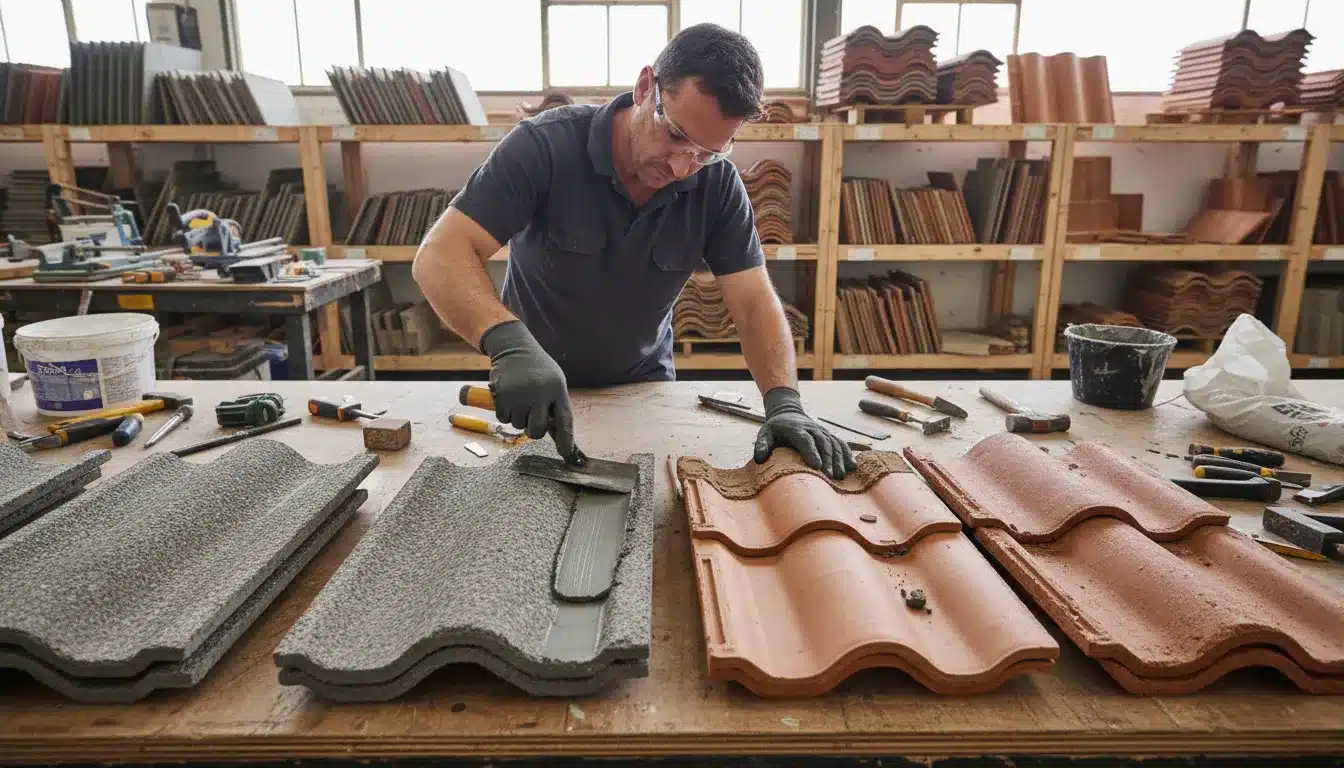
Permacoat applies a Dulux Acratex primer sealer that penetrates tile pores and creates a bonding surface, followed by two finish coats for durability and appearance. This three-coat protective coating approach, applied by separate preparation and coating teams, ensures quality control that single-coat systems can’t match.
Comprehensive Coverage Eliminates Leak Pathways
Restoration includes re-pointing ridge capping, sealing all penetrations, treating valleys and flashings, and applying protective coatings to every exposed surface. This complete approach eliminates all current leak sources and prevents new ones from developing.
How Long Restored Roofs Actually Last
Restoration longevity depends entirely on coating quality and application standards. Budget coating jobs using inferior products and single-coat application typically fail within 5-8 years, requiring homeowners to pay for restoration again.
Quality Materials Deliver Extended Performance
Dulux Acratex coating systems applied in three coats provide 15-20 year performance when properly maintained. The coating remains flexible through Perth’s temperature extremes, resists UV degradation, and maintains water-shedding properties throughout its lifespan. Permacoat’s track record includes roofs restored 20+ years ago that still perform without leaks.
Warranty Coverage Reflects Confidence
The 15-year coating warranty, 12-month leak warranty, and 3-year labour warranty provided with quality restoration work reflects genuine confidence in longevity. These warranties have been honoured across 30,000+ restored roofs over 50+ years, demonstrating that properly executed restoration provides lasting solutions rather than temporary fixes.
Conclusion
Ceiling water stains after rainfall signal active roof damage that requires prompt attention. These stains represent just the visible portion of problems occurring above ceiling lines, including structural timber damage, failed protective coatings, and compromised weatherproofing systems.
Perth’s extreme climate accelerates roof deterioration, making the difference between timely restoration and delayed action particularly costly. What begins as minor ceiling staining quickly progresses to extensive timber damage, mould growth, and ceiling replacement if left unaddressed.
Professional inspection determines whether targeted repairs will solve specific leak sources or whether overall roof condition warrants complete restoration. For expert roof leak detection backed by 50+ years of Perth experience and 30,000+ completed projects, call(08) 9249 5955 to book a free roof inspection.