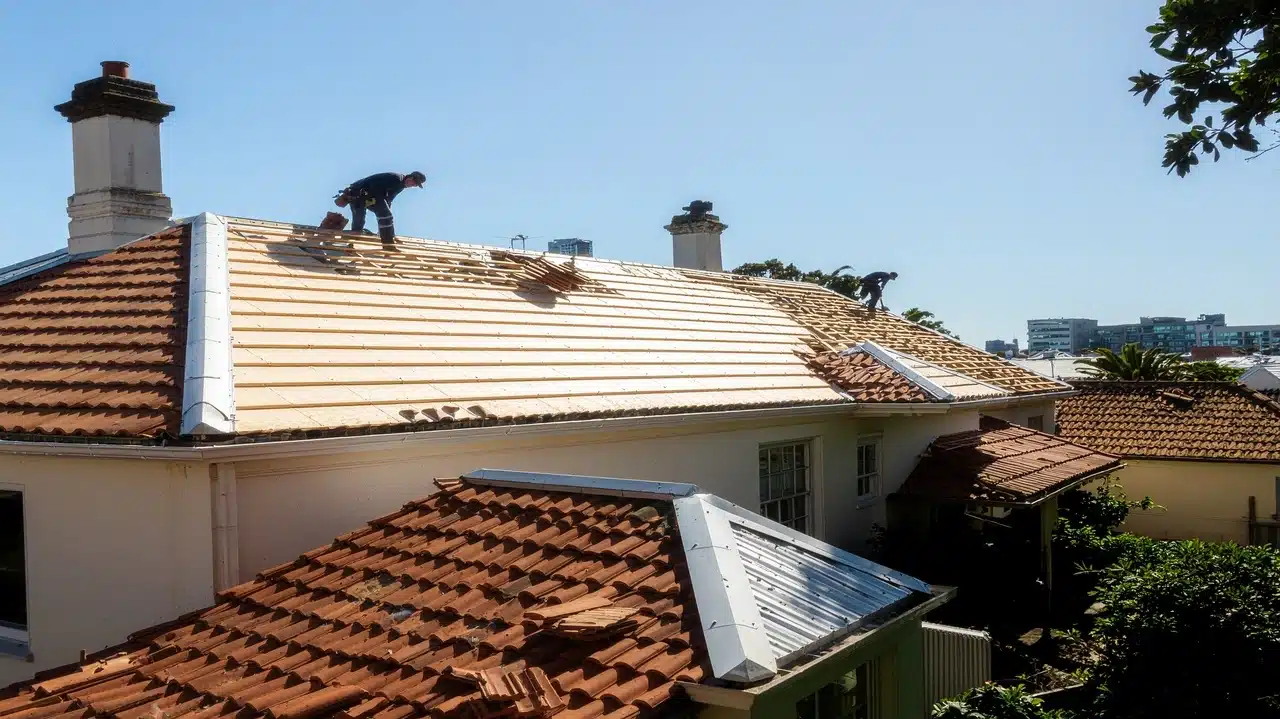
Re-Roofing Heritage Homes in Perth: Challenges and Solutions
Perth’s heritage homes are more than just buildings, they’re physical markers of history. From Federation-era cottages in Fremantle to grand Victorian terraces in Mount Lawley, these properties carry architectural and cultural significance. When their roofs reach the end of their lifespan, the task of replacing them isn’t just about keeping the rain out. It’s about balancing heritage home re-roofing Perth requirements with modern safety, council regulations, and the responsibility of preserving original character.
Re-roofing a heritage home isn’t the same as upgrading a modern build. These projects involve fragile structures, outdated materials, and heritage roofing regulations Perth councils insist on enforcing. Done properly, a re-roof safeguards the property for future generations while ensuring compliance and enhancing property value. Done poorly, it risks stripping the home of its identity, and attracting hefty fines from local authorities.
This article explores the challenges unique to heritage re-roofing in Perth, the solutions that experienced professionals bring to the table, and why choosing the right specialist makes all the difference.
The Unique Challenges of Heritage Re-Roofing
Unlike modern houses built with standardised methods, heritage properties are a mixed bag of construction techniques, timber types, and roof structures. Many are more than 100 years old, built long before today’s building codes existed.
Age and Fragility
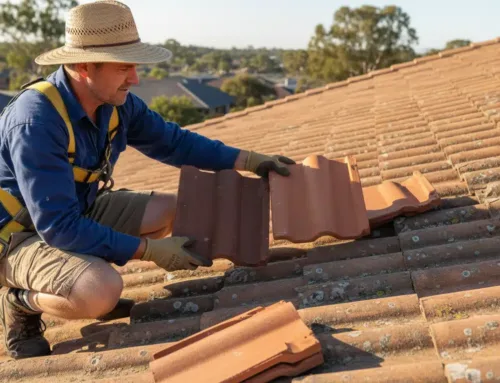
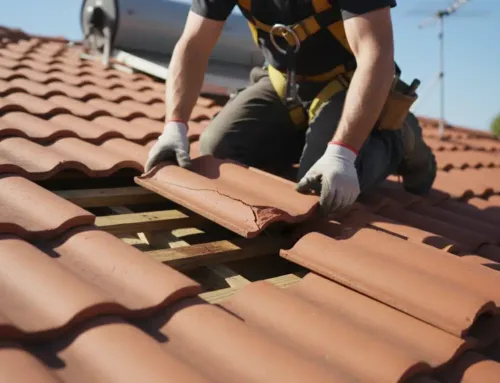
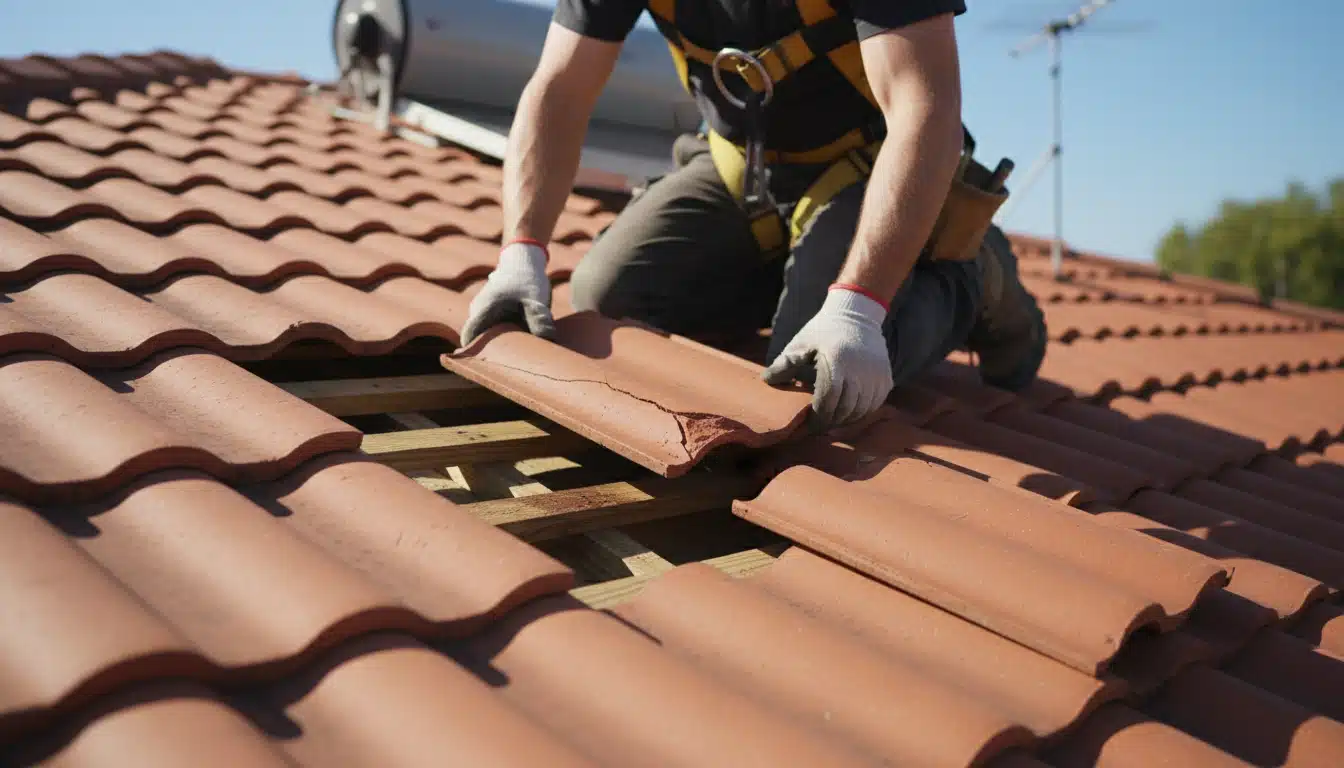
Timber rafters may have weakened, clay tiles may be brittle, and decorative features may be at risk of crumbling if handled carelessly. Re-roofing requires a steady hand and an understanding of how to support these aged structures without compromising their integrity.
Access Limitations
Heritage homes are often located in narrow streets or tight blocks where cranes and scaffolding are difficult to manoeuvre. Delicate gardens, fences, and masonry must also be protected during works, adding layers of logistical complexity.
Asbestos and Hazardous Materials
Homes built in the mid-20th century frequently contain asbestos in roof sheeting or flashing. Removal requires specialist licensing and careful planning to ensure safety and compliance.
Key Takeaways:
- Heritage re-roofing requires sensitivity to age, fragility, and history.
- Access limitations demand creative planning.
- Asbestos adds complexity and requires professional removal.
Navigating Council Approvals
No re-roofing project on a heritage-listed property can begin without clearance from the local council. Heritage roofing regulations Perth councils enforce are designed to preserve authenticity and protect historical character.
The Approval Process
- Submission of plans: Councils require detailed drawings, material samples, and sometimes heritage impact statements.
- Back-and-forth negotiations: Expect queries and adjustments to meet conservation guidelines.
- Material approval: Councils want assurance that roofing materials match the home’s original style.
Why Professional Guidance Matters
A heritage roofing specialist knows how to prepare documentation that councils accept, reducing delays. Many handle the entire application process, ensuring the project complies with heritage requirements from day one.
Key Takeaways:
- Council approval is mandatory before re-roofing begins.
- Approvals ensure the design respects heritage authenticity.
- Specialists simplify the process and minimise delays.
Sourcing Heritage-Appropriate Materials
Materials define the character of a roof, and for heritage projects, authenticity is non-negotiable.
Matching the Period
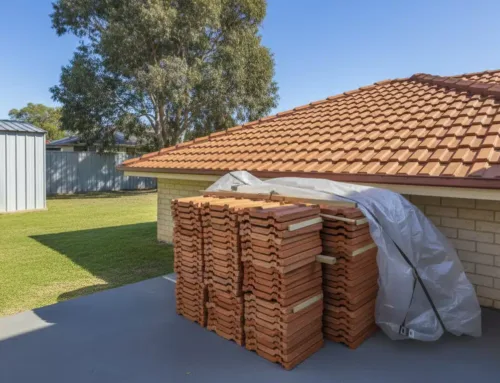
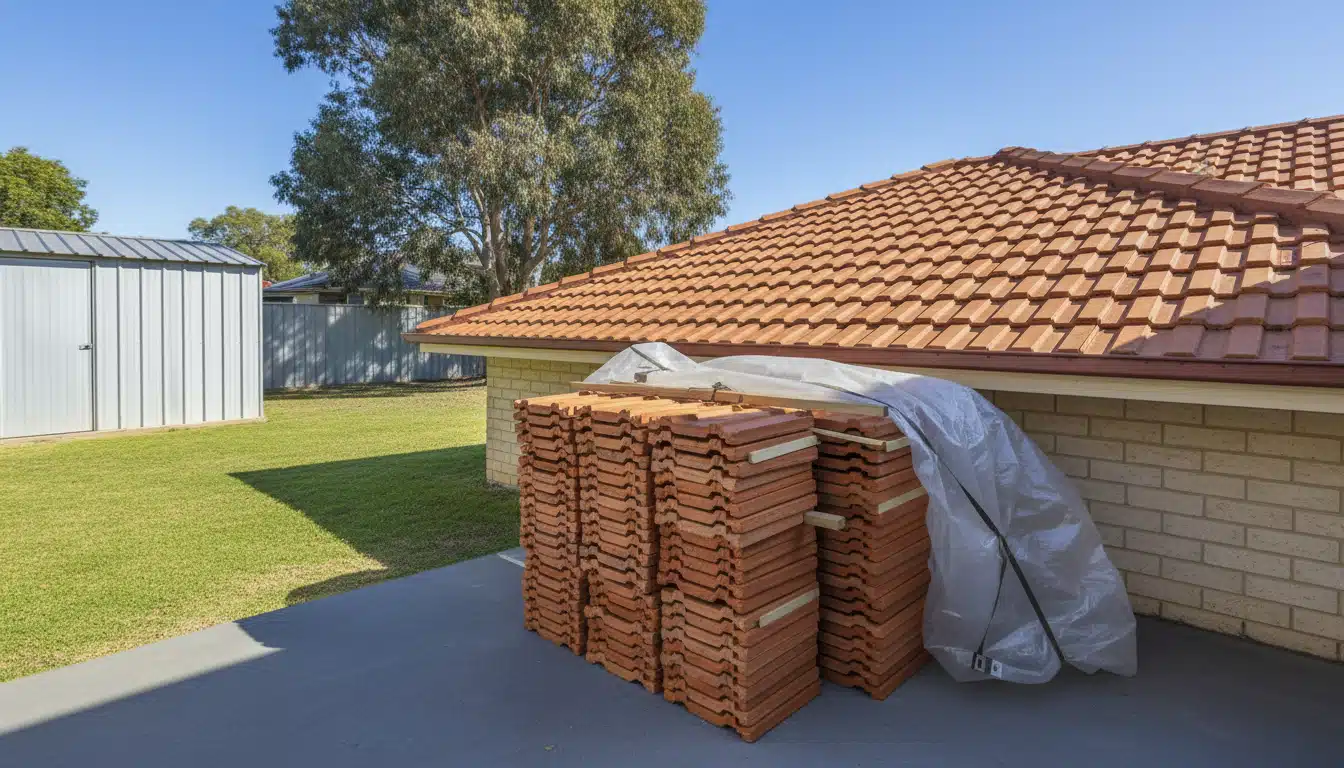
Federation homes may feature terracotta tiles, while early colonial cottages often used corrugated iron. Matching these materials requires either salvaging authentic pieces or sourcing specialist reproductions.
The Hunt for Materials
- Reclaimed tiles: Salvaged from demolition sites or specialist suppliers.
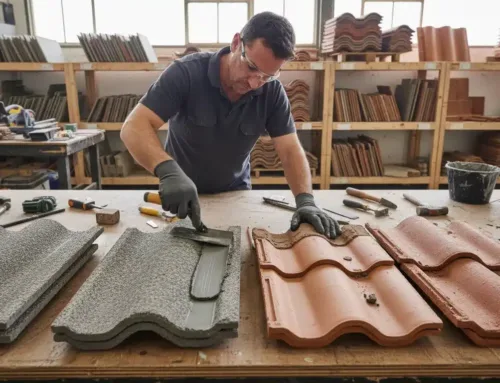
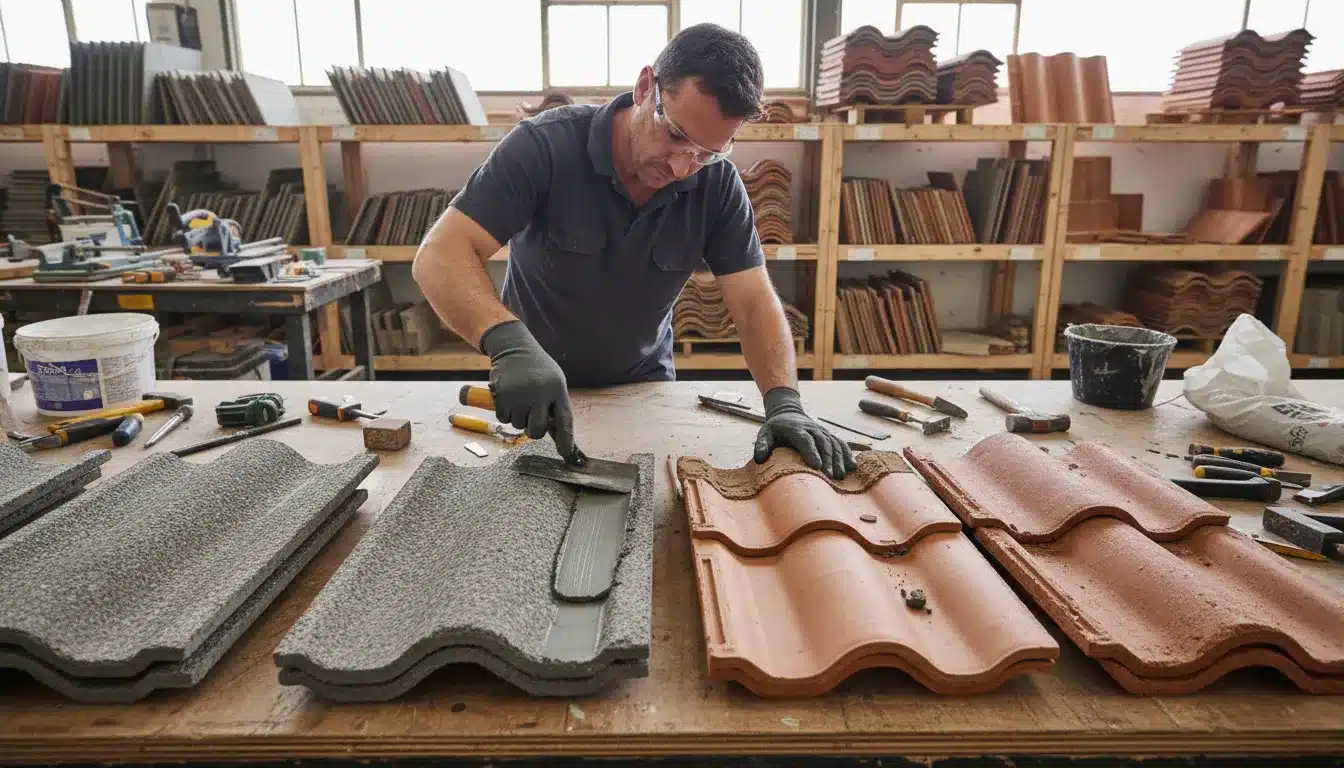
- Custom manufacturing: When originals can’t be found, tiles may need to be reproduced.
- Colour matching: Permacoat’s colours from Dulux Acratex offer a broad palette, including heritage shades that replicate traditional finishes.
Key Takeaways:
- Authenticity is essential for heritage re-roofing.
- Sourcing may require reclaimed or custom-made materials.
- Colour matching ensures new roofs blend seamlessly with old.
Matching Existing Styles and Finishes
Heritage roofs often feature unique details that modern builds lack. Re-roofing requires recreating these styles with precision.
Traditional Techniques
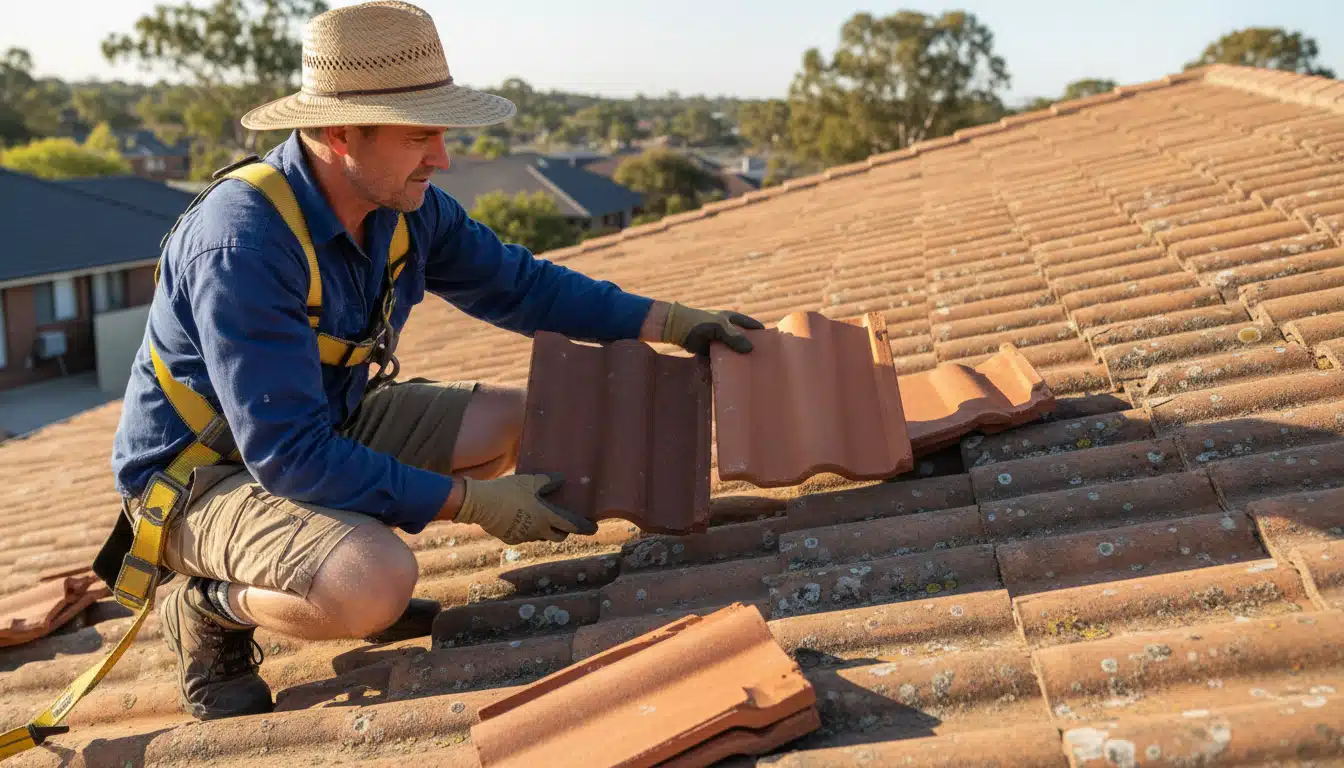
Re-pointing terracotta ridge cappings, using rolled joints on iron roofing, or recreating ornamental ridge tiles are examples of techniques that must be applied with historical accuracy.
Blending Old with New
Sometimes, new materials must be subtly aged or distressed to blend with existing ones. This ensures the roof doesn’t look like a patchwork quilt of new and old.
Key Takeaways:
- Re-roofing heritage homes demands traditional craftsmanship.
- Blending ensures visual continuity and preserves charm.
Preserving Original Features
The roof is more than just tiles or iron sheets. It often incorporates decorative timber gables, ornate chimneys, or handcrafted finials that define the property’s character.
Repair Before Replacement
Where possible, these features should be repaired and preserved rather than removed. Skilled tradespeople can restore gables, chimneys, and vents to their former glory while ensuring structural safety.
Conservation Principles
Retaining original features respects the fabric of the building and avoids unnecessary replacement costs.
Key Takeaways:
- Preserve original features whenever possible.
- Repairing adds authenticity and often saves money.
- Character-defining elements should always be protected.
Ensuring Structural Integrity
While heritage re-roofing focuses heavily on aesthetics, safety and durability remain the priority.
Structural Reinforcement
Older timbers may no longer meet current building codes. Reinforcement or replacement ensures the roof can withstand modern weather conditions and loads.
Compliance with Standards
All work must meet the Building Code of Australia while also aligning with heritage roofing regulations Perth councils enforce. Striking this balance requires skilled engineering input.
Professional Support
Roof repairs Perth services help address weakened rafters, damaged battens, or compromised flashing before new roofing materials are installed.
Key Takeaways:
- Structural integrity is critical for long-term safety.
- Reinforcement may be needed to meet modern standards.
- Professional repair services ensure compliance and durability.
Working with a Heritage Roofing Specialist
General builders rarely have the expertise required for heritage properties. These projects need specialists who understand both construction history and conservation laws.
Benefits of a Specialist
- Deep knowledge of heritage architecture.
- Familiarity with council requirements.
- Access to specialist suppliers and materials.
- Use of traditional roofing methods alongside modern safety practices.
Trusted Partnerships
Contact Permacoat to work with heritage roofing experts who can guide you through inspection, approvals, sourcing, and final installation.
Key Takeaways:
- Heritage projects require experienced specialists.
- Specialists bring knowledge, compliance, and craftsmanship.
The Long-Term Value of Heritage Re-Roofing
Re-roofing a heritage home is no small investment. But the long-term rewards far outweigh the initial costs.
Property Protection
A new roof shields the home from water damage, structural decay, and pest intrusion.
Market Value
Properties with well-preserved roofs stand out in Perth’s real estate market, commanding higher resale values.
Cultural Value
Preserving a heritage roof ensures the city’s architectural legacy is retained for future generations. Heritage streetscapes are part of Perth’s cultural fabric, and well-executed re-roofing projects contribute to their longevity.
Key Takeaways:
- Heritage re-roofing safeguards the property for decades.
- It enhances value while preserving cultural heritage.
- The cost is offset by long-term financial and cultural benefits.
Key Takeaways
- Heritage home re-roofing Perth requires careful planning, specialist skills, and authentic materials.
- Heritage roofing regulations Perth councils enforce mean approvals are essential.
- Material authenticity and style matching preserve architectural integrity.
- Preserving original features ensures historical value is maintained.
- Structural reinforcement is often necessary for safety and compliance.
- Working with a heritage roofing specialist guarantees expertise.
- Long-term benefits include property protection, increased value, and cultural preservation.
Next Steps
If you’re considering re-roofing a heritage property in Perth, here’s a step-by-step approach:
- Book an inspection: Contact Permacoat for a comprehensive roof condition assessment.
- Seek expert advice: Consult a heritage roofing specialist to understand your material and design options.
- Secure approvals: Work with your specialist to prepare and submit council applications in line with heritage roofing regulations Perth.
- Plan materials and finishes: Explore Permacoat’s colours, coatings, and finishes for authentic heritage looks.
- Protect your investment: Schedule ongoing roof cleaning and maintenance to extend the life of your roof and prevent costly repairs.
By following these steps, you not only restore your roof but also protect a valuable piece of Perth’s architectural heritage.