Perth households have always understood the value of water. The long, dry summers and tight water restrictions remind everyone how precious a resource it is. That’s why rainwater harvesting has become so popular across the city and wider WA. Whether it’s a family in Joondalup wanting to keep their garden green without running up the water bill, or a Fremantle household looking to live more sustainably, installing a tank makes a lot of sense.
But here’s something most homeowners overlook: the water you collect is only as clean as the surface it runs across. A rainwater tank doesn’t magically filter out dirt, moss, or droppings. If your roof is unclean, that contamination flows straight into your tank. This is where roof cleaning for rainwater harvesting becomes a must, not a maybe.
You wouldn’t drink out of a grimy glass, yet plenty of households collect water from a roof that hasn’t been cleaned in years. The result? Discoloured water, strange tastes, clogged pipes, and in the worst cases, water that simply isn’t safe to use. The solution isn’t complicated, but it does require planning, the right methods, and in most cases, professional help.
In this guide, we’ll cover exactly why roof cleaning is so important for Perth homeowners who want to harvest rainwater safely, what contaminants you need to watch for, and how safe roof cleaning chemicals and professional methods make the difference between a tank of dirty runoff and a clean, usable supply.
Why Clean Your Roof Before Harvesting Rainwater?
Your roof acts as the starting point for your rainwater harvesting system. Picture it like a filter in an air conditioning unit. If that filter hasn’t been touched in years, the air that comes through won’t be worth breathing. The same applies here.
When it rains, every speck of dust, every dried leaf, and every bit of bird waste sitting on your roof gets swept along into your gutters and then into your tank. Without cleaning, you’re effectively channelling all that mess straight into the water you plan to use.
The Health Perspective
Contaminated rainwater isn’t just unpleasant. It can carry bacteria like E. coli, parasites, and fungi that can make people unwell. Even if you only plan to use it for washing clothes or watering the garden, the buildup can clog your system and shorten its lifespan.
The Practical Perspective
Over time, debris builds up in gutters and downpipes, increasing the risk of blockages. Perth storms can be unforgiving, and a blocked downpipe quickly leads to overflow and water damage. That’s why regular gutter & downpipe maintenance is as vital as cleaning the roof itself.
Key takeaways:
- Roof cleaning is the first filter in rainwater harvesting.
- Clean roofs reduce contamination risks.
- Regular cleaning helps protect both water quality and roof longevity.
Common Roof Contaminants in Perth
Perth’s environment creates unique challenges for anyone with a rainwater system. Unlike wetter climates, our long stretches without rain allow pollutants to accumulate, before sudden downpours wash them all at once into tanks.
Dust and Sand
Winds from inland WA carry fine dust and sand particles that settle onto rooftops. This dust doesn’t just look bad; it creates murky, gritty water when washed into tanks.
Moss, Lichen, and Algae
Shaded roof sections, particularly tiled surfaces, often host moss and lichen. These organisms cling stubbornly to tiles and trap moisture, slowly breaking down the roof surface. Algae adds another layer of contamination, often turning gutters slimy.
Leaves and Organic Matter
Gum trees, palms, and flowering shrubs all shed into Perth’s backyards. The leaves and blossoms end up on roofs, where they break down into mulch-like material that feeds bacteria.
Bird Droppings
One of the most serious contaminants. Birds carry bacteria and parasites that make water unsafe for human contact. Droppings are also acidic, which can damage tiles or coatings if left unchecked.
Urban Pollution
Living near a major road or industrial area increases airborne pollutants. These settle on roofs as a thin film of grime, carrying chemicals and heavy metals.
Key takeaways:
- Perth’s hot, dry climate worsens contaminant buildup.
- Bird droppings and organic matter are the most hazardous for water safety.
- Dust and pollution reduce water quality even if the tank looks clean.
The Impact of Contaminants on Water Quality
So what actually happens when all of this contamination makes its way into your rainwater tank?
- Discolouration: Dust and organic debris turn clear water cloudy.
- Taste and odour issues: Nobody wants to brew a pot of tea with earthy, musty water.
- Bacterial contamination: Pathogens like E. coli can make rainwater unsafe for any use beyond irrigation.
- System damage: Debris clogs gutters, filters, and downpipes, increasing the risk of leaks or overflow. For preventative protection, many homeowners invest in roof repairs in Perth before fitting tanks.
It’s not just about water quality, poor maintenance of the roof and gutters also increases the risk of structural issues with your home.
Key takeaways:
- Contaminants make harvested rainwater unpleasant and unsafe.
- Bacteria pose real health risks if left unchecked.
- Unclean roofs lead to system and property damage.
DIY vs Professional Roof Cleaning: Which is Right for You?
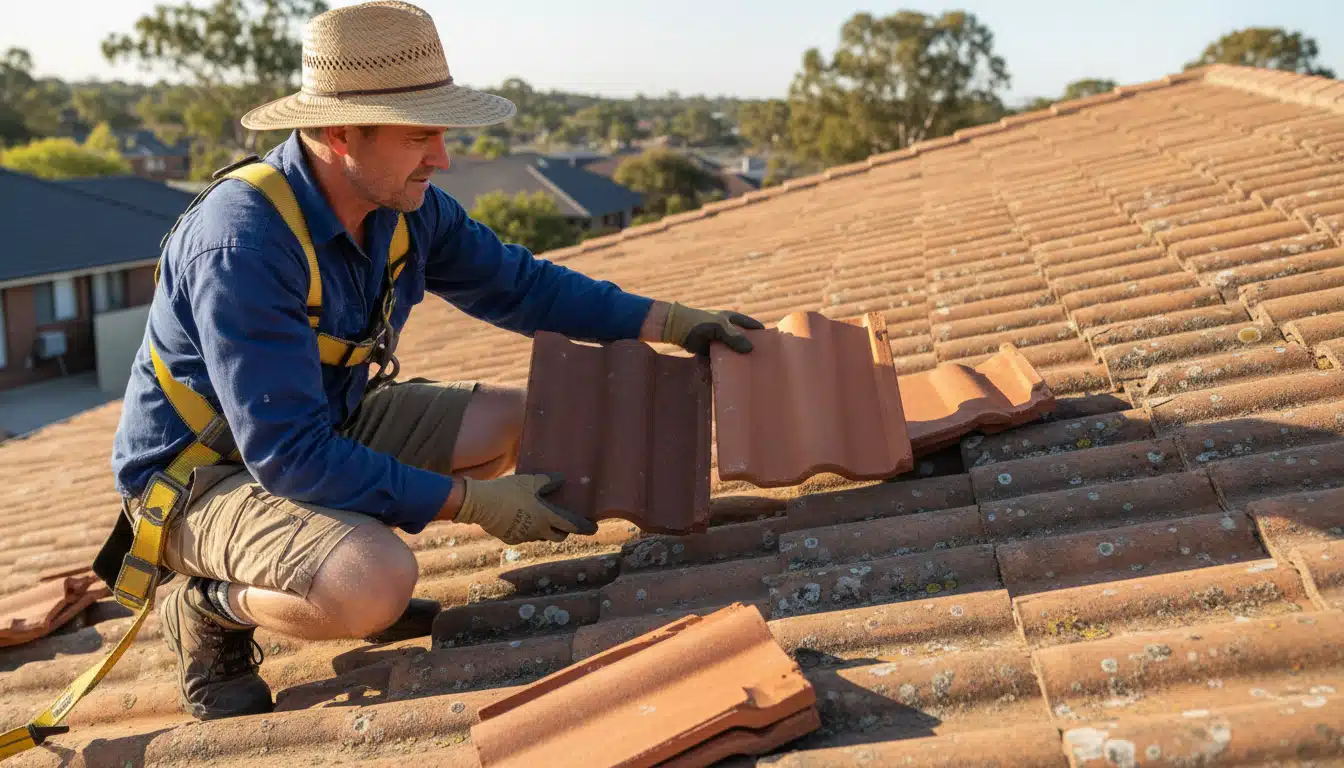
Plenty of homeowners think roof cleaning is just a weekend job with a ladder, hose, and stiff brush. In reality, it’s one of the riskiest DIY projects around.
The Risks of DIY
- Slips and falls from wet tiles.
- Damaging tiles or coatings by using the wrong tools.
- Incomplete cleaning that leaves contaminants behind.
Why Professionals Make the Difference
Professional roof cleaners have training, safety equipment, and the experience to work efficiently without damaging your roof. Importantly, they also use safe roof cleaning chemicals designed not to contaminate rainwater tanks.
By contrast, DIY often involves bleach or high-pressure washing, which can strip protective coatings or introduce harsh chemicals into the system.
Key takeaways:
- DIY roof cleaning is risky and often ineffective.
- Professionals bring safety, equipment, and tank-safe cleaning methods.
- Using the wrong chemicals can make harvested water unusable.
Professional Roof Cleaning Methods for Rainwater Harvesting
When preparing a roof for rainwater harvesting, the cleaning method must remove contaminants without damaging surfaces or introducing harmful residues.
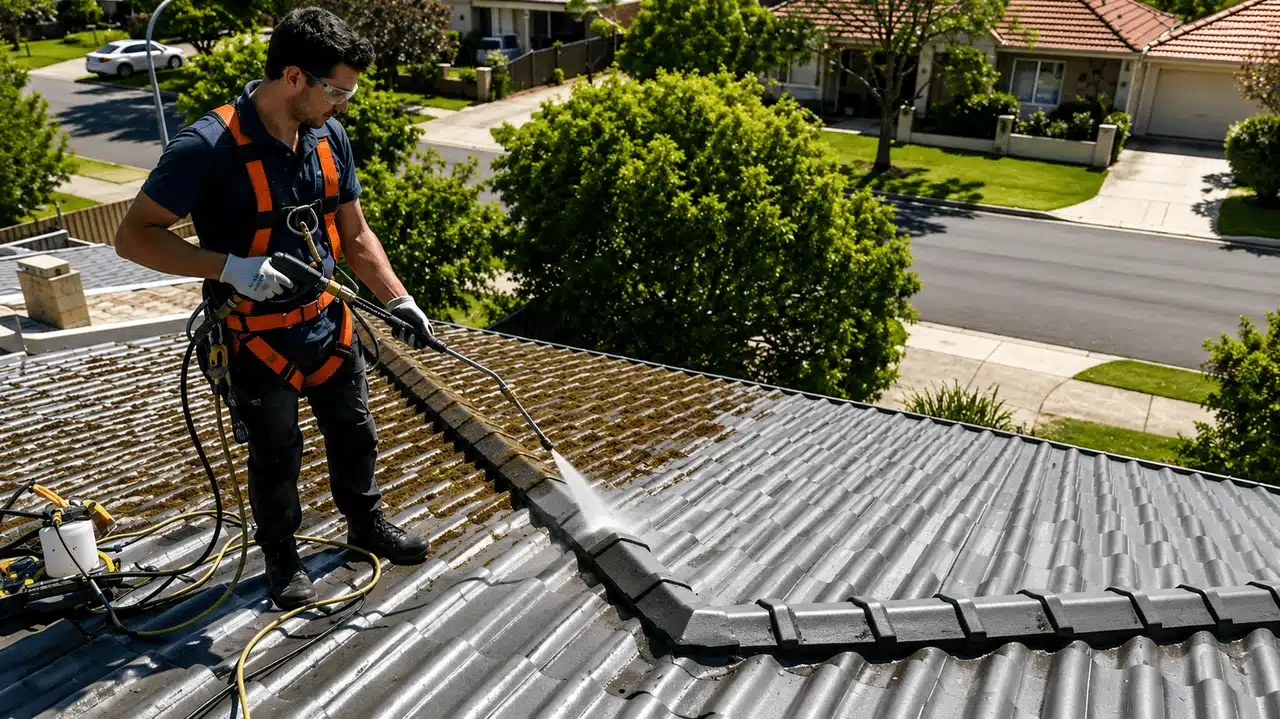
Pressure Washing
High-pressure cleaning is effective but risky for older tiles. Professionals know how to adjust the pressure to avoid stripping protective coatings.
Soft Washing
Uses low-pressure water combined with safe roof cleaning chemicals. This method is excellent for removing moss, lichen, and algae without damaging surfaces or contaminating tanks.
Eco-Friendly Cleaning Solutions
Modern products are biodegradable and safe for rainwater collection. Permacoat uses cleaning systems that balance cleaning power with environmental responsibility.
Follow-Up Protection
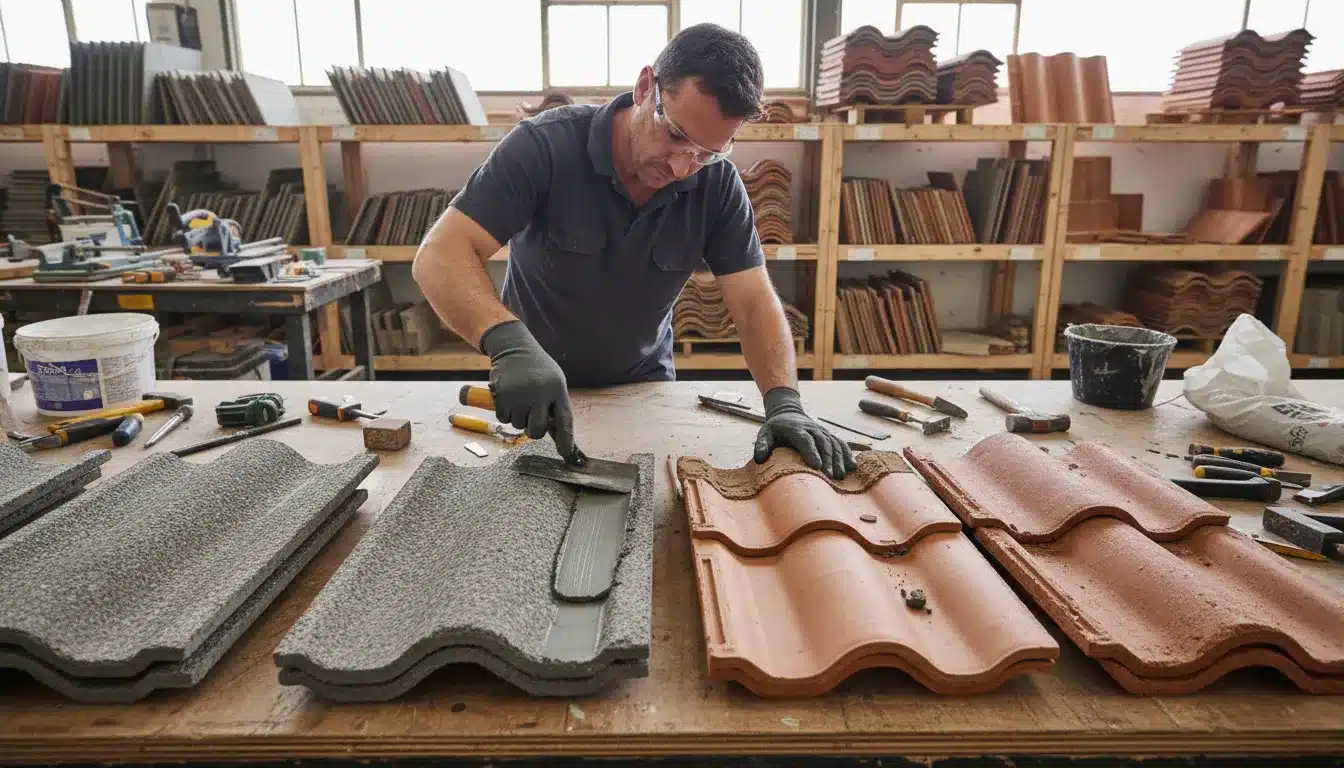
After cleaning, many Perth homeowners choose to extend protection with roof painting or roof coatings. These finishes add durability and make future cleaning easier.
Key takeaways:
- Soft washing is ideal for rainwater harvesting systems.
- Eco-friendly solutions prevent chemical contamination.
- Protective coatings extend the benefits of cleaning.
Environmental Benefits of Roof Cleaning and Rainwater Harvesting
Clean water isn’t just about household convenience. Proper roof cleaning combined with harvesting offers broader environmental benefits.
- Reduced mains demand: Every litre of harvested water is one less taken from WA’s stressed dam system.
- Energy efficiency: A clean roof reflects heat more effectively, lowering cooling costs. See roof restoration Perth for full-service options.
- Lower chemical load: Using safe roof cleaning chemicals prevents harmful substances from washing into tanks and gardens.
Key takeaways:
- Rainwater harvesting conserves resources.
- Clean roofs lower home energy use.
- Eco-friendly cleaning methods protect the wider environment.
Maintaining a Clean Roof for Optimal Rainwater Harvesting
Roof cleaning isn’t a once-off job. To keep your rainwater supply safe, maintenance must become part of your household routine.
Regular Inspections
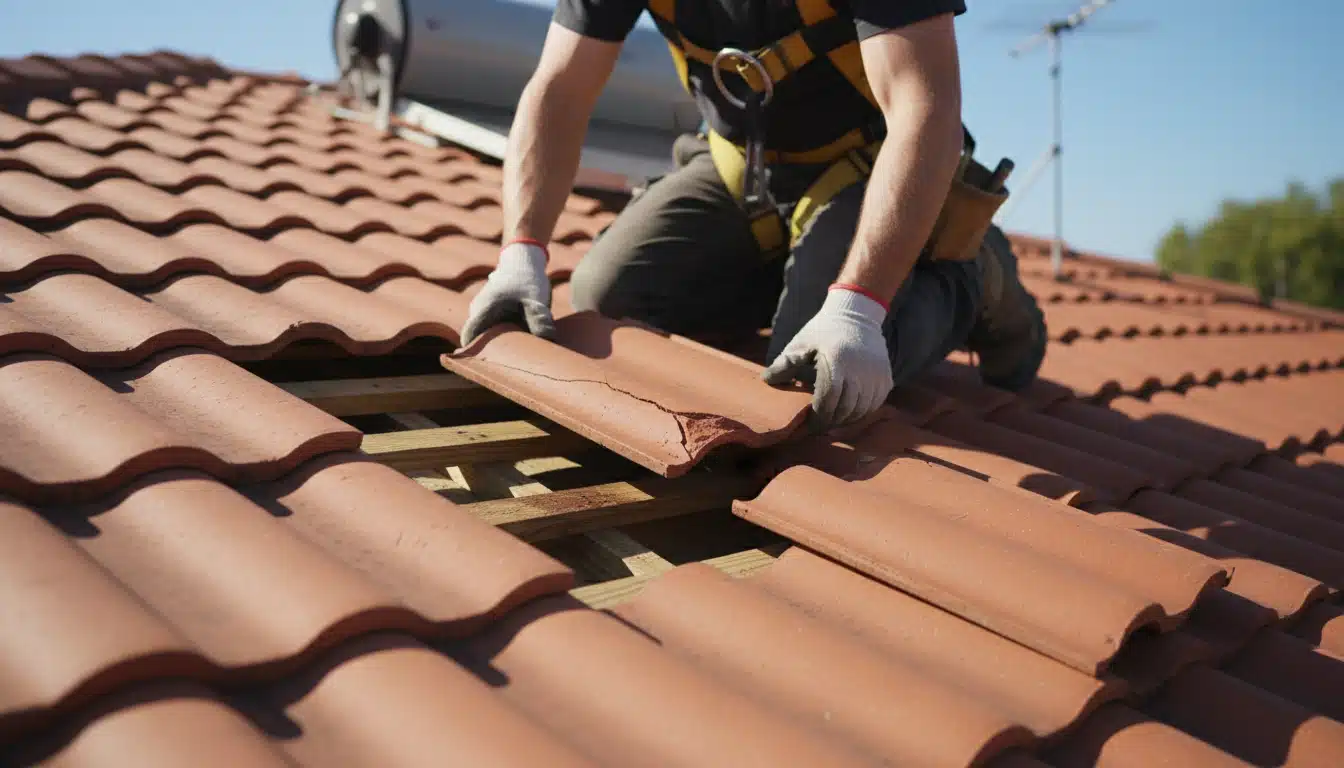
Every season, check for moss growth, leaf buildup, or broken tiles. Early action prevents bigger problems later.
Gutter Maintenance
Unclogging gutters and downpipes keeps water flowing freely. Many homeowners add guards for long-term protection. Explore roof tile maintenance for more preventative solutions.
Scheduled Cleaning
Professional cleaning every 2–3 years keeps contaminants under control, especially if you rely on the water for household use.
Strata Properties
For shared buildings, roof maintenance must be part of strata planning. Strata managed properties benefit from regular inspections and cleaning schedules.
Key takeaways:
- Maintenance ensures long-term water quality.
- Gutter and downpipe cleaning is as important as roof surface cleaning.
- Scheduled cleans and inspections save money over time.
The Long-Term Value of Investing in Professional Roof Cleaning
At first glance, professional cleaning seems like just another home maintenance expense. But viewed long-term, it’s an investment.
- Extended roof life: Removing moss, algae, and pollutants prevents deterioration.
- Reduced repair costs: Preventative cleaning is cheaper than emergency roof repairs Perth.
- Increased property value: A clean, well-maintained roof improves kerb appeal.
- Safe, sustainable water: Cleaner water equals fewer filters, fewer health risks, and less reliance on bottled water.
Key takeaways:
- Professional cleaning saves money over the roof’s lifespan.
- Clean roofs increase property value and household sustainability.
- Harvested rainwater is safer when roofs are maintained.
Key Takeaways
- Roof cleaning for rainwater harvesting ensures safe, usable water.
- Perth roofs face unique challenges from dust, heat, and organic matter.
- Safe roof cleaning chemicals and eco-friendly methods protect tanks.
- Professional cleaning extends roof life and prevents costly repairs.
- Ongoing maintenance keeps both water systems and property secure.
Next Steps
If you’re ready to safeguard your rainwater system and extend the life of your roof, here’s where to start:
- Inspect your roof and gutters for obvious contamination.
- Get in touch with Permacoat to arrange a professional roof inspection.
- Discuss eco-friendly cleaning methods and protective coatings tailored to your property.
- Establish a regular cleaning and inspection schedule to keep contaminants under control.
Rainwater harvesting is only as good as the roof above it. With professional cleaning and a little forward planning, you’ll have cleaner water, a healthier roof, and peace of mind for years to come.