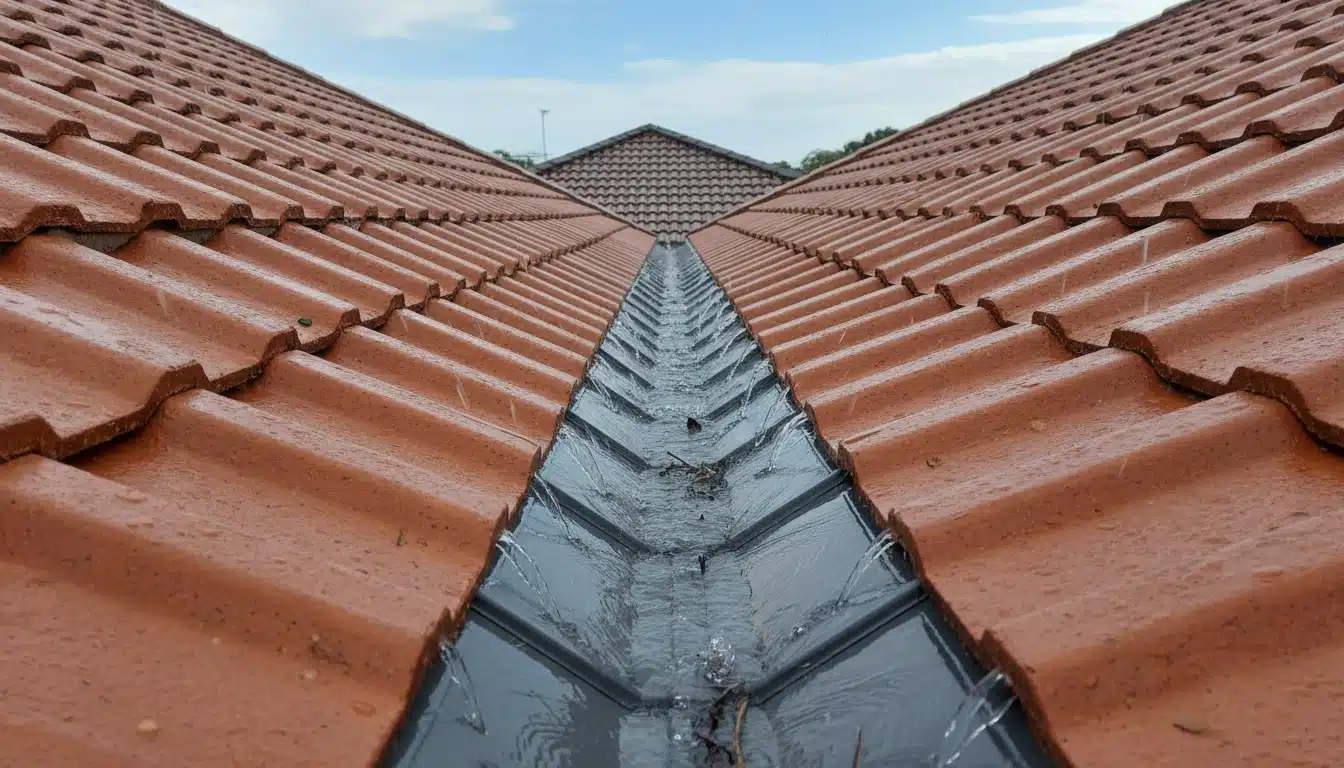
Roof valleys are common leak points because they collect runoff from two roof slopes and force it through one narrow channel. In Perth, winter rain, windblown debris and long dry periods can combine to block the flow or expose deteriorated metal. A rusted roof valley may then overflow, admit water through a weakened section or direct it beneath nearby tiles.
A valley leak is not always obvious from the ground. Water can enter at one point, follow battens, rafters or sarking, and appear as a ceiling stain somewhere else. The practical response is to inspect the whole drainage path, including the valley tray, tile clearance, outlet, nearby flashings, gutters and downpipes.
Some defects can be repaired locally. Others call for a metal valley upgrade, particularly when corrosion is extensive, the tray is too narrow for the roof geometry or earlier work has left poor support and clearance. The right decision depends on the condition of the complete valley assembly rather than the size of the visible stain.
What a Roof Valley Does
A roof valley is the internal angle where two sloping roof sections meet. The metal tray beneath that junction receives water from both slopes and carries it towards the gutter. Because runoff is concentrated, a valley has less tolerance for obstructions, flattened edges, displaced tiles or poor installation than an open roof plane.
The tray must have a continuous fall and a clear route to its outlet. Its upturned edges help contain water, while the tiles or sheets beside it need enough clearance to avoid restricting the channel. If these details are compromised, water can spread sideways beneath the roof covering. A thorough roof repair assessment checks the junction as a drainage system, not just the spot where moisture became visible.
Valleys also sit beneath cut edges of tiles. Small pieces can shift, mortar can break away and debris can lodge in the gaps. A cracked or poorly seated tile beside the tray may create a second entry point, so suitable tile repairs can be as important as work on the metal itself.
Why Perth Conditions Put Valleys Under Pressure
Concentrated Winter Runoff
Perth homes can face extended dry weather followed by winter rain. Dust, leaves, bark and seed pods accumulate during the dry months, then move towards valleys and gutters when rain arrives. Even a partial obstruction can reduce the valley’s capacity at the moment it is carrying the greatest volume of water.
Wind-driven rain adds another challenge. Water does not always travel straight down the tray. Gusts can push it across flattened valley edges or beneath poorly aligned roof coverings. A defect that remains dry during a light shower may leak during a stronger front because the direction and volume of flow have changed.
Heat, Movement and Age
Roof materials expand in heat and contract as temperatures fall. Repeated movement can disturb fixings, joints and sealants, particularly where materials meet at different angles. Metal trays may also develop wear around fasteners or contact points if support is inadequate.
Age matters because protective coatings and galvanised surfaces do not remain unchanged forever. Once corrosion begins, it can thin the metal and create pinholes that are difficult to see beneath dirt. Rust staining on the surface deserves attention, but the critical question is whether the tray still has enough sound metal to perform safely.
Debris From Nearby Trees
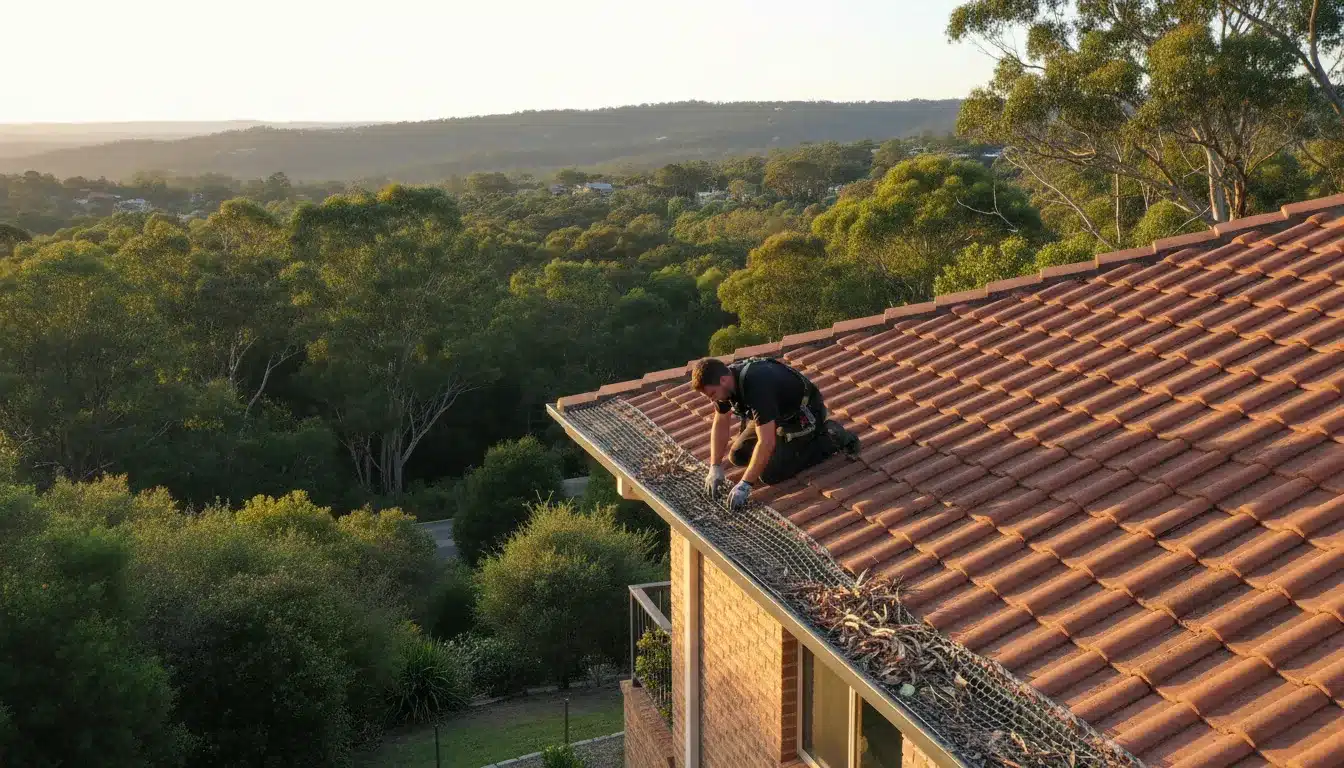
Leaves and fine organic material can form a dense mat in a narrow valley. This slows runoff and keeps the metal damp after rain. Persistent moisture increases the opportunity for corrosion, while decomposing debris can conceal small defects from view.
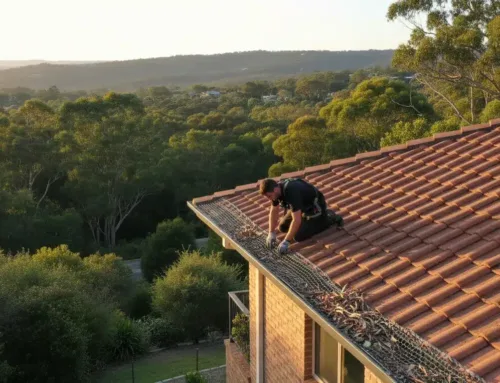
Debris carried from the valley can also collect at the gutter outlet. For that reason, gutters and downpipes should be checked with the valley. Clearing only the visible upper section may not restore drainage if the lower outlet remains restricted.
The Main Ways Roof Valleys Start Leaking
Rust and Perforation
A rusted roof valley may begin with surface discolouration and progress to flaking metal, pitting or holes. Water can pass directly through a perforation, but corrosion can also weaken an edge until it bends under debris or foot traffic. Coating over loose rust does not restore lost metal or correct the cause of trapped moisture.
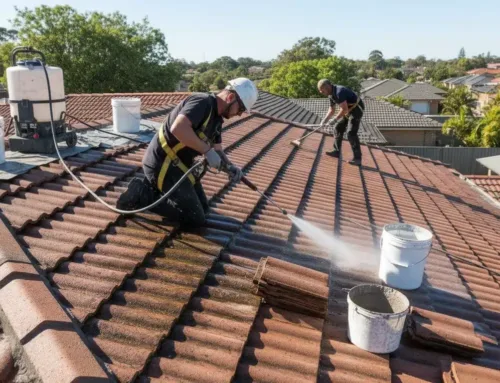
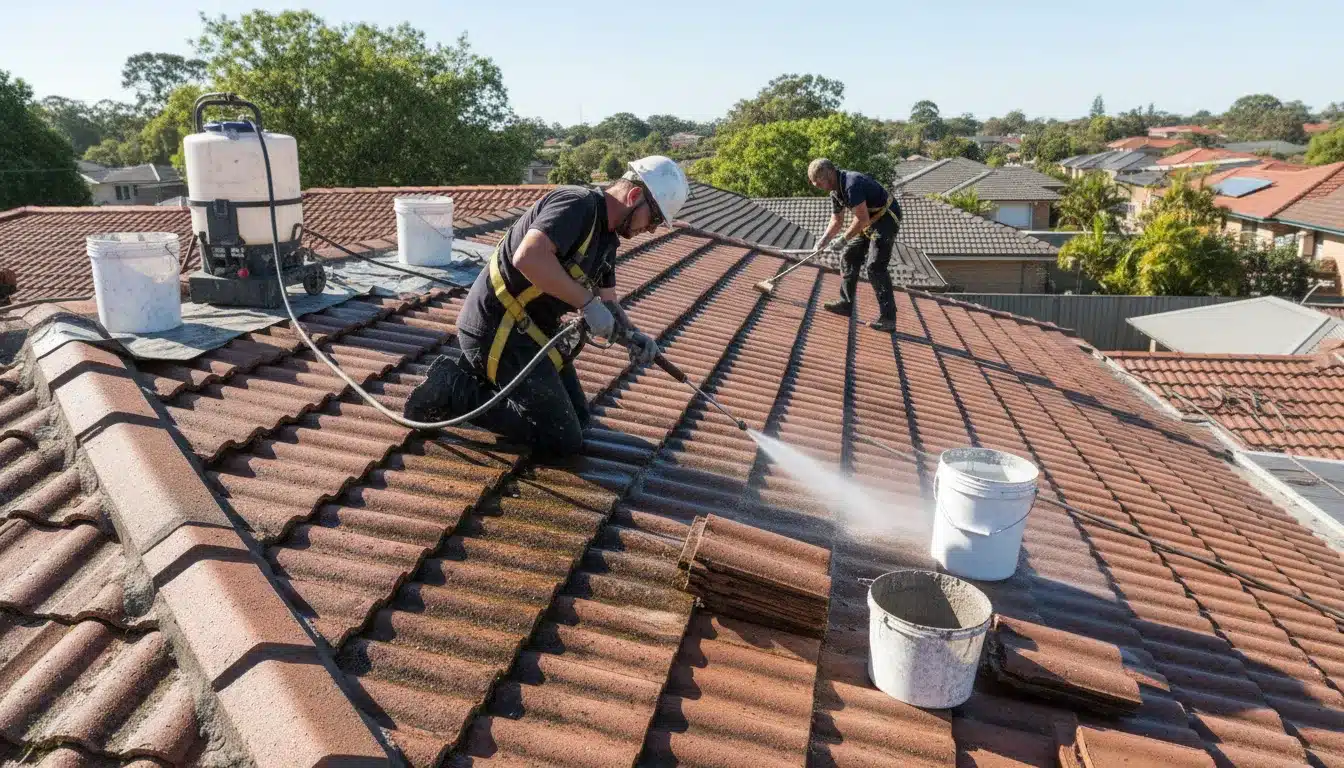
Cleaning helps expose the true condition of the tray and surrounding roof covering. Professional roof cleaning can remove built-up dirt, moss and lichen from relevant roof surfaces, but cleaning is an inspection and preparation step when the metal has already deteriorated. It is not a substitute for replacing a failed valley.
Flattened or Damaged Valley Edges
The raised edges of a valley tray help keep moving water inside the channel. They can flatten with age, poor handling or previous work. Once that containment is reduced, wind or heavy runoff can push water beneath the adjoining tiles.
Re-forming an edge may be possible where the metal remains sound and the geometry allows it. If the tray is brittle, heavily corroded or too narrow, manipulation can cause more damage. Replacement is usually the safer route when the existing metal cannot be reshaped without compromising it.
Poor Tile Clearance
Tiles that project too far into the valley restrict the channel and trap leaves. Tiles cut too far back can expose too much of the tray or leave inadequately supported edges. Permacoat checks those cut edges with the tray because a valley leak often starts where the covering and the metal meet.
The repair needs to balance drainage capacity with secure tile support. When deterioration extends beyond a few isolated tiles, broader tile roof restoration may be considered, but only after the valley’s drainage and metal condition have been resolved.
Blocked Valley Outlets
The lower end of the valley must discharge cleanly into the gutter. A compressed bundle of leaves, mortar fragments or sediment can create a small dam. Water then rises in the tray and may reach areas that were not designed for sustained flow.
This fault is easy to underestimate because the upper valley can look clear. The outlet, gutter fall and downpipe connection all need attention. If the problem returns quickly, the roof may need a practical debris-management plan rather than occasional clearing of the most visible material.
Undersized or Poorly Supported Trays
An older valley may be too narrow for the roof area feeding it, especially if extensions or alterations have changed the catchment. A tray can also sag between supports, creating low points where water and debris remain after rain. Laps installed against the direction of flow or poorly detailed junctions add further risk.
Across more than 30,000 roofs, we have dealt with the relationship between roof coverings, valleys, flashings and drainage. That experience matters because a valley is rarely an isolated strip of metal. Its performance depends on the components around it working together.
How to Recognise a Valley Leak
An interior stain below a valley line is an important clue, especially when it appears or darkens after rain. Damp insulation, blistered paint, swollen plasterboard or a musty smell can also indicate moisture above the ceiling. The visible symptom may sit away from the source because water can travel along structural members.
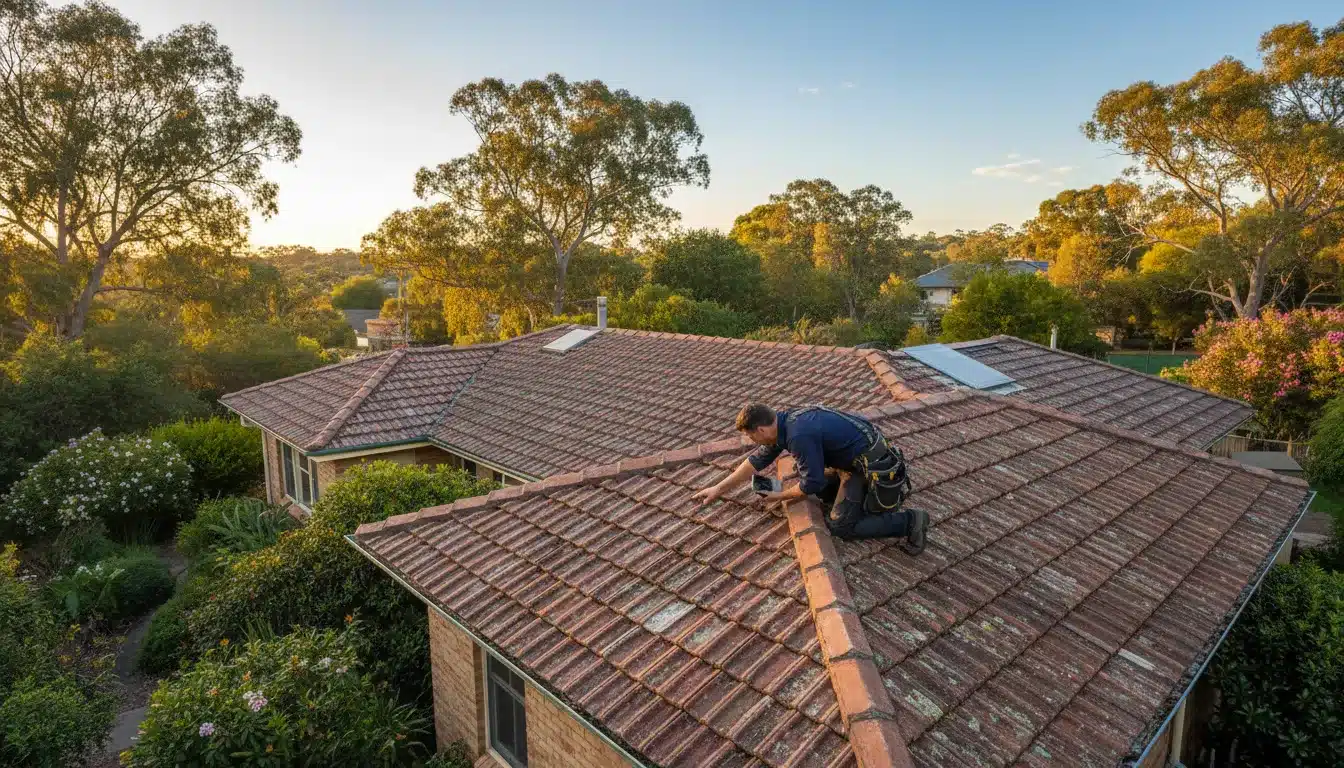
From outside, warning signs include rust streaks, leaf build-up, missing mortar, cracked tiles, uneven tile cuts and a tray that appears distorted. A damp line that remains after surrounding roof areas have dried may reveal a low point or persistent obstruction. A roof coating may protect suitable prepared surfaces as part of wider work, but it should never conceal corrosion or a drainage defect that still requires repair.
Homeowners should not walk along valleys or lift tiles without suitable training and access equipment. Valley metal can be slippery, and corroded sections may be weaker than they appear. Inspection from safe ground can help record visible changes, but close assessment is work for people equipped to operate safely at height.
Repair or Metal Valley Upgrade?
A local repair may be appropriate when the tray is generally sound and the defect is confined. Examples include removing an obstruction, replacing a small number of broken tiles, correcting local clearance or securing an adjacent component. The repair should restore the designed water path rather than simply cover the visible entry point with sealant.
A metal valley upgrade becomes the stronger option when corrosion is widespread, perforations are present, edges have failed or the tray lacks sufficient width and support. Replacement allows the old metal to be removed so the underlying structure, sarking and battens can be inspected before a new tray is installed.
The new installation should suit the roof covering and geometry. It needs consistent support, correct fall, secure adjoining materials and enough open channel for runoff and routine cleaning. If the wider roof surface will later be refinished, roof painting should follow necessary valley, tile, flashing and pointing repairs rather than precede them.
Where valleys are only one part of extensive material or structural failure, repeated local repairs may no longer be economical. A properly scoped re-roofing project can address the roof system as a whole when restoration is not suitable. That decision should be based on actual condition, not on the presence of one leak alone.
What a Proper Valley Assessment Should Cover
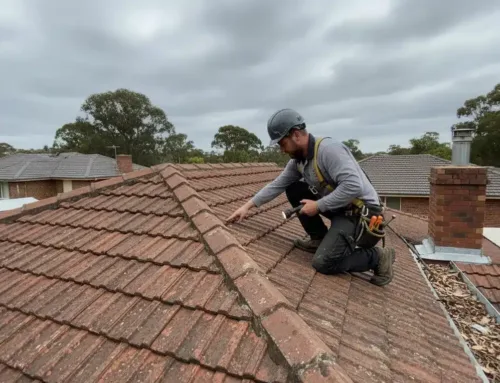
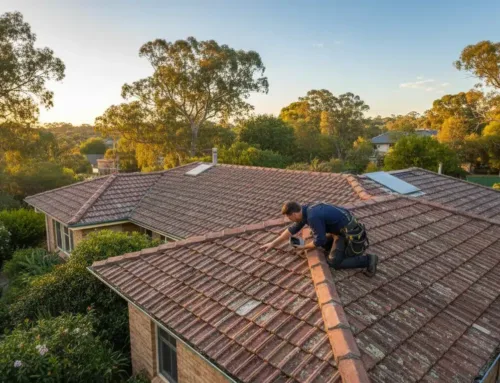
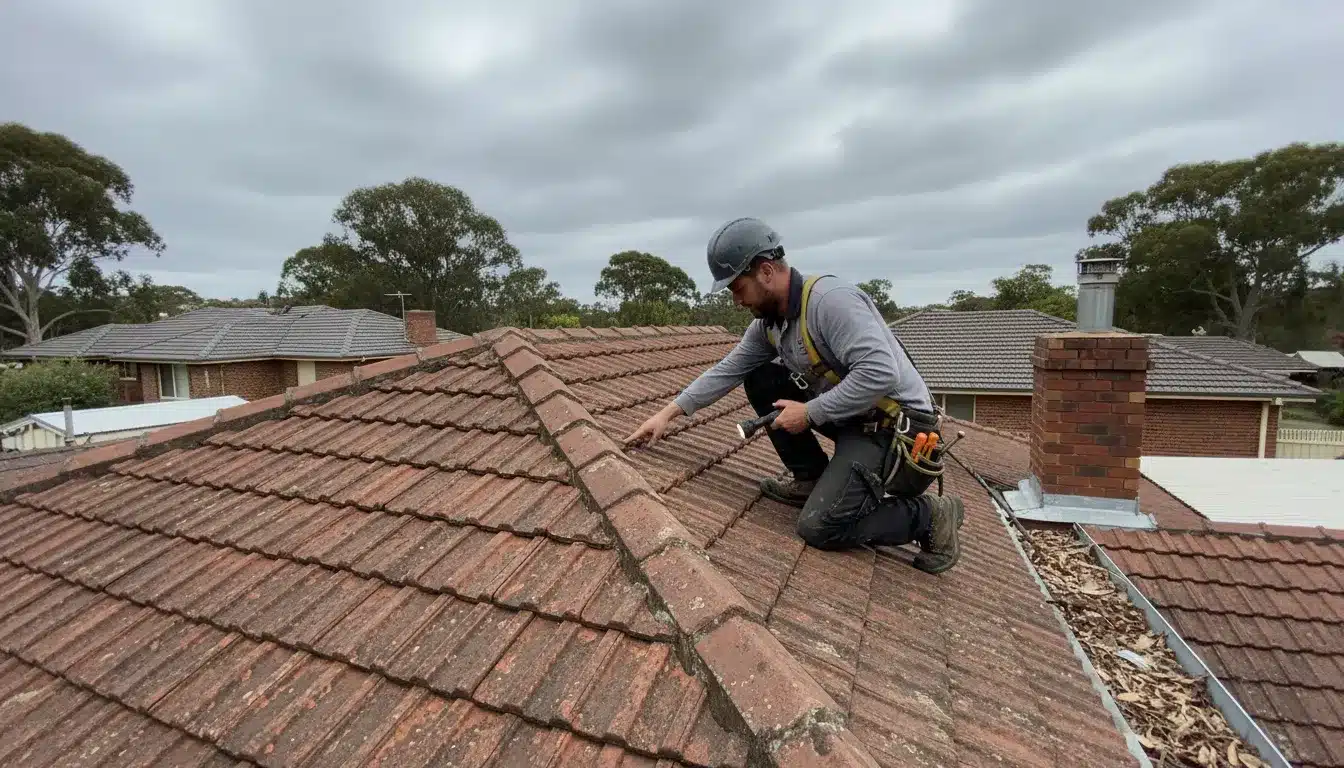
A useful inspection starts above the roof. The assessor should look at the full length of each valley, its metal condition, edge profile, width, fall and outlet. The tiles or sheets on both sides need to be checked for cracks, movement, poor cuts and inadequate support.
The assessment should continue into the roof space where access is safe and available. Damp timber, stained sarking, wet insulation and old water tracks can help trace the route. Dry marks still matter because intermittent leaks may only activate during wind-driven rain or when the valley carries a high volume.
Connected drainage and flashings also need attention. Water from an overflowing gutter can wet an eave, while a nearby flashing defect can mimic a valley leak. Treating every ceiling stain near a valley as proof of failed metal risks repairing the wrong component.
For strata and managed properties, the inspection may need to account for repeated roof forms, shared drainage and access planning. Specialist strata roof services can help establish whether the fault is isolated to one valley or reflects a recurring detail across several dwellings.
Preparing the Roof Before Winter
The best time to find a valley problem is before sustained winter rain. Check from safe ground for visible debris, broken tiles, rust staining and gutter overflow marks. Inside, note any old ceiling stains and photograph them so changes can be compared after rain.
Arrange closer inspection if a stain grows, paint blisters, plaster softens or the roof space develops a damp smell. Prompt work can limit damage to insulation, ceilings and timber. It also gives time to source suitable materials before a forecast period of wet weather.
Valleys are frequent leak points because they combine concentrated runoff, tight clearances and several adjoining materials in one vulnerable junction. The durable response is to keep the channel clear, trace the complete water path and repair the underlying defect. If you have a rusted roof valley or need advice on a metal valley upgrade, contact us to arrange an assessment before the next spell of heavy rain.