Strata complexes across Perth face the same challenge sooner or later: what to do when an ageing roof begins to fail. While single homes can often get by with a quick patch-up, strata properties require more careful planning. With multiple owners to satisfy, budgets to balance, and common areas to protect, restoring a shared roof is as much about coordination as it is about construction.
This case study explores a successful strata project where a worn, weathered roof was transformed through professional strata roof restoration in Perth. By combining thorough inspections, targeted repairs, and high-quality protective coatings, the property not only regained its visual appeal but also gained years of structural security. The lessons learned from this transformation offer valuable insights for strata managers and committee members facing similar challenges.
The Challenge: An Ageing Strata Roof
The property in question was a medium-sized strata complex in Perth’s western suburbs, comprising 24 units across three buildings. The roof had been in service for over two decades, and the signs of deterioration were impossible to ignore. What began as minor cosmetic concerns had evolved into legitimate structural threats requiring immediate attention.
The visible damage included:
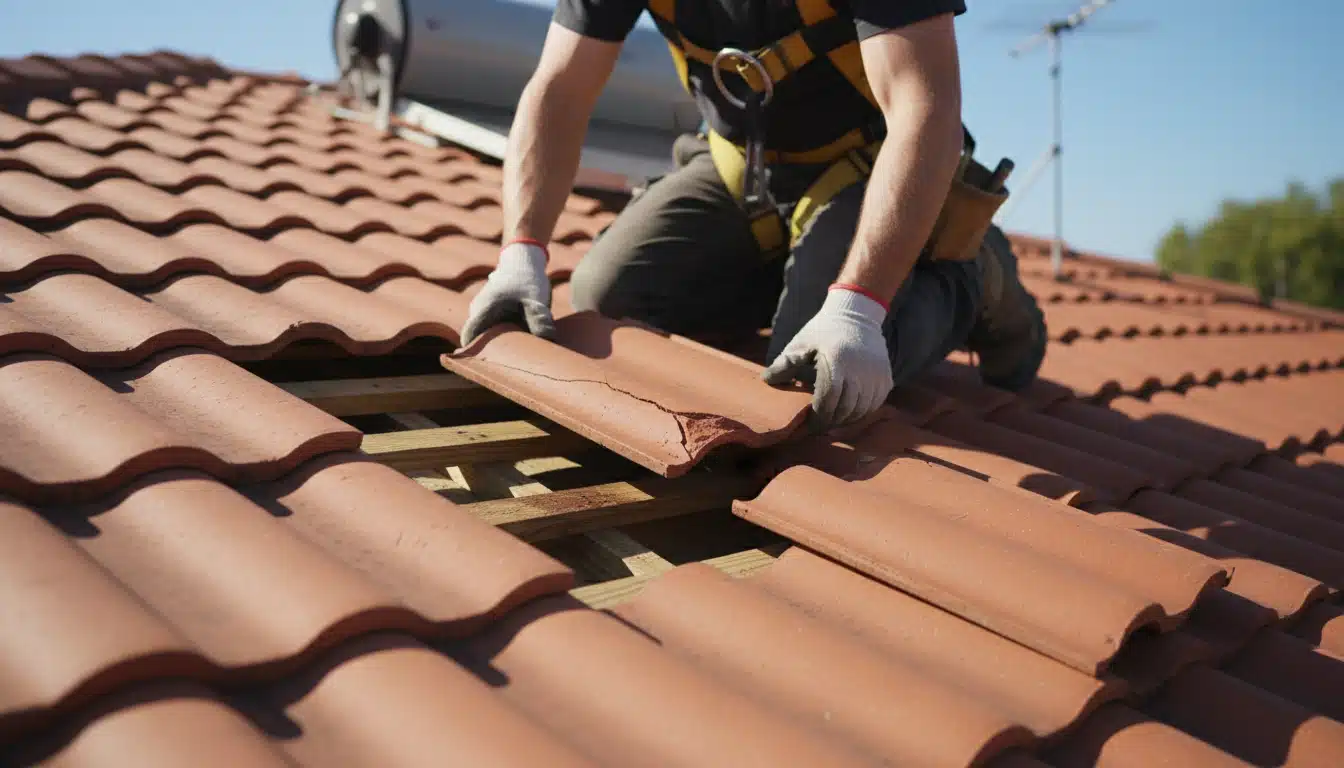
Cracked and loose tiles are scattered across multiple sections, with some areas showing displacement severe enough to expose underlayment. These cracks weren’t merely aesthetic issues – each one represented a potential entry point for water during Perth’s winter storms.
Faded coatings that had degraded to the point of offering minimal UV protection. The once-vibrant terracotta finish had bleached to an uneven patchwork of colours, signalling that the protective membrane had failed.
Moss and lichen build-up across shaded north-facing slopes and areas beneath overhanging trees. This organic growth wasn’t just unsightly – it retained moisture against the tile surface, accelerating deterioration and creating perfect conditions for leaks.
Guttering is showing advanced deterioration, with sections beginning to rust through and sag away from the fascia. Downpipes were clogged with debris, causing overflow during moderate rainfall and water pooling near building foundations.
Leaks were already being reported by residents, with water seeping into common stairwells and penetrating ceiling cavities in upper-floor units during winter storms. The strata committee had attempted several temporary fixes – silicone patches, replacing individual tiles, and emergency leak repairs – but these piecemeal solutions provided only brief respite. The roof’s condition was dragging down both the aesthetics and resale values of the entire complex, with prospective buyers noting the visible deterioration during inspections.
The committee faced a critical decision: continue spending money on temporary repairs that would inevitably fail, or invest in comprehensive roof restoration that would solve underlying problems and protect the investment for decades.
Key takeaways:
- Roofs over 20 years old often show widespread deterioration requiring more than surface-level repairs
- Leaks in shared spaces escalate quickly without decisive action, affecting multiple units
- Strata committees must weigh the long-term cost-effectiveness of comprehensive restoration versus ongoing patching
- Visible roof deterioration directly impacts property values and owner satisfaction
The Permacoat Approach: Inspection and Planning
The first step was a comprehensive roof inspection conducted by Permacoat’s experienced team. Unlike a quick visual assessment from ground level, professional inspections combine close physical examination with advanced diagnostic tools and moisture testing technology. This thorough approach identifies hidden water ingress points before they cause deeper structural problems that multiply repair costs exponentially.
The inspection methodology included:
Tile-by-tile surveying across all roof planes, documenting every crack, displaced tile, and area of missing or deteriorated mortar. Inspectors walked every accessible section, noting patterns of damage that indicated underlying structural movement or water penetration routes.
Flashing assessment around all roof penetrations – vents, skylights, chimneys, and plumbing stacks. These junction points are standard failure zones where different materials meet, and proper sealing is critical to preventing leaks that can remain hidden for months while causing extensive water damage.
Gutter and downpipe evaluation to assess drainage capacity and identify blockages, corrosion, or improper fall that might contribute to overflow and water intrusion. Inspectors measured gutter pitch and noted any sections pulling away from fascia boards.
Moisture detection using thermal imaging and electronic moisture meters to locate active leaks and water-saturated areas within the roof structure. This technology revealed several problem zones that showed no visible signs from below but were retaining moisture and promoting rot in roof timbers.
Structural assessment of roof framing visible from ceiling access points, checking for sagging, termite damage, or water-related deterioration that might require carpentry work before roofing repairs could proceed effectively.
Armed with this detailed diagnostic report, complete with photographs and prioritised repair recommendations, the strata committee could see the full scale of the problem. The roof required strategic roof repairs addressing immediate leak sources, followed by protective coatings to ensure long-term performance and prevent future deterioration.
The comprehensive documentation also proved invaluable for budget planning and owner communication, providing clear visual evidence that justified the restoration investment and prevented disputes about necessity.
Key takeaways:
- Professional inspections must go beyond surface-level visual checks to identify hidden problems
- Advanced leak detection technology prevents costly surprises during restoration work
- Transparent reporting with photographic evidence builds trust with owners and facilitates decision-making
- Understanding the full scope early allows accurate budgeting and prevents project cost overruns
Restoration Strategy: From Repairs to Coatings
Every strata project requires a clear, phased plan that balances efficiency with quality while minimising disruption to residents. For this project, Permacoat developed a systematic approach that addressed immediate structural concerns before applying protective systems designed for long-term durability.
1. Roof Cleaning
All moss, lichen, algae, and accumulated dirt were removed through high-pressure cleaning techniques specifically calibrated for tile roofs. This critical preparatory step not only transformed the roof’s appearance but also ensured subsequent coatings would bond properly to the tile surface. Organic growth removal is essential – coatings applied over moss or lichen will fail prematurely as the organic matter continues decomposing beneath the membrane.
The cleaning process used biodegradable treatments that killed root systems without damaging surrounding landscaping or stormwater systems, complying with Perth’s environmental guidelines for commercial property maintenance.
2. Tile Replacement and Repointing
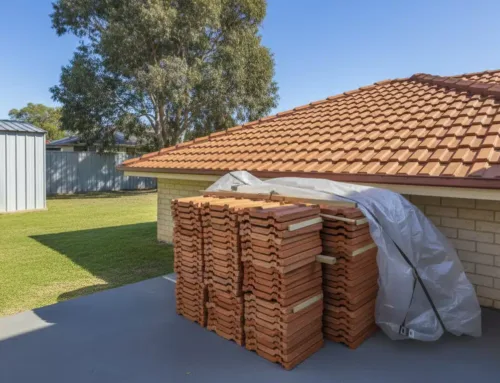
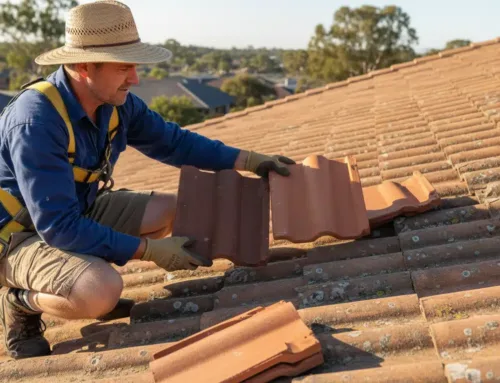
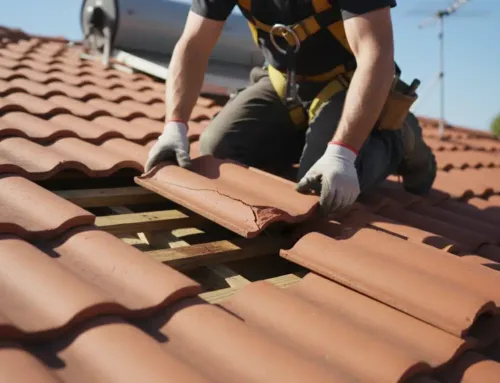
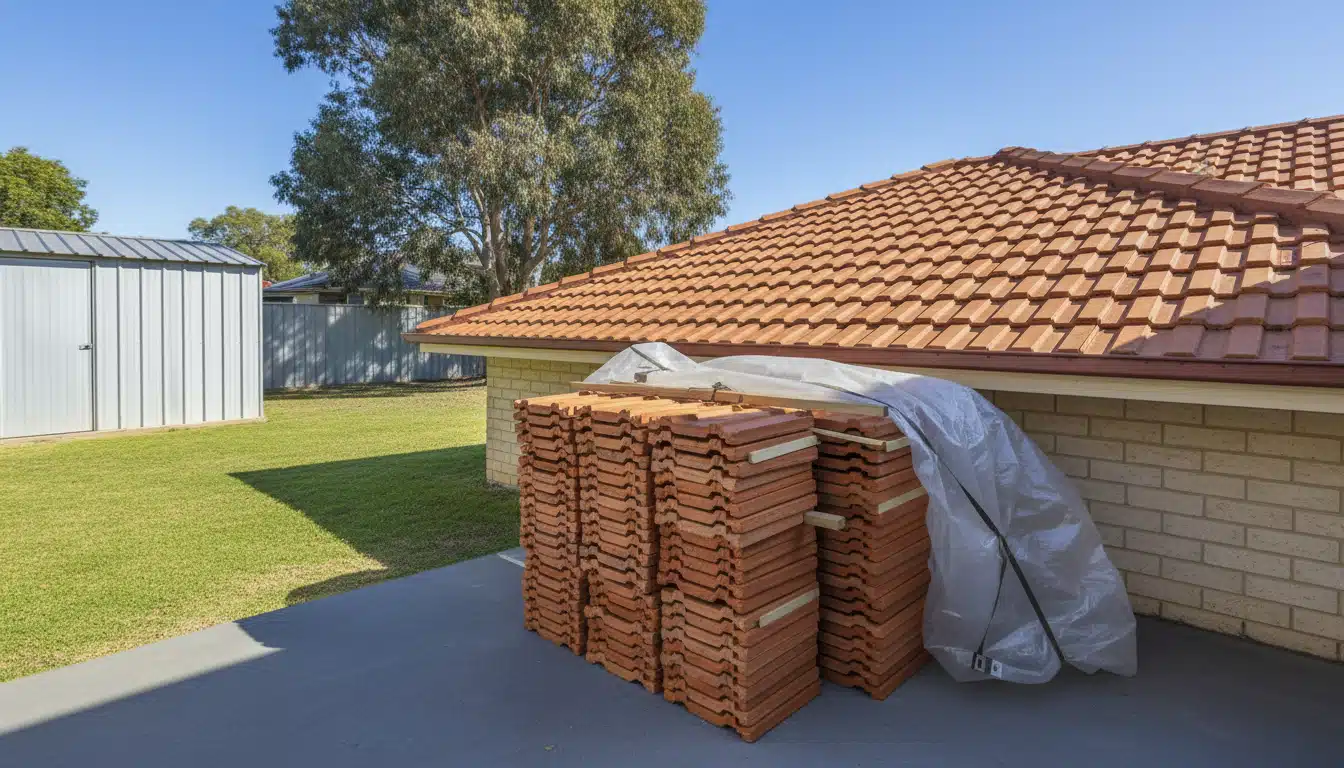
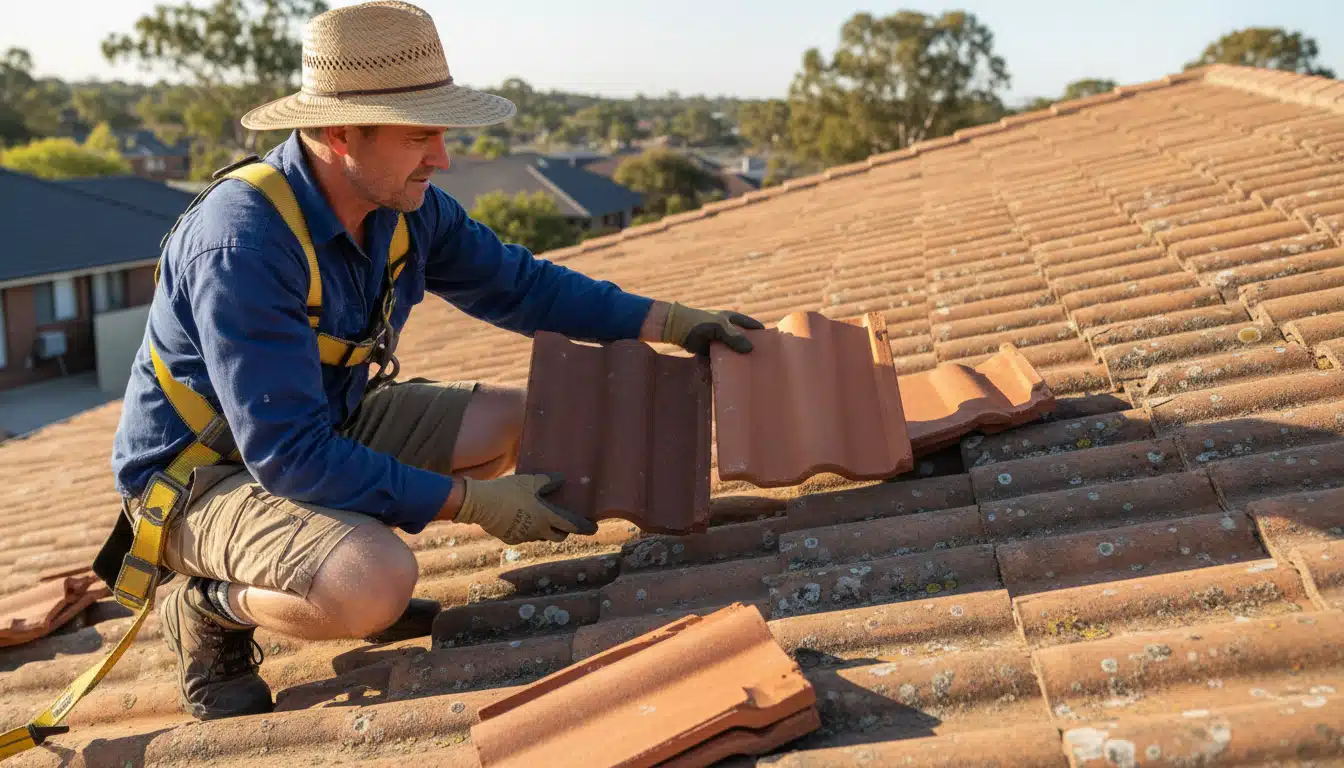
Damaged tiles – numbering over 150 across the complex – were carefully removed and replaced with matching terracotta tiles that blended seamlessly with existing roof planes. This preservation of aesthetic consistency is vital for strata properties where visual uniformity affects overall property presentation.
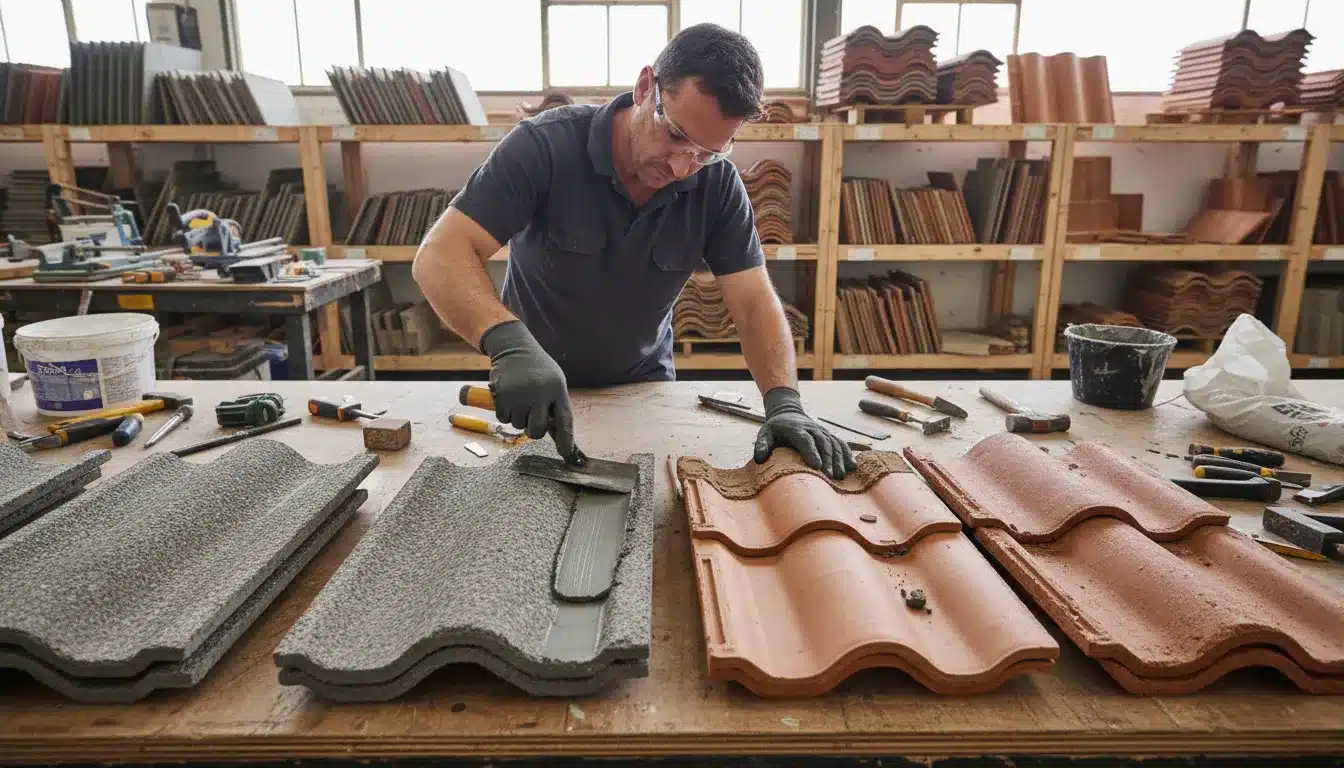
Loose ridges and hips were systematically re-pointed with flexible mortar compounds specifically engineered for Perth’s thermal cycling conditions. Traditional cement-based mortars crack under expansion and contraction, but modern flexible pointing systems accommodate movement while maintaining weathertight seals. These targeted repairs form the foundation of effective strata roof maintenance, preventing small cracks from expanding into major leak pathways.
3. Flashing and Detail Repairs
All flashing around chimneys, vent pipes, skylight curbs, and wall junctions was either resealed with premium sealants or completely replaced where corrosion had compromised waterproofing integrity. These detail areas – though small in total surface area – account for the majority of roof leaks when they fail.
New lead flashing was custom-formed and installed at critical junction points, using installation techniques that accommodate thermal movement without tearing or separating from adjoining surfaces.
4. Application of Protective Coatings
The entire roof surface was coated with premium Dulux Acratex membrane systems – a proven technology formulated explicitly for Australian climate conditions. These advanced roof coating systems deliver multiple performance benefits:
UV protection that prevents the polymer degradation and colour fading that destroys the original roof finish. Modern membrane coatings include UV stabilisers that maintain protective properties for 10-15 years under Perth’s intense solar exposure.
Thermal performance through light-reflective pigments that reduce surface temperatures by up to 20 degrees, decreasing heat transfer into living spaces and improving energy efficiency for cooling. This benefit is particularly valuable for upper-floor units that previously suffered from excessive heat gain.
Waterproofing that seals micro-cracks and creates a continuous protective membrane across the entire roof plane, eliminating hundreds of potential water entry points that would otherwise require individual attention.
Aesthetic uniformity with carefully selected colours that complement the architectural style while providing that fresh, well-maintained appearance that enhances property values and owner pride.
5. Gutter and Downpipe Restoration
All guttering was thoroughly cleared of accumulated debris, then repaired or selectively replaced based on corrosion severity. Where rust had penetrated through the metal, new Colorbond sections were installed with proper fall to ensure adequate drainage.
Downpipes were assessed for capacity and positioning, with recommendations made for additional downpipes in areas where overflow had previously occurred. All gutter brackets were checked and reinforced to prevent future sagging, and leaf guards were installed in problem areas beneath overhanging trees.
Key takeaways:
- Surface preparation through thorough cleaning is essential before coatings are applied
- High-quality membrane coatings add 10-15 years of durability to ageing tile roofs
- Flashing repairs must be completed before coating work to ensure comprehensive waterproofing
- Gutter systems must be addressed in conjunction with roof works to prevent future water damage
- Phased approaches allow quality work while managing costs and resident disruption
Communication with Residents
Successful strata projects or fail partly due to communication quality and transparency. Construction work on shared property inevitably creates some disruption – noise, restricted access, contractors on-site, and temporary visual impact. Managing expectations and maintaining open dialogue prevents complaints and builds confidence in the process.
For this restoration, Permacoat and the strata committee implemented a comprehensive communication strategy:
An initial presentation meeting where inspection findings were presented to owners using clear photographic evidence and plain-English explanations of technical issues. This transparency helped owners understand why comprehensive restoration made financial sense compared to ongoing reactive repairs.
Regular progress updates via email bulletins and physical noticeboards in common areas, keeping residents informed during cleaning, repair, and coating phases. These updates included weekly schedules showing which buildings would be affected and when noisy work would occur.
Clear timelines for disruptive activities such as high-pressure washing, tile replacement, and coating application. Residents received 48-hour advance notice before work commenced in their immediate area, allowing them to plan accordingly.
Direct contact information for the project supervisor, enabling residents to raise concerns immediately rather than letting frustration build over minor issues.
This proactive approach minimised complaints dramatically and built confidence in both Permacoat’s professionalism and the strata committee’s decision-making. Several owners who initially opposed the restoration investment became vocal supporters once they saw the methodical approach and quality artistry.
Key takeaways:
- Open, consistent communication prevents disputes in multi-owner projects
- Residents appreciate knowing what to expect and when disruptions will occur
- Visual evidence and plain-English explanations help owners understand technical necessity
- Accessible project supervision builds trust and allows rapid resolution of concerns
The Results: Renewed Protection and Added Value
The transformation was striking. The roof, once faded, patchy, and visibly deteriorating, now presented a clean, uniform finish that dramatically improved the complex’s street appeal. More importantly, it was completely watertight, with all repairs and protective coatings providing robust defence against Perth’s weather extremes – from intense summer UV to winter storm events.
Measurable outcomes included:
Complete elimination of leaks through systematic leak detection and targeted repairs addressing root causes rather than symptoms. The first winter following completion saw zero leak reports despite several significant storm events that previously would have generated multiple emergency calls.
Increased appraisal values and faster sales evidence improved property values. Two units that sold within six months of completion achieved prices 8-12% above pre-restoration comparable sales, with buyer feedback specifically noting the well-maintained roof as a deciding factor.
Reduced maintenance costs as the durable coating system eliminated the need for frequent patch repairs and emergency leak responses. The strata committee’s annual maintenance budget decreased by approximately 40% in roof-related expenses.
Enhanced resident satisfaction reflected in fewer complaints during wet weather and positive feedback about the complex’s improved appearance. The restoration became a talking point that strengthened community pride.
Energy efficiency improvements were noted by several upper-floor residents who reported reduced cooling costs during summer months, attributable to the reflective coating reducing heat transfer into living spaces.
Key takeaways:
- Quality restoration improves both structural function and aesthetic appeal simultaneously
- Comprehensive leak detection ensures underlying problems are resolved, not just symptoms masked
- Well-maintained common areas directly increase property values across the complex
- Investment in proper restoration reduces long-term maintenance costs significantly
- Visible improvements strengthen resident satisfaction and community cohesion
Cost Considerations for Strata Committees
Budget concerns naturally dominated early committee discussions. Like most significant building works, final costs were shaped by multiple variables:
Roof size and complexity – larger roofs with multiple planes, valleys, and penetrations require more materials and labour than simple hip or gable designs.
Extent of damage – the number of tiles requiring replacement, the amount of repointing needed, and the severity of structural repairs all impact costs significantly.
Coating selection – premium membrane systems cost more initially but deliver superior longevity and performance compared to budget alternatives.
Colour choices – while standard colours are readily available, custom colour matching for heritage or specific aesthetic requirements may involve additional costs.
Gutter system condition – whether repairs suffice or a complete replacement is necessary for sections with advanced corrosion.
Access challenges – multi-storey buildings, steep roof pitches, or restricted site access can increase labour costs.
Permacoat provided detailed quotations breaking down each component, allowing the committee to understand precisely what they were purchasing. Resources like the roof repair cost guide helped establish realistic budget expectations early in the planning process.
The final investment, while representing a significant one-time expenditure, was clearly cost-effective when compared to the accumulated costs of five years of reactive repairs, emergency leak responses, and ongoing property value erosion. The committee also secured favourable payment terms through strata levy arrangements that spread costs across owners without requiring special assessments.
Key takeaways:
- Comprehensive quotations allow informed decision-making and prevent budget surprises
- Restoration costs vary based on roof size, material choice, and damage extent
- Initial investment delivers returns through increased property values and reduced future repair costs
- Payment structures can be arranged to manage cash flow through levy systems
- Quality work costs more initially but proves economical over the asset lifecycle
Long-Term Maintenance Recommendations
To preserve the restored roof and protect the restoration investment, Permacoat advised the strata committee to implement a structured maintenance schedule. Much like servicing a vehicle prevents major mechanical failures, regular roof maintenance catches minor problems before they escalate into expensive emergencies.
The recommended maintenance program included:
Annual professional inspections are conducted each autumn before winter rains, examining the roof for any new damage, checking coating integrity, and identifying areas requiring attention. These inspections provide early warning of problems while they’re still minor and inexpensive to address.
Bi-annual gutter cleaning in autumn (before winter rains) and spring (after tree pollen and seed drop), preventing blockages that cause overflow and potential water intrusion into building structures.
Periodic high-pressure cleaning every 3-4 years to remove accumulated dirt, organic growth, and airborne pollutants that gradually degrade coating performance. This maintenance cleaning is far less intensive than the initial deep clean but preserves appearance and coating effectiveness.
Roof coating reapplication every 10-15 years, depending on exposure and coating performance. This scheduled renewal maintains UV protection and waterproofing integrity before deterioration reaches critical levels.
Prompt attention to any damage from severe weather, falling branches, or mechanical equipment, addressing issues immediately rather than allowing them to worsen.
The strata committee incorporated these recommendations into their long-term asset management plan, allocating appropriate sinking fund contributions for scheduled maintenance and coating renewal. This proactive approach ensures the restoration continues delivering value for decades.
Key takeaways:
- Scheduled maintenance protects the restoration investment and extends the roof’s lifespan
- Annual inspections identify problems early when repairs are simple and affordable
- Regular cleaning prevents organic growth that accelerates coating deterioration
- Planned coating renewal every 10-15 years maintains protection before failures occur
- Sinking fund planning ensures maintenance costs are manageable and anticipated
Final Thoughts
This case study demonstrates how professional planning, systematic execution, and quality materials transform a deteriorating strata roof into a renewed asset that serves the community for decades. By combining thorough inspections, expert repairs, and advanced protective coatings, the project delivered both structural security and aesthetic enhancement that increased property values across the complex.
For strata managers and committee members, the lessons are clear: delaying action when leaks or visible damage appear only multiplies eventual costs while diminishing property values. Early intervention with comprehensive restoration makes financial sense, protecting owner investments and preventing the cycle of reactive repairs that consume maintenance budgets without solving underlying problems.
Successful strata projects require three critical elements: a thorough diagnostic assessment that identifies all problems before work begins, transparent communication that maintains owner confidence throughout the process, and quality artistry using proven materials designed for long-term performance in Perth’s demanding climate conditions.
The restoration transformed not just the roof, but residents’ attitudes toward their strata community. What began as a source of frustration – visible deterioration and recurring leaks – became a point of pride that strengthened community cohesion and demonstrated effective committee leadership.
To begin planning your strata roofing project and receive a comprehensive assessment tailored to your property’s specific needs, contact us on (08) 9249 5955 today. With extensive experience in roof restoration, professional roof painting, and specialised strata solutions, Permacoat delivers lasting results that protect properties and enhance values across Perth.