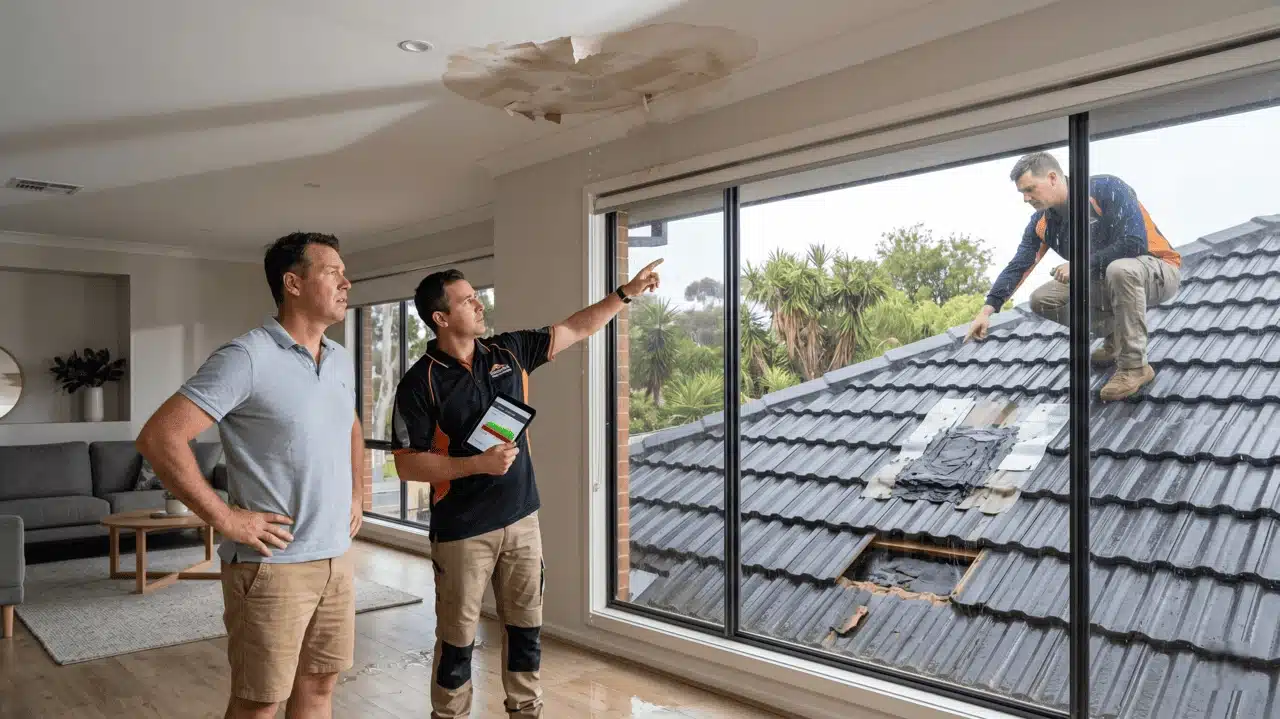
The false economy of cheap roof repairs repeatedly catches Perth homeowners off guard, transforming apparent savings into expensive ongoing problems. While budget-conscious decisions make sense for many purchases, roofing work demands quality standards where cutting corners creates cascading failures costing far more than proper repairs would have initially.
Years of roofing experience across Perth reveal clear patterns showing how cheap roof repairs generate long-term expenses exceeding quality work costs. The difference between temporary patches and lasting solutions lies in material quality, workmanship standards, and comprehensive problem-solving rather than symptom masking.
This guide explains why choosing the lowest quote often proves the most expensive option while providing strategies for identifying quality contractors delivering genuine value through proper repairs that protect homes for years rather than months.
The Allure of the Low Quote
Everyone appreciates value, and receiving multiple quotes for roof repairs Perth projects inevitably reveals significant price variation. When one proposal comes in substantially lower than others, the temptation to accept it immediately proves strong – that apparent bargain seems like smart financial decision-making.
However, roofing represents skilled trade work where expertise, quality materials, and proper techniques determine long-term success. Drastically low quotes typically signal one or more serious compromises: inferior materials that fail prematurely, unskilled labour producing substandard work, inadequate preparation undermining repair effectiveness, or deliberate underquoting planning to add charges later.
Understanding Quote Variation
Legitimate quote differences of 10-20% reflect varying business overhead, material sourcing efficiency, and scheduling flexibility. These reasonable variations allow homeowners to select preferred contractors while staying within budget. However, quotes coming in 30-50% below others warrant serious scrutiny rather than automatic acceptance.
Professional contractors price work realistically based on thorough assessment, quality materials, skilled labour, proper insurance, and legitimate business operations. These necessary costs create price floors below which sustainable quality work becomes impossible. Quotes significantly undercutting market rates suggest contractors cutting corners somewhere – homeowners just don’t know where until problems emerge.
The Psychology of Bargain Hunting
Cheap roof repairs appeal to natural desire for financial savings, particularly when roofing problems seem simple and repair costs appear inflated. Homeowners reasoning “it’s just a few tiles” or “how hard can flashing replacement be” underestimate technical complexity, assuming price differences reflect profit gouging rather than quality variation.
This psychological vulnerability makes homeowners susceptible to underqualified contractors offering unrealistically low prices. The apparent savings create positive feelings initially, but these quickly transform into frustration, anger, and regret when repairs fail and costs escalate beyond what quality work would have cost originally.
Red Flag Recognition
Several warning signs indicate problematic quotes beyond simply low pricing:
- Verbal quotes without written documentation
- Vague scope descriptions lacking specific details
- Pressure tactics demanding immediate acceptance
- Inability to provide insurance certificates or license verification
- Reluctance to provide references or previous work examples
- Cash-only payment requirements
- Large upfront deposits before work commences
These red flags combined with suspiciously low pricing signal contractors best avoided regardless of apparent short-term savings.
Common Shortcuts in Cheap Roof Repairs
Understanding typical corners that budget contractors cut reveals why cheap roof repairs fail quickly while creating additional damage requiring more expensive remediation than original proper repairs would have cost.
Inferior Material Selection
Quality materials cost more than budget alternatives for good reasons – superior durability, better weather resistance, longer lifespan, and reliable performance under stress. Cheap contractors substitute inferior products to underprice competitors while maintaining profit margins.
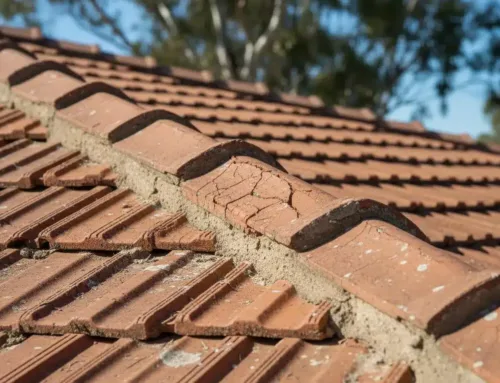
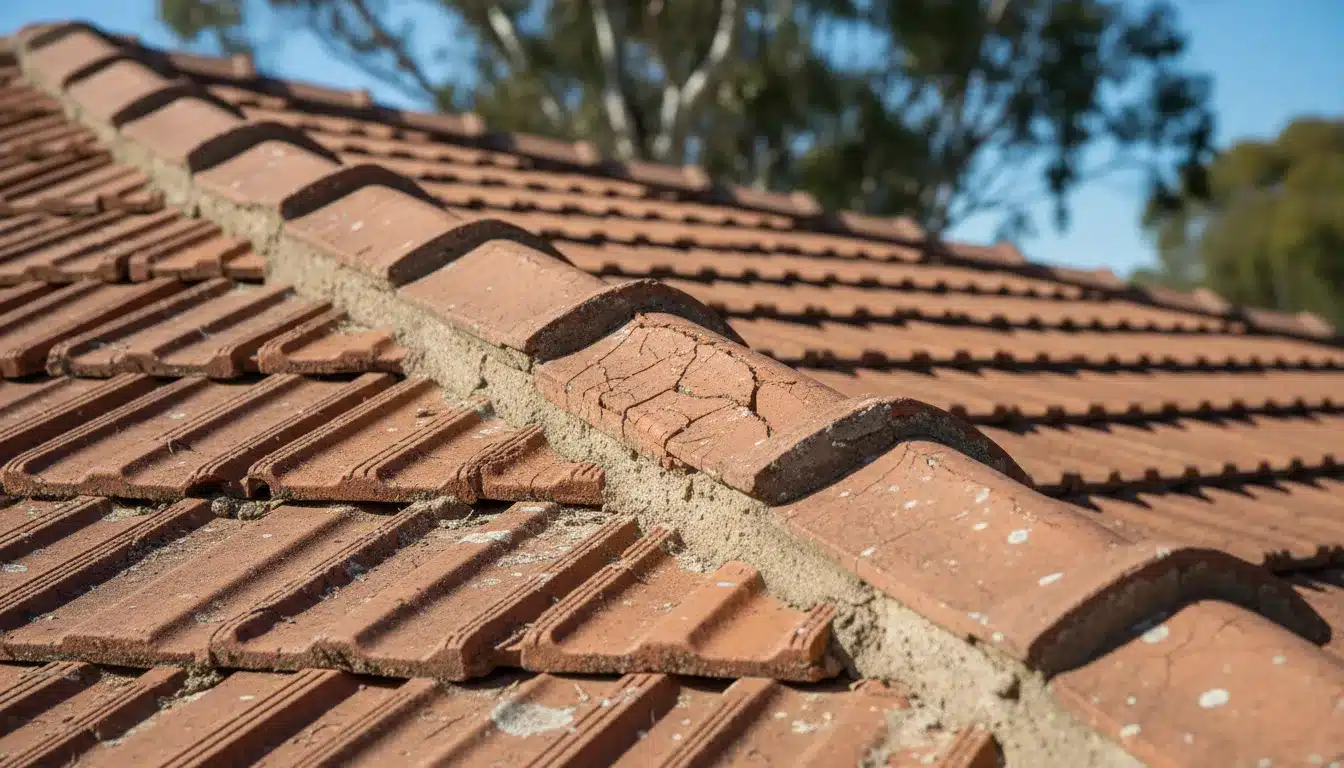
Budget tiles crack under thermal stress that quality tiles withstand. Cheap sealants degrade rapidly under UV exposure while premium products maintain flexibility and waterproofing for years. Low-grade flashing corrodes quickly compared to quality materials engineered for longevity. These material quality differences prove invisible initially but manifest as premature failures requiring complete rework.
Perth’s harsh climate particularly punishes inferior materials. Intense UV radiation, extreme temperature cycling, occasional severe storms, and coastal salt exposure create demanding conditions where only quality materials perform reliably. Budget products failing within months create ongoing repair cycles far exceeding quality material costs.
Preparation Neglect
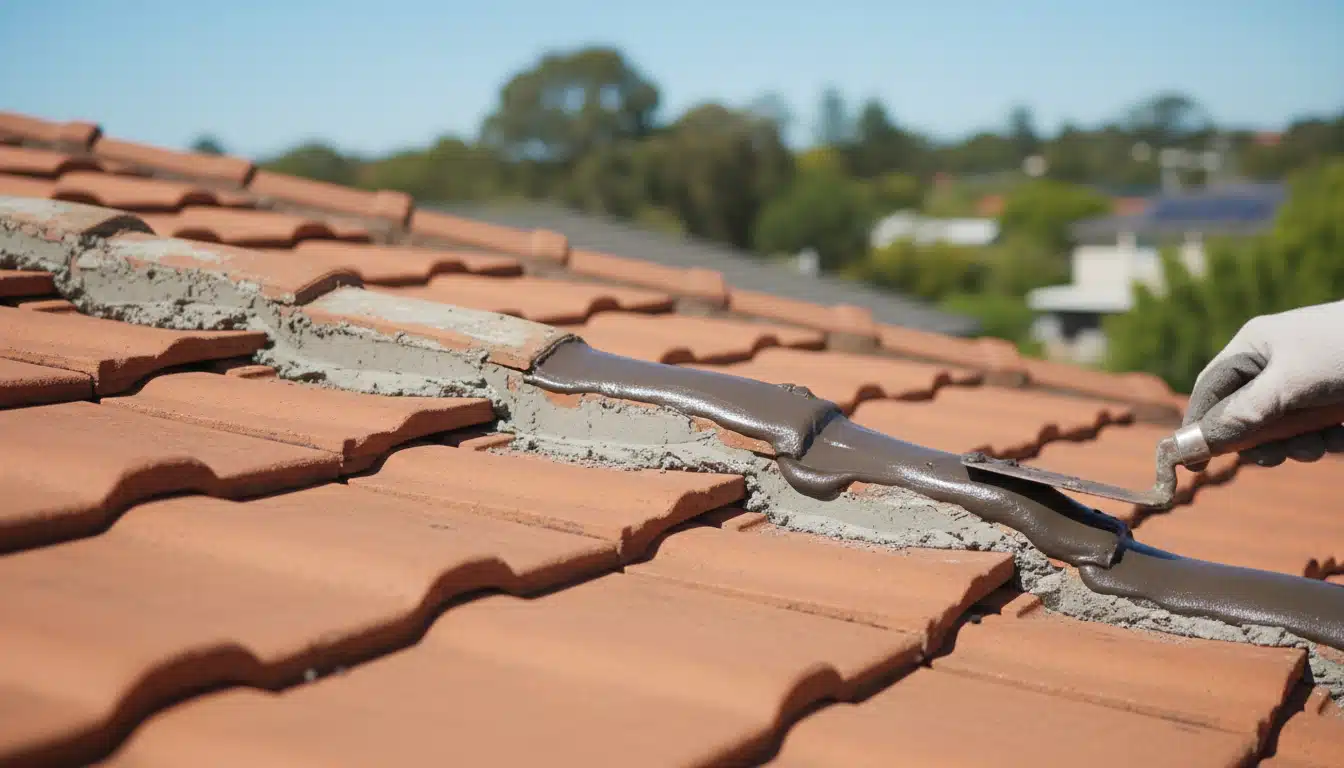
Proper roof repair requires thorough surface preparation ensuring new materials bond effectively and perform as designed. Quality roof cleaning removes dirt, moss, algae, and deteriorated coatings that prevent proper adhesion. Surface priming creates compatible bonding surfaces between old materials and new repairs.
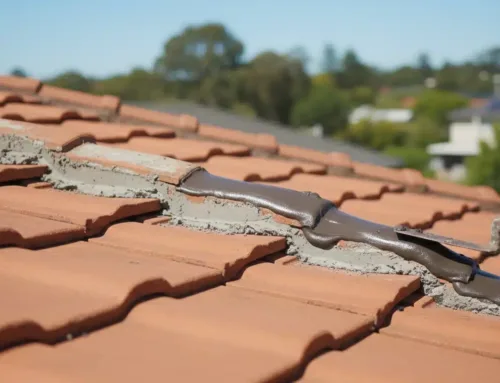
Cheap contractors skip preparation steps to reduce labour time and costs. They apply sealants over dirty surfaces, install tiles without proper base preparation, or attempt coating over contaminated substrates. These shortcuts doom repairs to early failure regardless of material quality, as products cannot perform properly without correct application procedures.
Underlying Issue Ignorance
Visible roof problems typically represent symptoms of deeper issues rather than standalone problems requiring isolated fixes. Leaks result from failed flashing, inadequate drainage, or structural movement rather than simply needing sealant application. Cracked tiles indicate improper installation, inadequate support, or structural issues beyond individual tile replacement.
Quality contractors investigate root causes, addressing fundamental problems ensuring repairs last. Cheap operators patch visible symptoms without solving underlying issues. This approach guarantees problem recurrence, often in worse form as unaddressed root causes continue damaging roofing systems.
Unskilled Labour Employment
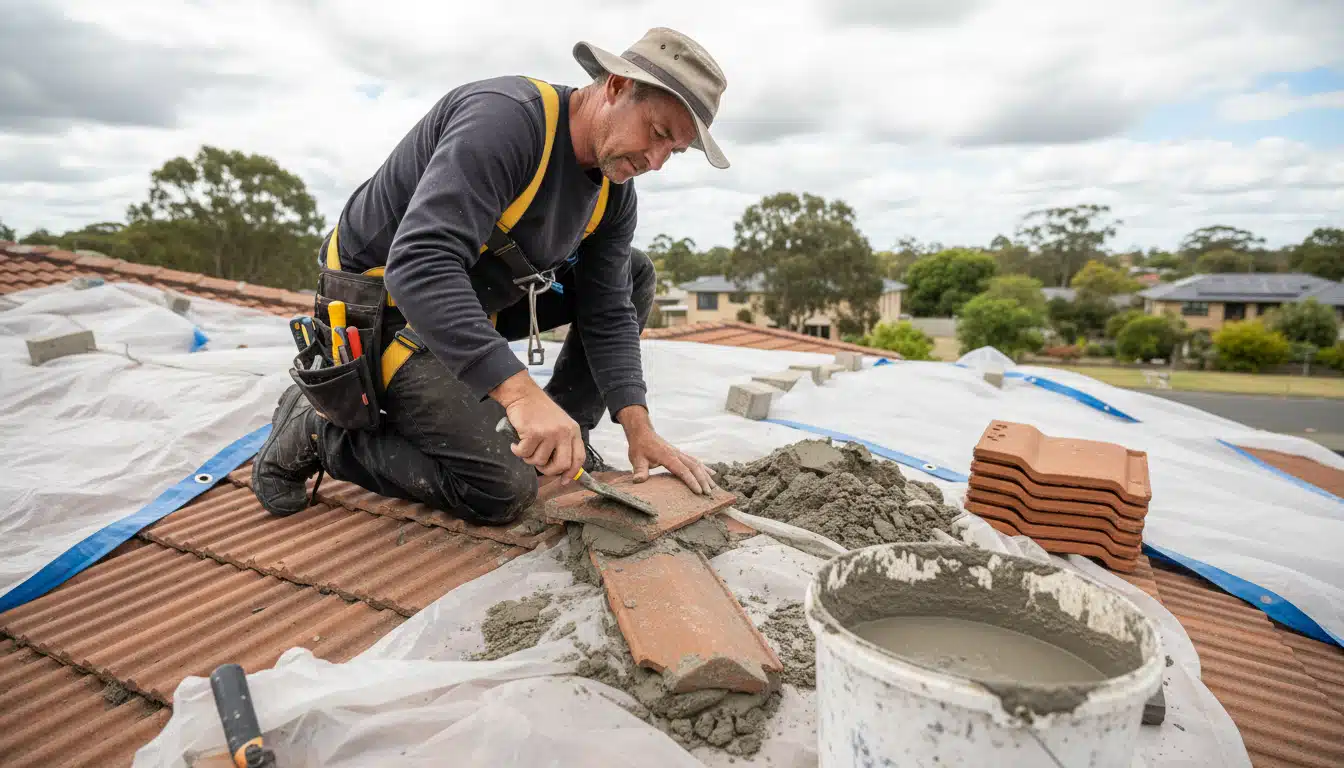
Roofing demands specialized knowledge, proper techniques, and experience recognizing and solving common problems. Quality contractors employ trained, experienced tradespeople producing reliable work meeting industry standards. These skilled workers cost more through higher wages but deliver superior results worth the investment.
Budget contractors often use unskilled labour – general handymen, labourers without roofing training, or apprentices working without proper supervision. While these workers cost less per hour, their lack of expertise produces substandard results requiring expensive correction. The hourly rate savings prove illusory when work must be completely redone properly.
Safety Shortcuts
Proper roofing work requires extensive safety equipment including harnesses, anchor points, scaffolding, and protective gear. These safety measures protect workers while complying with workplace safety regulations. Professional contractors invest in proper equipment and training, reflecting these costs in pricing.
Cheap operators cut safety corners, working without proper protection and violating safety standards. Beyond endangering workers, these practices create liability risks for property owners if accidents occur. The legal and financial consequences of workplace injuries far exceed any savings from hiring cheap contractors avoiding safety investments.
The Real Cost of Poor Workmanship
While cheap roof repairs appear financially attractive initially, calculating total costs including failures, damage, and proper remediation reveals their true expense dramatically exceeds quality work investment.
Recurring Repair Cycles
Poorly executed repairs fail within months or years rather than lasting decades like quality work. Each failure requires additional repair attempts, multiplying costs through repeated call-outs, material purchases, and labour charges. After two or three cheap repair failures, homeowners typically spend more than proper initial repairs would have cost while still facing ongoing problems.
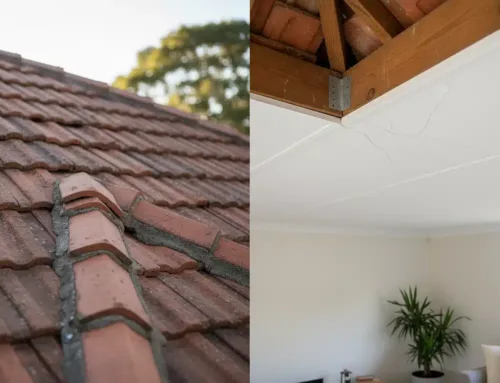
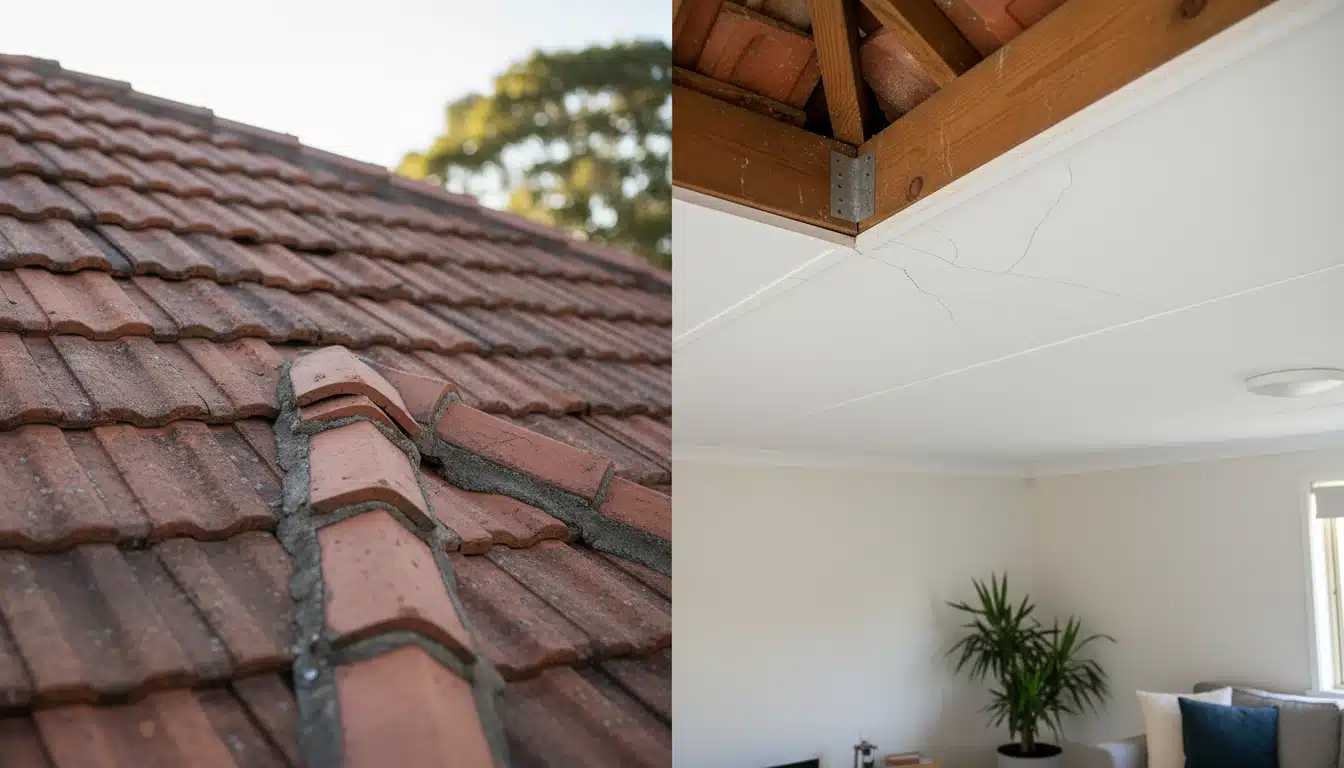
These repeated failures also create cumulative damage. Each cheap repair attempt disturbs surrounding materials, potentially damaging previously sound components. Water penetration between repair attempts deteriorates timber, sarking, and insulation. What began as minor repair needs escalates into major restoration requirements through repeated cheap repair failures.
Collateral Damage Escalation
Roof leaks don’t respect boundaries – water follows paths of least resistance, spreading far beyond obvious entry points. Failed cheap repairs allowing continued water penetration cause progressive damage to:
- Ceiling materials requiring replacement and repainting
- Wall cavities where moisture creates rot and mould
- Insulation losing effectiveness when saturated
- Electrical systems creating safety hazards
- Structural timber requiring expensive carpentry
- Stored belongings ruined by water damage
- Interior finishes including flooring and furnishings
This collateral damage often costs more than roofing repairs themselves. A $500 cheap repair failure might trigger $5,000-$10,000 in water damage remediation, mould treatment, and interior restoration. Proper $1,500 initial repairs preventing leaks prove dramatically cheaper than cheap options allowing ongoing damage.
Emergency Repair Premium
Failed cheap repairs often create urgent situations demanding immediate attention – active leaks during storms, structural damage threatening safety, or insurance claim deadlines. Emergency repairs command premium pricing due to urgency, inconvenient timing, and disruption to contractor schedules.
Homeowners facing emergency situations lack negotiating leverage and time for competitive quotes. They accept whatever pricing contractors demand for immediate service. These emergency premiums frequently exceed standard pricing by 50-100%, eliminating any savings from initial cheap repairs while adding stress and disruption beyond monetary costs.
Professional Remediation Requirements
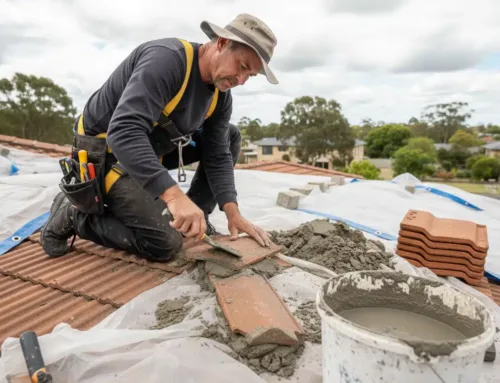
Correcting cheap repair damage often requires more extensive work than original proper repairs would have needed. Quality contractors must remove failed cheap repairs, address damage they caused, repair or replace components compromised by ongoing problems, and then execute proper lasting solutions.
This remediation work costs substantially more than straightforward original repairs. Removing failed work, correcting its damage, and redoing everything properly might cost double or triple original quality repair pricing. Homeowners end up paying for cheap repairs that failed plus significantly more expensive proper repairs – the worst possible financial outcome.
Property Value Impact
Visible roof problems, ongoing leaks, or evidence of repeated poor repairs reduce property values and deter potential buyers. Home inspections revealing cheap repair attempts raise concerns about overall property maintenance and hidden problems, triggering price negotiations or buyer withdrawal.
Proper roof maintenance and quality repairs protect property values while demonstrating responsible ownership. This preservation of asset value represents financial benefit beyond immediate repair cost considerations, particularly important for homeowners planning future sales.
The Importance of Quality Materials
Material quality fundamentally determines roof repair longevity, performance, and value. While premium products cost more initially, their superior characteristics deliver better long-term value through extended lifespan and reliable performance.
Climate-Appropriate Material Selection
Perth’s extreme climate demands materials engineered for harsh conditions. Intense UV radiation degrades inferior products rapidly, while quality materials incorporate UV stabilizers maintaining properties despite relentless sun exposure. Thermal cycling between scorching days and cool nights stresses materials through constant expansion and contraction – quality products accommodate this movement while cheap alternatives crack and fail.
Professional roof coatings like Dulux Acratex systems specifically address Australian climate challenges. These premium products resist UV degradation, maintain flexibility across wide temperature ranges, and provide superior weather protection compared to budget alternatives. While they cost more per litre, their extended lifespan and better performance deliver superior value.
Performance Under Stress
Roof materials must withstand occasional extreme conditions beyond typical weather patterns. Severe storms create wind uplift, driving rain, and impact from wind-borne debris. Quality materials maintain integrity during these events while inferior products fail catastrophically, creating emergency situations and expensive damage.
Hail resistance particularly varies between quality levels. Premium tiles and coatings resist impact damage that shatters cheap alternatives. Considering Perth’s occasional hail events, investing in impact-resistant materials prevents expensive replacement and interior damage from hail-related failures.
Longevity and Replacement Cycles
Quality materials lasting 15-20 years cost less annually than cheap alternatives requiring replacement every 3-5 years. Calculating cost per year of service reveals quality materials deliver better value despite higher purchase prices. This analysis excludes labour costs – quality materials requiring one installation versus cheap products needing multiple replacements dramatically favor quality through reduced labour expenses.
Extended material lifespan also reduces disruption, inconvenience, and project management time. Homeowners installing quality repairs enjoy years of problem-free service rather than repeatedly coordinating contractor visits, dealing with ongoing problems, and managing recurring expenses.
Warranty Coverage and Support
Premium materials typically include manufacturer warranties covering defects and premature failure. These warranties provide additional protection and demonstrate manufacturer confidence in product performance. Budget materials often lack meaningful warranty coverage, leaving homeowners fully exposed to failure risks.
Manufacturer technical support helps contractors troubleshoot unusual situations and ensures proper application procedures. This support benefits homeowners through more reliable installations meeting manufacturer specifications. Budget material suppliers typically offer minimal technical support, increasing installation error risks.
Compatibility and System Performance
Roof repairs work best when new materials properly integrate with existing systems. Quality materials engineered for compatibility with common roofing substrates ensure proper adhesion and long-term performance. Cheap alternatives might prove chemically incompatible with existing materials, causing premature failure regardless of other factors.
System thinking considers how multiple components work together rather than viewing individual materials in isolation. Quality contractors using compatible, proven material combinations deliver superior results compared to cheap operators mixing random products without consideration for system performance.
How to Spot a Reputable Roofing Contractor
Distinguishing quality contractors from cheap operators requires systematic evaluation beyond simply comparing quote prices. Multiple indicators reveal contractor reliability, quality standards, and long-term viability.
Credential and License Verification
Western Australian building regulations require appropriate licensing for roofing work above specified values. Verifying current registration through the Building Services Board website confirms legal operation. Licensed contractors face regulatory oversight and consumer protection obligations unavailable with unlicensed operators.
Current insurance certificates prove public liability and workers compensation coverage protecting homeowners from accidents and damage during work. Verbal assurances mean nothing – requesting actual certificate copies verifies coverage.
Reputation Research and Review Assessment
Online reviews across multiple platforms reveal patterns in customer satisfaction, quality standards, and business practices. Consistent positive feedback regarding quality, communication, and problem resolution indicates reliable contractors. Negative pattern s concerning poor quality, incomplete work, or dispute handling warrant serious caution.
Long business tenure suggests sustained success through customer satisfaction and quality work generating ongoing referrals. Established contractors with decades of Perth experience demonstrate proven reliability compared to recently formed businesses lacking track records.
Professional association memberships including Master Builders Association indicate commitment to industry standards and continuing education. These affiliations provide homeowner recourse through industry complaint processes unavailable with unaffiliated operators.
Reference Verification
Quality contractors readily provide recent customer references for similar work. Contacting references and asking detailed questions about quality, timeliness, communication, and overall satisfaction reveals actual contractor performance beyond marketing claims.
References hesitant to provide unqualified recommendations or expressing reservations warrant attention as potential warning signs. Quality contractors generate enthusiastic customer advocates happy to recommend services based on positive experiences.
Quote Detail and Transparency
Professional quotes itemize work scope, specify materials by brand and type, outline labour requirements, identify exclusions, explain payment terms, and detail warranty coverage. This comprehensive documentation eliminates ambiguity while demonstrating contractor thoroughness and transparency.
Vague quotes using general descriptions without specifics enable scope disputes and additional charges later. When quotes lack detail, requesting clarification before signing prevents misunderstandings while revealing contractor willingness to provide transparent information.
Communication Quality Assessment
Reputable contractors communicate clearly, answer questions thoroughly, explain technical concepts in accessible language, and proactively provide project updates. They welcome homeowner questions and concerns, viewing them as legitimate interest rather than inconvenient scrutiny.
Evasive answers, reluctance to provide written documentation, pressure tactics demanding immediate decisions, or dismissive responses to questions indicate problematic contractors likely to cause ongoing communication frustrations throughout projects.
Trust Instinct Recognition
Beyond objective criteria, homeowner instincts often detect concerning contractor behaviors that logical analysis might miss. Feelings of discomfort, pressure, or distrust deserve attention rather than dismissal. When something feels wrong, investigating further or selecting alternative contractors proves wise even when objective indicators seem acceptable.
Investing in Long-Term Solutions
Smart roofing investment prioritizes lasting solutions over temporary patches, addressing root causes comprehensively rather than masking symptoms through minimal interventions.
Comprehensive Problem Solving
Quality contractors investigate underlying issues causing visible problems rather than simply patching symptoms. Leaks receive thorough diagnosis identifying actual water entry points, failed components, and contributing factors. This comprehensive approach ensures repairs address fundamental problems, preventing recurrence.
Surface symptoms often mask deeper issues. Cracked tiles might indicate structural movement, inadequate support, or thermal stress from poor ventilation. Quality contractors recognize these deeper problems, recommending solutions addressing root causes alongside visible damage repair.
Preventative Maintenance Integration
Professional repairs include preventative measures reducing future problem likelihood. Upgrading inadequate drainage, improving ventilation, reinforcing vulnerable areas, and applying protective coatings prevent problems before they develop rather than simply responding to existing damage.
This proactive approach extends roof lifespan while reducing total ownership costs through problem prevention. Minor preventative investments during repairs prove far cheaper than addressing problems after they develop into serious damage.
Quality Standard Adherence
Professional contractors follow manufacturer specifications, industry best practices, and building code requirements. These standards exist because they produce reliable long-term results. Contractors deviating from specifications to save time or money compromise repair effectiveness and longevity.
Quality work might require more time and higher costs initially but delivers reliable performance meeting professional standards. Homeowners receive repairs they can trust rather than wondering when failures will occur.
Realistic Timeline Expectations
Quality work requires adequate time for proper preparation, careful execution, and appropriate curing or drying periods. Contractors promising unrealistically fast completion often cut corners or skip necessary steps. Professional timelines reflect actual work requirements, ensuring thoroughness rather than speed.
Homeowners should be wary of contractors offering same-day repairs for complex problems or promising completion timeframes significantly shorter than competitors quote. These accelerated schedules suggest quality compromises likely to produce inferior results.
Value Over Price Focus
Evaluating contractors and quotes based on total value delivered rather than purely initial cost leads to better outcomes. Consider expected repair lifespan, warranty coverage quality, material specifications, contractor reputation, and overall quality standards alongside pricing.
The cheapest quote typically delivers poorest value when total costs including failures and remediation get calculated. Mid-range to upper-range quotes from reputable contractors using quality materials usually provide best value through reliable long-term performance.
When Roof Restoration is the Better Option
Sometimes cheap repair temptation arises because roofs need more comprehensive attention than piecemeal repairs can effectively provide. Understanding when roof restoration Perth makes better economic sense prevents wasting money on insufficient repairs.
Cumulative Problem Assessment
Multiple repair needs across different roof areas suggest systemic issues requiring comprehensive solutions rather than isolated fixes. When quotes identify several problem areas or inspection reveals widespread deterioration, restoration addressing the entire roof often proves more cost-effective than multiple separate repairs.
Restoration provides opportunity to address all issues systematically while benefiting from economies of scale. Setting up once for comprehensive work costs less per repair than multiple separate projects each requiring setup, access equipment, and contractor mobilization.
Age and Condition Evaluation
Roofs approaching 15-20 years age with visible deterioration, frequent leak problems, or obvious wear benefit more from restoration than ongoing repairs. Continuing to patch aging roofs proves ultimately more expensive than single comprehensive restoration extending lifespan another 10-15 years.
Restoration includes thorough cleaning, comprehensive repairs, protective coatings, and systematic problem solving. This complete renewal addresses degradation across all roof components rather than repeatedly fixing individual failures while overall deterioration continues.
Cost-Benefit Analysis
Compare estimated ongoing repair costs over coming years against single restoration investment. When repair projections exceed 50-70% of restoration costs, restoration typically delivers better value through comprehensive solution and extended trouble-free period.
Restoration also eliminates ongoing disruption, repeated contractor coordination, and continuous problem management. These qualitative benefits beyond pure financial calculation often make restoration attractive even when repair costs appear lower on paper.
Property Value Considerations
Roof restoration significantly enhances property appearance and marketability compared to patched, worn roofs showing obvious repair attempts. This aesthetic improvement particularly benefits homeowners planning sales within 5-10 years.
Documented restoration also reassures buyers about roof condition and remaining lifespan, facilitating smoother transactions and supporting property valuations. These real estate benefits often justify restoration investments beyond immediate functional needs.
Insurance and Warranty Benefits
Comprehensive restoration typically includes substantial warranties covering materials and workmanship for 5-10 years. These warranties provide protection and peace of mind unavailable from piecemeal repairs. Some insurance policies also offer better terms or premiums for recently restored roofs versus those with documented ongoing problems.
Protecting Your Investment
Roofs represent major home investments deserving proper care through quality repairs, appropriate maintenance, and professional contractor selection. Protecting this investment requires resisting cheap repair temptation while prioritizing long-term performance.
Maintenance Prioritization
Regular roof maintenance prevents problems before they require expensive repairs. Annual inspections identify developing issues allowing timely intervention. Routine gutter cleaning, minor repairs, and protective treatments extend roof lifespan while avoiding major failures.
This preventative approach proves far cheaper than reactive repair strategies. Budgeting modest amounts annually for maintenance and minor repairs prevents accumulating deferred maintenance eventually requiring expensive comprehensive restoration or replacement.
Quality Commitment
Committing to quality standards throughout roof care – from contractor selection through material choices to repair thoroughness – delivers better long-term outcomes than cost-minimization strategies. Quality investments provide reliable protection, extended lifespan, and lower total ownership costs despite higher individual transaction prices.
This quality commitment extends to contractor relationships. Developing ongoing relationships with trusted roofing professionals ensures consistent quality standards and creates accountability beyond individual transactions. Contractors maintaining long-term customer relationships prioritize reputation over short-term profit through reliable quality work.
Informed Decision Making
Education about roofing fundamentals, common problems, quality indicators, and contractor evaluation helps homeowners make better decisions. Understanding why cheap options fail and what constitutes quality work enables appropriate contractor and solution selection.
Resources including manufacturer information, industry association guidelines, and professional contractor advice help homeowners navigate roofing decisions confidently. Investment in this knowledge pays dividends through better decisions protecting property investments.
Conclusion
The false economy of cheap roof repairs proves expensive through failures, collateral damage, and remediation costs far exceeding quality work investments. While low quotes appear attractive initially, understanding typical shortcuts, common failures, and true total costs reveals why quality repairs deliver better value despite higher initial pricing.
Protecting Perth homes requires resisting cheap repair temptation while selecting reputable contractors using quality materials and proper techniques. This investment in quality provides reliable long-term performance, extended roof lifespan, and lower total ownership costs through problem prevention rather than repeated cheap repair failures.
Smart homeowners evaluate roofing investments based on comprehensive value including reliability, longevity, warranty protection, and total costs rather than focusing solely on lowest initial quotes. This value-oriented approach, combined with reputable contractor selection and quality standard commitment, ensures roofing investments protect homes effectively for decades rather than failing within months.
Ready to invest in quality roof repairs delivering lasting value and reliable protection? Contact us on (08) 9249 5955 today for professional assessment and comprehensive solutions that protect your Perth home properly the first time.
Next Steps:
Obtain professional assessment: Schedule thorough roof inspection identifying all problems and determining whether repairs or restoration provides better value.
Request detailed quality quotes: Compare comprehensive proposals from reputable contractors specifying quality materials, proper procedures, and realistic timelines.
Verify contractor credentials: Confirm licensing, insurance coverage, professional memberships, and reputation before making selections.
Evaluate total value: Consider long-term performance, warranty coverage, and comprehensive solutions rather than focusing solely on lowest prices.
Commit to quality standards: Select contractors and materials delivering reliable results through proven quality rather than accepting cheap alternatives destined for failure.
Understanding true costs and long-term implications helps Perth homeowners make informed roofing decisions protecting both properties and budgets through quality investments that last.