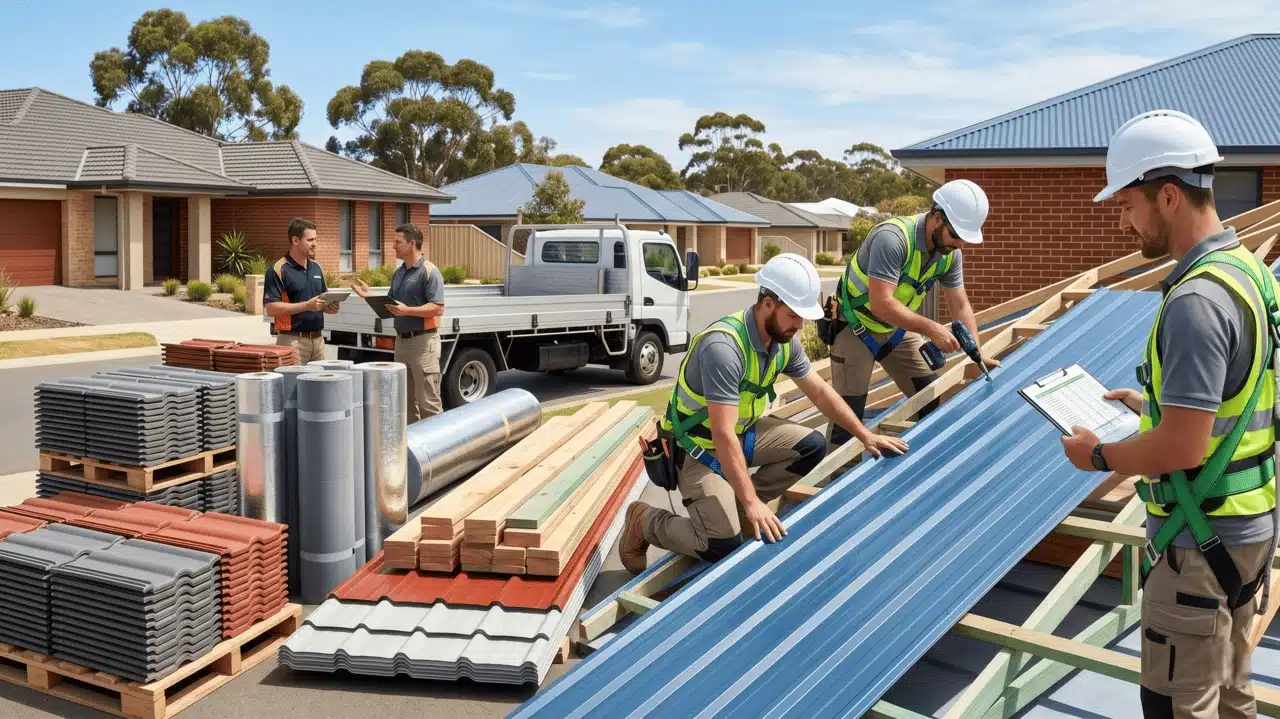
Understanding roofing costs represents a critical concern for Western Australian homeowners planning roof repairs, restoration, or replacement projects. When evaluating quotes for roofing work, the costs break down into two primary components: labour and materials. Each element significantly impacts the overall investment, and understanding where money goes helps homeowners make informed decisions about their roof projects.
Western Australia’s unique climate conditions, building standards, and market factors all influence roofing costs in WA. From the harsh sun exposure that accelerates roof deterioration to the specific materials that perform best in local conditions, multiple variables affect pricing. The state’s extreme temperature fluctuations, occasional severe storms, and prolonged dry periods create unique challenges that impact both material selection and labour requirements.
This comprehensive guide breaks down labour and material costs, explains what drives pricing differences, and provides practical advice for getting the best value from roofing investments. Homeowners who understand these cost factors can confidently evaluate quotes, ask informed questions, and make decisions that balance immediate expenses with long-term value and performance.
The Two Big Components: Labour and Materials
When receiving quotes for roof repairs in Perth or comprehensive roof restoration services, the breakdown typically shows two main cost categories: labour and materials. Labour covers the skilled work performed by roofing professionals, while materials include everything from tiles and coatings to fixings and sealants that go onto the roof.
Understanding this cost breakdown enables homeowners to evaluate quotes more effectively. A fair price reflects both quality materials and skilled workmanship – the two factors that determine whether a roofing project delivers long-term value or requires premature repairs. Some quotes might appear lower initially but use inferior materials or inexperienced labour, ultimately costing more through repeated repairs and shortened roof lifespan.
Transparent roofing companies provide detailed breakdowns showing exactly what homeowners pay for in each category. This transparency allows for meaningful quote comparisons and helps identify where companies might cut corners to offer artificially low prices.
Labour Costs: What Homeowners Pay For
Labour costs encompass far more than simple manual work. Several factors determine labour rates for roofing projects across Western Australia, and understanding these elements helps homeowners appreciate the value skilled professionals provide.
Skill and Experience
Professional roofing expertise commands appropriate pricing. Experienced roof specialists identify potential problems early, handle complex situations efficiently, and complete work safely to Australian standards. Years of experience translate to fewer mistakes, faster completion times, and superior results that extend roof lifespan.
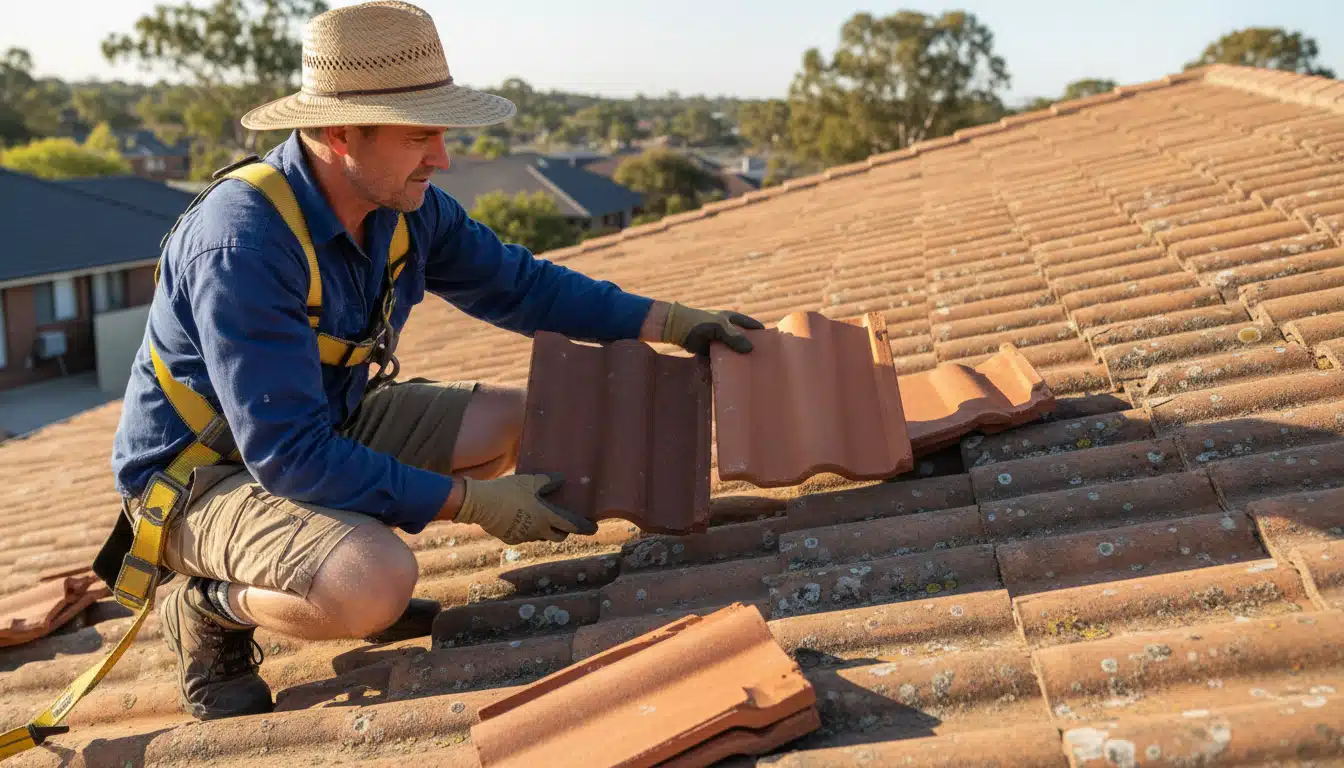
Qualified professionals understand WA’s specific building codes, weather challenges, and material performance characteristics. This expertise prevents costly errors that inexperienced contractors might make, ultimately saving homeowners money despite higher hourly rates. Proper training in working at heights, safety protocols, and building regulations ensures compliance with all legal requirements while protecting both workers and property owners.
Professional roofers invest considerable time and money in ongoing training, certification maintenance, and skill development. This commitment to excellence reflects in their work quality and justifies premium labour rates compared to unlicensed or inexperienced operators who might offer lower prices but deliver substandard results.
Complexity of the Job
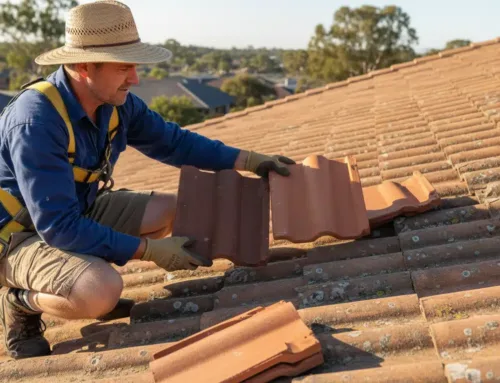
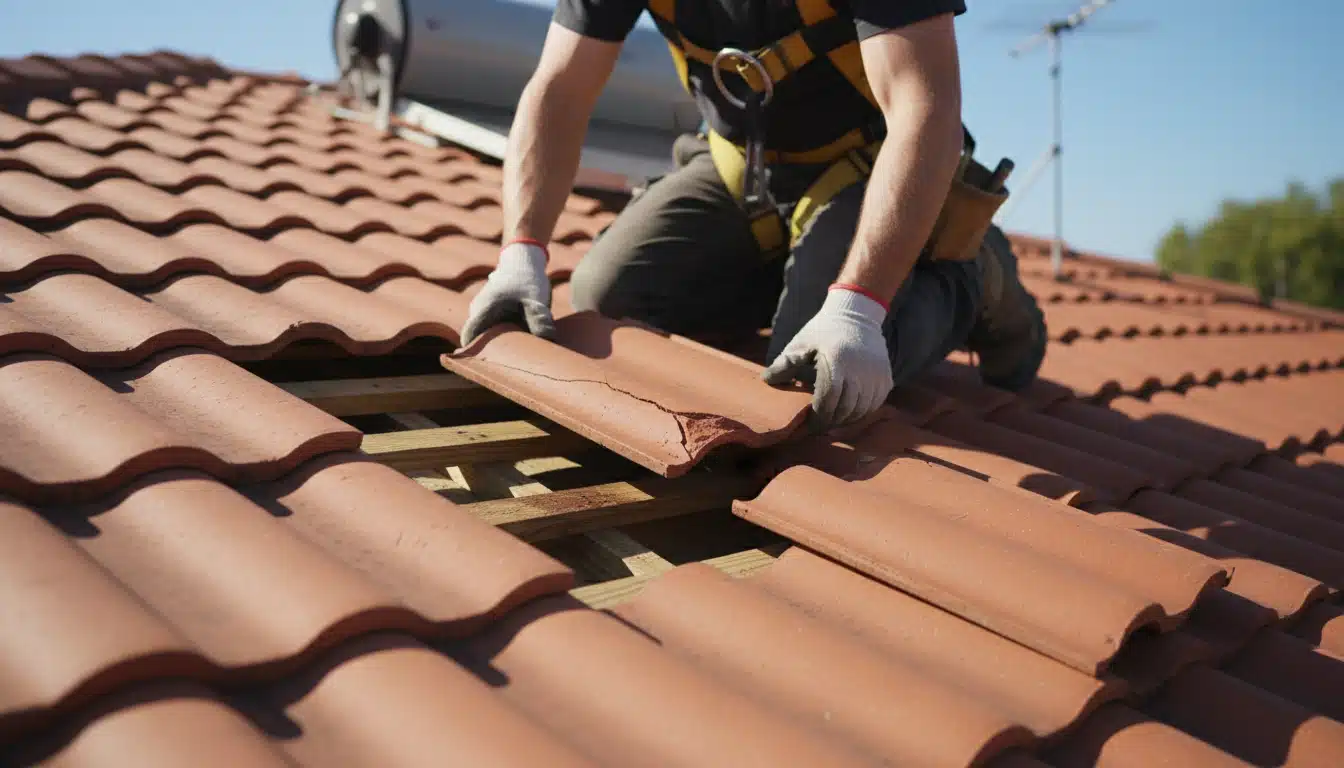
Simple roof repairs cost significantly less in labour than comprehensive roof tile restoration projects. Roof complexity directly impacts labour requirements – complicated designs, multiple roof planes, steep pitches, or difficult-to-reach areas all increase the time and skill needed to complete quality work.
Restoration projects that involve cleaning, repairs, coating application, and finishing work require more labour hours than straightforward repairs. The scope of work, roof size, and project complexity all factor into labour cost calculations. A complete restoration might require several days of work with multiple team members, whereas minor repairs might take just a few hours.
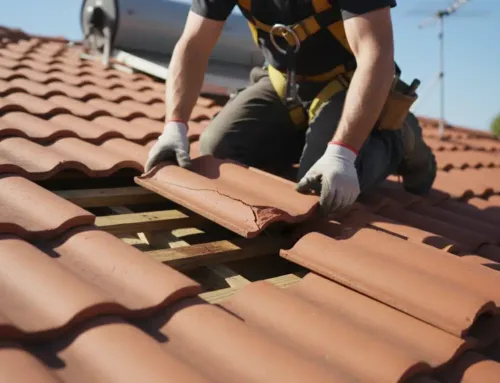
Different roof types also demand varying skill levels and labour time. Tile roofs require careful handling to prevent breakage, metal roofs need specialised fastening techniques, and older roofs might present unexpected challenges once work begins. Experienced contractors factor these considerations into quotes to avoid surprises that could delay projects or inflate costs.
Overhead and Insurance
Reputable roofing companies like Permacoat maintain proper insurance coverage, current licensing, quality equipment, and trained staff. These business overheads get factored into labour rates but provide essential protection for homeowners. Insurance coverage protects property owners from liability if accidents occur, while proper licensing ensures work meets regulatory standards.
Equipment costs, vehicle maintenance, safety gear, and continuing education for staff all contribute to overhead expenses. These costs ensure professional service delivery and compliance with WA building regulations. Quality companies invest in modern equipment that improves efficiency and safety, including scaffolding, safety harnesses, power tools, and specialised roofing equipment.
Administrative costs, warranty support, customer service, and proper business management also factor into labour rates. These overheads separate professional roofing companies from cash-in-hand operators who might offer cheaper rates but provide no recourse if problems arise after project completion.
Material Costs: What Goes Into Your Roof
Material selection significantly impacts roofing costs in WA. The products chosen for a roofing project affect both immediate expenses and long-term performance. Understanding material options helps homeowners make informed decisions that balance upfront costs with durability and maintenance requirements.
Type of Roofing Material
Different roofing materials carry distinct price points. Terracotta tiles, metal roofing, Colorbond steel, concrete tiles, and slate all vary in cost per square metre. Terracotta tiles typically represent the premium option, offering exceptional durability and aesthetic appeal but commanding higher prices. Colorbond metal roofing provides excellent performance at moderate cost, making it popular across Perth and regional WA.
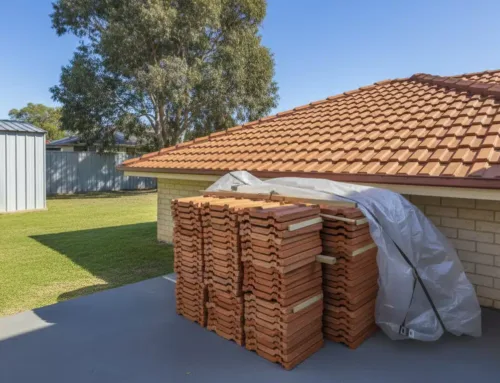
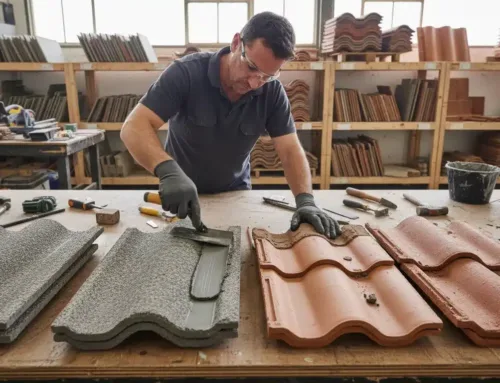
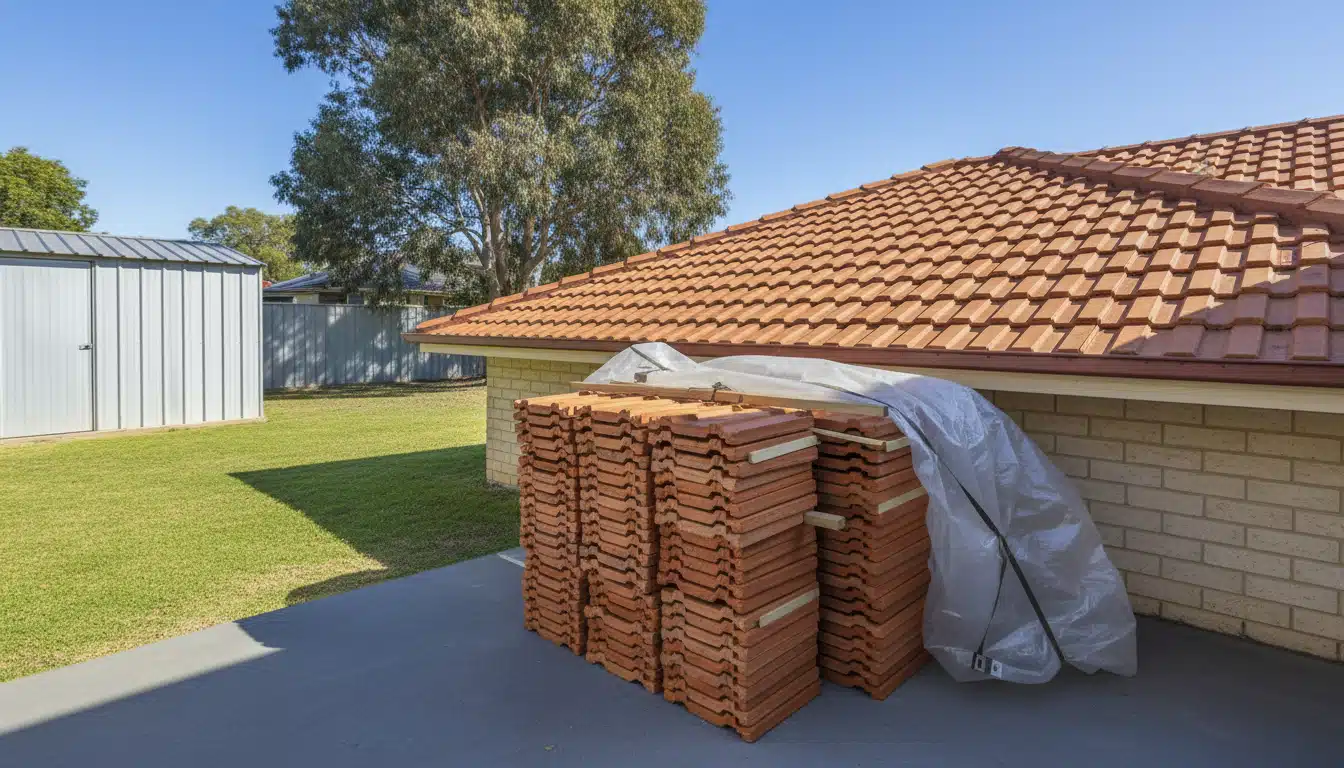
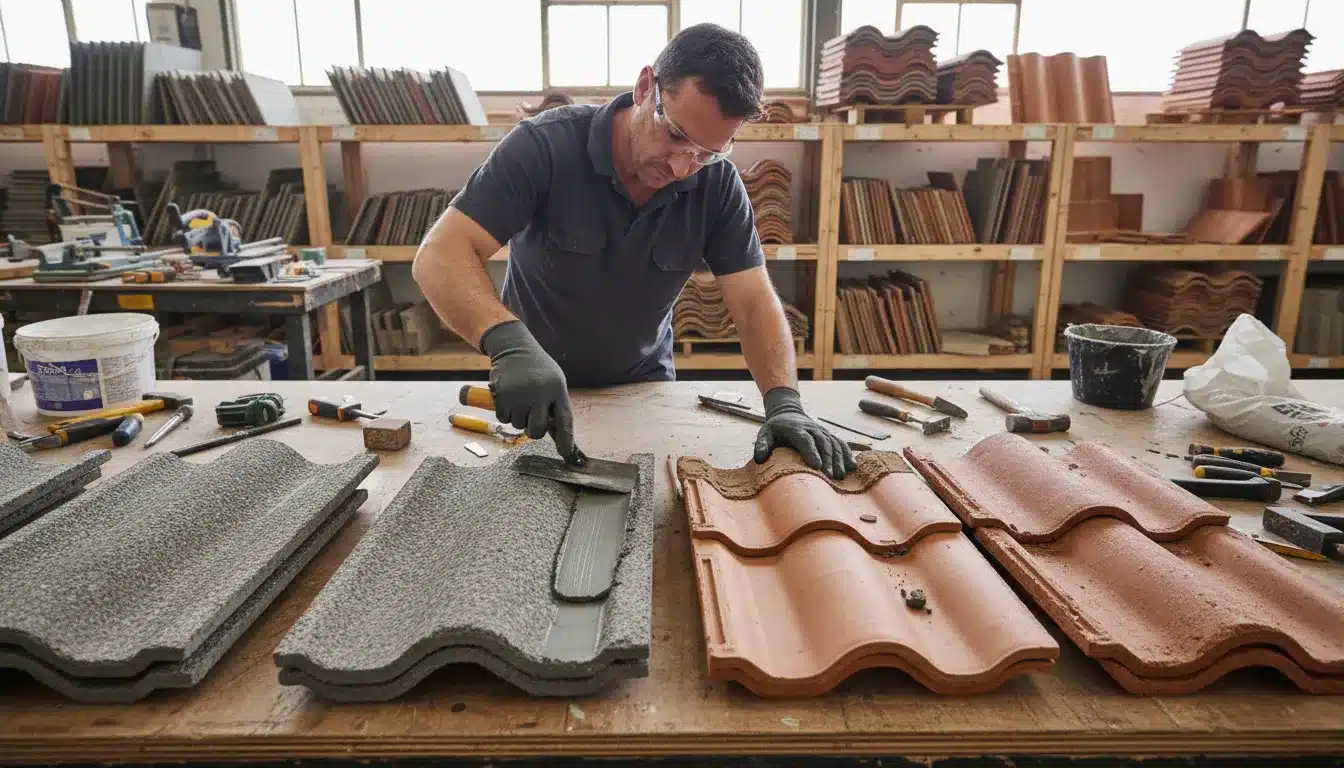
Tile roof projects might require sourcing specific replacement tiles to match existing roofs, affecting material costs. Discontinued tile profiles or colours sometimes necessitate special orders or custom manufacturing, increasing expenses. Metal roofing typically costs less than premium tile options but offers different aesthetic and performance characteristics.
Concrete tiles provide a middle-ground option, delivering good performance at reasonable cost. However, concrete tiles require more maintenance than terracotta or metal alternatives and may need repainting more frequently in WA’s harsh sun exposure. Slate roofing offers unmatched longevity and beauty but represents the highest initial material investment.
Material selection should consider Perth’s climate conditions, the home’s architectural style, and long-term maintenance requirements. Each material type performs differently under WA’s intense sun exposure and occasional severe weather events. Some materials better suit contemporary homes, while others complement traditional architecture.
Quality Matters
Budget materials might reduce upfront costs but typically require earlier replacement or more frequent repairs. Premium materials cost more initially but deliver superior longevity and performance. Quality roof coatings like Dulux Acratex products withstand Western Australia’s harsh sun exposure better than cheaper alternatives, providing better long-term value.
Material quality affects how well roofs resist fading, cracking, and weather damage. Premium products typically include better warranties and proven performance records in Australian conditions. High-quality paints and coatings maintain colour integrity and protective properties for years longer than budget alternatives, reducing the frequency and cost of maintenance.
The difference between quality and budget materials often involves advanced formulations, better raw materials, and rigorous quality control. Premium coatings incorporate superior UV inhibitors, flexible resins that accommodate thermal expansion, and advanced adhesion technology that ensures long-lasting bonds. These technical advantages translate to roofs that look better and perform reliably for decades rather than requiring attention every few years.
Manufacturers of premium materials invest heavily in research and development, testing products under extreme Australian conditions to ensure reliable performance. This investment in quality control and product development justifies higher material costs while delivering peace of mind that roofs will withstand WA’s challenging climate.
Waste and Contingency
Professional roofers factor material waste into quotes. Every project generates some offcuts, damaged pieces, and unusable materials. Standard practice includes a waste allowance of 10-15% depending on roof complexity and material type. Complex roofs with multiple angles, valleys, and penetrations generate more waste than simple rectangular roofs.
Material quotes also include contingency allowances for unexpected issues discovered during work. Hidden damage, additional repairs needed, or unforeseen complications might require extra materials beyond initial assessments. Experienced contractors include reasonable contingencies to avoid project delays or disputes when unexpected problems arise.
Proper waste calculation prevents material shortages that could delay projects while additional supplies are ordered. However, excessive waste allowances unnecessarily inflate costs. Reputable contractors balance realistic waste expectations with efficient material usage to provide fair pricing.
Factors Influencing Overall Roofing Costs in WA
Beyond basic labour and material expenses, several additional factors affect final roofing project costs across Western Australia. Understanding these variables helps homeowners anticipate accurate pricing and identify why quotes might vary between properties.
Roof Size and Pitch
Larger roofs require proportionally more materials and labour hours, directly increasing costs. Roof pitch (slope angle) also impacts pricing significantly – steep roofs present safety challenges, require specialised equipment, and take longer to work on safely. Workers on steep roofs move more slowly and carefully, extending project timelines and increasing labour costs.
Flat or low-pitch roofs typically cost less in labour than steep-pitched roofs due to easier access and safer working conditions. However, flat roofs present their own challenges, including drainage considerations and different waterproofing requirements. Complex roof designs with multiple valleys, hips, and penetrations require more time and materials than simple gable roofs, adding to overall project costs.
Measuring roof size accurately requires accounting for all planes, overhangs, and features. Simple ground measurements don’t capture the true surface area of complex roofs. Professional estimates include proper calculations that account for pitch, which increases actual roof area compared to building footprint.
Accessibility
Roof accessibility significantly affects labour costs. Properties with limited access, surrounding trees, overhead power lines, or nearby structures require extra precautions and time. Difficult access might necessitate specialised equipment like scaffolding or elevated work platforms, increasing costs substantially.
Ground-level access, parking availability for equipment, and space for material storage all impact project efficiency and pricing. Easy access reduces costs while challenging sites increase them. Properties in dense urban areas with restricted parking or tight access might require additional labour to manually transport materials from street level to the roof.
Overhead obstructions like power lines require careful coordination with utility companies and additional safety measures. Trees overhanging roofs might need trimming before work can proceed safely. These accessibility considerations affect both project timelines and costs.
Time of Year
Seasonal factors influence roofing costs in WA. The rainy season can delay outdoor work, potentially extending project timelines and associated costs. While Perth experiences relatively dry conditions most of the year, winter months bring increased rainfall that can interrupt roofing projects, particularly during critical stages like coating application.
Summer’s extreme heat might require early morning or late afternoon work schedules to protect worker safety and material performance. Some coatings and adhesives perform best within specific temperature ranges, limiting work hours during peak summer heat. These scheduling constraints can extend project duration and affect pricing.
Demand for roofing services fluctuates throughout the year. Peak seasons typically see higher demand and potentially higher prices, while quieter periods might offer more competitive pricing. Planning projects during off-peak times can sometimes reduce costs and ensure faster scheduling.
Getting the Best Value for Your Money
Smart homeowners take specific steps to ensure fair pricing and quality outcomes for roofing investments. Following these guidelines helps identify reputable contractors and avoid common pitfalls that lead to disappointing results or inflated costs.
Get Multiple Quotes
Obtaining at least three detailed quotes from different roofing companies provides valuable market insight. Multiple quotes reveal average pricing for specific work, helping identify unusually high or suspiciously low estimates. Quotes should detail labour costs, materials specified, project scope, timelines, and warranty terms for accurate comparison.
Comparing quotes helps homeowners understand what represents fair value in the current market while revealing which companies offer the best combination of quality and pricing. However, comparing quotes requires careful attention to details – the lowest price often reflects inferior materials, limited warranties, or inexperienced labour that ultimately costs more through poor results.
Look for quotes that clearly itemise all costs, specify exact materials to be used (including brand names and product lines), outline the work scope in detail, and provide realistic timelines. Vague quotes lacking specific details might hide inferior approaches or leave room for disputes about what’s included in the quoted price.
Check References and Reviews
Before hiring any roofing contractor, verify their reputation through references and online reviews. Speaking with previous customers provides insights into work quality, professionalism, timeline adherence, and problem resolution. Ask specific questions about communication, site cleanliness, final results, and how the company handled any unexpected issues.
Online reviews across multiple platforms help identify consistent patterns in service delivery. Look for reviews that mention specific details rather than generic praise or complaints. Recent reviews matter more than older ones, as company quality can change over time with ownership or staff changes.
Reputable companies willingly provide references and maintain strong review profiles reflecting their commitment to customer satisfaction. Be cautious of contractors who can’t provide references or whose reviews reveal patterns of disputes, poor communication, or quality problems.
Look for Warranties
Quality roofing companies stand behind their work with comprehensive warranties covering both materials and workmanship. Warranty coverage protects homeowners if problems develop after project completion. Roof restoration and roof painting services should include clear warranty terms detailing coverage duration and conditions.
Material manufacturers also provide warranties on their products. Understanding both workmanship and material warranty coverage helps assess the total value proposition of different quotes. Some warranties require regular maintenance or specific conditions to remain valid – read warranty terms carefully before committing to any contractor.
Longer warranties typically indicate greater confidence in materials and workmanship quality. However, warranty value depends on the company remaining in business to honour claims. Established companies with long operating histories provide more reliable warranty protection than new operators who might disappear before warranty periods expire.
The Long-Term Investment: Why Quality Pays Off
While budget options might seem attractive initially, quality roofing materials and professional workmanship deliver superior long-term value. Roofs protect families and properties from WA’s harsh weather conditions – this critical function justifies appropriate investment in quality.
Cheap materials or substandard workmanship typically require repairs or replacement sooner than quality installations. The money saved upfront often gets spent multiple times over on premature repairs, ultimately costing more than investing in quality from the start. A roof installed with premium materials by experienced professionals might cost 20-30% more initially but last twice as long as a budget alternative, delivering dramatically better value.
Quality roof coatings protect homes like sunscreen protects skin – proper protection prevents damage that costs far more to repair than prevent. Well-executed roofing work using premium materials provides decades of reliable protection, maintains property values, and eliminates the stress and expense of repeated repairs. The cost difference between budget and quality options often represents only a small percentage of total project costs but delivers dramatically different long-term outcomes.
Consider the total cost of ownership rather than just initial expense. A $5,000 roof that needs replacing after 8 years costs more over 20 years than a $7,000 roof lasting 25 years. Factor in the inconvenience, disruption, and stress of dealing with premature roof failures when evaluating options.
Professional roofing companies understand that their reputation depends on delivering lasting value to customers. This alignment of interests ensures quality-focused companies recommend appropriate solutions rather than simply the cheapest options. Building long-term customer relationships through quality work generates more business value than maximising profit on individual projects through corner-cutting.
Common Cost Misconceptions in WA Roofing
Several misconceptions about roofing costs in WA lead homeowners to make poor decisions or hold unrealistic expectations. Understanding these common myths helps set appropriate expectations and avoid disappointing outcomes.
Misconception 1: All Roofing Companies Charge the Same Pricing varies significantly between contractors based on experience, reputation, overhead costs, and business model. Established companies with proper insurance and trained staff necessarily charge more than unlicensed operators working from their truck. This price difference reflects real value in reliability, quality, and protection.
Misconception 2: The Cheapest Quote Represents the Best Value The lowest quote often indicates inferior materials, inexperienced labour, or inadequate insurance coverage. Contractors offering significantly lower prices than competitors typically cut corners somewhere – whether materials, safety, insurance, or workmanship. These shortcuts ultimately cost homeowners more through poor results.
Misconception 3: Roofing Costs Should Remain Stable Year-Round Material costs fluctuate with commodity prices, demand varies seasonally, and weather affects project timing. Expecting identical pricing regardless of timing ignores market realities. Understanding these variations helps homeowners plan projects strategically.
Misconception 4: Small Companies Always Charge Less While overhead might be lower, small operations often lack buying power for materials, specialised equipment, or experienced staff. Company size matters less than reputation, experience, and transparent pricing practices.
Key Takeaways
Understanding labour and material cost breakdowns enables informed decision-making about roofing investments. Roofing costs in WA reflect multiple factors including professional expertise, material quality, project complexity, and market conditions.
Several key principles guide smart roofing investment decisions:
- Labour costs reflect valuable expertise, experience, and business overheads that protect homeowners
- Material quality significantly impacts long-term performance and cost-effectiveness
- Factors like roof size, pitch, accessibility, and seasonal timing all influence overall pricing
- Multiple quotes, thorough reference checks, and warranty verification help ensure fair value
- Quality materials and professional workmanship deliver superior long-term value compared to budget alternatives
- Perth’s climate conditions require materials specifically suited to harsh sun exposure and occasional severe weather
- Total cost of ownership over decades matters more than initial project expense
Roofing represents a significant investment in property protection and value. Understanding what drives costs helps homeowners make confident decisions that balance immediate expenses with long-term value and performance. Smart homeowners look beyond initial quotes to evaluate the complete value proposition including warranties, reputation, and expected lifespan.
Next Steps
Homeowners concerned about roof condition or planning roofing projects should take these practical steps to ensure successful outcomes:
Get a Professional Roof Inspection: Professional inspections identify current roof condition, potential problems, and recommended maintenance or repairs. Early problem detection prevents minor issues from becoming expensive emergencies. Many roofing companies offer free inspections, providing valuable information without obligation.
Obtain Detailed Quotes: Request comprehensive written quotes from reputable roofing companies detailing all work, materials, timelines, and warranty coverage. Detailed quotes enable accurate comparisons and prevent misunderstandings about project scope or final costs.
Consider Roof Restoration: Roofs showing age but remaining structurally sound often benefit from restoration rather than replacement. Restoration adds years to roof life while improving appearance and performance at a fraction of replacement costs. This option delivers excellent value for roofs in fair to good condition.
Explore Roof Painting Options: Modern roof painting with heat-reflective technology reduces energy costs by deflecting heat away from homes. This improvement enhances comfort while making roofs look pristine. Cool roof coatings can reduce indoor temperatures and lower air conditioning costs during Perth’s hot summers.
Plan Projects During Optimal Timing: Consider scheduling roofing work during periods of mild weather and lower demand to potentially reduce costs and ensure faster completion. Spring and autumn typically offer ideal conditions for roofing projects in WA.
For professional assessment and transparent pricing on roofing projects, contact us on (08) 9249 5955 to schedule a comprehensive roof inspection. Experienced roofing specialists provide honest assessments and fair quotes for all roofing needs across Perth and Western Australia.