Perth homeowners know the feeling. Stepping into a stifling roof cavity on a 38°C summer day feels like entering an oven. The metal roof above radiates heat downward. Air conditioning systems work overtime and energy bills spike. This isn’t just discomfort. It’s measurable thermal stress that affects both building performance and household budgets.
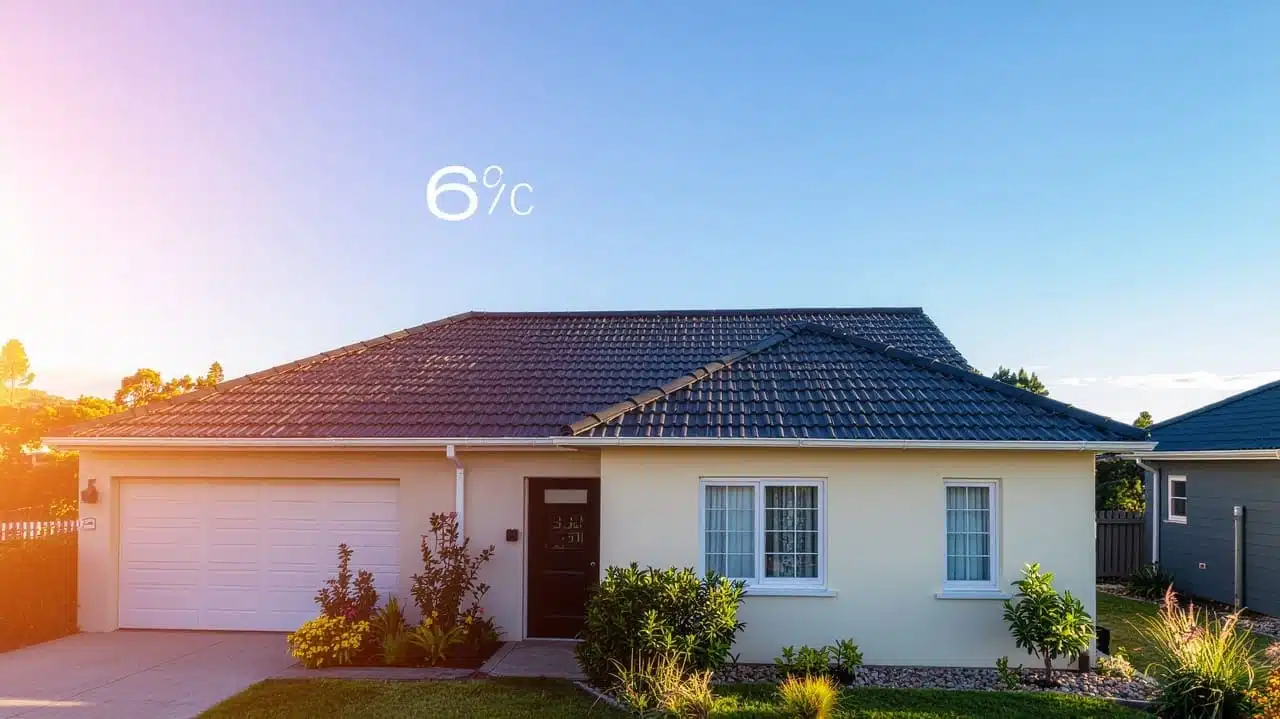
Cool Smart Technology addresses this problem with quantifiable results. Independent thermal imaging data from Perth properties shows roof surface temperature reductions of up to 15°C. This occurs when comparing treated surfaces to untreated areas. These aren’t marketing claims. They’re verified measurements taken under identical conditions on the same roofs.
The data reveals something significant. Heat reflective coating data collected across Perth’s diverse climate zones consistently demonstrates results. Advanced coating systems don’t just protect roof surfaces. They fundamentally change how buildings respond to solar radiation.
Understanding Roof Temperature Challenges in Perth
Summer Heat Impact on Buildings
For a city that experiences 3,200+ hours of sunshine annually, this technology represents a measurable shift. Summer roof surface temperatures exceed 70°C regularly. Advanced thermal management proves essential for both comfort and energy efficiency.
The thermal stress created by Perth’s climate isn’t abstract. Homeowners experience it through elevated cooling costs, reduced air conditioning efficiency, and uncomfortable living spaces during peak summer months. Understanding the magnitude of temperature differentials helps property owners evaluate solutions.
Measurable Thermal Stress
Roof surfaces absorbing solar radiation throughout summer days transfer that heat into roof cavities and eventually into living spaces. Standard roofing materials and conventional coatings offer minimal resistance to this heat transfer. The cumulative effect creates indoor environments requiring constant mechanical cooling to maintain comfort.
Cool Smart Technology Results
Advanced coating formulations change this equation fundamentally. By reflecting solar radiation rather than absorbing it, and rapidly releasing any absorbed heat, these systems prevent thermal energy from penetrating building envelopes. The temperature reductions are measurable, consistent, and sustained throughout Perth’s demanding summer season.
Perth Sunshine Hours Challenge
The 3,200+ annual sunshine hours Perth experiences create relentless solar loading on roof surfaces. Unlike climates with frequent cloud cover or seasonal variation, Perth roofs face consistent UV exposure and heat stress for extended periods. This makes thermal management not a luxury but a necessity for comfortable, energy-efficient homes.
The Science Behind Surface Temperature Reduction
Two Primary Mechanisms
Heat reflective coatings work through two primary mechanisms. Solar reflectance and thermal emittance deliver measurable results. Solar reflectance measures how much sunlight bounces off the surface rather than being absorbed. Thermal emittance indicates how efficiently the surface releases absorbed heat.
Standard dark roof coatings typically achieve solar reflectance values between 5-20%. This means they absorb 80-95% of solar radiation. Cool Smart Technology formulations achieve reflectance values of 75-85%. This fundamentally reverses this equation. The roof surface still receives the same solar exposure. The coating redirects the majority of that energy rather than converting it to heat.
Solar Reflectance Performance
The thermal emittance component matters equally. Even when some heat is absorbed, high-emittance coatings release it quickly. This prevents heat conducting through roof substrates into living spaces. This dual-action approach works effectively. Reflect first, then release what’s absorbed. This creates the measurable temperature differentials documented in Perth applications.
Thermal Emittance Importance
The 15°C reduction figure represents the difference between treated and untreated roof sections. These are measured simultaneously under identical conditions. On a day when untreated Colorbond surfaces reach 72°C, adjacent Cool Smart-treated areas measure 57°C. This isn’t a theoretical calculation. It’s direct thermal imaging comparison using calibrated equipment.
Measured Temperature Differentials
The consistency of these measurements across diverse property types, roof materials, and Perth locations validates the technology’s effectiveness. The temperature reductions aren’t dependent on specific conditions or ideal circumstances. They represent typical performance under normal Perth summer conditions.
Perth Climate Conditions and Testing Parameters
Ideal Testing Environment
Perth’s Mediterranean climate creates ideal conditions for documenting heat reflective coating performance. Summer months deliver consistent solar radiation and minimal cloud cover. Ambient temperatures regularly exceed 35°C. These conditions allow for controlled data collection. Variables that complicate thermal testing in more changeable climates don’t interfere.
Testing conducted across Perth properties between December and February captures peak thermal stress periods. Measurements taken at 2:00 PM provide the most dramatic temperature differentials. Solar radiation reaches maximum intensity at this time. However, data collected throughout daylight hours shows sustained performance. Treated surfaces maintain 8-12°C lower temperatures even during morning and late afternoon periods.
Testing Methodology
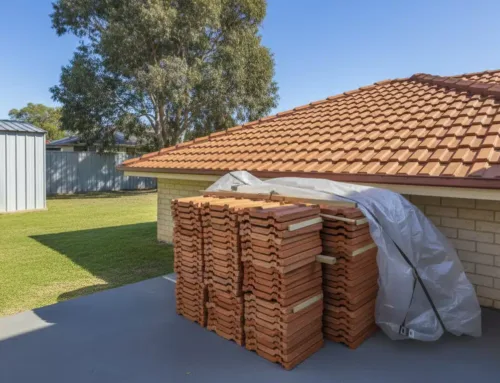
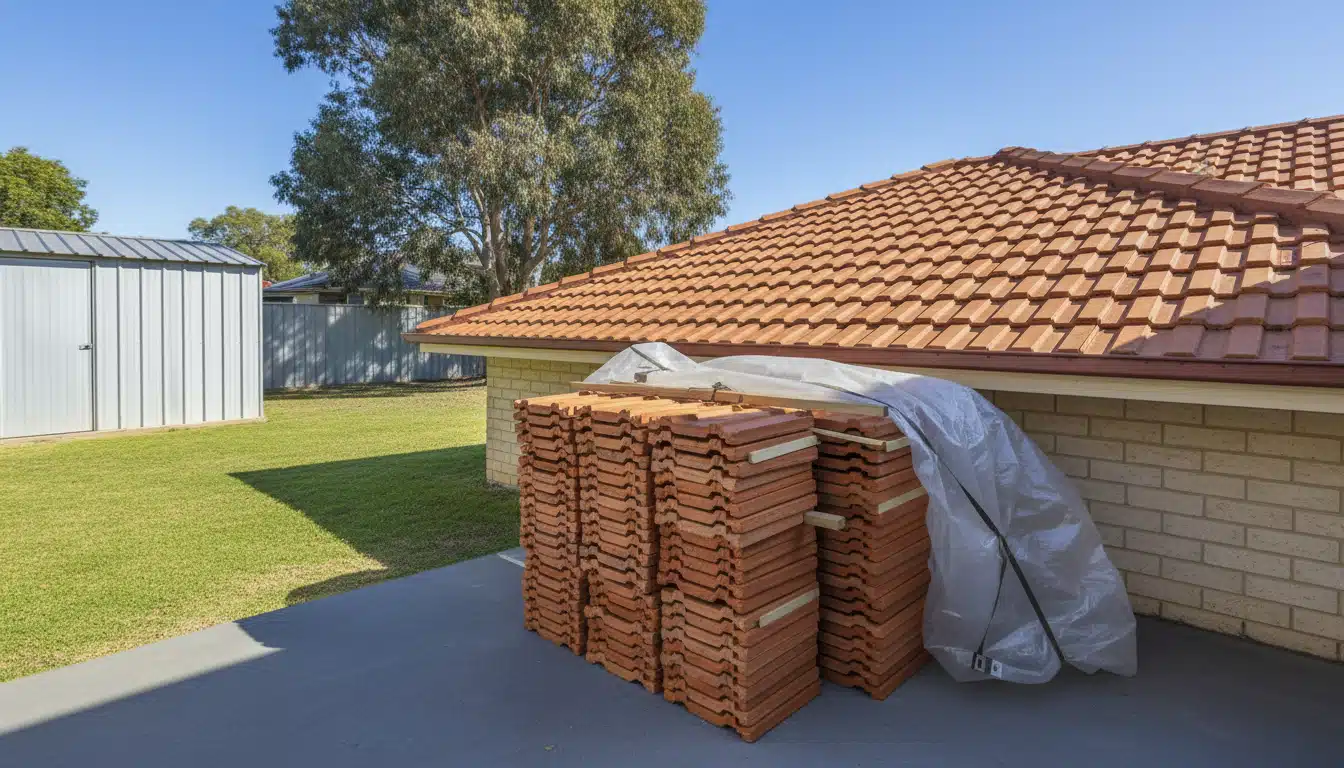
The properties included in performance testing represent Perth’s common roof types. Colorbond metal roofing in coastal suburbs gets tested. Terracotta tiles in established areas receive evaluation. Concrete tiles across newer developments undergo assessment. Each substrate responds differently to solar radiation. Cool Smart Technology demonstrates consistent temperature reduction across all materials.
Sustained Performance Throughout Day
Coastal properties from Scarborough to Mandurah show identical thermal performance to inland locations. Midland and Ellenbrook properties demonstrate the same results. This indicates that the technology performs independently of microclimate variations. The coating’s reflective properties function based on solar radiation exposure. Ambient air temperature doesn’t affect performance significantly.
Diverse Property Testing
The testing scope encompasses residential properties across Perth’s metropolitan area, ensuring data represents typical homeowner experiences rather than ideal showcase installations. This comprehensive approach validates performance claims through real-world verification.
Consistent Results Across Locations
Geographic consistency matters because it demonstrates the technology’s reliability regardless of specific site conditions. Whether facing coastal salt exposure, inland heat extremes, or varied architectural styles, the thermal performance coating delivers documented temperature reductions.
Documented Temperature Reduction Across Roof Types
Metal Roofing Performance
Metal roofing provides the most dramatic temperature reduction data. Untreated surfaces reach the highest baseline temperatures. Dark Colorbond roofs in colours like Monument or Night Sky routinely measure 70-75°C on summer afternoons. After Cool Smart application, these same surfaces measure 55-60°C under identical conditions.
The roof painting services applied to metal roofing create an immediate thermal barrier. Unlike tile roofs where air gaps provide some insulation, metal roofing conducts heat directly. Heat transfers to roof battens and ceiling insulation. Reducing surface temperature by 15°C translates to measurably lower ceiling cavity temperatures. These typically run 6-8°C cooler than pre-treatment measurements.
Immediate Thermal Barrier Creation
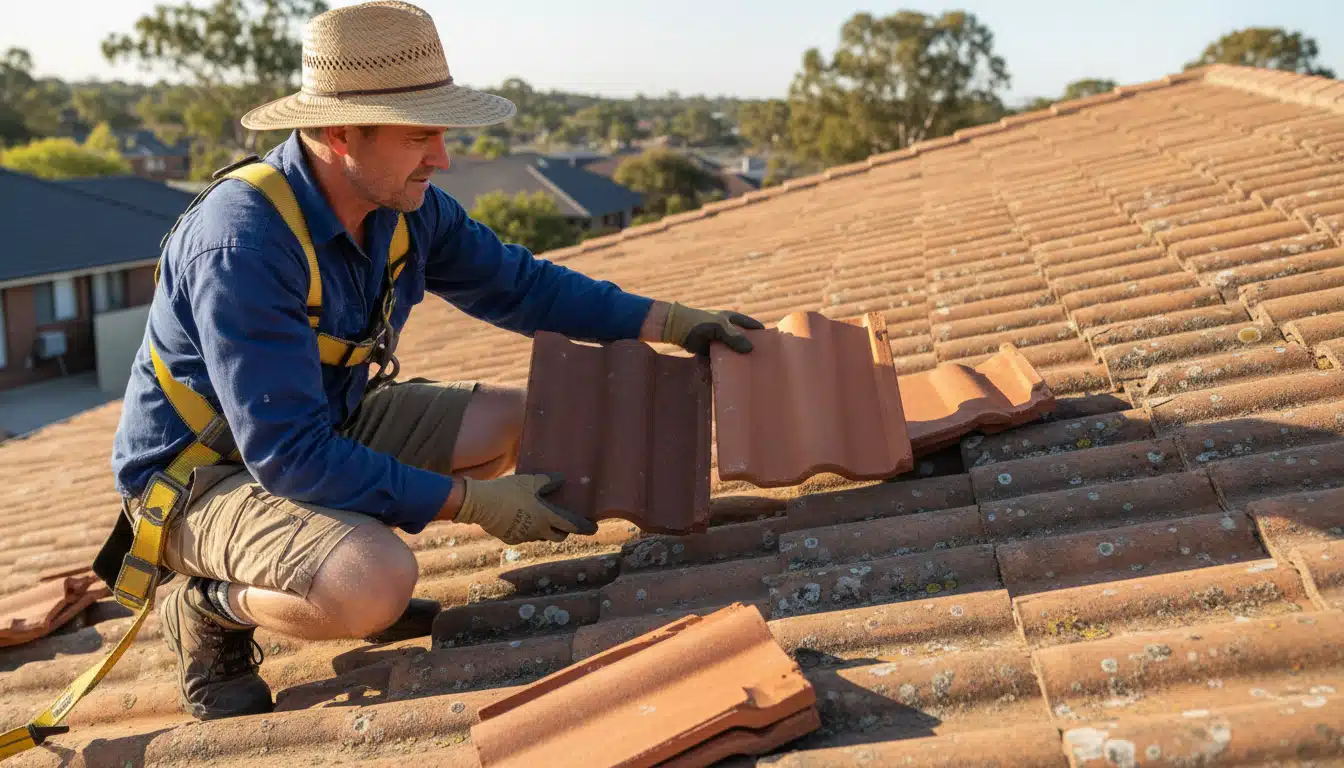
Terracotta and concrete tile roofs start from lower baseline temperatures. The material’s inherent thermal mass helps. Profile design promotes air circulation. Untreated terracotta typically measures 60-65°C at peak exposure. After treatment with heat reflective coatings, surface temperatures drop to 48-53°C.
Tile Roof Temperature Reduction
The performance difference matters because tile roofs cover larger surface areas. The visible tile face represents only part of the roof. The coating penetrates into overlapping sections. It seals the entire tile surface, preventing heat absorption across the complete roof envelope. This comprehensive coverage explains why treated tile roof restoration shows sustained temperature reduction. This continues throughout afternoon heat periods.
Treated Tile Performance
The coating’s ability to penetrate tile profiles and seal overlapping sections creates thermal protection that extends beyond the visible surface. This comprehensive approach prevents heat infiltration through tile gaps and overlaps that would otherwise allow thermal transfer into roof cavities.
Impact on Interior Temperature and Energy Consumption
Direct Influence on Ceiling Cavity Temperature
Roof surface temperature directly influences ceiling cavity temperature. This affects the thermal load on air conditioning systems. Perth homes with standard ceiling insulation (R2.5-R3.5) still experience significant heat transfer. This occurs when roof surfaces exceed 70°C for 6-8 hours daily.
Properties monitored before and after Cool Smart application show ceiling cavity temperature reductions of 6-9°C. This measurement occurs at the insulation surface rather than the roof exterior. This represents the actual thermal benefit to living spaces. Lower ceiling cavity temperatures reduce radiant heat transfer through ceilings. This decreases the cooling load required to maintain comfortable interior conditions.
Measured Interior Benefits
Energy consumption data from Perth homeowners indicates 15-25% reductions in summer cooling costs. This follows roof restoration in Perth with heat reflective coatings. The variation depends on home orientation, insulation quality, window treatments, and air conditioning efficiency. North-facing homes with large roof areas show the greatest benefit. Heavily shaded properties with minimal direct solar exposure show more modest savings.
Energy Consumption Reduction
The energy reduction isn’t limited to air conditioning runtime. Lower ceiling cavity temperatures reduce the baseline heat load throughout the home. Air conditioning systems achieve set temperatures faster and cycle less frequently. This reduced cycling extends equipment life whilst decreasing energy consumption.
Air Conditioning Efficiency Improvement
The compounding benefits of reduced thermal load extend beyond immediate energy savings. Air conditioning systems operating in less demanding thermal environments experience reduced wear, fewer maintenance requirements, and extended operational lifespans. These secondary benefits add value beyond the direct energy cost reductions.
Comparative Performance: Cool Smart vs Standard Coatings
Standard Coating Limitations
Standard roof coatings available through general paint suppliers typically use pigment systems. These are designed for colour retention rather than thermal performance. These products might reduce roof temperatures by 3-5°C. This compares to aged, faded coatings. They don’t approach the performance levels documented with Cool Smart Technology.
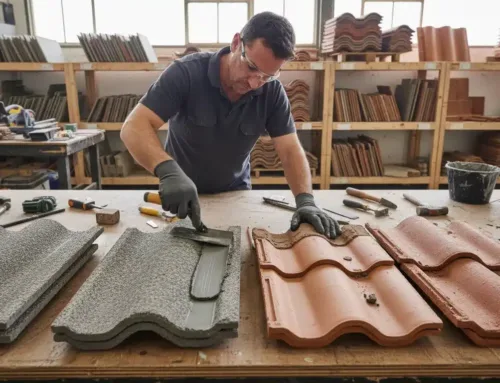
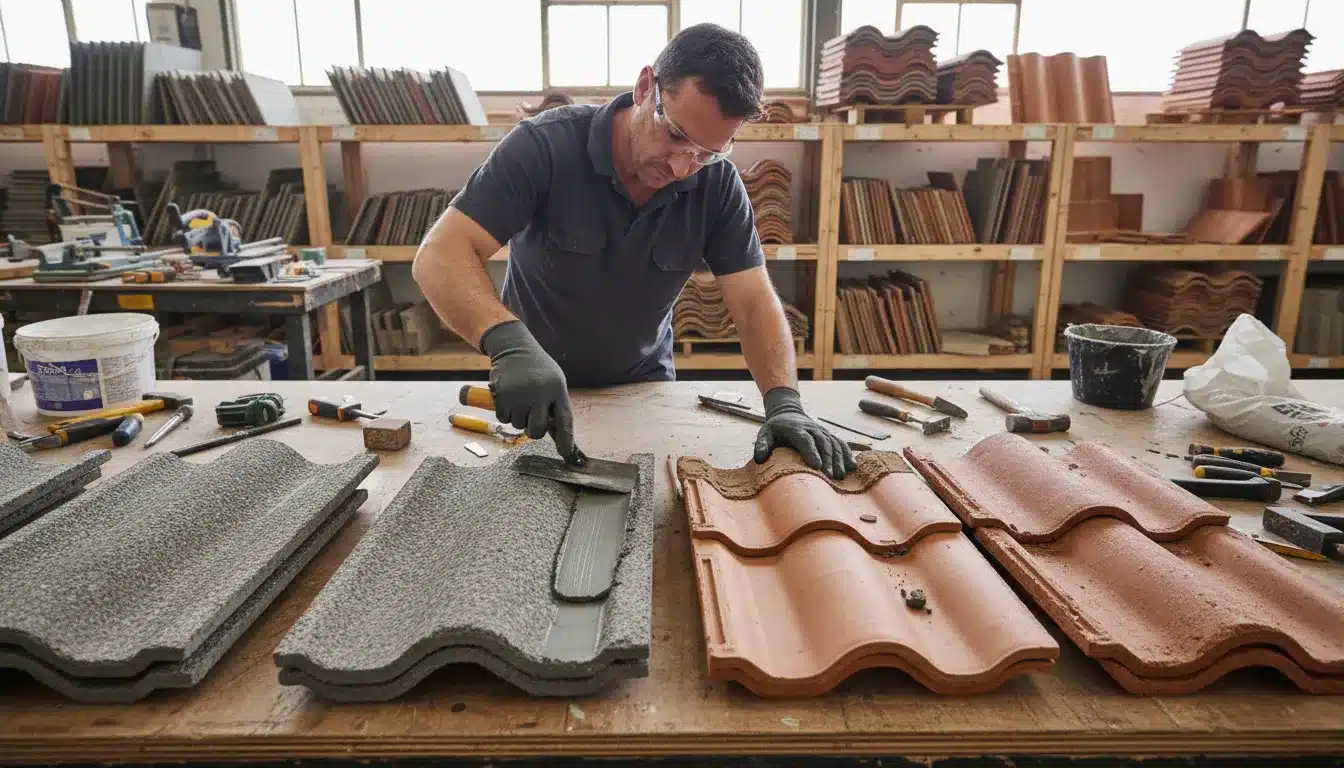
The difference lies in specialised pigment formulations. These are engineered specifically for solar reflectance. Cool Smart coatings use ceramic microspheres and infrared-reflective pigments. These maintain high reflectance even in darker colours. This allows homeowners to choose from the full colour selection range. Thermal performance doesn’t get sacrificed.
Specialised Pigment Engineering
Testing data comparing Cool Smart-treated roofs to roofs painted with standard premium coatings shows results. 8-10°C differences appear under identical conditions. Both products provide weather protection and aesthetic improvement. Only heat reflective formulations deliver measurable thermal benefits.
Performance Gap Documentation
The performance gap widens over time. Standard coatings gradually accumulate surface dirt and oxidation. This reduces whatever modest reflectance they initially provided. Cool Smart Technology includes self-cleaning properties. These maintain reflectance performance throughout the warranty period. This prevents the thermal degradation common with conventional products.
Long-Term Performance Maintenance
Self-cleaning properties work through hydrophilic surface chemistry that prevents dirt accumulation and allows rain to wash away contaminants. This maintenance of reflective properties over years ensures the thermal performance coating continues delivering documented temperature reductions throughout its service life.
Long-Term Performance Data and Warranty Coverage
Sustained Performance Over Years
Heat reflective coating performance must be sustained over years, not just months. The 15-20 year warranty coverage on Cool Smart applications reflects confidence. This comes from accelerated weathering tests and field performance data. Installations approaching two decades of service provide real-world validation.
Properties coated with Cool Smart Technology in the early 2000s still demonstrate measurable temperature reduction. Testing occurs today on these older installations. Whilst the absolute reduction may decrease slightly, performance remains strong. From 15°C when new to 12-13°C after 15 years represents typical aging. The performance remains dramatically superior to untreated or conventionally-coated surfaces.
Aging Performance Characteristics
This sustained performance results from the coating’s three-layer system. The primer sealer creates a stable foundation. This prevents substrate interaction with topcoats. Two finish coats provide redundant protection. Surface weathering doesn’t compromise the underlying reflective layer. This engineered approach maintains thermal performance coating as the exposed surface ages.
Three-Layer System Benefits
The warranty covering Cool Smart applications extends beyond coating adhesion and colour retention. It includes thermal performance standards. This contractual commitment distinguishes genuine heat reflective technology from standard coatings. These might claim thermal benefits without backing those claims with measurable guarantees.
Warranty Coverage Distinction
Warranty terms specifying thermal performance create accountability that standard coating warranties lack. This distinction matters when evaluating long-term value and risk. Documented performance standards backed by warranty coverage provide assurance that temperature reduction benefits will persist throughout the warranty period.
Application Process and Quality Control Measures
Precise Application Protocols Required
Achieving documented temperature reduction requires precise application protocols. The 15°C performance data comes from installations completed according to specifications. The three-coat system specifications must be followed. Dulux-accredited applicators use calibrated equipment.
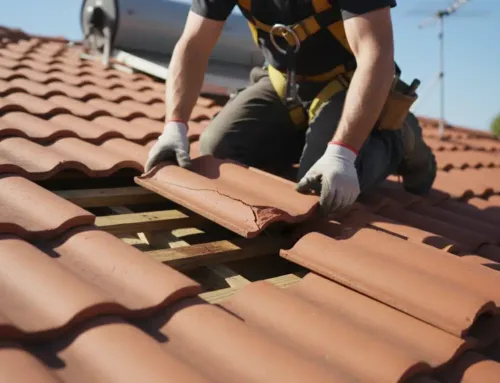
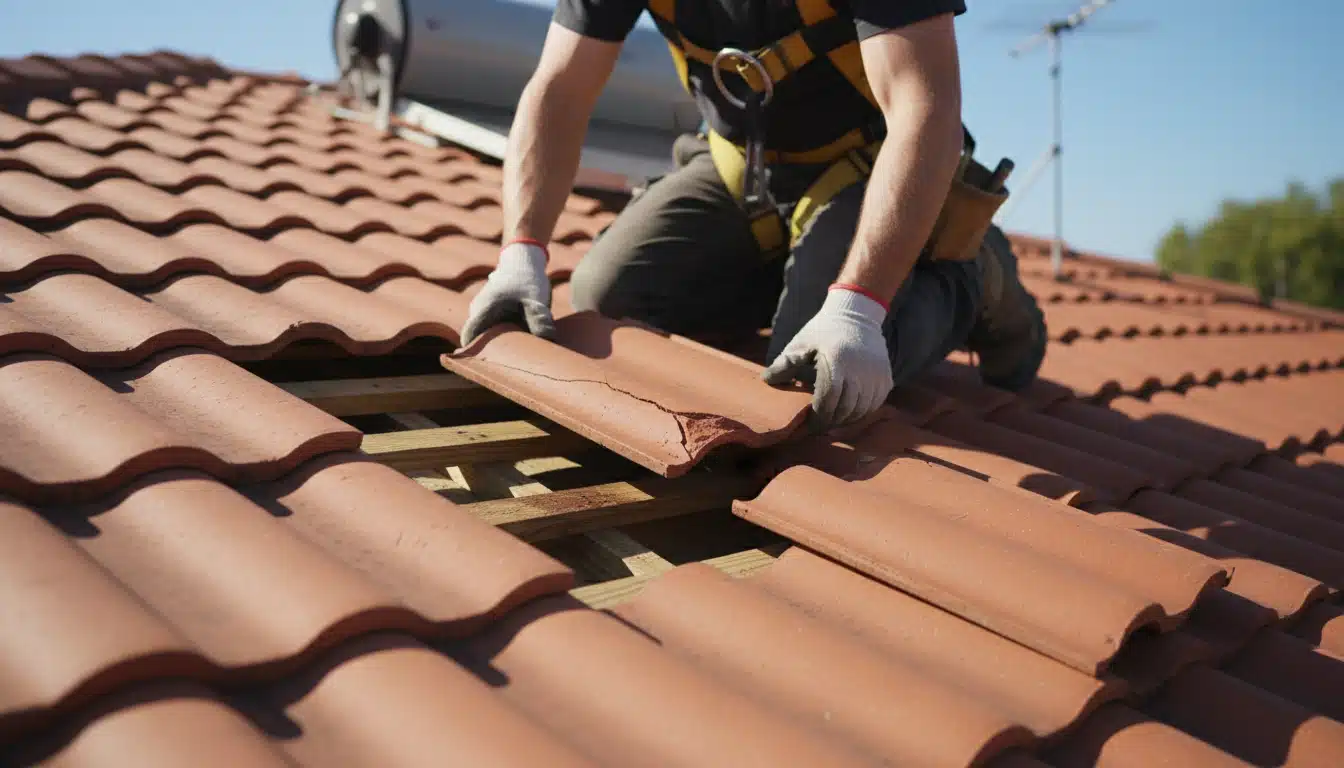
Surface preparation determines coating adhesion and long-term performance. Roof cleaning removes contaminants that would prevent proper coating bond. Repairs to cracked tiles or corroded metal eliminate substrate issues. These could compromise the thermal barrier. Thermal imaging conducted before treatment identifies heat loss points. These require attention before coating application.
Surface Preparation Importance
The primer sealer coat serves multiple functions. It provides corrosion protection for metal roofs. It stabilises porous tile surfaces. It creates a uniform base for finish coats. This foundation layer must cure completely before finish coat application. Typically 24-48 hours passes depending on temperature and humidity conditions.
Primer Sealer Functions
Two finish coats of Cool Smart Technology ensure complete coverage. Maximum thermal performance gets achieved. Each coat is applied to specified thickness using HVLP spray equipment. This delivers consistent coverage without runs or thin spots. Quality control inspections verify coating thickness using electronic gauges. This ensures every section meets performance specifications.
Two Finish Coat Application
The systematic application process, combined with quality control verification at each stage, ensures the final installation delivers the documented thermal performance. Deviation from specified procedures compromises results, which is why accredited applicators following manufacturer protocols prove essential.
Thermal Imaging Documentation and Verification
Calibrated Equipment Standards
The 15°C temperature reduction data comes from thermal imaging. Calibrated FLIR equipment measures surface temperatures with ±2% accuracy. This technology creates visual heat maps showing exact temperature distributions. These appear across roof surfaces, providing irrefutable documentation of coating performance.
Pre-treatment thermal scans establish baseline temperatures across the entire roof surface. Hot spots and areas of thermal inconsistency get identified. These images reveal how different roof sections respond to solar exposure. Orientation, shading, and substrate condition all influence results.
Pre-Treatment Baseline Documentation
Post-treatment imaging conducted 30 days after coating application documents the temperature reduction achieved. Complete cure occurs during this period. Side-by-side comparison of pre and post-treatment images from identical weather conditions provides quantifiable performance data. This validates Cool Smart Technology claims with measured results.
Post-Treatment Performance Verification
Homeowners receive thermal imaging documentation showing their specific property’s performance. This isn’t generic marketing material. It’s measured data from their roof. It’s captured under real-world Perth conditions. This proves the actual thermal benefit delivered by their investment.
Homeowner-Specific Documentation
The visual nature of thermal imaging makes performance verification immediately understandable. Homeowners can see the temperature differentials in colour-coded images that clearly demonstrate the coating’s effectiveness. This transparency builds confidence in the technology and validates the investment.
Real-World Applications Across Perth Properties
Consistent Performance Across Property Types
The heat reflective coating data collected across Perth suburbs reveals consistent performance. Variations in property age, roof condition, and architectural style don’t affect results significantly. A 1970s brick and tile home in Willetton shows the same temperature reduction. A 2015 Colorbond property in Alkimos demonstrates identical results. Both receive identical Cool Smart treatment.
Coastal properties face additional challenges from salt exposure and higher humidity. Thermal performance remains consistent. A Scarborough beachfront property with direct ocean exposure demonstrates identical temperature reduction. An inland Kalamunda home shows the same results. The coastal installation requires more rigorous surface preparation. Salt contamination must be addressed. Final thermal performance matches expectations.
Coastal Property Performance
Strata properties present opportunities for documenting performance across multiple identical units. Half the units in a complex receive treatment with Cool Smart Technology. Others remain untreated. Thermal imaging clearly shows the temperature differential between treated and untreated sections. These installations provide the most compelling visual evidence of coating performance.
Strata Property Comparative Testing
Heritage properties with terracotta tile roofs benefit from temperature reduction. Traditional appearance remains unchanged. Cool Smart Technology applied in heritage-appropriate colours delivers modern thermal performance. Aesthetic character that defines Perth’s established suburbs gets maintained.
Heritage Property Benefits
The versatility of the technology across diverse property types demonstrates its broad applicability. Whether addressing modern metal roofing or traditional tile systems, coastal challenges or inland heat, the thermal performance remains consistent and documented.
Integration with Building Thermal Performance
Comprehensive Thermal Management Component
Heat reflective coatings function as one component of comprehensive building thermal management. Combined with adequate ceiling insulation, effective ventilation, and appropriate window treatments, results improve. Roof temperature reduction contributes to whole-building energy efficient roofing.
Properties with minimal ceiling insulation (R1.5 or less) still benefit from Cool Smart Technology. The temperature reduction at roof level doesn’t translate as effectively to interior comfort. Upgrading insulation to R3.5 or higher maximises the benefit of reduced roof temperatures. A complete thermal barrier gets created.
Insulation Quality Impact
Roof ventilation systems work more effectively when roof cavity temperatures are lower. Whirlybirds, ridge vents, or powered extraction fans all benefit. The 6-9°C reduction in ceiling cavity temperature achieved through heat reflective coatings means ventilation systems move cooler air. Less energy is required. More effective temperature control gets provided.
Roof Ventilation System Benefits
The combined effect of reflective roofing, proper insulation, and effective ventilation delivers results. Cooling energy consumption can reduce by 30-40%. This compares to homes with dark, untreated roofs and minimal insulation. This integrated approach addresses thermal performance systematically. No single solution gets relied upon exclusively.
Combined Effect Results
The synergy between thermal management strategies creates cumulative benefits exceeding individual component contributions. Property owners investing in comprehensive thermal performance achieve optimal comfort and efficiency outcomes.
Return on Investment and Property Value Impact
Calculable Return on Investment
The measurable energy savings documented from Cool Smart applications provide calculable return on investment. Perth homeowners spending $400-600 annually on excess cooling costs recover their coating investment. This occurs through energy savings within 8-12 years. This falls well within the warranty period.
This calculation considers only direct energy cost reduction. Extended air conditioning equipment life resulting from reduced runtime isn’t included. Comfort improvement from more stable interior temperatures doesn’t factor in. When these factors are included, the economic case for heat reflective coatings strengthens considerably.
Additional Value Factors
Property value impact extends beyond energy efficiency. Real estate agents consistently report results. Homes with recently restored roofs using quality coating systems achieve faster sales. Higher prices appear compared to comparable properties. Aged, faded roofs reduce appeal. The visual transformation combined with documented thermal performance creates tangible market advantage.
Property Value Enhancement
Buyers increasingly request information about roof condition and energy performance. This occurs during property inspections. Providing thermal imaging documentation showing 15°C temperature reduction helps. 15-20 year warranty coverage addresses concerns definitively. A potential negotiation point gets removed. Asking price justification gets supported.
Buyer Information Requests
The combination of visual appeal, documented energy performance, and warranty coverage creates compelling value proposition for property sales. Homes with documented thermal performance differentiate themselves in competitive markets.
Conclusion
The 15°C roof temperature reduction achieved through Cool Smart Technology represents measurable proof that advanced coating systems fundamentally change how Perth roofs respond to solar radiation. Independent thermal imaging data collected across diverse property types, roof materials, and climate zones consistently demonstrates this performance level when coatings are applied according to specification by qualified applicators.
For Perth homeowners facing summer roof temperatures exceeding 70°C, the accompanying energy costs, and thermal stress on air conditioning systems, heat reflective coating technology offers a verified solution backed by quantifiable data. The temperature reduction translates directly to lower ceiling cavity temperatures, reduced cooling costs, and improved interior comfort throughout summer months.
Permacoat has completed hundreds of Cool Smart Technology applications across Perth’s suburbs. Experience with over 30,000 restored roofs provides real-world performance data validating the 15°C reduction claims under actual operating conditions, not just laboratory testing. Homeowners can request thermal imaging documentation from comparable properties to verify expected performance.
For expert re roofing in Perth backed by 50+ years of experience, call (08) 9249 5955 to book your free inspection.