Strata property roof maintenance creates unique challenges that single-dwelling homeowners never encounter. The shared nature of roof structures covering multiple units, combined with complex responsibility allocation between body corporates and individual owners, generates confusion and disputes about who pays for what maintenance. Perth’s growing number of townhouse complexes, villa developments, and apartment buildings makes understanding these strata roof maintenance responsibilities increasingly important for property investors and residents.
The Western Australian Strata Titles Act 1985 establishes the legal framework governing maintenance responsibilities, but many body corporate members and property managers lack clear understanding of how these provisions apply to specific roof situations. Common property roofs covering multiple units clearly fall under body corporate responsibility, yet grey areas emerge around transitions to individual courtyards, modifications affecting shared structures, and damage resulting from individual unit neglect versus normal aging.
Financial implications of unclear strata roofing Perth responsibility allocation can be substantial. A comprehensive roof restoration project for a 12-unit townhouse complex might cost $60,000-$100,000, creating significant impact on strata levies. Disputes about whether work qualifies as scheduled maintenance funded from existing reserves versus requiring special levies delay necessary repairs, allowing damage to worsen. Clear understanding of responsibility frameworks prevents these conflicts and ensures timely maintenance protects all owners’ investments.
Understanding WA Strata Legislation
The Strata Titles Act 1985 establishes that body corporates must maintain common property in good repair unless specific by-laws transfer this responsibility to lot owners. Common property includes all areas not contained within individual lots, which typically encompasses shared roof structures, gutters spanning multiple units, and drainage systems serving the collective property. This legislative framework creates baseline responsibilities that apply unless explicitly modified through registered by-laws.
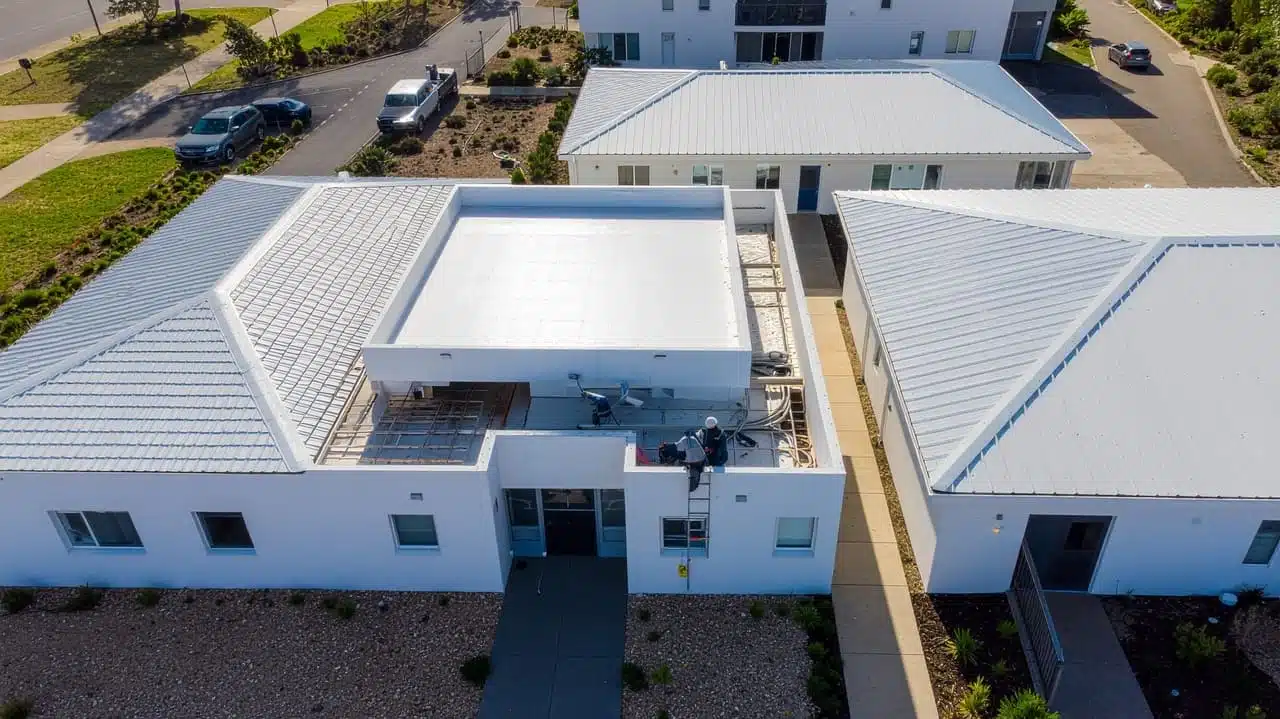
Responsibility allocation under standard by-laws follows the principle that body corporates maintain everything outside individual lot boundaries. For multi-storey apartment buildings, this clearly includes all roof structures as they sit above and protect multiple units. For townhouse and villa developments with attached units, the common property roof extends to the point where individual courtyards or private areas begin, creating boundary questions that require careful by-law interpretation.
Modified by-laws can significantly alter standard maintenance responsibility allocations, particularly in newer developments where developers created custom arrangements. Some strata schemes allocate individual roof section maintenance to the lot owner directly beneath that section, even when structures remain physically connected. These modifications must be properly registered and disclosed to purchasers, but awareness often lapses over years as properties change hands and committee membership turns over.
Body corporate duties for common area maintenance extend beyond just performing repairs when problems arise. Legislation requires proactive maintenance preventing deterioration, regular inspections identifying issues early, and maintaining adequate financial reserves for planned work. Failure to meet these duties can result in individual owners seeking orders through the State Administrative Tribunal compelling proper maintenance at the body corporate’s expense.
Individual lot owner responsibilities typically include maintenance of areas within their lot boundaries and damage caused by their actions or neglect. If a lot owner modifies their unit in ways that affect common property roofing, they assume responsibility for any resulting damage or maintenance requirements. Similarly, interior ceiling repairs resulting from roof leaks remain lot owner responsibilities even when the roof itself constitutes common property, though bodies corporate sometimes provide interim repairs to prevent further damage while permanent roof repairs are arranged.
Common Property Roof Maintenance
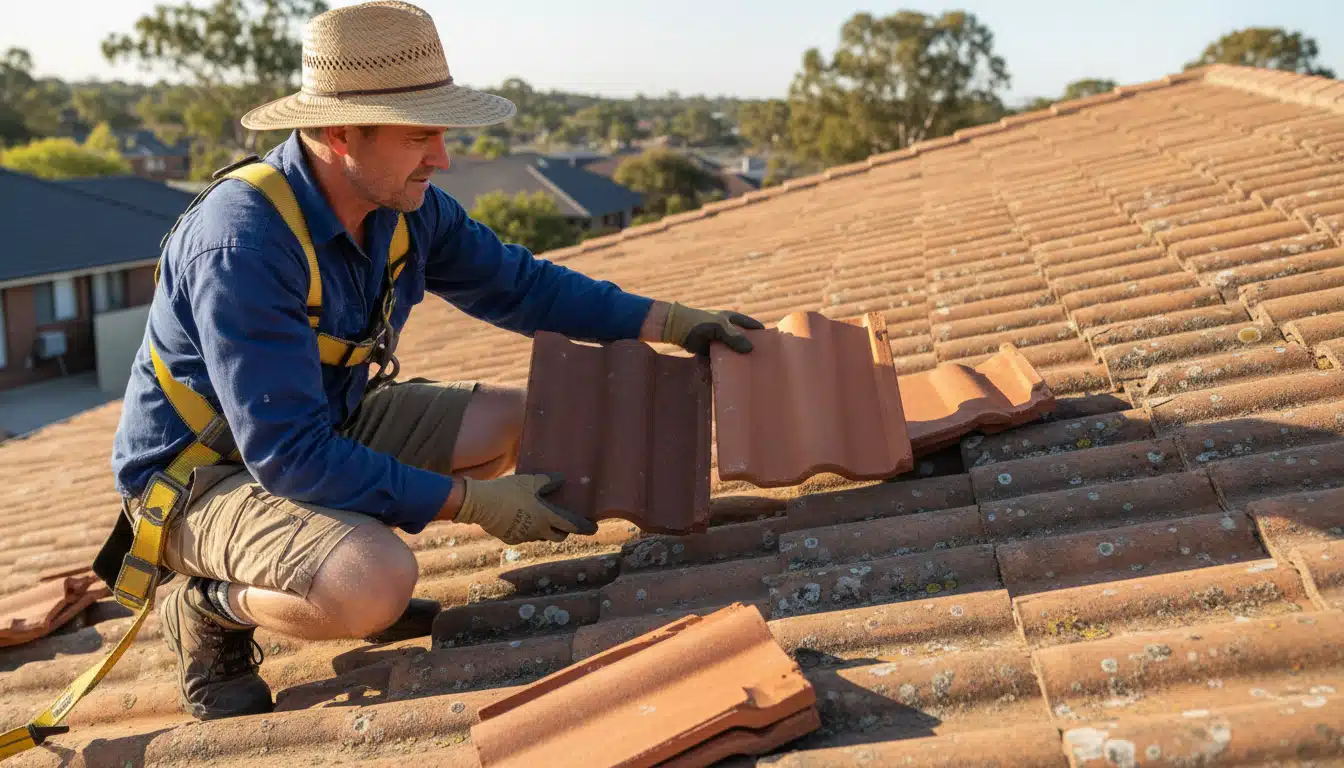
Roof structures covering multiple units clearly constitute common property requiring body corporate maintenance. This includes all tiles, coating systems, sarking, structural timbers, and waterproofing membranes protecting more than one lot. For attached townhouses or villas arranged in rows, determining exactly where common property ends and individual lot property begins requires reviewing the strata plan and by-laws carefully.
Shared gutters and drainage systems servicing multiple units fall under common property maintenance regardless of whether roof sections directly above are shared or individual. Water collected from any roof area must drain through shared systems to reach stormwater connections. Blocked gutters in these systems can cause water to back up affecting multiple units, making collective responsibility logical and necessary.
Valley irons spanning unit boundaries represent critical common property elements requiring careful maintenance. These valleys collect water from converging roof planes and channel it to gutters. Deteriorated valley irons create leak risks affecting multiple units simultaneously. Perth’s winter rainfall places maximum stress on valley systems, making their condition critical for preventing water damage across strata properties.
Ridge capping along shared rooflines protects the vulnerable junction where opposing roof planes meet. Like valleys, ridge capping often extends across multiple unit boundaries, making individual maintenance impractical. Wind damage to ridge capping, mortar deterioration, or tile displacement affects the entire roof’s weathertightness and clearly falls within body corporate maintenance obligations.
Roof penetrations including vents, solar panel mounts, satellite dishes, and exhaust flues create waterproofing challenges at common property roofs. When lot owners install these penetrations, they assume responsibility for ensuring proper waterproof integration with roof systems. However, general weatherproofing deterioration around older penetrations typically becomes body corporate responsibility as part of overall roof maintenance unless by-laws specify otherwise.
Individual Lot Responsibilities
Private courtyard and villa roof areas designated as exclusive use common property or within lot boundaries create special responsibility situations. Some strata developments allocate maintenance of these roof sections to the individual lot owner even though structures remain physically connected to common property roofs. This arrangement transfers maintenance costs but requires coordination to ensure work maintains overall system integrity and doesn’t compromise adjacent common areas.
Interior ceiling damage from roof leaks presents a common source of confusion about responsibility allocation. The roof leak itself typically constitutes a common property maintenance issue, but resulting ceiling damage, mould remediation, and interior repairs fall to the individual lot owner. This division of responsibility can create tension when owners feel body corporate maintenance failures caused their interior damage, leading to demands for compensation beyond simple roof leak repairs.
Maintenance of individual unit portions designated in strata by-laws requires lot owners to engage contractors meeting body corporate standards even for private sections. Work affecting roof aesthetics, waterproofing integrity, or structural connections must receive body corporate approval before proceeding. This approval protects collective property values and ensures individual maintenance doesn’t compromise shared systems.
Modifications affecting common roofing require body corporate approval and often trigger ongoing maintenance obligations for the owner making modifications. Installing solar panels, satellite dishes, or additional vents penetrates waterproof membranes and creates potential leak points. By-laws should specify whether initial installation approval transfers ongoing maintenance responsibility for those penetrations to the installing owner or whether the body corporate assumes responsibility once installation completes.
Insurance coverage distinctions between building insurance carried by the body corporate and contents insurance held by individual owners affect repair responsibility allocation. Body corporate insurance typically covers damage to common property roofs from insured events like storms. Individual owner insurance covers their possessions and improvements within lot boundaries. Understanding these coverage boundaries prevents disputes about who bears repair costs in various damage scenarios.
Scheduled Preventative Maintenance
Recommended inspection frequency for strata roofs should occur annually with detailed assessments every 3-5 years depending on roof age and condition. These inspections identify minor problems before they escalate into expensive emergencies affecting multiple units. Regular inspection schedules allow bodies corporate to budget accurately for upcoming maintenance rather than facing unexpected major expenses during emergency situations.
Seasonal cleaning requirements particularly matter in Perth where autumn leaf accumulation before winter rains creates gutter blocking risks. Strata properties with mature trees or near bushland require more frequent cleaning than open sites. Scheduling professional roof cleaning in April-May removes debris before June rainfall arrives, preventing overflow damage to multiple units that generates complaints and expensive rectification work.
Gutter and valley maintenance schedules should align with Perth’s climate patterns and property-specific factors like tree coverage. Minimum annual cleaning proves adequate for properties without overhanging vegetation, while sites surrounded by trees may require quarterly attention. Valley systems require particular focus as they channel high water volumes and deteriorate faster than general roof areas under Perth conditions.
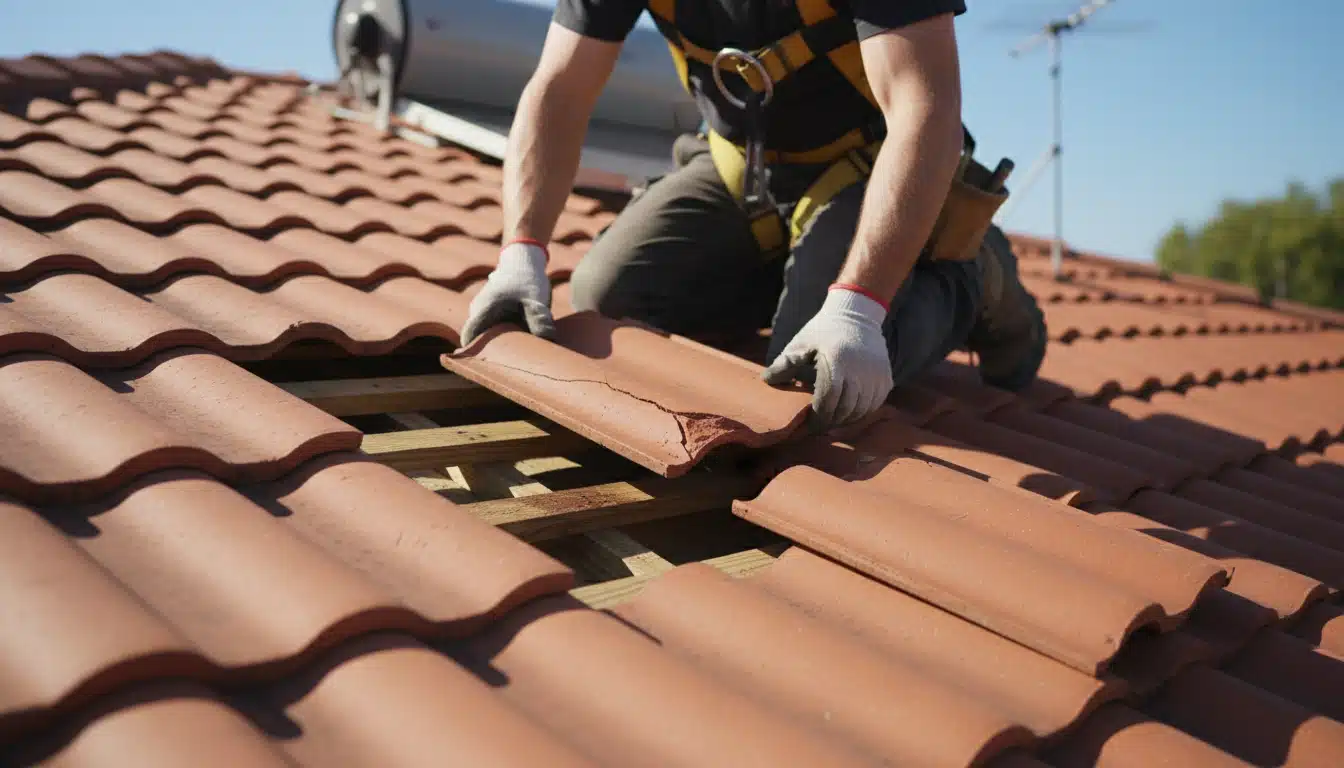
Minor repair protocols should empower property managers to authorise routine repairs under specified dollar limits without requiring committee approval. Setting these thresholds around $2,000-$5,000 allows timely response to broken tiles, small flashing repairs, or localised coating touch-ups without administrative delays. Professional roof repairs in Perth performed promptly prevent minor problems from escalating while committee approval processes proceed for major work.
Long-term restoration planning helps strata committees budget for inevitable major roof work rather than facing crisis situations. Roofs approaching 15-20 years since last restoration require professional assessment and multi-year budget planning. Permacoat, with extensive experience managing strata roof restoration in Perth projects, helps committees develop realistic budgets and timelines. This proactive approach allows building adequate reserves through regular levies rather than imposing large special levies that financially stress owners and create committee conflicts.
Emergency Repair Protocols
Defining emergency versus routine repairs prevents disputes about authorisation and cost allocation. True emergencies involve active leaks causing interior damage, storm damage creating immediate weather exposure, or structural failures posing safety risks. These situations justify immediate contractor engagement without prior committee approval, with notification occurring as soon as practical.
Authority to approve urgent work typically rests with body corporate chairpersons or designated committee members contactable outside business hours. Clear by-laws should specify who holds this authority and under what circumstances it applies. Property managers also need defined authority limits allowing emergency response without risking personal liability for unauthorised expenditure.
Communication requirements during emergencies include notifying affected lot owners, documenting the emergency situation through photographs, obtaining multiple quotes when time permits, and reporting emergency work to the full committee at the next meeting. This transparency ensures emergency authority doesn’t get abused while allowing necessary rapid response when genuine emergencies occur.
Cost allocation for emergency repairs falls to the body corporate administrative or maintenance funds depending on by-law provisions. Special levies for emergency work rarely prove necessary as most bodies corporate maintain reserves for unexpected repairs. However, multiple simultaneous emergencies or catastrophic damage might exhaust reserves, necessitating special levy consideration at emergency general meetings.
Documentation for body corporate records should include detailed descriptions of emergency circumstances, photographic evidence of damage, contractor quotations obtained, reasons for contractor selection if quotes weren’t possible, invoices for completed work, and certification that emergency repairs meet required standards. This documentation supports insurance claims and demonstrates committee due diligence if owners question emergency expenditure decisions.
Budgeting and Financial Planning
Establishing adequate maintenance reserves requires professional assessment of roof condition, estimated remaining service life, and anticipated restoration costs. Bodies corporate should budget to accumulate sufficient reserves to fund major roof work without special levies. For a typical 10-unit complex with roofs approaching restoration age, accumulating $50,000-$80,000 in maintenance reserves over 3-5 years prevents financial shock when work becomes necessary.
Multi-year roof maintenance budgets should include annual minor repairs, biannual or annual cleaning, periodic inspections, and staged savings toward eventual comprehensive restoration. This structured approach distributes costs evenly across years rather than creating feast-or-famine budgeting where some years show minimal roof expenses while others require massive outlays overwhelming annual budgets.
Special levy considerations for major work become necessary when existing reserves prove inadequate or unexpected roof failures require immediate comprehensive restoration. When structural damage is severe, complete re-roofing in Perth may prove more cost-effective than extensive repairs to deteriorated systems. Proposing special levies requires detailed contractor quotations, scope of work documentation, and clear explanation of why work cannot be deferred. Some bodies corporate phase major work across multiple years to reduce individual levy impacts while addressing the most urgent areas first.
Insurance claim coordination becomes important when storm damage affects strata roofs. Property managers should photograph damage immediately, obtain emergency repairs to prevent further deterioration, and coordinate professional assessments for insurance purposes. Body corporate building insurance typically covers storm damage, though policy excess amounts apply. Understanding coverage details prevents disputes about cost allocation between insurance and body corporate funds.
Balancing preventative versus reactive costs represents an ongoing challenge for strata committees. Preventative maintenance through regular cleaning, inspections, and minor repairs costs more in the short term but prevents expensive emergency work and extends roof lifespan. Quality protective roof coatings applied during scheduled restoration provide 15-20 years of protection. Reactive approaches minimising annual budgets create savings initially but typically cost 40-60% more over roof lifecycle when emergency repairs and premature restoration become necessary.
Contractor Selection for Strata Properties
Experience with multi-unit properties should factor heavily in contractor selection for strata roof maintenance. Multi-unit work requires coordinating access across occupied premises, managing noise and disruption affecting multiple households, and understanding strata-specific documentation requirements. Contractors experienced with strata roofing Perth projects navigate these complications smoothly while general contractors often struggle with multi-unit logistics.
Scheduling flexibility for occupied buildings matters particularly for strata properties where residents maintain varied schedules. Weekend work minimises disruption for working residents but may disturb those home during weekends. Professional strata contractors coordinate timing with property managers, notify all affected owners in advance, and accommodate reasonable requests for quiet periods or restricted access times.
Comprehensive warranty coverage protects body corporate investments and prevents disputes about responsibility for work failures. Quality contractors offer separate warranties for materials and workmanship, with extended coverage on coating systems reaching 15-20 years. These warranties transfer through ownership changes, protecting the body corporate entity rather than individual owners who may sell during warranty periods. Permacoat provides comprehensive warranty protection specifically structured for strata properties, with documentation suitable for body corporate records and transfer to new owners.
Body corporate communication capabilities distinguish professional strata contractors from those primarily serving individual homeowners. Strata work requires detailed reporting to committees, responding to individual owner questions and concerns, and coordinating with property managers on scheduling and access. Contractors comfortable with these communication expectations reduce administrative burden on volunteer committees and prevent misunderstandings.
Detailed documentation and reporting requirements for strata work exceed those for single dwellings. Bodies corporate need comprehensive written quotes for committee approval, detailed scope of work documentation, progress reports during projects, photographic evidence of completed work, warranty certificates, and maintenance recommendations for future planning. Contractors experienced with strata properties provide this documentation as standard practice rather than requiring repeated requests.
Communication and Decision-Making
Notification requirements to body corporate committees typically mandate informing committees of any roof problems requiring expenditure beyond routine maintenance budgets. Property managers generally notify committees immediately upon discovering significant roof issues, obtaining preliminary contractor assessments to support committee discussion and decision-making. This transparency allows committees to fulfill their fiduciary duties while maintaining member confidence in management.
Owner consultation requirements vary by expenditure magnitude and by-law provisions. Minor routine maintenance proceeds without individual owner consultation, while major restoration projects may require general meeting approval especially if special levies become necessary. Some by-laws require owner notification before any roof work affecting their unit, creating consultation requirements beyond base legislative obligations.
Meeting approval processes for significant strata roof maintenance should include circulation of detailed contractor quotations, independent condition reports if available, and clear recommendations from property managers or engaged building consultants. Committees should allow adequate time for members to review documentation before voting, typically circulating materials at least one week before decision meetings. This process supports informed decision-making and demonstrates due diligence.
Documenting maintenance decisions creates important records protecting committees from future liability claims. Meeting minutes should record discussion summaries, alternatives considered, reasons for final decisions, and formal resolutions approving work and expenditure. This documentation demonstrates that committees properly considered options and acted reasonably based on available information, even if outcomes later prove imperfect.
Transparency in contractor selection prevents perceptions of favouritism or conflicts of interest that damage committee credibility. Obtaining multiple quotations for significant work, documenting evaluation criteria, and clearly explaining selection rationale reassures owners that decisions prioritise strata interests. Some bodies corporate implement policies requiring minimum numbers of quotes for expenditure above specified thresholds, formalising this transparency.
Protecting Strata Property Investments
Understanding strata roof maintenance responsibilities, legislative frameworks, and effective management processes helps body corporates protect member investments while minimising disputes. Clear communication, proactive planning, adequate budgeting, and professional contractor selection create systems that maintain roof integrity without overwhelming committees or creating owner conflicts. Perth’s climate demands that strata properties take roof maintenance seriously, with consequences of neglect affecting multiple owners simultaneously. Whether planning preventative maintenance programs or addressing the need for complete re-roofing in Perth, professional guidance ensures committees make informed decisions protecting long-term property values.
For professional roof restoration in Perth tailored to strata property requirements, including comprehensive warranties and body corporate documentation, call (08) 9249 5955 to discuss your multi-unit property needs with specialists experienced in strata projects.