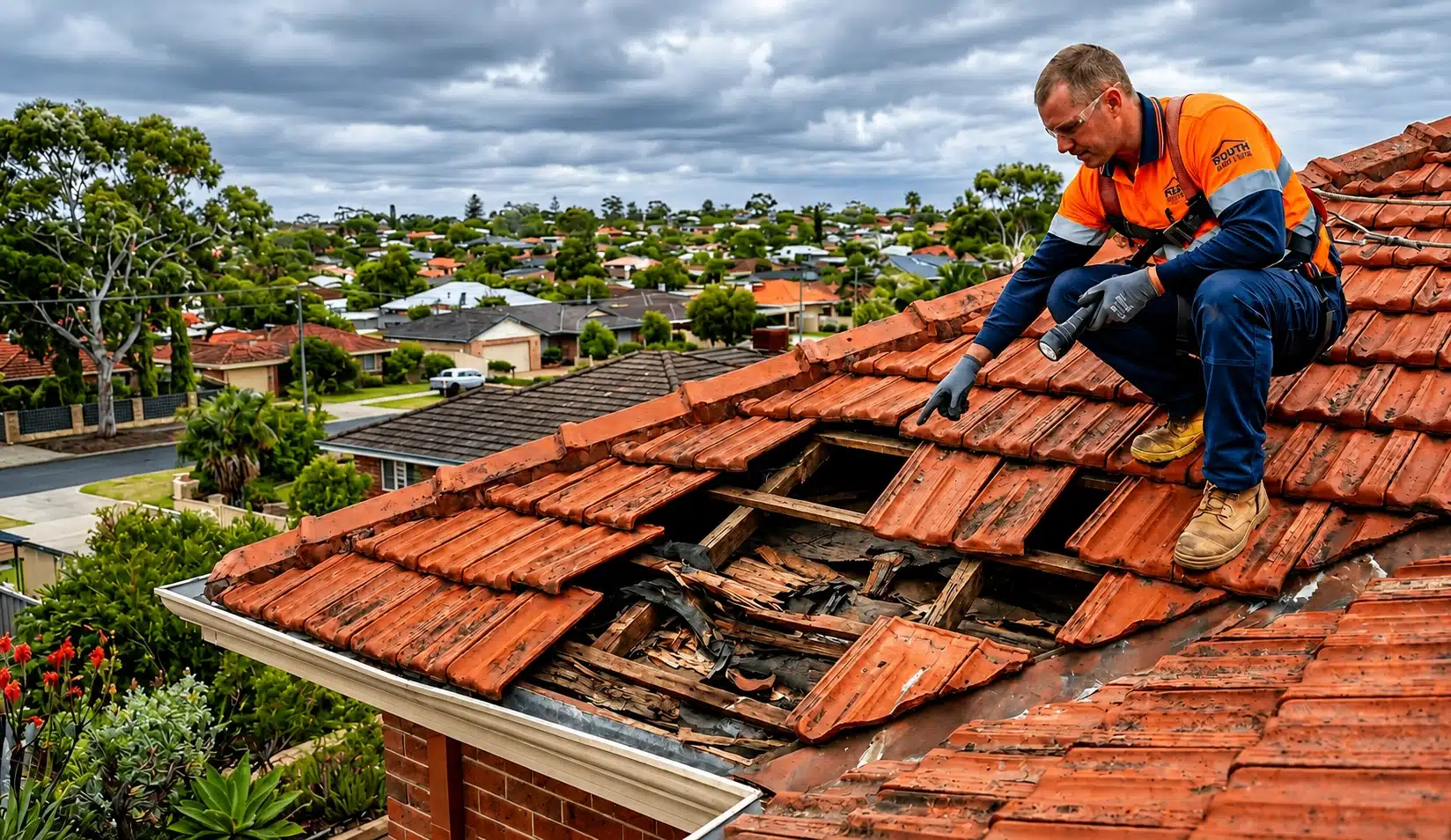
Lifting roof tiles signal a problem that won’t resolve itself. When tiles shift from their original position, they create entry points for water, expose properties to structural damage, and indicate underlying issues that typically worsen over time. Perth’s unique climate – with coastal winds, intense UV exposure, and seasonal temperature swings – accelerates the conditions that cause lifting roof tiles, making early detection and professional assessment critical for protecting property investments.
What Causes Roof Tiles to Lift in Perth Homes
Wind uplift ranks as the primary cause of roof tile damage across Perth’s metropolitan and coastal suburbs. When wind flows over a roof, it creates negative pressure on the leeward side, essentially trying to suck tiles upward. This effect intensifies during Perth’s winter storm season, when westerly winds can exceed 80 km/h. Tiles that have lost their mechanical fixing or have deteriorated mortar bedding become particularly vulnerable during these weather events.
Thermal Expansion Creates Constant Stress
Thermal expansion and contraction creates a constant cycle of stress on roofing materials. Perth’s temperature variations – from 40°C summer days to 10°C winter nights – cause tiles to expand and contract repeatedly. Over 20-30 years, this movement gradually breaks down the mortar bedding that holds tiles in place. Terracotta and cement tiles expand at different rates than the underlying roof structure, creating micro-movements that eventually compromise secure positioning.
Mortar Bedding Deteriorates Under Perth Conditions
Deteriorated mortar bedding becomes brittle and loses its adhesive properties after years of exposure to Perth’s harsh UV radiation and thermal cycling. The cement-based mortar that originally secured tiles to roof battens gradually turns to powder, particularly on north-facing roof sections that receive maximum sun exposure. When this bedding fails, tiles rely solely on their mechanical clips or nails, which may have also corroded over time.
Installation Quality Surfaces Over Time
Incorrect installation from previous roof work often surfaces years after the original job. Tiles installed without proper overlap, insufficient mechanical fixing, or inadequate mortar coverage will eventually shift position. Properties that have undergone DIY repairs or work by inexperienced contractors frequently develop lifting roof tiles within 5-10 years of the substandard installation.
Structural Movement Affects Tile Positioning
Structural movement in the roof frame can cause tiles to lift across entire sections. Perth’s reactive clay soils cause foundation movement that transmits through the building structure to the roof frame. This movement, combined with natural timber shrinkage in older homes, can alter the roof pitch slightly or create undulations that prevent tiles from sitting flush.
How to Identify Lifting Roof Tiles Before Major Damage Occurs
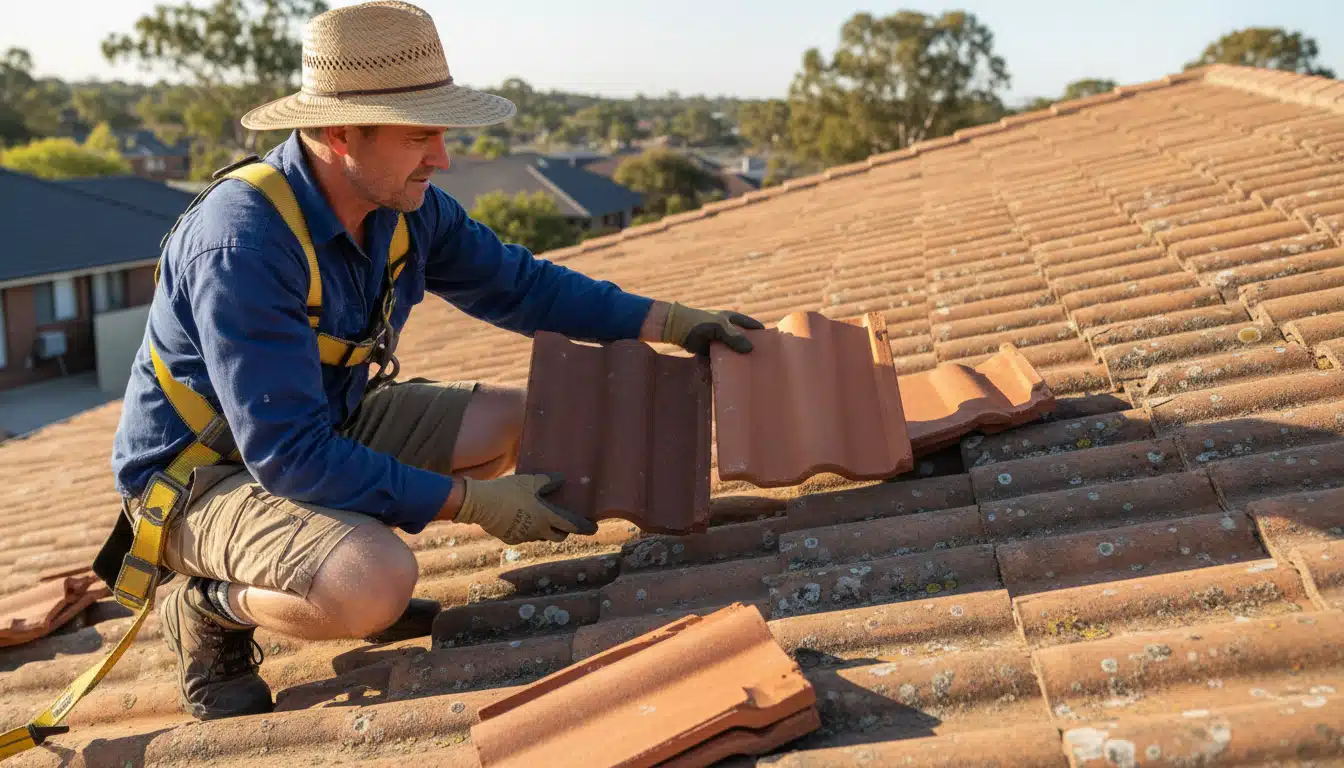
Visual inspection from ground level reveals obvious lifting roof tiles, particularly when viewed from different angles. Look for tiles that appear raised at one end, creating a stepped appearance across the roof surface. Binoculars help identify problem areas without climbing onto the roof, which should only be done by professionals with appropriate safety equipment and insurance coverage.
Light Penetration Reveals Gaps
Light penetration in the roof space indicates gaps where tiles have lifted. Enter the roof cavity during daylight hours and look for pinpoints or shafts of light coming through the roof structure. Any visible light means water can also penetrate during rain events. This inspection method works particularly well for identifying roof tile damage that isn’t obvious from external viewing.
Water Stains Signal Active Problems
Water stains on ceilings often appear after Perth’s winter rainfall, signalling that lifting roof tiles have allowed water penetration. These stains typically manifest as discoloured patches, peeling paint, or visible moisture marks. Even small water stains indicate significant problems, as the visible damage represents only a fraction of the moisture that has entered the roof structure.
Energy Costs Indicate Thermal Compromise
Increased energy costs can indicate lifting tiles that have compromised thermal performance. When tiles lift, they create air gaps that allow heat transfer between roof spaces and living areas. Perth homeowners often notice air conditioning running longer during summer months when tile displacement has reduced the roof’s insulating properties.
Debris Accumulation Provides Evidence
Debris accumulation in gutters provides evidence of deteriorating roof materials. Fragments of terracotta or cement tiles, along with sandy mortar residue, indicate that tiles are moving and grinding against each other. This material typically increases after windy weather, when lifted tiles shift position and shed particles into the drainage system.
The Progressive Damage Caused by Untreated Lifting Tiles
Water penetration begins immediately once tiles lift sufficiently to allow rain entry. Perth’s winter storms drive water horizontally, forcing moisture under displaced tiles and into the roof structure. This water saturates the sarking (if present), soaks timber battens, and eventually drips onto ceiling insulation and plasterboard. A single lifted tile can allow litres of water into roof spaces during a moderate rainfall event.
Timber Rot Develops Rapidly
Timber rot develops in roof battens and rafters exposed to ongoing moisture from tile displacement. Perth’s warm climate accelerates timber decay once moisture enters the roof structure. Wet rot fungi colonise damp timber within weeks, breaking down the wood fibres and compromising structural integrity. Replacing rotted timber adds thousands of dollars to repair costs compared to addressing lifting tiles early.
Insulation Damage Reduces Performance
Insulation damage occurs when water drips onto ceiling insulation batts, reducing their thermal performance and creating conditions for mould growth. Wet insulation loses up to 40% of its R-value, forcing heating and cooling systems to work harder. Mould spores from contaminated insulation can enter living spaces through ceiling penetrations, creating potential health concerns for occupants.
Electrical Hazards Emerge
Electrical hazards emerge when water from lifted tiles reaches ceiling-mounted light fittings or electrical wiring in the roof space. Water and electricity create dangerous situations that can lead to short circuits, power failures, or fire risks. Perth’s electrical safety regulations require immediate attention to any water penetration affecting electrical installations.
Accelerated Breakage Creates Cascade Effect
Accelerated tile breakage follows the initial lifting problem. Once tiles lift, they become vulnerable to walking damage during maintenance work, impact from falling branches, and stress from wind movement. Lifted tiles also allow other tiles to shift, creating a cascading effect where an initial problem with 5-10 tiles expands to affect 50-100 tiles within a few years.
When Restoration Becomes the Right Solution for Lifting Tiles
Widespread lifting across multiple roof sections indicates systemic failure requiring comprehensive restoration rather than spot repairs. When more than 20% of tiles show movement, the underlying cause typically affects the entire roof, making professional roof restoration in Perth more cost-effective than ongoing repairs. Permacoat‘s inspection process identifies whether lifting results from isolated issues or roof-wide deterioration requiring full restoration.
Age-Related Deterioration Patterns
Age-related deterioration in roofs over 20 years old often manifests as lifting tiles combined with other issues like faded coating, cracked tiles, and deteriorated valleys. At this life stage, tile restoration services address multiple problems simultaneously, delivering better long-term value than attempting to patch individual issues. The restoration process includes re-bedding and re-pointing all tiles, ensuring they’re mechanically secured and properly positioned.
Pre-Sale Property Improvement
Pre-sale property improvement makes restoration worthwhile when lifting roof tiles detract from street appeal or raise concerns during building inspections. Real estate agents consistently report that restored roofs add $15,000-$40,000 to property values in Perth’s established suburbs. Addressing tile displacement through professional restoration eliminates a major negotiation point that buyers typically use to reduce offers by $10,000-$20,000.
Insurance Claim Optimization
Insurance claim optimization following storm damage often presents the ideal opportunity for comprehensive restoration. When insurance covers repairs to storm-damaged tiles, coordinating additional restoration work ensures the entire roof receives attention. This approach prevents the patchwork appearance that results from replacing only damaged sections, where new tiles contrast sharply with aged surrounding tiles.
Persistent Leak Resolution
Persistent leak problems that recur despite multiple repair attempts signal the need for systematic restoration. Lifting tiles often create leak pathways that are difficult to trace, as water can enter at one point and travel along battens before dripping onto ceilings metres away. Professional restoration resolves these issues by addressing the entire roof system rather than chasing individual leak sources.
The Professional Restoration Process for Lifting Tiles
Comprehensive roof inspection identifies all displaced tiles, underlying structural issues, and related problems requiring attention. Permacoat’s inspection process includes roof cavity examination, tile condition assessment, and structural evaluation to determine whether restoration provides the best solution. This assessment includes documentation of problem areas with photographic evidence and detailed reporting.
High-Pressure Cleaning Prepares Surfaces
High-pressure roof cleaning removes decades of accumulated dirt, moss, lichen, and organic growth that contributes to tile deterioration. This cleaning process exposes the true condition of tiles and mortar, allowing restoration specialists to identify tiles requiring replacement. Thorough cleaning also ensures optimal adhesion for subsequent coating applications.
Tile Re-Bedding Secures Position
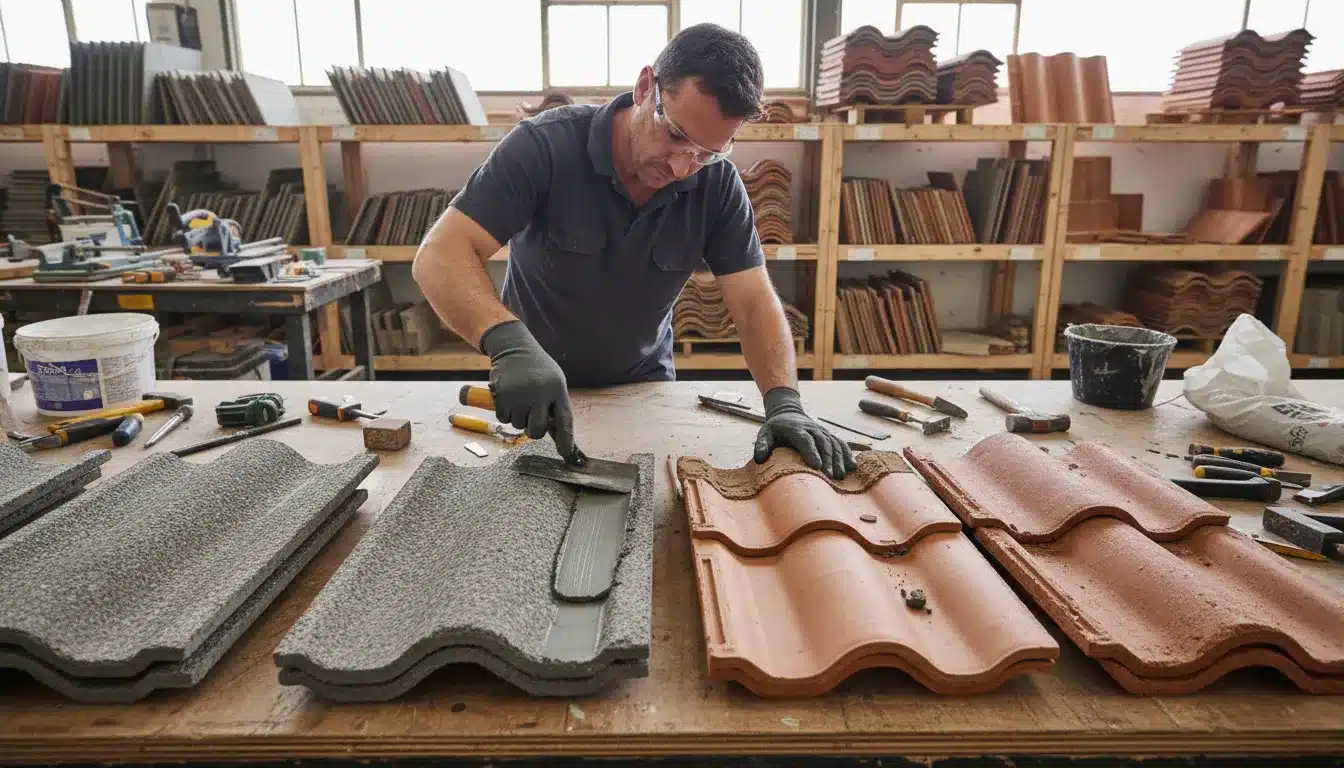
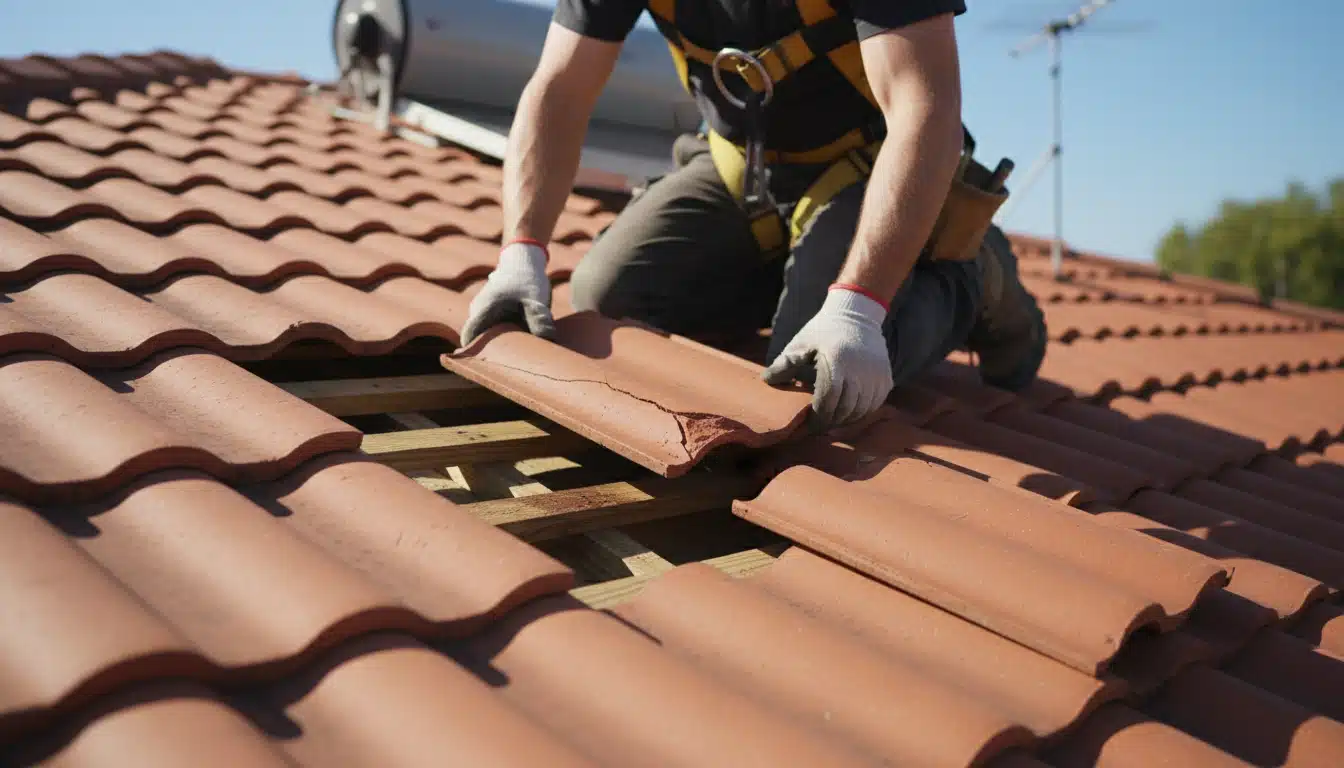
Tile re-bedding involves removing lifted tiles, cleaning the battens, and re-securing tiles with fresh flexible mortar bedding. Modern flexible bedding compounds accommodate thermal movement better than traditional cement mortar, reducing the likelihood of future wind uplift damage. Each tile receives mechanical fixing – either through the existing nail holes or new clips – ensuring secure attachment independent of the mortar bedding.
Valley and Flashing Repairs
Valley and flashing repairs address water management issues that often accompany lifting roof tiles. Deteriorated valleys allow water to back up under tiles during heavy rain, while damaged flashings create leak pathways around penetrations. Professional restoration includes replacing or resealing these critical weatherproofing elements through gutter and downpipe services to ensure comprehensive protection.
Protective Coating Application
Protective coating application completes the restoration process, sealing tiles and extending their service life by 15-20 years. Permacoat applies Dulux Acratex coating systems in a three-coat process – primer sealer plus two finish coats – providing superior protection against Perth’s UV radiation and weather extremes. This coating also locks tiles in position, adding an additional layer of security against displacement.
Cost Factors and Investment Protection
Restoration versus replacement decisions depend on the extent of damage and the roof’s remaining structural integrity. Tile roof repairs addressing isolated lifting typically cost $800-$2,500, while comprehensive restoration ranges from $8,000-$15,000 for average Perth homes. Complete re-roofing starts at $20,000-$35,000, making restoration the economically sensible choice when the underlying structure remains sound.
Warranty Protection Provides Security
Warranty protection through professional restoration provides financial security that DIY repairs or handyman services cannot match. Permacoat’s restoration work includes a 15-20 year warranty on coating systems, 12-month warranty on leak repairs, and 3-year warranty on labour, protecting investments against premature failure. This warranty coverage transfers to new owners, adding value when selling properties.
Property Value Enhancement
Property value enhancement from addressing lifting tiles extends beyond preventing damage. Restored roofs improve street appeal, eliminate buyer concerns during inspections, and demonstrate proper property maintenance. Perth real estate professionals consistently rank roof condition among the top three factors affecting property valuations in the $500,000-$1,500,000 price range.
Energy Efficiency Improvements
Energy efficiency improvements result from properly secured tiles that maintain consistent thermal barriers. When restoration eliminates gaps from lifted tiles, homes maintain more stable interior temperatures, reducing heating and cooling costs by 10-20%. This ongoing saving accumulates over the 15-20 year lifespan of the restored roof, offsetting a significant portion of the initial investment.
Conclusion
Lifting roof tiles demand prompt professional assessment to prevent escalating damage that transforms a manageable repair into costly structural remediation. Perth’s climate accelerates the deterioration process, making early intervention critical for protecting property investments. When tiles begin lifting, the underlying causes – whether wind damage, mortar deterioration, or structural movement – typically affect broader roof sections than initially visible.
Professional restoration addresses tile displacement systematically, securing all tiles with modern flexible bedding, mechanical fixing, and protective coatings that extend roof life by 15-20 years. This comprehensive approach delivers superior long-term value compared to ongoing spot repairs that never resolve underlying issues.
For expert tile restoration services backed by 50+ years of Perth experience and 30,000+ restored roofs, call (08) 9249 5955 to book a free inspection.