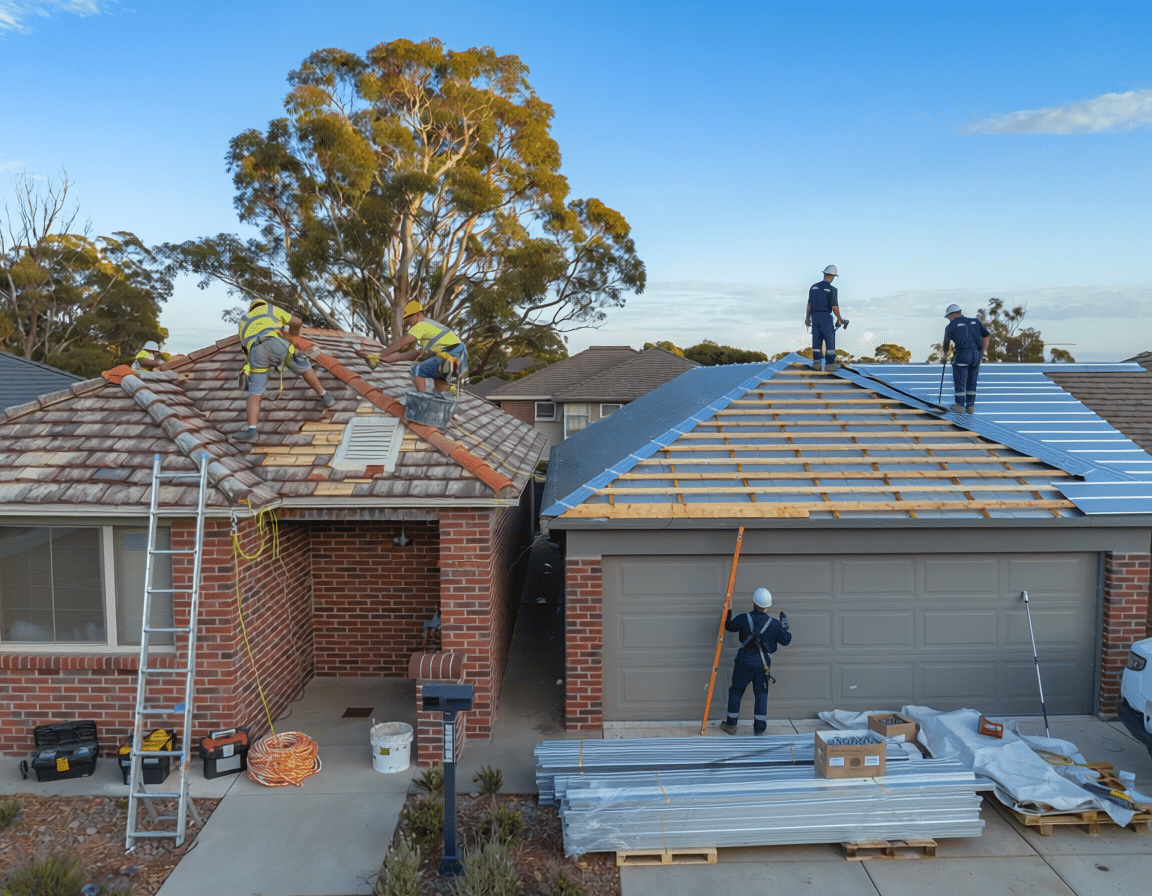
Perth homeowners facing deteriorated roofs often receive conflicting advice about whether restoration or re-roofing provides the right solution. The confusion stems partly from contractors with vested interests – re-roofers naturally recommend replacement while restoration specialists advocate for their service. Understanding the fundamental differences between these roof restoration options helps homeowners make informed decisions based on actual needs rather than sales pitches.
The restoration vs re-roofing decision impacts finances significantly. Complete re-roofing typically costs 2-3 times more than professional restoration, representing $10,000-$17,000 additional expenditure for average Perth homes. This substantial difference means choosing the wrong approach either wastes money on unnecessary replacement or attempts restoration when genuine replacement is required. Neither outcome serves homeowner interests.
Understanding the Core Differences
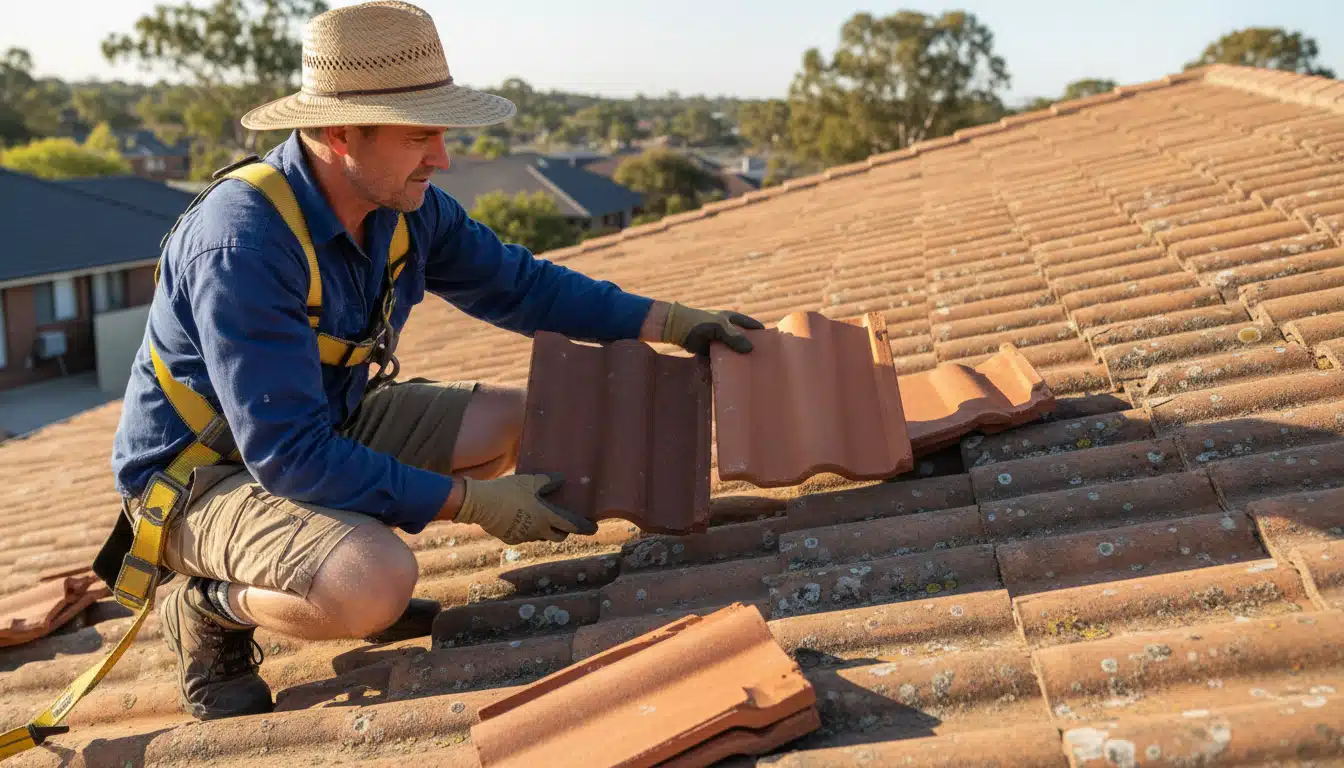
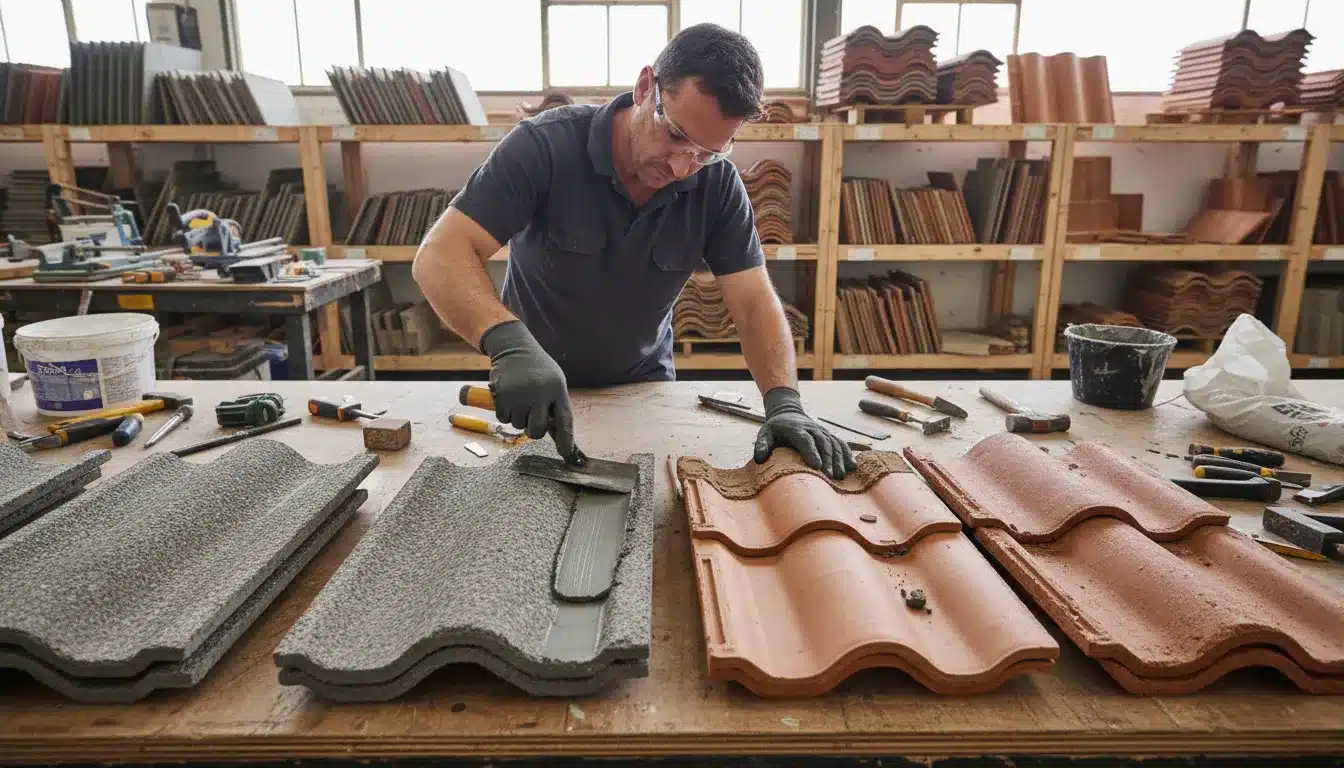
Roof restoration works with existing roof materials – tiles, metal sheeting, or other installed surfaces – addressing deterioration through cleaning, repairs, and protective coating application. The process preserves the roof’s structure while returning it to excellent functional and cosmetic condition. Permacoat‘s restoration approach includes high-pressure cleaning, damaged tile replacement, valley and flashing repairs, and three-coat Dulux Acratex system application.
What Restoration Involves
The restoration process assumes the roof’s underlying structure – timber battens, sarking, and support systems – remains sound. Work focuses on surface preparation, localized repairs, and protection through premium coating systems. A 150-square-metre Perth home typically receives restoration for $5,000-$8,500, with work completing in 5-7 days and minimal disruption to occupants.
The restoration outcome delivers a roof that looks new, provides weatherproof protection, and carries 15-20 year warranty coverage. For roofs with sound structure but surface deterioration, restoration returns them to excellent condition at a fraction of replacement cost. This represents the optimal roof restoration option when structural integrity exists.
What Re-Roofing Entails
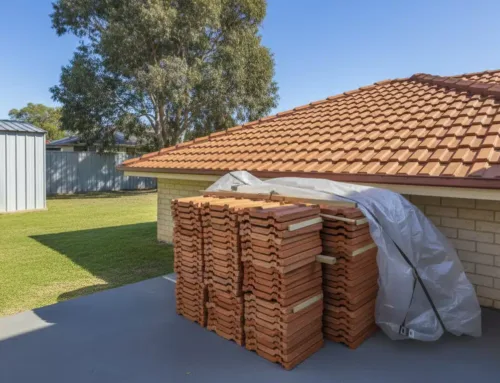
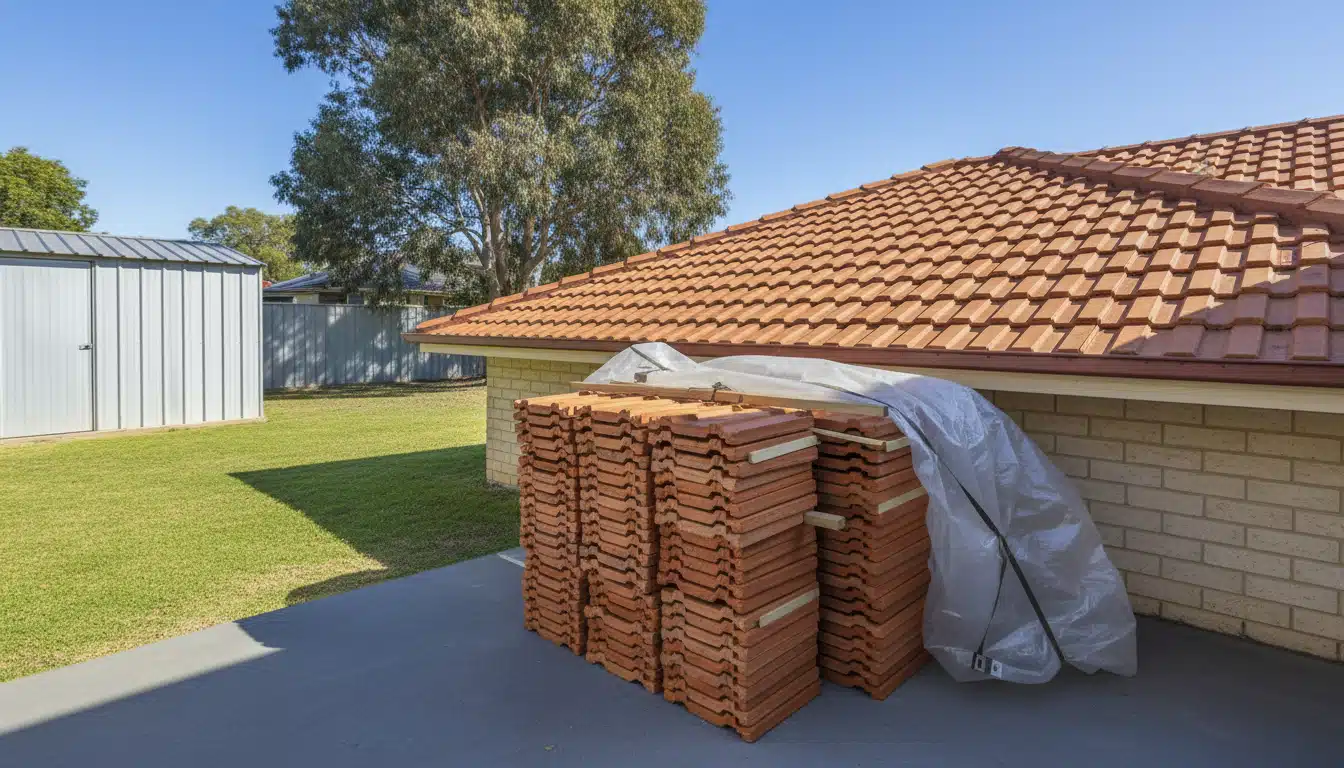
Re-roofing strips the existing roof completely – tiles, metal sheeting, sarking, and potentially battens – replacing everything with new materials. The process exposes the property to weather during work and creates 5-8 tonnes of waste material requiring disposal. Perth homes typically face re-roofing costs of $15,000-$25,000 or more, with work requiring 7-14 days and significant disruption.
The re-roofing outcome provides a completely new roof with materials expected to last 30-50+ years depending on type. For roofs with compromised structure, extensive damage, or materials reaching end-of-life, replacement represents the necessary approach. However, many homeowners proceed with unnecessary re-roofing when restoration would serve equally well at much lower cost.
When Roof Restoration Makes Sense
Most Perth roofs between 10-30 years old with surface deterioration but sound structure qualify as ideal restoration candidates. The coating may show fading, chalking, or complete failure in sections, yet the tiles themselves remain structurally intact. Timber battens and sarking continue providing proper support. These roofs need protection and cosmetic renewal, not complete replacement.
Identifying Restoration Candidates
Surface-level deterioration presents clear restoration signals. Faded coating that no longer provides UV protection, biological growth (moss and lichen) indicating deteriorating coating, minor tile damage affecting less than 15% of surface area, and localised leak points from flashing or valley failures all respond excellently to roof restoration in Perth.
Perth’s coastal suburbs particularly benefit from restoration addressing salt damage. Properties from Fremantle to Mindarie show characteristic surface deterioration from salt exposure while underlying tile remains sound. Restoration removes salt deposits, repairs any damage, and applies protective coating that resists future salt attack – extending roof life 15-20 years without replacement expense.
Tile Roof Restoration Success
Terracotta and concrete tile roofs represent Perth’s most common roof type and respond particularly well to restoration. Tiles maintain structural integrity for 50-80 years while coatings protecting them deteriorate within 10-20 years. Restoration re-establishes protection at optimal timing – after coating fails but before tile damage progresses.
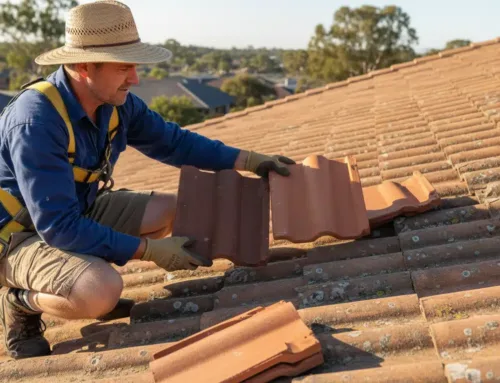
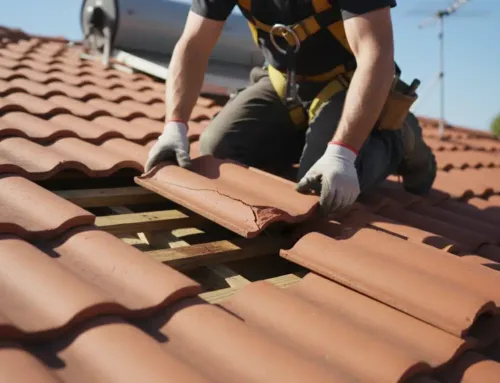
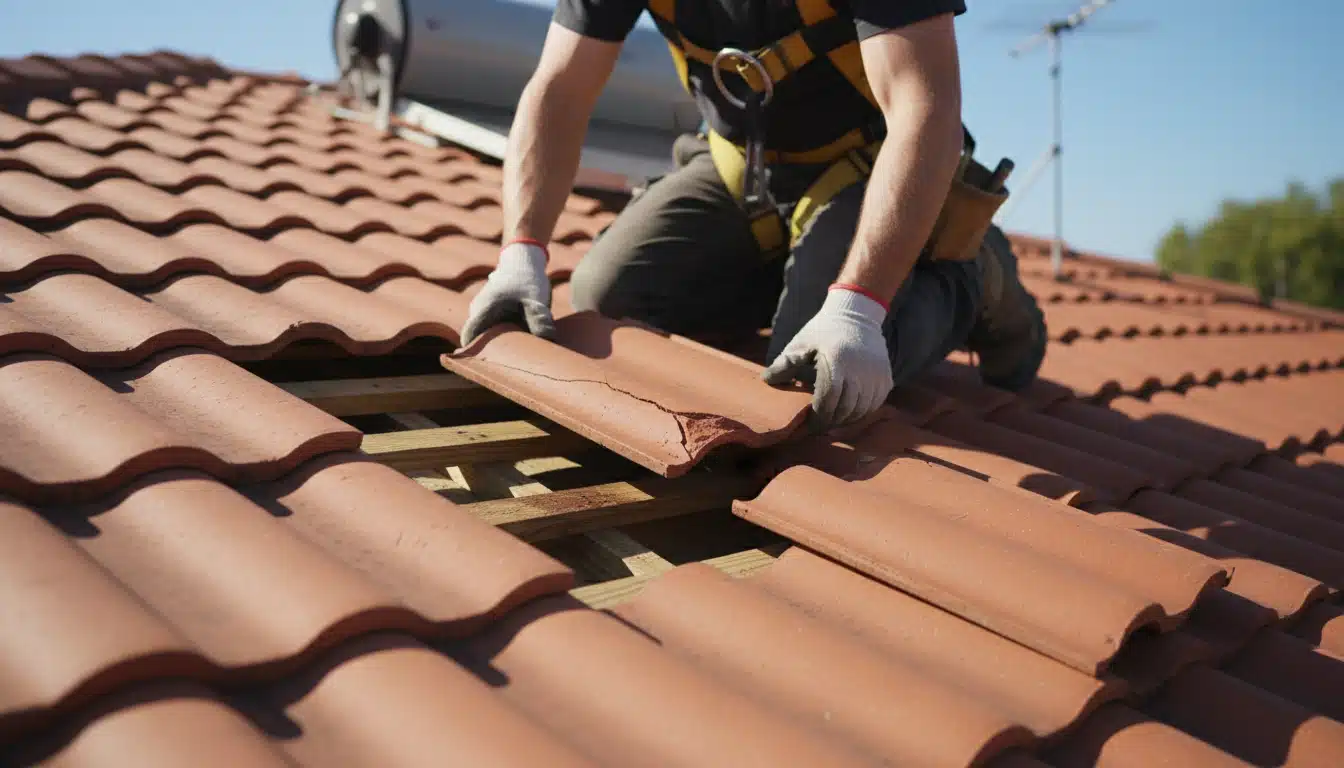
The restoration process for tile roofs includes replacing any cracked or broken tiles (typically 5-15% of total), re-bedding ridge capping where mortar has deteriorated, repairing or replacing valley flashing, and applying three-coat protective system. This comprehensive approach addresses all deterioration without the waste and expense of replacing functional tiles.
Metal Roof Restoration Options
Colorbond and other metal roofing materials show different deterioration patterns than tile but qualify equally well for restoration when structure remains sound. Surface oxidation, fade, and chalking indicate coating breakdown while the metal substrate continues performing. Restoration removes surface contamination, treats any rust formation, and applies protective coating extending life 15-20 years.
Metal roof restoration typically costs less than tile restoration due to simpler surface preparation and faster coating application. For Perth homeowners with faded Colorbond roofs, restoration provides dramatic cosmetic improvement while eliminating the expense of complete roof replacement. The factory-applied coating eventually breaks down under UV exposure, but the metal remains sound for decades beyond.
When Re-Roofing Becomes Necessary
Certain conditions make restoration impossible or impractical, requiring complete re-roofing regardless of cost preferences. Recognizing these situations prevents wasted restoration investment on roofs that genuinely need replacement. Professional inspection identifies these conditions before homeowners commit to inappropriate approaches.
Structural Damage Requiring Replacement
Water penetration over extended periods damages timber battens, rafters, and supporting structure beyond repair capacity. When these structural elements show rot, insect damage, or sufficient deterioration that they won’t support new tiles or sheeting, re-roofing becomes essential. Attempting restoration over compromised structure creates hazardous conditions and wastes coating investment.
Structural assessment requires accessing roof cavities to examine timber condition directly. Surface inspection alone may miss hidden deterioration. Professional inspectors probe battens to check for softness indicating rot, examine connections for integrity, and assess whether structure meets current building codes. Homes showing structural compromise need replacement rather than surface restoration.
Widespread Material Failure
When more than 30% of tiles show cracking, spalling, or structural damage, restoration costs approach re-roofing costs due to extensive tile replacement requirements. At this damage level, re-roofing often provides better value by installing fresh tiles with updated sarking and proper installation rather than working around extensive deterioration.
Concrete tiles showing delamination or terracotta tiles with through-body cracks cannot be restored. The material has reached end-of-life and requires replacement. Coating these tiles provides temporary appearance improvement but offers no structural benefit – the tiles will continue deteriorating regardless of coating applied.
Asbestos Roof Material
Properties with asbestos cement roofing face mandatory replacement due to health regulations and material characteristics. Asbestos roofing cannot be restored through coating application – the material’s friable nature and health risks require specialized removal and disposal. While unfortunate from cost perspective, replacement provides opportunity to upgrade to modern materials with superior performance.
Re-roofing asbestos properties typically costs more than standard re-roofing due to specialized removal requirements and disposal fees. However, Perth homeowners facing this situation should view it as opportunity to install quality Colorbond or tile roofing that won’t require attention for decades.
Cost Comparison Reality
The financial difference between restoration vs re-roofing approaches creates the primary consideration for most Perth homeowners. Understanding both upfront costs and long-term value helps make decisions aligned with financial circumstances and property plans.
Upfront Investment Differences
Professional roof restoration for standard 150-square-metre Perth homes typically ranges $5,000-$8,500 depending on roof type, condition, and repair requirements. This investment includes comprehensive cleaning, all necessary repairs, three-coat Dulux Acratex system, and 15-20 year warranty coverage.
Complete re-roofing for the same property starts at $15,000 and frequently exceeds $25,000. The range depends on material selection (concrete tile, terracotta, or Colorbond), roof complexity, and whether structural repairs are required. This 2-3x cost difference represents substantial additional expenditure that many homeowners struggle to justify when restoration provides comparable protection.
Return on Investment Analysis
Both approaches increase property value, though the return percentages differ. Restoration typically returns 150-200% of investment at sale time – a $7,000 restoration adds $10,500-$14,000 to sale price. Re-roofing returns 90-120% of investment – a $20,000 re-roof adds $18,000-$24,000 to value.
The percentage return favours restoration because buyers primarily assess roof appearance and warranty coverage rather than whether materials were replaced or restored. A professionally restored roof with 15-year remaining warranty provides buyer confidence equivalent to new roofing, making the higher restoration return logical from market perspective.
Five-Year Cost Trajectory
Examining costs over five years reveals further advantages for quality restoration approaches. Properly executed restoration requires no maintenance beyond standard gutter cleaning during this period. Re-roofing similarly requires minimal maintenance, though new roofs occasionally need fastener tightening or sealant touch-ups as materials settle.
The difference emerges when comparing quality restoration to budget restoration attempts. Quality work using the two-team system and premium coatings delivers full five-year performance. Budget restoration often requires remediation within 3-5 years, turning initial savings into ultimate losses exceeding re-roofing costs.
Performance and Longevity Differences
Understanding performance expectations for each roof restoration option helps set realistic expectations about how long solutions last and what maintenance they require. Both approaches provide extended service life when executed properly, though the timeframes differ.
Restoration Service Life
Premium restoration using Dulux Acratex coatings provides 15-20 years of warranted protection. Many Perth roofs exceed these timeframes, with some restorations completed 20-25 years ago still performing well. The actual service life depends on coating quality, application technique, surface preparation thoroughness, and exposure to coastal salt or extreme weather.
Perth’s UV exposure makes coating quality particularly critical. Premium coatings incorporate UV stabilizers and ceramic microspheres that maintain reflectivity and colour stability under intense sun. Budget coatings lacking these additives fade and chalk within 5-8 years, requiring remediation long before quality systems need attention.
New Roofing Lifespan
Complete re-roofing provides the longest service life of available options. Quality concrete or terracotta tiles last 50-80 years with proper maintenance. Colorbond metal roofing carries 20-30 year material warranties but frequently provides 40-50+ years service. The substantial upfront investment delivers corresponding longevity.
However, even new roofing requires eventual maintenance. The factory-applied Colorbond coating eventually deteriorates under UV exposure, requiring restoration 20-25 years post-installation. Tile roofs need periodic coating reapplication to maintain protection and appearance. The advantage lies in pushing these requirements decades into the future rather than addressing them immediately.
Warranty Coverage Comparison
Restoration warranties typically include 15-20 years on coating performance, 12 months on leak repairs, and 3 years on labour. These warranties provide genuine protection – established companies like Permacoat with 50+ years operation stand behind their coverage. The warranty transfers to new owners if property sells, providing value to buyers.
Re-roofing warranties cover materials for 20-50 years depending on type but often limit labour coverage to 1-2 years. The material warranty doesn’t help much if installation problems emerge in years 3-5 after labour coverage expires. Reading warranty fine print reveals these limitations that sales presentations often obscure.
Environmental and Waste Considerations
Environmental impact increasingly influences homeowner decisions as awareness grows about construction waste and resource consumption. The restoration vs re-roofing comparison shows dramatic differences in waste generation and environmental footprint.
Restoration’s Minimal Waste
Roof restoration creates minimal waste – typically just a few bags of broken tiles requiring replacement, old ridge capping mortar, and cleaning debris. This waste fits in a standard trailer load and mostly consists of materials that had genuinely reached end-of-life. The bulk of the existing roof continues serving its protective function after surface renewal.
The coating products used in restoration also feature environmentally responsible formulations. Water-based Dulux Acratex systems contain low VOC levels and pose minimal environmental risk during application or throughout their service life. The three-coat system’s 15-20 year lifespan means less frequent reapplication compared to budget alternatives requiring renewal every 5-8 years.
Re-Roofing Waste Generation
Complete re-roofing generates 5-8 tonnes of waste material for average Perth homes – old tiles or metal sheeting, deteriorated sarking, damaged battens, and associated debris. This waste fills multiple skip bins and travels to landfill facilities where it occupies space permanently. While some materials like metal offer recycling potential, mixed roofing waste typically faces disposal rather than recovery.
The environmental cost extends beyond immediate waste. Manufacturing new roofing materials requires energy, raw materials, and generates production emissions. Transportation to Perth from manufacturing facilities adds further environmental impact. Restoration avoids these upstream environmental costs by preserving existing materials.
Property Value Impact
Both restoration and re-roofing increase property values, though through slightly different mechanisms. Understanding how each approach affects resale helps homeowners prioritize investments based on actual market impact.
Restoration Value Addition
Properties with professionally restored roofs using quality materials command 5-12% premiums over comparable homes with deteriorated roofing. The restored roof eliminates buyer concerns about immediate maintenance needs while providing transferable warranty coverage worth thousands of dollars. Real estate agents report restored roofs particularly benefit properties in competitive price brackets where multiple options exist for buyers.
The visual transformation from restoration creates immediate buyer impact. Faded, moss-covered tiles become vibrant and uniform. Worn Colorbond surfaces regain their original appearance. This dramatic improvement photographs well for online listings and creates positive first impressions during property viewings.
Re-Roofing Value Benefits
New roofing provides similar value increases to restoration – the 5-12% range applies equally to both approaches when comparing against deteriorated roofs. Buyers assess the roof’s condition and remaining service life rather than questioning whether materials are restored or replaced. A roof carrying 15-year warranty and appearing excellent delivers equivalent buyer confidence regardless of which approach created that condition.
The potential advantage for re-roofing emerges in properties where material upgrades occurred – replacing old tiles with modern Colorbond, or upgrading from basic concrete tiles to premium terracotta. These material changes may resonate with particular buyer preferences, though most buyers prioritize condition and warranty over specific material types.
Decision Framework for Perth Homeowners
Making the right choice between roof restoration options requires systematic evaluation rather than assumptions about which approach is “better.” Professional assessment provides objective information supporting informed decisions aligned with specific circumstances.
Professional Inspection Priority
The decision framework begins with comprehensive professional inspection determining whether restoration is viable or re-roofing is necessary. This inspection assesses structural condition, extent of material damage, repair requirements, and coating condition. The findings reveal which approaches suit the specific roof rather than generic advice applicable to all situations.
Permacoat provides free inspections that honestly identify whether restoration or replacement provides the appropriate solution. When restoration works, the company explains why and provides detailed quotes. When replacement is genuinely necessary, that honest assessment prevents wasted restoration investment. This integrity builds trust and ensures homeowners receive advice serving their interests.
Financial Position Consideration
Budget reality influences decisions regardless of technical assessments. Homeowners with immediate access to $7,000 but not $20,000 may proceed with restoration even if replacement would provide longer service life. The restoration delivers 15-20 years protection – substantial value that prevents the roof situation from deteriorating while preserving capital for other priorities.
Financing availability changes equations. If low-interest financing makes re-roofing affordable, homeowners might choose replacement despite restoration being technically viable. The extended service life and avoided maintenance over 30-50 years can justify the additional investment when financing terms are favourable.
Property Ownership Timeline
Plans for the property significantly impact optimal decisions. Homeowners selling within 2-5 years benefit most from restoration – lower investment, equivalent buyer impact, and recovered costs through sale premiums. The restoration provides everything buyers need without the excess investment of replacement that won’t be enjoyed by the current owner.
Homeowners settled for 10-20+ years might favour re-roofing despite higher cost. The extended service life means never addressing the roof again during ownership. This simplicity and certainty appeals to many homeowners even when restoration would provide adequate protection at lower cost.
Conclusion
The restoration vs re-roofing decision depends on roof condition, budget, property plans, and homeowner priorities rather than one approach being universally superior. Roofs with sound structure and surface deterioration benefit from restoration providing 15-20 years protection at 40-60% of re-roofing costs. Roofs with structural damage, extensive material failure, or asbestos composition require complete replacement regardless of cost preferences.
Professional assessment establishes which roof restoration options suit specific circumstances. Permacoat’s free inspections provide honest evaluation without sales pressure, ensuring homeowners receive advice serving their actual needs. This integrity distinguishes quality operations from contractors with vested interests in recommending the most expensive approach regardless of appropriateness.
For Perth homeowners uncertain which approach suits their roof, call (08) 9249 5955 for a free professional inspection and clear recommendation based on actual roof condition.