Most Perth homeowners dread roof inspections, imagining expensive surprises and high-pressure sales tactics. The reality of a professional roof assessment differs dramatically from these assumptions. Understanding what actually happens during a comprehensive roof inspection Perth removes anxiety and helps homeowners make informed decisions about their property’s most critical protection system.
The inspection process typically takes 30-45 minutes and provides detailed information impossible to obtain from ground-level viewing or basic building inspections. Unlike generic property assessments that allocate just minutes to roof evaluation, a dedicated professional roof assessment examines every component that determines whether restoration, repairs, or replacement provide the best solution. This thoroughness prevents the common mistake of applying costly coatings over roofs that need structural attention first.
Why Professional Roof Inspections Matter
Standard building inspections serve their purpose for overall property condition but provide limited value for roof restoration planning. Building inspectors typically assess from ground level or with minimal roof access, identifying obvious problems like missing tiles or visible damage. However, this surface-level evaluation misses the critical indicators that determine appropriate restoration approaches and accurate cost estimation.
What Building Inspections Miss
Coating condition deterioration that’s invisible from ground level becomes obvious during close inspection. Faded surfaces that appear uniform from below often show patchy degradation up close, with some areas requiring more preparation than others. This variation affects restoration cost and approach but doesn’t appear in standard building reports.
Microscopic tile cracking that will worsen within 2-3 years remains hidden during quick visual assessments. Experienced inspectors recognize early stress patterns indicating tiles approaching failure. Identifying these patterns prevents wasted investment in coating tiles that will crack beneath the coating within years.
Valley and flashing condition determines leak risk but requires close examination. Water staining, corrosion, and seal deterioration often appear minor from a distance yet represent significant problems requiring repair before restoration. Professional roof assessment identifies these issues before they escalate into emergency leaks.
Specialized Inspector Training
Professional roof inspectors bring focused expertise impossible for general building inspectors to match. They understand Perth’s specific climate challenges – how coastal salt exposure affects different roof types, which tiles show particular vulnerability to UV degradation, and how temperature extremes create characteristic failure patterns. This knowledge allows accurate condition assessment and appropriate restoration recommendations.
The inspector’s training extends to recognizing when problems stem from installation defects versus normal aging. This distinction matters significantly – defective installation may void warranties or justify insurance claims, while age-related deterioration represents normal maintenance requirements. Accurate identification protects homeowners from unnecessary costs or missed coverage opportunities.
The Pre-Inspection Consultation
The roof inspection Perth process begins before any physical assessment occurs. Scheduling accommodates homeowner convenience – evening and weekend appointments suit working families, while daytime inspections allow those working from home to maintain productivity. The flexibility recognizes that roof assessment shouldn’t disrupt daily life unnecessarily.
Information Gathering Phase
Before climbing onto the roof, inspectors ask about roof history and known issues. When was the roof last restored or repaired? Have leaks occurred, and if so, where? Has anyone walked on the roof recently, potentially causing tile damage? This background information helps inspectors focus attention on areas most likely to show problems.
Previous restoration work requires particular attention during professional roof assessment. Some budget coating operations create problems worse than the original deterioration – improperly prepared surfaces, insufficient coating thickness, or incompatible product layering. Identifying these issues early prevents compounding problems through additional coating over failed work.
Known problems get documented for thorough examination. If homeowners report staining on a specific ceiling section, the inspector traces that location to its roof position and examines all potential water entry points. This systematic approach often reveals the actual leak source differs from homeowners’ assumptions about problem origins.
Physical Inspection Components
The physical assessment portion begins with the inspector explaining what will happen and approximately how long it will take. Homeowners often appreciate the inspector’s narration of findings during the process, though detailed discussion typically occurs after completion when the full picture emerges.
Comprehensive Surface Assessment
Permacoat‘s inspectors begin with overall roof assessment before focusing on specific issues. They examine coating condition across the entire surface, noting fade patterns, areas with complete coating failure, and sections showing good preservation. This broad view establishes whether restoration involves uniform coating application or requires varied preparation for different roof sections.
Biological growth patterns reveal moisture retention issues and drainage problems. Moss and lichen don’t grow randomly – they establish in areas where moisture accumulates due to poor drainage, inadequate sunlight, or damaged tiles allowing water absorption. The growth pattern provides diagnostic information about underlying problems requiring attention.
UV damage shows characteristic patterns based on roof orientation and sun exposure. North-facing sections in Perth typically show more severe deterioration than south-facing areas. Inspectors assess whether this damage represents surface coating failure or has penetrated into tile substrate, fundamentally different conditions requiring distinct restoration approaches.
Tile and Material Condition Evaluation
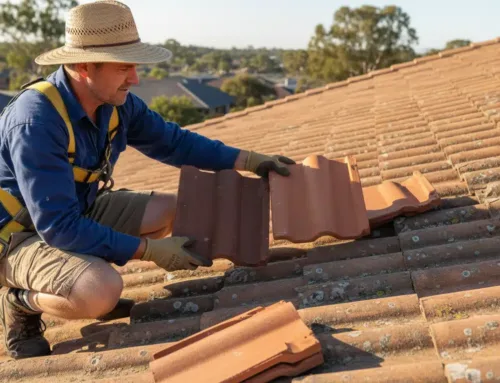
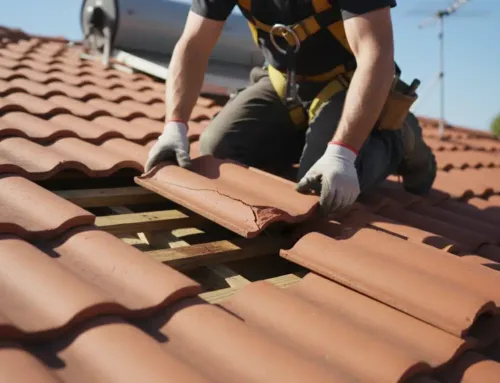
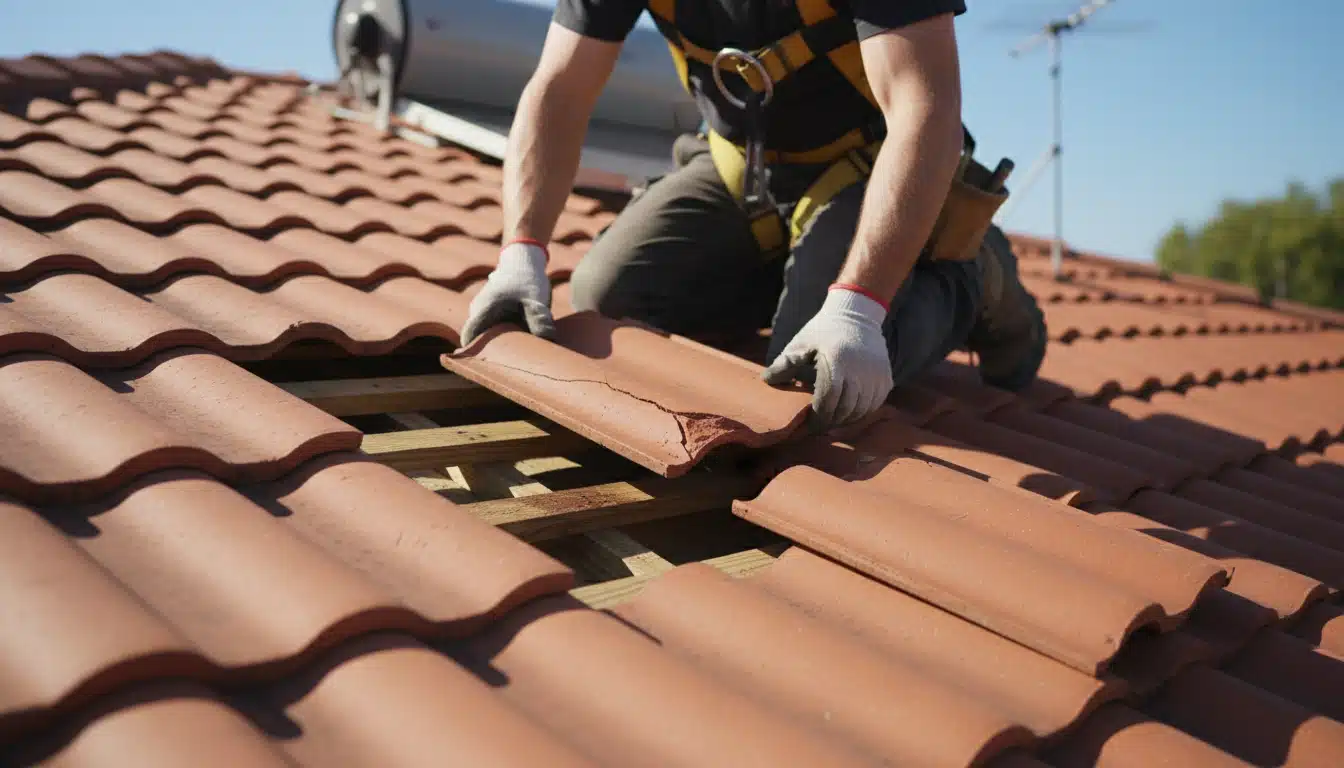
Individual tile assessment identifies problems that coating won’t solve. Cracked tiles allowing water penetration require replacement before restoration. Spalling concrete tiles losing surface integrity need replacement regardless of coating condition. Displaced tiles creating gaps in coverage must be repositioned or replaced before coating application proceeds.
The inspector distinguishes between surface crazing (fine cracks in tile glaze) and structural cracking that penetrates the tile body. Surface crazing responds well to restoration coating, while structural cracks require tile replacement. This distinction prevents wasted investment in coating tiles that will fail shortly after restoration.
Roof cleaning requirements become apparent during close inspection. Heavy moss growth, thick dirt accumulation, and biological staining indicate extensive preparation work ahead. The inspector estimates cleaning complexity to ensure quotes reflect actual work requirements rather than optimistic assumptions about surface condition.
Structural Element Inspection
Ridge capping inspection reveals whether mortar bedding remains solid or has deteriorated to the point where caps move under light pressure. Perth’s temperature cycling causes bedding mortar to crack and crumble over time. The inspector assesses what percentage of ridge capping requires re-bedding – an expensive component that significantly affects total restoration cost.
Valley condition determines leak risk more than almost any other roof component. The inspector examines valley flashing for corrosion, cracks, and seal failures. They check whether valleys channel water properly or show pooling that accelerates deterioration. Valley problems often require complete replacement rather than repair, a significant cost factor requiring accurate identification.
Flashing around chimneys, vent pipes, skylights, and roof-wall junctions gets thorough examination. The inspector checks for rust, cracks, seal deterioration, and proper installation. Inadequate flashing causes most roof leaks, yet building inspections often miss these issues. Professional assessment identifies problems before they cause interior damage.
Safety and Access Considerations
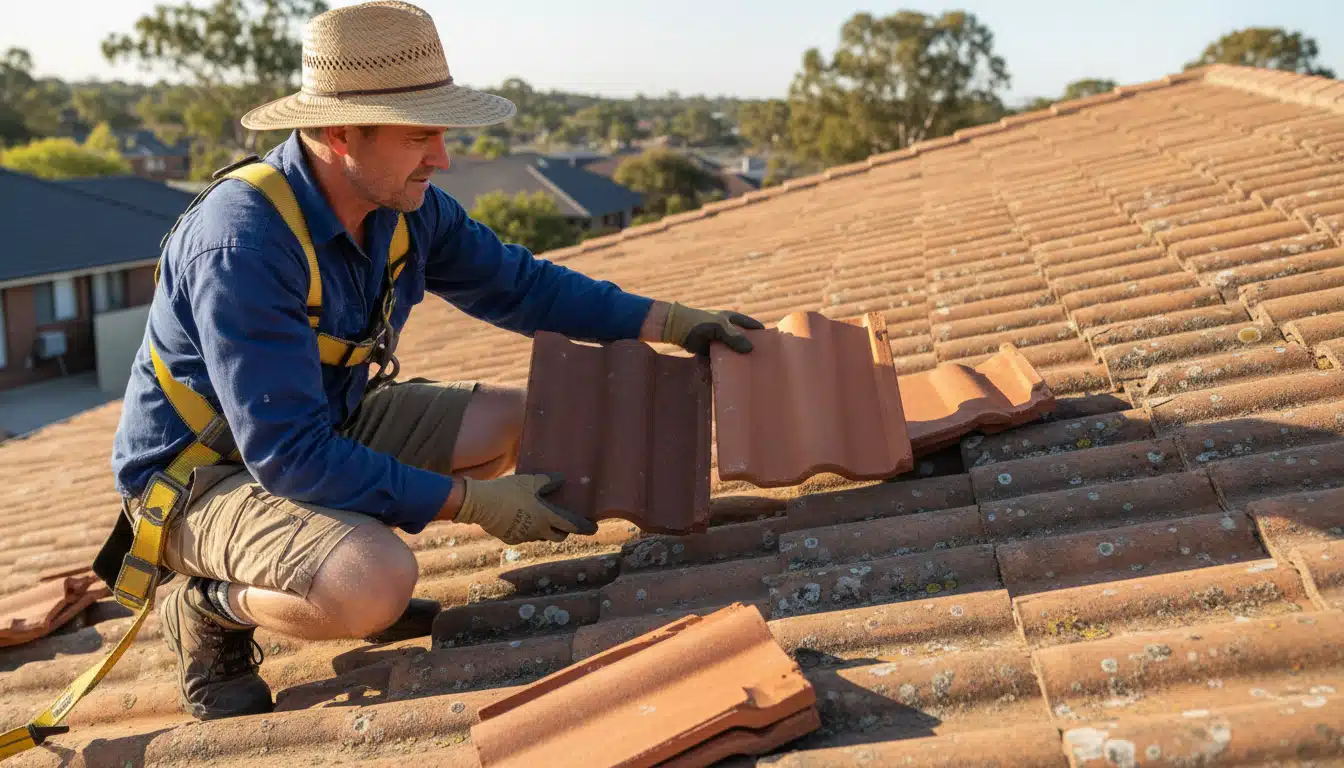
Professional inspectors prioritize safety for themselves, homeowners, and property. They use proper fall prevention equipment, maintain three points of contact while moving on roofs, and avoid working in wet or windy conditions that create slip risks. This professionalism distinguishes quality operations from budget providers who cut corners on safety.
Property Protection Protocols
Before accessing the roof, inspectors confirm ladder placement won’t damage gutters, walls, or landscaping. They check that garden furniture, vehicles, and equipment won’t be affected by their movement around the property. This attention to detail prevents the minor property damage that creates frustration after inspections.
Homeowner presence during the inspection is optional but often appreciated by those interested in understanding their roof’s condition. The inspector can point out specific issues and explain findings in real time. However, many homeowners prefer to continue their activities while inspection proceeds, joining the inspector afterward for results discussion.
Documentation and Reporting
The inspection’s value lies in comprehensive documentation that supports accurate quotes and informed decisions. Inspectors photograph every significant finding – coating deterioration patterns, cracked tiles, valley damage, flashing problems, and areas requiring attention. These images form part of the written report homeowners receive.
Written Condition Assessment
The professional roof assessment report translates visual observations into clear condition descriptions. Rather than technical jargon, the report explains what each problem means in practical terms – will it cause leaks, does it affect restoration success, what happens if left unaddressed? This clarity helps homeowners understand recommendations rather than simply accepting expert opinions.
The report identifies all necessary repairs with explanations of why each repair matters. A cracked valley might appear minor but creates substantial leak risk during heavy rain. The report explains this connection between visible damage and potential consequences, helping homeowners prioritize work based on understanding rather than fear.
Cost estimation accuracy depends on thorough inspection identifying all work requirements. Incomplete inspections lead to surprise additional costs when hidden problems emerge during restoration. The comprehensive professional assessment prevents this problem by documenting everything requiring attention before any quote is prepared.
Understanding the Inspection Report
Roof inspection Perth reports typically include a condition grade indicating overall roof status. These grades range from excellent (minimal work required) through good (routine maintenance needed), fair (restoration recommended), to poor (urgent attention required). The grading provides quick understanding while detailed findings explain specific issues.
Priority Repair Identification
Not all identified problems require immediate attention. The report categorizes issues by urgency – critical repairs that must occur before restoration, recommended repairs that should be addressed for optimal results, and optional improvements that provide benefits but aren’t essential. This prioritization helps homeowners with budget constraints make informed decisions about staging work.
Critical repairs typically include anything allowing water penetration, structural issues affecting roof integrity, and safety hazards like loose ridge capping that could fall. These items appear first in the report with clear explanation of why immediate attention matters.
Restoration Versus Replacement Recommendations
One key value of professional roof assessment is honest guidance about whether restoration or replacement provides the best solution. Not every deteriorated roof qualifies for restoration – some have progressed beyond the point where coating application makes financial sense. The inspection report explains which approach suits the specific roof’s condition.
Roofs with sound tile integrity, minor coating deterioration, and no major structural issues typically represent ideal restoration candidates. The work addresses existing problems and provides 15-20 years of additional service. The report quantifies expected restoration costs versus replacement costs, helping homeowners make informed financial decisions.
Post-Inspection Consultation
Following the physical inspection, the inspector reviews findings with homeowners in detail. This consultation provides opportunity to ask questions, discuss options, and understand recommendations fully. Unlike high-pressure sales presentations, the consultation focuses on education and empowering homeowners to make decisions aligned with their circumstances and goals.
Question and Answer Session
Homeowners often have questions about specific findings or recommended approaches. Why does that cracked valley require replacement rather than repair? Would partial roof work suffice or does the entire roof need restoration? Could some repairs be deferred to next year? The inspector addresses these questions with explanations grounded in experience rather than sales motivations.
The conversation often reveals homeowner priorities that affect recommendations. Homeowners planning to sell within 2-3 years may prioritize appearance over long-term performance. Those settled long-term benefit from investments in comprehensive restoration that maximizes coating life. Understanding these priorities allows customized recommendations serving actual homeowner needs.
Quote Preparation Timeline
Following the inspection and consultation, homeowners receive a detailed written quote within 24-48 hours. This quote includes all identified repairs, surface preparation requirements, coating system specifications, warranty coverage, and pricing breakdowns. The quote remains valid for 30 days, providing time for consideration without pressure.
The quote separates costs into logical categories – preparation and cleaning, repairs, coating application, and any optional improvements. This transparency allows homeowners to understand exactly what they’re paying for and make informed decisions about which components to proceed with if budget constraints require prioritization.
Conclusion
Understanding what happens during a professional roof assessment removes anxiety and helps Perth homeowners approach roof maintenance strategically rather than reactively. The 30-45 minute inspection provides comprehensive information about roof condition, identifies all necessary work before quotes are prepared, supports informed decisions about restoration versus replacement, and establishes a documented baseline for future condition tracking.
The value of this professional assessment extends beyond immediate restoration decisions. Homeowners gain understanding of their roof’s actual condition, identify problems before they cause interior damage, receive accurate cost estimates without surprise additions later, and develop relationships with reliable roof restoration Perth providers for future needs.
For a free professional roof assessment with no obligation, call (08) 9249 5955 to schedule an inspection convenient to your schedule.