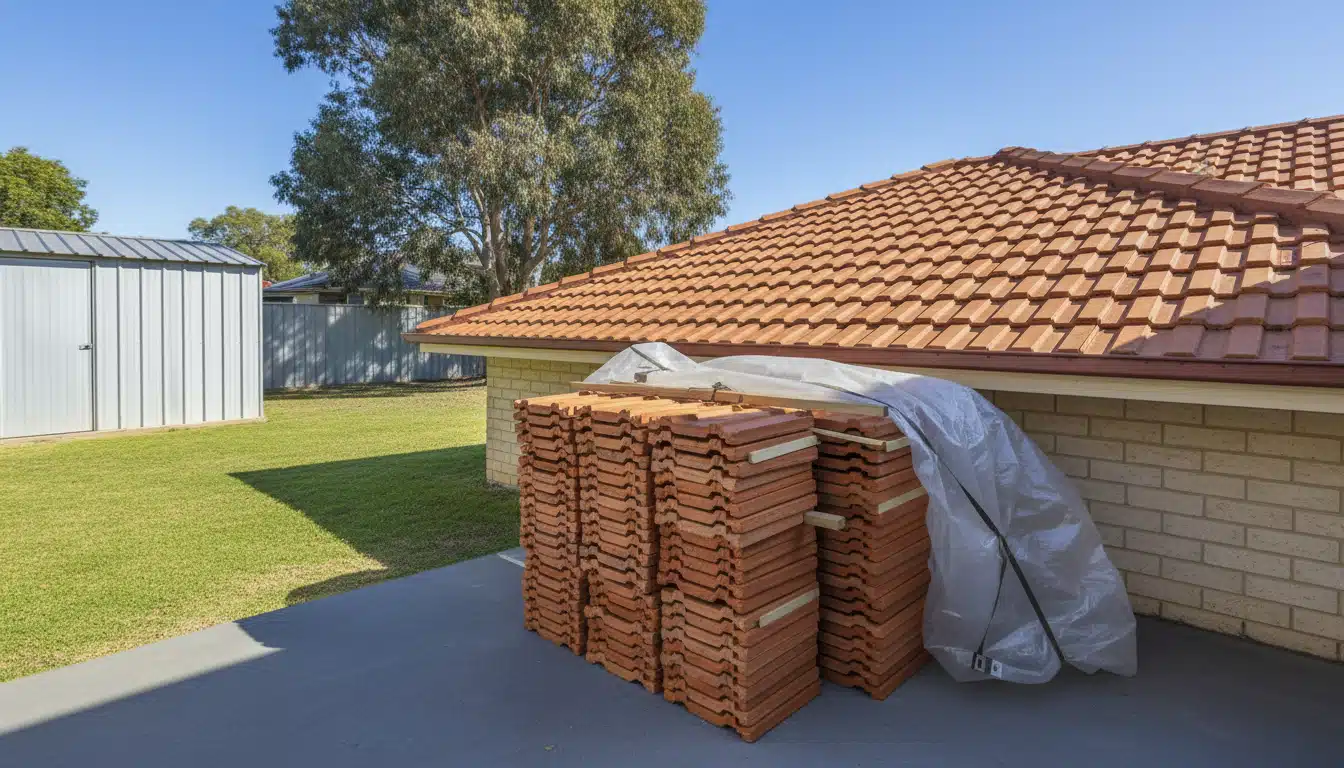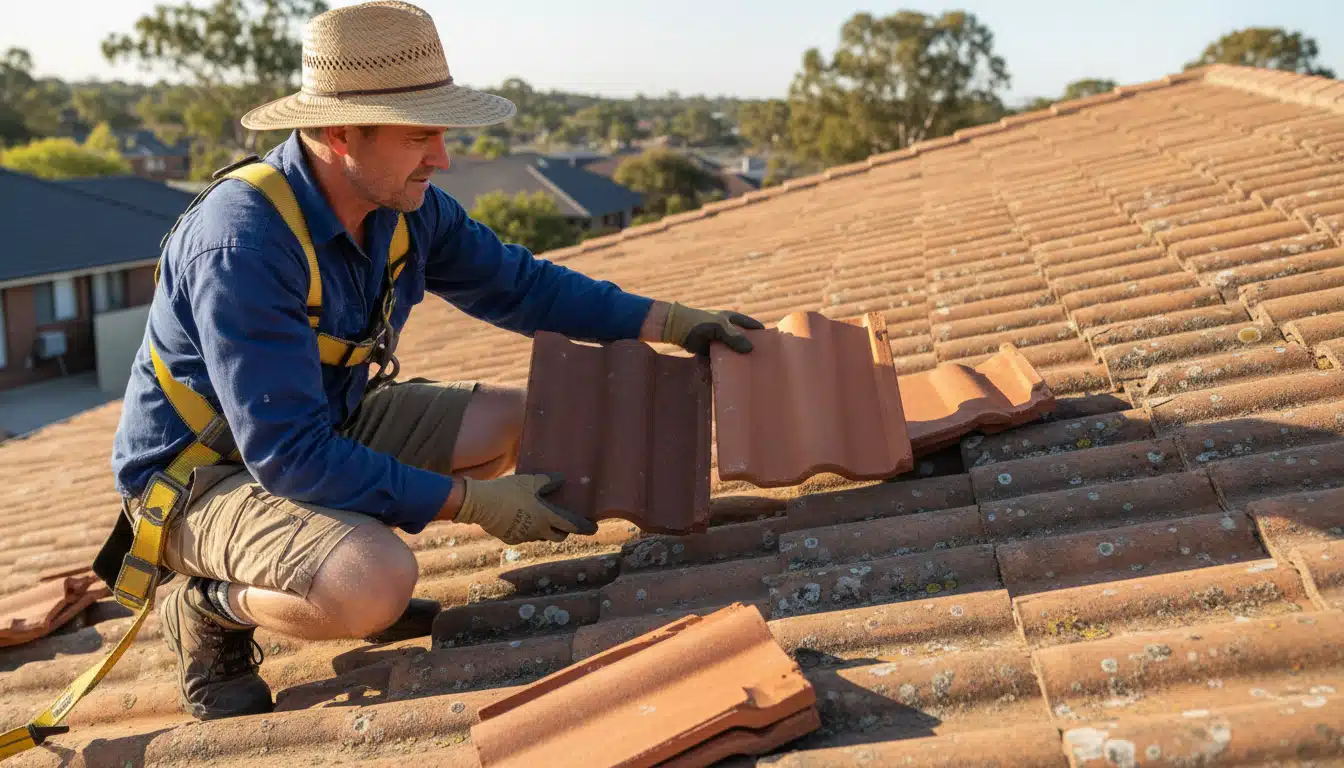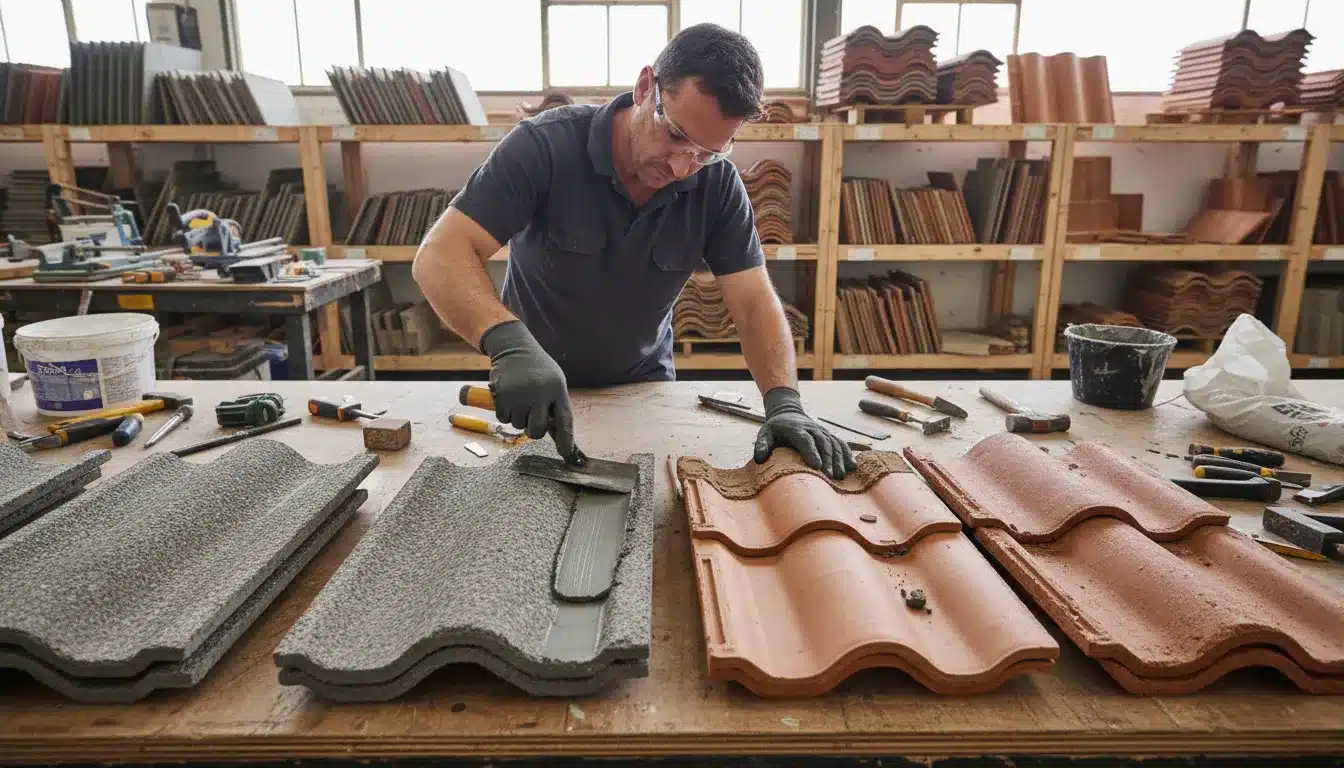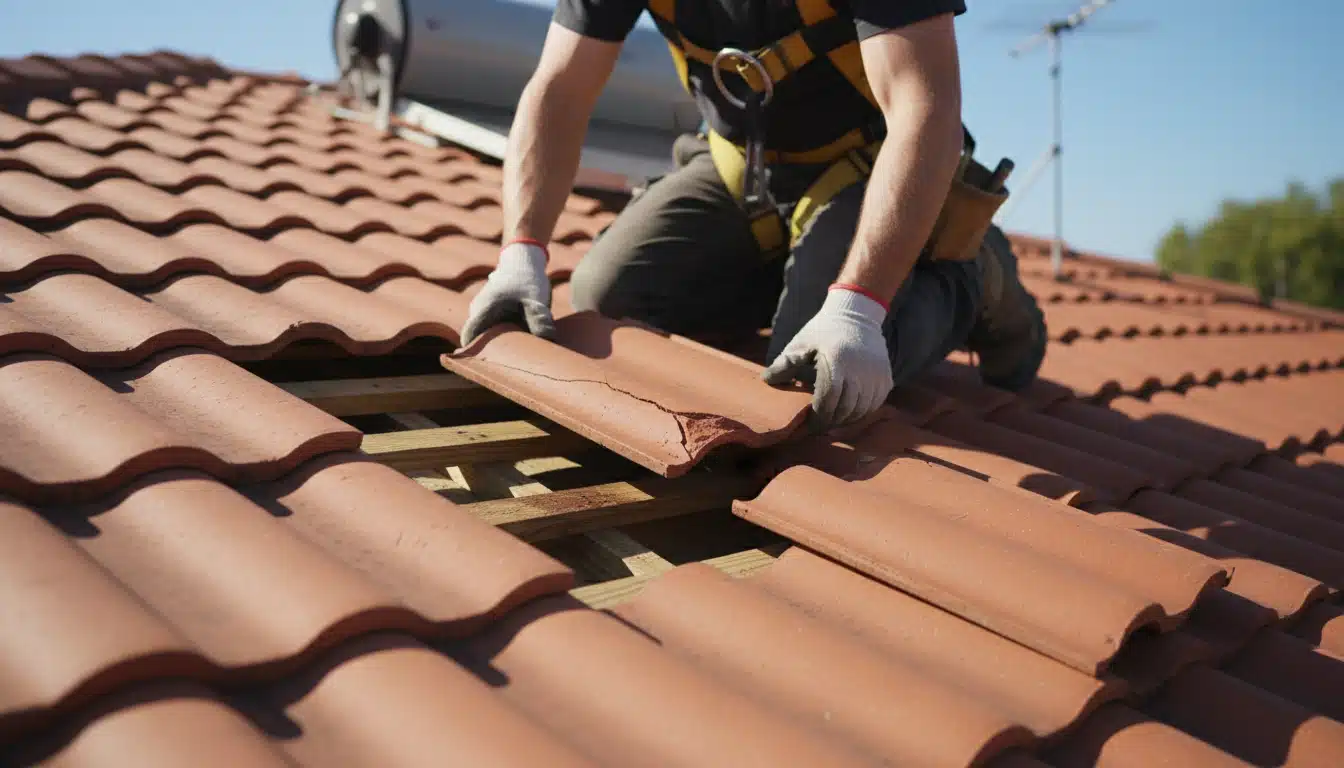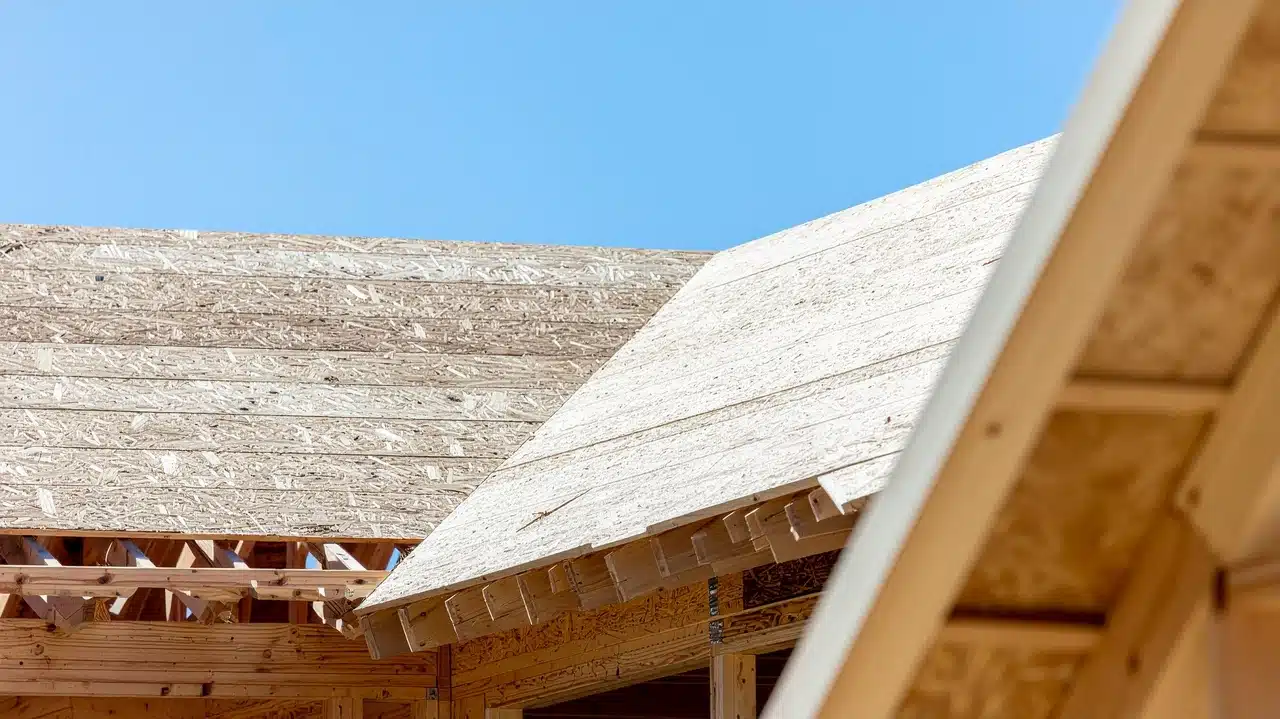
When Perth homeowners commit to a complete roof upgrade, visible exterior materials represent only part of the investment. Beneath many roof coverings sits an important component called timber battens. These timber members provide fixing points for roof coverings and form part of the wider roof system.
For many homeowners, battens remain invisible and therefore easily overlooked. Yet their condition matters when a new roof is being installed. During complete re-roofing in Perth, inspecting existing battens helps determine whether they remain suitable or require replacement as part of the project.
The condition of roof battens can vary considerably between properties. Moisture exposure, timber deterioration, insect activity and previous roof problems can all affect their condition. A thorough assessment helps determine whether roof batten replacement is necessary before new roofing materials are installed.
What Roof Battens Actually Do
Timber battens perform several important functions that most homeowners never consider until something goes wrong.
Three Functions That Determine Roof Performance
First, battens provide fixing points for roofing materials and help transfer loads through the wider roof structure. The appropriate batten size, spacing and fixing method depend on the roof covering and specific construction.
Second, battens form part of the space between the roof covering and the layers beneath it. How this space contributes to ventilation depends on the overall roof design and construction rather than the battens alone.
Third, battens provide secure fixing points for roof coverings. Their condition, spacing and installation need to be appropriate for the roofing material being used. During roof batten replacement, these factors can be assessed before the new roof covering is installed.
Where existing timber has deteriorated or no longer provides suitable support, a support timber upgrade may be required before the new roofing system is installed.
Why Original Battens Can Fail After Decades
The timber battens installed during a home’s original construction are exposed to changing weather conditions and the environment within the roof space. Over time, moisture, biological activity and general deterioration can affect timber components.
Moisture Damage and Rot
Moisture is one of the key concerns when assessing existing roof timber. Roof leaks, condensation and prolonged exposure to damp conditions can contribute to timber deterioration.
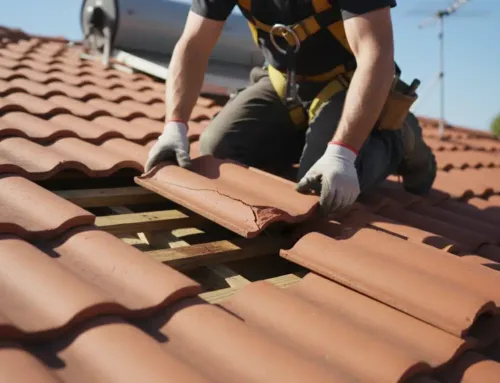
Once timber has deteriorated significantly, its condition may not be obvious from the visible surface alone. During a full roof replacement, removing the existing roof covering provides an opportunity to inspect the underlying battens and identify areas that require roof batten replacement.
Coastal properties may experience additional environmental exposure, although the extent of deterioration varies according to the property’s location, construction and maintenance history. A professional assessment is more reliable than assuming that all coastal roof battens require replacement.
Termite and Borer Infestation
Insect activity can also affect timber within a roof structure. Termites and timber pests can damage structural timber, sometimes leaving deterioration that is difficult to identify through a basic visual inspection.
Where insect damage is suspected, the affected timber should be assessed before new roofing materials are installed. Depending on the extent of the damage, roof batten replacement or another form of structural timber repair may be appropriate.
Heat and Environmental Exposure
Roof spaces can experience significant temperature fluctuations throughout the year. Combined with moisture and other environmental conditions, prolonged exposure can contribute to deterioration of roofing components.
The condition of the battens should therefore be assessed based on the actual roof structure and its history rather than assuming that age or temperature alone has caused structural failure.
The Hidden Risks of Reusing Old Battens
Some roof replacement projects may involve retaining existing components where they remain suitable. However, deteriorated or damaged battens should not simply be reused without appropriate assessment.
Compromised Structural Capacity
A batten can appear acceptable during a limited visual inspection while still requiring closer assessment. Rot, insect damage, splitting, previous modifications or other deterioration can affect its ability to perform its intended function.
Replacing compromised timber as part of a complete roof replacement provides an opportunity to establish suitable support for the new roof covering. Where the wider timber structure also requires improvement, a support timber upgrade can address the identified requirements as part of the project.
Roof structures need to be designed and installed according to the applicable requirements for the building and roofing system. Australian Standards apply to different aspects of roof construction, so the relevant requirements should be determined for the specific project rather than relying on one standard for every batten application.
Warranties and Insurance Considerations
Roofing products should be installed in accordance with relevant manufacturer requirements. Installing new roofing materials over unsuitable or deteriorated support can create problems with the overall roofing system and may affect applicable product or workmanship conditions.
Insurance outcomes depend on the individual policy and circumstances of a claim. Homeowners should not assume that an insurer will automatically reject or accept a claim because old battens were reused. Proper maintenance, installation records and compliance with applicable requirements may all be relevant.
Permacoat has more than 50 years of experience in Western Australian roofing and states that it has restored more than 30,000 roofs. Its re-roofing service includes assessment of internal roof structures where hidden timber or structural issues may need to be identified.
When a complete replacement is appropriate, Permacoat can assess the existing roof and determine whether roof batten replacement or other structural work should form part of the project.
Modern Batten Materials and Installation Standards
Contemporary roof replacement provides an opportunity to assess the existing roof structure and install appropriate new materials where required.
Treated Timber Specifications
New timber battens should be selected and installed according to the requirements of the particular roofing system, including the roof covering, spacing, span and supporting structure.
It is not appropriate to assume that every roof requires one particular treatment level or timber specification. The correct specification should be determined for the individual project and the conditions in which the timber will be used.
Where deteriorated timber is identified, roof batten replacement can form an important part of the wider roof replacement process. A support timber upgrade may also be considered where the existing supporting structure needs improvement before the new roof is installed.
Spacing Precision and Ventilation Integration
Batten spacing must suit the specific roofing material being installed. Accurate positioning is important because the battens provide fixing points for the new roof covering.
Ventilation should also be considered as part of the overall roof design. Battens alone should not automatically be described as a complete ventilation system, as ventilation requirements depend on the construction and design of the roof.
During a complete roof replacement, these details can be assessed together so that the new roofing system is installed with appropriate support and detailing.
The Complete Batten Replacement Process
Professional roof batten replacement follows a systematic approach that addresses the condition of the existing roof and the requirements of the new roofing system.
Assessment, Removal, and Structural Preparation
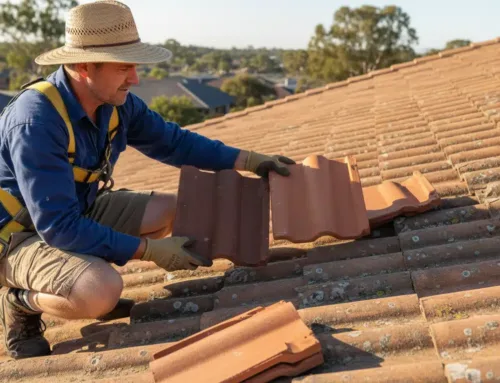
The process begins with an assessment of the roof and its supporting structure. During complete re-roofing, removing the existing roof covering exposes the underlying battens and other components for closer inspection.
This can reveal deterioration, moisture damage, sagging or previous repair work that was difficult to identify while the existing roof remained in place.
Where damaged structural components are identified, appropriate repairs or replacement can be undertaken before new roofing materials are installed. Permacoat’s re-roofing service specifically describes inspecting the internal roof structure before quoting so hidden timber and structural issues can be identified.
Where the project requires complete replacement, re-roofing in Perth provides an option for replacing the existing roofing system with new materials.
Precision Installation with Quality Assurance
New battens should be installed to suit the selected roofing material and the requirements of the roof structure. Correct spacing, alignment and fixing are important to the performance of the finished roof.
Where timber is cut or modified during installation, appropriate treatment and installation practices should be followed according to the timber product and roofing system requirements.
Roof batten replacement should therefore be treated as part of the wider roof installation rather than as an isolated timber repair. The aim is to provide appropriate support for the new roof covering and allow the rest of the roofing system to be installed correctly.
Cost Considerations and Long-Term Value
Comparing the cost of retaining suitable existing battens with the cost of replacing deteriorated timber requires an assessment of the individual roof.
The cost of a support timber upgrade varies according to factors such as roof size, access, the extent of deterioration, the selected roofing material and the amount of structural work required. A fixed price cannot be reliably assigned without assessing the individual property.
The apparent saving from retaining old battens may not represent good value if further deterioration is identified after the new roof has been installed. Conversely, replacing timber that remains structurally suitable may not be necessary. A professional inspection can help establish which approach is appropriate.
If the roof requires complete replacement, the re-roofing service can address the roof covering and underlying components as part of a broader replacement project.
When Restoration Remains Viable
Not every aged roof requires complete structural replacement with entirely new battens. Understanding when roof restoration in Perth may provide an adequate solution helps homeowners choose an approach based on the actual condition of the roof.
Roofs with sound structural components may be suitable for restoration, depending on their overall condition. Permacoat describes its restoration process as involving repair and preparation followed by coating, with the appropriate approach assessed for the individual roof.
If the existing battens are sound but the roof covering has surface deterioration, repairs and restoration may be more appropriate than a full roof replacement.
For roofs with significant structural deterioration, damaged support timber or other problems that cannot be appropriately addressed through restoration, complete re-roofing may be more suitable. In these circumstances, roof batten replacement can be carried out as part of the wider roof replacement process.
A support timber upgrade may also be appropriate where the assessment identifies specific areas requiring additional or replacement timber. The exact work should be based on the condition and requirements of the individual roof rather than a fixed age threshold.
Roofing Considerations for Different Properties
The need to inspect and assess roof battens is not limited to standalone residential properties. Strata buildings can also require roof repairs, restoration or replacement where deterioration affects the roofing system. Permacoat provides dedicated strata roofing services covering roof repairs, restoration and replacement of damaged areas.
The same principle applies when roofing requirements are assessed outside metropolitan Perth. Permacoat also provides South West roofing services covering re-roofing and roof replacement for properties in areas including Bunbury, Busselton, Margaret River and Albany.
Gutters and downpipes should also be considered during a broader roof assessment, particularly where drainage problems may contribute to moisture exposure around the roof. Permacoat provides gutter and downpipe replacement services that can be considered alongside roof restoration or repair work.
Conclusion
Roof battens are an important part of a roof’s fixing and support system, which is why their condition should be considered during a complete roof replacement. Rather than assuming that every existing batten must be replaced or reused, homeowners should have the roof structure assessed to determine what work is actually required.
When deterioration is identified, roof batten replacement can provide suitable new support for the replacement roof covering. Where additional structural work is needed, a support timber upgrade can be considered as part of the wider project.
For a professional assessment of your roofing requirements, Call (08) 9249 5955 to discuss your roof replacement or repair options.