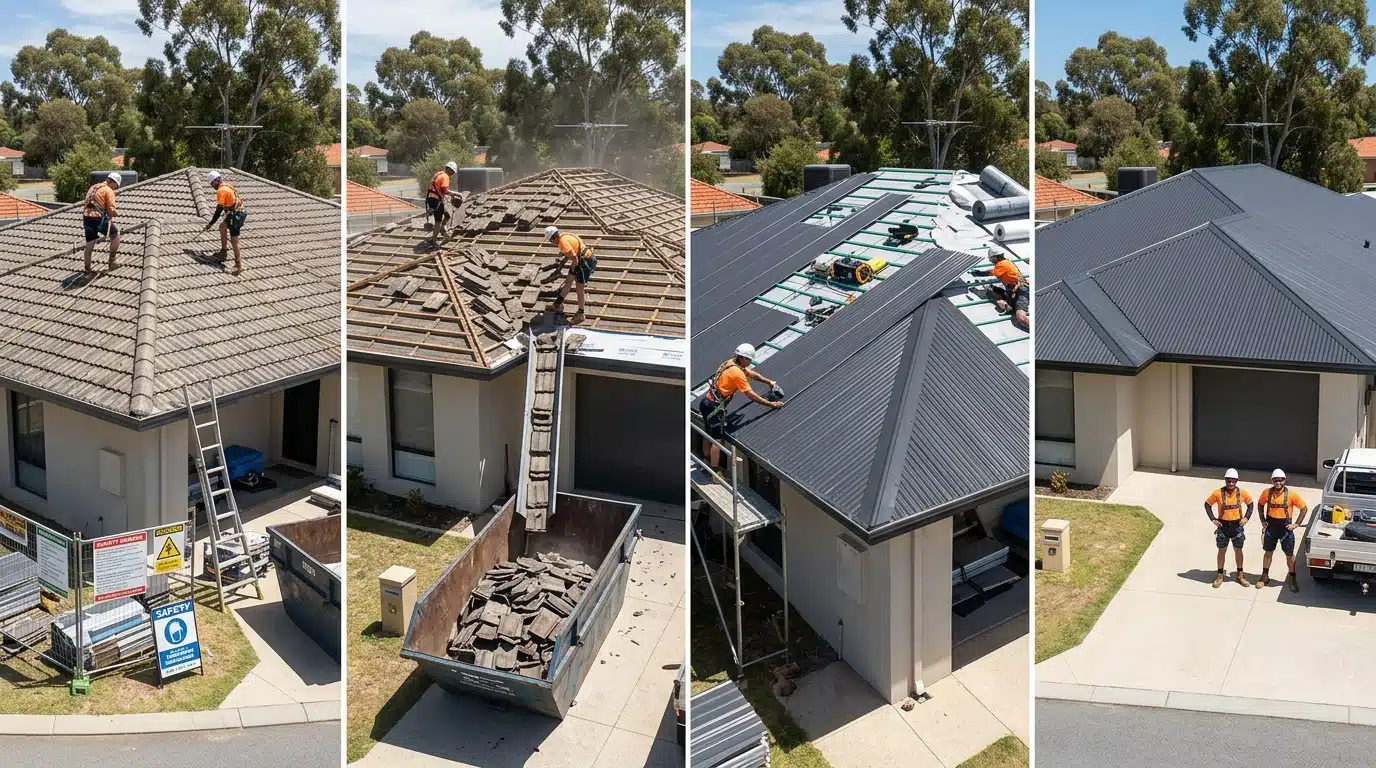
Planning a roof replacement involves more than choosing materials and colours. Understanding the roof replacement timeline helps Perth property owners prepare for the work, minimise disruption and make informed decisions about scheduling. A straightforward residential project may be completed within several working days, but there is no single timeframe that applies to every property.
The duration of roof replacement in Perth depends on several variables, including roof size, material selection, design complexity, access, weather and the condition of the existing structure. Hidden damage discovered after the old roof covering is removed can also change the original programme.
Understanding each stage of the project gives property owners a more realistic expectation of what happens before, during and after installation. It also explains why a contractor’s full replacement schedule may change once work begins.
Perth’s climate can influence the practical timing of roofing work. Rain can make exposed roof areas unsafe to work on, while periods of extreme heat may require additional precautions for workers. Coastal exposure and the condition of older roofing systems can also influence the preparation required.
Pre-Work Phase: 1 to 2 Weeks Before Installation
Before physical work begins, the preparation phase establishes the foundation for the project. The actual duration depends on the property, material availability and the scope of work.
Assessment, Materials and Approvals
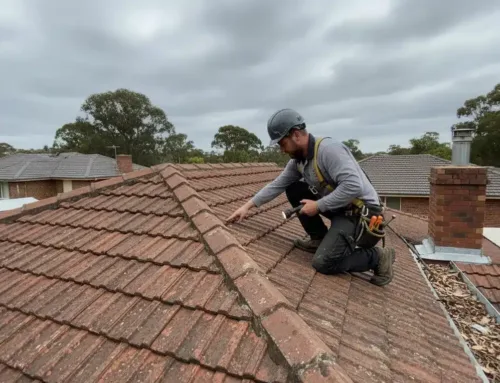
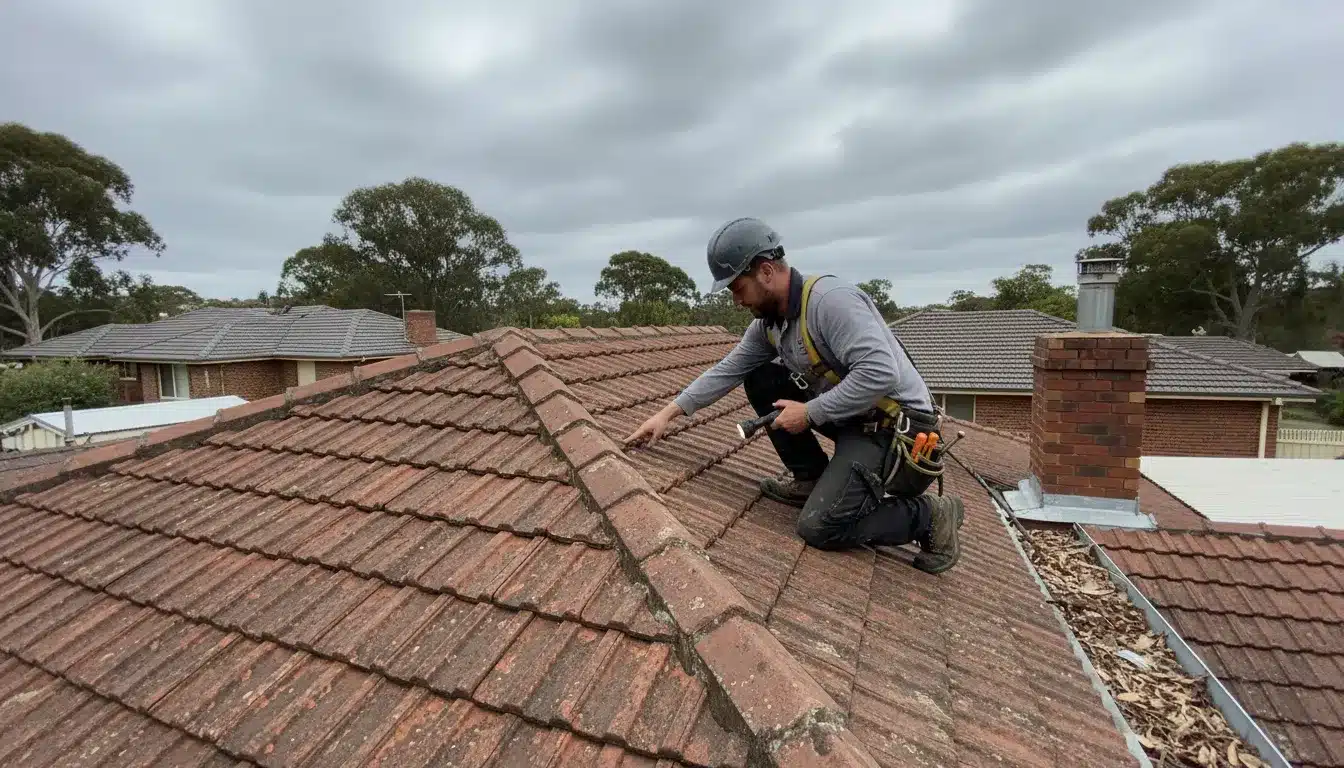
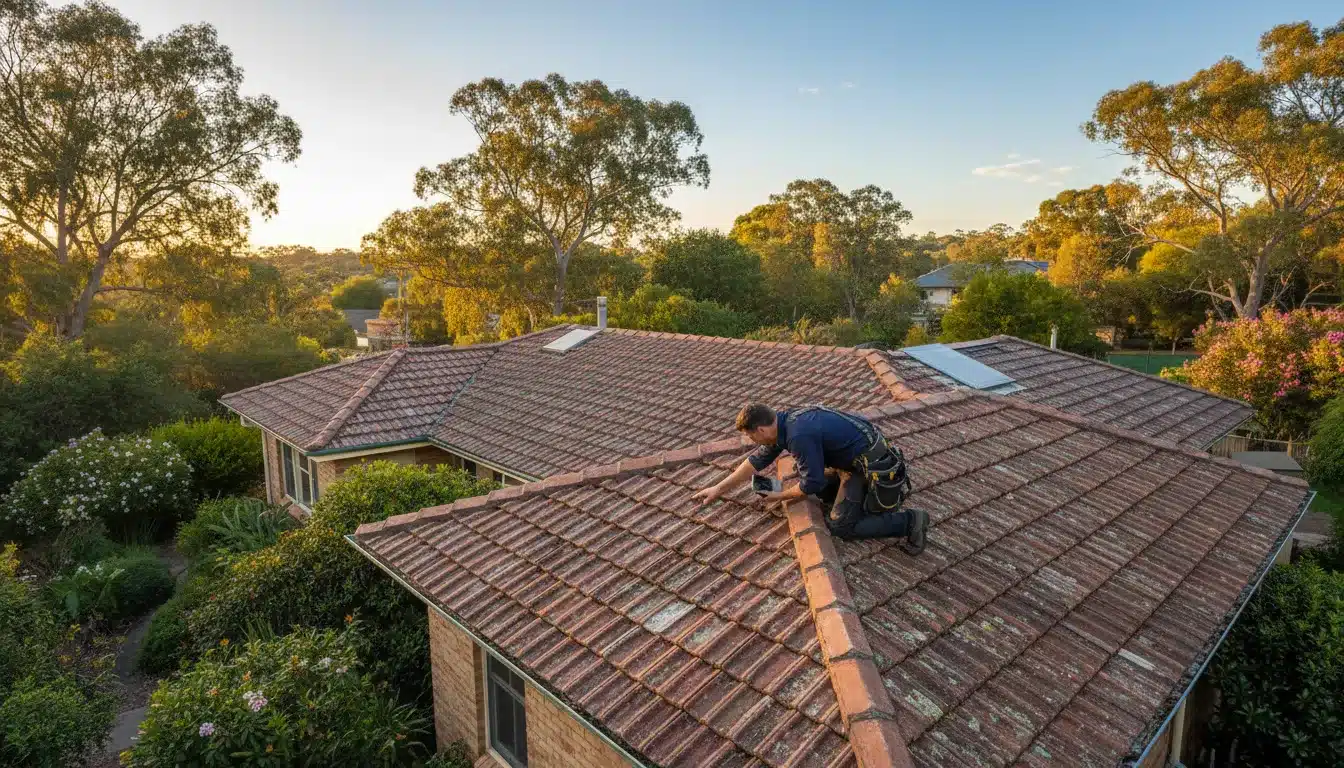
The initial roof inspection identifies visible damage and assesses the condition of the existing roof. Depending on the project, the inspection may identify damaged tiles, deteriorated metal components, failed flashings, drainage issues or underlying structural concerns.
This assessment is particularly important for older properties because the condition of the existing roof may not be fully apparent until sections are removed.
Material ordering follows the agreed scope. Delivery times vary depending on the selected roofing product, colour, profile and supplier availability. Standard materials may be readily available, while specialised products or particular tile profiles can require additional lead time.
Approvals also need to be considered where applicable. Not every residential roof replacement requires the same approvals, so property owners should confirm the requirements for their specific project and local authority. Heritage considerations, structural changes and other property-specific factors can affect the preparation period.
A well-planned roof replacement timeline therefore begins before the first tile or sheet is removed.
Day 1: Site Setup and Existing Roof Removal
The first working day focuses on preparing the site and beginning removal of the existing roof covering.
Scaffolding or other suitable access equipment may be installed where required. The amount of time needed depends on the height, layout and accessibility of the property.
Ground protection is also important. Roofing work can involve significant movement of materials and debris, so suitable measures should be taken to protect driveways, landscaping and other areas around the work zone.
Waste management arrangements are established before or during removal. The quantity of waste varies according to roof size, material type and the amount of existing roofing being removed, so fixed waste figures should not be assumed for every project.
The existing roof covering is then progressively removed. Metal roofing can generally be dismantled in larger sections, while tiled roofs involve handling individual tiles and associated components.
Removal provides an important opportunity to assess what is beneath the existing roof. Damaged battens, deteriorated sarking, timber deterioration or other defects may only become obvious once the roof covering has been removed.
Where additional defects are identified, roof repairs in Perth may need to be incorporated into the project before the new roof can be installed.
This is one of the main reasons a full replacement schedule should be treated as an estimate rather than an absolute guarantee.
Days 2 to 3: Structural Repairs and Preparation
Once the existing roofing has been removed, the exposed roof structure can be examined and prepared for the new system.
Structural Timber and Sarking
Battens, rafters and other accessible structural components should be assessed for deterioration. Where timber has been affected by moisture or other damage, the required repair work needs to be completed before the new roof covering is installed.
The extent of this work varies considerably between properties. A relatively well-maintained roof may require little additional preparation, while an older roof with a history of leaks may require more extensive repairs.
Sarking or another suitable roof underlay may also form part of the new roof system, depending on the roof type, design and applicable requirements. Its installation method and specification should be appropriate to the roofing material and manufacturer’s requirements.
It is not appropriate to assign a universal installation time or energy saving percentage to sarking because the scope varies from one roof to another.
Flashings and Valleys
Valleys, penetrations and junctions require careful preparation because they are important parts of the roof’s weatherproofing system.
Existing valley components may need replacement where they are damaged or unsuitable for reuse. Flashings around roof penetrations also need to be checked and properly integrated with the new roof system.
The complexity of these details can have a noticeable effect on the roof replacement timeline, particularly on homes with multiple roof planes, skylights, chimneys or other penetrations.
Around the Middle of the Project: New Roof Installation Begins
Once preparation has been completed, the project moves into the installation phase. At this point, the original roof has been removed and the supporting components are ready for the new roofing system.
For homeowners comparing contractors, the full replacement schedule should clearly identify when preparation ends and installation begins. This makes it easier to understand why two projects with similar roof areas may still require different amounts of time.
Permacoat can be considered when planning roofing work in Perth, particularly where the existing roof needs to be assessed before deciding on the most appropriate scope.
Metal Roofing Installation Timeline
Metal roofing can often be installed relatively quickly because large sheets cover substantial areas of the roof.
The actual installation time depends on roof dimensions, design complexity, access, penetrations, valleys and the amount of associated flashing work. A simple roof may progress considerably faster than a large property with several roof sections.
Once the main roof sheets are installed, associated components such as flashings, ridge details, gutters and downpipes can be completed.
Where drainage components form part of the project, gutter and downpipe services can be incorporated into the broader roofing work.
Tile Roofing Installation Timeline
Tile installation generally involves more individual components and manual handling than large-format metal sheeting.
Tiles need to be positioned correctly across the roof, with attention given to alignment, overlaps, valleys, hips, ridges and penetrations. Cutting and fitting around complex sections can increase installation time.
The type of tile also matters. Different profiles, materials and existing structural conditions can influence the installation process.
A simple tiled roof may progress relatively quickly, while a large or complex design may require considerably longer. Consequently, a full replacement schedule should be based on the specific property rather than a generic number of days.
Finishing Work and Quality Checks
The final stage focuses on completing the roof system and checking the work.
Ridge and hip details are completed according to the selected roofing system. For tiled roofs, bedding and pointing requirements may form part of the finishing process.
Flashings around chimneys, vents, skylights and other penetrations are checked to ensure they have been properly integrated. These areas require careful workmanship because they involve transitions between different roof components.
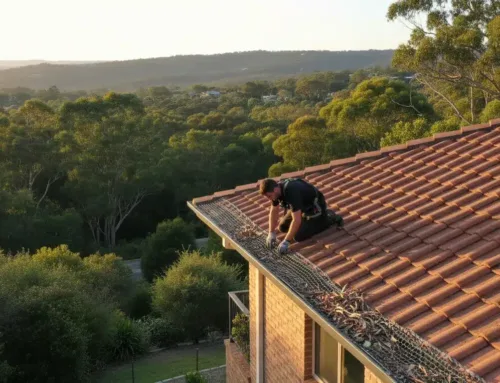
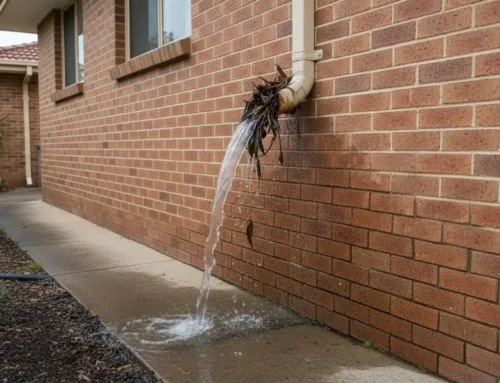
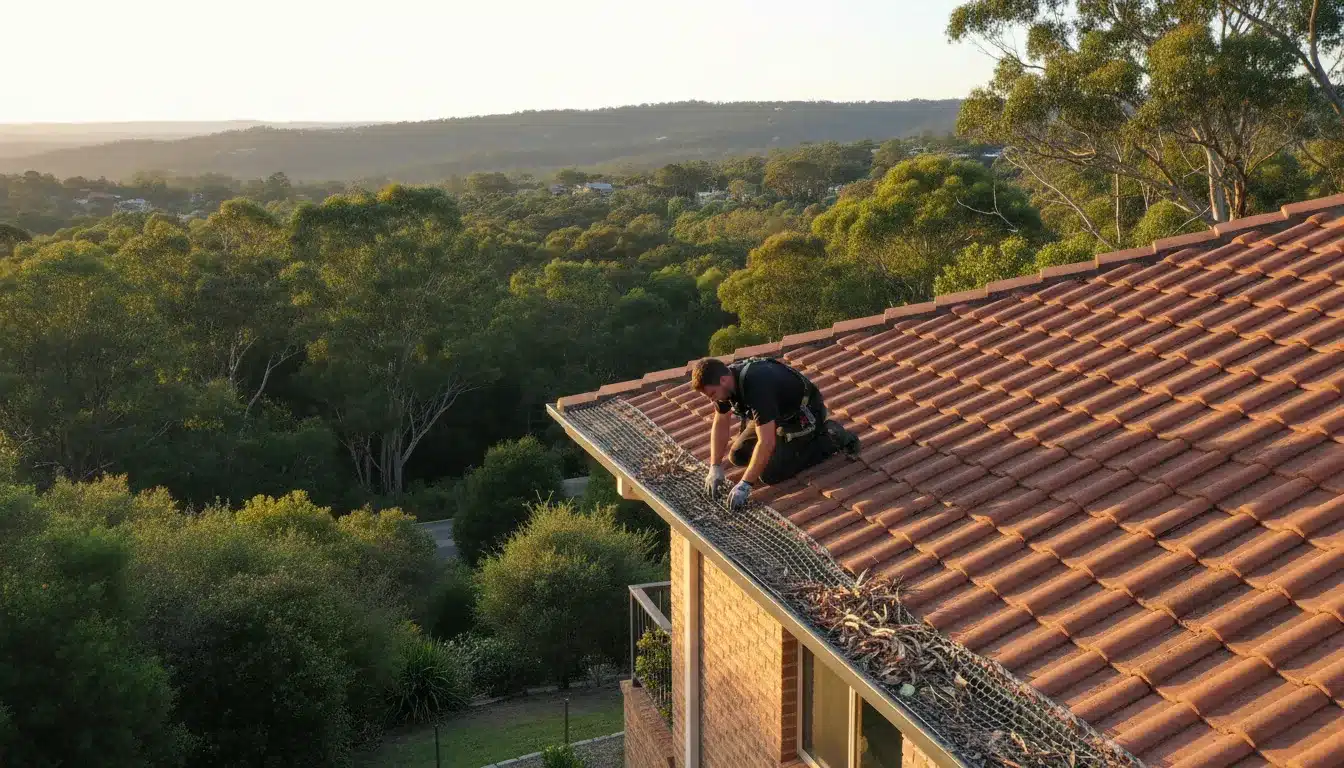
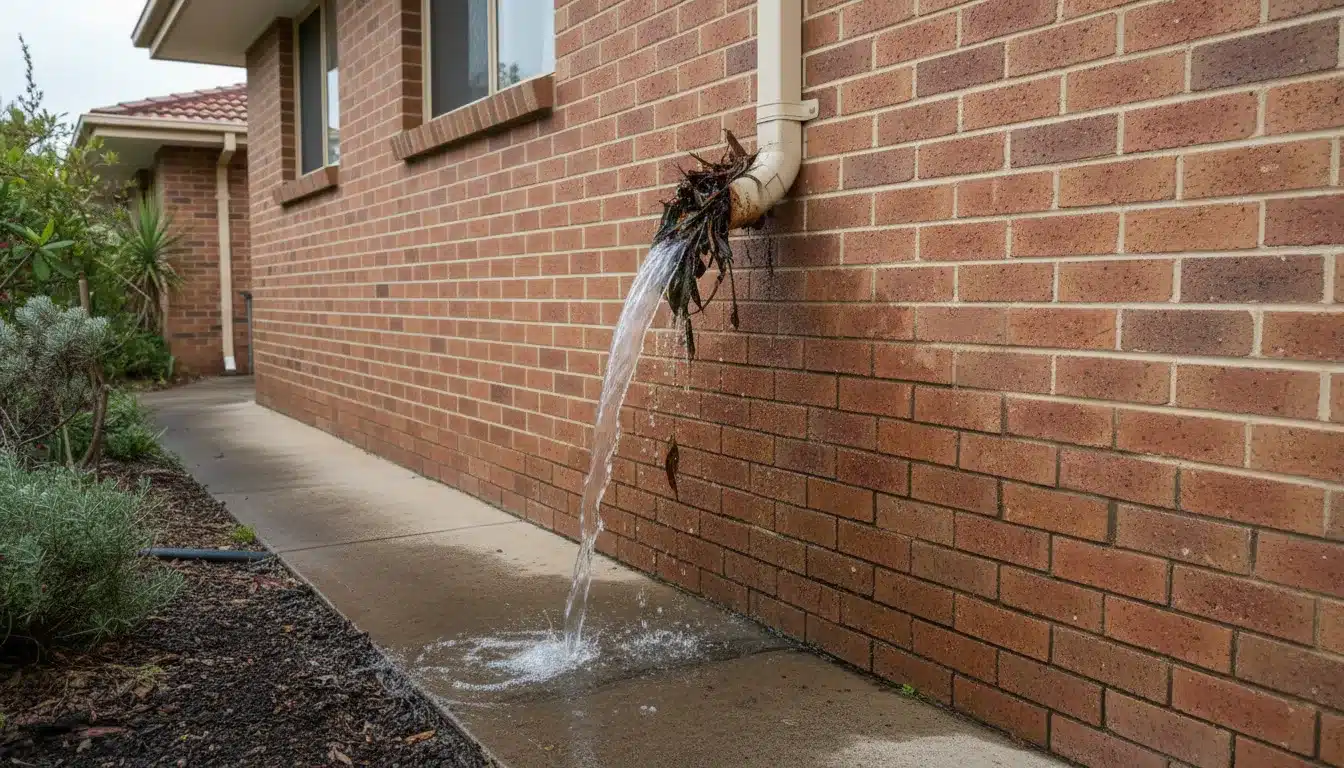
Drainage components are also checked so that water can flow correctly away from the roof.
Site cleanup follows the completion of roofing work. Construction debris is removed, access equipment is dismantled when appropriate and the surrounding work area is restored as far as practicable.
The final checks should confirm that the completed work corresponds with the agreed scope and that obvious installation issues have been addressed before the project is considered complete.
The exact duration of this stage varies, so it should be incorporated into the roof replacement timeline rather than assuming the project finishes immediately after the final roofing materials are installed.
Factors That Extend Roof Replacement Timelines
Several variables can push a project beyond its original estimate. Understanding them helps homeowners interpret changes to the full replacement schedule.
Weather and Unexpected Structural Damage
Rain is one of the most obvious factors that can interrupt roofing work. Roofing teams may need to stop when conditions make work at height or work on exposed roof structures unsafe.
Extreme heat can also affect the practical working conditions on exposed roofs. Appropriate work practices and safety measures may reduce the amount of productive time available during particularly hot periods.
Hidden structural deterioration can have an even greater effect. If damaged timber, deteriorated sarking or other defects are uncovered during removal, those issues need to be addressed before installation can proceed.
The additional duration depends entirely on what is discovered. A minor repair may have little effect, while extensive structural work can materially change the roof replacement timeline.
Roof Complexity and Access
Roof geometry has a direct influence on installation time.
Simple single-level roofs with broad, accessible planes are generally easier to work on than properties with:
- Multiple roof levels
- Steep pitches
- Numerous valleys
- Several penetrations
- Complex junctions
- Limited site access
- Large areas requiring detailed flashing work
Two-storey homes may also require additional access and safety arrangements.
For this reason, a contractor should assess the property before providing a full replacement schedule rather than relying solely on roof area.
Material Availability
The selected roofing material can also influence the programme.
If materials are readily available, procurement may be straightforward. Specialised profiles, uncommon colours or replacement materials that require specific sourcing may take longer.
Homeowners should therefore confirm material availability before setting an inflexible project start date.
Roof Replacement vs Restoration Timeline Comparison
Not every ageing roof requires complete replacement. Where the existing roof remains suitable, restoration may provide a less extensive alternative.
Roof restoration in Perth can involve inspection, cleaning, repairs and protective treatment, depending on the condition and type of roof.
The duration of restoration varies according to the scope. A straightforward restoration may progress faster than a complete re-roof, while extensive repairs can increase the amount of time required.
The important distinction is that restoration retains suitable existing roofing materials, whereas re-roofing involves replacing the existing roof covering with a new roofing system.
A professional assessment should determine which option is appropriate. If structural deterioration is extensive, restoration may not be suitable. If the underlying roof remains serviceable and the problems are primarily related to surface condition or localised defects, restoration may be worth considering.
The roof replacement timeline should therefore be compared with the realistic scope of restoration rather than assuming that replacement is automatically necessary.
Timeline by Property Size and Roof Type
Property size is an important consideration, but it should not be used as the sole basis for predicting project duration.
A small, straightforward roof may require less installation time than a larger complex roof. However, a compact property with difficult access, several roof planes or extensive structural repairs can take longer than a larger but simpler roof.
Roof type also influences the process. Metal roofing can cover broad areas efficiently, while tiled roofing involves greater numbers of individual components and more manual handling.
Instead of relying on rigid categories such as “three days for this size” or “seven days for that size”, homeowners should ask for a project-specific full replacement schedule based on:
- Roof area
- Roof material
- Roof design
- Number of roof planes
- Access conditions
- Existing roof condition
- Required structural repairs
- Material availability
- Weather considerations
This produces a more realistic expectation than a generic timeframe.
How to Prepare Your Property for Roof Replacement
Perth property owners can take several practical steps to help keep the project organised.
Clear suitable driveway or site access before materials and equipment arrive. This can make delivery, waste removal and contractor access more efficient.
Move outdoor furniture, fragile items and valuable objects away from areas beneath the active work zone where practical. Protecting vulnerable items can also reduce the risk of accidental damage from dust or falling debris.
Inform nearby neighbours about the expected work period, particularly where scaffolding, deliveries or construction noise could affect access.
Keep pets and children away from the active work area throughout the project. Roofing involves work at height, tools and construction materials, so the designated work zone should remain controlled.
It is also useful to remain flexible with the planned completion date. A sensible roof replacement timeline allows for reasonable weather interruptions and the possibility of previously concealed defects being identified after removal.
For larger properties or shared buildings, additional planning may be required. Strata managed properties can involve coordination between owners, managers and contractors, which may affect the overall project programme.
What Homeowners Should Ask Before Work Begins
Before approving a roof replacement, homeowners should have a clear understanding of the proposed scope and expected sequence.
Ask the contractor:
- What work is included in the quoted roof replacement?
- What assumptions have been made about the existing roof structure?
- What happens if hidden damage is discovered?
- Which roofing materials and profiles will be used?
- How long is the estimated installation period?
- What weather conditions could delay the work?
- How will waste and site access be managed?
- Are gutters, downpipes, flashings and other associated components included?
- What work will occur before the new roof covering is installed?
- What factors could change the full replacement schedule?
These questions help establish a realistic programme before work starts.
They also make it easier to compare quotations because two contractors may quote similar prices while allowing different scopes, preparation requirements or project durations.
Conclusion
A typical residential roof replacement cannot be assigned one fixed timeframe because every property presents different conditions. Roof size, material, design complexity, access, weather, material availability and hidden structural damage can all affect the final duration.
The most useful roof replacement timeline is therefore one based on the actual property and agreed scope rather than a blanket three to seven day promise. A clear full replacement schedule should account for preparation, removal, structural work, installation, finishing and final checks.
Good preparation also reduces avoidable delays. Having materials organised, confirming the project scope and allowing reasonable flexibility for weather or unexpected defects can make the process considerably easier for homeowners.
If you are planning a roof replacement and want to discuss the likely scope and timing for your property, Call (08) 9249 5955 to speak with Permacoat.