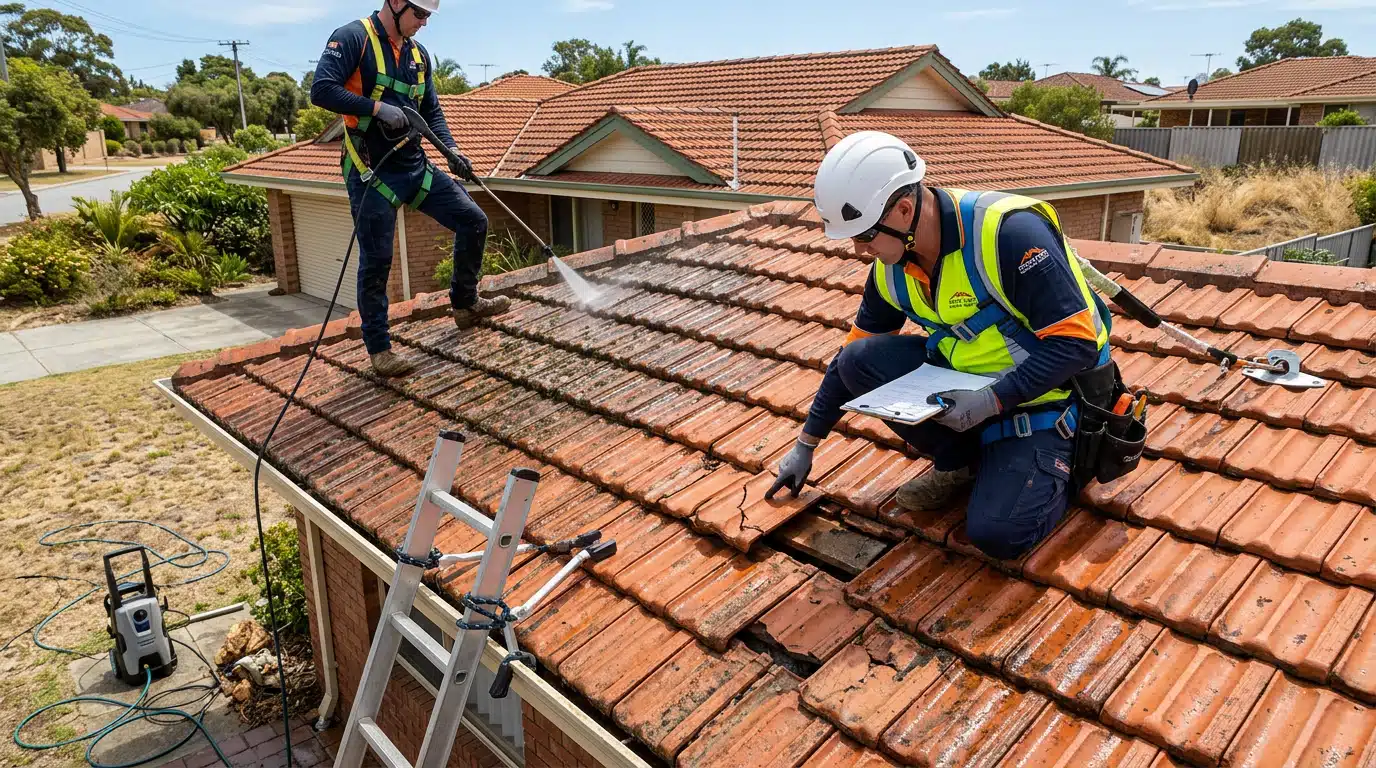
Many Perth homeowners jump straight to re-roofing quotes when they notice deteriorating conditions overhead. The assumption seems logical: if a roof looks heavily worn, it must need replacing. Yet surface appearance alone does not always provide enough information to determine whether complete replacement is necessary.
A thorough pre-roofing inspection combined with professional roof cleaning can reveal the condition of the existing roof more clearly. Dirt, moss, lichen, leaf debris and surface deterioration can obscure cracked tiles, damaged pointing, flashing problems and other defects. Cleaning can expose these issues so they can be assessed before a decision is made about restoration or replacement.
Starting with inspection and cleaning is not about delaying a major decision. It is about making that decision based on the actual condition of the roof rather than appearance alone. For Perth homeowners considering re-roofing, this assessment-first approach can help distinguish between a roof that remains suitable for repair or restoration and one that genuinely requires broader replacement.
The Hidden Truth Beneath Surface Deterioration
Perth’s climate exposes roofs to strong sunlight, seasonal rainfall, wind, organic growth and, in coastal areas, salt-laden air. Over time, these conditions can leave a roof looking considerably more weathered than it did when new.
Why Perth Roofs Can Look Worse Than They Are
A roof covered in moss, lichen, staining and accumulated grime can appear to be beyond restoration. However, surface contamination does not automatically indicate structural failure.
Professional roof cleaning can remove accumulated contaminants and reveal the condition of the underlying roofing material. The cleaning method should be selected according to the roof type and its condition. High-pressure cleaning may be appropriate for some robust surfaces, while more delicate or weathered materials may require a gentler approach.
This is why a pre-roofing inspection should consider the roof after appropriate preparation rather than relying entirely on a dirty or heavily weathered surface.
There is no reliable basis for claiming that a fixed percentage of older roofs only require restoration after cleaning. Every roof needs to be assessed individually. Tile condition, sarking, timber, flashings, valleys, drainage and previous repairs all influence whether restoration remains practical.
Understanding the likely scope of roof repairs in Perth also becomes easier once the roof has been cleaned and the visible defects have been properly identified.
What a Comprehensive Pre-Roofing Inspection Examines
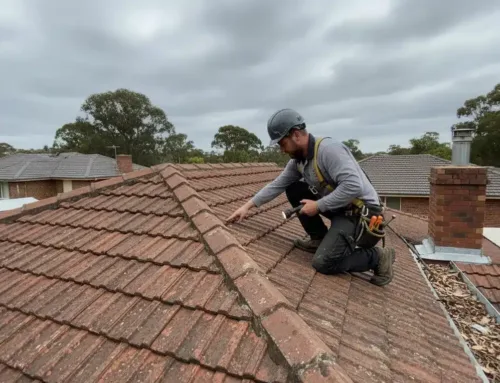
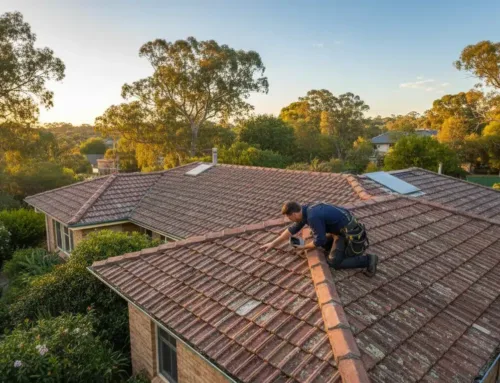
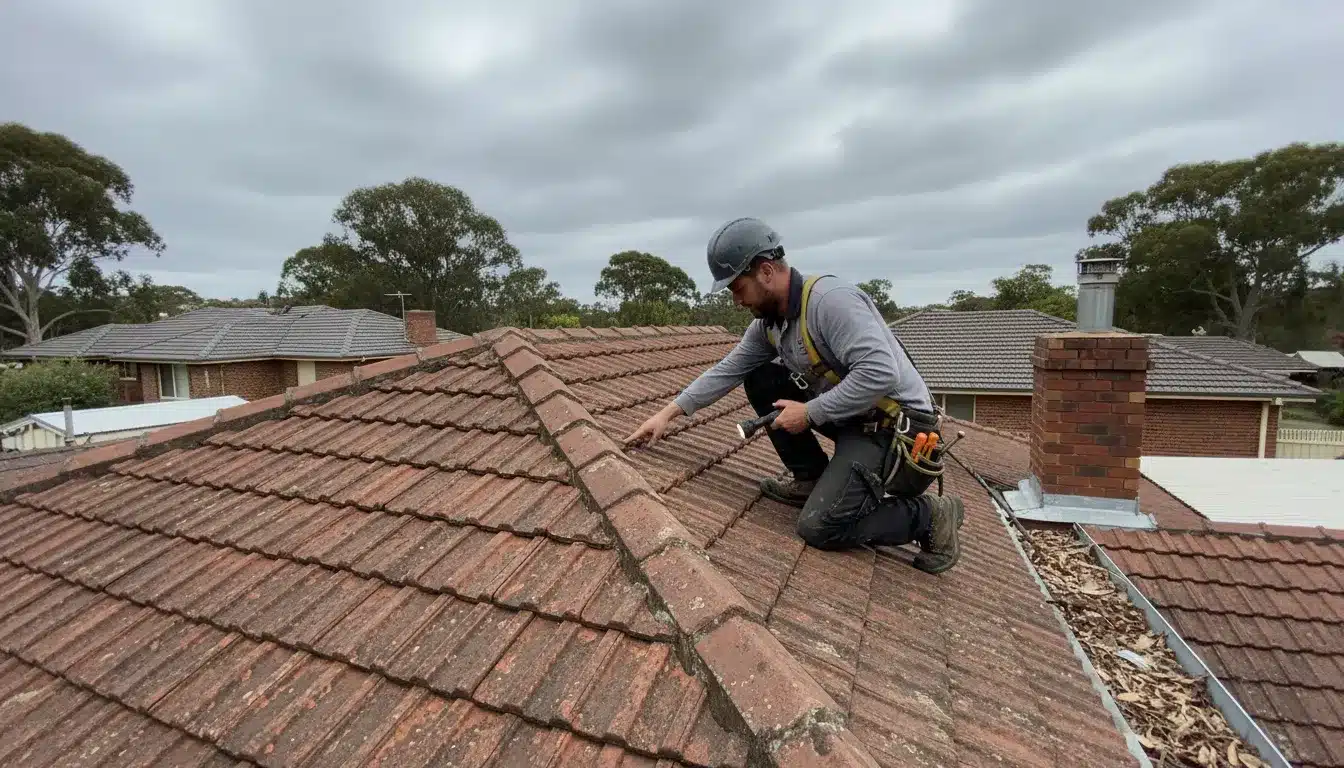
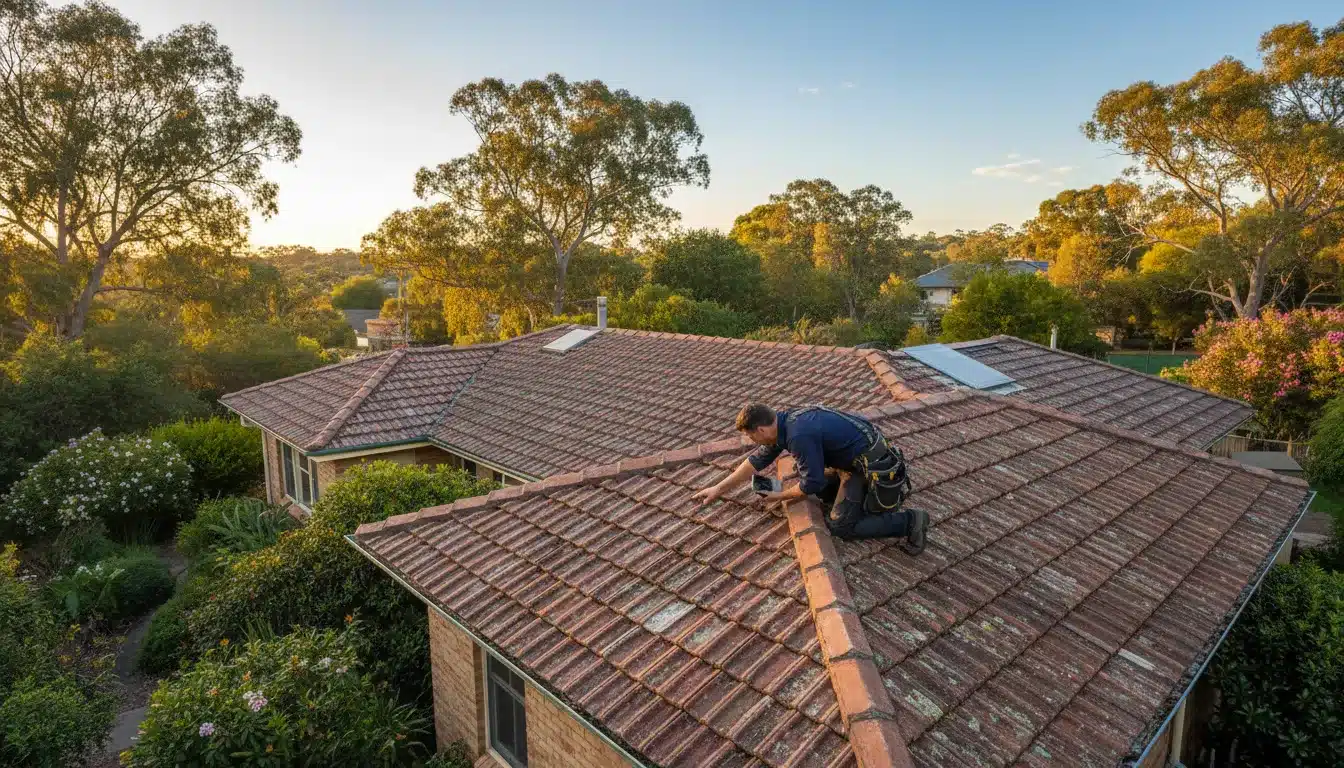
A proper pre-roofing inspection should go beyond a quick visual scan from ground level. The objective is to understand the condition of the roof covering and, where accessible, the components beneath it.
Tile, Sarking and Structural Timber Assessment
Tile inspection looks for cracked, broken, displaced or deteriorated tiles across the roof. A small number of damaged tiles does not automatically justify complete replacement, but widespread deterioration can change the overall repair calculation.
There is no universal percentage of damaged tiles at which re-roofing automatically becomes necessary. The decision depends on the condition and age of the roof, the availability of replacement materials, the extent of underlying deterioration and the cost and practicality of repairing the affected areas.
Sarking and underlay condition can also influence restoration viability. Deteriorated or damaged membranes may require attention where they no longer perform their intended function.
Roof timbers should also be considered where accessible. Battens, rafters and trusses can show signs of moisture damage, deterioration or movement that may not be apparent from outside the property.
If defects are identified during the assessment, they should be addressed before surface restoration or coating work proceeds. This is particularly important where leaks or structural deterioration could compromise the finished roof.
Flashing, Ventilation and Drainage Evaluation
Flashings and valleys are important parts of the roof’s water-shedding system. Damage or deterioration around these areas can contribute to leaks even when the surrounding tiles appear relatively sound.
Ventilation should also be considered as part of the overall roof assessment. Poor ventilation can contribute to moisture and condensation problems, while an appropriate ventilation arrangement can help manage conditions within the roof space.
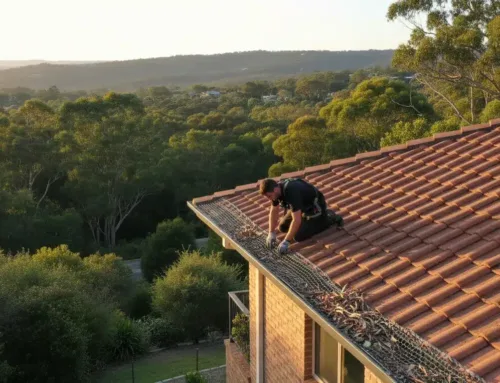
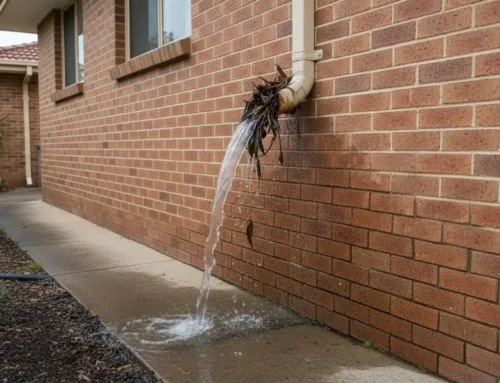
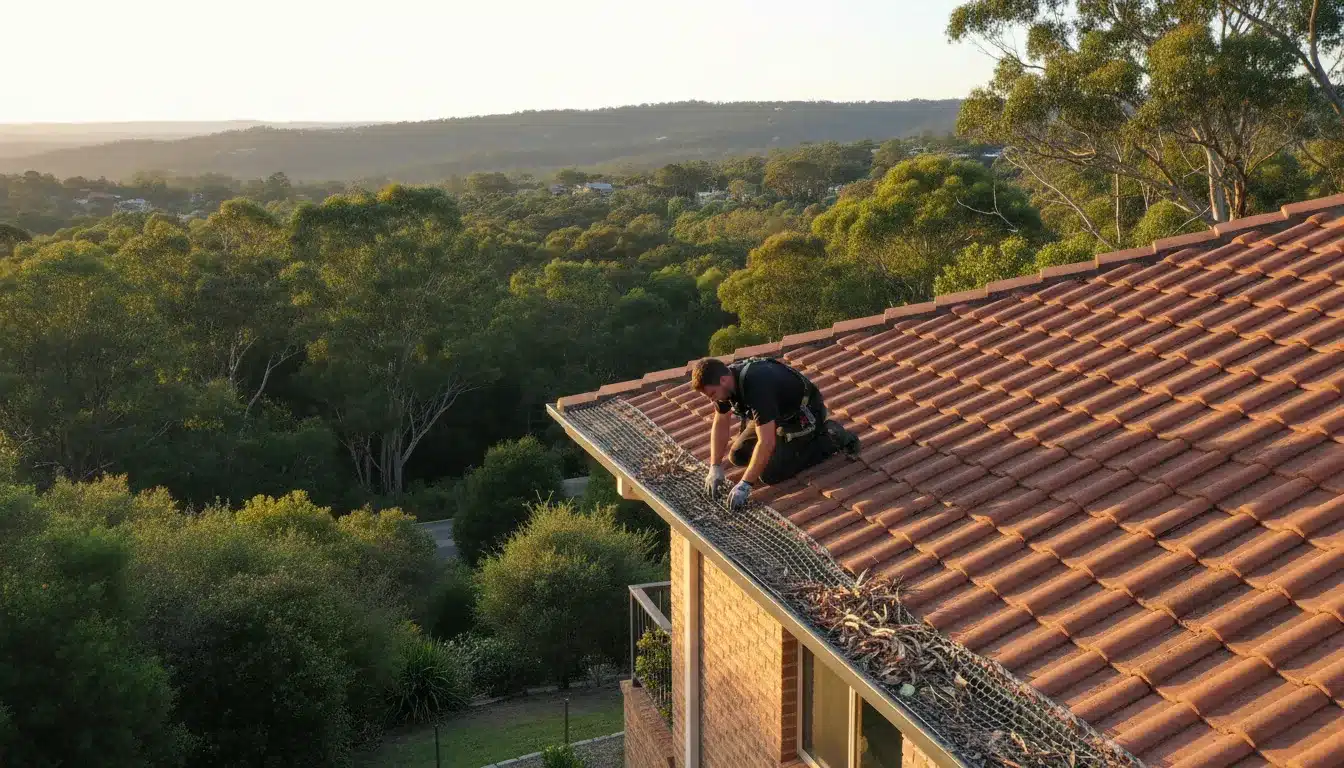
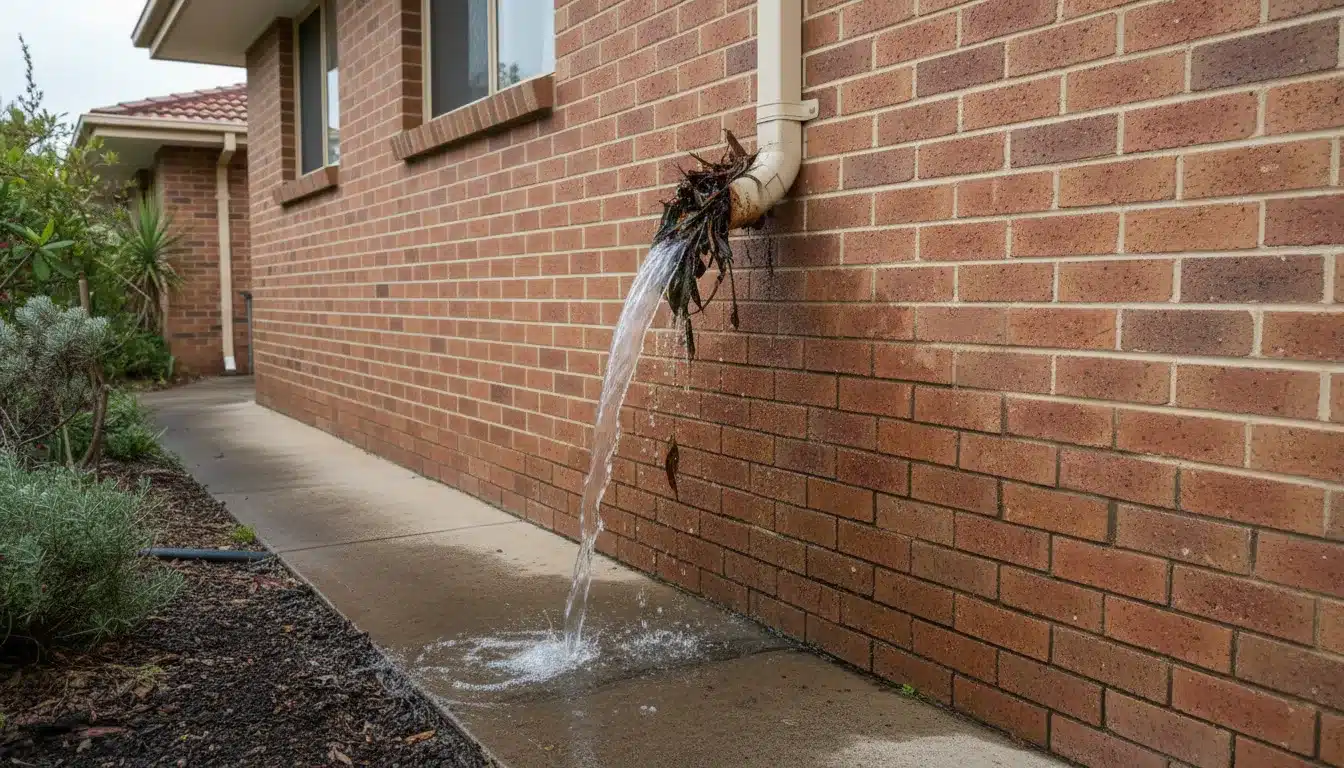
Drainage is another important consideration. Blocked, damaged or poorly functioning gutters and downpipes can contribute to water management problems around the roof.
Where drainage components need attention, gutter and downpipe services can form part of the broader roofing assessment.
A pre-roofing inspection should therefore consider more than the roof covering itself. The condition of the associated components helps determine whether cleaning, repair, restoration or re-roofing is the most appropriate next step.
Why Professional Roof Cleaning Should Precede Accurate Assessment
Surface contamination can obscure details that are important when determining the condition of a roof. Moss and lichen can cover cracks and deteriorated areas, while dirt and old surface coatings can make it harder to identify the condition of the underlying material.
Professional roof cleaning removes this buildup so defects can be assessed more clearly. It can also prepare a sound roof surface for subsequent restoration work where restoration is considered appropriate.
The cleaning method matters. Aggressive pressure can damage fragile or weathered roofing materials, so the approach should be matched to the substrate and condition of the roof.
What Cleaning Can Reveal
Cleaning can expose cracked tiles, deteriorated pointing, rusted sections, damaged flashing and areas affected by biological growth. These findings can then be assessed as part of the wider pre-roofing inspection.
A clean surface can also make previous repair work easier to evaluate. Poorly finished repairs, incompatible replacement materials or deteriorated sealants may become more apparent once accumulated grime has been removed.
Cleaning does not, however, prove that a roof is structurally sound. It is one part of the assessment process rather than a substitute for examining the roof’s underlying components.
The same principle applies to coating work. A clean and appropriately prepared substrate is important when a suitable roof is being restored, but coatings should not be used to conceal structural defects or active problems that require repair first.
The Cost-Benefit Analysis of Inspection Before Re-Roofing
The financial value of a pre-roofing inspection comes from improving the quality of the decision, not from guaranteeing a particular saving.
The original article’s fixed restoration and re-roofing price ranges are too broad to apply reliably to every Perth property. Roofing costs vary according to roof size, access, materials, roof design, existing damage, labour requirements and the scope of work.
The same applies to claims that inspection automatically reduces re-roofing quotes by a particular percentage. A detailed inspection may identify additional work that needs to be completed, or it may demonstrate that a less extensive solution is viable. Either outcome can affect the final project cost.
A proper assessment can nevertheless help homeowners avoid two opposite mistakes: spending too little on a roof that has significant underlying problems, or committing to complete replacement when the existing roof remains suitable for restoration or targeted repairs.
For homeowners comparing the options, Permacoat provides a roof restoration service where the existing roof is suitable for restoration.
When Inspection Findings Favour Restoration Over Replacement
Specific findings can indicate that restoration remains a practical option. The important consideration is whether the existing roof can be repaired and restored without leaving significant underlying problems unresolved.
Structural Indicators That Support Restoration
Sound roof timbers, serviceable roofing materials and manageable localised defects can support a restoration approach.
Minor repairs to isolated areas do not automatically justify complete replacement. Similarly, faded or weathered surfaces do not necessarily mean that the roof structure has failed.
A roof may also remain suitable for restoration when problems are concentrated around particular tiles, pointing, flashings or other components that can be repaired as part of the overall process.
However, restoration should not be used to cover structural deterioration. Cracked tiles, damaged timber, serious water ingress or other underlying defects should be addressed before protective finishing work proceeds.
Permacoat’s current service information also positions restoration as an alternative to re-roofing where the existing roof remains suitable, reinforcing the importance of assessing the roof before selecting the more extensive option.
The Financial Case for Restoration
Restoration can be less extensive than complete re-roofing because it retains suitable existing roof materials rather than replacing the entire roof covering.
However, the original claims that restoration typically costs 35 to 45 per cent of re-roofing and delivers 75 to 85 per cent of replacement lifespan are not sufficiently supported to apply as universal figures.
The actual value depends on the roof’s condition and the work required. A restoration involving extensive repairs, preparation and coating may have a very different cost from a straightforward maintenance project.
The appropriate comparison is therefore based on the actual scope and expected outcome rather than a fixed percentage.
Red Flags That Indicate Re-Roofing May Make More Sense
Some inspection findings can indicate that restoration is no longer the most practical option.
Widespread deterioration across the roof covering may make extensive replacement more appropriate than repeatedly repairing individual areas. Significant damage to sarking, battens or other underlying components can also increase the scope substantially.
Structural timber damage deserves particular attention. If supporting components are compromised, surface restoration cannot resolve the underlying structural problem.
Repeated failures following previous repair or restoration work can also indicate that the roof requires a more comprehensive solution. However, previous restoration failure should be investigated rather than treated as automatic proof that re-roofing is necessary.
Tile availability can also influence the decision. Older or discontinued tile profiles may be difficult to match when extensive replacement is required.
Where the inspection indicates that replacement is the more appropriate option, re-roofing in Perth provides a broader approach to replacing an ageing or unsuitable roof system.
Perth Climate Factors in Restoration Decisions
Perth’s environmental conditions should be considered when assessing roof condition, but individual properties experience different levels of exposure.
Strong sunlight can contribute to the deterioration of coatings and other exposed roof materials. Winter rainfall and moisture can encourage moss, lichen and other biological growth on suitable surfaces.
Coastal properties can also experience greater exposure to salt-laden air, which may affect susceptible metal components and other materials over time.
These factors do not mean that every coastal or inland roof requires replacement at a particular age. Instead, they reinforce the value of inspecting the actual roof condition.
The timing of an inspection can also influence what is visible. A roof may show different issues after a period of heavy rainfall compared with a long dry period. However, an inspection at any time should assess the relevant components systematically rather than relying on seasonal assumptions.
For homeowners dealing with recurring moisture issues, a temporary weather cover may sometimes be considered as an interim protective measure while permanent repairs are arranged. Such a measure is not a substitute for repairing the underlying roof defect.
What Happens After Cleaning and Inspection?
Once the roof has been cleaned and assessed, homeowners should have a clearer basis for deciding what happens next.
If the roof is structurally suitable and the defects are limited, targeted repairs may be sufficient.
If the roof remains sound but has significant surface deterioration, restoration may be appropriate.
If there is widespread deterioration, substantial underlying damage or a roof structure that is no longer practical to maintain, re-roofing may be the more appropriate option.
For strata-managed properties, the decision can involve additional coordination because roofing work may affect shared building components. Where relevant, strata roofing services can be considered as part of the planning process.
A clear assessment should explain the condition observed, the recommended scope of work and why that option is preferable to the alternatives.
This is where a pre-roofing inspection provides its greatest value. It gives homeowners a documented basis for deciding whether cleaning, repairs, restoration or re-roofing is appropriate rather than making the decision from street-level appearance alone.
Making the Decision Before Re-Roofing
The decision to re-roof should follow an assessment of the existing system rather than simply the appearance of its surface.
Before committing to a major project, homeowners should consider:
- Are the roof covering materials structurally sound?
- Are the sarking and supporting timbers in suitable condition?
- Are leaks caused by isolated defects or broader deterioration?
- Can damaged areas be repaired without extensive dismantling?
- Is the existing roof suitable for restoration?
- Would re-roofing address problems that repairs or restoration cannot reasonably resolve?
- What is included in each proposed scope of work?
The answers provide a much stronger basis for comparing options.
A pre-roofing inspection should not be viewed as an obstacle to re-roofing. If replacement is genuinely necessary, the inspection helps establish why. If restoration is viable, it can prevent homeowners from committing to a more extensive project unnecessarily.
At this stage, Permacoat can help homeowners assess the condition of their roof and consider whether restoration, repair or re-roofing is appropriate.
Conclusion
Roof cleaning and inspection should come before a major re-roofing decision because surface appearance does not always reveal the true condition of a roof.
Professional cleaning can remove dirt, moss, lichen and other buildup that obscures defects, while a pre-roofing inspection can assess the roof covering and accessible underlying components. Together, these steps provide a clearer basis for deciding whether targeted repairs, restoration or complete replacement is appropriate.
The original fixed cost and lifespan comparisons between restoration and re-roofing should not be treated as universal. Every property has different materials, exposure, access conditions and underlying defects. The most reliable decision comes from assessing the actual roof rather than applying a predetermined percentage or price threshold.
If you are considering re-roofing and want to understand the condition of your existing roof first, Call (08) 9249 5955 to arrange a roof inspection with Permacoat.