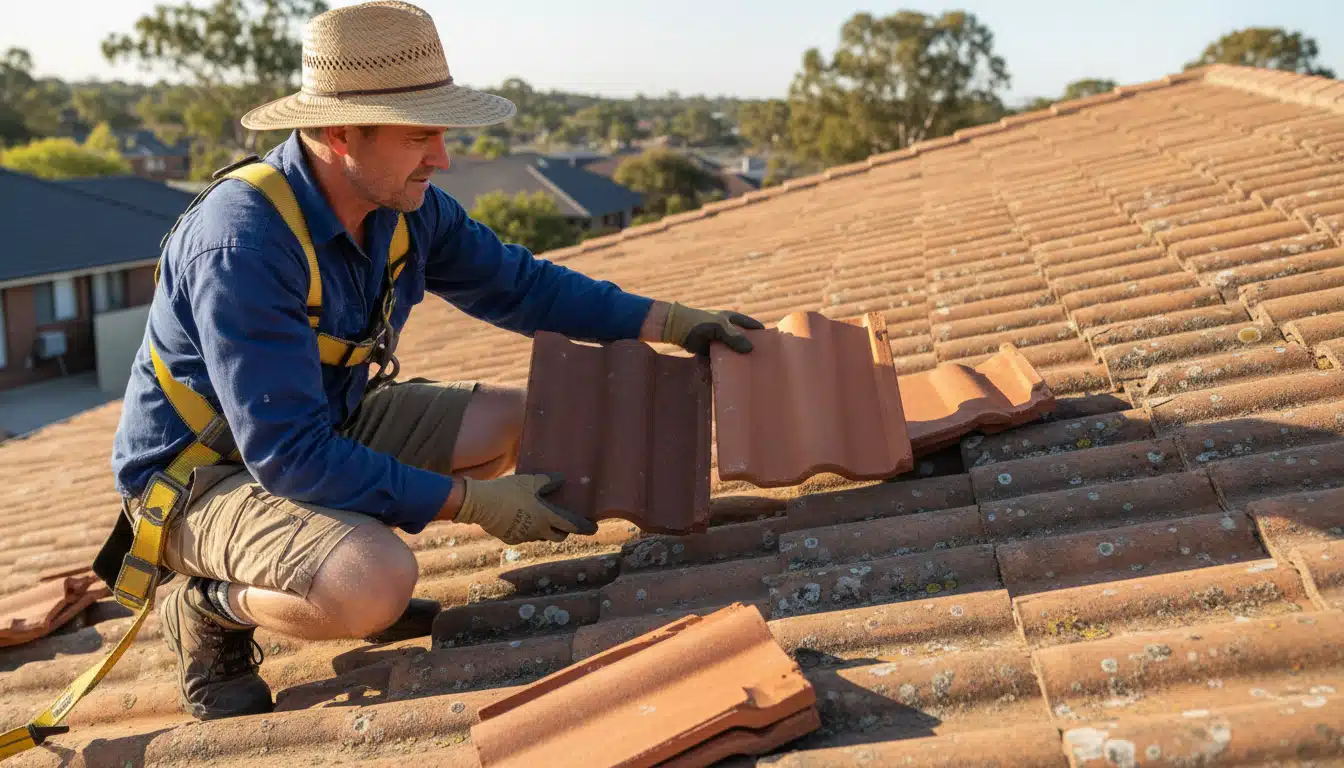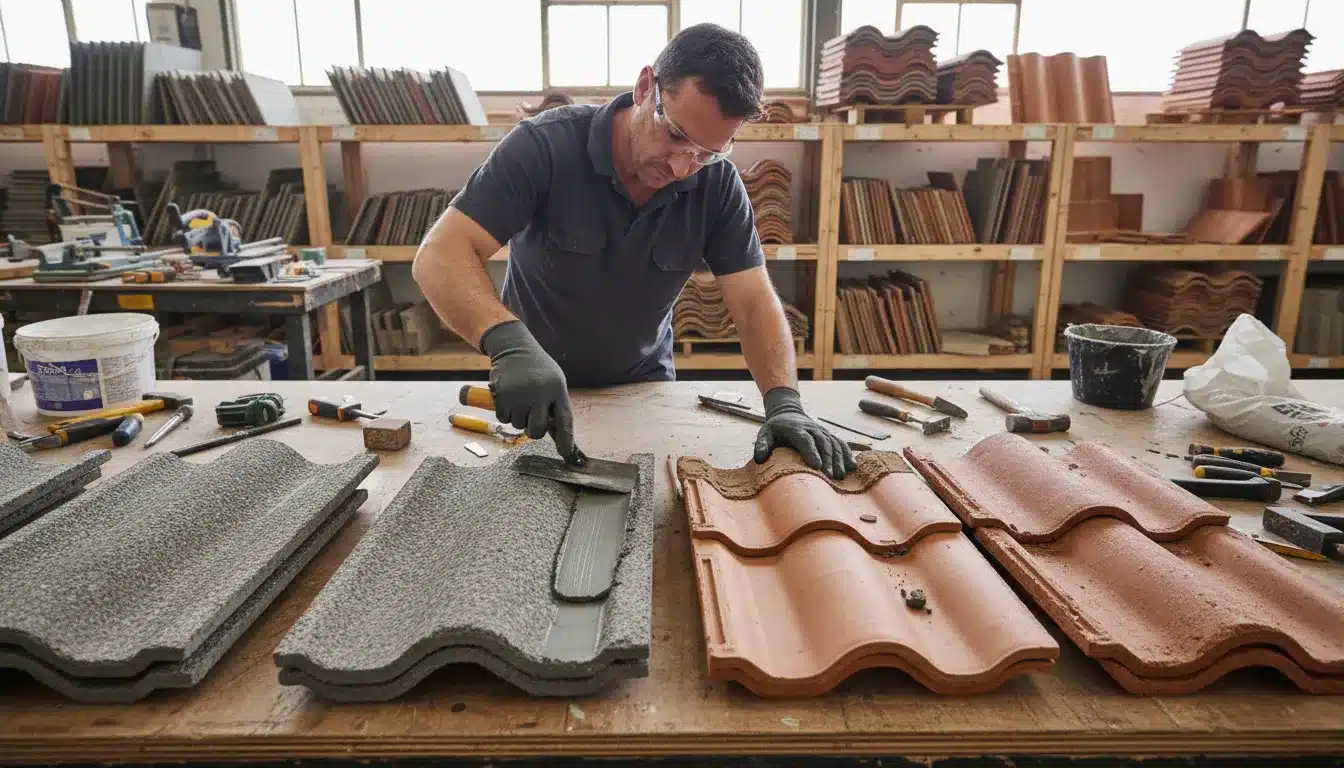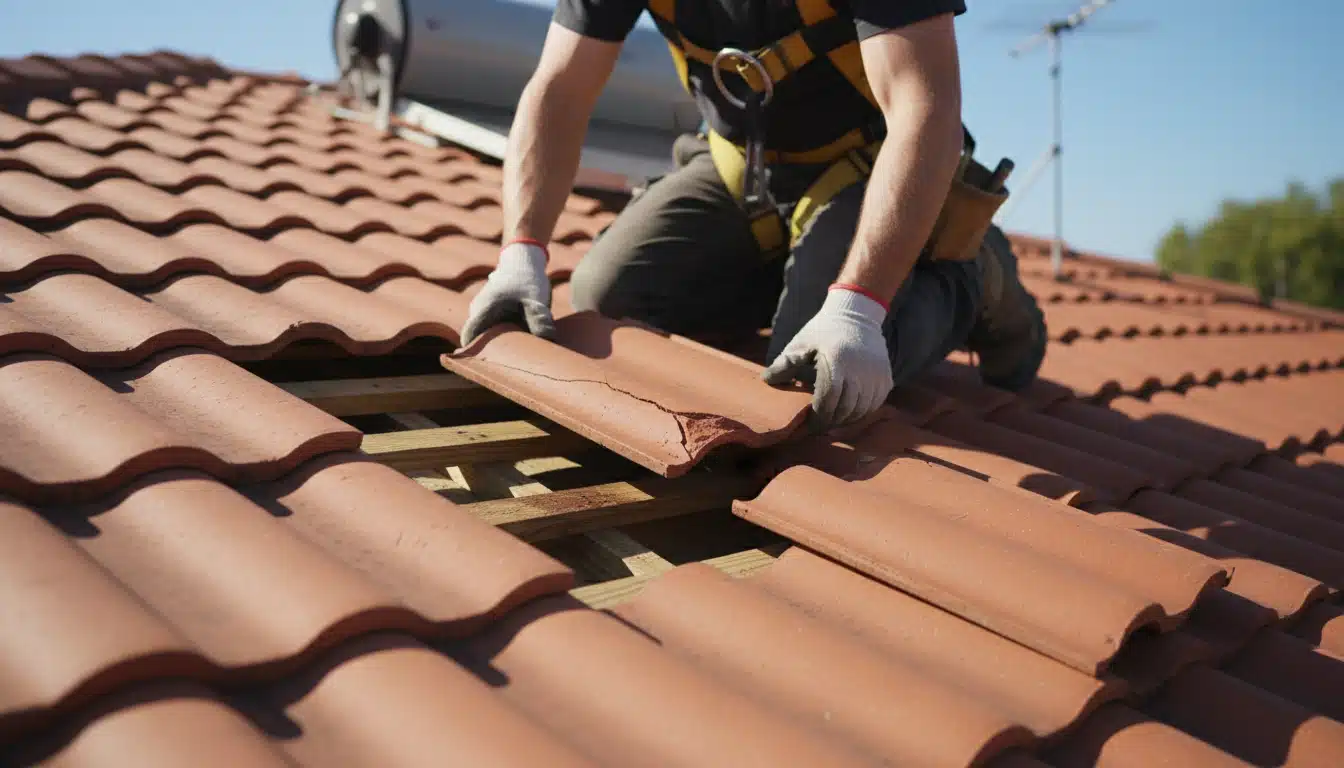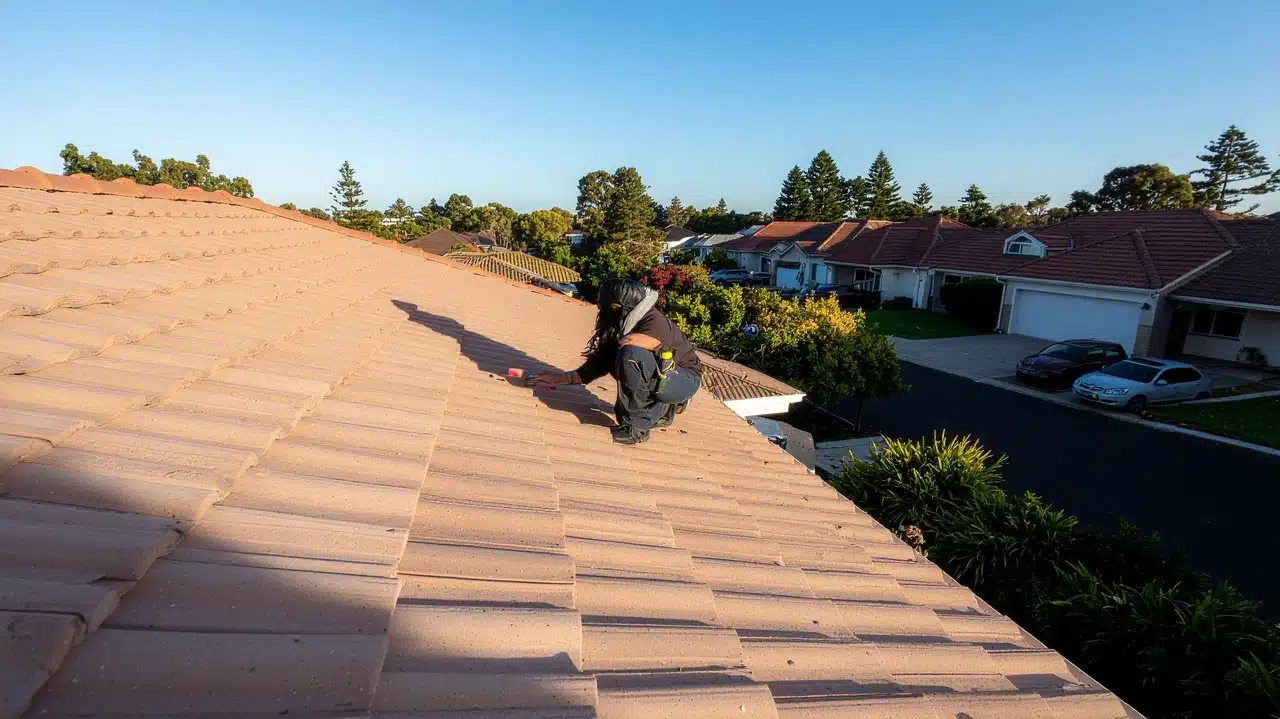
Perth’s Mediterranean climate creates distinct seasonal patterns that directly impact roof restoration outcomes. After restoring more than 30,000 roofs across Western Australia over five decades, the evidence is clear: timing restoration projects around Perth’s weather patterns can mean the difference between a coating that lasts 15-20 years and one that underperforms within five.
The question isn’t just about avoiding rain during application. Perth’s seasonal variations affect surface preparation quality, coating adhesion, curing times, and long-term durability. Understanding these factors helps homeowners make informed decisions that protect their investment and maximize property value.
Why Timing Matters for Perth Roof Restoration
Perth experiences hot, dry summers with temperatures regularly exceeding 35°C, mild autumns, wet winters with occasional storms, and warm springs. Each season presents unique advantages and challenges for the best time roof restoration projects in Perth.
Temperature extremes affect how coating systems cure. Apply coatings in excessive heat, and they can dry too quickly, preventing proper adhesion and creating a brittle surface prone to cracking. Attempt restoration during Perth’s wettest months, and moisture trapped beneath coatings can cause premature failure, bubbling, and delamination.
Surface Preparation Requirements
Surface preparation – the foundation of any successful restoration – also varies by season. High-pressure roof cleaning removes decades of accumulated dirt, moss, lichen, and organic growth. This process requires surfaces to dry completely before coating application. In winter, extended drying times can delay projects by days or even weeks. In summer, surfaces dry within hours, but extreme heat creates its own complications.
The Dulux Acratex coating systems used in professional restorations require specific temperature and humidity ranges for optimal performance. These premium products are engineered to last, but only when applied under manufacturer-specified conditions. Ignore these parameters, and even the highest-quality materials won’t deliver their promised lifespan.
Autumn: The Optimal Window for Roof Restoration
March through May represents Perth’s premium restoration period. Autumn delivers the ideal combination of moderate temperatures, low humidity, minimal rainfall, and stable weather patterns that allow coatings to cure properly.
Perfect Temperature Conditions
Daytime temperatures typically range between 20-28°C during autumn – perfect for coating application and curing. These moderate conditions allow primer sealers and topcoats to penetrate properly, bond effectively, and cure at the rate manufacturers intended. The result is a coating system that achieves maximum durability and flexibility for seasonal roof work.
Autumn’s lower humidity levels accelerate drying times between coats without the extreme evaporation rates that summer heat creates. Professional restoration involves multiple layers: high-pressure cleaning, primer sealer application, and two topcoats. Each layer must cure completely before the next application. Autumn’s stable conditions create predictable schedules, allowing restoration teams to complete projects efficiently without weather-related delays.
Weather Stability Advantages
Rainfall decreases significantly during autumn compared to winter months. While Perth can experience occasional autumn showers, they’re less frequent and intense than winter storms. This weather stability means fewer project interruptions and more consistent results. Restoration teams can schedule confidently, knowing that sudden weather changes are unlikely to compromise coating applications.
The moderate temperatures also benefit homeowners during the restoration process. Unlike summer projects where heat can make living conditions uncomfortable, autumn restorations proceed without the intense roof heat that radiates into living spaces below.
Spring: The Second-Best Choice
September through November offers another excellent window for roof restoration in Perth, though with slightly more variability than autumn. Spring brings warming temperatures, decreasing rainfall, and longer daylight hours – all beneficial for restoration work.
Early Spring Transition Period
Early spring (September) can still experience occasional rainfall as Perth transitions out of winter. However, by October and November, weather patterns stabilize considerably. Temperatures climb into the comfortable 18-26°C range, ideal for coating application and curing.
Spring’s advantage over summer is temperature stability. Days are warm enough for efficient curing but not so hot that coatings dry too rapidly. This balance allows professional roof painting specialists to achieve optimal coverage and adhesion without the complications extreme heat introduces.
Daylight Hour Benefits
The longer daylight hours in spring allow restoration teams to maximize productive working time. More daylight means more hours within optimal temperature ranges, potentially shortening overall project duration. For homeowners eager to complete restoration before summer heat arrives, spring offers an attractive timeline.
One consideration with spring timing: Perth’s wildflower season brings increased pollen counts. While this doesn’t affect coating performance, it means surfaces may require additional cleaning if pollen accumulates during multi-day projects. Professional teams account for this in their preparation processes.
Summer: Proceed with Caution
December through February presents Perth’s most challenging restoration conditions. While not impossible, summer projects require careful management of temperature extremes, intense UV exposure, and rapid evaporation rates.
Extreme Heat Complications
Perth regularly experiences 35-40°C days during summer, with some periods exceeding 42°C. These extreme temperatures cause coatings to dry too quickly, potentially before they’ve properly bonded to roof surfaces. Rapid drying can create a surface film while preventing deeper penetration, resulting in reduced adhesion and premature coating failure.
The intense UV radiation during Perth’s summer months also affects coating application. While cured coatings are designed to withstand UV exposure for decades, uncured coatings are vulnerable. Excessive UV during the curing process can alter chemical properties, potentially reducing the coating’s long-term UV resistance.
Adjusted Working Schedules
Professional restoration teams working in summer must adjust schedules to work during cooler morning and evening hours. This approach extends project timelines and can increase costs. Early morning starts (often beginning at 6 AM) allow teams to complete critical coating applications before temperatures peak.
Summer does offer one advantage: extremely fast drying times for cleaning preparation. Surfaces cleaned in the morning can be completely dry by afternoon, allowing same-day progression to coating stages. However, this benefit rarely outweighs the complications extreme heat introduces.
For homeowners who must schedule restoration during summer – perhaps due to urgent roof repairs in Perth needs or specific timing constraints – working with experienced professionals becomes even more critical. Teams familiar with Perth’s climate know how to adjust application techniques, coating viscosity, and work schedules to achieve acceptable results despite challenging conditions.
Winter: Generally Not Recommended
June through August brings Perth’s wettest weather, making winter the least suitable season for the best time roof restoration decisions. While urgent repairs can’t always wait for ideal conditions, elective restoration projects should avoid winter whenever possible.
Rainfall and Humidity Challenges
Perth receives the majority of its annual rainfall during winter months. Wet conditions create multiple problems for restoration work. Most obviously, coatings cannot be applied to wet surfaces – moisture prevents proper adhesion and becomes trapped beneath coating layers, leading to bubbling, peeling, and premature failure.
Even when rain isn’t actively falling, winter’s higher humidity levels extend drying times dramatically. Surfaces that would dry in hours during summer may require days in winter. This extends project timelines unpredictably and increases the risk of weather-related complications.
Temperature and Daylight Limitations
Cold temperatures, while rare in Perth compared to southern Australian cities, do occur during winter mornings. When temperatures drop below 10°C, many coating systems won’t cure properly. While Perth’s winter days often warm into the comfortable teens or low twenties, early morning cold periods can delay work starts.
Winter’s shorter daylight hours also reduce productive working time. Combined with extended drying periods and frequent weather interruptions, winter projects can take twice as long as the same work performed in autumn or spring.
Working During Dry Periods
That said, winter isn’t entirely off-limits for restoration work. Experienced teams can complete successful restorations during dry winter periods, particularly during those crisp, clear days between cold fronts. The key is flexibility – being prepared to pause work when conditions deteriorate and resume when weather improves.
For urgent situations – significant leaks, extensive storm damage, or pre-sale requirements – winter work becomes necessary. In these cases, Permacoat‘s professional assessment determines whether conditions allow for proper restoration or whether temporary repairs should hold until seasonal conditions improve.
How Perth’s Coastal vs Inland Climate Affects Timing
Perth’s geography creates microclimates that influence optimal restoration timing for seasonal roof work. Coastal suburbs experience different conditions than inland areas, affecting project scheduling and material selection.
Coastal Property Considerations
Coastal properties from Fremantle to Joondalup face salt-laden sea breezes, higher humidity, and more moderate temperature ranges. The ocean’s proximity keeps coastal areas cooler in summer (often 3-5°C lower than inland suburbs) and warmer in winter. This moderation extends the suitable restoration window slightly, making early summer and late autumn more viable than for inland properties.
However, coastal properties require additional consideration for salt exposure. Salt accelerates coating degradation and requires more thorough surface preparation. The best time for coastal roof restoration remains autumn and spring, but the consequences of poor timing are more severe. Inadequate curing in coastal environments leads to faster coating breakdown due to salt attack on compromised surfaces.
Inland Temperature Extremes
Inland suburbs – areas like Midland, Ellenbrook, and Armadale – experience greater temperature extremes. Summer days regularly reach 3-5°C hotter than coastal areas, while winter nights drop several degrees cooler. These extremes narrow the optimal restoration window, making autumn and spring even more critical for inland properties.
The hills suburbs present another variation. Areas like Kalamunda and Roleystone sit at higher elevations, experiencing cooler temperatures year-round and occasionally heavier rainfall. For hills properties, late spring (October-November) often provides the most reliable conditions, after winter rainfall ceases but before summer heat arrives.
Planning Your Restoration Timeline
Successful roof restoration requires more than choosing the right season – it demands advance planning. Perth’s restoration specialists typically book autumn and spring projects months in advance, as homeowners increasingly recognize these periods offer optimal conditions for Perth climate roofing.
Early Planning Benefits
Start planning restoration at least 3-4 months before preferred timeframes. This allows time for professional roof inspections, detailed quotes, colour selection from the extensive Dulux Acratex colour range, and securing preferred dates with restoration teams.
Early planning also allows flexibility if unexpected issues arise during inspection. Discovering that roofs require extensive tile roof repairs before restoration can proceed adds weeks to timelines. Identifying these needs early ensures repairs and restoration both occur during optimal seasonal windows.
Strata Property Coordination
For strata-managed properties, planning becomes even more critical. Body corporate approval processes, obtaining multiple quotes, and coordinating with residents requires additional lead time. Strata roofing services specialists recommend beginning the planning process 6-8 months before desired completion dates for multi-unit buildings.
Consider property-specific needs when timing restoration. If roofs have significant moss and lichen growth, scheduling during drier months ensures thorough cleaning without extended drying delays. If selecting darker colours that absorb more heat, avoid summer application when possible, as dark coatings applied in extreme heat face additional curing challenges.
The Cost Implications of Seasonal Timing
While quality restoration shouldn’t be chosen solely on price, seasonal timing does affect project costs and value. Understanding these economic factors helps homeowners make informed decisions.
Peak Season Economics
Peak season (autumn and spring) typically sees higher demand for restoration services. However, the superior results achieved during optimal conditions deliver better long-term value. A coating that achieves its full 15-20 year lifespan because it was applied in ideal conditions costs less annually than a coating that fails prematurely due to poor timing.
Off-season work (winter and summer) may occasionally offer lower pricing as companies try to maintain steady workflow. However, these apparent savings often disappear when factoring in extended project timelines, potential weather delays, and increased risk of suboptimal results. A summer restoration that requires recoating in 8 years instead of 15 ultimately costs more than waiting for autumn conditions.
Value of Proper Execution
The real cost consideration isn’t seasonal pricing variation – it’s the value of proper execution. Professional restoration using premium Dulux Acratex systems, applied during optimal conditions by experienced teams, represents Perth’s best value in roof protection. The upfront investment pays dividends through extended coating life, reduced maintenance needs, and sustained property value.
Emergency situations that force off-season work do incur additional costs. Rush scheduling, working around weather interruptions, and adjusting techniques for suboptimal conditions all add expense. When possible, addressing roof issues proactively during optimal seasons avoids these premium charges.
Making the Final Decision
Choosing the best time roof restoration balances ideal conditions, personal circumstances, and property needs. While autumn represents Perth’s premium restoration window, individual situations vary.
Urgent Versus Elective Work
If roofs show signs of significant deterioration – active leaks, extensive cracked tiles, or coating failure exposing substrate materials – waiting months for optimal seasonal conditions may not be practical. In these cases, immediate repairs prevent further damage, with full restoration scheduled for the next suitable season.
For properties being prepared for sale, timing must align with market conditions and settlement schedules. Real estate professionals often recommend restoration 2-3 months before listing, allowing the transformed appearance to enhance property value and buyer appeal. If this timeline falls outside optimal seasons, experienced restoration teams can still achieve quality results with appropriate adjustments.
Long-Term Performance Priorities
Investment properties may need restoration coordination with tenant occupancy. Scheduling during vacancy periods might take priority over seasonal optimization, particularly for properties with frequent turnover.
The decision ultimately rests on weighing immediate needs against long-term performance. When circumstances allow, choosing autumn or spring restoration timing maximizes coating life, minimizes complications, and delivers the best return on investment. When urgency demands off-season work, partnering with experienced professionals ensures the best possible outcomes despite challenging conditions.
Conclusion
Perth’s Mediterranean climate creates distinct seasonal advantages for roof restoration in Perth, with autumn (March-May) offering the optimal combination of moderate temperatures, stable weather, and ideal curing conditions. Spring (September-November) provides an excellent alternative, while summer presents manageable challenges for experienced teams, and winter requires careful consideration except for urgent repairs.
The timing decision extends beyond simple weather avoidance. Proper restoration timing affects coating adhesion, curing quality, long-term durability, and ultimately the lifespan of investments. Permacoat has completed over 30,000 successful restorations across Perth’s diverse suburbs and understands how seasonal conditions impact results across different roof types, from coastal Colorbond installations to inland terracotta tiles.
For expert roof restoration in Perth using Dulux Acratex coating systems during optimal seasonal conditions, call (08) 9249 5955 to schedule a free roof inspection.