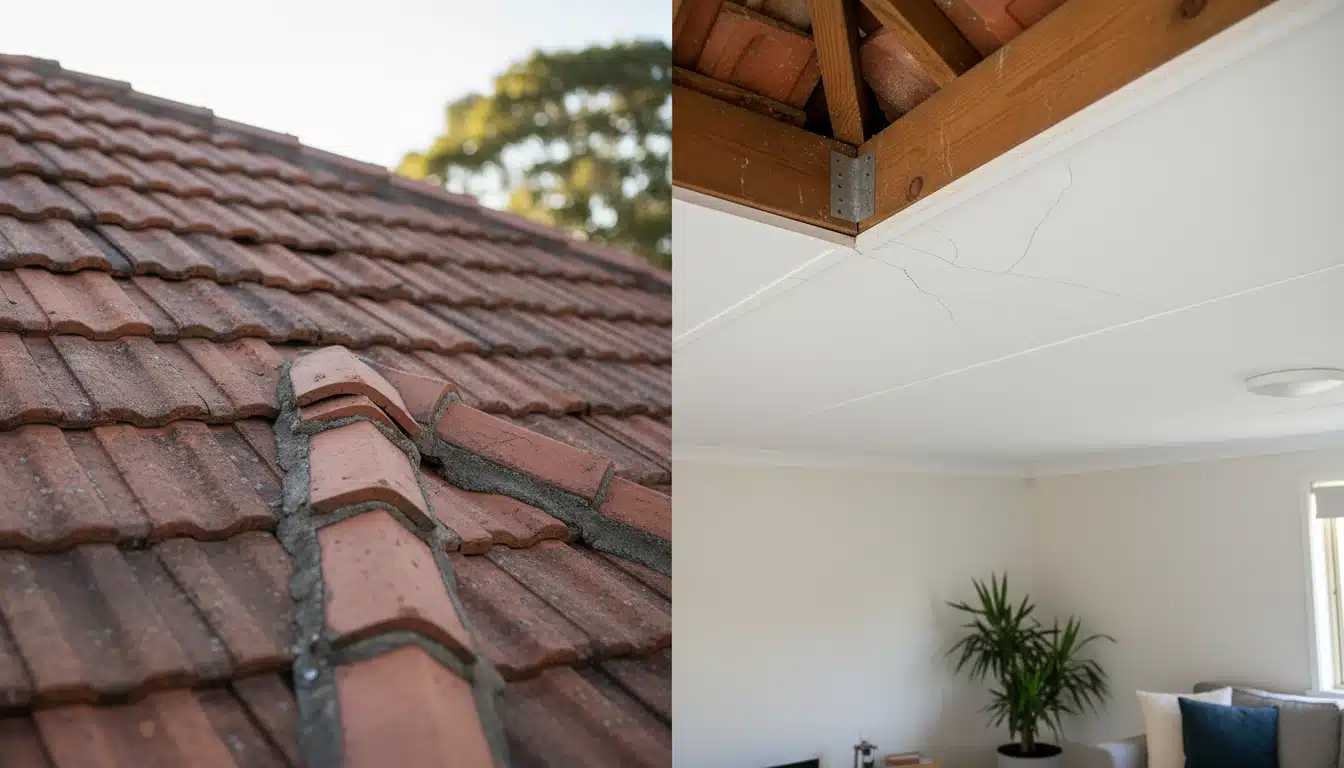
Movement in ridge caps can open a weather path at the roofline. If rain enters the roof space, ceiling and cornice damage can follow. The visible symptom may be a crack, stain or loss of adhesion even when there is no obvious drip in the room.
That does not make every cornice crack a roofing problem. Ageing adhesive, ordinary building movement and foundation settlement can create similar lines. The location, weather history and moisture clues help distinguish them.
A patch and fresh paint may hide the damage briefly, but they cannot stop an active roof leak. The roof source needs to be identified and repaired before the interior finish is restored.
The practical order is simple: assess the roof and ceiling together, make the outside weatherproof, allow damp materials to dry, then repair the cornice. That sequence reduces the chance of the same crack reopening after the next Perth storm.
Why A Roof Defect Can Show At The Cornice
A cornice covers the junction between a wall and the edge of the ceiling sheet. It is useful for finishing a room neatly, but the joint is sensitive to changes in the materials around it. Small movements can split paint or open a hairline crack. Moisture can soften plasterboard, weaken adhesive and make a minor defect more visible.
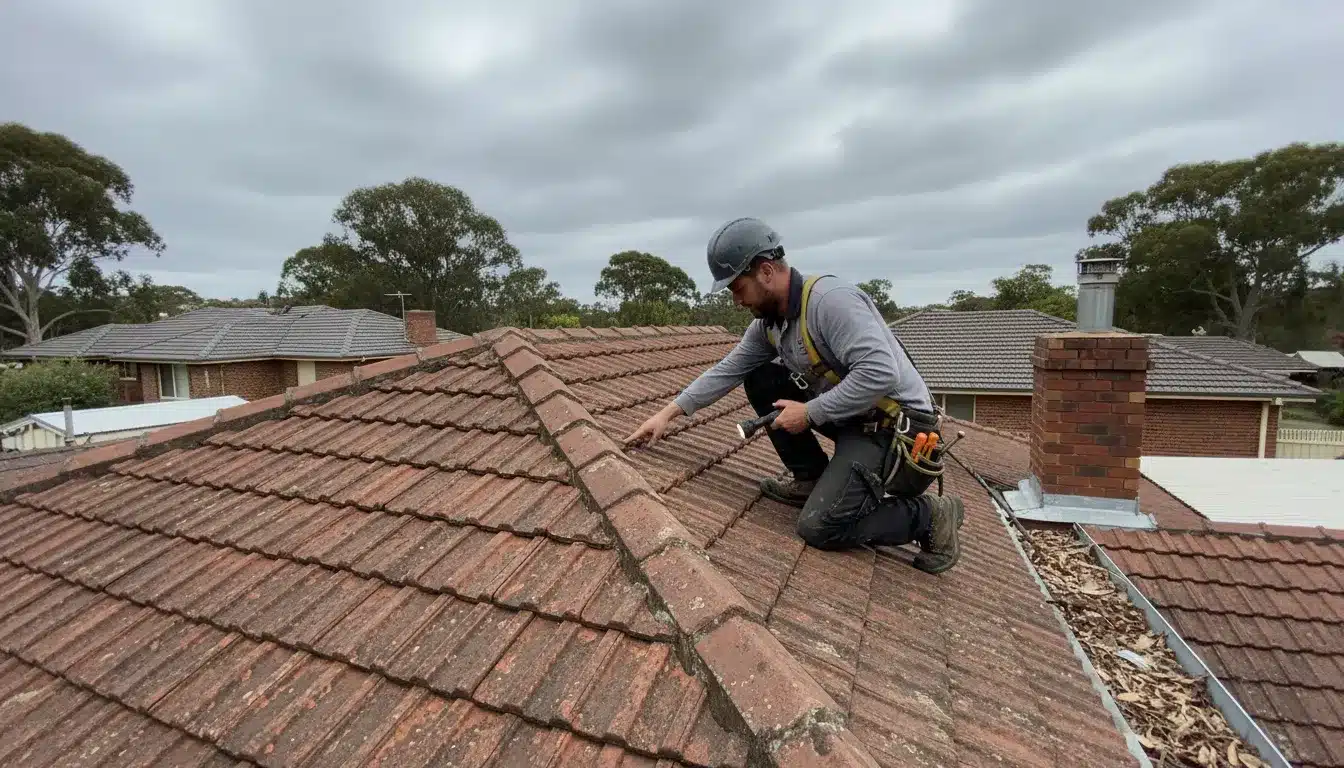
Ridge caps form the high junction along the top of a tiled roof. They are supported on bedding and sealed along their edges with pointing. As those materials weather, cracks can develop, sections can loosen and individual caps can shift. Where the ridge fault sits beside cracked or displaced tiles, tile repairs may be needed before another interior patch is considered.
The resulting water path is rarely a straight vertical drop. Rain can move along a rafter, batten, sarking or insulation before reaching the ceiling edge. The visible crack may therefore sit some distance from the opening in the ridge.
The Cornice Is A Vulnerable Junction
An uninterrupted ceiling sheet can tolerate slight changes without showing an immediate line. At its perimeter, several materials meet and respond differently to temperature and moisture. That is why a cornice joint can become the first visible sign of trouble above it.
A dry hairline crack may remain stable for a long time. Once water reaches the same joint, plasterboard can swell and paint can bubble. Repeated wetting and drying can also widen the line and leave brown staining.
Ridge Caps Face Constant Weather
Ridge caps receive strong sun, changing temperatures and wind pressure. During wind-driven rain, even a small opening can admit water that ordinary vertical rain does not expose. A useful roof repairs scope follows the leak path across connected components instead of treating the cornice crack as the source.
Storm timing is a useful clue for a homeowner. If a crack appears, darkens or develops a damp smell soon after rain, the roof should be checked before decorating. A crack that progresses through dry weather with no moisture clues may need a wider building assessment.
How Ridge Cap Movement Develops
Ridge cap movement usually develops gradually. From the ground, the roof can look normal while the bedding beneath a cap has become hollow or loose. The first obvious signs may be fractured pointing, a gap under a cap or an interior mark after severe weather.
Bedding Loses Support
Bedding mortar provides the base that holds ridge and hip caps in position. Once that base cracks, crumbles or separates, a cap can rock slightly instead of remaining fully supported. Surface filler cannot correct a failed base.
Where active movement is confirmed, re-bedding may be required. The affected caps are lifted, failed bedding is removed and a sound bed is formed before the edges are pointed. The exact scope depends on how much of the ridge is loose and whether neighbouring tiles are also damaged.
Pointing Cracks At The Edges
Pointing seals the exposed edges of the ridge cap and sheds water over the tiles. It can crack as the roof expands and contracts, particularly where the underlying bedding no longer provides stable support.
Repointing can suit a cap that remains firmly bedded but has local surface failure. Loose or hollow bedding requires more than a new surface layer. Distinguishing those conditions prevents a cosmetic repair being mistaken for a structural one.
Drainage Can Add A Second Cause
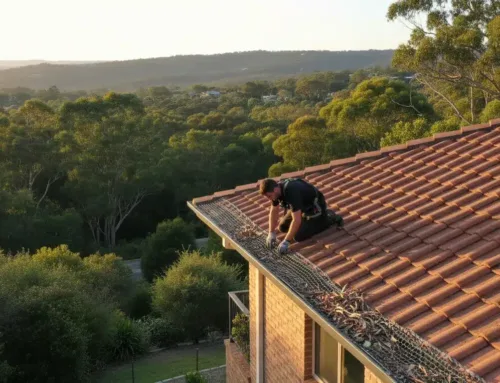
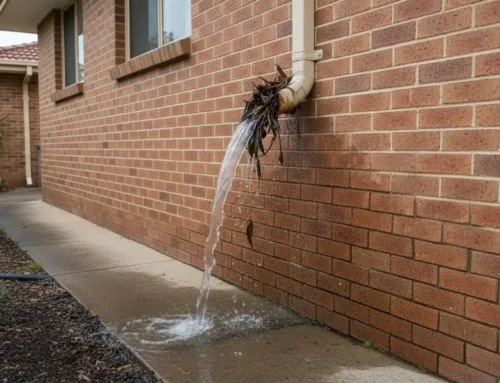
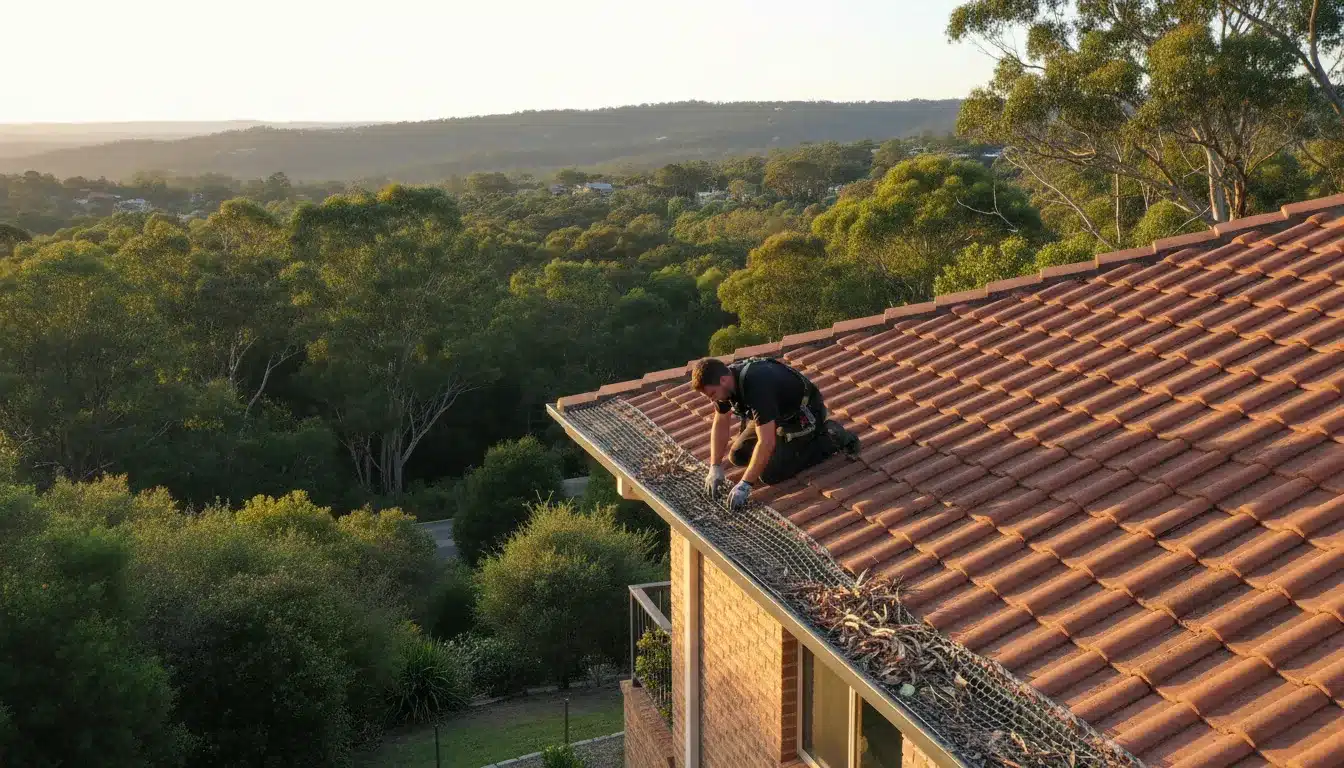
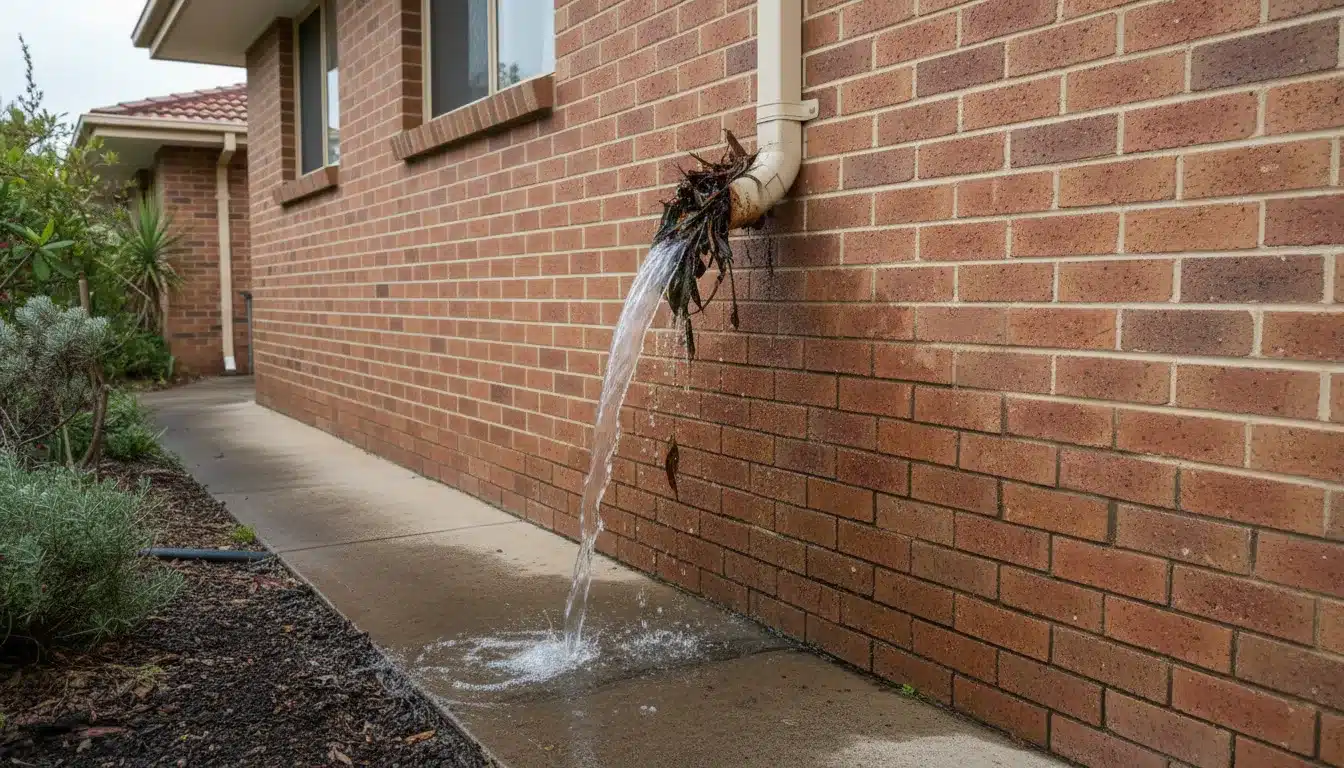
A ridge fault is not the only route to a damp cornice. Valleys, flashings, gutters and downpipes can redirect water towards an external wall or eave. If runoff is contributing to moisture at the ceiling perimeter, gutters and downpipes need to be assessed as part of the same water path.
Older roofs often have more than one defect. Repairing a loose ridge cap may not resolve the interior symptom if a nearby valley or overflowing gutter continues to wet the same area.
Roof Movement Or Foundation Settlement?
Cracked interior cornices and foundation settlement signs can overlap, so the crack should be read as part of a pattern rather than diagnosed from one photograph. A localised line below a ridge or roof junction, especially with staining after rain, points the investigation upwards. Cracks across several rooms, around openings and through wall finishes suggest a broader movement issue may also need assessment.
Compare The Crack Pattern
Roof-related moisture damage often follows the ceiling perimeter or a framing line. It may be concentrated in one room or beneath a known ridge, hip, valley or flashing junction. Settlement movement is more likely to appear across several connected building elements, although each property needs to be assessed on its own condition.
Do not rely on crack width alone. Note whether doors have started binding, wall cracks are spreading, floor levels appear to have changed or gaps are developing around frames. Those observations help a building professional decide whether the issue extends beyond the roof.
Look For Moisture Clues
Brown marks, blistered paint, a musty smell, soft plaster or damp insulation strengthen the case for water entry. The absence of staining does not rule it out because moisture can be intermittent or hidden above the ceiling.
A clean roof surface also makes displaced caps, tile fractures and open joints easier to identify. Where dirt, moss or lichen obscures those junctions, roof cleaning can expose their condition, but it cannot stabilise a moving ridge cap.
Use The Weather History
Record when the crack first appeared and what happened during the preceding days. Changes after wind-driven rain are particularly relevant to ridge and flashing faults. Changes during a long dry period may direct attention towards thermal or foundation movement instead.
Photographs taken from the same position can show whether the line is widening, staining or remaining stable. Marking the date of each image is more useful than repeatedly filling the crack and losing the history.
What A Roof Inspection Should Cover
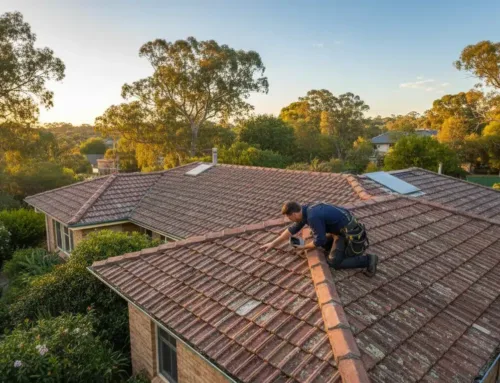
The point directly above the crack is only the starting location. Water can travel laterally and downhill before reaching the room, so the inspection needs to follow plausible paths from the ridge to the ceiling edge.
We have worked on more than 30,000 roofs over 50 years, but every diagnosis still depends on the condition of the individual property. Our approach at Permacoat starts with understanding whether the roof needs a focused repair, broader restoration or another solution.
Ridge Caps And Hips
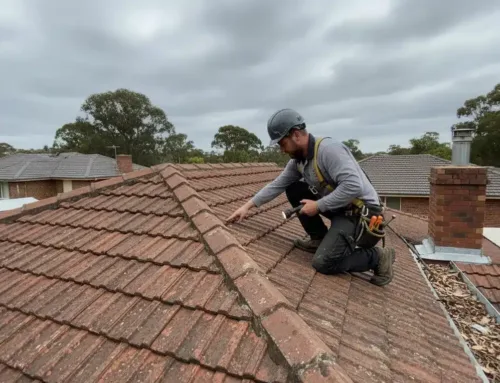
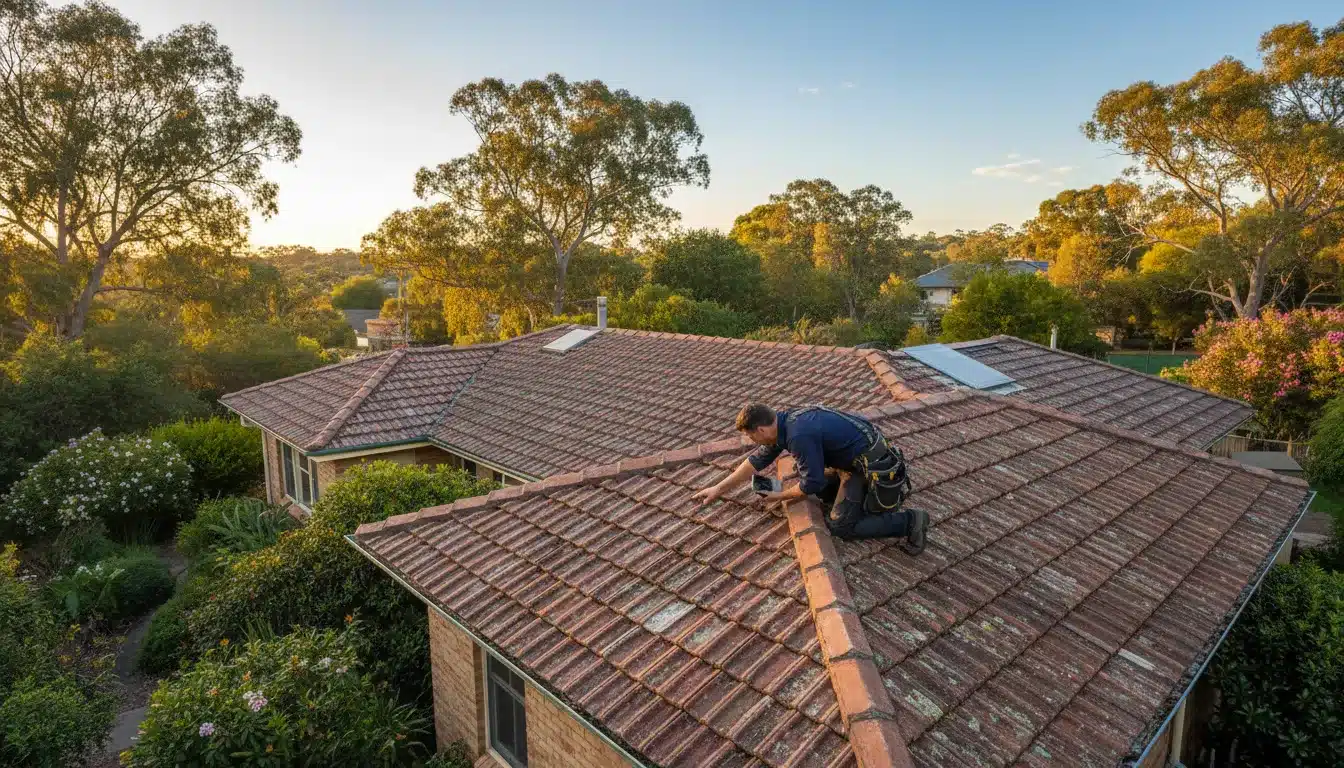
Ridge and hip caps should be checked for open joints, cracked pointing, hollow bedding, displaced sections and adjacent broken tiles. The aim is to determine whether the defect is limited to the surface or whether the cap has lost support.
The inspection should establish whether the cap remains supported, whether nearby tiles have moved and whether rain has reached the ceiling edge. That evidence determines whether the roof needs local pointing, re-bedding or a wider repair scope.
Valleys, Flashings And Tiles
Valley irons collect large volumes of runoff, while flashings protect changes in roof direction and junctions with walls or penetrations. A split, lifted edge or obstruction in these areas can imitate a ridge leak. Cracked or displaced field tiles can create another entry point along the same water path.
When deterioration extends across the ridge and surrounding tile field, tile restoration may be more appropriate than repeating isolated patches. A sound roof with one contained defect should not be pushed into broader work.
The Roof Space And Ceiling Edge
Where access is safe, the roof space can reveal damp insulation, water marks on timber, daylight at a gap or staining on the back of the ceiling sheet. Those clues help connect the external defect with the interior symptom.
Do not enter a roof space during rain or near unsafe electrical equipment. Sagging plaster, active dripping around a light fitting or a ceiling that feels soft requires prompt professional attention and a safe exclusion area below.
Choosing The Right Repair
The repair should match the cause. Adding pointing over loose material may improve the appearance without stabilising the cap. Replacing a cornice while the ceiling edge is damp treats the last visible symptom rather than the water path.
Repointing Stable Ridge Caps
If the bedding is sound and the failure is confined to cracked pointing, loose material can be removed and the cap edges repointed. Preparation matters because new material needs a clean, stable surface.
Only after bedding, pointing and broken tiles are stable should roof coatings be considered as part of a suitable wider restoration. A coating must not conceal loose caps or failed bedding.
Re-Bedding Loose Caps
A cap that rocks or has lost its mortar support generally needs the base addressed. Re-bedding restores support before pointing seals the edges. Broken tiles and defective nearby flashings should be dealt with as part of the same proven water path.
After completed repair work, we provide a 12-month leak guarantee. The scope should still be clear in the quotation so the homeowner knows which repaired areas and defects are covered.
Restore The Interior Last
Once the roof work is complete, allow the ceiling edge to dry and monitor it through suitable weather. Damp plaster should not be sealed immediately because trapped moisture can cause bubbling, mould or another adhesion failure.
When the area remains dry, damaged cornice material can be secured or replaced, the joint can be prepared and the finish repainted. Any later roof painting applies to the external roof finish; interior cornice painting belongs after the moisture source has been resolved.
Warning Signs That Need Prompt Attention
A fine, dry crack that has not changed may allow time for a planned inspection. Active water, sagging plaster or damage near electrical fittings changes the priority.
Keep people clear of a ceiling edge that is bulging, soft or shedding material, and do not press a sagging section to test it. Water leaks are one cause of ceiling failure, and cracking or sagging plasterboard and cornices are among the warning signs.
Repeated cracking also deserves investigation. If the same cornice has been filled several times, either movement or moisture may still be active. Another surface patch is unlikely to provide a durable result until that cause is dealt with.
Extensive deterioration can make repeated local repairs uneconomical. Where the underlying roof materials or structure have failed and restoration is no longer suitable, re-roofing may provide the more durable response.
Frequently Asked Questions
Can Ridge Cap Movement Really Crack A Cornice?
Yes. Loose bedding or failed pointing can allow ridge caps to move and open a route for rain. Water reaching the ceiling edge can then soften plasterboard, weaken the cornice joint and make cracking visible.
Are Cracked Interior Cornices Always Roof Leaks?
No. Ageing adhesive, ordinary movement and foundation settlement signs can produce similar damage. Staining, dampness, location and changes after rain make roof water more likely.
Does Every Moving Ridge Need Re-Bedding?
No. Repointing may be sufficient where the cap remains stable and only the surface pointing has failed. Re-bedding is considered when the supporting mortar has deteriorated or the cap is loose.
Should The Cornice Be Patched Before The Roof?
Usually not. Fix the confirmed roof source first, allow the ceiling edge to dry and monitor it, then complete the plaster and paint work. Reversing that order can hide useful clues and lead to repeated repairs.
Fix The Source Before The Finish
A cracked cornice should prompt a diagnosis, not an automatic tube of filler. Check whether rain is entering around moving ridge caps, then follow the possible path through tiles, flashings, drainage and the roof space. At the same time, look for wider foundation settlement signs so a local roof fault is not confused with movement affecting the building.
The durable sequence is to stabilise and weatherproof the roof, confirm the ceiling edge is dry, then restore the interior finish. If your cornice has cracked after rain or keeps reopening, contact us to arrange a roof assessment and discuss the most appropriate next step for your home.