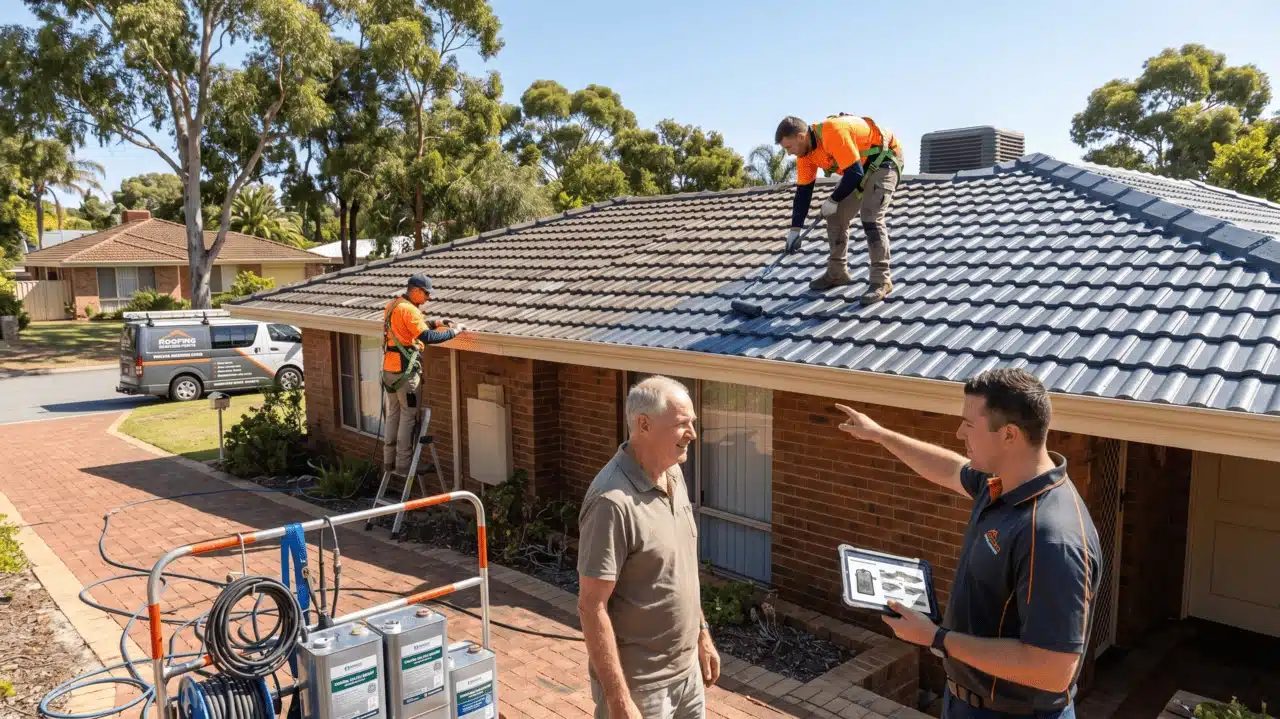
Thinking about getting your roof restored? It’s a smart move that can add years to your roof’s life and save you a packet in the long run. But like anything, you want to make sure you’re getting the best value for your investment. Not just the cheapest price, mind you, but the best bang for your buck in terms of quality, longevity, and peace of mind. Permacoat specialises in delivering high-quality solutions that Perth homeowners can rely on for lasting protection.
Understanding what creates genuine value in a roof restoration project separates savvy homeowners from those who end up with buyer’s remorse. Value isn’t about finding the lowest quote – it’s about securing quality workmanship, durable materials, comprehensive warranties, and long-term performance that protects your home and your wallet for decades to come. Here’s how to maximise the value from a roof restoration project.
Understanding the True Cost of Roof Restoration
Don’t go thinking that the cheapest quote is always the best. That’s a rookie mistake that costs Perth homeowners thousands in premature repairs and replacements. The true cost of roof restoration Perth projects goes far beyond the initial price tag. You’ve got to factor in the quality of materials, the skill of the tradesmen, the comprehensiveness of the warranty, and the potential for future problems if the job’s not done right.
Think of it like this: you can buy a cheap kettle for $20, but it might break down in six months. Or, you can spend $80 on a decent one that lasts for years. Same principle applies to your roof, except the stakes are much higher. A roof protects your entire home, your possessions, and your family. Skimping now can cost you a fortune later in emergency repairs, water damage remediation, and premature replacement.
The Hidden Costs of Cheap Restoration Work
When contractors quote suspiciously low prices, they’re cutting corners somewhere. Maybe they’re using inferior materials that deteriorate within a few years. Perhaps they’re rushing the job with inexperienced workers who miss critical preparation steps. They might be skipping essential processes like proper surface preparation, primer application, or adequate coating layers.
These shortcuts create hidden costs that emerge later: peeling paint within two years instead of ten, leaks that cause ceiling damage and mould growth, premature coating failure that requires complete re-restoration, and structural damage from moisture infiltration. The “savings” from choosing the cheapest quote quickly evaporate when you’re paying for repairs, dealing with property damage, and facing another restoration project years earlier than expected.
Calculating Cost Per Year of Protection
Smart homeowners calculate value differently. Instead of looking at the upfront cost alone, they consider the cost per year of protection. A $6,000 restoration that lasts 15 years costs $400 per year. A $4,000 restoration that fails after 5 years costs $800 per year – twice as much, despite the lower initial price.
Quality materials and expert workmanship deliver superior longevity. Premium coatings withstand Perth’s harsh UV radiation and temperature extremes. Proper surface preparation ensures excellent adhesion. Multiple coating layers provide comprehensive protection. Skilled tradesmen catch and address underlying issues before they escalate. These factors extend your roof’s lifespan dramatically, delivering genuine long-term value.
Choosing the Right Materials for Perth’s Climate
Perth’s got a harsh climate, no doubt about it. Scorching summers with intense UV radiation, strong easterly and southwesterly winds, occasional heavy downpours, and dramatic temperature fluctuations between day and night – your roof takes an absolute beating year-round. That’s why it’s crucial to choose materials specifically engineered to withstand these unique environmental challenges.
Understanding Perth’s Roofing Challenges
Perth experiences some of Australia’s most intense solar radiation. Summer temperatures regularly exceed 35°C, with roof surface temperatures soaring above 70°C. This extreme heat causes inferior coatings to blister, crack, and peel. UV radiation breaks down molecular bonds in low-quality paints, leading to chalking, fading, and deterioration.
Strong winds create additional stress, particularly on loose tiles or poorly secured roof components. When combined with sudden temperature drops during evening cooling, thermal expansion and contraction can crack brittle coatings. Occasional storms dump heavy rain that tests waterproofing integrity, while Perth’s dry periods create perfect conditions for dirt and debris accumulation.
Premium Coating Systems for Maximum Protection
Dulux Acratex roof coatings are a popular choice for good reason. They’re specifically designed to handle the Aussie sun and provide long-lasting protection against our unique climate challenges. These premium coating systems incorporate advanced acrylic technology that flexes with temperature changes, resists UV degradation, and maintains strong adhesion even under extreme conditions.
Quality roof coatings create a protective barrier that extends the lifespan of your roof significantly while improving waterproofing performance. Modern coating systems include primers that seal porous surfaces, base coats that provide body and coverage, and topcoats that deliver UV resistance and colour stability. This multi-layer approach ensures comprehensive protection that single-coat cheap alternatives simply cannot match.
Heat-Reflective Technology Saves Money
Don’t forget about Cool Smart paint technology and other heat-reflective coating options. These advanced systems use specially formulated pigments that reflect solar radiation rather than absorbing it. This keeps your roof surface significantly cooler – often 10-15°C cooler than standard coatings.
The benefits extend beyond roof longevity. Cooler roof surfaces mean less heat transfer into your roof cavity and living spaces. This reduces your cooling load during Perth’s long, hot summers, cutting energy bills substantially. Many homeowners report 15-20% reductions in summer air conditioning costs after applying heat-reflective coatings. Over a decade, these savings can offset a significant portion of your restoration investment.
Colour Selection Matters More Than You Think
Your choice of roof colour affects both aesthetics and performance. Lighter colours reflect more heat, keeping your home cooler and reducing thermal stress on roofing materials. Darker colours absorb heat, which can be beneficial in cooler climates but creates unnecessary stress in Perth’s hot environment.
Modern colour technology offers excellent options across the spectrum. You can explore a wide selection of colours that combine aesthetic appeal with practical performance. Consider your home’s style, your neighbourhood’s character, and the practical implications of your colour choice. Many contractors offer colour visualisation tools to help you see how different options will look on your home.
Finding a Reputable Roofing Contractor
This is where the rubber meets the road, mate. Finding a good roofing contractor is absolutely essential for a successful restoration project. You want someone with a proven track record, proper qualifications, comprehensive insurance coverage, and a genuine commitment to quality workmanship. The contractor you choose will determine whether your restoration delivers decades of protection or becomes a costly disappointment.
Research and Verification Are Non-Negotiable
Start your search by asking around for recommendations. Talk to neighbours who’ve had recent restoration work done. Ask about their experience, the quality of the finished work, and whether they’d hire the same contractor again. Personal recommendations from people you trust carry more weight than any advertisement.
Check online reviews across multiple platforms – Google, Facebook, industry websites, and local community forums. Look for patterns in the feedback. One negative review might be an isolated incident, but multiple complaints about the same issues indicate real problems. Pay attention to how contractors respond to criticism. Professional businesses address concerns constructively, while dodgy operators get defensive or ignore complaints.
Licenses, Insurance, and Professional Qualifications
Make sure your chosen contractor holds all required licenses for roofing work in Western Australia. Licensed contractors have demonstrated competence, carry appropriate insurance, and operate under regulatory oversight that provides homeowner protection. Working with unlicensed contractors might save money initially, but it exposes you to enormous risk if something goes wrong.
Verify they carry comprehensive public liability insurance and workers’ compensation coverage. Public liability protects you if their work causes property damage or someone gets injured. Workers’ compensation covers their employees if accidents occur on your property. Without these protections, you could be held personally liable for injuries or damage – a financial disaster waiting to happen.
Questions Every Homeowner Should Ask
Don’t be afraid to ask detailed questions before making a decision. How long have they been operating in Perth? Can they provide references from recent projects? What materials and coating systems do they use, and why? How do they handle surface preparation? How many coating layers do they apply? What does their warranty cover?
A good contractor will be happy to answer your questions thoroughly and provide detailed explanations. They’ll walk you through their process, explain their material choices, and discuss how they handle common challenges. They’ll provide detailed written quotes that break down costs clearly. If a contractor seems evasive, rushes through explanations, or pressures you to sign immediately, walk away.
Portfolio and Previous Work Examples
Ask to see examples of their previous work. Reputable contractors maintain portfolios with before-and-after photos that demonstrate their capabilities. Even better, ask if you can visit completed projects or speak with previous clients. Seeing finished work in person reveals quality details that photos might miss.
Pay attention to the quality of their workmanship in these examples. Are cut edges clean and straight? Is coating coverage even and consistent? Are details around flashings, vents, and roof penetrations handled professionally? These details separate excellent contractors from average ones.
Negotiating the Best Price Without Cutting Corners
Negotiating a fair price is part of the game, but don’t get so caught up in saving a few bucks that you compromise on quality. Remember, you’re investing in the long-term health of your roof and the protection of your entire home. The goal isn’t to pay the absolute minimum – it’s to secure the best value by balancing competitive pricing with quality materials, expert workmanship, and comprehensive warranties.
The Multiple Quote Strategy
Get at least three detailed quotes from reputable contractors. This gives you a realistic understanding of market pricing and helps you identify quotes that are suspiciously low or unreasonably high. When requesting quotes, provide each contractor with identical scope requirements so you’re comparing apples to apples.
Review each quote carefully. They should break down costs for materials, labour, surface preparation, coating layers, and any additional services like gutter repairs or ridge capping replacement. Detailed quotes demonstrate professionalism and help you understand exactly what you’re paying for. Vague quotes with single lump-sum figures make it impossible to verify you’re getting what you’re paying for.
Understanding What Influences Pricing
Multiple factors affect restoration costs. Roof size and pitch obviously matter – larger, steeper roofs require more materials and labour. Roof condition is crucial; heavily damaged roofs need extensive repairs before coating can begin. Material choices significantly impact costs, with premium coating systems costing more than basic alternatives.
Timing can affect pricing too. Some contractors offer discounts during their quieter periods, typically in cooler months when demand drops. Payment terms might influence pricing – some contractors discount for full upfront payment, though this carries risks if the job isn’t completed satisfactorily. Understanding roof repair costs helps you evaluate quotes more effectively and identify fair pricing in Perth’s market.
Red Flags in Pricing
If one quote is dramatically lower than others – say 30-40% cheaper – there’s definitely a reason. They might be planning to use inferior materials, apply fewer coating layers than competitors, skip essential preparation steps, or employ inexperienced workers. Sometimes extremely low quotes come from contractors who plan to add unexpected charges later or who simply won’t complete the job properly.
Conversely, some contractors quote high prices based on brand reputation alone, banking on homeowners who equate high prices with quality. While premium services justify higher costs, quotes should still fall within reasonable market ranges.
Negotiation Strategies That Work
Once you’ve reviewed your quotes, you have leverage to negotiate. If you’ve received a detailed quote from a contractor you like but another reputable contractor quoted lower for similar work, mention this. Many contractors will match or beat competitor pricing to secure your business, especially if you’re clearly a serious, informed buyer.
Ask about package deals or additional services they might include. Perhaps they’ll throw in gutter cleaning, minor repairs, or extended warranty coverage. Ask about payment plans if budget constraints are a concern. Some contractors offer interest-free payment schedules spread over several months.
Timing your project strategically can also save money. Booking during off-peak periods might secure discounts. Planning ahead rather than requiring emergency restoration gives you negotiating power. Being flexible with scheduling allows contractors to slot your job during gaps in their calendar, potentially reducing costs.
The Importance of Warranties and Guarantees
A solid warranty is your safety net, your insurance policy, and your guarantee that the contractor stands behind their work. It protects you against faulty materials, poor workmanship, and premature failure. Without a comprehensive warranty, you’re gambling that everything will go perfectly – a risk no homeowner should take with an investment this significant.
Understanding Warranty Components
Quality restoration projects should include both materials warranties and workmanship warranties. Materials warranties come from manufacturers and cover defects in the coating systems, membranes, or other products used. These typically range from 10 to 15 years for premium products, guaranteeing that the materials will perform as specified under normal conditions.
Workmanship warranties come from the contractor and cover installation quality. They guarantee that the work was performed correctly and will remain intact for the warranty period. Workmanship warranties typically range from 5 to 10 years, though some premium contractors offer longer coverage. This warranty should cover issues like coating delamination, premature peeling, and failures caused by improper application.
Reading the Fine Print Carefully
Don’t just accept a warranty at face value – read every word of the fine print. Understand what’s covered and what’s not. Most warranties exclude damage from natural disasters, accidents, or normal wear and tear beyond the specified period. They typically require regular maintenance and may be voided if you attempt DIY repairs or hire other contractors for modifications.
Pay attention to claim procedures. What process must you follow if problems arise? How quickly must you report issues? What documentation is required? Understanding these requirements prevents disputes if you need to make a claim.
Some warranties are prorated, meaning coverage decreases over time. A 10-year warranty might provide 100% coverage for the first five years, then decrease by 10% annually. Others provide full coverage for the entire period. Obviously, full coverage is more valuable.
Transfer Rights and Property Value
If you’re planning to sell your property within the warranty period, check whether the warranty is transferable to new owners. Transferable warranties add value to your property and provide selling points during real estate negotiations. Buyers appreciate the peace of mind that comes with remaining warranty coverage on major building components.
What Comprehensive Coverage Should Include
A good restoration warranty should cover peeling, flaking, or delamination of coating systems. It should cover leaks caused by workmanship issues. It should address premature fading or colour deterioration beyond normal aging. It should cover repairs needed due to improper surface preparation or inadequate coating layers.
The warranty should clearly specify response times if issues arise. Will they inspect reported problems within a week? Two weeks? A month? Quick response times indicate contractors who stand behind their work and value customer satisfaction.
Red Flags in Warranty Terms
Be wary of contractors who don’t offer warranties at all – this is a massive red flag indicating they don’t trust their own work. Short warranty periods (less than 5 years) suggest they’re using inferior materials or workmanship that won’t last. Vague warranty language without specific coverage details makes claims disputes likely.
Warranties should be in writing, detailed, and provided before you sign a contract. Verbal warranty promises are worthless if disputes arise. If a contractor resists providing written warranty terms, walk away immediately.
Long-Term Maintenance for Lasting Value
Roof restoration is a significant investment, and like any investment, it needs regular maintenance to retain its value and deliver expected performance. Regular inspections and preventative maintenance help identify and address small problems before they turn into major, expensive disasters. A well-maintained restored roof can last 15-20 years or more, while a neglected one might fail within 5-7 years despite quality initial work.
Creating a Maintenance Schedule
Establish a regular inspection routine. Check your roof at least twice annually – once before winter rains begin and once after summer’s heat subsides. These seasonal transitions create the most stress on roofing systems, making them ideal times to catch emerging problems.
After severe weather events – heavy storms, strong winds, hailstorms – conduct additional inspections. Extreme weather can damage even well-maintained roofs, and early detection prevents minor damage from escalating. Walk around your property looking for visible issues: damaged or displaced tiles, accumulating debris, blocked gutters, or staining that indicates leaks.
Essential Maintenance Tasks
Keep gutters clean and free-flowing. Blocked gutters cause water to back up under roof edges, potentially causing leaks and rotting fascia boards. Debris-filled gutters also create perfect environments for plant growth, which can damage roofing materials. Clean gutters at least twice yearly, and more frequently if you have overhanging trees.
Trim back overhanging branches that scrape against your roof or drop leaves and debris. Branches create physical damage through abrasion and provide pathways for possums and birds to access your roof space. Falling leaves accumulate in valleys and gutters, trapping moisture and accelerating deterioration.
Address moss, lichen, and algae growth promptly. These organisms retain moisture against your roof surface, degrading coatings and creating slip hazards. Consider professional roof cleaning to remove biological growth safely and effectively. Professional cleaning uses appropriate techniques and products that clean thoroughly without damaging coating systems.
When to Call Professionals
Some maintenance tasks require professional expertise. If you notice leaks, immediately contact qualified contractors. Water damage accelerates rapidly, and delays can transform minor repairs into major structural remediation projects. Don’t attempt DIY leak repairs – improper fixes often make problems worse and may void your warranty.
If you notice coating deterioration – peeling, flaking, chalking, or significant fading – schedule a professional assessment. These symptoms indicate your protective coating is failing and needs attention before water penetration damages underlying structure.
Cracked, broken, or displaced tiles need professional repair. Walking on tiles to attempt DIY fixes often causes additional damage. Professional contractors have proper equipment and experience to make repairs safely without causing collateral damage.
Documentation and Record Keeping
Maintain detailed records of all maintenance and repairs. Document inspection dates, work performed, contractors used, and costs incurred. Photograph your roof periodically to track its condition over time. This documentation proves invaluable when making warranty claims, selling your property, or planning future restoration work.
Keep all receipts, quotes, and warranty documents in a dedicated file. If problems arise, having complete documentation streamlines claim processes and proves you’ve maintained the roof according to warranty requirements.
Common Mistakes That Reduce Restoration Value
Even homeowners with good intentions sometimes make mistakes that undermine their restoration investment. Understanding these common pitfalls helps you avoid them and protect your investment’s value.
Choosing Price Over Quality Every Time
The biggest mistake is selecting contractors based solely on price. While budget considerations matter, the cheapest quote rarely delivers the best value. Cheap restoration work uses inferior materials, rushed workmanship, and minimal preparation. These shortcuts guarantee premature failure, forcing you to invest in another restoration years earlier than necessary.
Focus on value rather than minimum cost. Calculate the cost per year of protection. Evaluate material quality, warranty coverage, contractor reputation, and expected longevity. Often, spending 20-30% more initially delivers twice the lifespan, making the premium option far more economical long-term.
Ignoring Warranty Terms and Requirements
Many homeowners obtain excellent warranties but then fail to comply with their terms. Warranties typically require regular maintenance, prompt reporting of problems, and using approved contractors for any repairs or modifications. Neglecting these requirements voids your coverage, leaving you unprotected when problems arise.
Read your warranty thoroughly and follow all requirements religiously. Set reminders for required inspections. Keep maintenance records meticulously. Report any problems within specified timeframes. Treat your warranty as valuable insurance – because that’s exactly what it is.
Skipping Maintenance Schedules
“Set and forget” is a recipe for premature roof failure. Restoration work isn’t a permanent fix – it’s a protective system that requires ongoing care. Skipping gutter cleaning allows water damage. Ignoring small cracks lets them expand. Neglecting moss removal accelerates coating deterioration.
Establish a maintenance routine and stick to it. The time and money invested in regular maintenance are trivial compared to the cost of premature restoration failure. Think of maintenance as the interest payments that keep your investment performing optimally.
DIY Repairs That Void Warranties
When minor problems appear, some homeowners attempt DIY fixes to save money. This often backfires spectacularly. Improper repairs can make problems worse, create new issues, and void warranty coverage. Once you’ve DIY-repaired your roof, most contractors will refuse to honour warranties because they can’t verify whether problems stem from the original work or your modifications.
If you notice problems, contact your original contractor or another qualified professional. Professional repairs might cost more initially, but they protect your warranty and ensure problems are truly fixed rather than temporarily masked.
Using Incompatible Materials for Repairs
Different coating systems, sealants, and repair materials have varying chemical compositions. Using incompatible products causes adhesion failures, chemical reactions, and premature deterioration. For example, applying solvent-based sealants over water-based coatings can cause bubbling and delamination.
Always use products compatible with your existing coating system. When in doubt, consult your original contractor or the coating manufacturer. This small bit of diligence prevents expensive compatibility-related failures.
Making the Right Investment for Your Roof
Getting the most value from a roof restoration project in Perth is about far more than just finding the cheapest price. It’s about making a strategic, informed investment in the long-term health, performance, and value of your home. The decisions you make today will impact your property for the next 15-20 years, affecting everything from structural integrity to energy bills to resale value.
By choosing premium materials engineered for Perth’s climate, you ensure your roof withstands extreme heat, UV radiation, and weather challenges. By selecting reputable contractors with proven track records, you guarantee quality workmanship that delivers lasting performance. By securing comprehensive warranties, you protect yourself against unexpected failures. By maintaining your roof properly, you maximise the lifespan of your investment.
The value equation is clear: quality materials plus expert workmanship plus proper maintenance equals decades of reliable protection at a reasonable cost per year. Cutting corners on any of these factors undermines the entire investment, leading to premature failure and costly re-restoration work.
When Restoration Isn’t Enough
Sometimes, restoration isn’t the right solution. If your roof structure is severely compromised, if tiles are extensively damaged, or if previous restoration work has failed repeatedly, complete replacement might deliver better value. A full replacement eliminates ongoing repair cycles and provides a fresh start with modern materials and techniques.
Professional contractors can advise whether restoration or replacement makes more sense for your specific situation. They’ll evaluate structural integrity, assess damage extent, and provide honest recommendations based on your roof’s condition and your long-term goals.
Special Considerations for Multi-Unit Properties
If you’re managing a strata property, restoration decisions become more complex. You’re balancing budget constraints, committee approval processes, and the needs of multiple residents. Coordinating work schedules and minimising disruption require careful planning.
Strata managers need contractors experienced with multi-unit complexes who understand compliance requirements and can work efficiently across multiple properties. The logistics differ significantly from single-home restorations, requiring specialised expertise and planning.
Environmental and Energy Benefits
Beyond structural protection, quality restoration delivers environmental benefits. Heat-reflective coatings reduce cooling energy consumption, shrinking your carbon footprint and lowering utility bills. Premium coating systems last longer, reducing the frequency of resource-intensive re-restoration work. Properly maintained roofs prevent water damage and material waste from premature failures.
These environmental benefits align with Perth’s growing focus on sustainable building practices and energy efficiency. They also deliver tangible financial returns through reduced energy costs and extended roof lifespan.
Taking Action on Your Restoration Project
Armed with this knowledge, you’re ready to move forward confidently with your restoration project. Start by documenting your roof’s current condition with photos. Research contractors thoroughly, checking licenses, insurance, and reviews. Request detailed quotes from multiple reputable contractors. Compare quotes carefully, focusing on value rather than just price.
Ask detailed questions about materials, processes, and warranties. Review warranty terms thoroughly before signing contracts. Once work begins, maintain communication with your contractor and inspect progress regularly. After completion, establish your maintenance schedule and commit to following it consistently.
Actionable Next Steps:
- Document Current Condition: Photograph your roof from all angles to establish baseline condition.
- Research Contractors: Create a shortlist of licensed, insured contractors with strong reviews.
- Request Detailed Quotes: Get written quotes from at least three reputable contractors.
- Compare Value: Evaluate quotes based on materials, warranties, and cost-per-year, not just upfront price.
- Schedule Professional Inspection: Contact us on (08) 9249 5955 to book a comprehensive roof inspection and receive expert recommendations tailored to your specific roof and budget.
Your roof protects everything beneath it – your family, your possessions, and your investment. Treating restoration as a strategic investment rather than an expense ensures you maximise value and enjoy decades of reliable protection. Make informed decisions, choose quality over shortcuts, and maintain your investment properly. Your future self will thank you for the foresight and diligence you invest today.