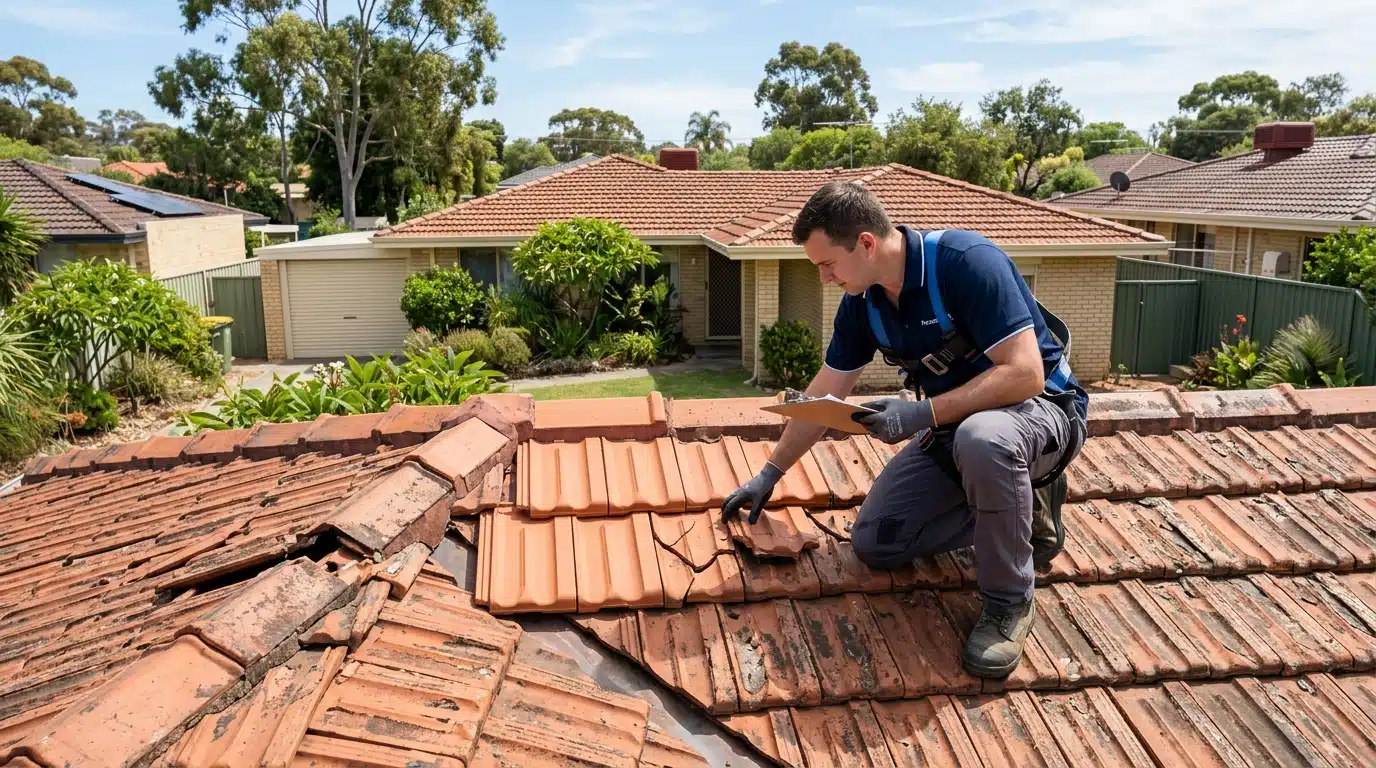
Most Perth homeowners notice a cracked tile or a small ceiling stain and immediately start wondering about the total cost. Is the problem limited to a few repairs, or does the roof require complete re-roofing? The answer is rarely obvious from ground level.
A professional roof tile inspection helps remove that uncertainty. Rather than relying on visible damage alone, a proper assessment considers the roof covering, underlying components and structural condition. This distinction matters because targeted repairs can be appropriate when deterioration is localised, while extensive damage beneath the tiles may make broader replacement more practical.
The decision should therefore be based on the condition of the roof as a system, not simply on the number of cracked tiles visible from the ground. A thorough internal structure audit can reveal problems affecting battens, sarking and supporting timber that may not be apparent during a basic visual inspection.
After decades of roofing experience, recurring patterns can help homeowners understand when repair makes sense and when a more comprehensive solution deserves consideration.
What a Structural Inspection Actually Examines
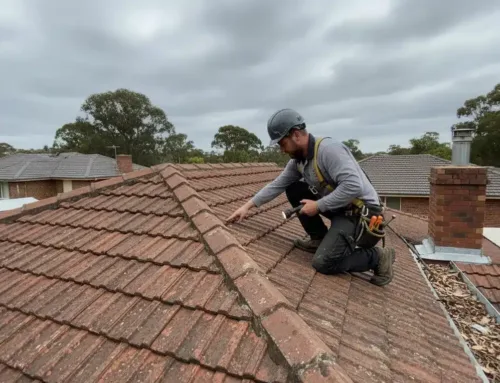
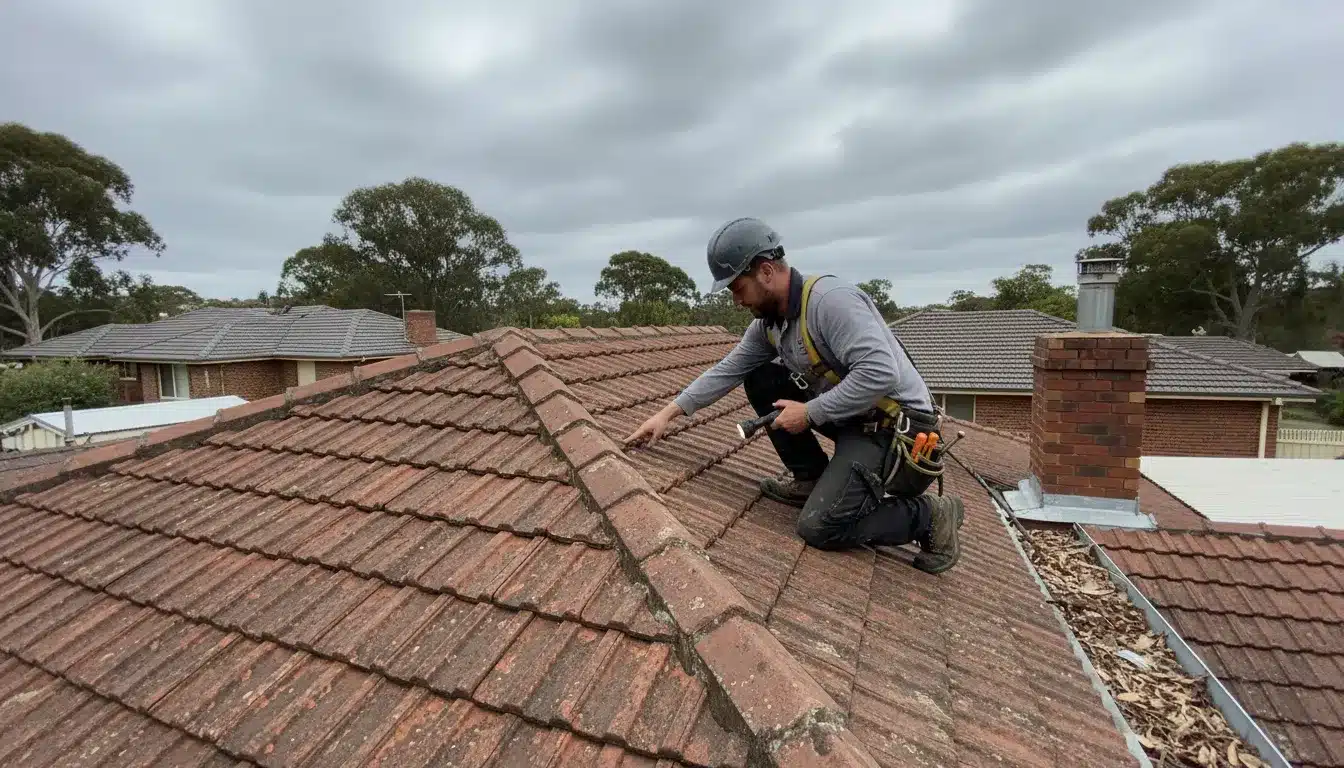
A genuine roof tile inspection goes beyond counting cracked tiles. It considers the condition of the visible roof covering and, where accessible and appropriate, the components underneath it.
Three Areas That Help Determine Roof Viability
The first area is the tile surface itself. Inspectors can look for cracks, broken or displaced tiles, deterioration, damaged ridge capping and other visible defects. This provides useful information about the roof’s current condition, but surface damage alone does not always reveal the full extent of deterioration.
The second area is the underlay and supporting components. Sarking can deteriorate with age and exposure, while timber battens can be affected by persistent moisture. The condition of these components can significantly influence whether isolated tile repairs are likely to provide a lasting solution.
This is where an internal structure audit can be particularly useful. Where access permits, the roof space may provide additional evidence of moisture entry, timber deterioration or other problems that are difficult to identify from above.
Permacoat’s roofing work includes restoration and repair solutions, making an assessment of the existing roof condition relevant before deciding whether restoration or replacement is appropriate.
When deterioration extends across substantial sections of the underlying roof system, replacing individual tiles may no longer address the wider problem. The scope of work then needs to be considered more carefully.
The third area is the supporting roof structure. Rafters, trusses and other structural members carry the roof loads and can be affected by water damage, timber deterioration or movement. If significant structural problems are identified, surface repairs should not be treated as a substitute for addressing the underlying issue.
Valley and Flashing Condition
Valleys and flashings deserve particular attention because they are important parts of the roof’s water-shedding system. Deterioration around these areas can contribute to water entry, even when the surrounding tiles appear relatively sound.
A leak visible inside the house does not necessarily correspond with the point where water entered the roof. Water can travel along roof components before becoming visible at a ceiling or wall.
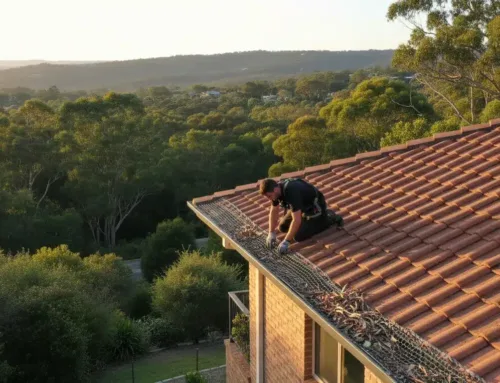
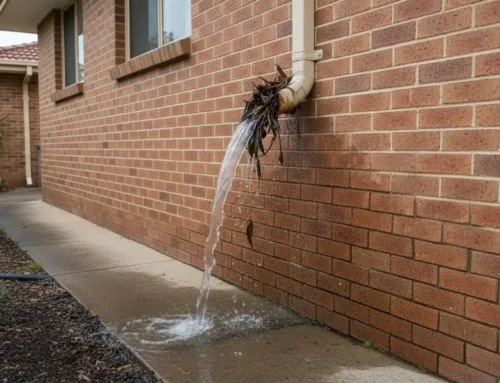
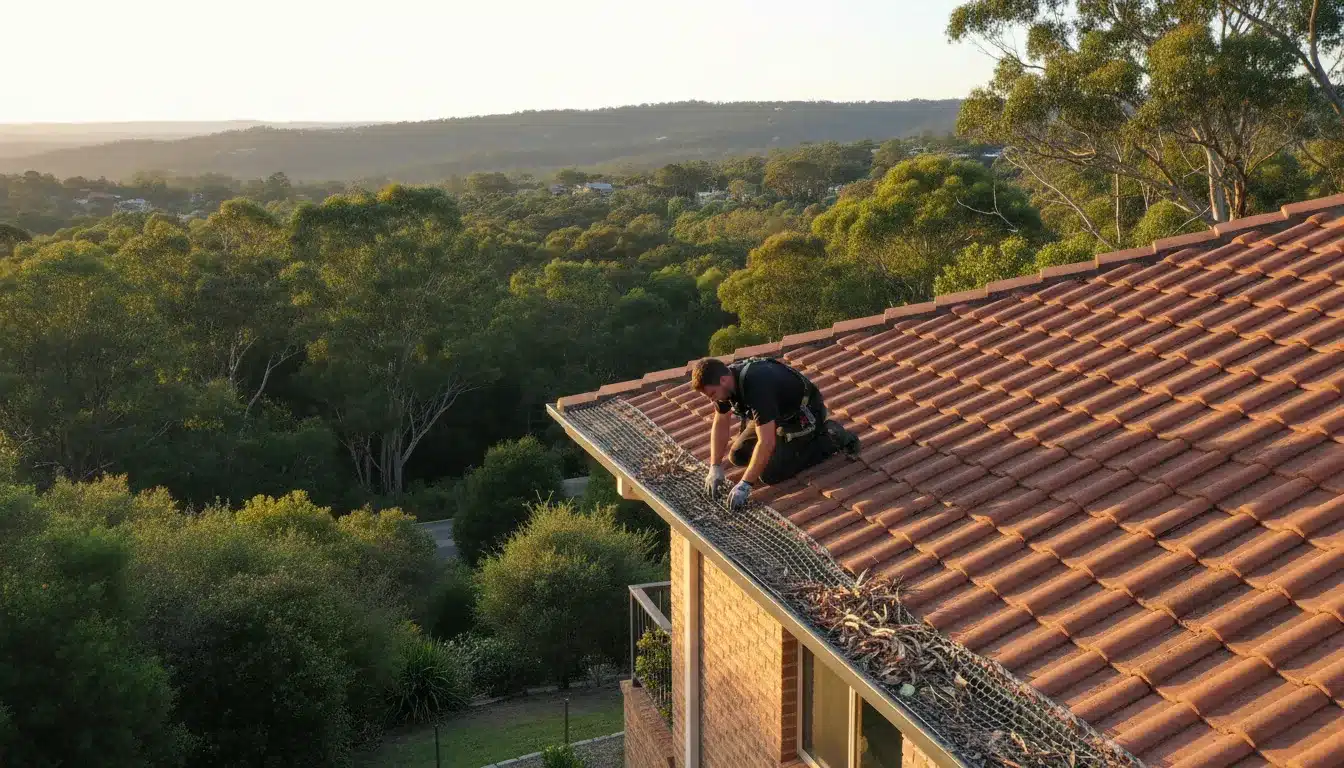
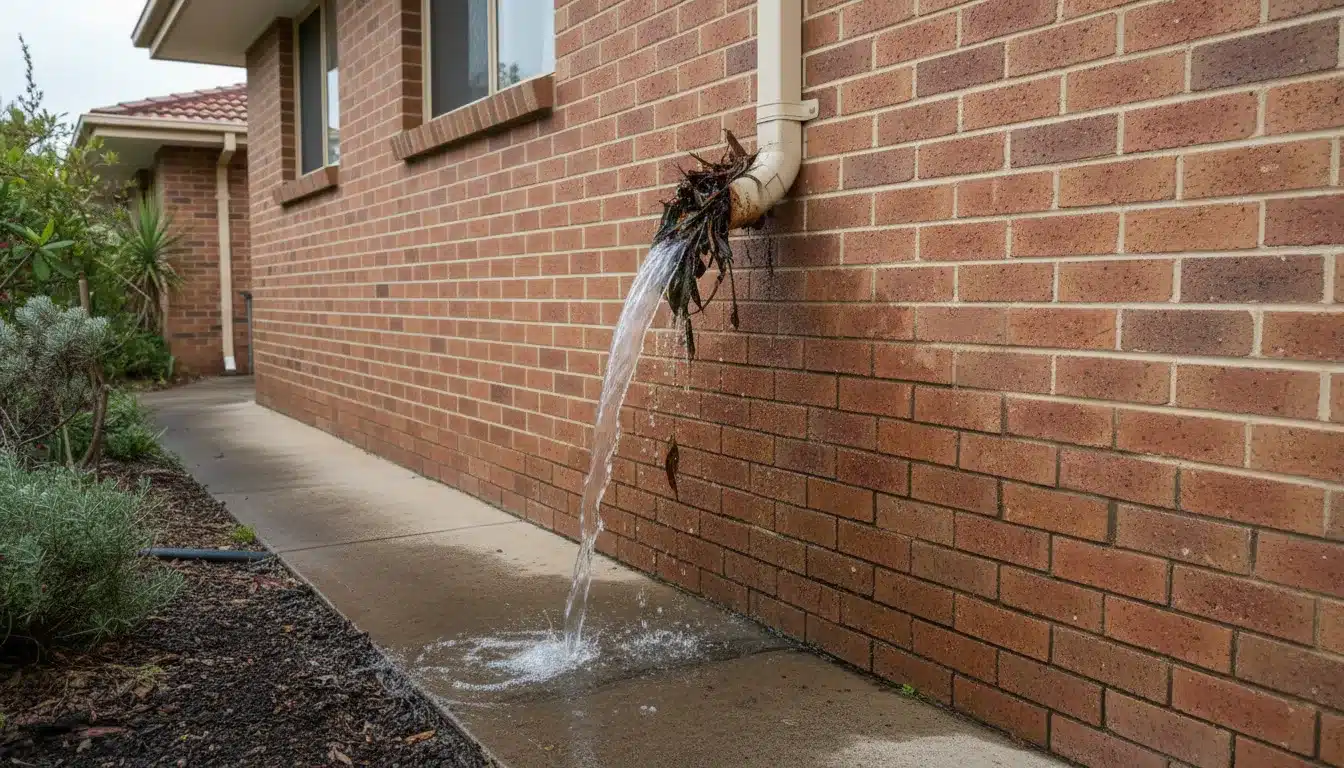
Drainage should also be considered during the assessment. Damaged or poorly functioning gutters can contribute to water management problems around the roof edge. Where guttering or downpipes require replacement as part of broader roofing work, gutter and downpipe replacement can be considered alongside the roof assessment.
When Targeted Repairs Make Structural Sense
Roof tile repair generally makes more sense when the damage is genuinely localised and the underlying roof components remain in suitable condition.
Scenarios Where Repairs Can Be Appropriate
Isolated storm damage is one example. A small number of broken or displaced tiles may be replaced without requiring wholesale roof replacement, provided the surrounding roof and underlying components remain sound.
Minor deterioration on an otherwise serviceable roof can also be addressed through targeted repairs. The key consideration is not simply how many tiles are damaged, but whether the damage is confined to a particular area.
Where the roof requires several related repairs, a broader roof repair service can address issues such as damaged tiles and other roof defects without automatically assuming that complete replacement is necessary.
A roof that has primarily suffered surface deterioration may also be a candidate for restoration rather than re-roofing. Restoration can involve cleaning, repairs and protective coating work where the existing roof remains suitable for restoration.
For example, faded tiles are not automatically evidence that the roof structure has failed. Appearance, coating condition and structural integrity need to be considered separately.
Localised leaks can likewise have relatively specific causes. Damaged tiles, deteriorated flashing or problems around roof penetrations may be repairable when the surrounding roof remains in reasonable condition.
The Economic Threshold
There is no reliable universal percentage at which repairs automatically become uneconomical. The original article’s suggested 30 per cent threshold is too definitive because the appropriate decision depends on roof age, access, tile availability, underlying deterioration, labour requirements and the scope of associated work.
A roof with relatively limited damage may still require substantial work if the affected area involves difficult access or deteriorated supporting components. Conversely, a larger number of replaceable tiles does not necessarily mean that complete re-roofing is required.
The most useful approach is to compare the scope, expected durability and overall condition of the existing roof rather than applying a fixed damage percentage.
Structural Red Flags That May Point to Re-Roofing
Some inspection findings indicate that basic tile replacement is unlikely to address the roof’s broader condition.
Widespread Batten Deterioration
Significant deterioration of roof battens can change the scope of a roofing project substantially. If battens require extensive replacement, tiles may need to be removed across large sections of the roof to provide access.
The original article’s claim that more than 40 per cent of battens automatically requires complete replacement is too prescriptive. The actual decision depends on the distribution and severity of deterioration and the construction of the individual roof.
Tile breakage during removal can also vary considerably. Older or fragile tiles may be more susceptible to damage, but there is no reliable universal breakage percentage that should be applied to every project.
If extensive dismantling is already required, homeowners may reasonably compare the cost and expected outcome of repairing the existing system with the scope of a complete re-roof.
Sarking Failure and Structural Issues
Widespread sarking deterioration can also affect the practicality of isolated repairs. Patching a small section may be possible in some circumstances, but extensive deterioration requires a more comprehensive assessment.
Structural framing issues are more significant. Sagging roof lines, damaged timber or evidence of substantial movement can indicate problems that should be investigated before surface repairs proceed.
An internal structure audit can help identify evidence within accessible roof spaces, although a visual inspection should not be presented as a substitute for specialist structural engineering advice where engineering assessment is required.
Tile availability can also influence the decision. Older tile profiles may be difficult to match, particularly where the original product is no longer manufactured. This does not automatically require re-roofing, but it can make extensive tile replacement more complicated.
The Cost Analysis: Repair vs Replacement
The financial comparison needs to consider more than the initial quote.
Immediate Cost Comparison
The original article included fixed figures for tile repairs, valley repairs and complete re-roofing. Those figures should not be treated as universal Perth pricing because roofing costs vary substantially according to roof size, access, material, pitch, damage, labour requirements and the scope of work.
A small number of tile replacements will generally involve a very different scope from extensive repairs requiring access to multiple roof planes or replacement of underlying components.
Likewise, complete re-roofing can vary considerably depending on the selected roof covering, roof geometry, removal requirements, structural condition and associated works.
For homeowners comparing options, the useful question is not simply “Which quote is cheaper?” It is “What work does each quote actually include, and what condition will the roof be in after that work is completed?”
Long-Term Cost Considerations
Short-term repairs can be financially sensible when they address isolated problems on an otherwise serviceable roof. However, repeatedly repairing different areas of an ageing roof can eventually become less attractive if deterioration continues to spread.
The original article’s claim that repairs will typically last three to seven years is too broad to apply to every roof. Repair durability depends on the defect, materials, workmanship, surrounding roof condition and subsequent exposure.
The same principle applies to re-roofing. A new roof can remove many ageing components, but the investment needs to be justified by the actual condition of the existing system.
For homeowners who have reached the point where restoration is no longer appropriate, re-roofing in Perth provides a more comprehensive replacement option.
The decision should also consider future maintenance. A roof that requires increasingly frequent repairs may warrant comparison with the longer-term implications of replacement.
What Happens During a Professional Roof Tile Inspection
Understanding the roof tile inspection process helps homeowners interpret recommendations more effectively.
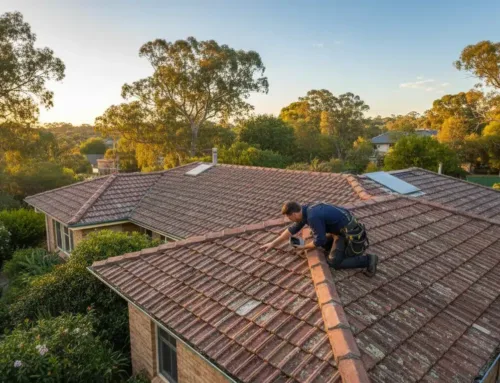
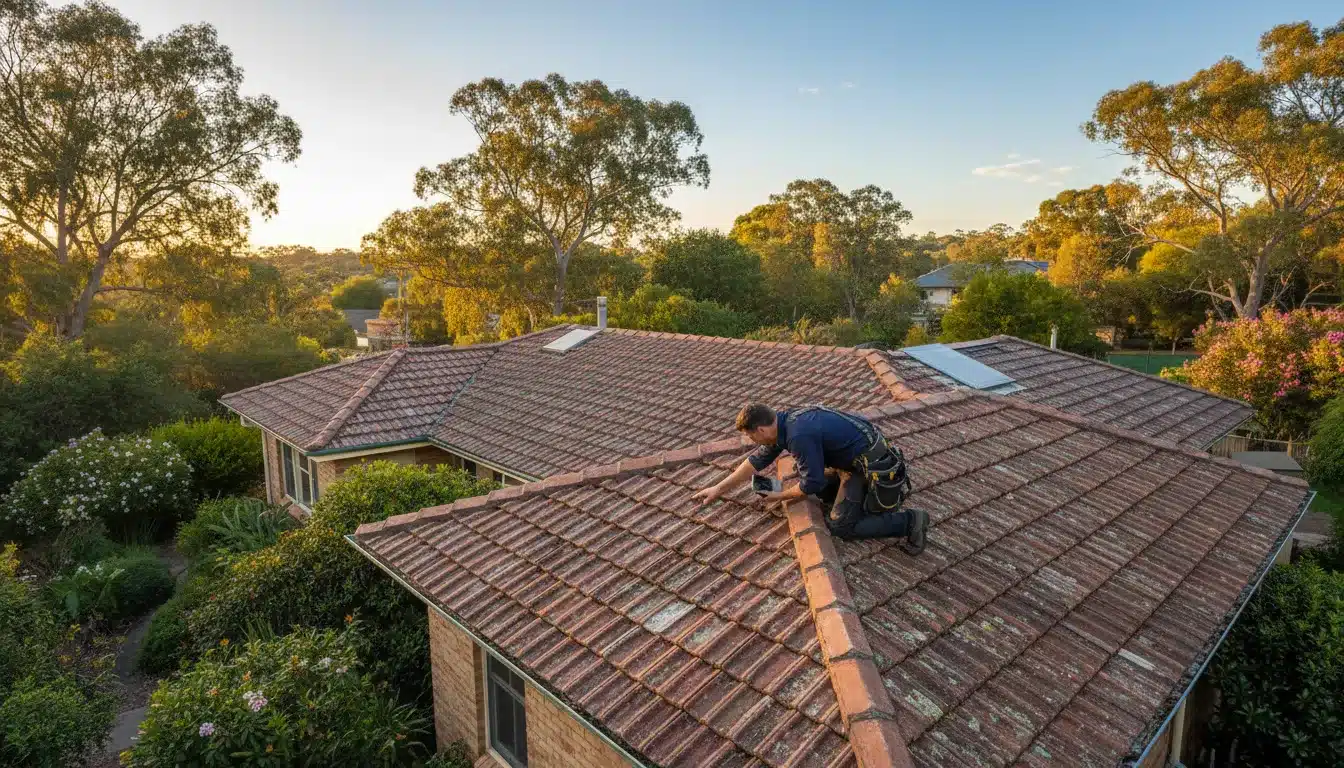
The assessment generally begins with an external examination. Visible tile damage, displaced tiles, ridge capping, valleys, flashings and other roof components can be documented before closer inspection takes place.
Where safe and appropriate access is available, further inspection can provide additional information about the condition of the roof covering and associated components.
The roof space can provide another perspective. An internal structure audit may reveal water staining, evidence of moisture entry, deteriorated timber or other conditions that cannot be identified reliably from the ground.
Moisture detection equipment may also be used in appropriate circumstances to investigate suspected moisture problems. However, moisture readings need to be interpreted in context because elevated moisture can have different causes.
Photographs and a clear description of observed defects are particularly useful when comparing repair and replacement options. They allow homeowners to understand why a particular scope of work has been recommended rather than relying solely on a verbal assessment.
A professional inspection should therefore help answer three practical questions:
- What is actually damaged?
- Is the damage localised or widespread?
- Is the existing roof system suitable for continued repair or restoration?
How Perth’s Climate Affects the Decision
Perth’s climate can place significant demands on roofing materials, but individual exposure varies considerably between properties.
Strong summer sunlight can contribute to ageing of exposed roofing materials and coatings. Coastal properties may also experience greater exposure to salt-laden air, which can affect susceptible metal components.
Temperature changes can contribute to expansion and contraction of roofing materials over time. However, the extent of movement and its effect on a particular roof depends on the materials, installation and overall condition of the system.
Vegetation can create additional maintenance requirements. Leaves, organic debris and moisture accumulation can affect shaded roof areas and drainage systems, particularly where trees are close to the property.
These environmental factors should be considered alongside the roof’s age and construction. They should not, however, be used to assume that every Perth roof will deteriorate at the same rate.
For properties in more exposed locations, the inspection should pay particular attention to flashing, fasteners, drainage, roof coverings and other components that may be affected by local conditions.
Making the Decision: What the Inspection Should Tell You
A useful roof tile inspection should give homeowners enough information to compare repair, restoration and replacement based on the actual condition of the roof.
Can Repairs Extend the Roof’s Useful Life?
If the damage is localised and the supporting components remain sound, targeted repairs may provide a practical solution.
If multiple roof components are deteriorating simultaneously, the homeowner should consider whether repeated repairs are likely to provide reasonable value compared with a broader roofing project.
There is no universal number of years that repairs should add to a roof’s life. The expected outcome depends on the existing materials, their condition and the work performed.
Are Repairs Addressing the Cause?
A good assessment should distinguish between a visible symptom and the underlying cause.
For example, replacing a cracked tile may resolve the immediate defect, but if surrounding movement, damaged battens or another underlying issue is responsible for recurring failures, replacing the tile alone may not resolve the broader problem.
This is where an internal structure audit and wider roof assessment can provide valuable context.
Is Restoration Still Viable?
Not every ageing tile roof needs to be completely replaced. Where the underlying roof remains suitable, restoration can address surface deterioration and selected defects while retaining the existing roof covering.
Where the roof has deteriorated beyond practical restoration, replacement may be the more appropriate long-term option.
For strata properties, decisions can involve additional considerations because roofing work may affect shared building components and multiple owners. Permacoat also provides strata roofing services for strata-managed properties where this type of roofing work is required.
At this stage of the decision-making process, Permacoat can be considered as an option for homeowners seeking professional roofing assessment and restoration or repair services.
When Re-Roofing Becomes the More Practical Option
Complete re-roofing becomes more relevant when the existing roof system has widespread deterioration or when repairing individual components would no longer provide a sensible overall outcome.
Potential factors include extensive deterioration beneath the roof covering, widespread structural concerns, significant ageing, difficult-to-source replacement tiles or a combination of several major defects.
Even then, re-roofing should not be recommended solely because a roof is old. Age is an important consideration, but condition and remaining serviceability are more informative.
The same principle applies in reverse. A relatively young roof should not automatically be repaired if significant structural deterioration is present.
A professional assessment should therefore consider the whole roof system and provide a clear explanation of why repair, restoration or replacement is being recommended.
Conclusion
The choice between roof tile repair and full re-roofing should not be based on one cracked tile, one ceiling stain or a fixed cost threshold.
A thorough roof tile inspection looks beyond visible defects and considers the condition of the roof covering, sarking, battens, flashings, drainage and accessible structural components. An internal structure audit can provide additional evidence about moisture entry and deterioration that may not be visible externally.
Targeted repairs can make sense when problems are localised and the underlying roof remains sound. Restoration may be appropriate when an existing roof can be repaired and protected without complete replacement. Re-roofing becomes more relevant when deterioration is widespread or the existing system is no longer practical to maintain.
The most reliable decision comes from understanding what is actually damaged, what work is required and what outcome that work is expected to provide.
For professional roof restoration in Perth, homeowners can compare the condition of their existing roof before committing to a broader replacement project. For advice about your roofing options, Call (08) 9249 5955.