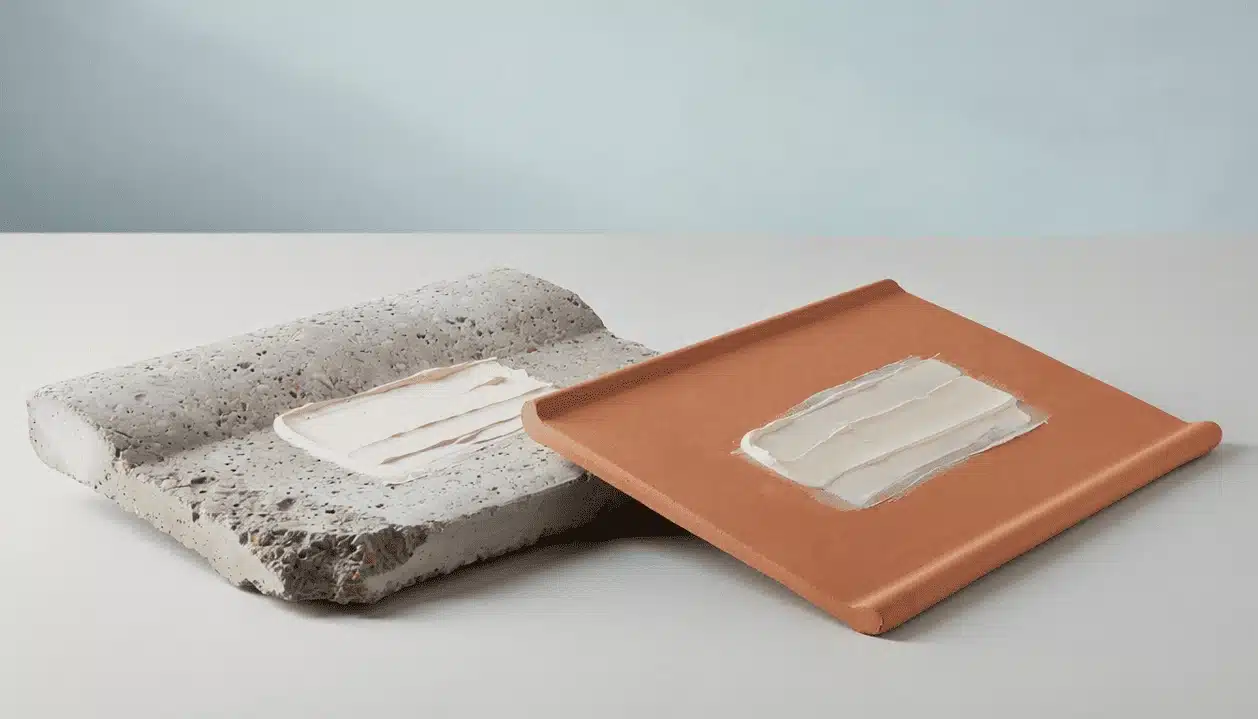
Perth homeowners investing in roof restoration often focus on the topcoat – the visible layer that delivers colour and kerb appeal. But the layer applied before it determines whether that topcoat lasts three years or fifteen. Tile-specific primer selection is the technical decision that separates coating systems performing as designed from those failing prematurely – and it’s a decision requiring genuine substrate knowledge.
Aged concrete tiles and terracotta tiles deteriorate differently, absorb moisture differently, and respond to thermal stress differently. The primer that performs correctly on one will underperform on the other – regardless of how premium the product might be.
Why Primer Selection Determines Coating Outcomes
The Substrate Beneath the Coating Controls Everything
Concrete tiles absorb moisture differently than terracotta. They expand and contract at different rates under Perth’s temperature extremes. They release alkaline salts through distinct chemical processes. When the wrong tile specific primer is applied to either surface, the entire coating system becomes compromised – not immediately, but within 18 months to three years when delamination, blistering, or premature chalking begins.
Generic primers attempt to split the difference between these substrate requirements and end up doing neither job effectively. The result looks acceptable on completion day, but the foundation was never right.
What Primer Failure Actually Looks Like
Most coating failures don’t announce themselves immediately. A homeowner sees a freshly painted roof, assumes the work was done properly, and only discovers the problem when sections begin peeling in the second or third summer after restoration.
The issue stems from how aged tiles behave. Applying the wrong primer creates a bonding layer that appears sound but lacks the properties to withstand Perth’s thermal cycling, salt exposure, and seasonal moisture movement. By the time failure is visible, the entire coating system requires stripping and reapplication.
How Aged Concrete Tiles Deteriorate
The Carbonation Process
Concrete roof tiles manufactured 20-30 years ago face specific degradation patterns that directly determine roof primer selection. The cement binder gradually carbonates through reaction with atmospheric carbon dioxide, creating a progressively weaker surface layer. Simultaneously, soluble salts within the concrete migrate toward the surface as moisture moves through the tile body.
This creates two distinct challenges for adhesion. First, the weakened surface layer lacks the structural integrity to support a coating film. Without proper consolidation, the coating bonds to a friable layer that eventually separates from the tile body beneath it. Second, the migrating salts crystallise beneath the coating film and physically push it away from the substrate.
Salt Migration: Perth’s Seasonal Challenge
Perth’s climate accelerates both processes. Summer temperatures exceeding 40°C drive moisture movement that brings salts to the surface. Winter rains then rehydrate the tiles, dissolving salts and creating pressure beneath any impermeable coating layer. This seasonal cycle repeats year after year, testing the primer’s alkalinity resistance with every wet season.
The right primer for aged concrete must accomplish three tasks simultaneously: penetrate deeply enough to consolidate the weakened surface, provide sufficient alkalinity resistance to block salt migration, and create a stable foundation for topcoat adhesion. Standard acrylic primers typically fail the first two requirements.
How Terracotta Tiles Present Different Surface Challenges
Structural Integrity With Complex Surface Conditions
Where concrete tiles become progressively weaker with age, terracotta tiles maintain their structural integrity but develop surface conditions that make adhesion difficult. The fired clay body remains dense and relatively impermeable, but decades of weathering create a layer of degraded material, biological growth, and atmospheric contaminants that the primer must bond through.
The glazed or semi-glazed surface common on terracotta adds another complexity. This vitrified layer was designed to resist moisture penetration – which also means it resists primer penetration. The coating must bond to a hard, smooth surface without the mechanical keying available on more porous substrates.
How Moisture Behaves Differently in Terracotta
Terracotta’s lower porosity changes how moisture behaves within the tile. While concrete tiles readily absorb and release moisture, terracotta traps moisture for longer periods. If a primer seals the surface before trapped moisture can escape, that moisture will eventually push the coating film away from the substrate as it tries to evaporate.
Professional roof cleaning becomes particularly critical for terracotta tiles because the dense substrate offers no forgiveness for inadequate surface preparation. Contaminants that might get partially buried within a porous concrete surface will create discrete failure points on terracotta. Thorough contamination removal before priming is the prerequisite – not an optional precaution.
Primer Formulation Differences That Matter
What Makes Concrete Tile Primers Different
Concrete tile primers feature higher solids content with smaller particle sizes – typically below 0.1 microns – designed to penetrate the porous substrate. They incorporate alkaline-resistant resins, often modified acrylics or epoxy-acrylics, capable of withstanding the high pH environment within concrete.
These primers also contain silicate-based consolidators that chemically react with degraded cement to reform a stable matrix. The goal is creating a surface with consistent porosity and sufficient strength to support the coating system. Application rates for aged concrete typically run 0.15-0.20 litres per square metre, depending on tile porosity – inadequate primer volume leaves areas of unconsolidated substrate that become failure points.
What Makes Terracotta Primers Different
Terracotta primers take a fundamentally different approach. Rather than penetrating deeply, they focus on maximum adhesion to the dense, smooth surface. This requires resins with excellent wetting characteristics that can displace microscopic surface contaminants and form strong molecular bonds with the clay substrate.
Flexibility is more important in terracotta primers than in concrete formulations. Terracotta can reach surface temperatures exceeding 70°C on Perth summer days, creating expansion forces that rigid primers cannot withstand. The moisture vapour permeability of terracotta primers must also be carefully balanced – too impermeable causes blistering, too permeable compromises protection. Application rates run slightly lower, around 0.12-0.15 litres per square metre, because the goal is surface bonding rather than substrate penetration.
How Perth’s Climate Influences Primer Performance
Coastal Salt Exposure
Coastal properties face challenges that affect roof primer selection for both tile types. Salt-laden sea air deposits chlorides on roof surfaces, and these salts accelerate concrete degradation while also creating adhesion problems on terracotta. Properties within 5km of the coast require primers with enhanced salt resistance regardless of tile type.
Scarborough, Cottesloe, Hillarys, and similar western suburbs experience this exposure continuously. A primer correctly specified for the tile type but without adequate salt resistance will still underperform in these locations.
UV Exposure and Seasonal Movement
Perth’s intense UV exposure breaks down organic components in primer formulations. Lower-quality primers lose their consolidating properties or become brittle within 2-3 years, even when they initially appeared to perform adequately. This degradation happens invisibly beneath the topcoat until the system fails.
Aged concrete tiles also experience seasonal movement that primer flexibility must accommodate. As tiles dry out completely during Perth’s dry summers, they shrink slightly. When winter rains arrive, they expand again. Primers lacking sufficient flexibility crack during this movement, creating moisture ingress pathways that undermine the coating system.
The Three-Coat System and Correct Primer Application
Primer Specifications for Each Tile Type
Permacoat, WA’s longest-serving roof restoration company with 50+ years of experience and 30,000+ Perth roofs restored, applies tile specific primer systems based on detailed substrate assessment during pre-restoration inspection.
For aged concrete tiles, this means a penetrating primer-sealer with minimum 25% solids content, particle size below 0.1 microns, and proven alkaline resistance to pH 13 or higher. For terracotta tiles, the formulation shifts to a bonding primer designed for dense, low-porosity surfaces – applied at lower rates because penetration is not the objective.
Both require adequate curing time before topcoat application. In Perth’s climate, 24-48 hours typically provides sufficient cure during moderate conditions, though cooler winter temperatures may require longer.
The Dulux Acratex Coating System
The Dulux Acratex coating system incorporates substrate-specific primer formulations developed specifically for Australian roofing conditions. These primer systems are only available to accredited applicators, which is one reason Dulux accreditation translates to measurably better long-term performance. A premium topcoat applied over the wrong primer still fails – the Dulux Acratex coating achieves its 15-20 year warranty performance because the primer foundation is engineered to match the substrate beneath it.
Identifying Your Tile Type
Homeowners often struggle to determine whether their roof features concrete or terracotta tiles, particularly after decades of weathering have altered both types’ appearance.
Simple Field Tests
Several identification methods provide reliable answers without professional intervention:
- Weight: Concrete tiles feel noticeably heavier – typically 4-5kg versus 2.5-3kg for similarly sized terracotta tiles
- Sound: Tap a tile with a hard object. Terracotta produces a clear, ringing tone. Concrete makes a duller, flatter sound
- Broken edge: Concrete tiles show aggregate particles in a cement matrix. Terracotta displays uniform clay composition throughout
- Underside texture: Concrete tiles are rougher and more granular; terracotta feels smoother and denser
When Professional Assessment Is Necessary
When uncertainty remains after field tests, professional assessment provides the definitive answer. Incorrect tile identification followed by the wrong primer type guarantees coating problems. Properties with tile roof repairs requirements benefit especially from professional assessment – discovering tile composition during repair scoping allows primer specification to be confirmed before restoration proceeds.
For strata properties where multiple buildings may feature different tile types – common on complexes developed across different periods – strata roofing services include tile composition assessment across all buildings to ensure consistent, appropriate primer specification throughout the complex.
Common Primer Application Mistakes
Even with correct primer selected, application errors undermine long-term performance. The most frequent mistakes follow predictable patterns:
- Inadequate surface preparation – particularly critical for terracotta, where the dense substrate offers no tolerance for remaining contaminants
- Applying primer to damp tiles – moisture prevents proper penetration in concrete and causes adhesion failure on terracotta; Perth’s humidity means tiles can appear dry while retaining significant moisture
- Applying primer during peak summer heat – rapid solvent evaporation prevents proper film formation; the primer skins over before adequately wetting the substrate
- Insufficient coverage on profiled tiles – valleys may receive adequate primer while peaks are missed; proper technique requires working primer into all surface contours
- Rushing topcoat application – trapped solvents or inadequate cure creates weak intercoat adhesion that eventually causes system failure
Conclusion
The primer layer is invisible once topcoats are applied, but its presence determines whether a complete roof restoration in Perth survives Perth’s climate challenges or fails within years. Aged concrete tiles require penetrating primer-sealers that consolidate friable surfaces and block alkaline salt migration. Terracotta tiles need bonding primers that achieve maximum adhesion to dense, low-porosity surfaces while managing moisture vapour transmission. No single formulation can optimally address both.
Professional substrate assessment, appropriate tile specific primer specification, and correct application technique are what ensure Perth homeowners receive the long-term roof protection their investment deserves.
For expert roof restoration in Perth with tile-specific primer selection backed by 50+ years of experience, call (08) 9249 5955 to book your free roof inspection and substrate assessment.