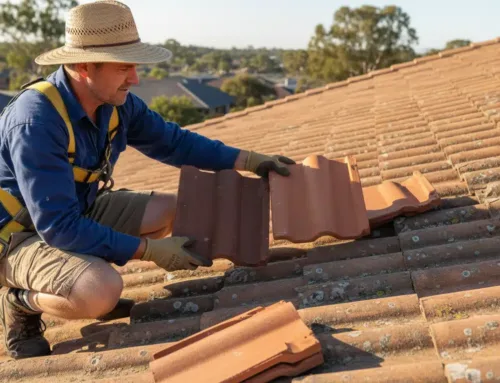
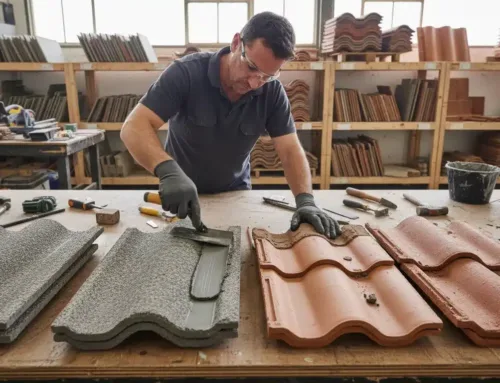
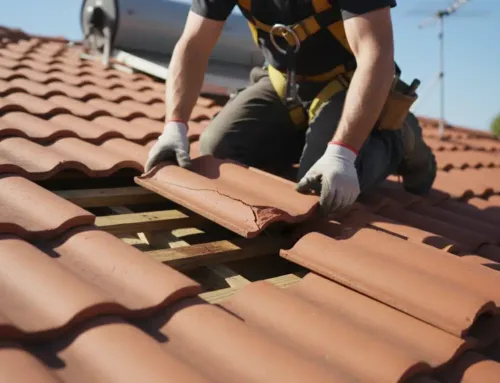
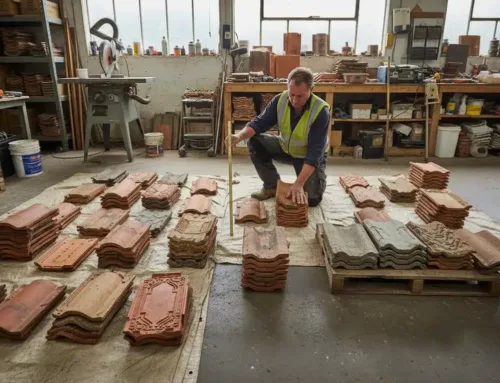
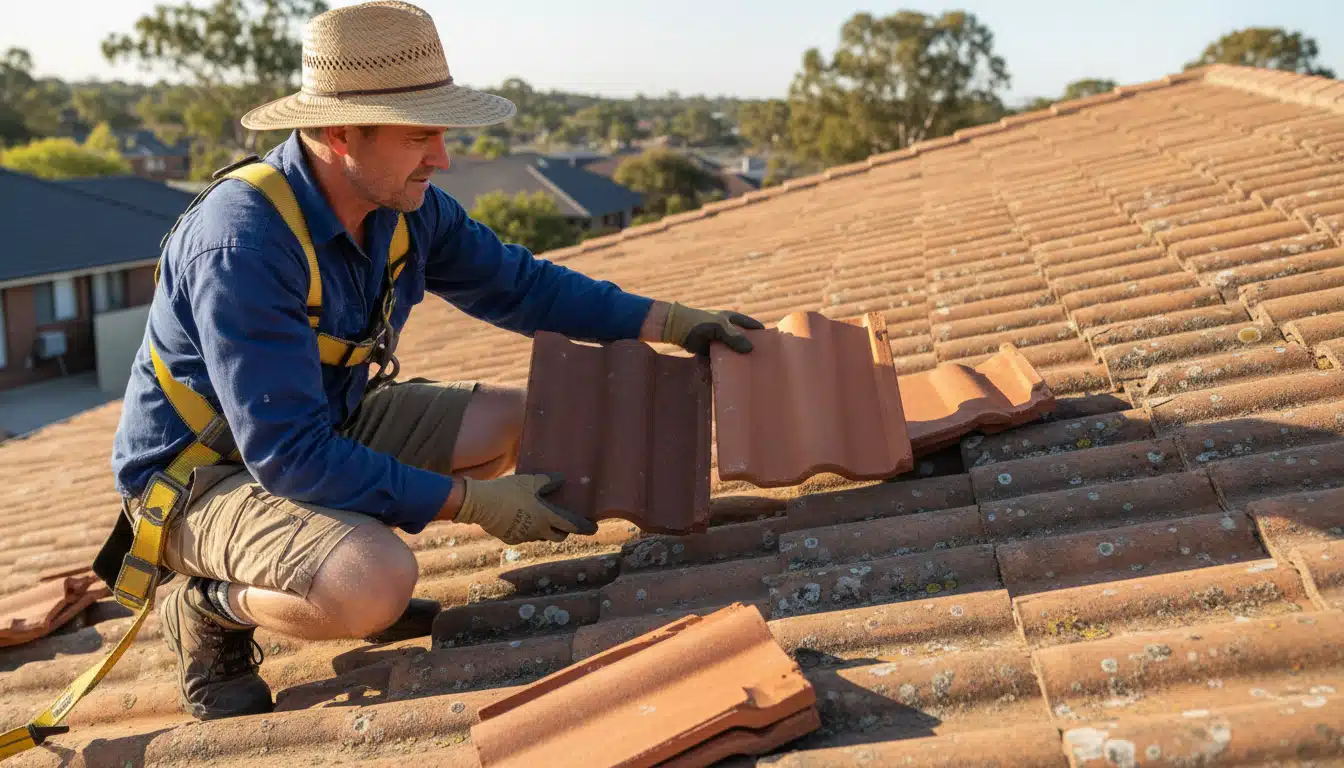
Porous roof tiles present a challenge that a single sealer coat often cannot fully resolve. While one coat fills surface pores and improves moisture resistance, it rarely achieves the complete pore saturation that terracotta and cement tiles need to withstand Perth’s combination of coastal salt exposure, intense UV radiation, and seasonal moisture cycling.
The pattern is observable across Perth’s established suburbs: single-sealed porous tiles showing premature wear, biological regrowth, and coating deterioration years before their warranty period expires. The cause isn’t coating quality – it’s incomplete sealing that left deeper pore structures open to moisture infiltration from the start.
Why Single Sealer Coats Often Fall Short
The Pore Saturation Problem
Terracotta and cement tiles aren’t uniform surfaces. Their porous structure creates microscopic channels that draw moisture inward through capillary action. When rainwater penetrates these channels, it carries dissolved salts, pollutants, and organic matter deep into the tile substrate – and moisture trapped within tiles promotes biological growth from the inside out rather than just on the surface.
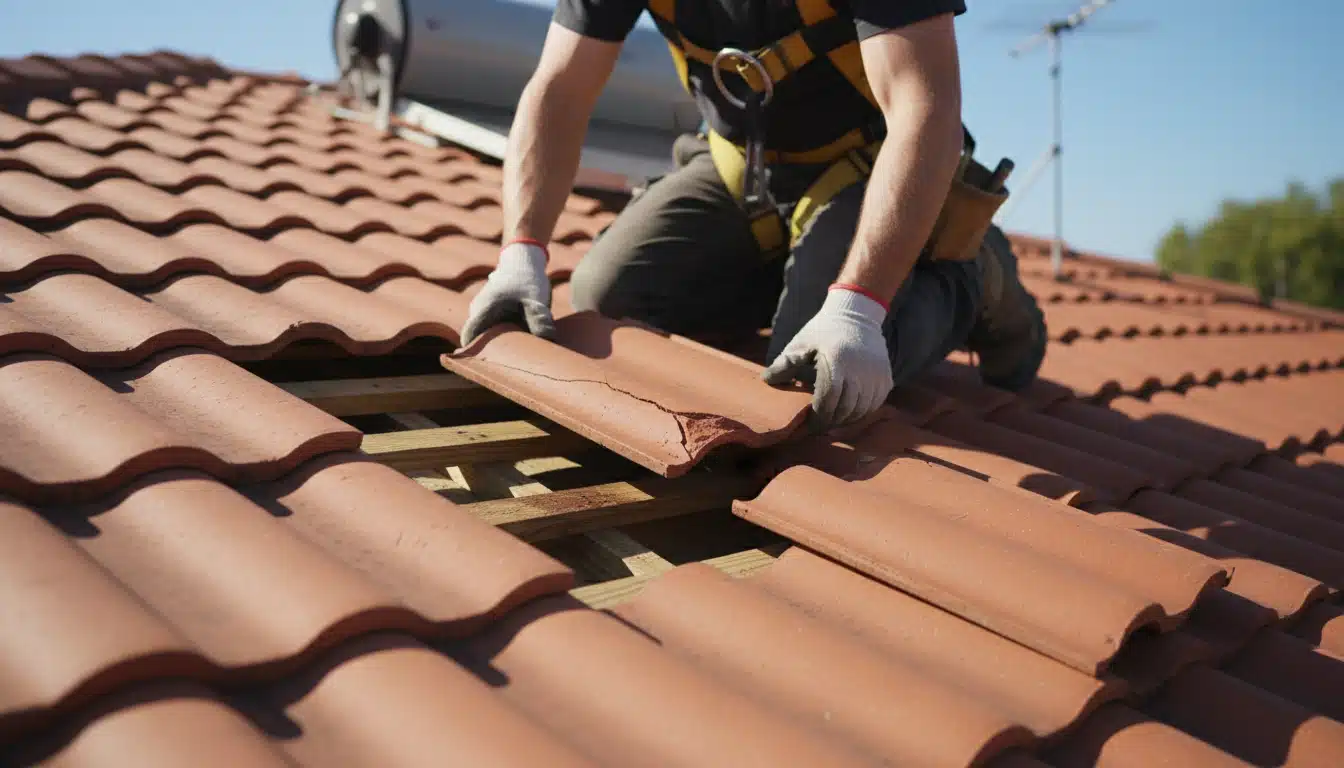
Perth’s temperature fluctuations compound this problem. The absorbed moisture expands and contracts as roof surfaces swing from summer heat to winter cool, gradually breaking down tile structure through a process called spalling. This deterioration occurs even when the roof surface looks clean and well-coated.
A single sealer coat fills surface pores but often fails to achieve complete saturation of the tile’s porous network. The sealer penetrates to a certain depth, then stops as the carrier solvent evaporates. Deeper pores remain unsealed – ready to absorb moisture during the next heavy rainfall event.
Two Distinct Problems That Incomplete Sealing Creates
The practical consequences appear in two ways that homeowners typically notice at different stages. First, biological growth – moss, lichen, and algae – establishes itself through moisture channels that the single coat left open. This regrowth appears within 18-24 months of restoration on incompletely sealed tiles.
Second, the moisture cycling causes gradual spalling of the tile structure itself, independent of biological activity. By the time this damage is visible, it has already progressed through multiple wet-dry seasons. Only complete pore saturation prevents both pathways.
How Double Sealer Coating Creates Superior Protection
The Role of the First Coat
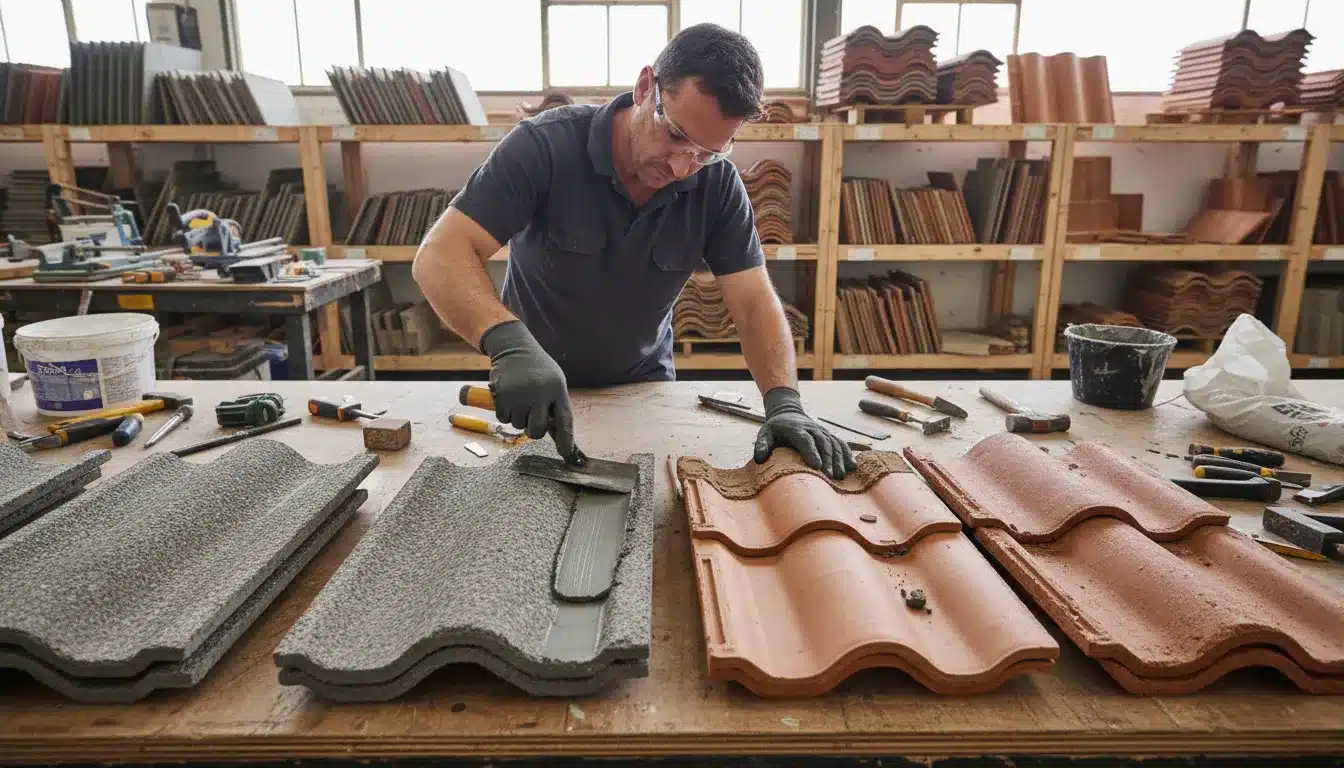
The first sealer coat acts as a foundation layer. It penetrates available pores, begins the sealing process, and creates a partially sealed surface. Crucially, this initial coat doesn’t completely close all pathways – it reduces porosity without eliminating it. Areas with denser tile composition or previously saturated pores accept less sealer than highly porous areas, creating inconsistent saturation across the roof.
What the Second Coat Achieves
When the second coat is applied after proper curing time, it encounters a fundamentally different surface condition. The remaining open pores now receive concentrated sealer without competition from already-saturated areas. This second application achieves what single coats cannot – complete pore saturation throughout the tile’s accessible structure.
The measurable difference is significant. Laboratory testing shows double-sealed porous tiles absorb 85-92% less water than single-sealed equivalents. This dramatic reduction in moisture penetration translates directly to extended tile life, reduced biological regrowth, and longer coating durability – outcomes that single-coat economics cannot deliver.
Perth’s Coastal Conditions Amplify the Need
How Salt Defeats Incomplete Sealing
Perth’s coastal suburbs face particularly demanding conditions. Salt-laden air deposits crystalline residue on roof surfaces, which dissolves during rainfall and penetrates porous tiles. Once inside, salt crystals reform as moisture evaporates – creating internal expansion pressure that accelerates tile degradation from within.
Homes within 5km of the coastline – from Cottesloe to Mindarie – experience this continuous salt exposure. A single sealer coat provides temporary protection, but salt eventually finds pathways through incompletely sealed pores. Double sealer coating eliminates these pathways, creating a genuine moisture barrier rather than a partial one.
This protection proves equally critical during Perth’s winter storms between June and August. Wind-driven rain hitting roof surfaces at acute angles forces moisture into any available opening. Tiles with incomplete sealing absorb significantly more water during these events, leading to saturation and accelerated coating breakdown.
The Science Behind Sealer Penetration Depth
Why Penetration Is Never Uniform on a Single Pass
Roof sealers penetrate through capillary action and chemical bonding, achieving penetration depths of 2-4 millimetres in porous substrates. However, penetration is not uniform across a single application. Tile composition varies across the same roof due to manufacturing variations, weathering patterns, and previous coating history – some areas are more porous than others and accept sealer differently.
A single application saturates the most porous areas while leaving denser or more varied sections inadequately sealed. The roof looks uniformly coated, but the protection it provides is inconsistent.
How the Second Coat Self-Compensates
The second coat addresses these variations through a self-levelling mechanism. Areas that absorbed maximum sealer during the first coat won’t accept significant additional product – the sealer sits on the now-sealed surface and contributes to film build. Areas that absorbed less during the first coat now receive concentrated attention, achieving the penetration depth they need.
This automatic compensation means double sealer coating delivers consistent protection across tiles with varying porosity without requiring individual tile assessment – a practical impossibility on roofs containing thousands of tiles.
Cost vs Value: The Long-Term Calculation
What the Numbers Show Over Time
Double sealer coating adds approximately 15-20% to material costs compared to single-coat applications. This initial increase concerns homeowners focused on immediate expenditure, but the calculation changes when viewed across the coating’s service life.
Single-sealed porous tiles typically require recoating after 10-12 years in Perth conditions. Double-sealed tiles routinely exceed 15 years before showing wear, with many installations reaching 18-20 years. The additional upfront cost becomes negligible when spread across these extra years of protection.
Permacoat, WA’s longest-serving roof restoration company with 50+ years of experience and 30,000+ Perth roofs restored, incorporates double sealing into the standard restoration process for porous tiles because the economics consistently favour this approach over the lifetime of the coating system.
The Hidden Cost of Incomplete Sealing
Moisture penetrating incompletely sealed tiles doesn’t just shorten coating life – it degrades the tile substrate itself. Tile roof repairs become necessary years earlier than they would with proper sealing, adding thousands to long-term maintenance costs that single-coat economics never account for.
This distinction matters for homeowners evaluating quotes. A lower initial price that includes single sealing of porous tiles carries hidden costs that only materialise 5-8 years later – after the original contractor’s responsibility has long expired.
Application Timing and Technique
Why the Interval Between Coats Matters
Applying two sealer coats isn’t simply doubling the same process. The timing between coats critically affects final performance. The first coat must cure sufficiently to create a stable base – but not so long that surface oxidation reduces adhesion for the second coat.
In Perth’s climate, 2-4 hours between coats typically provides the right window during moderate conditions. Summer applications during 35°C heat require shorter intervals as solvent evaporation accelerates. Winter applications at 15°C need longer curing periods before the second coat can properly bond. Temperature and humidity monitoring is part of professional application – not an afterthought.
How Technique Differs Between Coats
The first coat should be applied generously to achieve maximum penetration. The second coat requires more precision – applied too heavily, and excessive film build may crack during thermal cycling; applied too lightly, and remaining pores receive inadequate coverage. Experienced applicators adjust spray patterns and pressure between coats to optimise results.
This technical complexity explains why protective roof coatings applied by professional restoration teams consistently outperform DIY attempts. The equipment, experience, and quality control processes ensure both coats achieve their distinct intended purposes.
When Single Coats May Suffice
Not every roof requires double sealing. Metal roofs – Colorbond, tin, and iron – have non-porous surfaces where sealer sits on top rather than penetrating. These surfaces receive adequate protection from single primer applications before topcoat application. Some modern concrete tiles with factory-applied sealers or glazed surfaces also perform adequately with single sealer coats.
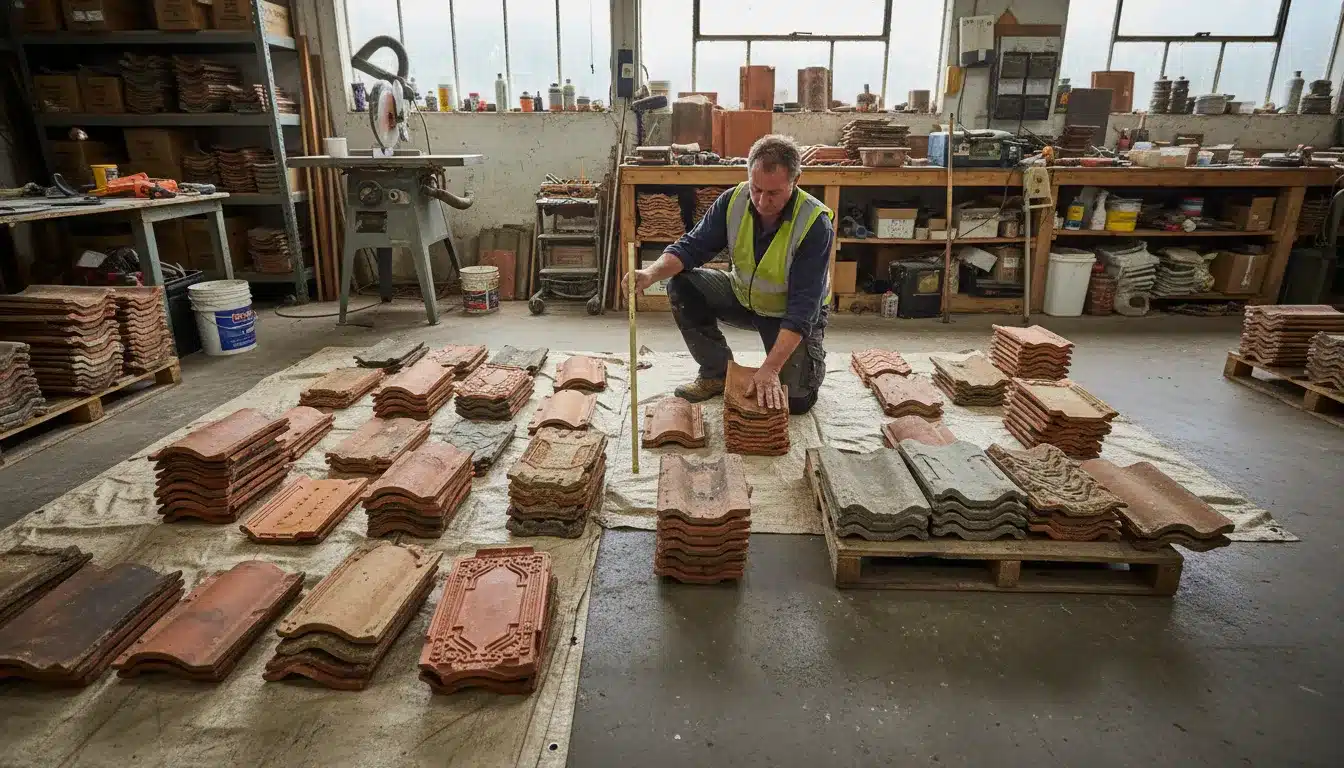
The determination requires professional assessment. During a free roof inspection, specialists examine tile composition, existing porosity, and exposure conditions to recommend appropriate sealing. This assessment considers the specific roof’s characteristics rather than applying universal approaches.
Indicators That Porous Tiles Need Double Sealing
Several signs reveal tiles that will benefit from double sealer coats:
- Terracotta tiles – almost always require double sealing due to inherent fired clay porosity
- Pre-1990 cement tiles – typically show high porosity due to higher sand content in manufacturing
- Rapid water absorption – drops placed on the tile surface absorb within seconds rather than beading
- Biological growth between restorations – moss and lichen returning indicates moisture penetration through single sealing
- Coastal location – properties within 5km of the coast should default to double sealing regardless of visible indicators
For properties where re-roofing is under consideration due to extensively degraded porous tiles, re roofing in Perth specialists can assess whether tile condition warrants replacement rather than restoration – making this determination before double sealing investment is made.
Quality Assurance in Double Sealing
Verifying that double sealing was actually performed presents challenges for homeowners once topcoats are applied. The coats look identical at completion, creating an accountability gap.
Reputable restoration companies address this through documentation – detailed specifications listing materials used, application rates, and coating schedules that explicitly state double sealer application for porous tiles. Permacoat’s separate teams for restoration work and coating application create internal quality checkpoints that prevent shortcuts: the restoration team prepares surfaces and applies sealers, while spray coating specialists handle topcoats.
For strata-managed properties with multiple buildings, strata roofing services documentation becomes particularly important. Body corporate managers need verifiable records that proper sealing was completed across every building in the complex – not just the ones that happened to be inspected on the day.
The proof appears in long-term performance. Properly double-sealed roofs maintain their appearance and protection for 15-20 years. Inadequately sealed roofs show premature wear, biological regrowth, and coating failure within 8-12 years. The difference becomes undeniable over time.
Conclusion
Double sealer coating for porous roof tiles delivers complete moisture protection that single-coat applications cannot match. The modest additional cost produces dramatically extended coating life, reduced maintenance requirements, and prevention of the tile degradation that incomplete sealing allows to progress unchecked.
Terracotta and cement tiles require this thorough approach because their porous structure naturally absorbs moisture – and Perth’s combination of coastal salt exposure, winter rainfall, and thermal cycling creates conditions that exploit every unsealed pore. The second coat completes the saturation process and creates the genuine moisture barrier that protects both coating and substrate for the full warranty period.
For professional roof restoration in Perth with double sealing as standard practice for porous tiles, backed by 50+ years of experience, call (08) 9249 5955 to book your free roof inspection.